Unjust Enrichment Elements With Class
Description
Get your form ready online
Our built-in tools help you complete, sign, share, and store your documents in one place.
Make edits, fill in missing information, and update formatting in US Legal Forms—just like you would in MS Word.
Download a copy, print it, send it by email, or mail it via USPS—whatever works best for your next step.
Sign and collect signatures with our SignNow integration. Send to multiple recipients, set reminders, and more. Go Premium to unlock E-Sign.
If this form requires notarization, complete it online through a secure video call—no need to meet a notary in person or wait for an appointment.
We protect your documents and personal data by following strict security and privacy standards.

Make edits, fill in missing information, and update formatting in US Legal Forms—just like you would in MS Word.

Download a copy, print it, send it by email, or mail it via USPS—whatever works best for your next step.

Sign and collect signatures with our SignNow integration. Send to multiple recipients, set reminders, and more. Go Premium to unlock E-Sign.

If this form requires notarization, complete it online through a secure video call—no need to meet a notary in person or wait for an appointment.

We protect your documents and personal data by following strict security and privacy standards.
Looking for another form?


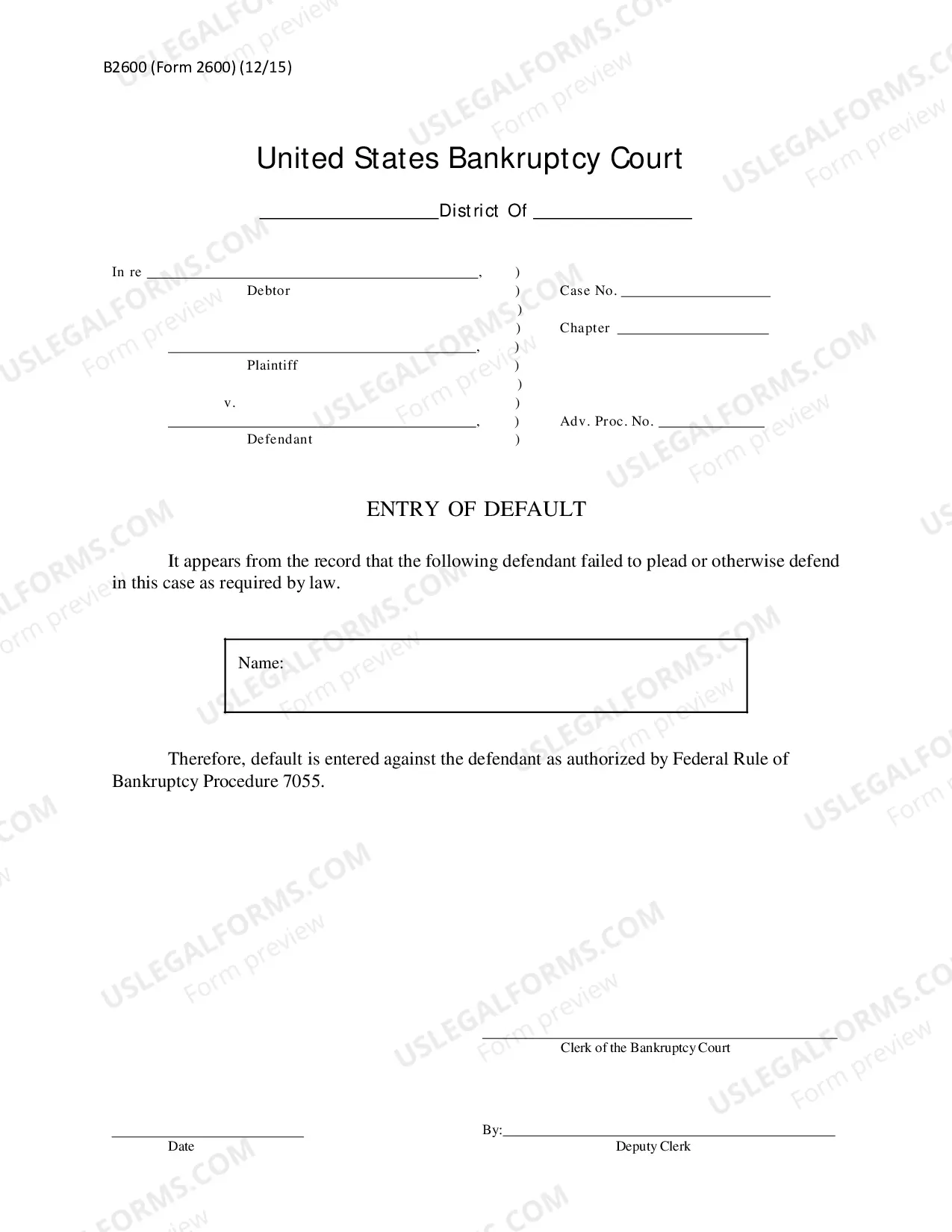
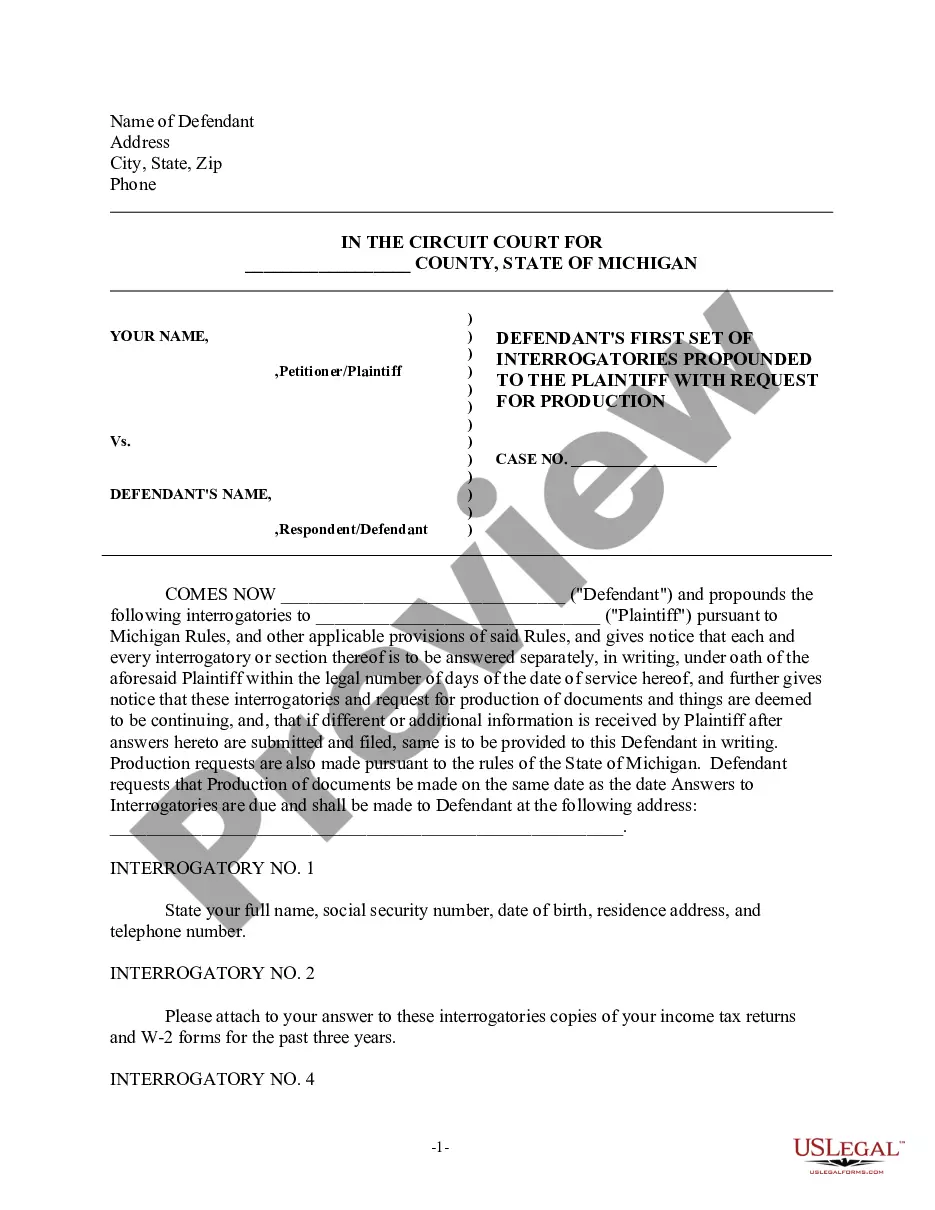
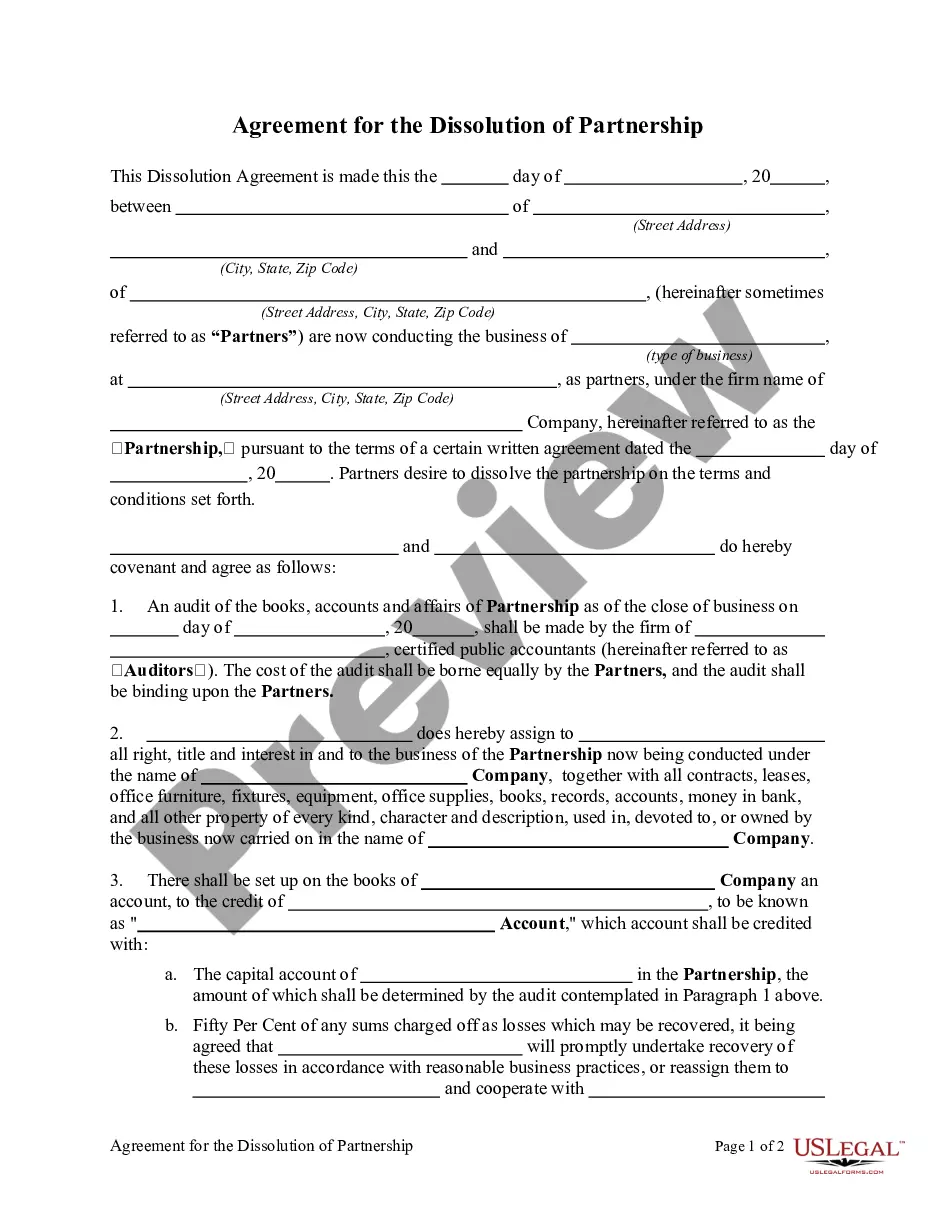



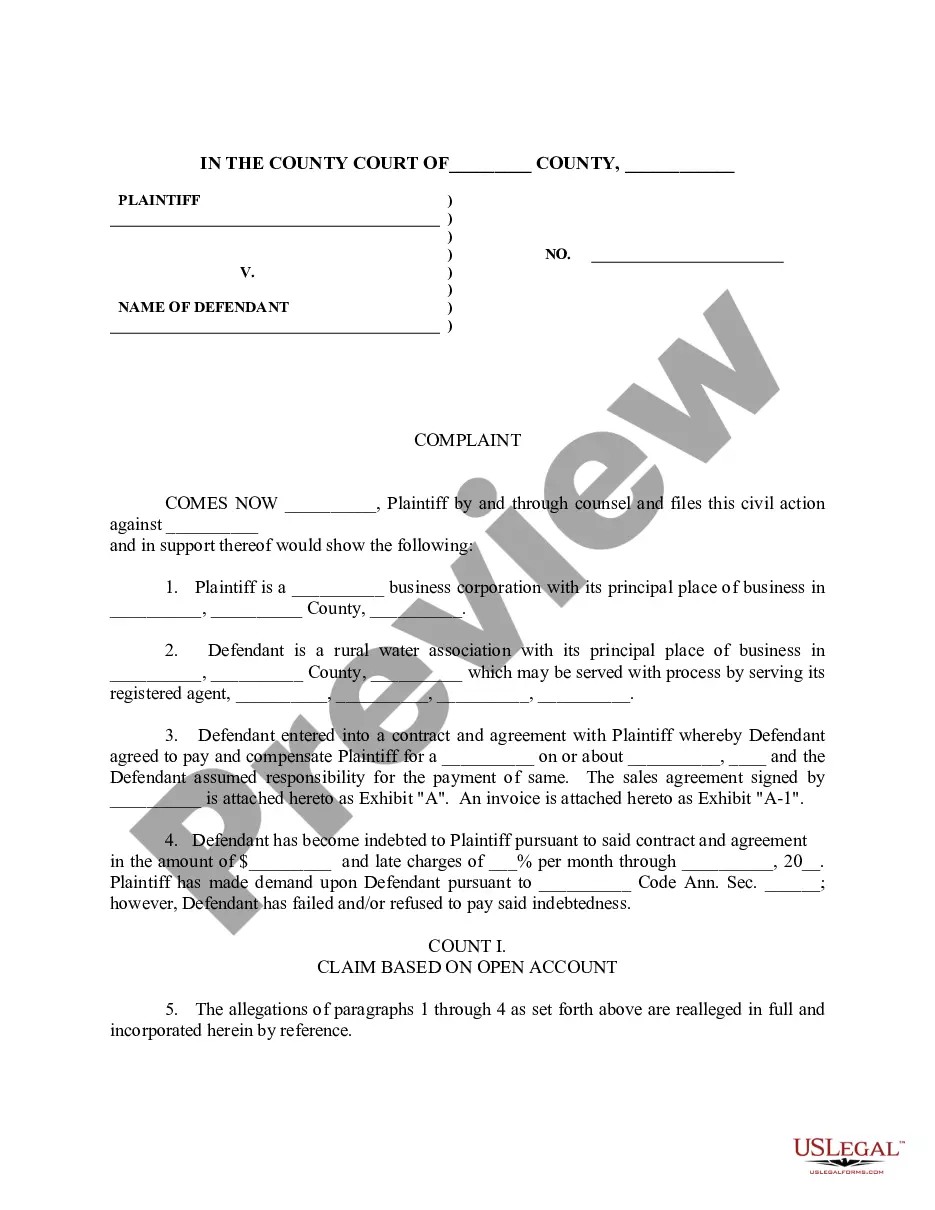
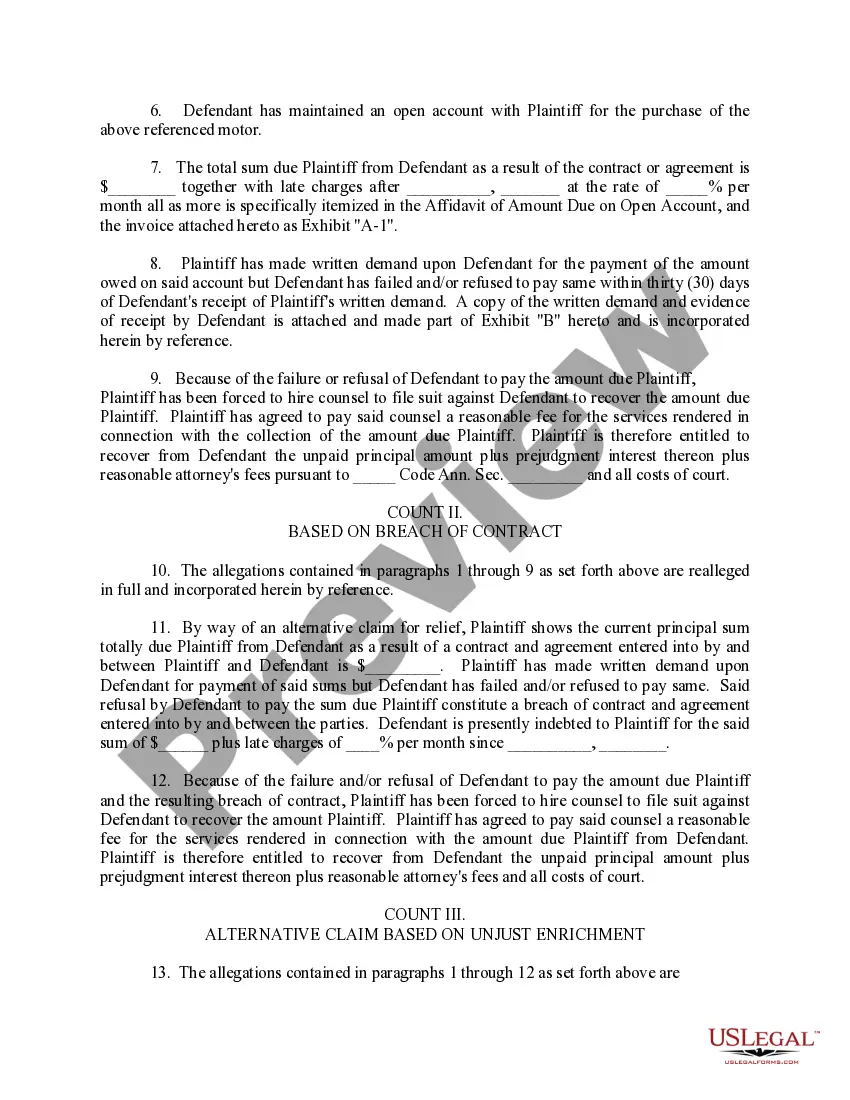
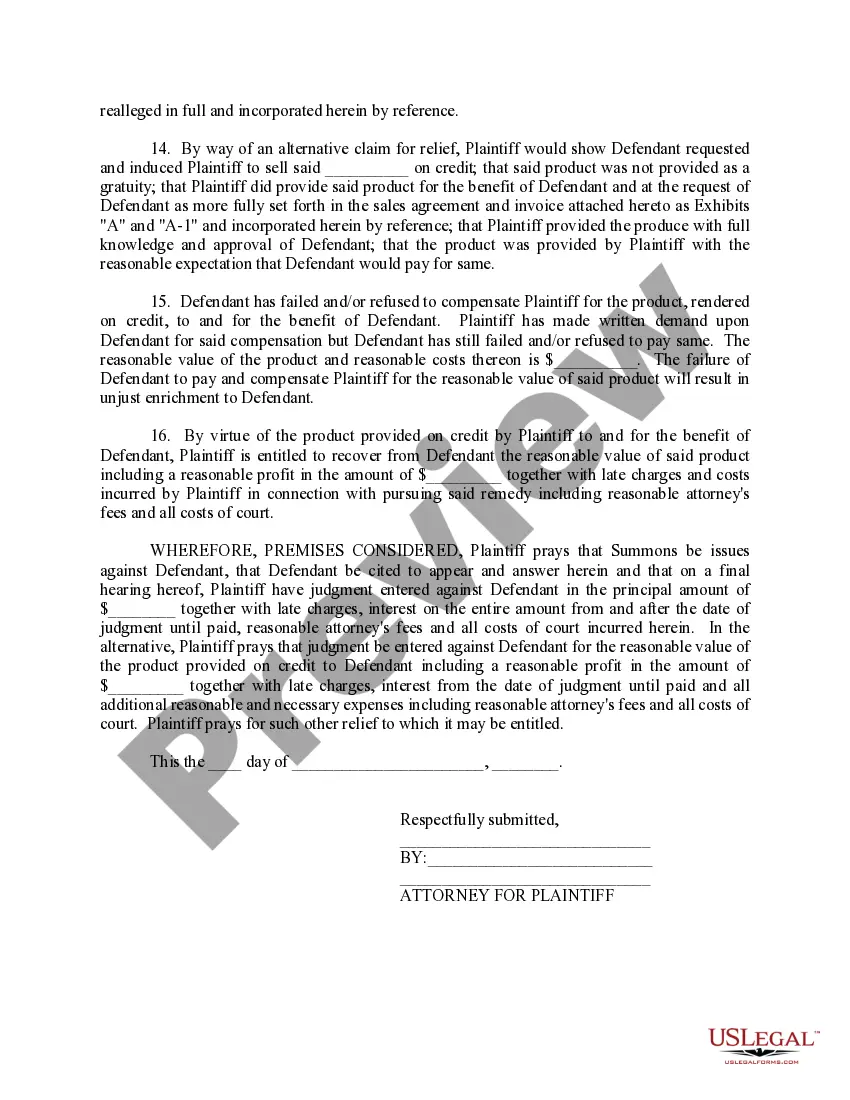
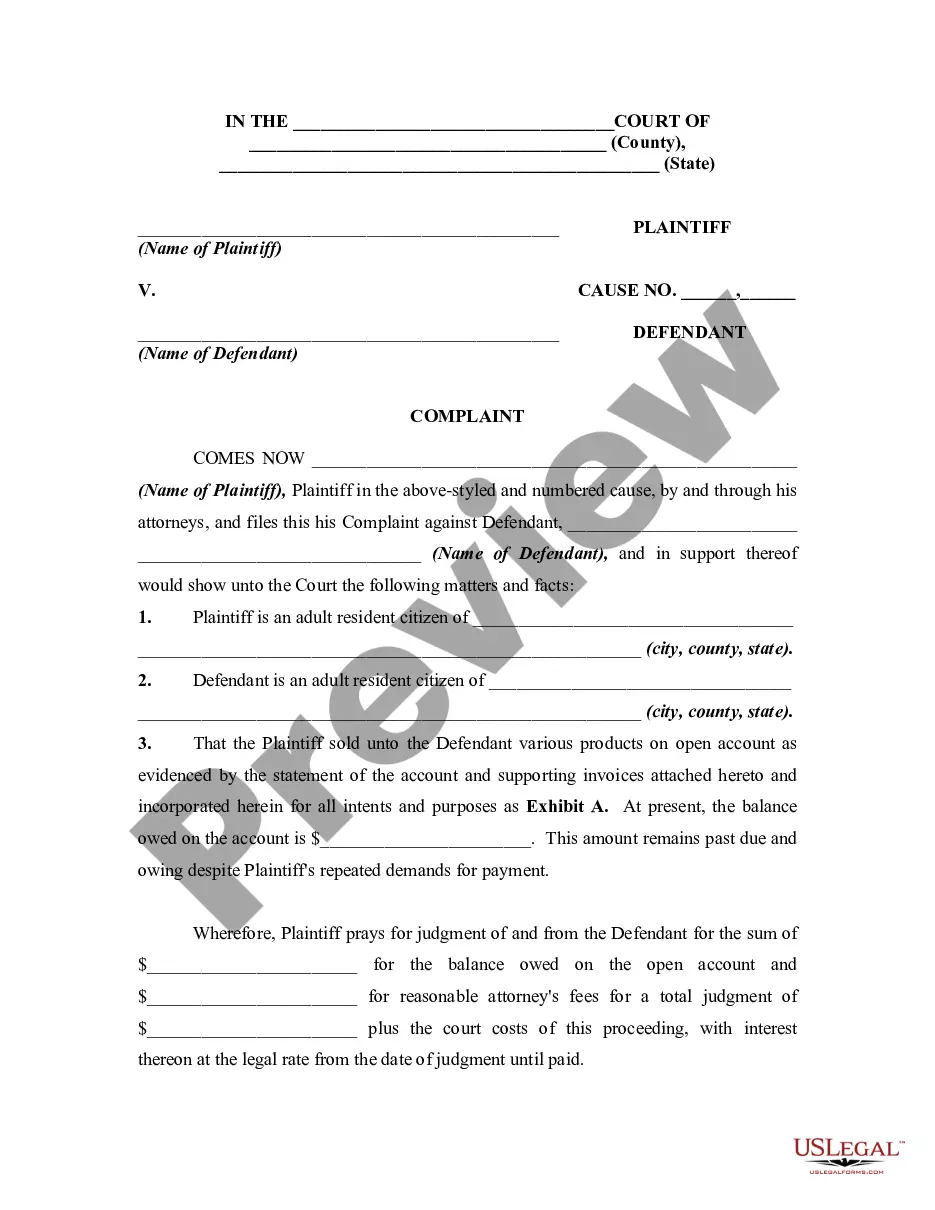
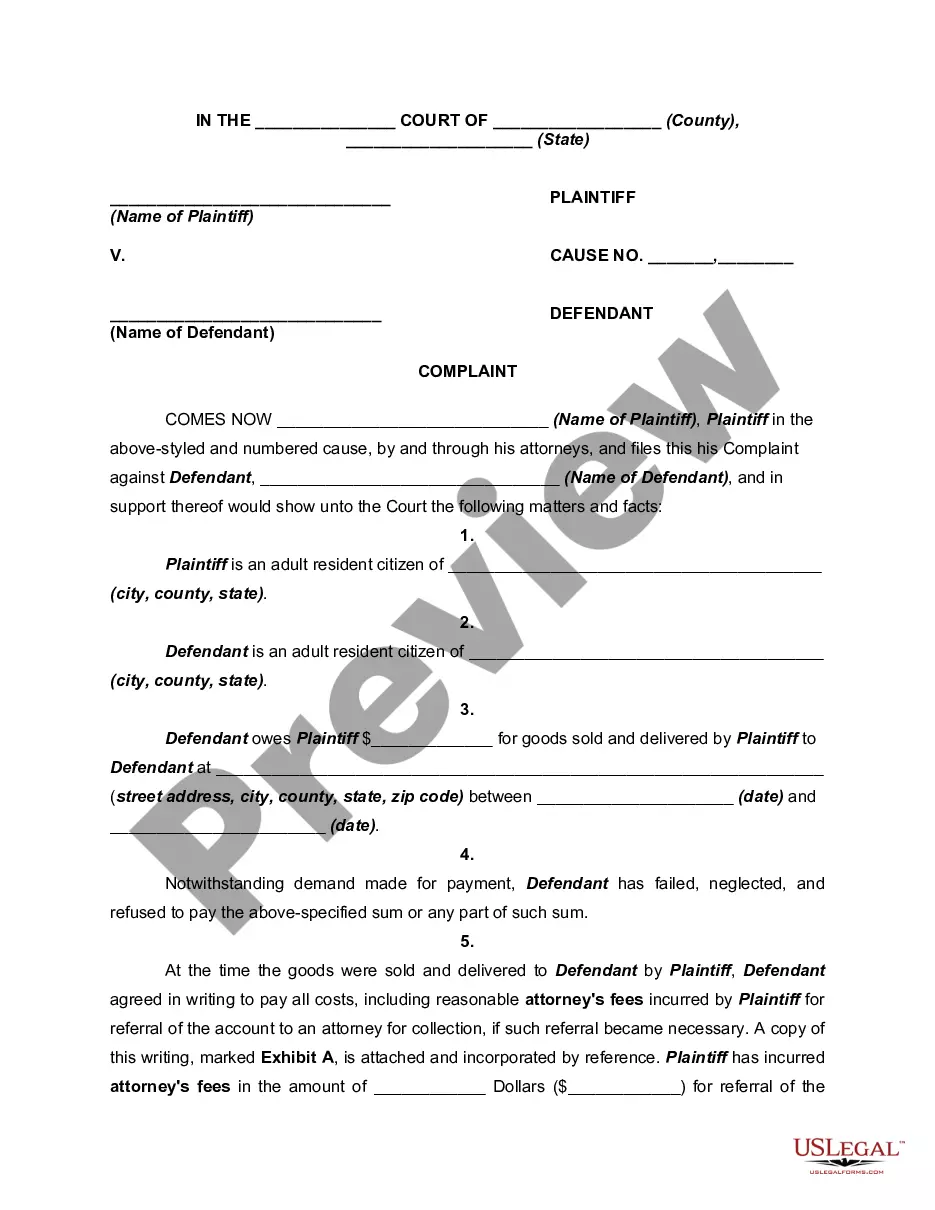
How to fill out Complaint Based On Open Account, Breach Of Contract, Unjust Enrichment?
Whether for commercial reasons or personal matters, everyone must confront legal issues at some stage in their life.
Filling out legal documents requires meticulous focus, starting with selecting the appropriate form template.
Once it is downloaded, you can complete the form using editing software or print it and fill it out by hand. With an extensive US Legal Forms catalog available, you don’t have to waste time searching for the right template online. Use the library’s easy browsing to find the correct template for any situation.
- For instance, if you select an incorrect version of a Unjust Enrichment Elements With Class, it will be denied upon submission.
- Thus, it is crucial to find a reliable source of legal documents like US Legal Forms.
- If you need to obtain a Unjust Enrichment Elements With Class template, follow these straightforward instructions.
- Find the template you need by using the search box or the catalog browsing.
- Review the form’s details to confirm it aligns with your situation, jurisdiction, and area.
- Click on the form’s preview to inspect it.
- If it is the wrong document, return to the search tool to find the Unjust Enrichment Elements With Class template you seek.
- Download the file if it fulfills your criteria.
- If you possess a US Legal Forms account, simply click Log in to access previously saved templates in My documents.
- If you haven't created an account yet, you can obtain the form by clicking Buy now.
- Choose the suitable pricing option.
- Fill out the account registration form.
- Select your payment method: use a debit card or PayPal account.
- Choose the desired file format and download the Unjust Enrichment Elements With Class.
Form popularity
FAQ
For a situation to qualify as a class action suit, there must be a common issue affecting a group of people, all of whom have suffered similar harm. The class should consist of numerous individuals, making individual lawsuits impractical. By highlighting the unjust enrichment elements with class, you can strengthen the classification of your case, ensuring it aligns with legal standards. Consulting with legal professionals or resources like USLegalForms can provide additional guidance.
In proving unjust enrichment, you must establish three key elements: a benefit received by one party, a corresponding loss to another party, and the absence of a legal reason for the benefit. It is crucial to provide clear evidence illustrating how these elements relate to your case. Utilizing platforms like USLegalForms can help you navigate these requirements effectively. By focusing on the unjust enrichment elements with class, your proof can become more compelling.
To claim for unjustified enrichment, you need to demonstrate that one party benefited at the expense of another without a legal justification. First, gather documentation showing the transfer of value and evidence of the recipient's enrichment. Next, you can file a legal claim, potentially seeking assistance from resources like USLegalForms to simplify the process. Understanding the unjust enrichment elements with class can enhance your chances of a successful outcome.
To successfully file a claim for unjust enrichment, you must meet specific legal requirements. These include demonstrating that a benefit was conferred upon the other party, that they recognized this benefit, and establishing that not compensating for it would result in an unfair situation. By leveraging tools from USLegalForms, you can access resources that simplify the process, ensuring you cover all aspects of unjust enrichment elements with class.
The elements of unjust enrichment revolve around the benefits conferred, appreciation of those benefits, and the principle of equity. You need to establish that one party received a benefit that they should not keep without compensation. By understanding these unjust enrichment elements with class, you can approach related legal concerns with clarity and confidence.
An example of unjustified enrichment can be seen when a person accidentally pays for another person's groceries. In this scenario, the intended recipient receives an unexpected benefit without providing compensation. Such situations highlight the concept of unjust enrichment elements with class, illustrating how balance in transactions is essential for fair outcomes.
A claim for unjust enrichment typically involves three main elements. First, the plaintiff must show that they conferred a benefit to the defendant. Second, the defendant must have appreciated this benefit. Finally, the plaintiff must demonstrate that it would be unjust for the defendant to retain that benefit without compensating the plaintiff. Understanding the unjust enrichment elements with class allows you to navigate these claims effectively.
Proving unjust enrichment can be challenging due to the need to establish the specific elements clearly. You must demonstrate that one party received a benefit at the expense of another, and that there wasn't a valid reason for that arrangement. By understanding the unjust enrichment elements with class, you can prepare your case more thoroughly. Legal resources, like those provided by US Legal Forms, can help streamline this process and ensure you have the support needed.
The primary elements for unjust enrichment include a benefit conferred to one party, a resulting loss to the other party, and the absence of a legal justification for that benefit. In simpler terms, if one party receives a benefit and the other suffers a loss without an agreement, this can lead to a claim. Understanding the unjust enrichment elements with class is crucial for navigating these complex legal waters. Knowing these elements can empower you to assert your rights effectively.