Continuing Writ Garnishment Florida Without Payment
Description
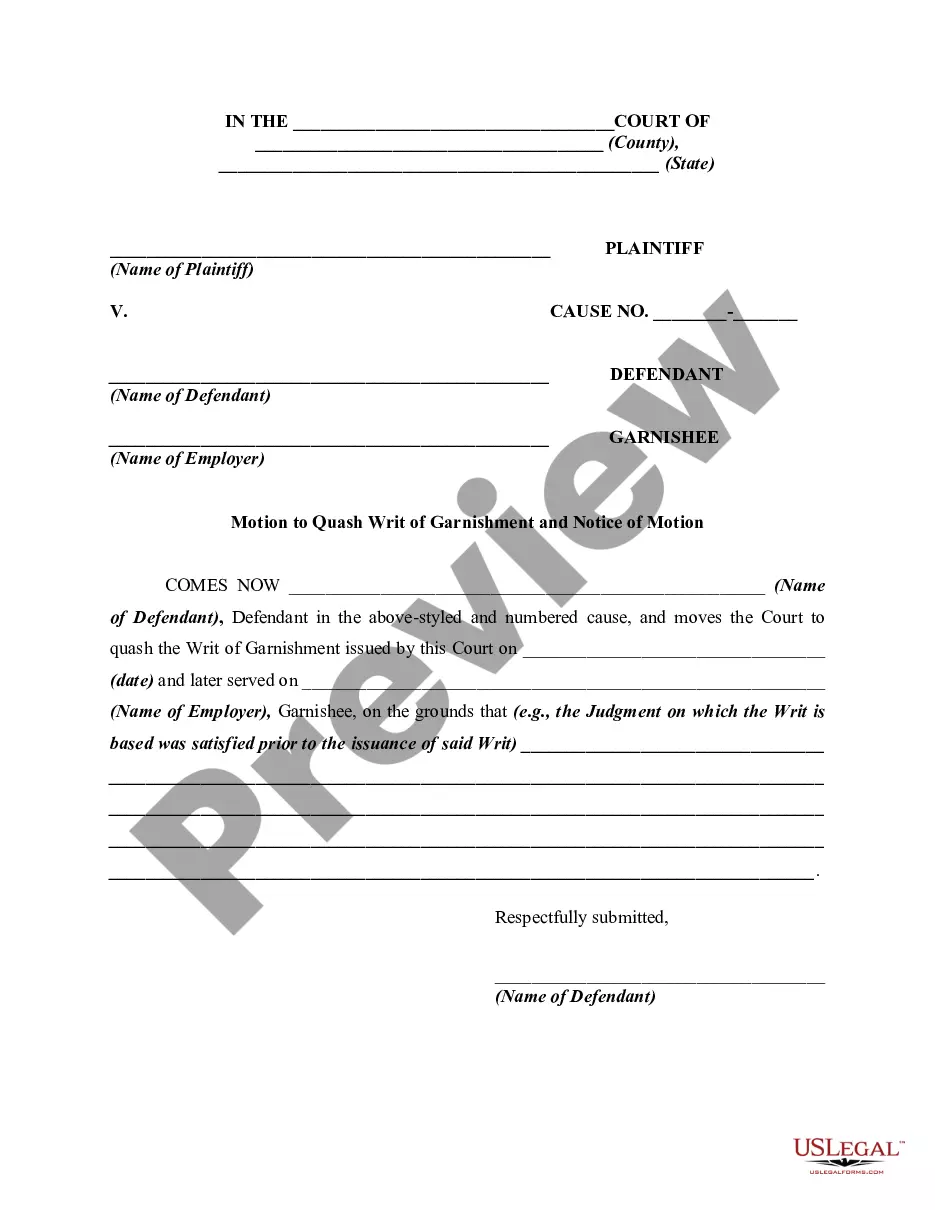
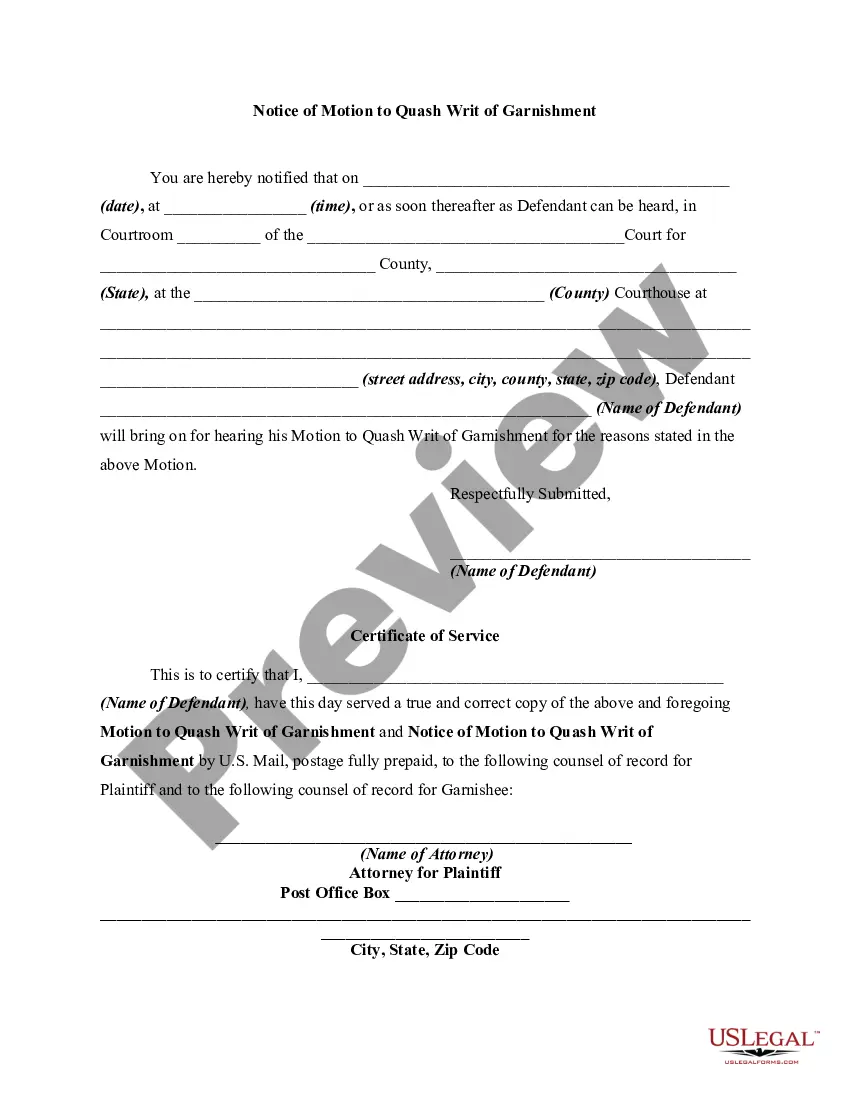
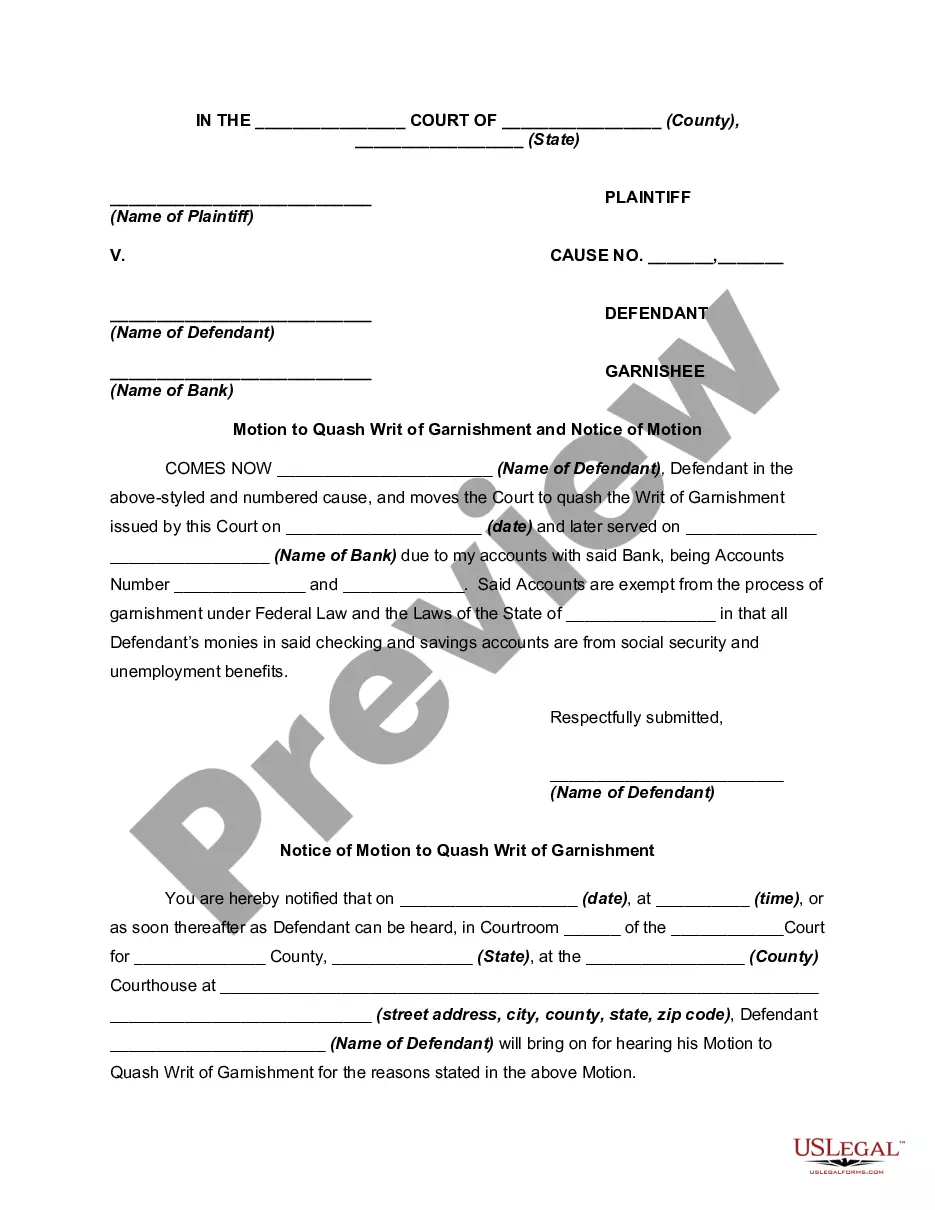
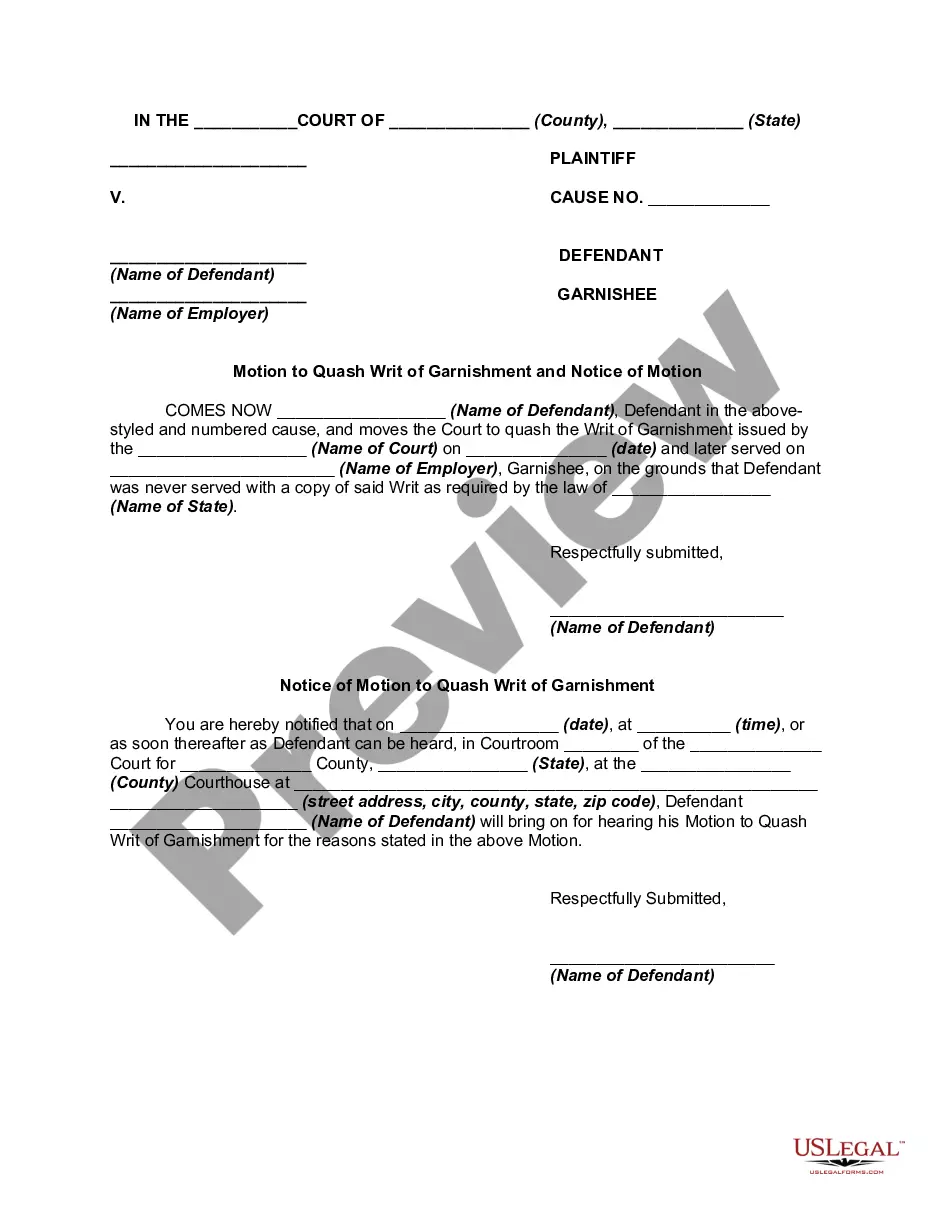
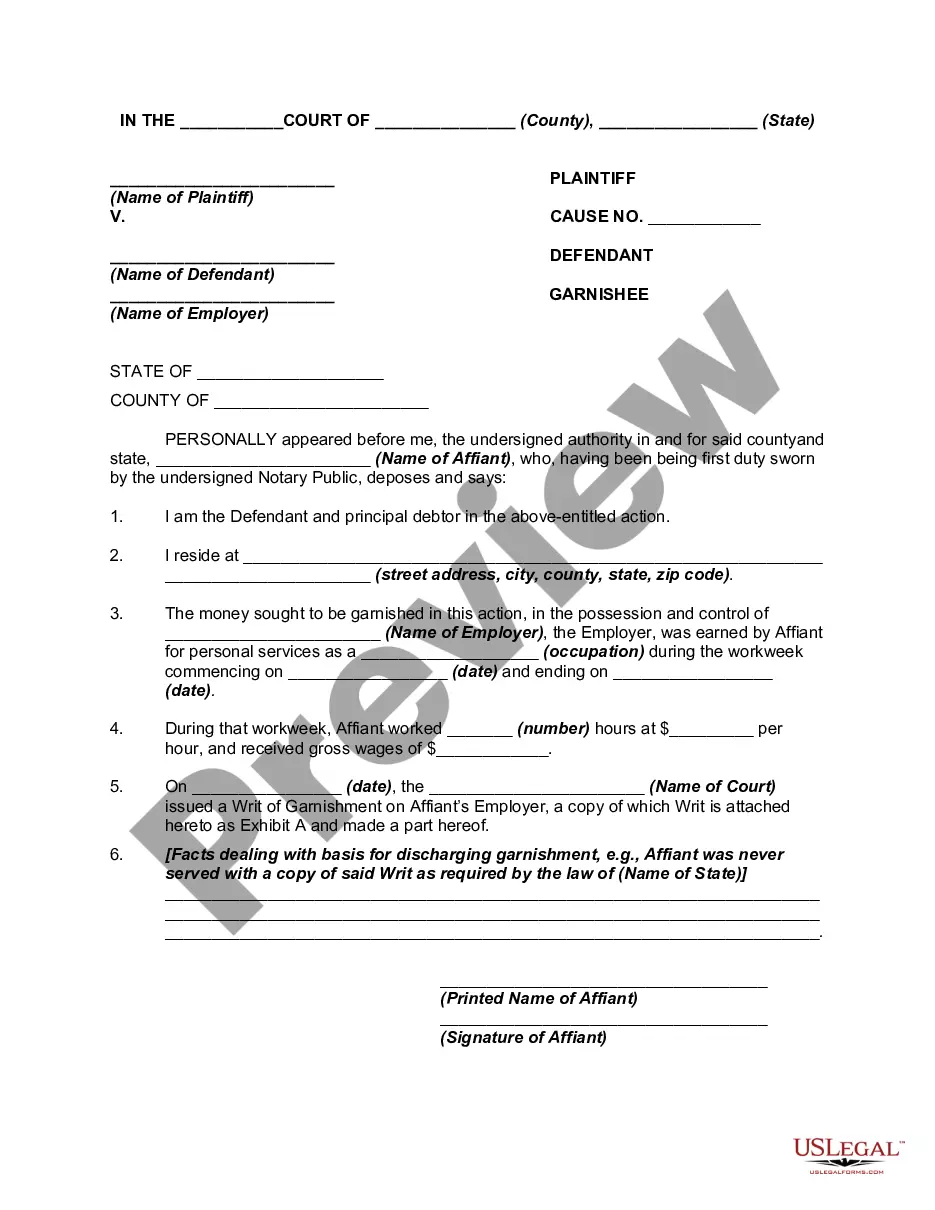
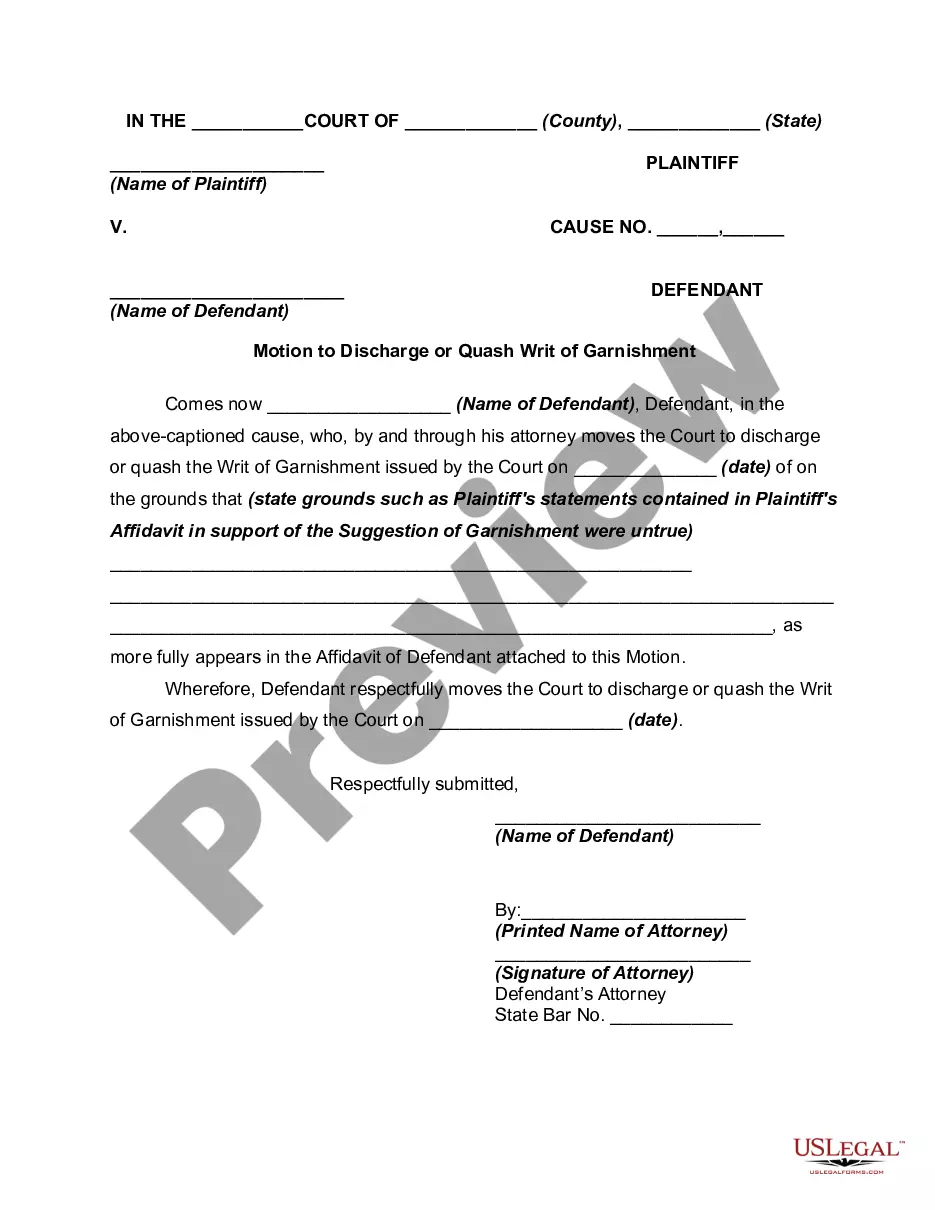
Get your form ready online
Our built-in tools help you complete, sign, share, and store your documents in one place.
Make edits, fill in missing information, and update formatting in US Legal Forms—just like you would in MS Word.
Download a copy, print it, send it by email, or mail it via USPS—whatever works best for your next step.
Sign and collect signatures with our SignNow integration. Send to multiple recipients, set reminders, and more. Go Premium to unlock E-Sign.
If this form requires notarization, complete it online through a secure video call—no need to meet a notary in person or wait for an appointment.
We protect your documents and personal data by following strict security and privacy standards.

Make edits, fill in missing information, and update formatting in US Legal Forms—just like you would in MS Word.

Download a copy, print it, send it by email, or mail it via USPS—whatever works best for your next step.

Sign and collect signatures with our SignNow integration. Send to multiple recipients, set reminders, and more. Go Premium to unlock E-Sign.

If this form requires notarization, complete it online through a secure video call—no need to meet a notary in person or wait for an appointment.

We protect your documents and personal data by following strict security and privacy standards.
Looking for another form?
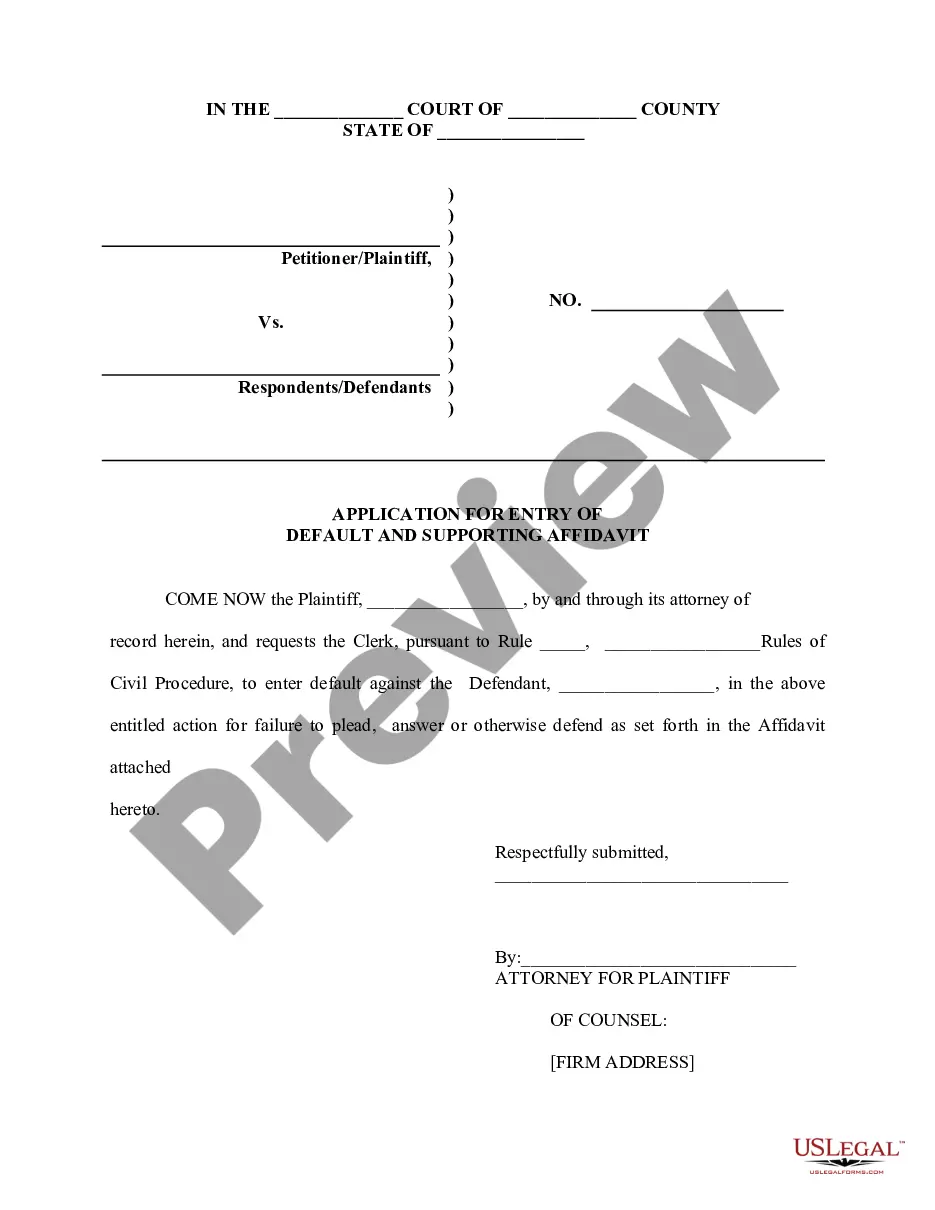


How to fill out Motion Of Defendant To Discharge Or Quash Writ Of Garnishment And Notice Of Motion?
It’s clear that you cannot instantly become a legal expert, nor can you learn to swiftly create Continuing Writ Garnishment Florida Without Payment without possessing a specialized background.
Compiling legal documents is a labor-intensive task that necessitates specific education and expertise. Therefore, why not entrust the creation of the Continuing Writ Garnishment Florida Without Payment to the professionals.
With US Legal Forms, one of the most extensive libraries of legal documents, you can discover everything from court documents to templates for internal communications.
If you require an alternate form, start your search anew.
Sign up for a complimentary account and choose a subscription plan to purchase the form. Select Buy now. Once the payment is completed, you can acquire the Continuing Writ Garnishment Florida Without Payment, complete it, print it, and send or mail it to the relevant individuals or organizations.
- We recognize the significance of compliance and following federal and state regulations.
- That’s why, on our platform, all documents are localized and current.
- Here’s how you can initiate your journey with our service and obtain the form you need within minutes.
- Find the document you require by utilizing the search bar located at the top of the page.
- Review it (if this option is available) and examine the accompanying description to ascertain if Continuing Writ Garnishment Florida Without Payment is what you are looking for.
Form popularity
FAQ
§§ 1671-1673) limits the amount to be withheld from salary or wages to no more than 25% of any individual defendant's disposable earnings (the part of earnings remaining after the deduction of any amounts required by law to be deducted) for any pay period or to no more than the amount by which the individual's ...
Particularly with a continuing writ of garnishment, in Florida the withholdings will continue automatically until the judgment is PAID IN FULL including all assessable interest, costs, and fees. Depending on the scenario, this process can persist for YEARS.
Continuing Writ of Garnishment Against Salary or Wages: This type of Writ is served on a person or other entity that owes the Defendant Salary or Wages - the Defendant's employer.
To stop wage garnishment in Florida, a judgment debtor must (1) review the writ for procedural mistakes, (2) file a claim of exemption, (3) gather all documents in support of the claimed exemption, and (4) attend the final hearing on the exemption. The most common exemption is the head of household exemption.
?The writ shall require the garnishee to serve an answer on the plaintiff within 20 days after service of the writ stating whether the garnishee is indebted to the defendant at the time of the answer, or was indebted at the time of service of the writ, plus up to 1 business day for the garnishee to act expeditiously on ...