Notice Of Motion For Default Judgment
Description
Get your form ready online
Our built-in tools help you complete, sign, share, and store your documents in one place.
Make edits, fill in missing information, and update formatting in US Legal Forms—just like you would in MS Word.
Download a copy, print it, send it by email, or mail it via USPS—whatever works best for your next step.
Sign and collect signatures with our SignNow integration. Send to multiple recipients, set reminders, and more. Go Premium to unlock E-Sign.
If this form requires notarization, complete it online through a secure video call—no need to meet a notary in person or wait for an appointment.
We protect your documents and personal data by following strict security and privacy standards.

Make edits, fill in missing information, and update formatting in US Legal Forms—just like you would in MS Word.

Download a copy, print it, send it by email, or mail it via USPS—whatever works best for your next step.

Sign and collect signatures with our SignNow integration. Send to multiple recipients, set reminders, and more. Go Premium to unlock E-Sign.

If this form requires notarization, complete it online through a secure video call—no need to meet a notary in person or wait for an appointment.

We protect your documents and personal data by following strict security and privacy standards.
Looking for another form?
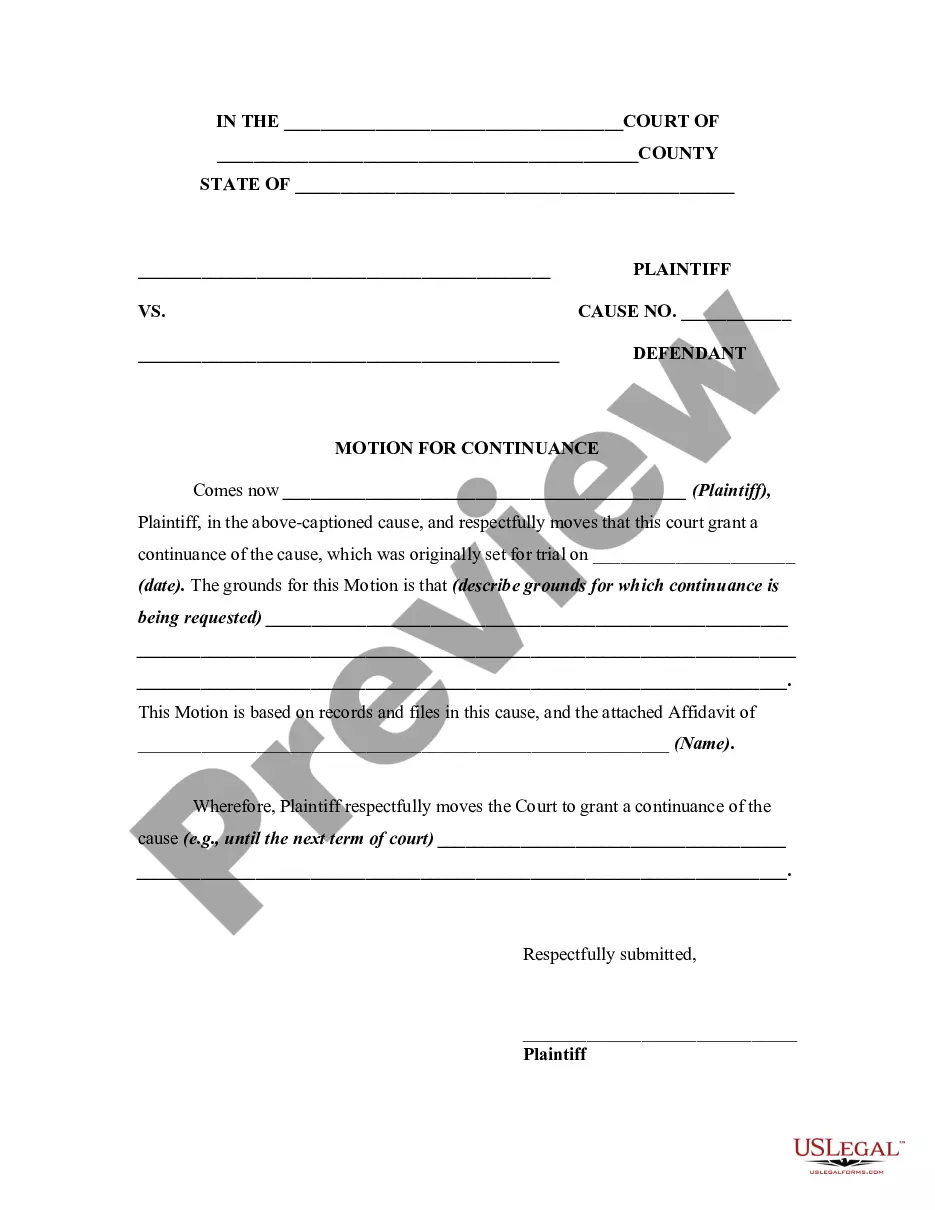
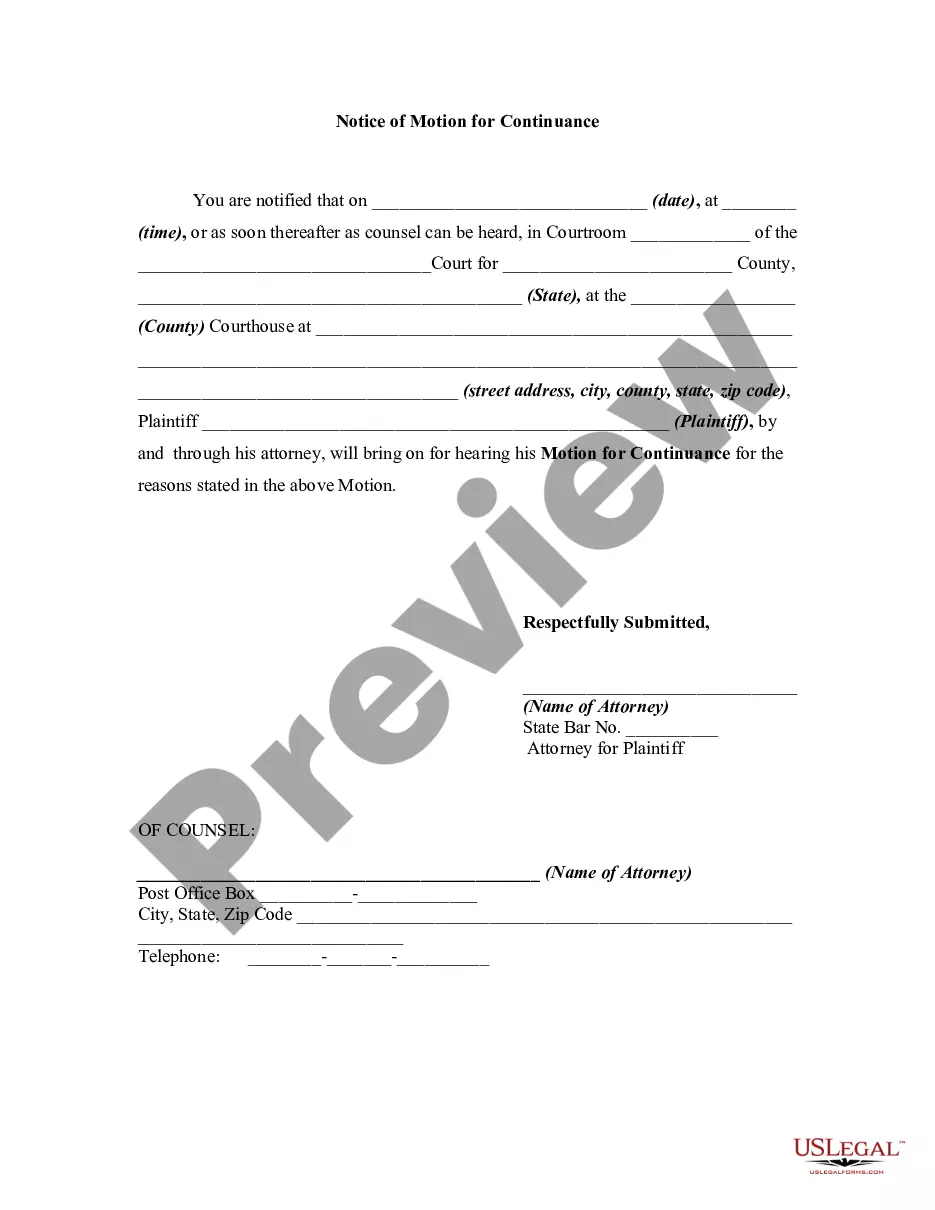
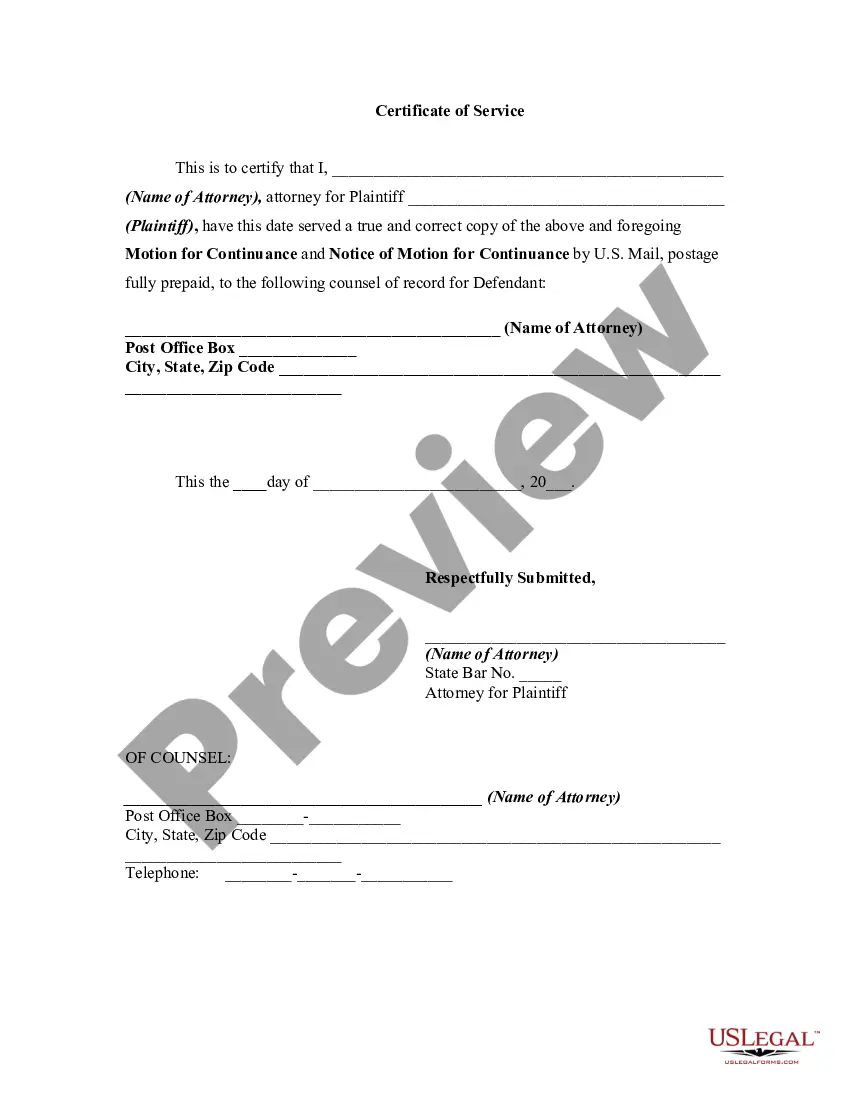
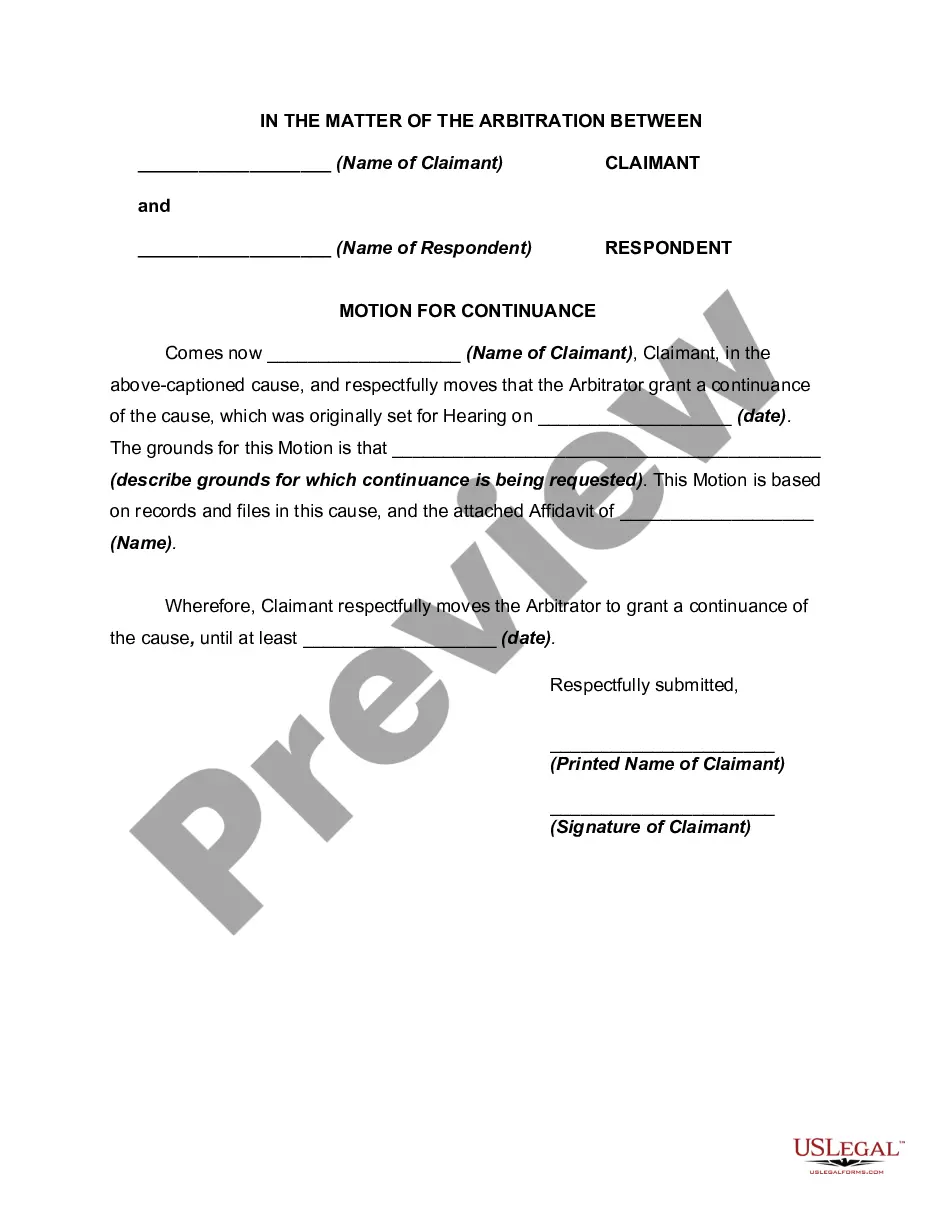
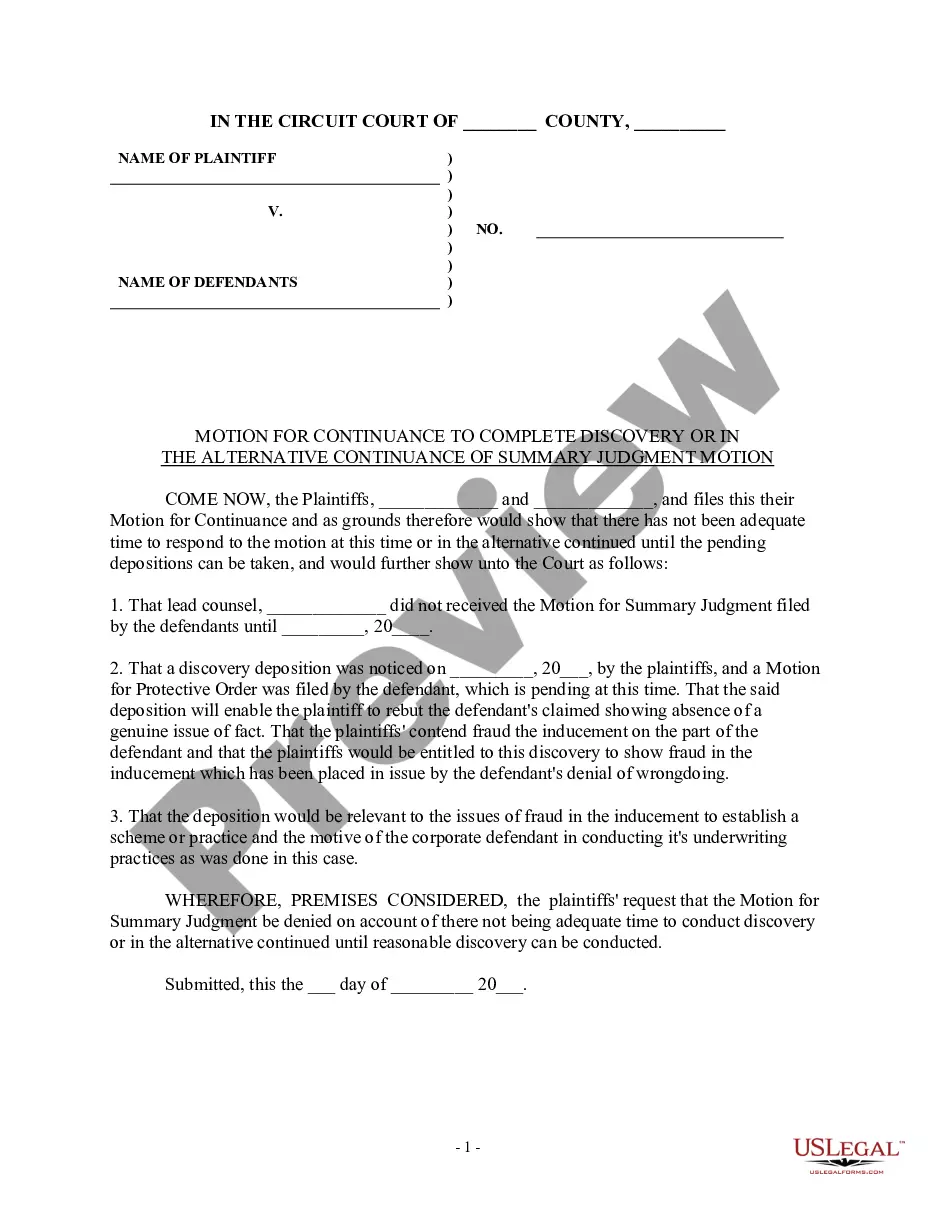
How to fill out Generic Motion For Continuance And Notice Of Motion?
The Notification of Motion for Default Judgment presented on this page is a versatile legal template created by experienced attorneys in alignment with federal and local statutes and guidelines.
For over 25 years, US Legal Forms has supplied individuals, enterprises, and legal professionals with more than 85,000 authenticated, state-specific documents for various business and personal needs. It’s the fastest, easiest, and most dependable method to acquire the forms you require, as the service guarantees bank-level data security and anti-malware safeguards.
Register for US Legal Forms to have confirmed legal templates for all of life’s scenarios at your fingertips.
- Explore the document you want and review it.
- Scan through the sample you searched and preview it or examine the form description to confirm it meets your needs. If it doesn’t, utilize the search bar to find the appropriate one. Click Buy Now when you have found the template you require.
- Choose and Log In.
- Select the pricing plan that best fits you and create an account. Use PayPal or a credit card for a quick payment. If you already have an account, Log In and check your subscription to proceed.
- Acquire the editable template.
- Pick the format you prefer for your Notification of Motion for Default Judgment (PDF, DOCX, RTF) and download the sample onto your device.
- Fill out and sign the documents.
- Print the template to complete it by hand. Alternatively, use an online multi-functional PDF editor to swiftly and accurately fill out and sign your form with a valid digital signature.
- Re-download your documents.
- Access the same document again whenever required. Open the My documents tab in your profile to re-download any previously purchased forms.
Form popularity
FAQ
A default judgment motion in New York refers to the formal request to the court for a judgment when the defendant has not appeared in the case. In New York, this motion enables the plaintiff to secure a ruling by providing proof of the defendant's failure to respond. This legal step helps ensure justice is served without unnecessary delays. You can effectively navigate this process using the notice of motion for default judgment through platforms like USLegalForms, which simplify the legal documentation process.
A default judgment is a legal ruling that occurs when one party, usually the defendant, fails to respond to a lawsuit. It implies that the court recognizes the plaintiff's claims as valid due to the lack of response. This judgment results in a resolution without a trial, establishing the outcome in favor of the plaintiff. To initiate this process, one must file a notice of motion for default judgment with the court.
A motion for judgment in default of appearance is a request made by a plaintiff when the defendant does not show up in court. This motion seeks to obtain a judgment based on the evidence provided in the plaintiff's complaint and documentation. It streamlines the legal process, allowing the plaintiff to move forward without waiting indefinitely for the defendant's participation. The notice of motion for default judgment is an integral part of this procedure.
The purpose of a default judgment is to provide a legal resolution when a party fails to respond to a lawsuit within the required time frame. With a default judgment, the court grants a decision in favor of the plaintiff without needing a trial. This process can help expedite legal matters, saving time and resources for those involved. The notice of motion for default judgment serves as a formal request to the court to finalize this judgment.
Once a default judgment is issued in Alabama, the winning party can take steps to enforce that judgment to obtain the relief they sought. This can include garnishing wages or placing liens on property owned by the losing party. The losing party typically has a limited time to respond or seek relief from the judgment, but the specifics can vary based on individual circumstances. Navigating this process can be smoother if you use a notice of motion for default judgment effectively.
To obtain a default judgment, you typically need to file a Notice of Motion for Default Judgment in court. This motion is essential when the opposing party fails to respond to the complaint within the required time frame. Ensure that you follow the correct procedures and provide necessary documentation to support your request. Platforms like U.S. Legal Forms can help you prepare the required forms accurately.
A default judgment is a type of ruling in a court case where one party wins because the other party failed to take necessary legal actions, such as responding to a complaint. This can happen in various legal situations, typically leading to financial penalties or other consequences. Understanding the implications of a default judgment is crucial, and filing a Notice of motion for default judgment can be a necessary step for those affected.
A judgment refers to a court's final decision in a lawsuit, while a default occurs when a defendant fails to respond or appear in court. In many cases, if a defendant does not respond, the plaintiff may obtain a default judgment automatically. Understanding these terms can help you navigate the legal landscape effectively, especially concerning filing a Notice of motion for default judgment.
Rule 12 refers to the Federal Rules of Civil Procedure that govern how defendants respond to complaints. Specifically, if a defendant fails to respond in time, the plaintiff can file a Notice of motion for default judgment. This rule outlines the procedures for obtaining a default judgment, ensuring that all parties follow fair practices in the legal process. Familiarizing yourself with Rule 12 can help you navigate default judgments more effectively.
A valid reason to set aside a default judgment includes showing that you did not receive proper notification of the lawsuit. The law requires that all parties receive fair notice, and if this did not happen, you can argue your case. Another reason could involve the existence of a legitimate defense to the claim. By addressing these factors, you can file a Notice of motion for default judgment to seek relief and present your case effectively.