Nunc Pro Tunc Order Application With Uscis
Description
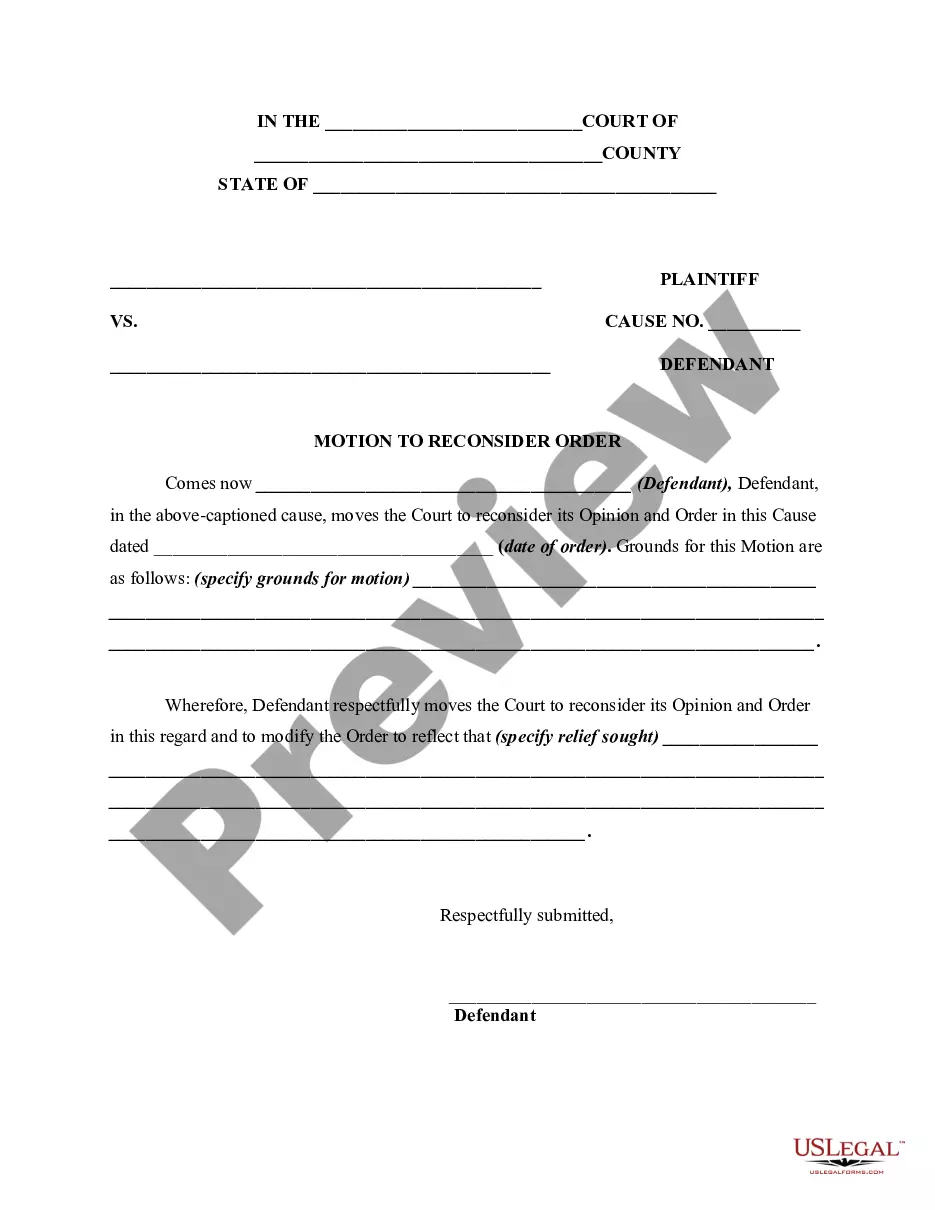
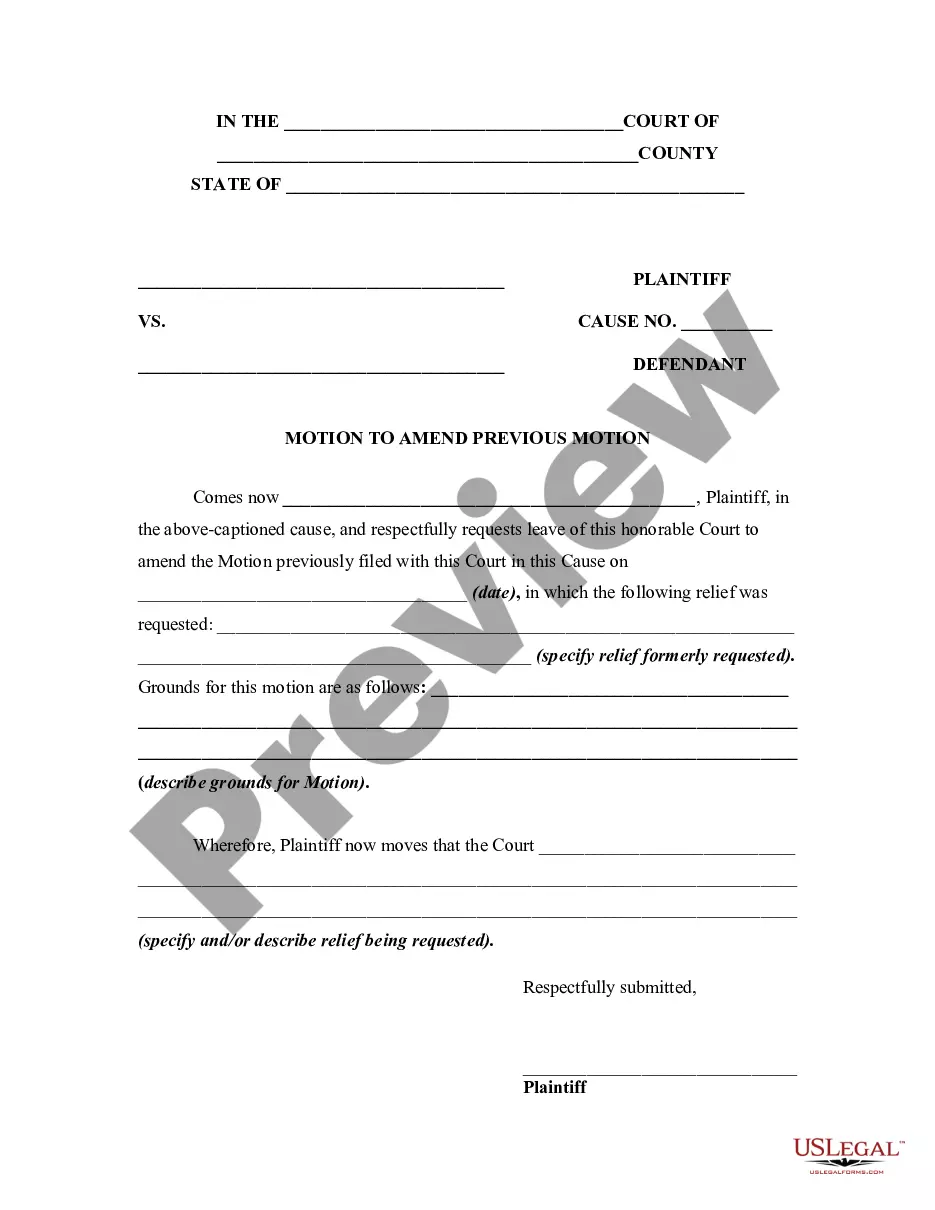
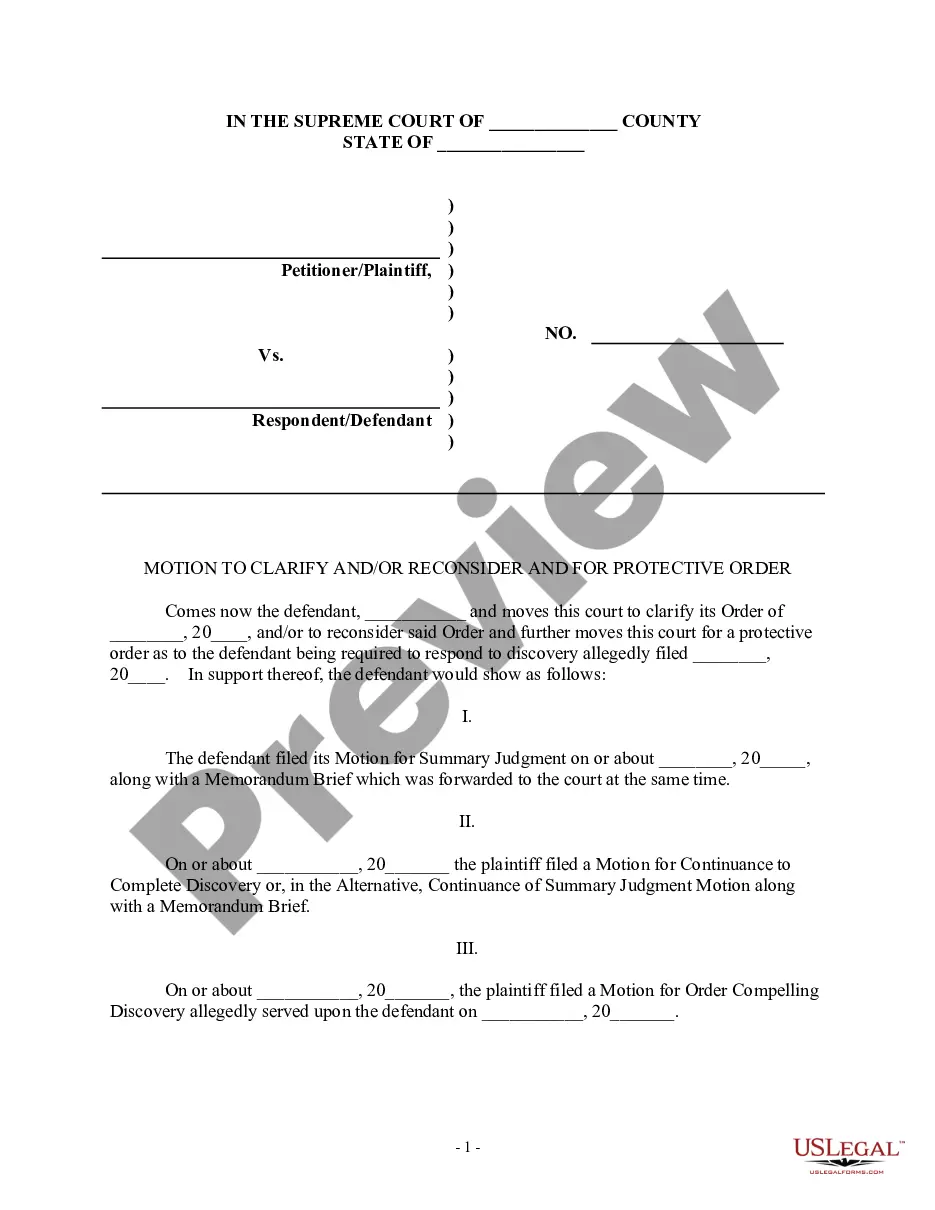

Get your form ready online
Our built-in tools help you complete, sign, share, and store your documents in one place.
Make edits, fill in missing information, and update formatting in US Legal Forms—just like you would in MS Word.
Download a copy, print it, send it by email, or mail it via USPS—whatever works best for your next step.
Sign and collect signatures with our SignNow integration. Send to multiple recipients, set reminders, and more. Go Premium to unlock E-Sign.
If this form requires notarization, complete it online through a secure video call—no need to meet a notary in person or wait for an appointment.
We protect your documents and personal data by following strict security and privacy standards.

Make edits, fill in missing information, and update formatting in US Legal Forms—just like you would in MS Word.

Download a copy, print it, send it by email, or mail it via USPS—whatever works best for your next step.

Sign and collect signatures with our SignNow integration. Send to multiple recipients, set reminders, and more. Go Premium to unlock E-Sign.

If this form requires notarization, complete it online through a secure video call—no need to meet a notary in person or wait for an appointment.

We protect your documents and personal data by following strict security and privacy standards.
Looking for another form?
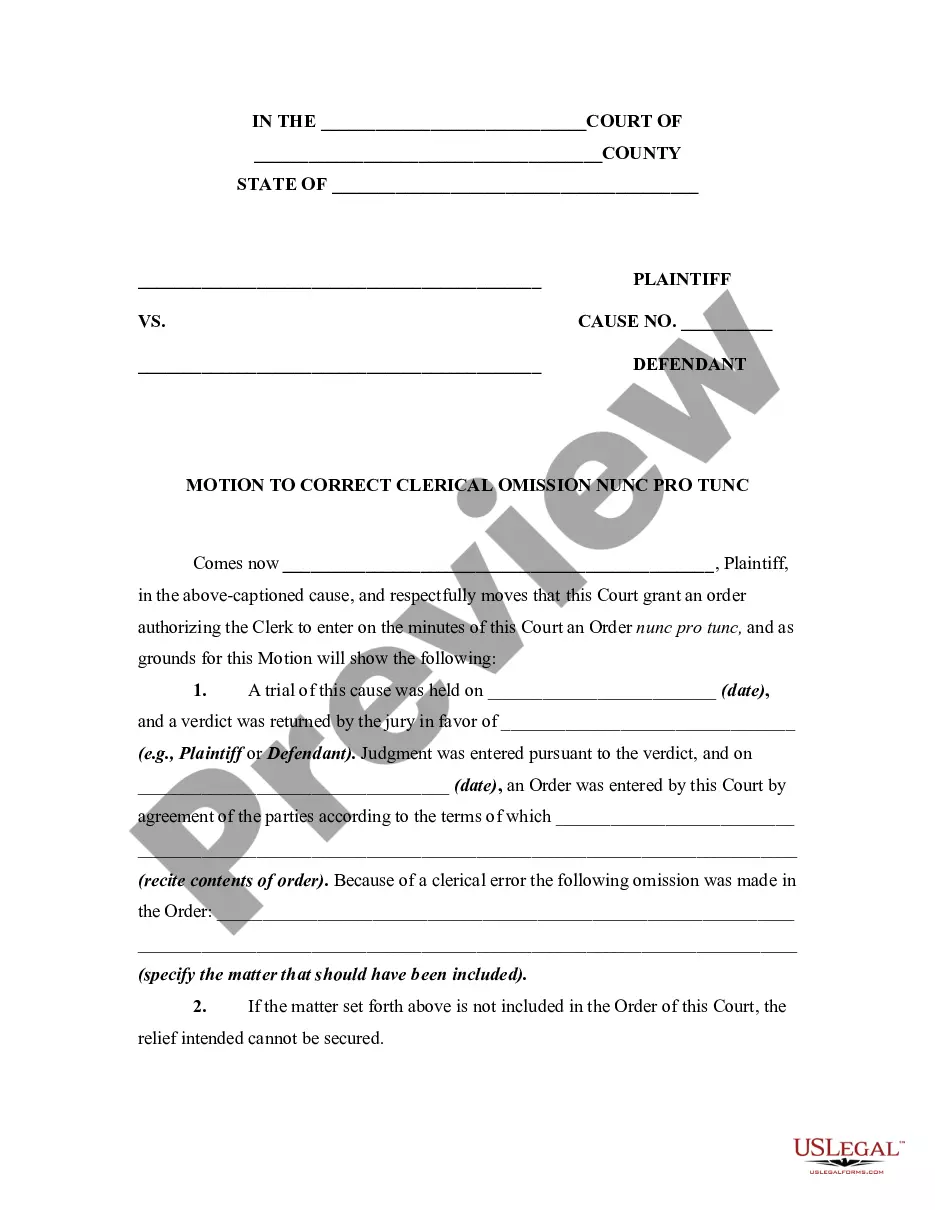
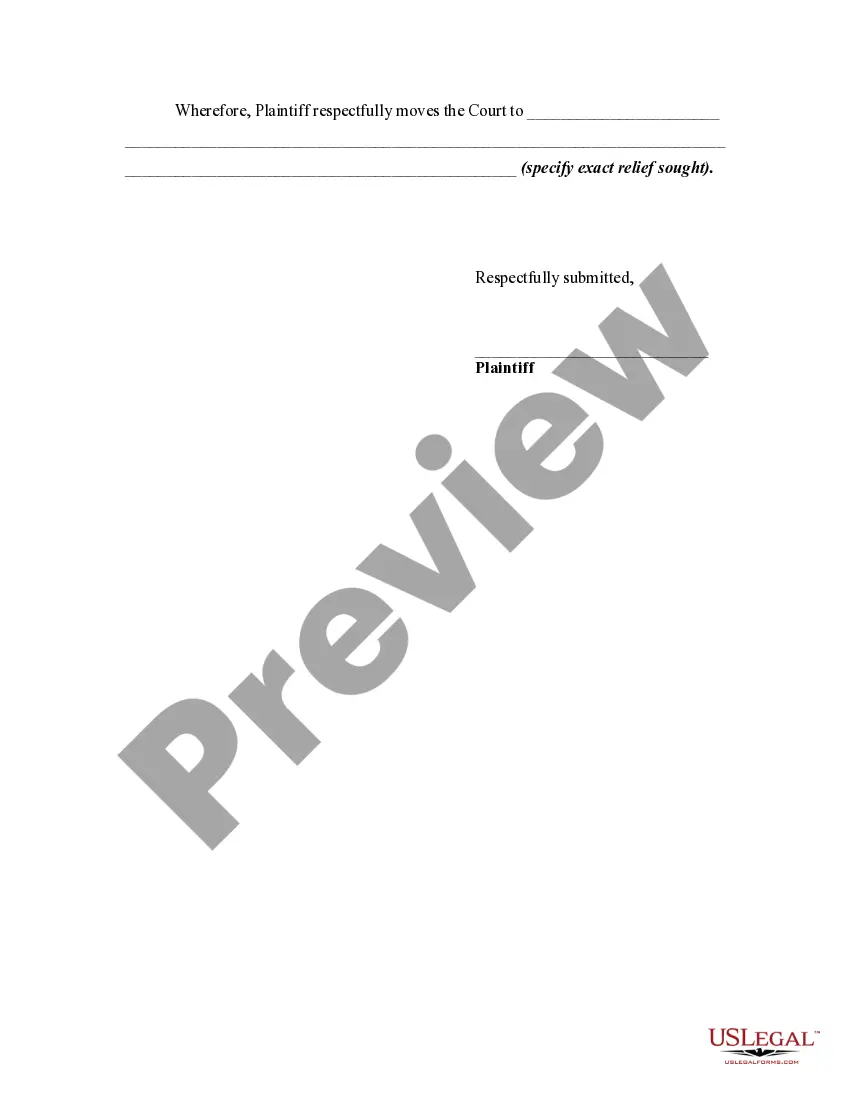
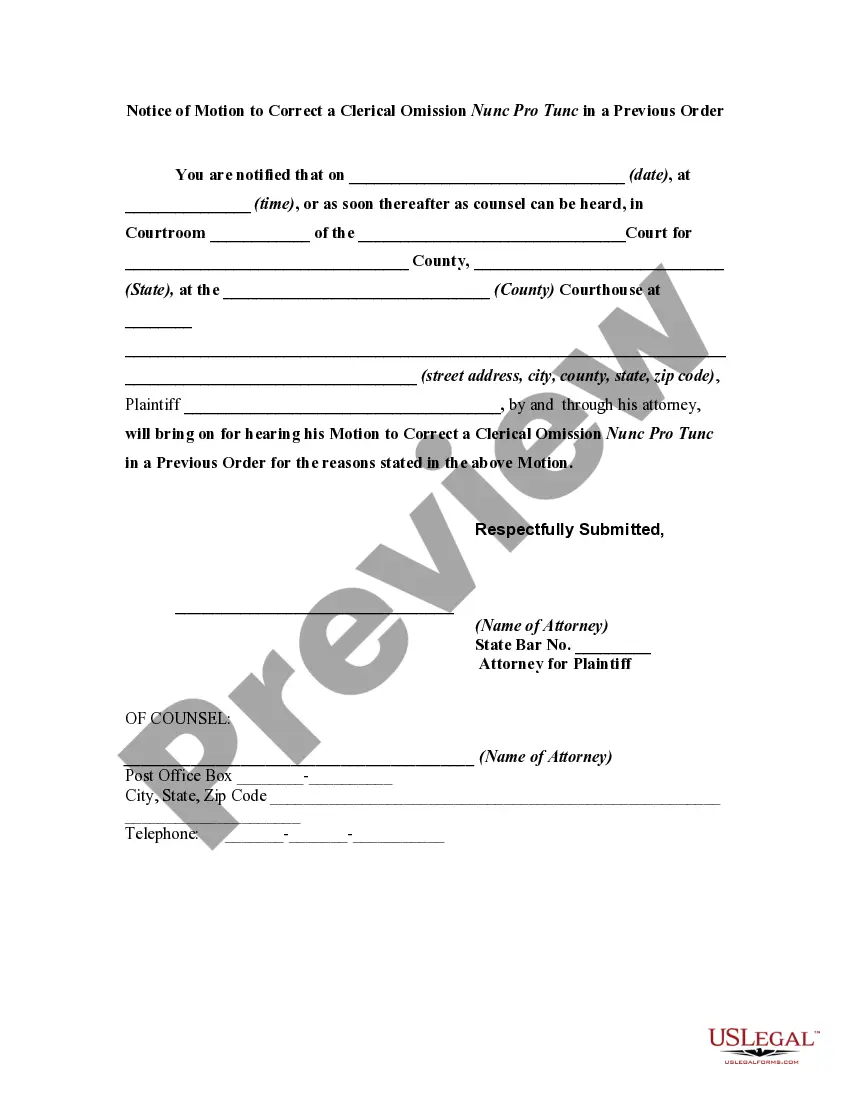
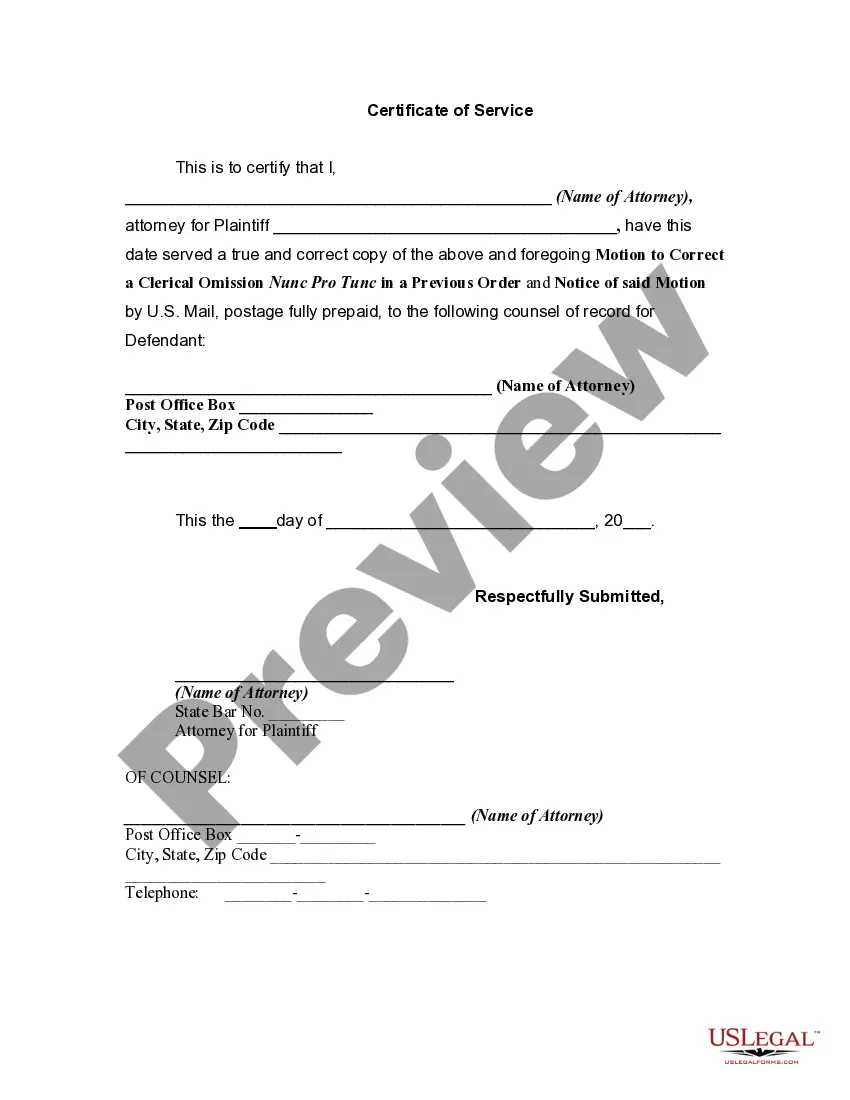
How to fill out Motion To Correct A Clerical Omission Nunc Pro Tunc In A Previous Order?
It’s clear that you cannot transform into a legal expert instantly, nor can you swiftly acquire the ability to prepare a Nunc Pro Tunc Order Application With Uscis without having a specialized background.
Drafting legal documents is a lengthy process that demands particular training and expertise.
So why not entrust the preparation of the Nunc Pro Tunc Order Application With Uscis to the professionals.
Preview it (if this option is available) and read the accompanying description to determine if the Nunc Pro Tunc Order Application With Uscis is what you are looking for.
If you need a different template, restart your search. Create a free account and choose a subscription plan to purchase the form. Click Buy now. Once the payment is complete, you can download the Nunc Pro Tunc Order Application With Uscis, complete it, print it, and send it by mail or deliver it to the appropriate individuals or organizations.
- With US Legal Forms, one of the most comprehensive legal document repositories, you can find anything from court papers to templates for internal communication.
- We recognize how crucial compliance and adherence to federal and local statutes and regulations are.
- This is why, on our platform, all forms are specific to your location and current.
- Let’s begin with our website and obtain the document you need in just a few minutes.
- Locate the form you require by utilizing the search bar at the top of the page.
Form popularity
FAQ
In the context of U.S. immigration, a nunc pro tunc request refers to a petition or application filed with U.S. Citizenship and Immigration Services (USCIS) to request that an immigration benefit or action be approved retroactively to an earlier date.
There are several reasons why the court may use the Nunc Pro Tunc rule: to correct a clerical error on the part of the court. to correct an omission by the court. to correct a neglect by the court. to comply with a request to revert the order based on supporting documents by the person making the request (the moving party)
Nunc pro tunc (NPT) is a discretionary remedy by which the USCIS may approve a late filed request to change or extend status, based on facts and extenuating circumstances presented.
Nunc pro tunc is a Latin term meaning "now for then." Generally, this refers to an action taken by a court that applies retroactively to correct an earlier ruling. Usually, the term is used relating to the procedural devices of nunc pro tunc amendments or nunc pro tunc judgments.
Latin for "now for then." A doctrine that permits a court to change records so that they show what actually happened. For example, if a party filed his motion on January 5, but the clerk's office had erroneously treated it as filed on January 6, the judge could correct the records to show the right date.