Remodeling
Description
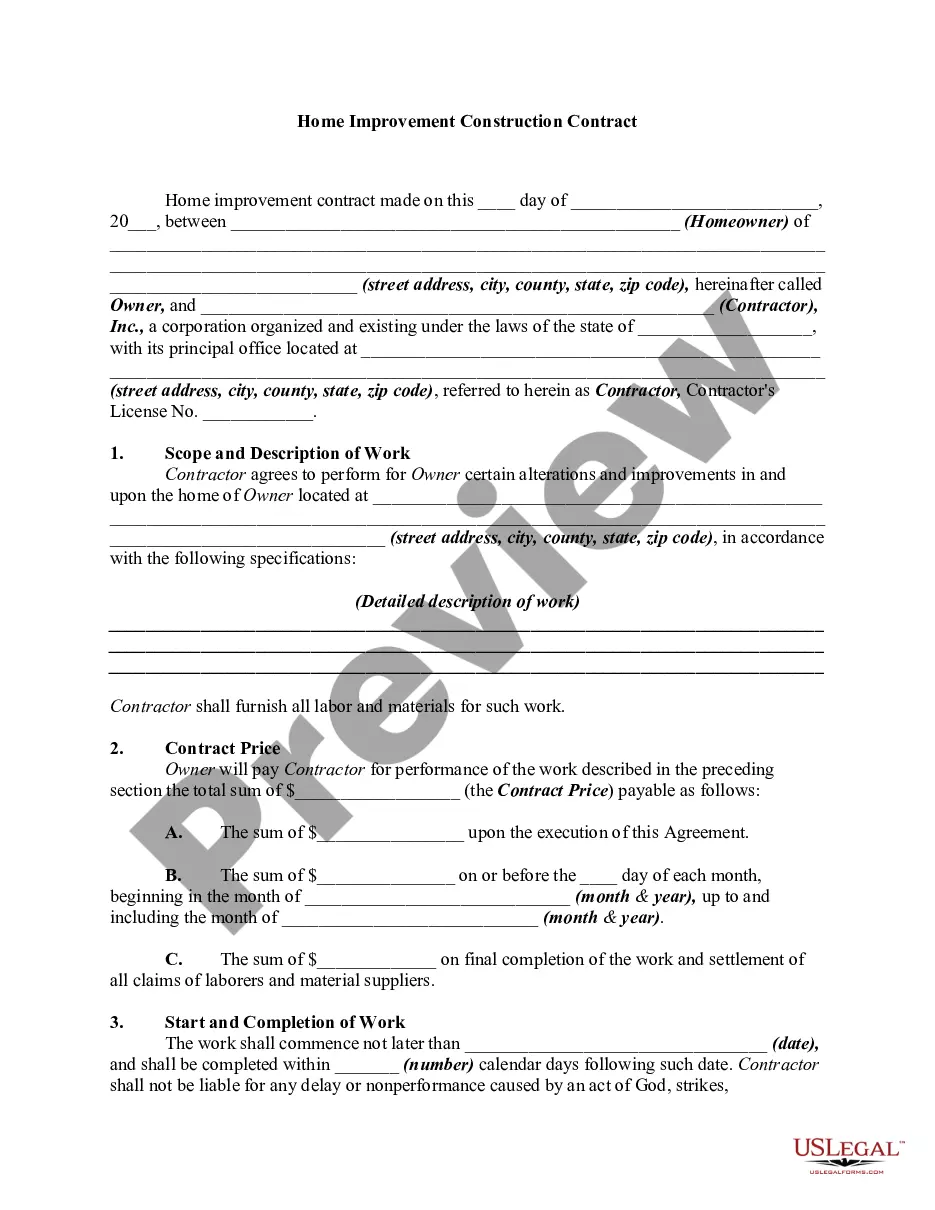
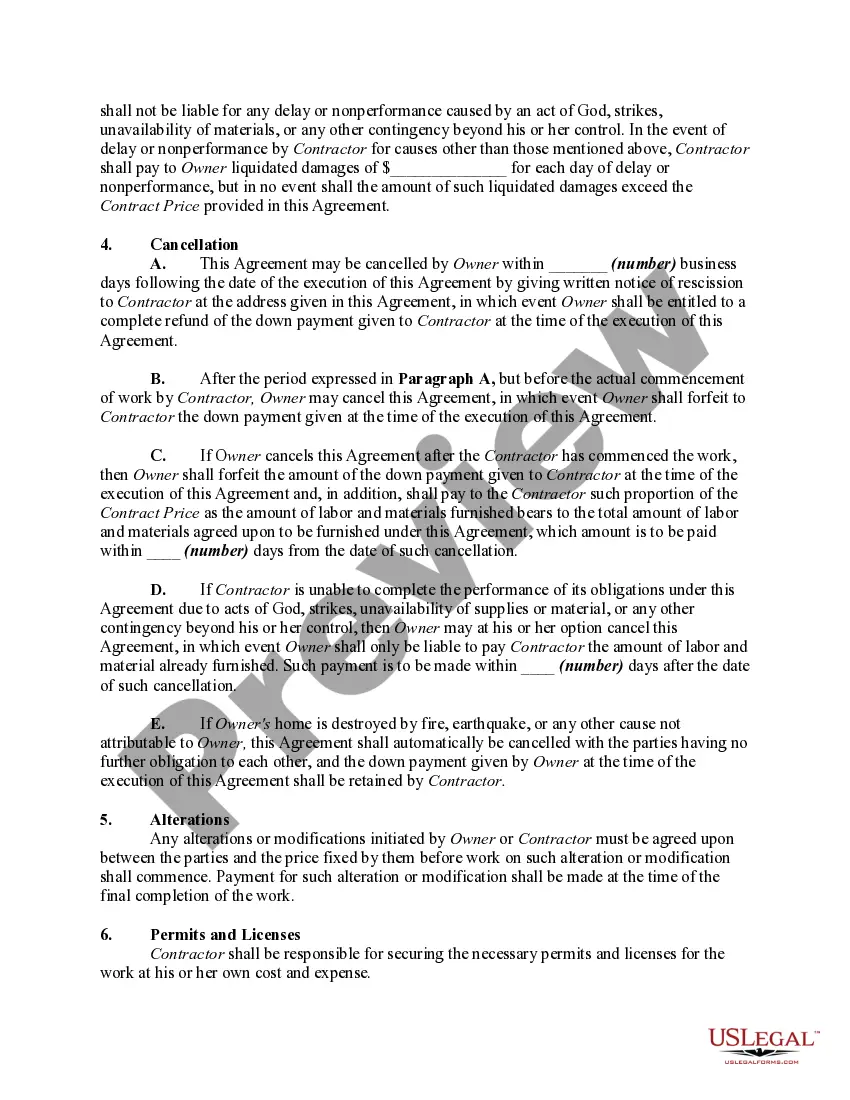
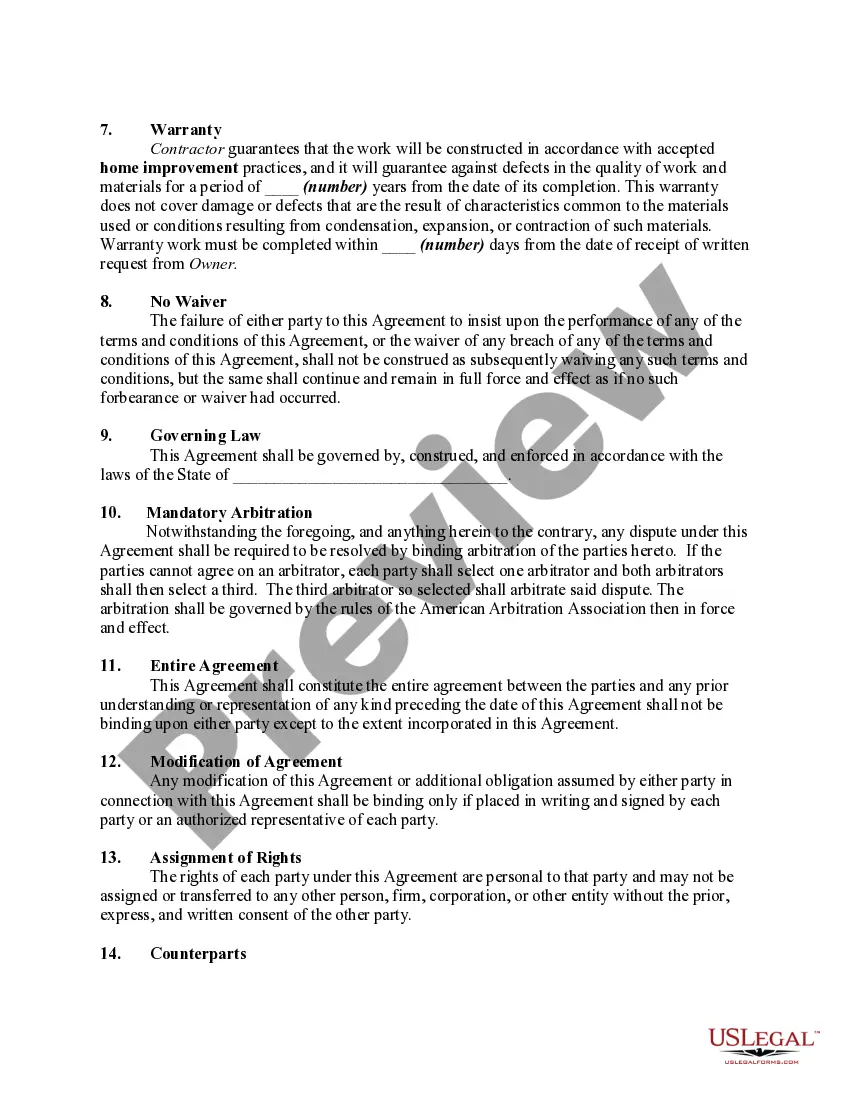
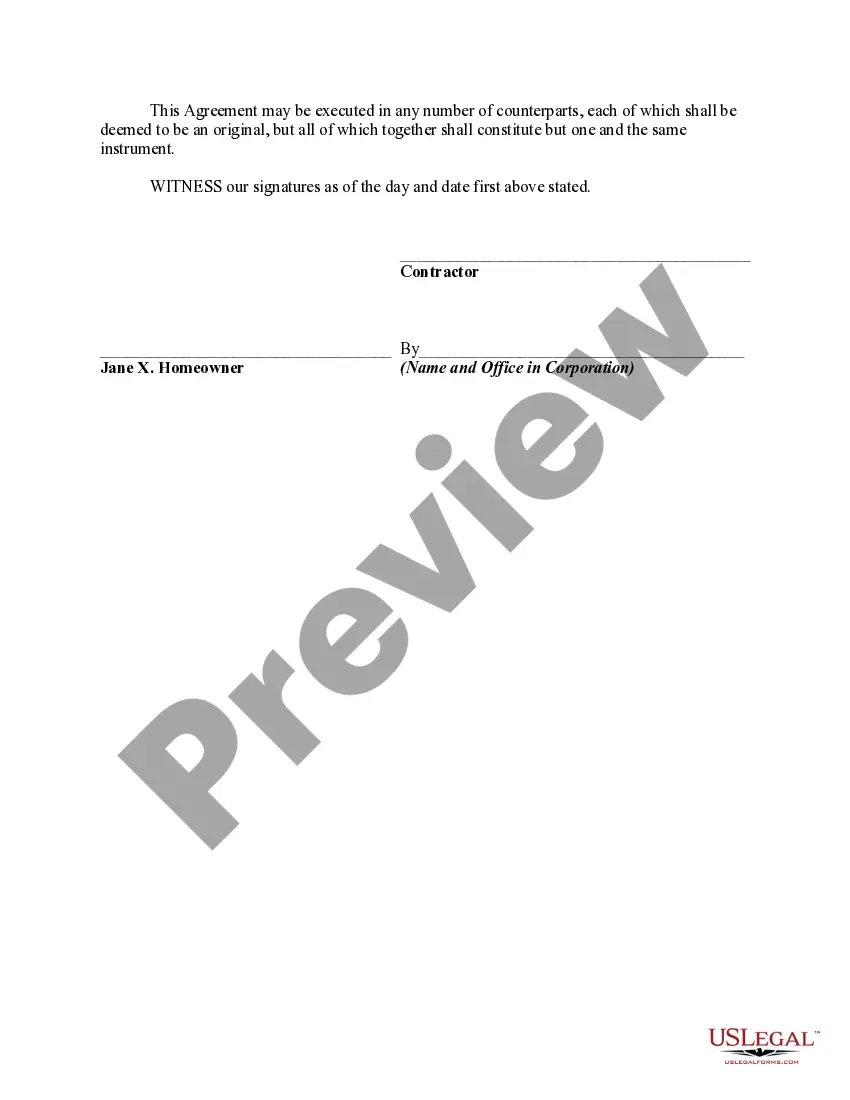
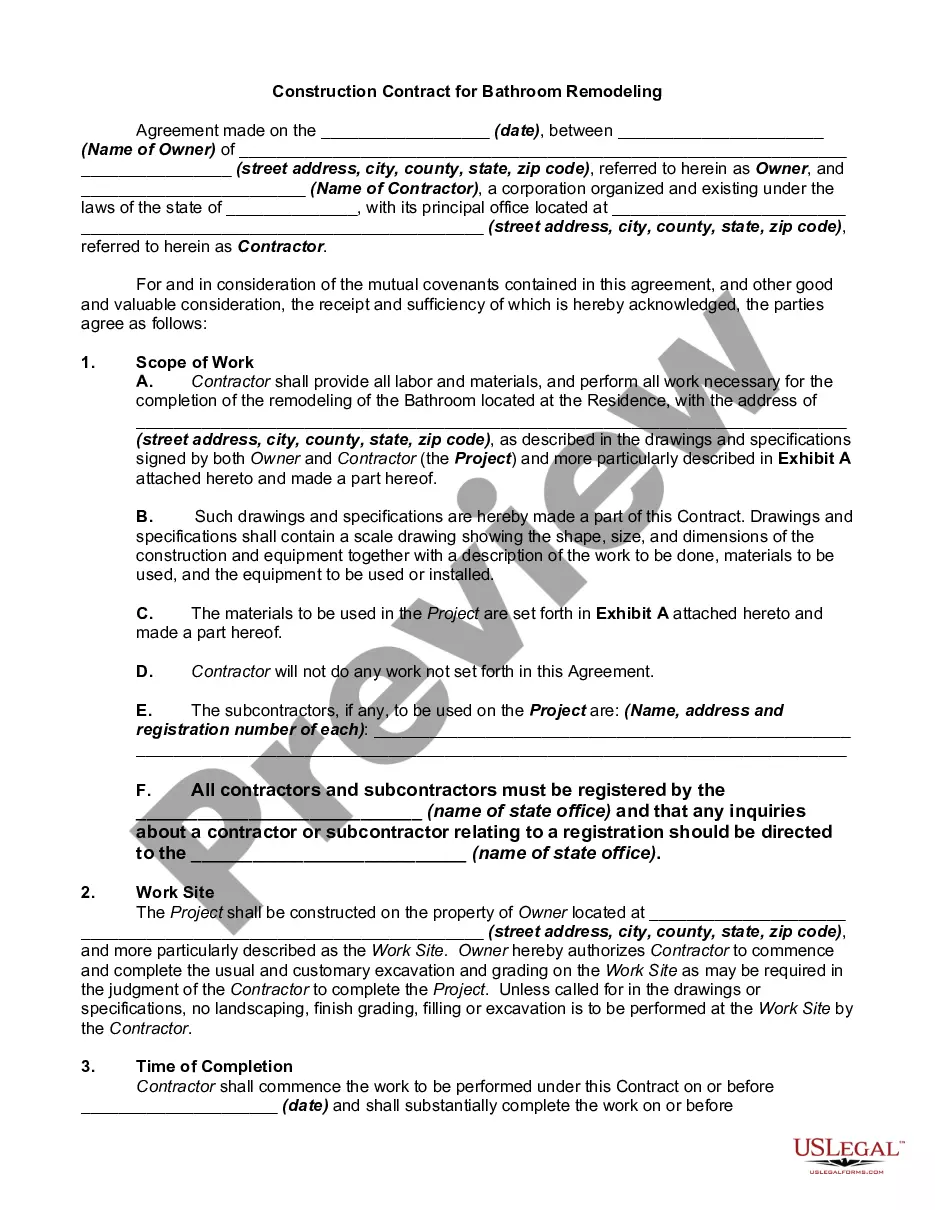
Get your form ready online
Our built-in tools help you complete, sign, share, and store your documents in one place.
Make edits, fill in missing information, and update formatting in US Legal Forms—just like you would in MS Word.
Download a copy, print it, send it by email, or mail it via USPS—whatever works best for your next step.
Sign and collect signatures with our SignNow integration. Send to multiple recipients, set reminders, and more. Go Premium to unlock E-Sign.
If this form requires notarization, complete it online through a secure video call—no need to meet a notary in person or wait for an appointment.
We protect your documents and personal data by following strict security and privacy standards.

Make edits, fill in missing information, and update formatting in US Legal Forms—just like you would in MS Word.

Download a copy, print it, send it by email, or mail it via USPS—whatever works best for your next step.

Sign and collect signatures with our SignNow integration. Send to multiple recipients, set reminders, and more. Go Premium to unlock E-Sign.

If this form requires notarization, complete it online through a secure video call—no need to meet a notary in person or wait for an appointment.

We protect your documents and personal data by following strict security and privacy standards.
Looking for another form?


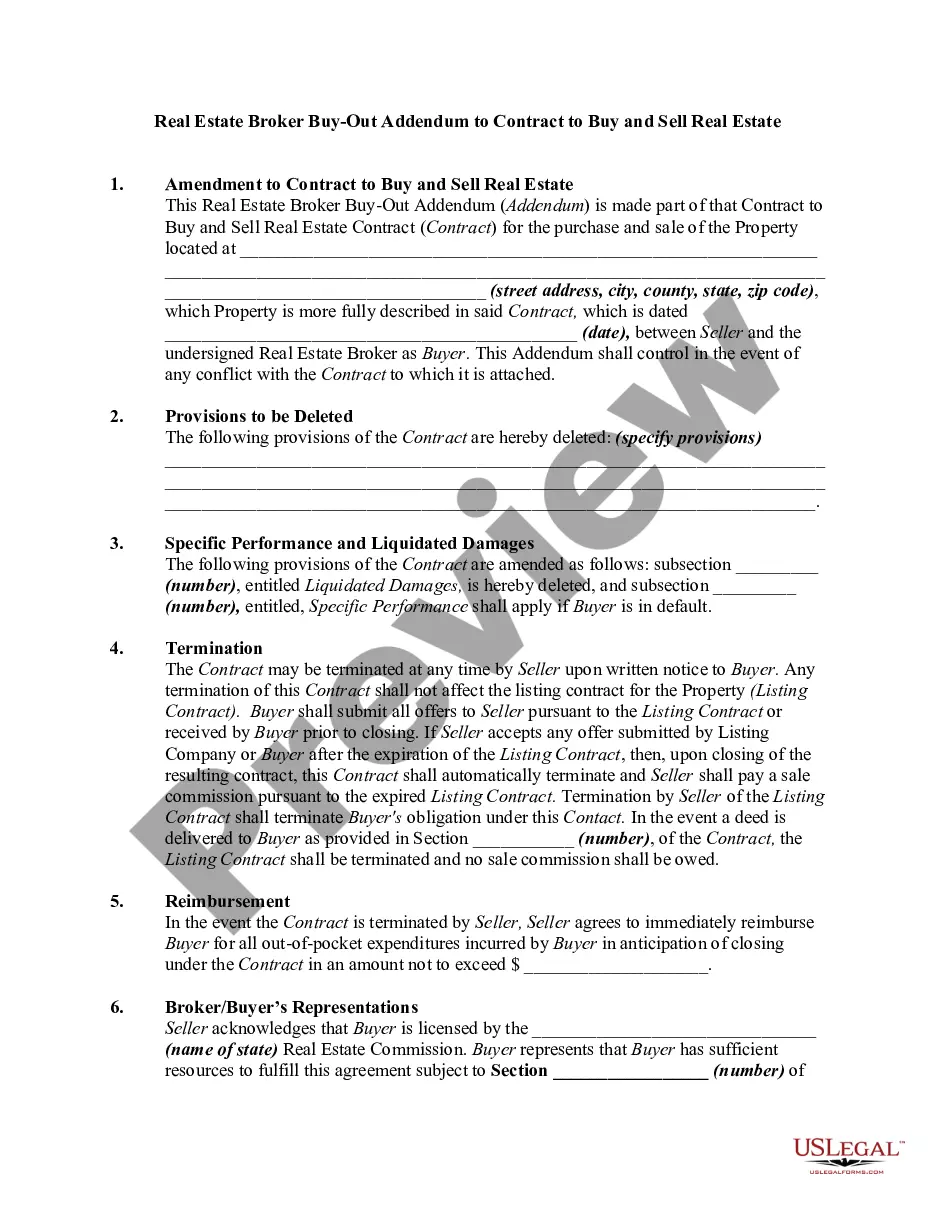
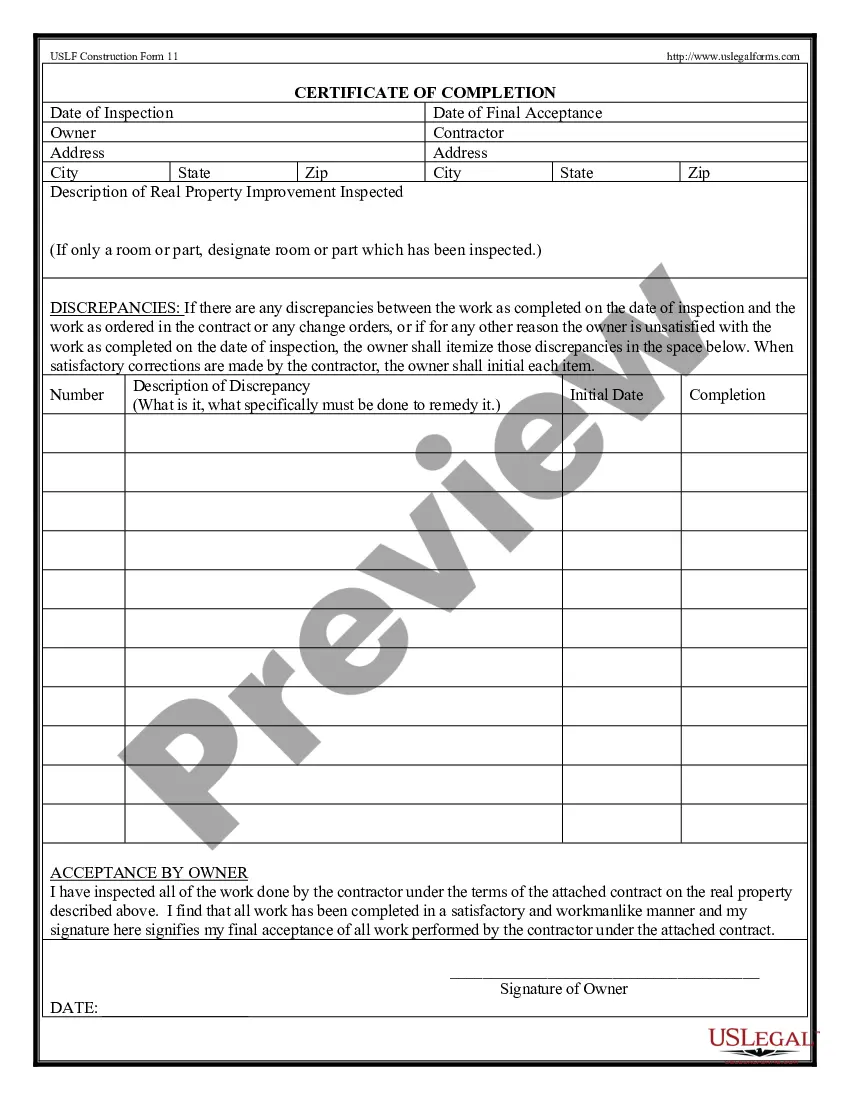

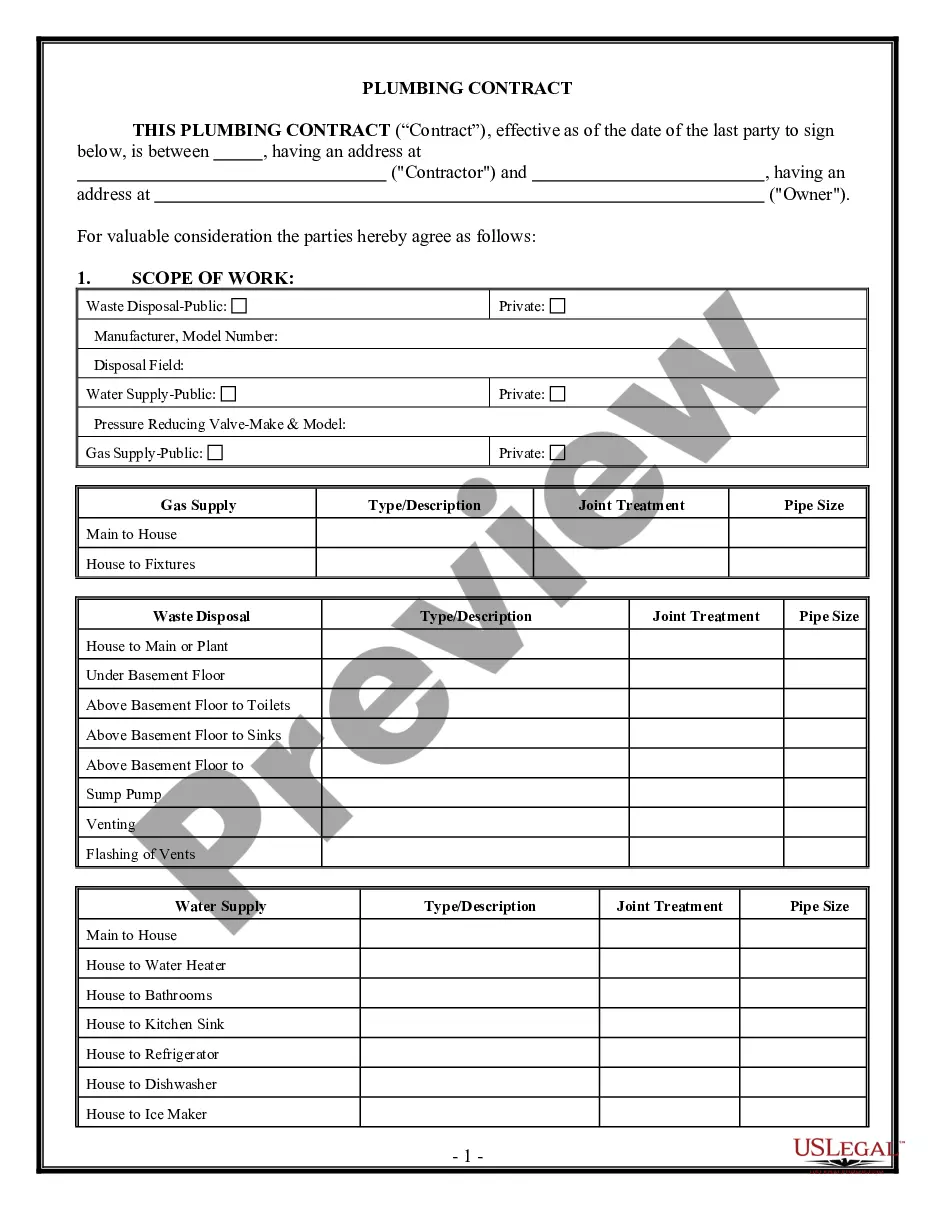
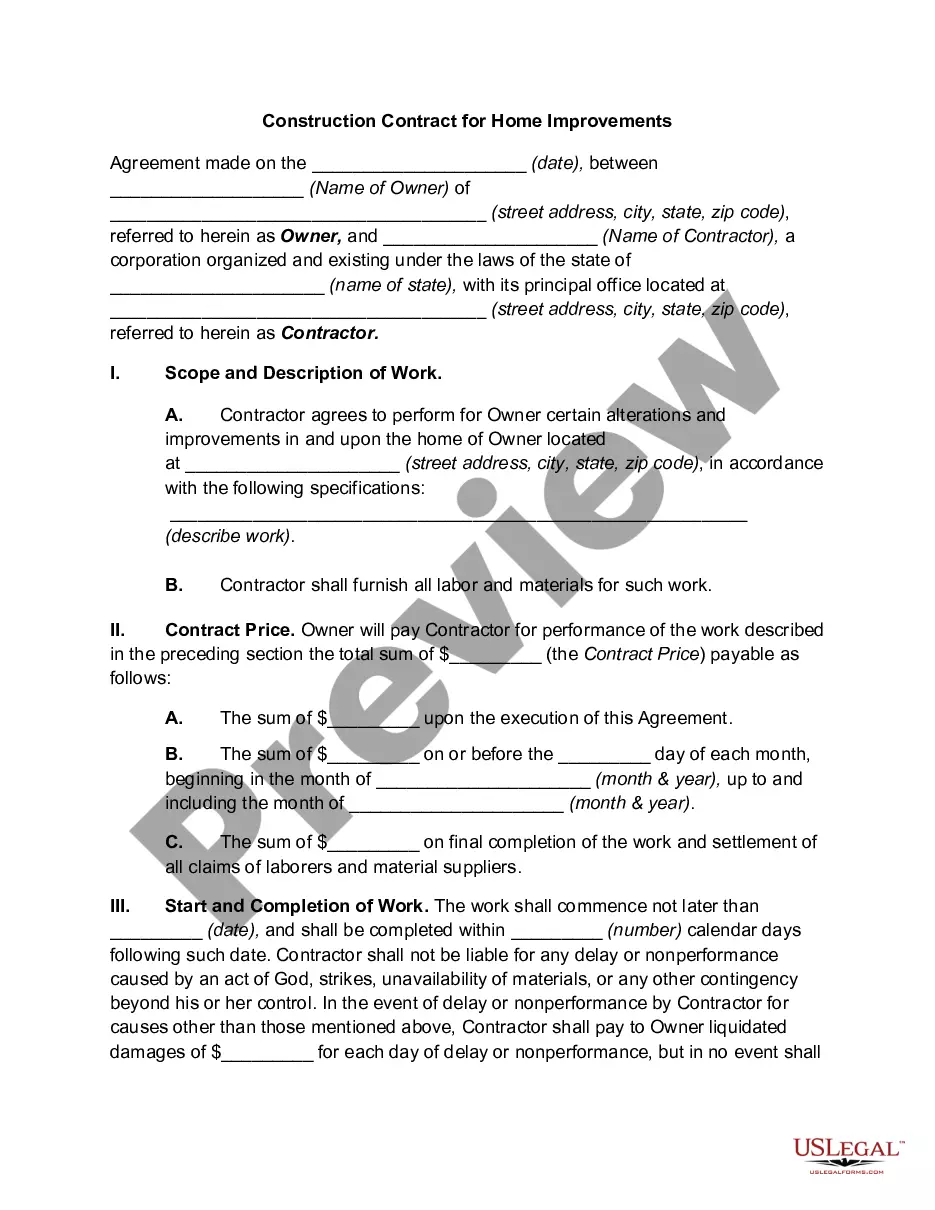
How to fill out Home Improvement Or Remodeling Construction Contract?
- If you're returning, log in to your account to access your previously downloaded forms instantly. Ensure your subscription is active, and renew it if necessary.
- For first-time users, start by browsing the form collection. Check the Preview mode and read the form description to ensure it fits your legal requirements accurately.
- If the selected form does not meet your needs, utilize the Search tab to find a suitable alternative.
- Once you find the correct document, click on the Buy Now button to select your preferred subscription plan.
- Proceed to purchase by entering your credit card information or opting for PayPal to complete your transaction.
- After purchase, download the form directly to your device. Access it later in the My Forms section of your profile.
By following these streamlined steps, you can quickly obtain and fill out legal forms tailored to your specific needs.
Take advantage of US Legal Forms’ robust library and expert assistance today to ensure your legal documents are correct and compliant. Register now!
Form popularity
FAQ
The 30% rule for renovations suggests that you should not spend more than 30% of your home's value on remodeling projects. This guideline helps ensure that your investments add value without overspending. By adhering to this rule, you can focus your budget on impactful updates that enhance your home’s appeal and functionality. It’s a smart strategy to consider while planning your remodeling work.
The first step in remodeling your house is to create a clear vision of your goals. This involves identifying the areas you want to remodel and the changes you envision. Next, gather inspiration and research potential costs to form a realistic budget. Documenting your ideas can also guide you through the remodeling process and help you communicate your vision to contractors effectively.
You can certainly renovate your house for $50,000, especially if you focus on key areas that need the most improvement. Many homeowners successfully complete kitchen, bathroom, and living area updates with this budget. Additionally, consider DIY projects to save costs while still achieving high-quality results. Proper planning and using tools from US Legal Forms can streamline your projects, making your renovation journey smoother.
Whether $50,000 is enough to renovate a house largely depends on the existing condition and the specific changes you want to make. For many homeowners, this budget allows for meaningful updates, such as kitchens or bathrooms. However, it may not cover extensive structural changes or whole-home renovations. Careful planning and prioritization are essential for maximizing what you can achieve with your remodeling budget.
Yes, $50,000 can be a good renovation budget, depending on your home's condition and the scope of the remodeling projects. For mid-range improvements like kitchen updates or bathroom remodels, this budget can effectively cover substantial changes. The key is planning carefully and breaking down the renovations into phases if necessary. With the right preparation, you can significantly enhance your home with this amount.
A realistic budget for remodeling your home depends on the extent of renovations and the specific areas you want to improve. Typically, homeowners spend between 5% to 15% of their home's value on renovations. It's important to factor in unexpected expenses as well, so having a buffer is wise. Assess your needs and prioritize your remodeling goals to determine an appropriate budget.
Affording a remodeling project starts with understanding your financial situation. You can create a detailed budget that outlines expenses and potential financing options. Consider exploring home equity loans, personal loans, or savings plans specifically earmarked for remodeling. Additionally, platforms like US Legal Forms can help you streamline contracts and financing paperwork, making the process easier.
In home renovation, the 30% rule means that you should aim to spend 30% of your home's value on improvements to achieve a well-maintained property that retains value. This approach helps you make informed decisions about which remodeling projects to undertake, ensuring you don’t overspend. By keeping this rule in mind, you can prioritize renovations that add the most value. Additionally, consider how US Legal Forms can help streamline your renovation planning.
A budget of $20,000 can be sufficient for certain remodeling projects, depending on the scale and scope of work required. Minor renovations, such as updating a kitchen or bathroom, can fall within this budget, particularly if you approach the project strategically. Nonetheless, expensive renovations might require additional resources. US Legal Forms can assist you in drafting a solid plan that makes the most of your available budget.
Effective remodeling starts with planning and prioritizing, moving from structural elements to aesthetics. Begin with foundational work like roofing and plumbing, followed by electrical systems. Then focus on walls, flooring, and finally, decorative touches like paint and landscaping. Following this order ensures your remodeling boosts both functionality and beauty, preserving your investment for years.