Restraining Protective Order With Texas
Description

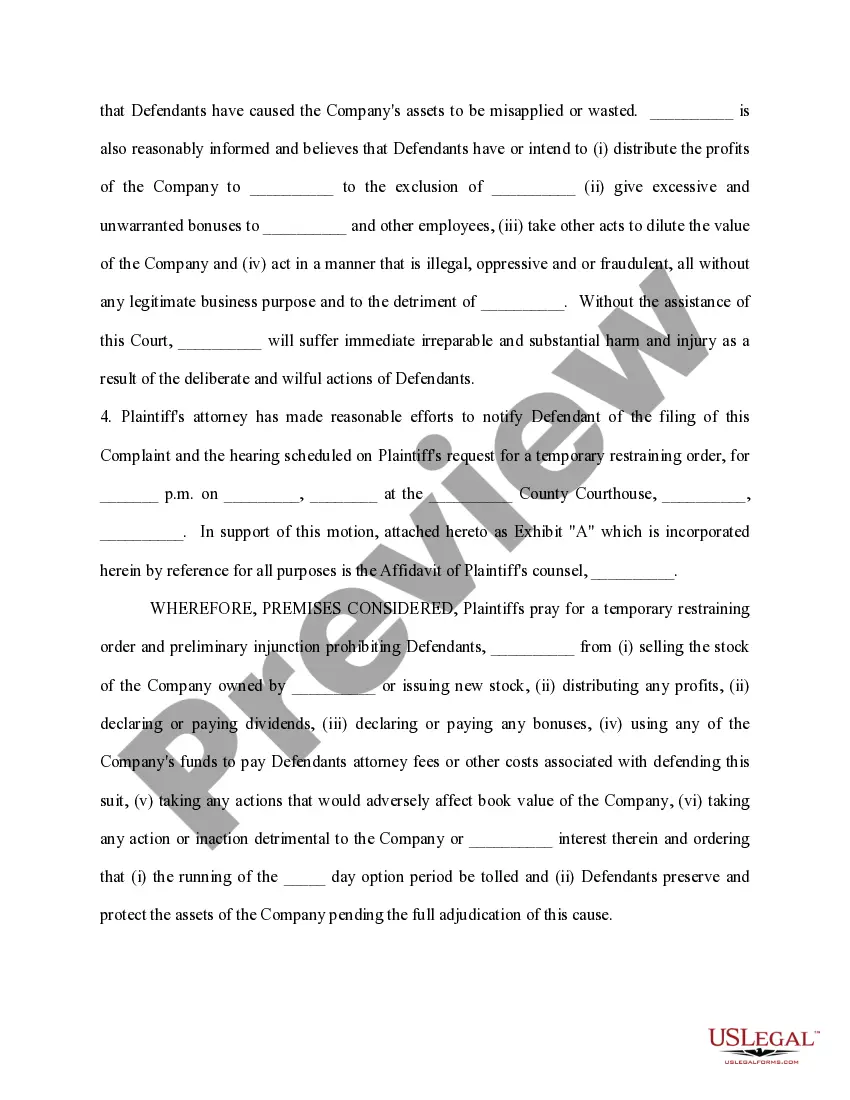
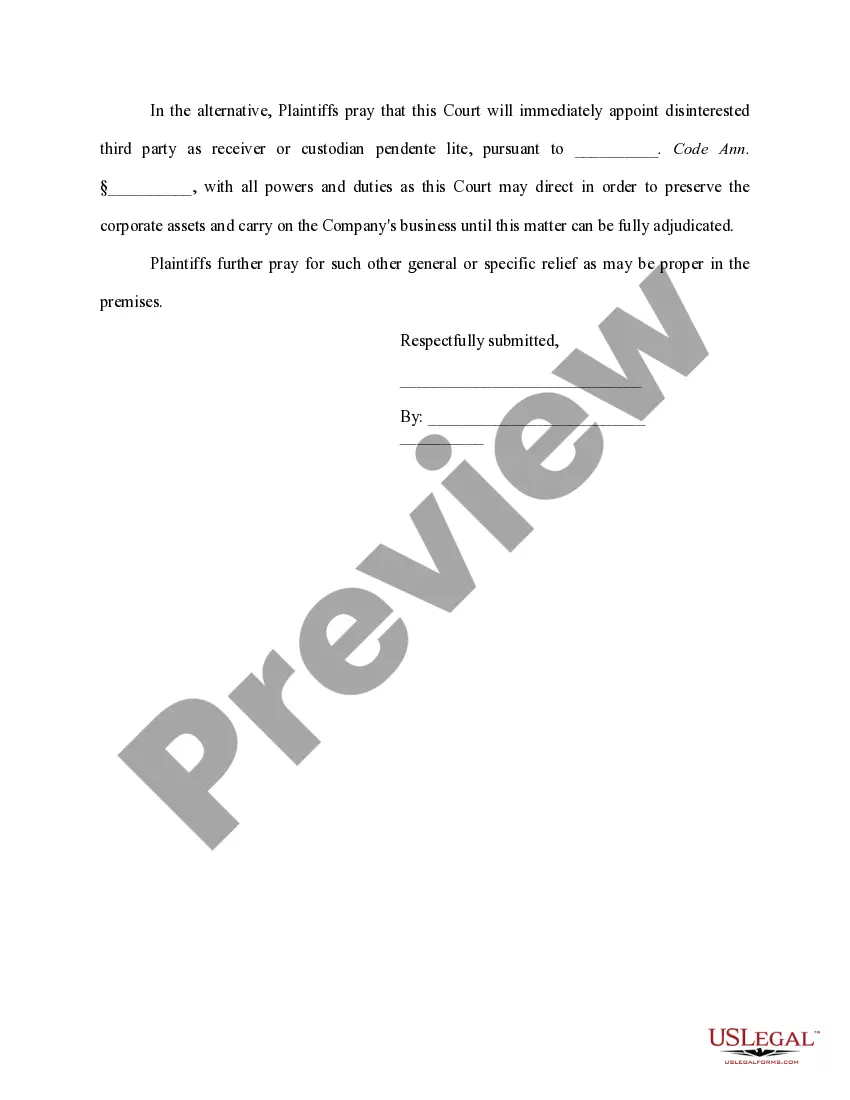

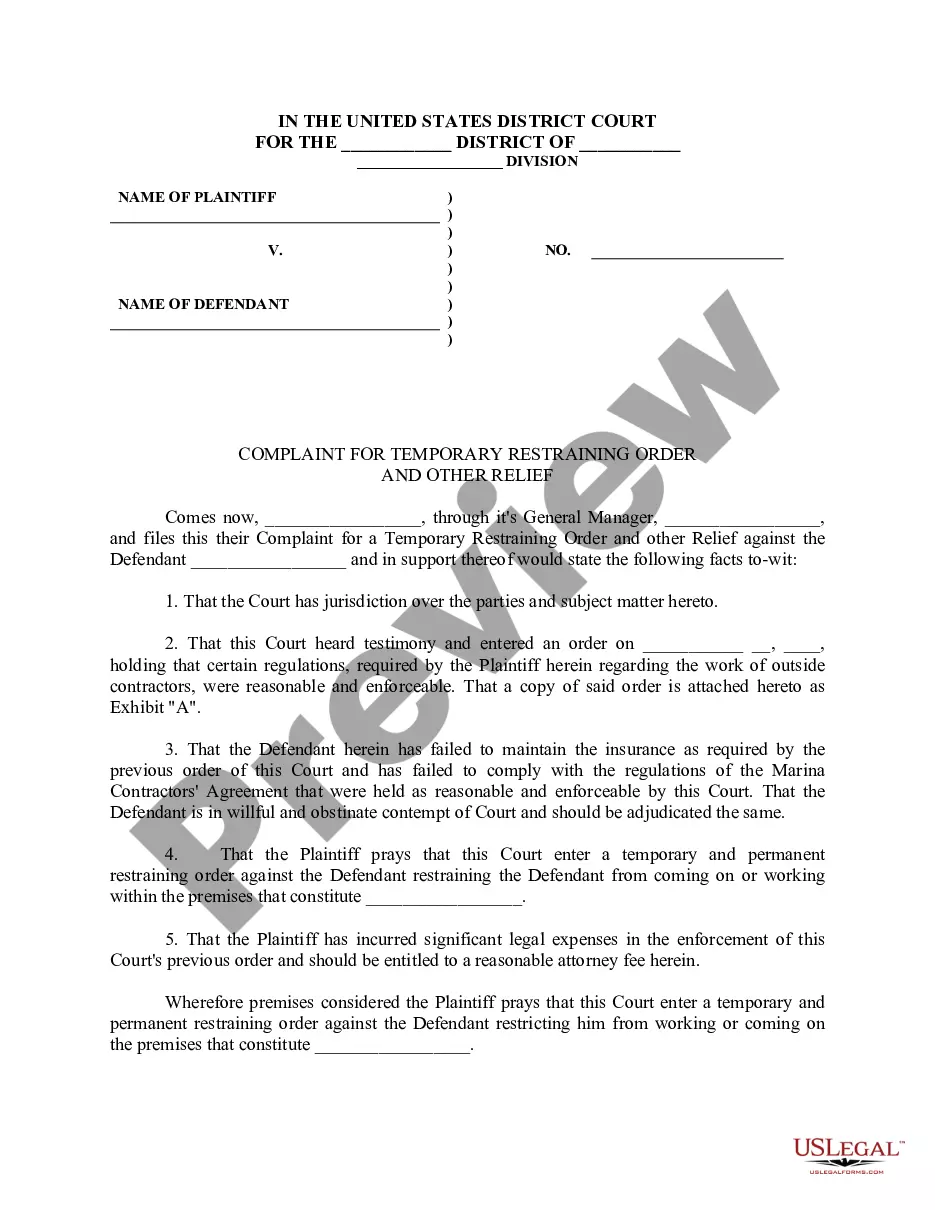
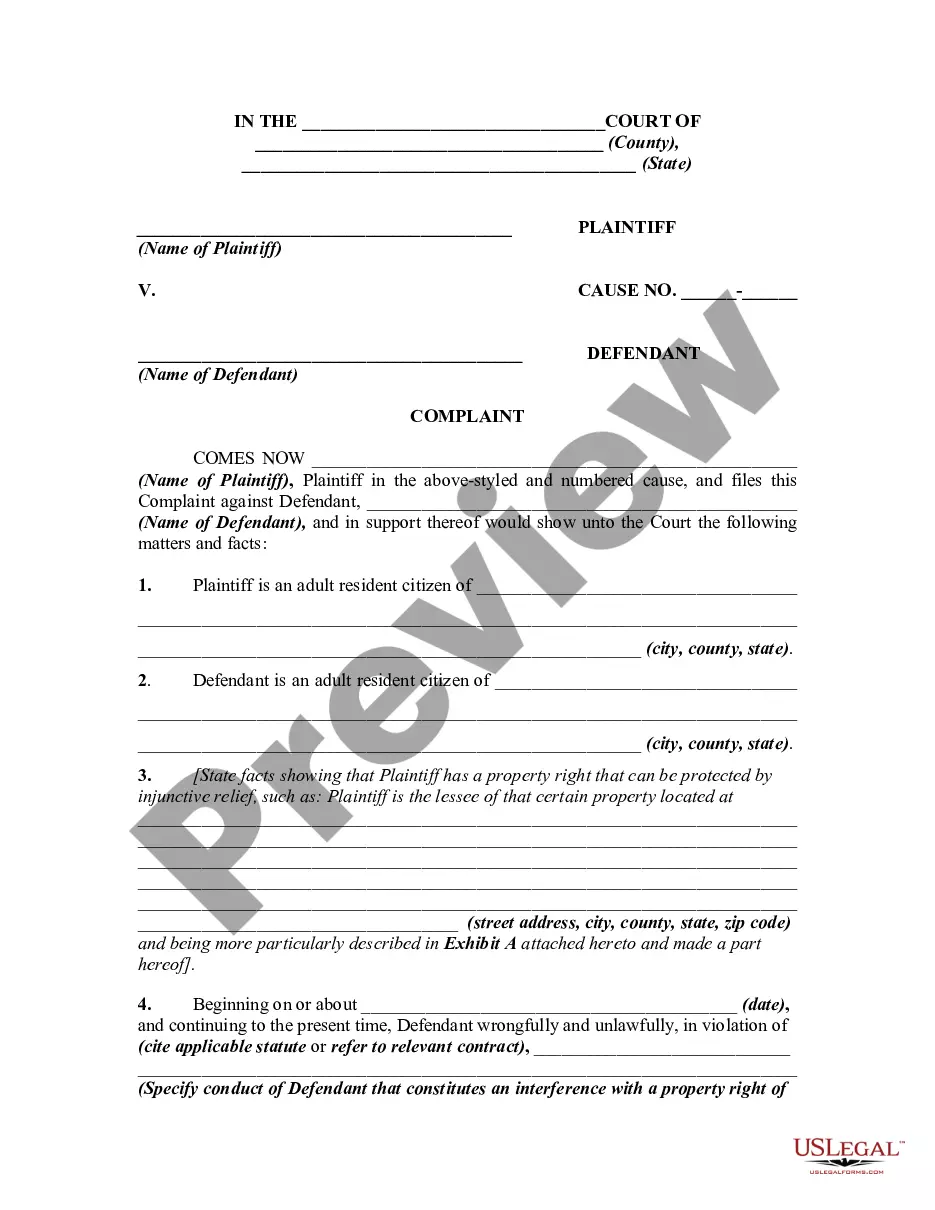
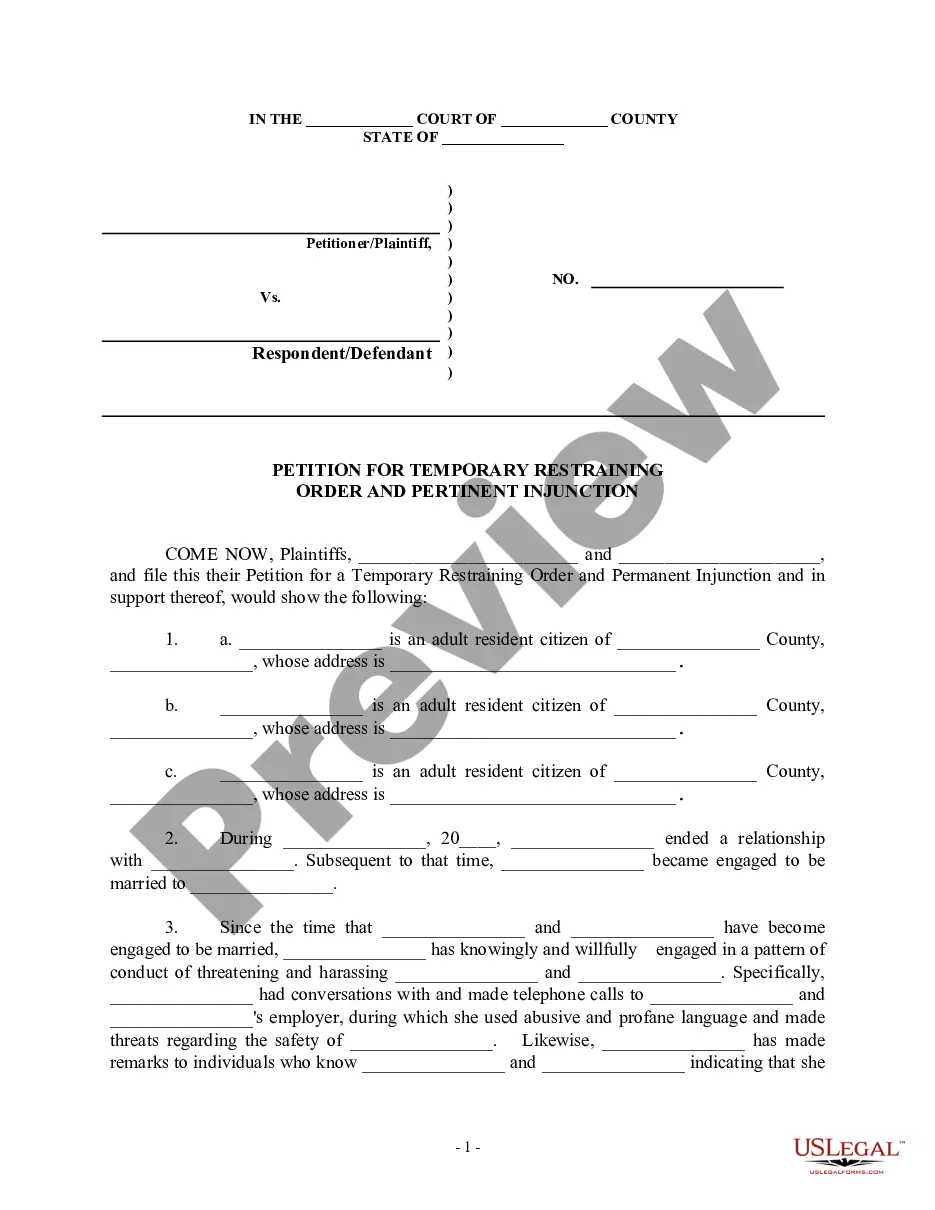

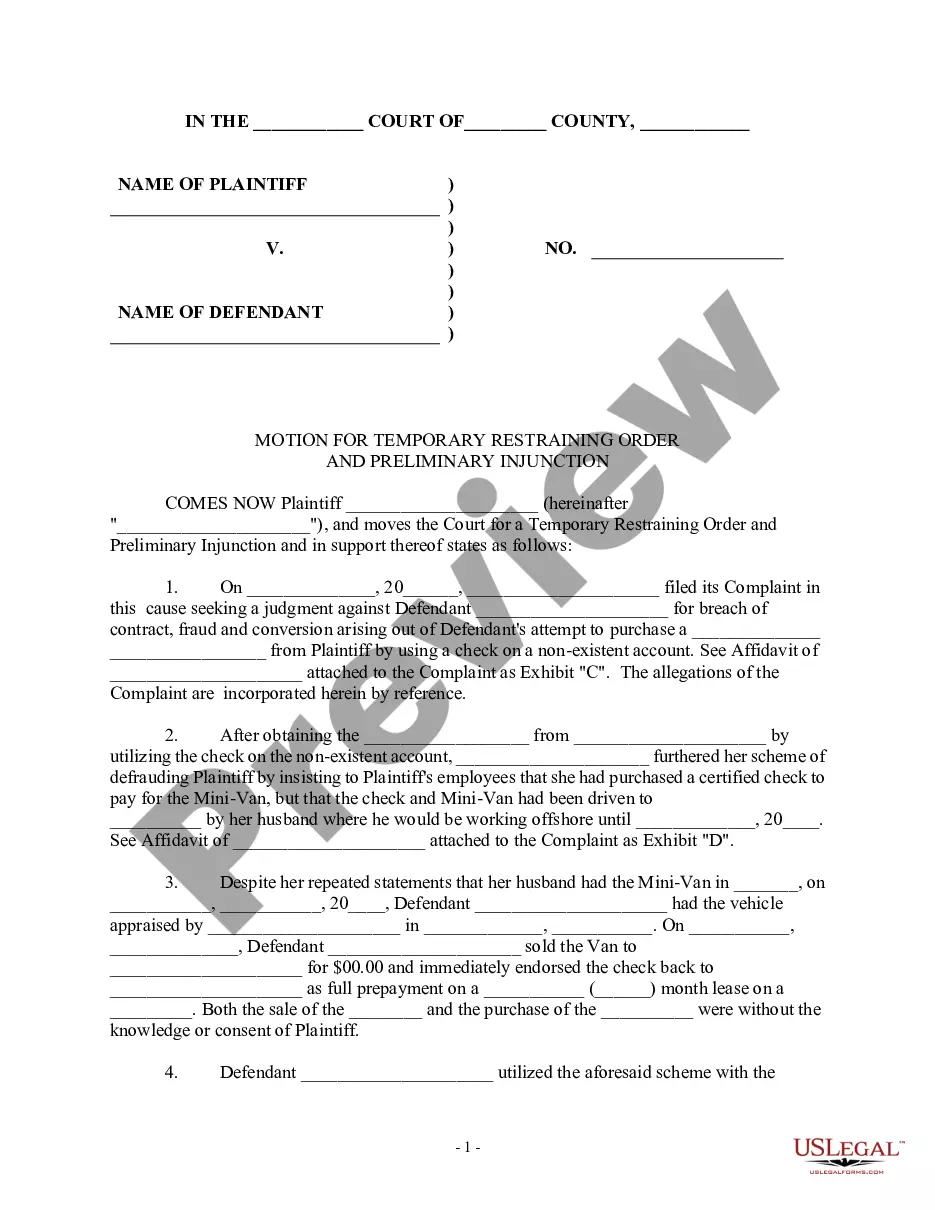
Get your form ready online
Our built-in tools help you complete, sign, share, and store your documents in one place.
Make edits, fill in missing information, and update formatting in US Legal Forms—just like you would in MS Word.
Download a copy, print it, send it by email, or mail it via USPS—whatever works best for your next step.
Sign and collect signatures with our SignNow integration. Send to multiple recipients, set reminders, and more. Go Premium to unlock E-Sign.
If this form requires notarization, complete it online through a secure video call—no need to meet a notary in person or wait for an appointment.
We protect your documents and personal data by following strict security and privacy standards.

Make edits, fill in missing information, and update formatting in US Legal Forms—just like you would in MS Word.

Download a copy, print it, send it by email, or mail it via USPS—whatever works best for your next step.

Sign and collect signatures with our SignNow integration. Send to multiple recipients, set reminders, and more. Go Premium to unlock E-Sign.

If this form requires notarization, complete it online through a secure video call—no need to meet a notary in person or wait for an appointment.

We protect your documents and personal data by following strict security and privacy standards.
Looking for another form?
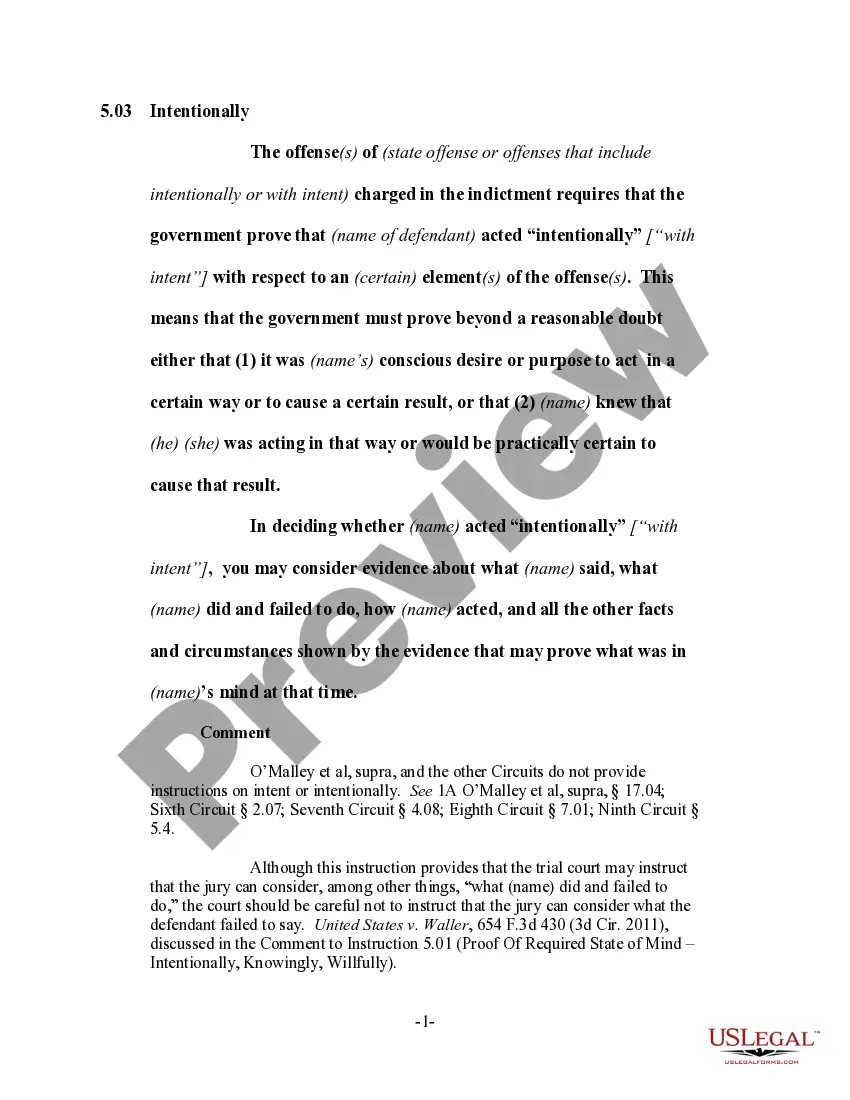

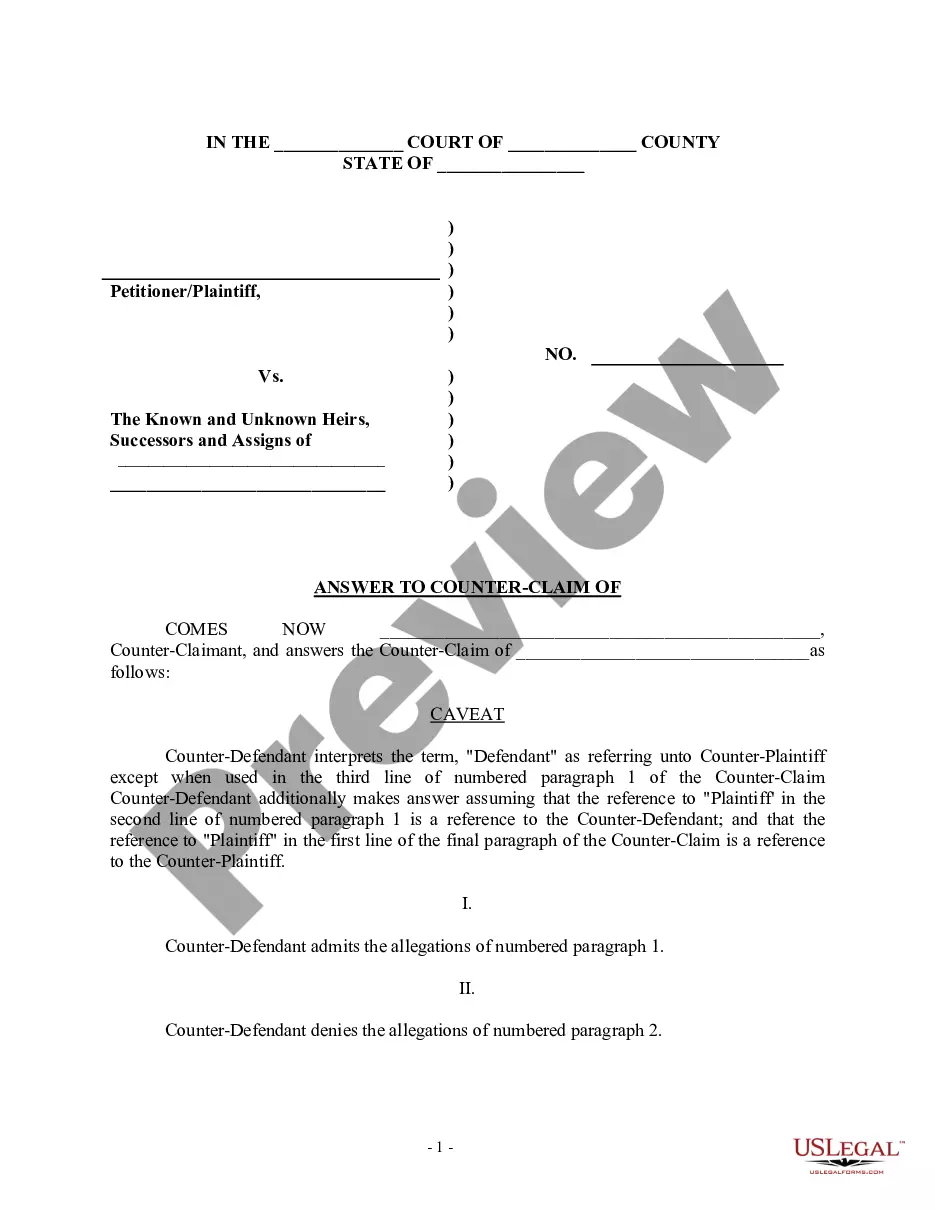


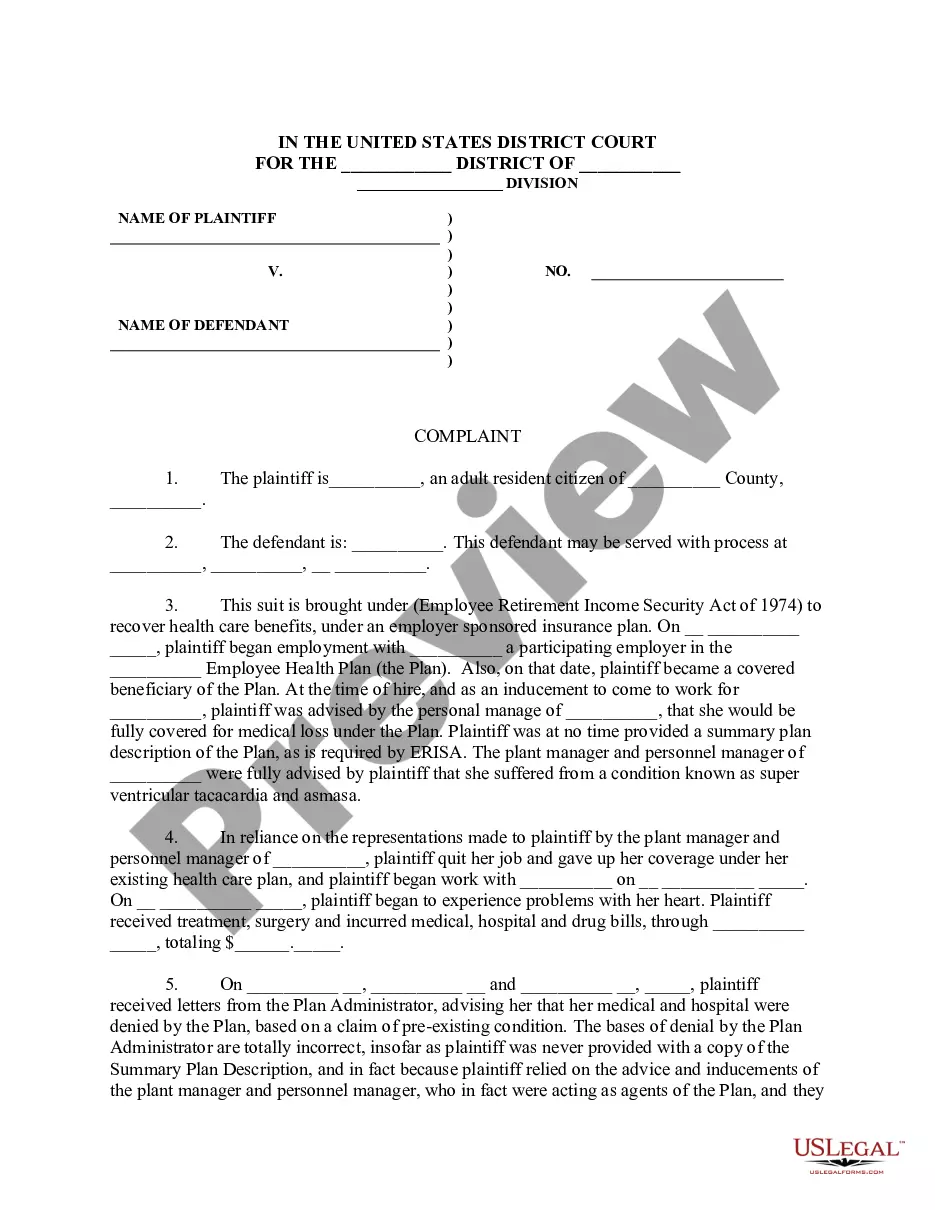

How to fill out Complaint For Temporary Restraining Order, Preliminary Injunction And Permanent Injunction?
Handling legal documents can be overwhelming, even for experienced professionals.
When seeking a Restraining Protective Order in Texas and lacking the time to devote to finding the right and current version, the process can become nerve-wracking.
Utilize a repository of articles, guides, and resources related to your situation and requirements.
Conserve time and energy in searching for the documents you require, and leverage US Legal Forms' advanced search and Review feature to locate the Restraining Protective Order in Texas and download it.
Take advantage of the US Legal Forms online library, backed by 25 years of expertise and trustworthiness. Transform your everyday document management into a seamless and user-friendly experience today.
- If you have a monthly subscription, Log In to your US Legal Forms account, search for the document, and download it.
- Check your My documents section to view the documents you’ve previously saved and manage your files as desired.
- If this is your first experience with US Legal Forms, create an account to gain unrestricted access to all platform benefits.
- Outlined below are the procedures to follow after acquiring the form you need.
- Confirm this is the correct document by previewing it and reviewing its details.
- Ensure the template is recognized in your state or region.
- Click Buy Now when you’re ready.
- Select a monthly subscription plan.
- Choose the file format you prefer, and Download, fill out, eSign, print, and submit your documents.
- Access state- or region-specific legal and business documents.
- US Legal Forms addresses every need you may have, ranging from personal to commercial paperwork, all in one location.
- Employ sophisticated tools to complete and manage your Restraining Protective Order in Texas.
Form popularity
FAQ
To fill out a restraining order in Texas, begin by gathering necessary information about yourself and the individual you wish to restrain. You'll need to complete the appropriate forms, which are often available through local courts or platforms like US Legal Forms. Be sure to provide specific details regarding the incidents that led to your request for a restraining protective order with Texas. Carefully reviewing the completed forms before submission ensures that all required information is accurate and complete.
In Texas, a protective order and a restraining order serve similar purposes but involve different legal processes. A protective order specifically aims to prevent family violence, while a restraining order typically addresses civil disputes. You should understand these distinctions when seeking a restraining protective order with Texas law. Consulting resources, like US Legal Forms, can help you navigate these options effectively.
A protective order can be denied in Texas for several reasons, such as lack of sufficient evidence or failure to meet the necessary legal requirements. If the court determines that there is not enough proof that you face a credible threat, your request may be turned down. Additionally, if the judge finds that the order would not serve your safety needs, they may deny it. Understanding these factors can help you prepare a stronger case for your restraining protective order with Texas.
To put a restraining protective order with Texas, you need to provide specific information about the situation. Gather details such as the nature of the threat or abuse, and any evidence that supports your claim. You will also need to fill out the appropriate forms and submit them to the court. Using platforms like USLegalForms can streamline this process, making it easier for you to navigate the legal system.
In Texas, the burden of proof for a restraining protective order requires the petitioner to show clear and convincing evidence of harm or a threat of harm. This means demonstrating a credible danger that justifies the need for protection. It is crucial to present sufficient evidence and testimony during the hearing. Legal resources like USLegalForms can help you gather and organize the necessary evidence effectively.
The process of obtaining a restraining protective order with Texas typically takes about 10 to 14 days. This duration may vary based on court schedules and the urgency of the situation. After filing, a hearing is usually set where both parties can present their cases. To expedite the process, it's advisable to work with legal professionals who can assist you in preparing the necessary documentation.
Stay away: Requires a person to keep a specified distance away from the victim at all times. The common number is 100 yards away. It applies not only to the victim's person, but as well as their home, work, or school.
How much does a Protective Order cost? Applying for a Protective Order is free. An applicant for a Protective Order may not be charged a fee by the county or district attorney's office or by a sheriff or constable in connection with the filing, serving, modifying, or withdrawing a Protective Order.
If you believe the protection order was granted improperly or that it is no longer needed, you can file a motion asking the court to ?dissolve? (terminate or cancel) the protection order. After you file the motion, the court will decide whether or not to schedule a hearing.