Florida Injunction For Protection Against Stalking
Description
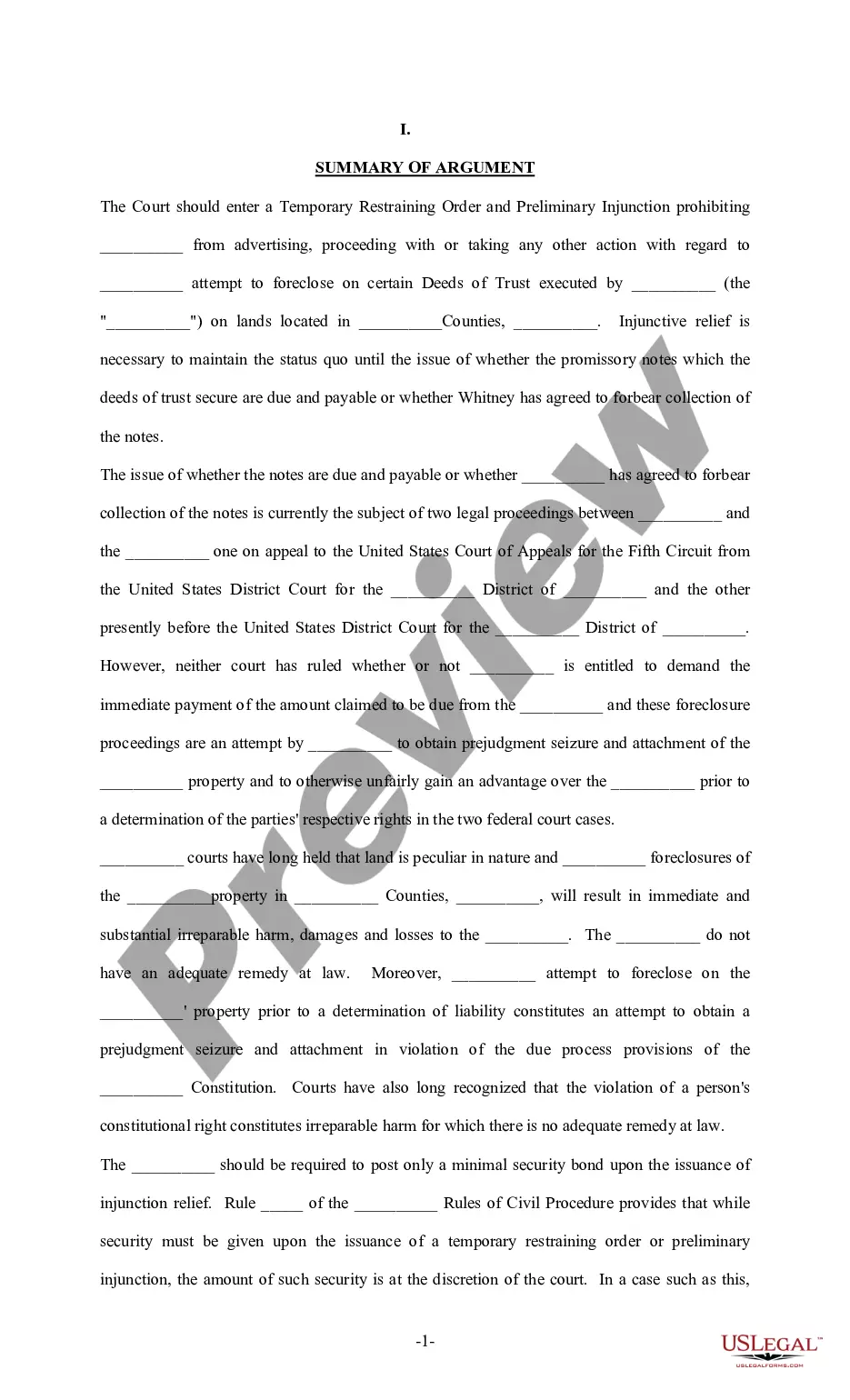
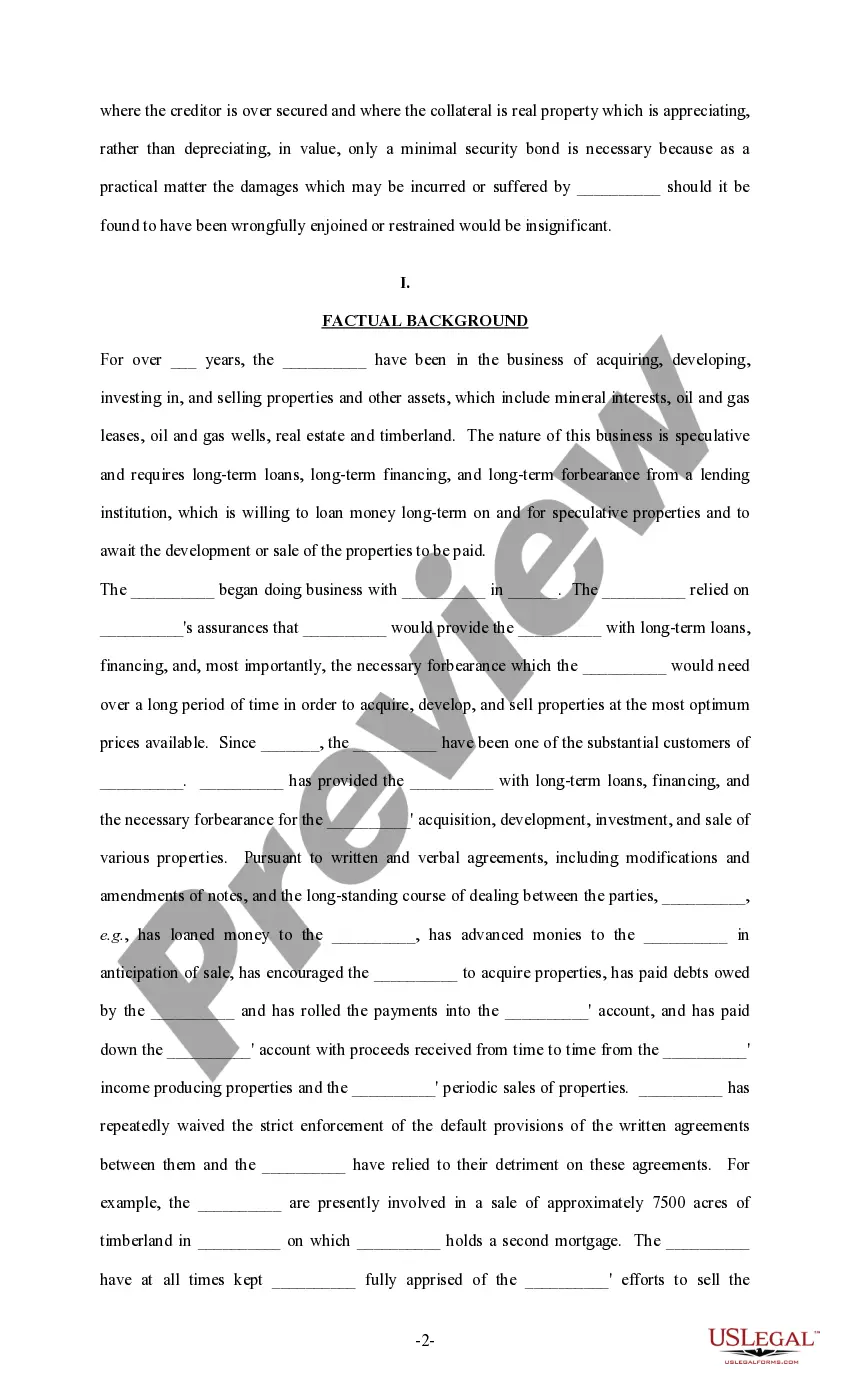
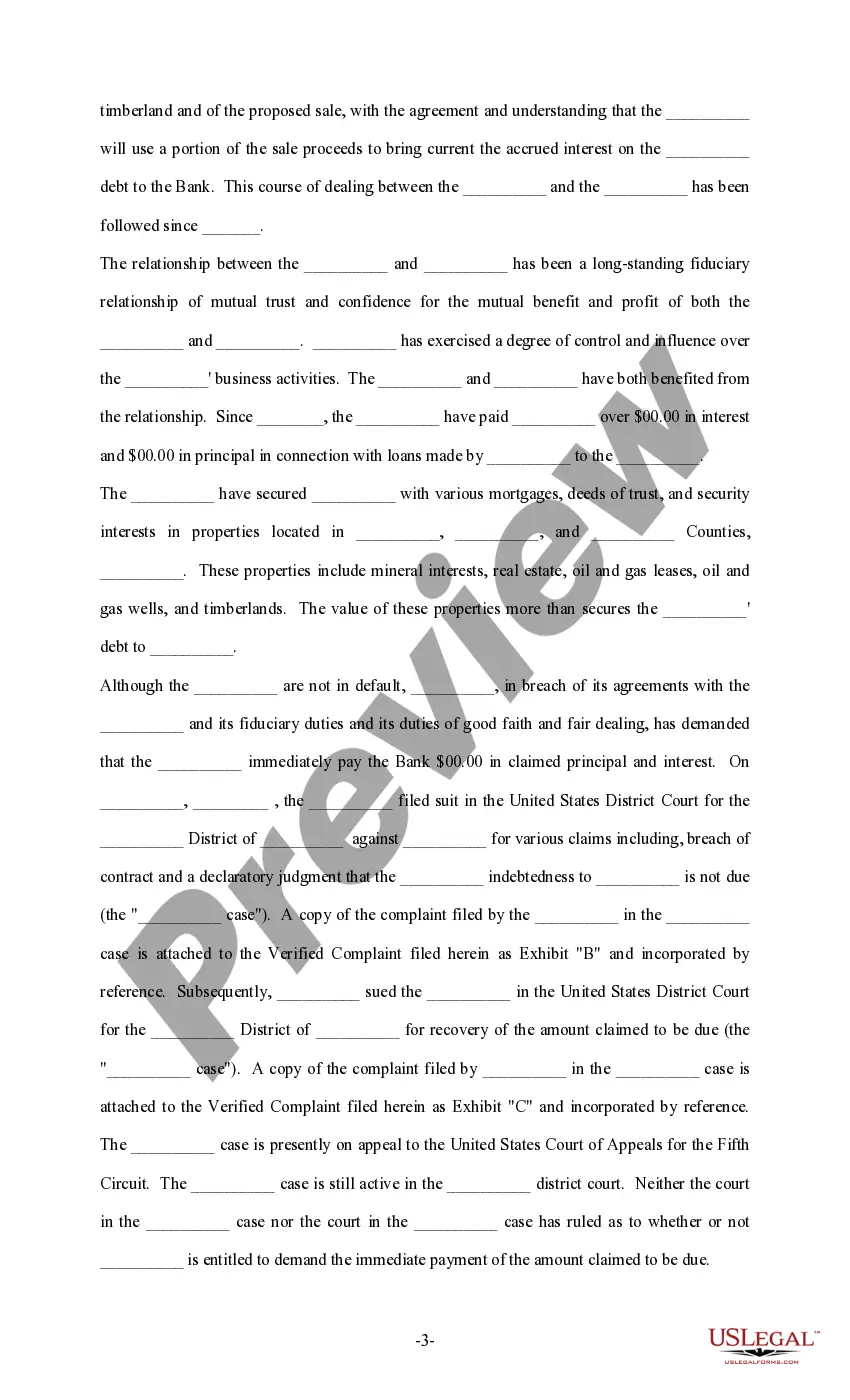
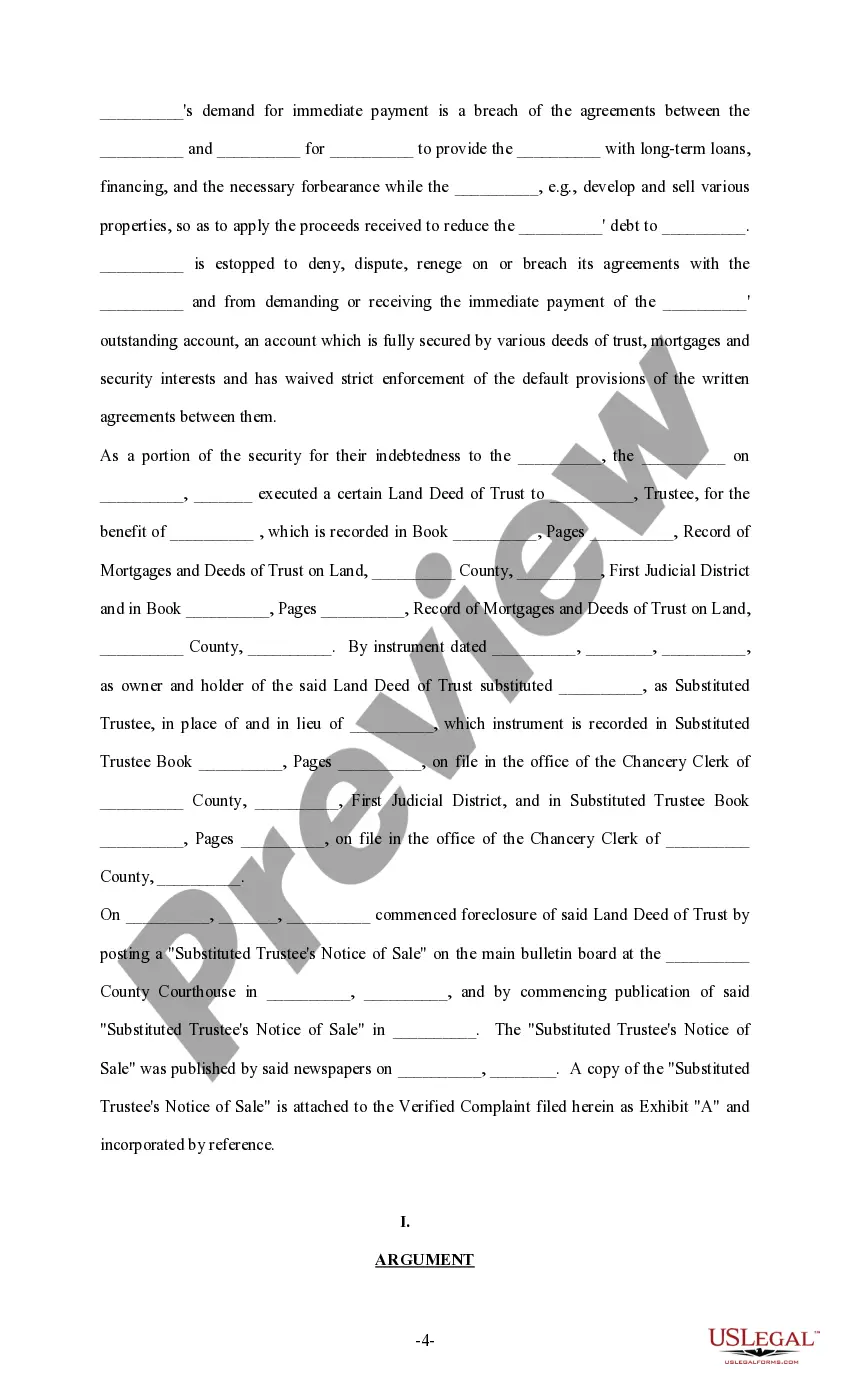
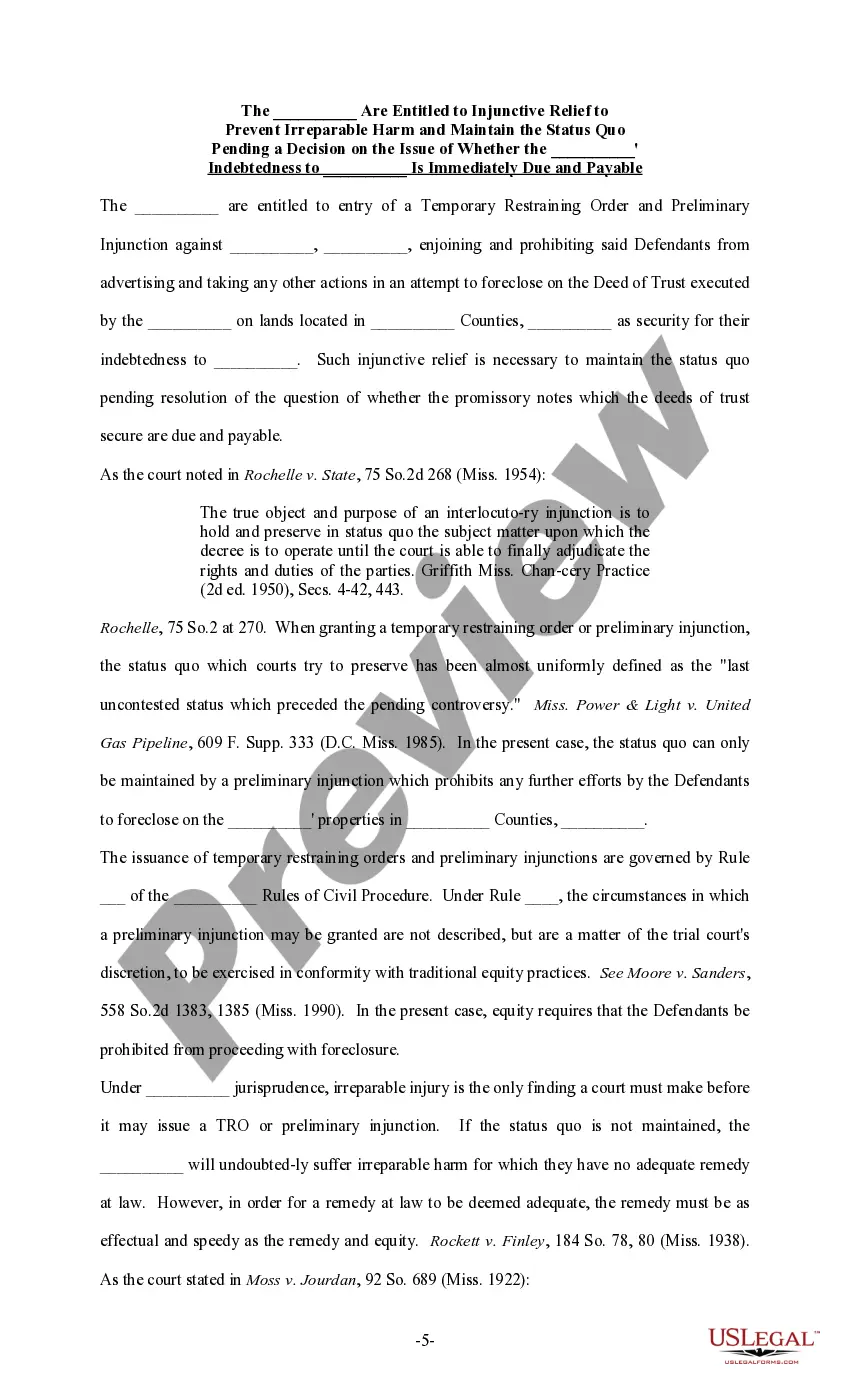
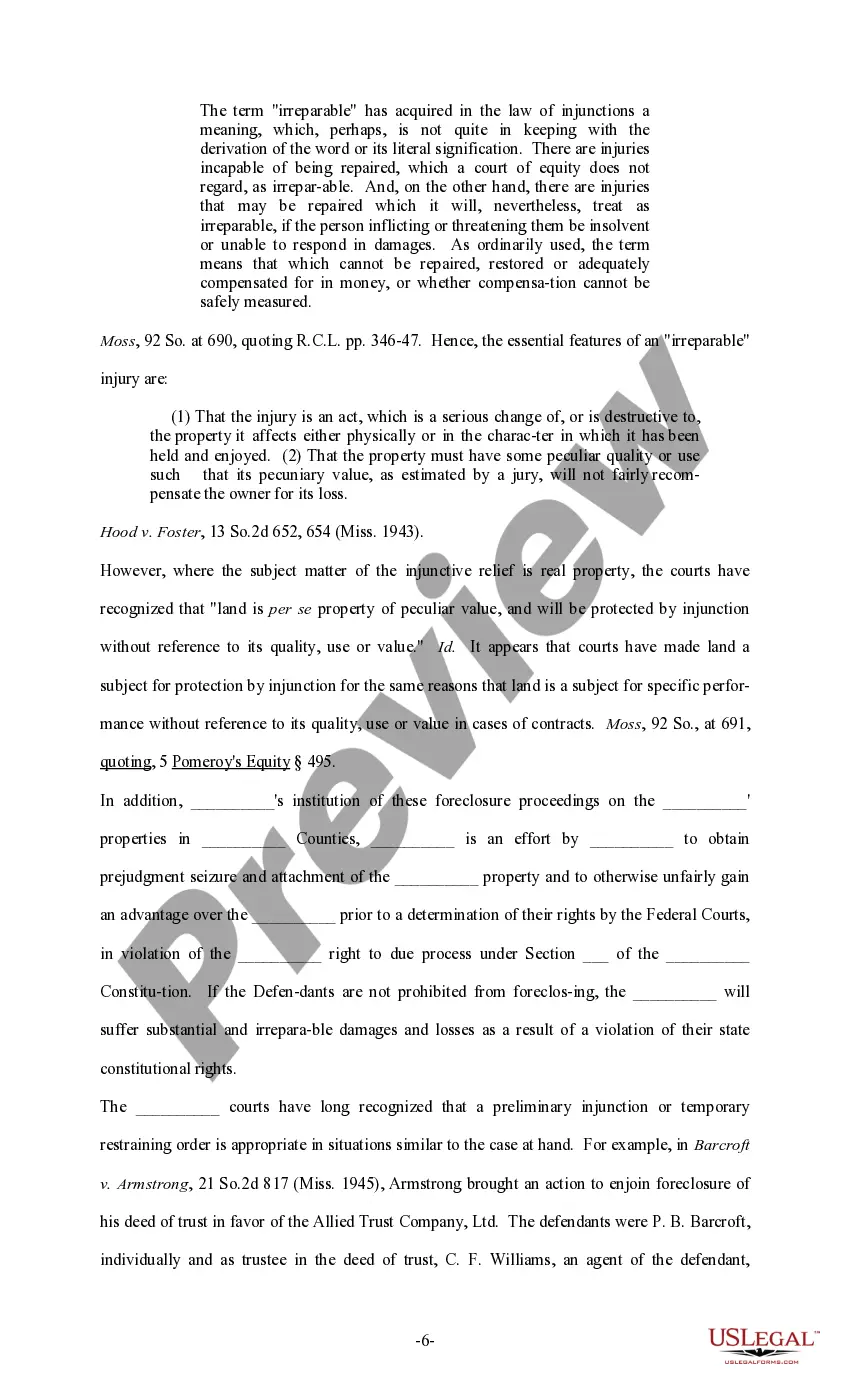
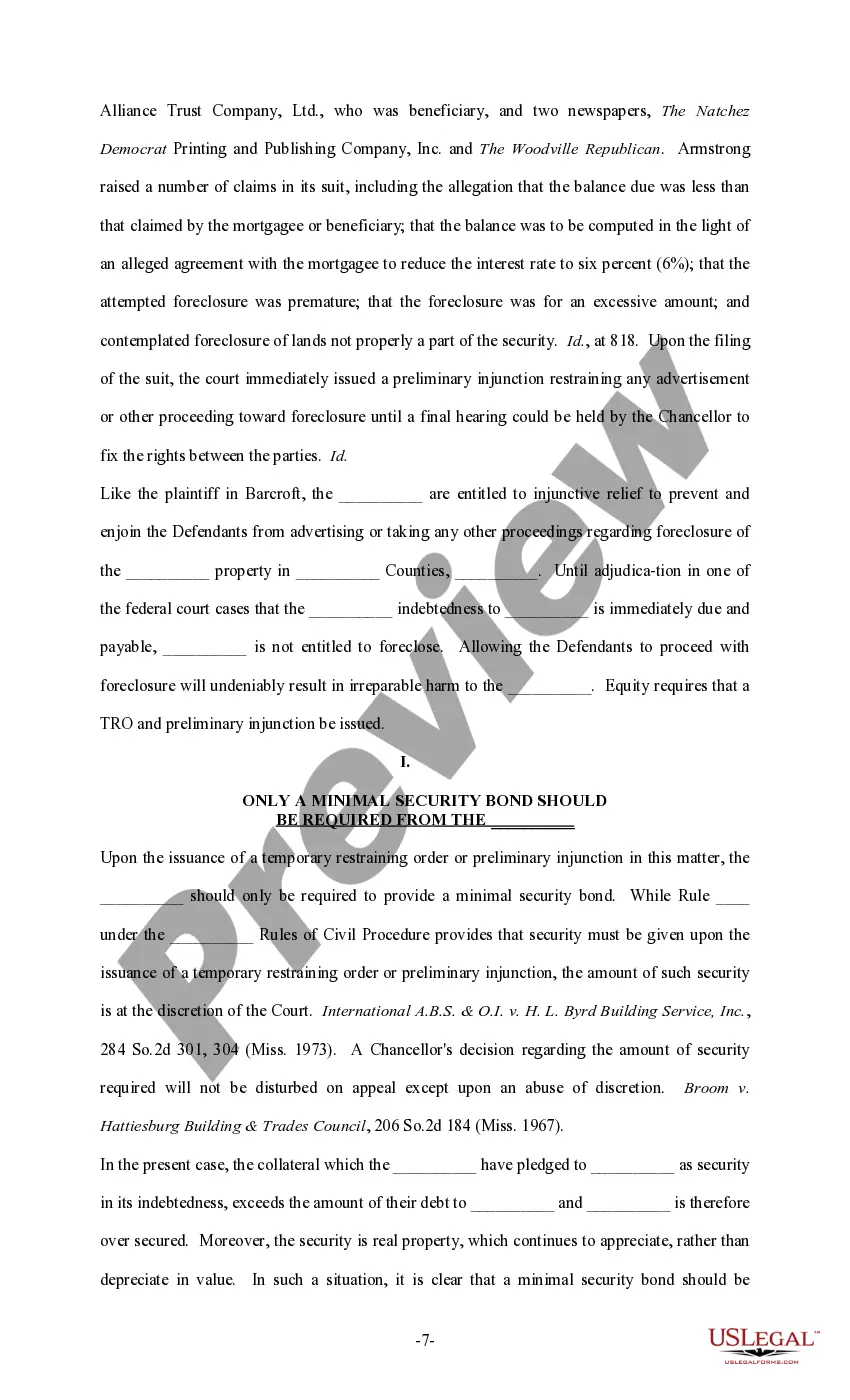
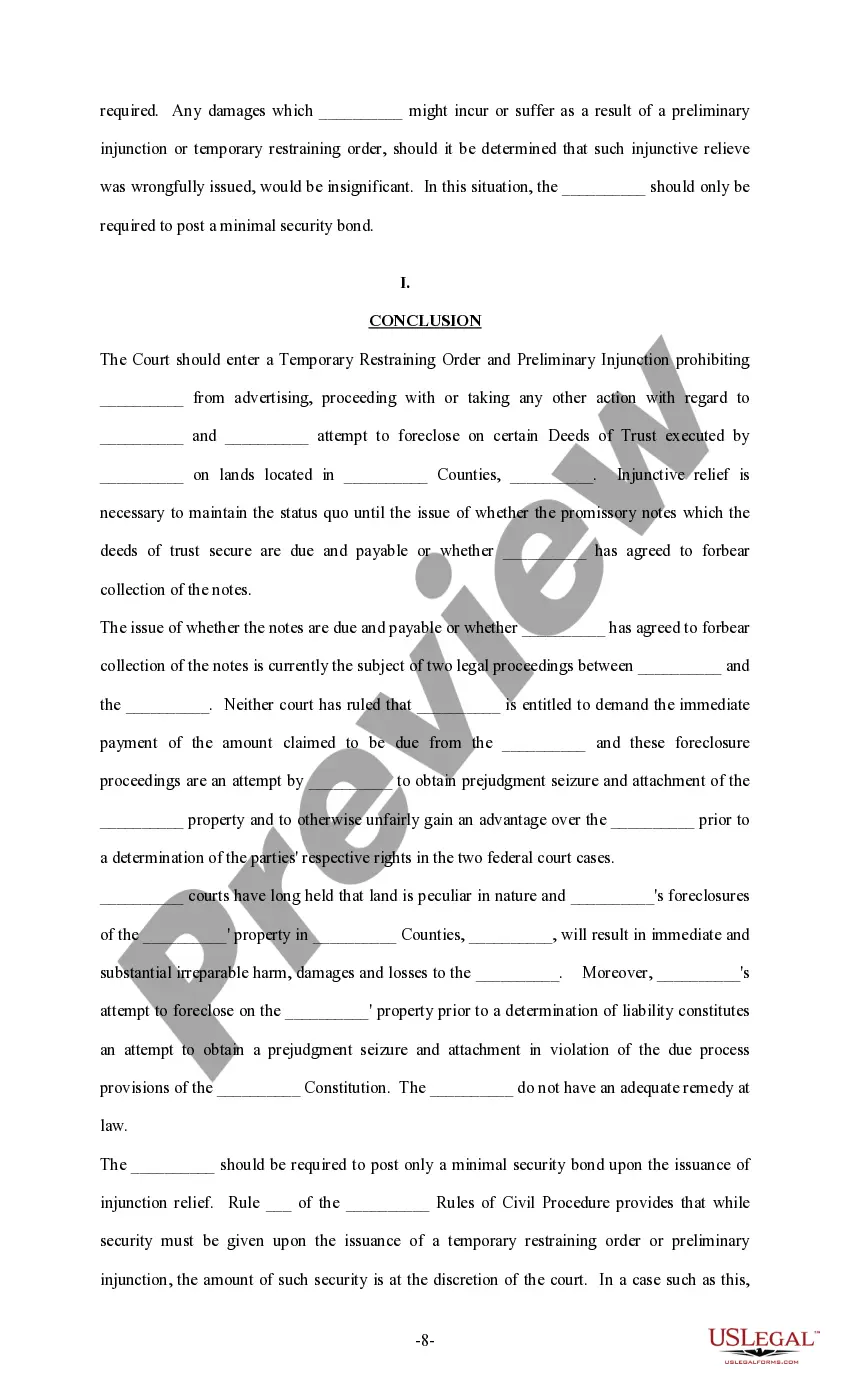
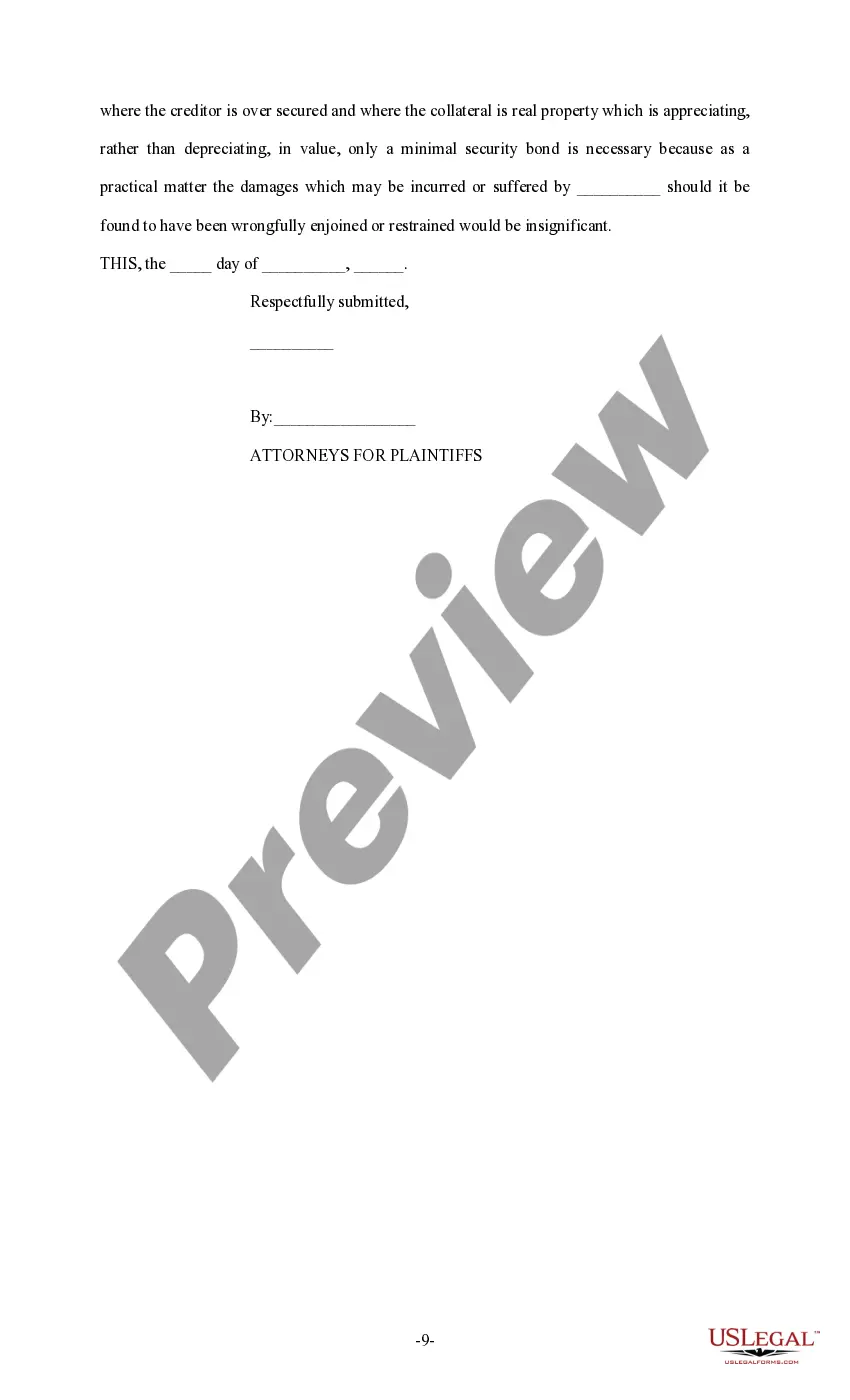
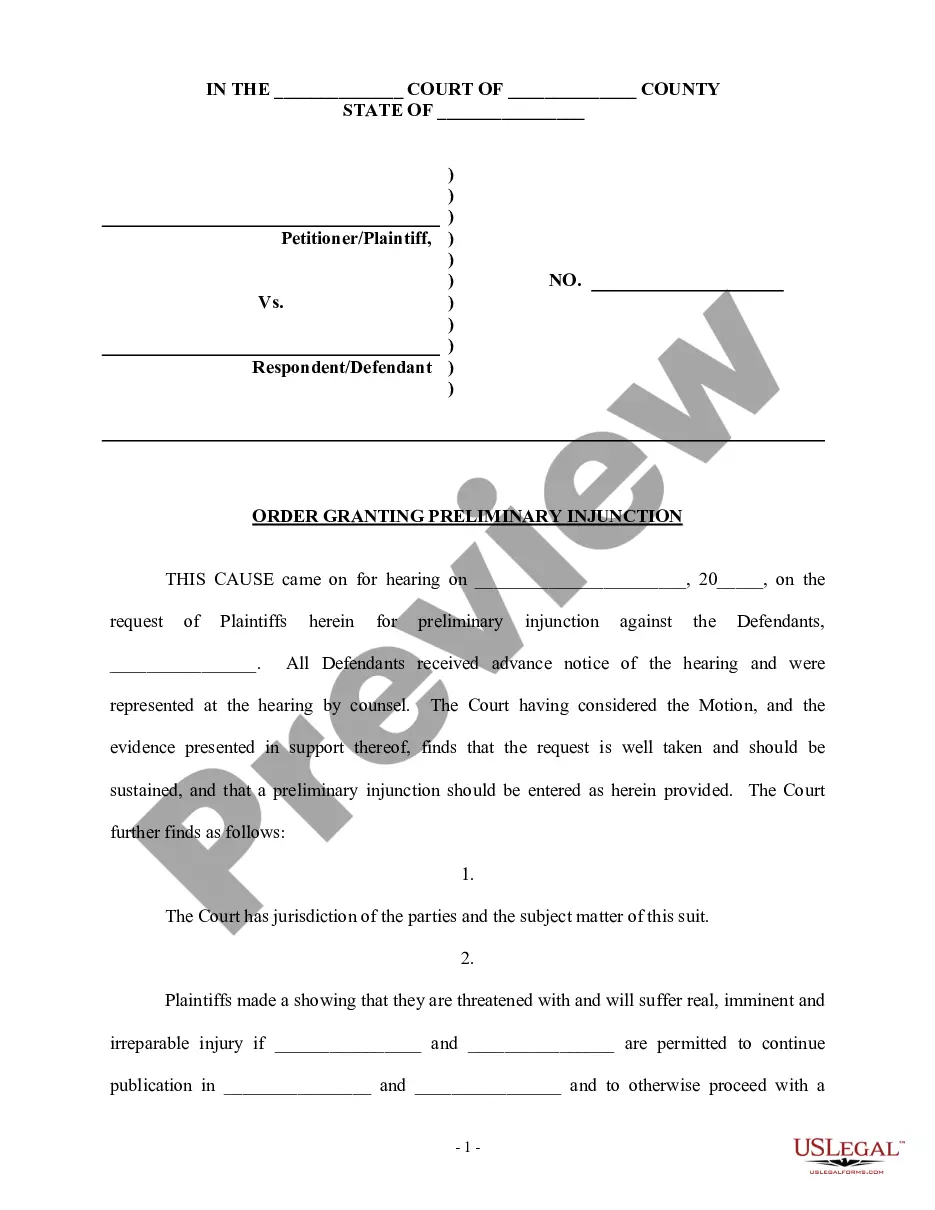
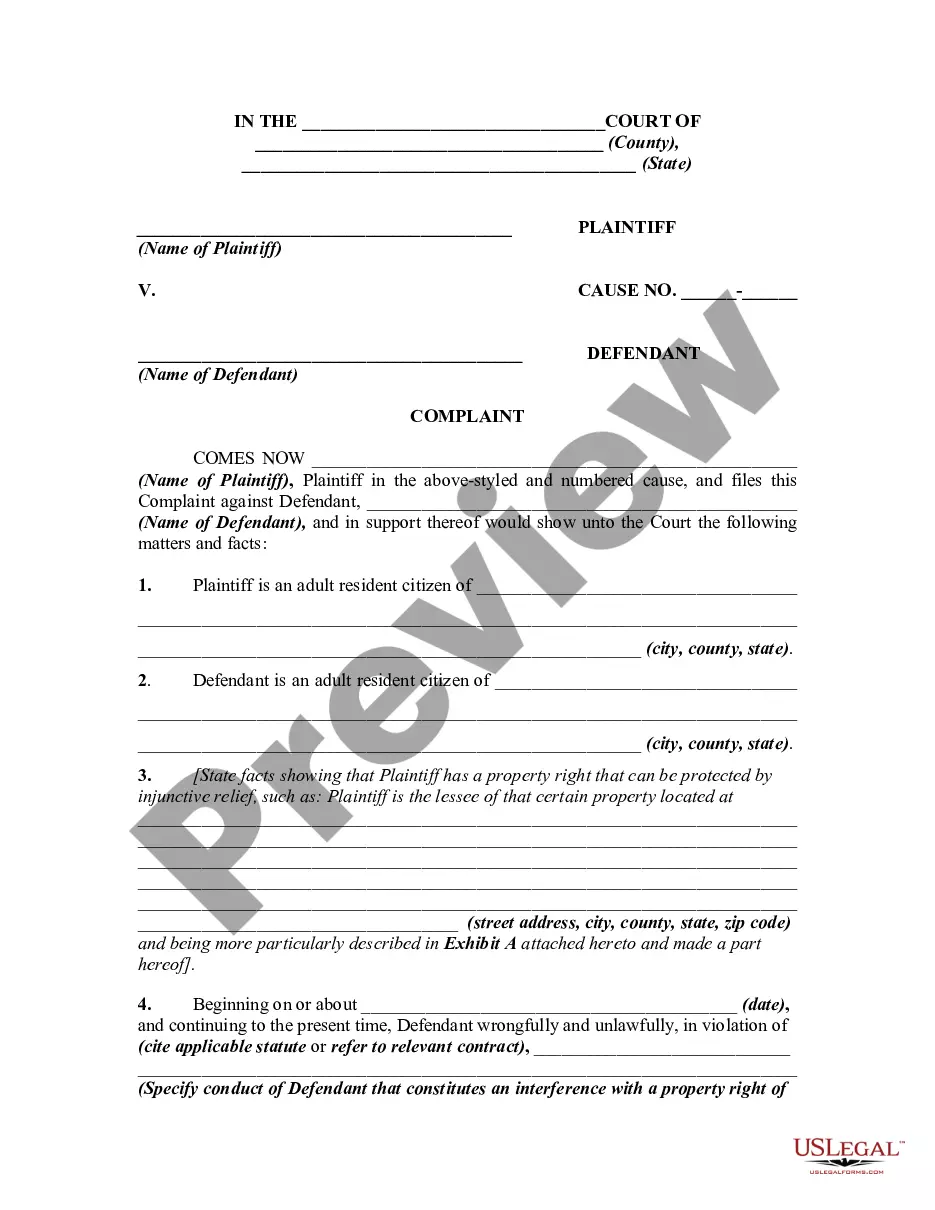
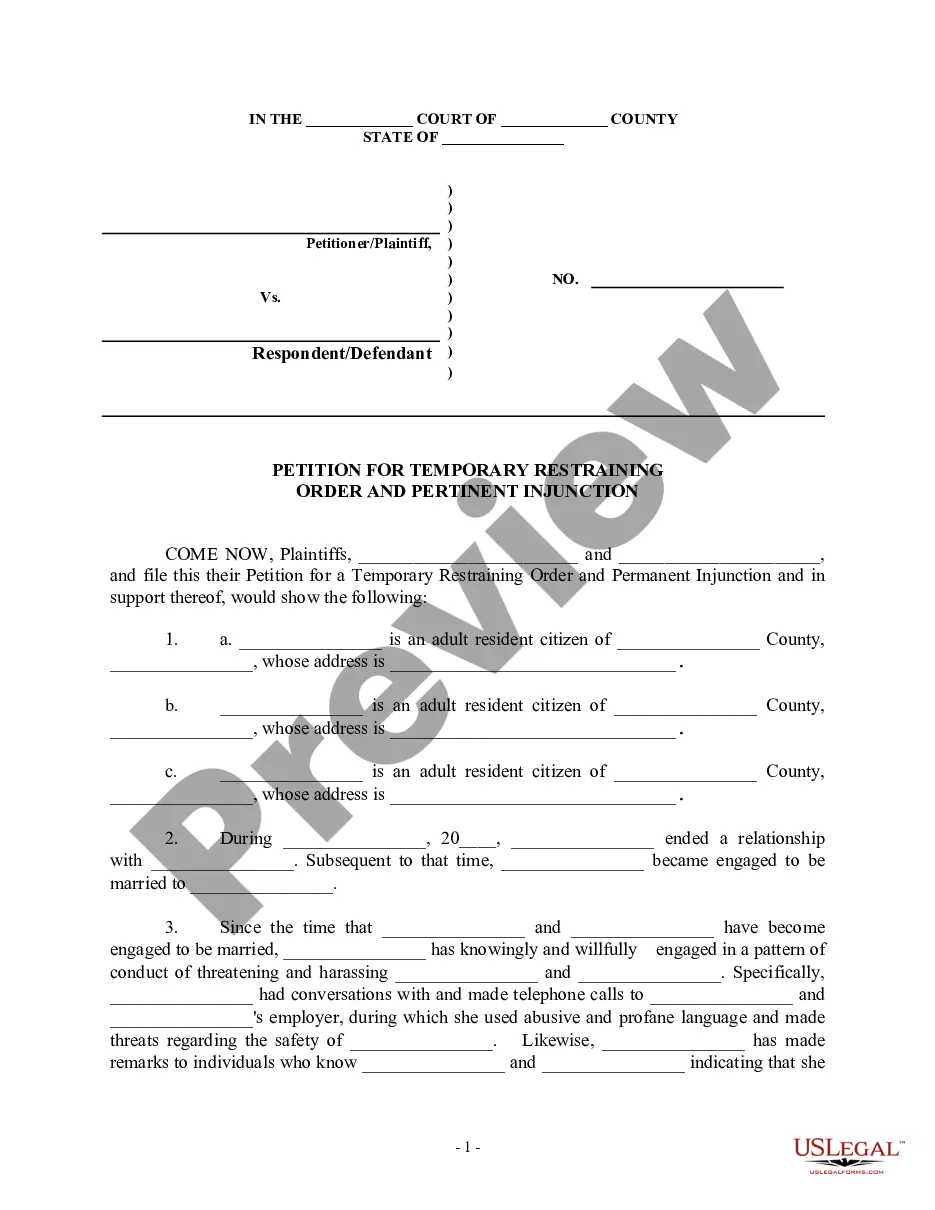

Get your form ready online
Our built-in tools help you complete, sign, share, and store your documents in one place.
Make edits, fill in missing information, and update formatting in US Legal Forms—just like you would in MS Word.
Download a copy, print it, send it by email, or mail it via USPS—whatever works best for your next step.
Sign and collect signatures with our SignNow integration. Send to multiple recipients, set reminders, and more. Go Premium to unlock E-Sign.
If this form requires notarization, complete it online through a secure video call—no need to meet a notary in person or wait for an appointment.
We protect your documents and personal data by following strict security and privacy standards.

Make edits, fill in missing information, and update formatting in US Legal Forms—just like you would in MS Word.

Download a copy, print it, send it by email, or mail it via USPS—whatever works best for your next step.

Sign and collect signatures with our SignNow integration. Send to multiple recipients, set reminders, and more. Go Premium to unlock E-Sign.

If this form requires notarization, complete it online through a secure video call—no need to meet a notary in person or wait for an appointment.

We protect your documents and personal data by following strict security and privacy standards.
Looking for another form?
How to fill out Sample Brief - Injunction?
Locating a reliable source to obtain the latest and suitable legal templates is part of the challenge of dealing with bureaucracy.
Selecting the correct legal documents requires accuracy and careful consideration, which is why it is essential to obtain samples of Florida Injunction For Protection Against Stalking solely from trustworthy sources, such as US Legal Forms.
Complete your transaction by selecting a payment method (credit card or PayPal). Choose the document format for downloading Florida Injunction For Protection Against Stalking. Once you have the form on your device, you can modify it with the editor or print it and complete it by hand. Eliminate the stress that accompanies your legal documentation. Browse the extensive US Legal Forms library where you can discover legal templates, assess their relevance to your situation, and download them instantly.
- An incorrect template will squander your time and postpone the situation you are facing.
- With US Legal Forms, there is very little to worry about.
- You can access and review all the details regarding the document’s usage and applicability for your situation and in your state or county.
- Utilize the library navigation or search box to locate your template.
- Access the form’s details to confirm if it meets the requirements of your state and locality.
- View the form preview, if available, to ensure the template is indeed the one you need.
- Return to the search and find the correct document if the Florida Injunction For Protection Against Stalking does not suit your requirements.
- When you are confident about the form’s applicability, download it.
- If you are a registered user, click Log in to verify and access your chosen forms in My documents.
- If you do not have an account yet, click Buy now to acquire the template.
- Select the pricing option that aligns with your needs.
- Proceed to the registration to complete your purchase.
Form popularity
FAQ
Yes, there is a legal remedy known as a Florida injunction for protection against stalking. This injunction helps individuals who feel threatened or harassed by someone else's behavior. By obtaining this injunction, you can legally prohibit the stalker from contacting you or coming near you. If you need assistance with the legal process, platforms like US Legal Forms provide valuable resources to help you navigate the paperwork and understand your rights.
The burden of proof for a Florida injunction for protection against stalking rests on the petitioner. You must provide sufficient evidence to convince the court that stalking has occurred. This includes demonstrating a reasonable fear for your safety based on the stalker's actions. Utilizing resources like UsLegalForms can assist you in organizing your documentation and presenting a strong case.
In Florida, grounds for a stalking injunction include any repeated and unwanted behavior that causes distress or fear. This may involve threats, harassment, or following someone without their consent. The law requires that the victim must feel legitimately threatened, which can be substantiated by evidence. Knowing these grounds can empower you to seek the necessary protection through legal channels.
To obtain a Florida injunction for protection against stalking, you must demonstrate a clear pattern of stalking behavior. This includes showing that the stalker has made repeated, unwanted contact that causes you fear for your safety. Gathering evidence, such as messages or witness statements, can strengthen your case. Engaging with legal resources, like UsLegalForms, can help guide you through this process.
A Florida injunction for protection against stalking can last for a specified period, often one year. However, the court may extend this duration upon request if the danger persists. It's important to understand that the injunction remains in effect until the court modifies or dissolves it. Therefore, staying informed about your rights and the process is crucial.
Florida Injunctions for Protection. An injunction (sometimes referred to as a restraining order) is a court order that tells one person to stay away from and not contact another person. Unless the court order says otherwise, this means no contact by phone, email, text messages, letter, in person, or other method.
Section 784.0485(1), Florida Statutes, establishes a cause of action for an injunction for protection against stalking. Stalking occurs when a person ?willfully, maliciously, and repeatedly follows, harasses, or cyberstalks another person.? § 784.048(2).
Although there is no specific statute in Florida that allows victims of stalking the right to sue their stalker, there are other causes of action that are applicable to a stalking case. Some examples of causes of action in a civil stalking case include: Intentional infliction of emotional distress.
The burden of proof is on the petitioner to show to the court (by a preponderance of the evidence standard) that they have been the victim of stalking and they need the court's protection. The petitioner must present competent, substantial evidence to the court.
Aggravated Stalking ? Stalking and Making a Credible Threat To be convicted of aggravated stalking with a credible threat, the state prosecutor must prove beyond a reasonable doubt that: The defendant willfully, maliciously, and repeatedly followed, harassed, or cyberstalked another person; and.