Lawsuit Answer Form With Two Points
Description
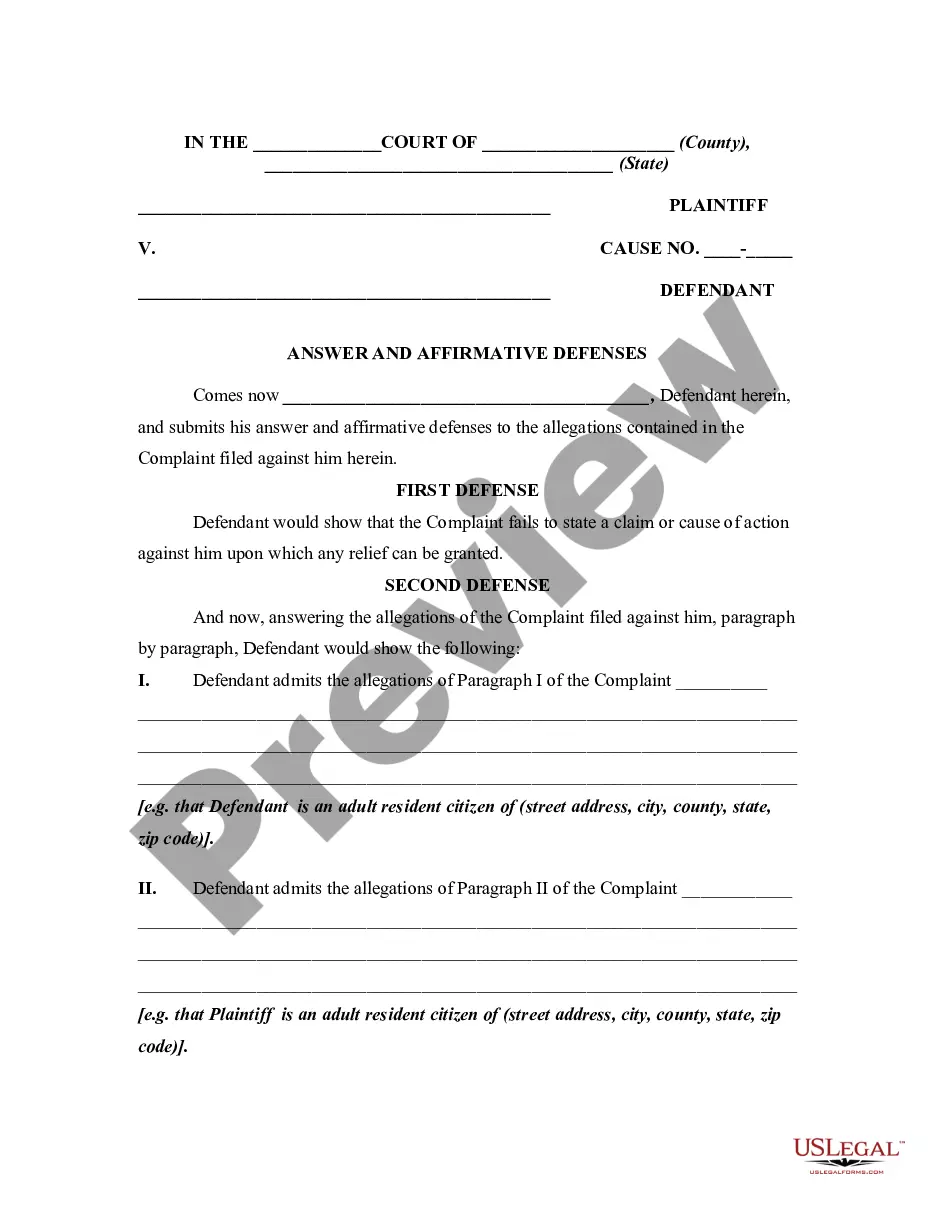
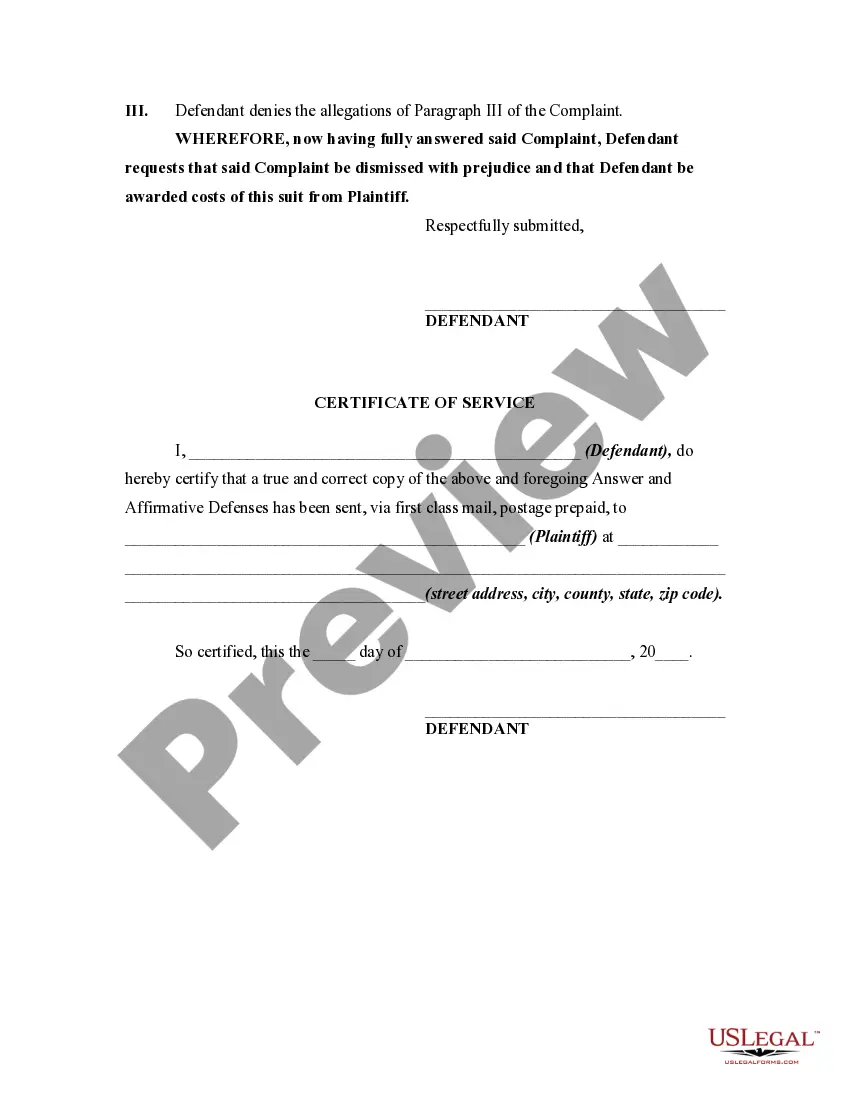
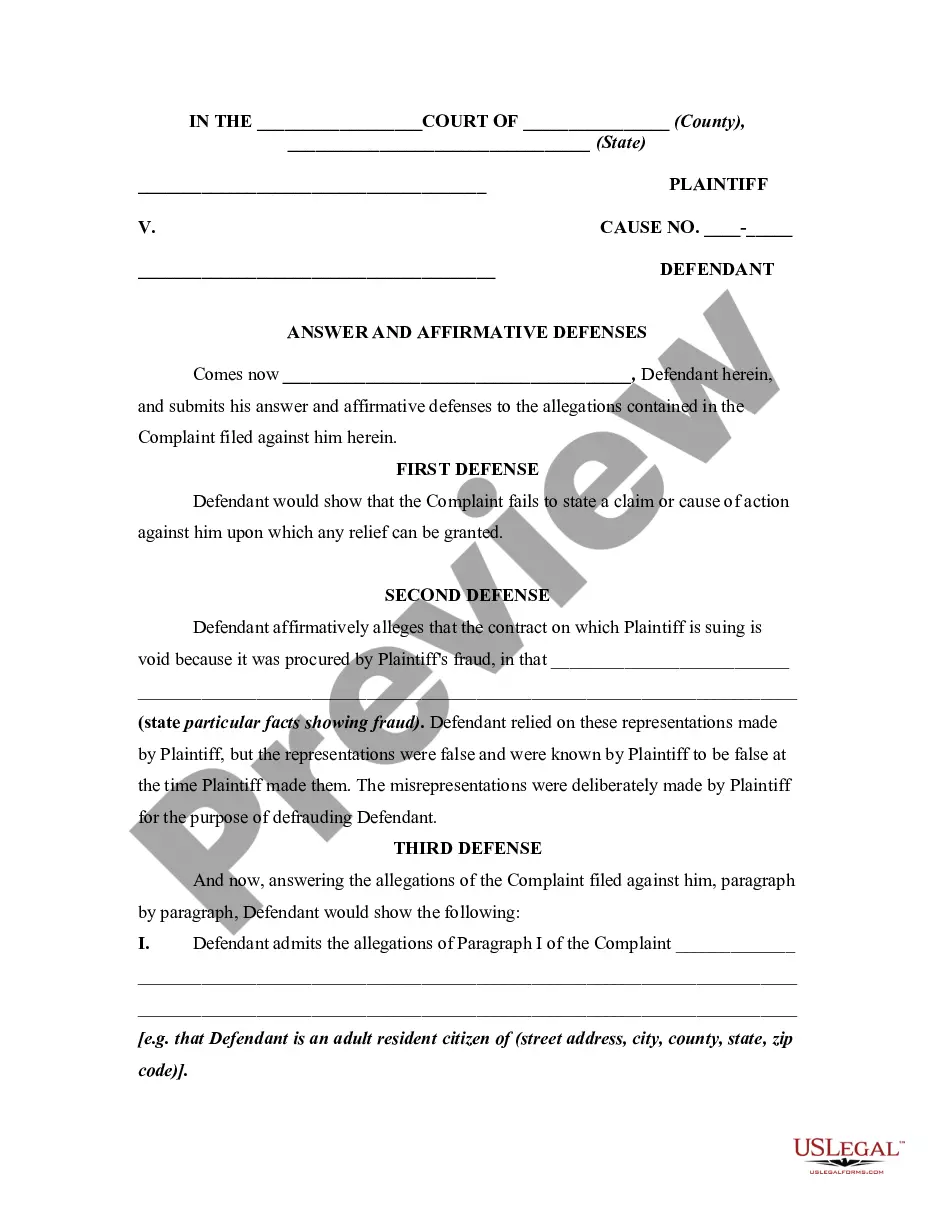
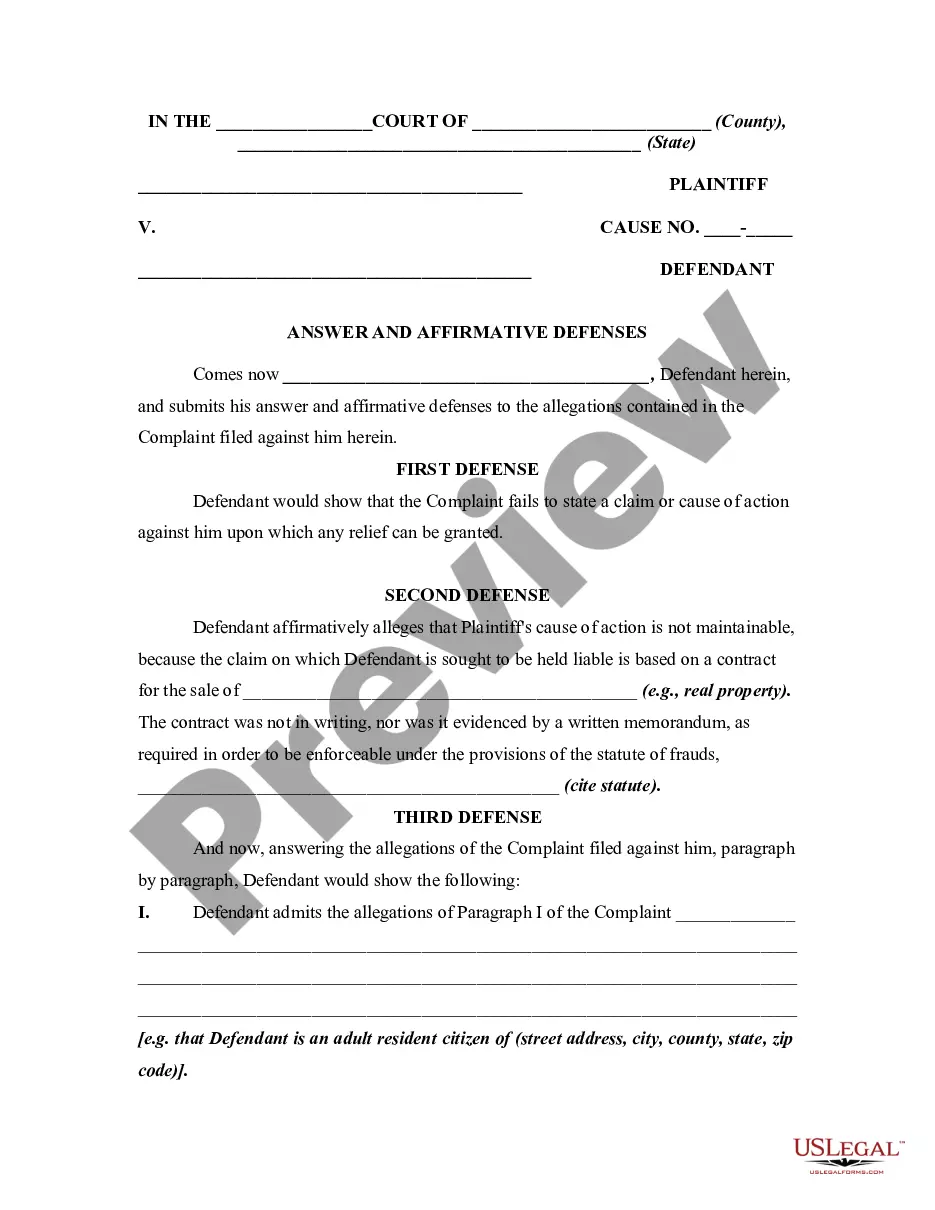
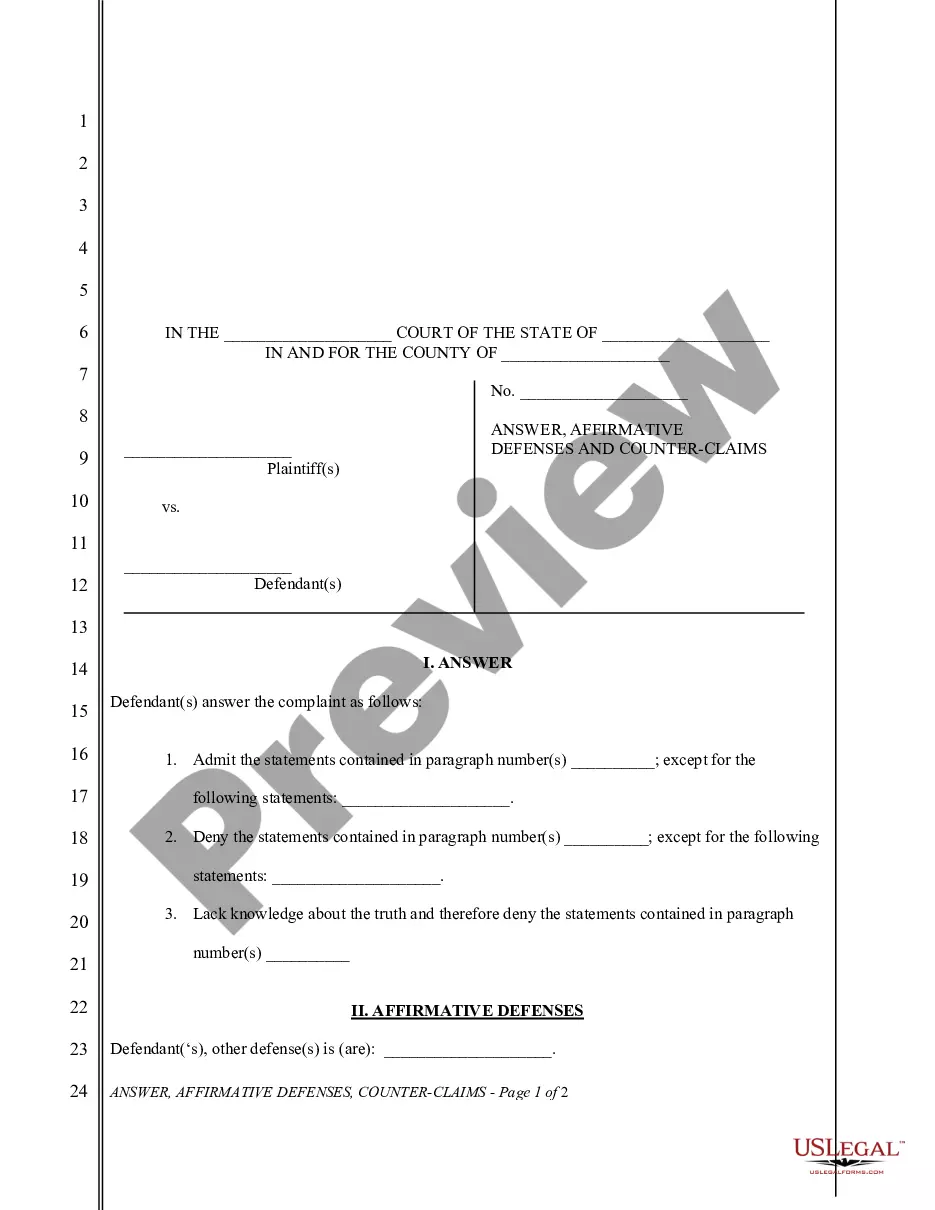
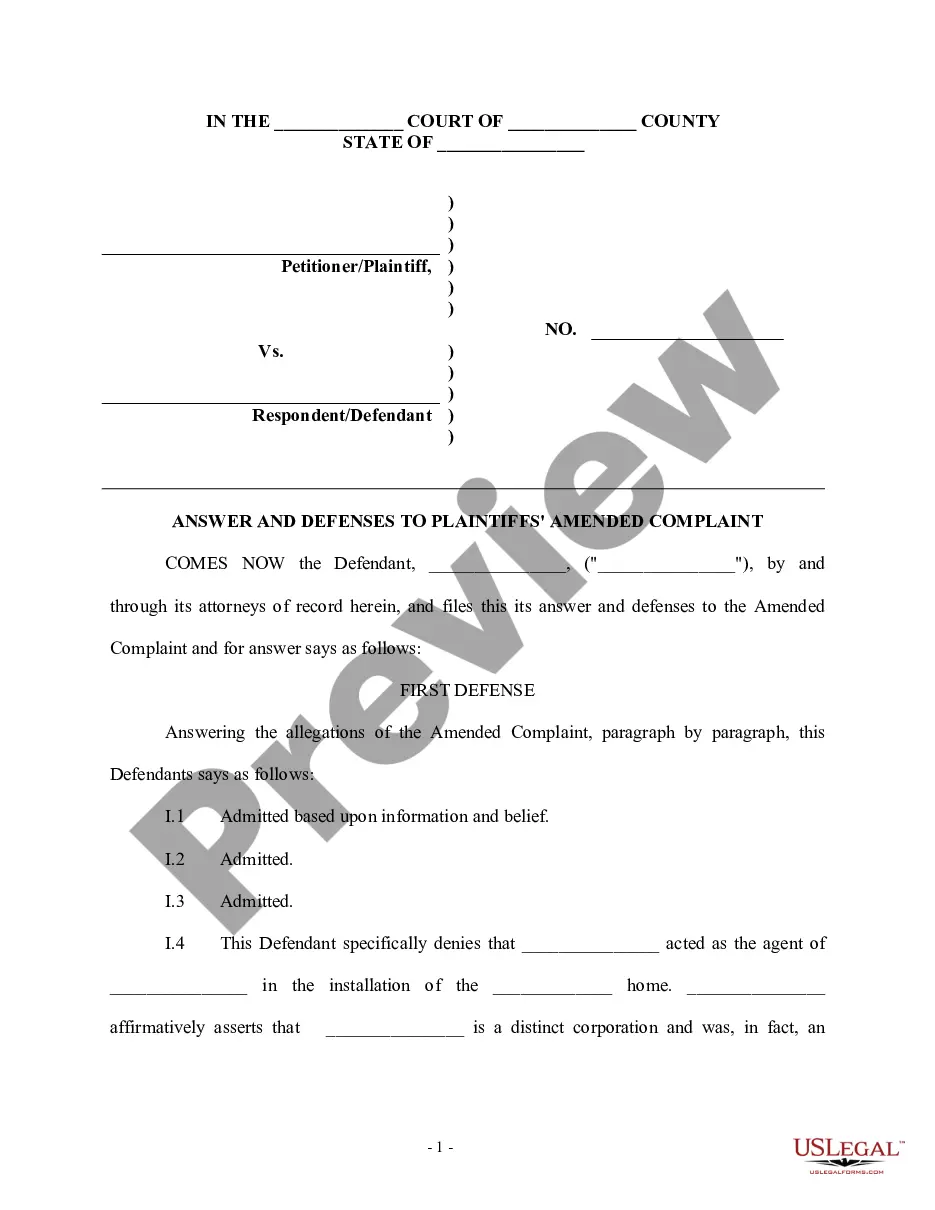







How to fill out General Form Of An Answer By Defendant In A Civil Lawsuit?
Creating legal paperwork from the ground up can frequently be somewhat daunting.
Certain situations may require extensive research and significant financial investment.
If you’re looking for a simpler and more economical method of preparing Lawsuit Answer Form With Two Points or any other documentation without unnecessary complications, US Legal Forms is always available to assist you.
Our online repository of over 85,000 current legal documents encompasses nearly every aspect of your financial, legal, and personal matters.
Examine the document preview and descriptions to confirm that you have located the document you need. Verify if the template you choose meets the criteria of your state and county. Select the most appropriate subscription plan to obtain the Lawsuit Answer Form With Two Points. Download the form, then complete, attest, and print it. US Legal Forms boasts an impeccable reputation and over 25 years of expertise. Join us today and transform document completion into a straightforward and efficient process!
- With just a few clicks, you can promptly access state- and county-specific forms meticulously crafted for you by our legal experts.
- Utilize our platform whenever you require a dependable and trustworthy service through which you can effortlessly find and download the Lawsuit Answer Form With Two Points.
- If you’re already familiar with our website and have previously registered an account with us, simply Log In to your account, locate the template and download it or re-download it anytime in the My documents section.
- Don’t have an account? No worries. It takes minimal time to create one and browse the catalog.
- However, before diving straight into downloading the Lawsuit Answer Form With Two Points, consider these recommendations.
Form popularity
FAQ
Affirmative defense?Examples On [Date], after making the contract and the alleged breach, and before this action was commenced, defendant paid to the plaintiff the sum of [specify amount], which was accepted by the plaintiff in full satisfaction and discharge of the damages claimed in the petition.
Overview. The plaintiff submits a complaint stating the cause of action. The defendant submits an answer stating his or her defenses and denials.
If you file an Answer to the lawsuit and defend yourself in court, you can state an affirmative defense. You can deny what the plaintiff says you did without saying anything else. But you can also have affirmative defenses. You must raise it in your Answer or you may give up your right to bring it up later.
It is a formal written statement that addresses the allegations made by the plaintiff and either admits or denies them. Example: If a person is sued for breach of contract, they would file a responsive pleading that either admits to breaching the contract or denies the allegations made by the plaintiff.
When drafting an answer, one must: (1) follow the local, state, and federal court rules; (2) research the legal claims in the adversary's complaint; (3) respond to the adversary's factual allegations; and (4) assert affirmative defenses, counterclaims, cross-claims, or third-party claims, if applicable.