Form Civil Lawsuit Paper Format
Description
Get your form ready online
Our built-in tools help you complete, sign, share, and store your documents in one place.
Make edits, fill in missing information, and update formatting in US Legal Forms—just like you would in MS Word.
Download a copy, print it, send it by email, or mail it via USPS—whatever works best for your next step.
Sign and collect signatures with our SignNow integration. Send to multiple recipients, set reminders, and more. Go Premium to unlock E-Sign.
If this form requires notarization, complete it online through a secure video call—no need to meet a notary in person or wait for an appointment.
We protect your documents and personal data by following strict security and privacy standards.

Make edits, fill in missing information, and update formatting in US Legal Forms—just like you would in MS Word.

Download a copy, print it, send it by email, or mail it via USPS—whatever works best for your next step.

Sign and collect signatures with our SignNow integration. Send to multiple recipients, set reminders, and more. Go Premium to unlock E-Sign.

If this form requires notarization, complete it online through a secure video call—no need to meet a notary in person or wait for an appointment.

We protect your documents and personal data by following strict security and privacy standards.
Looking for another form?
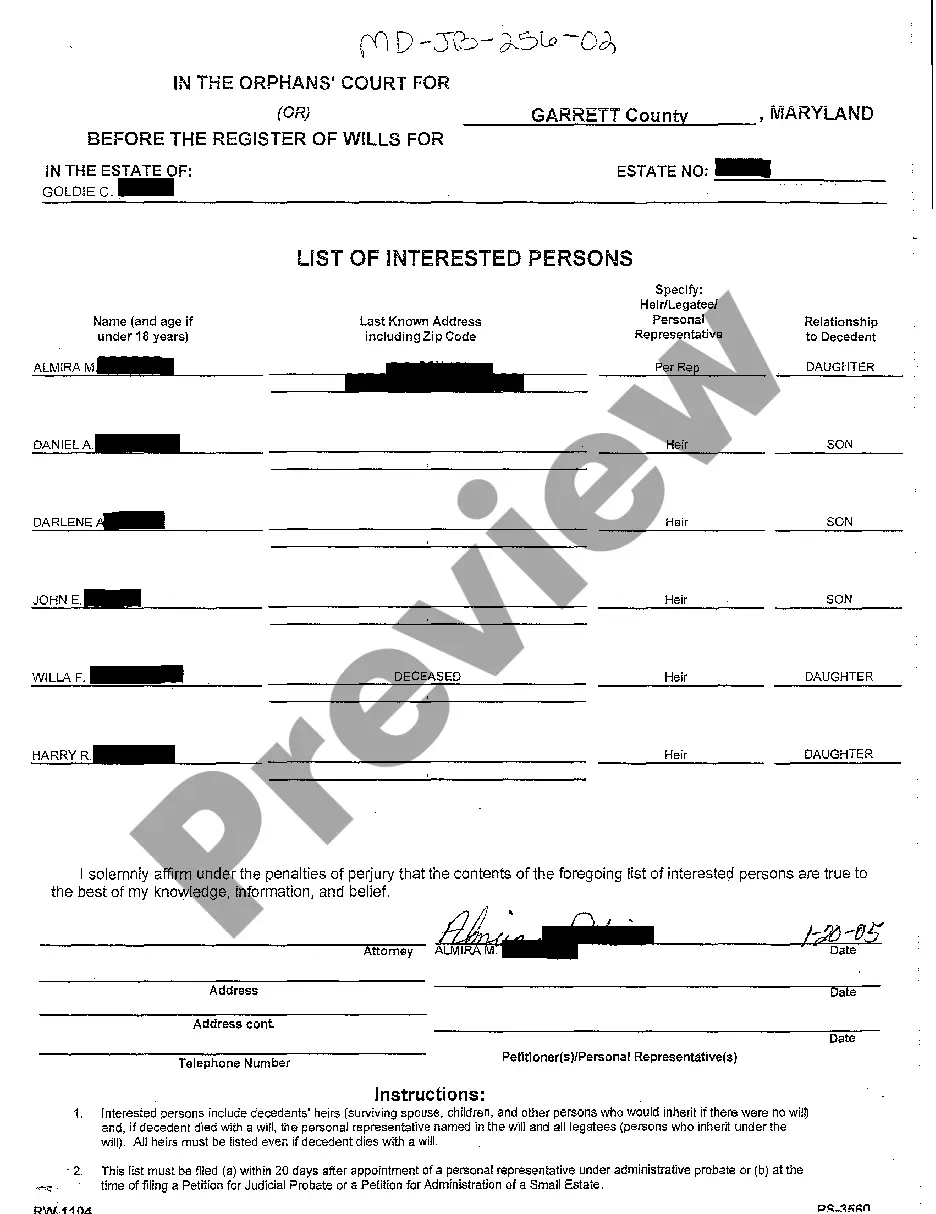
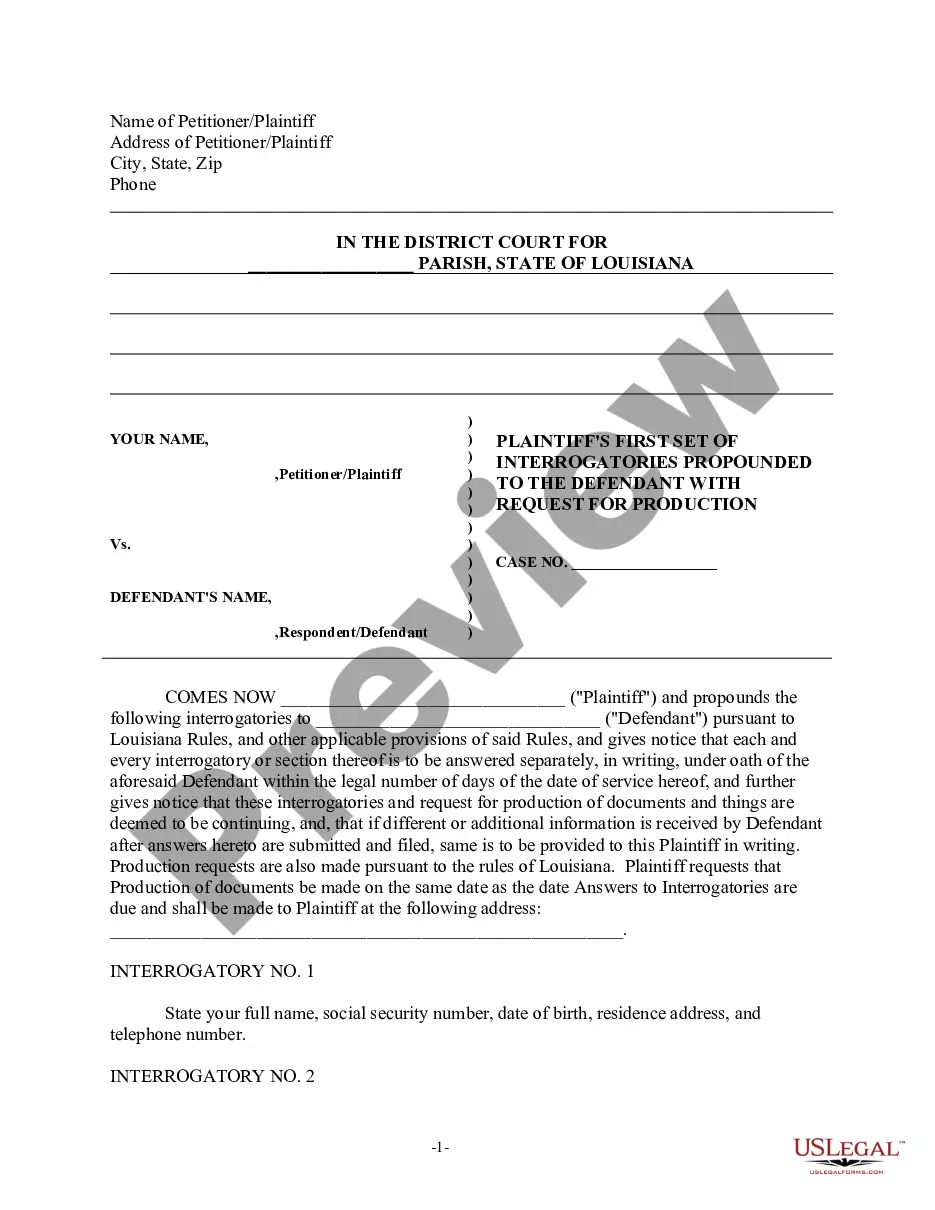

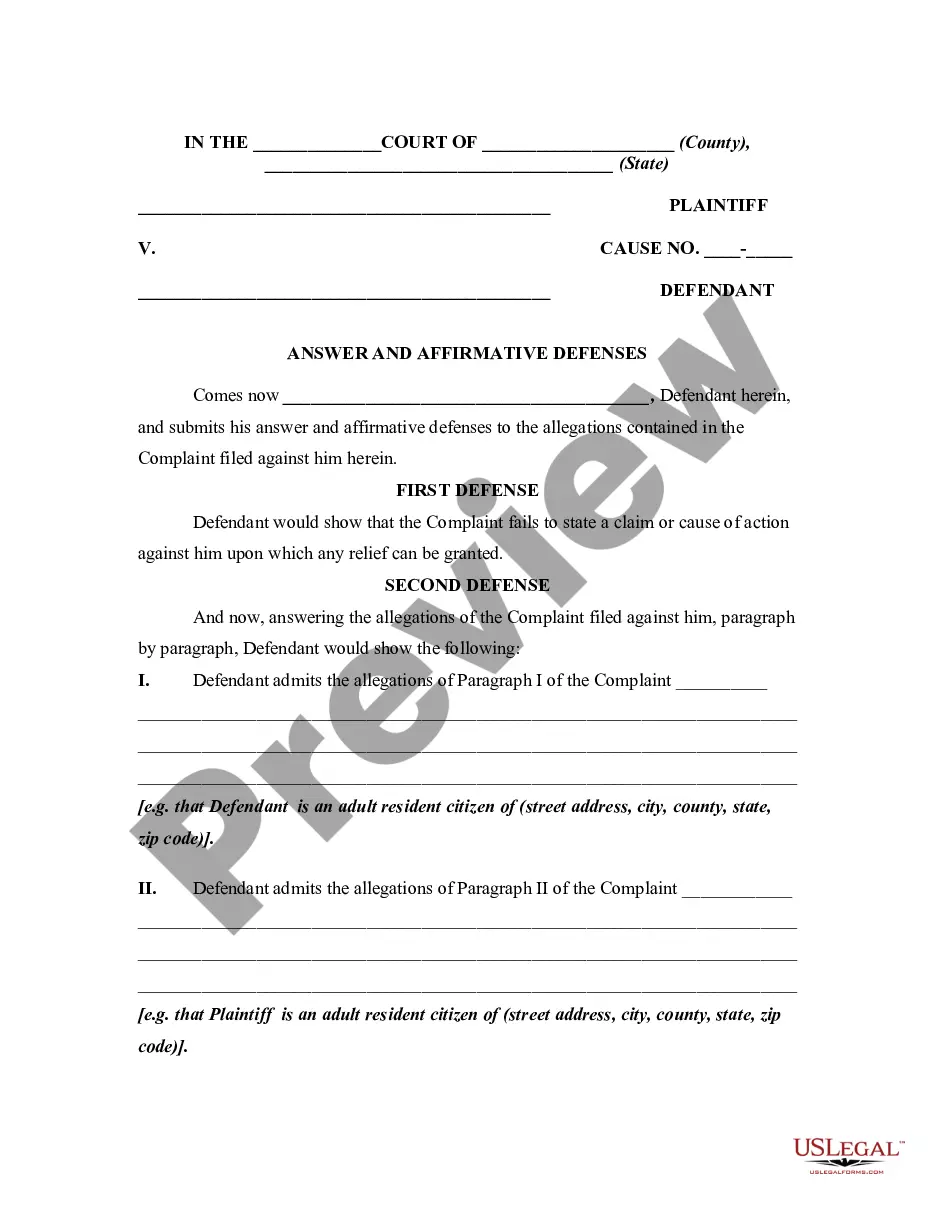
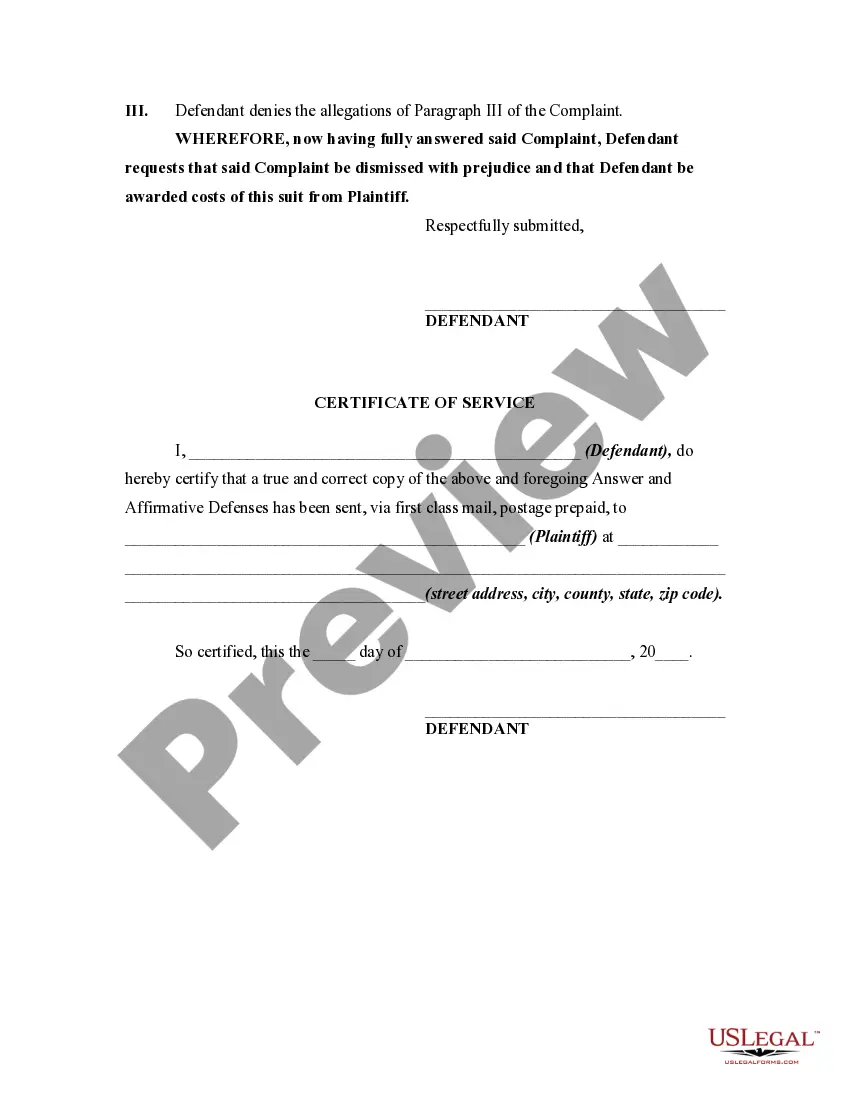
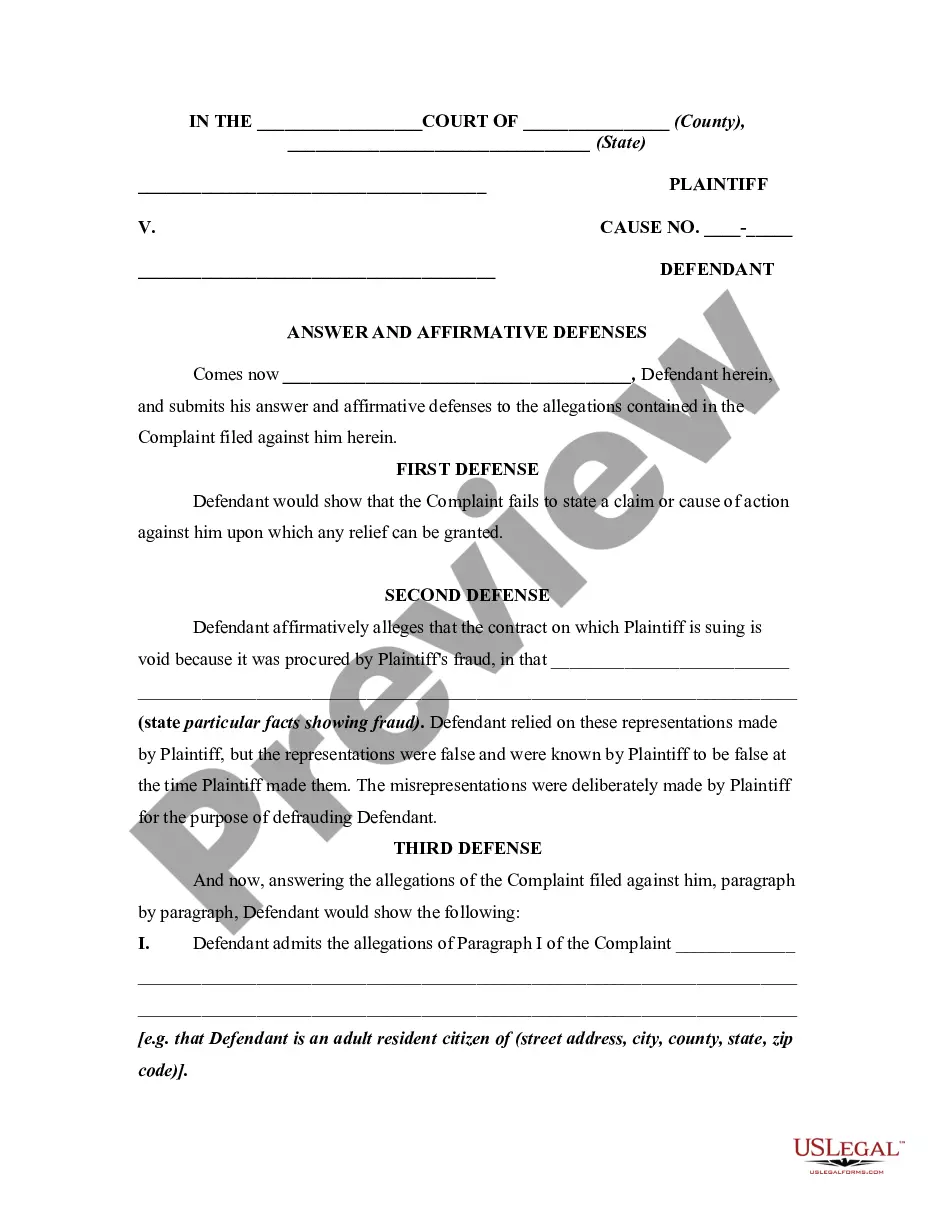
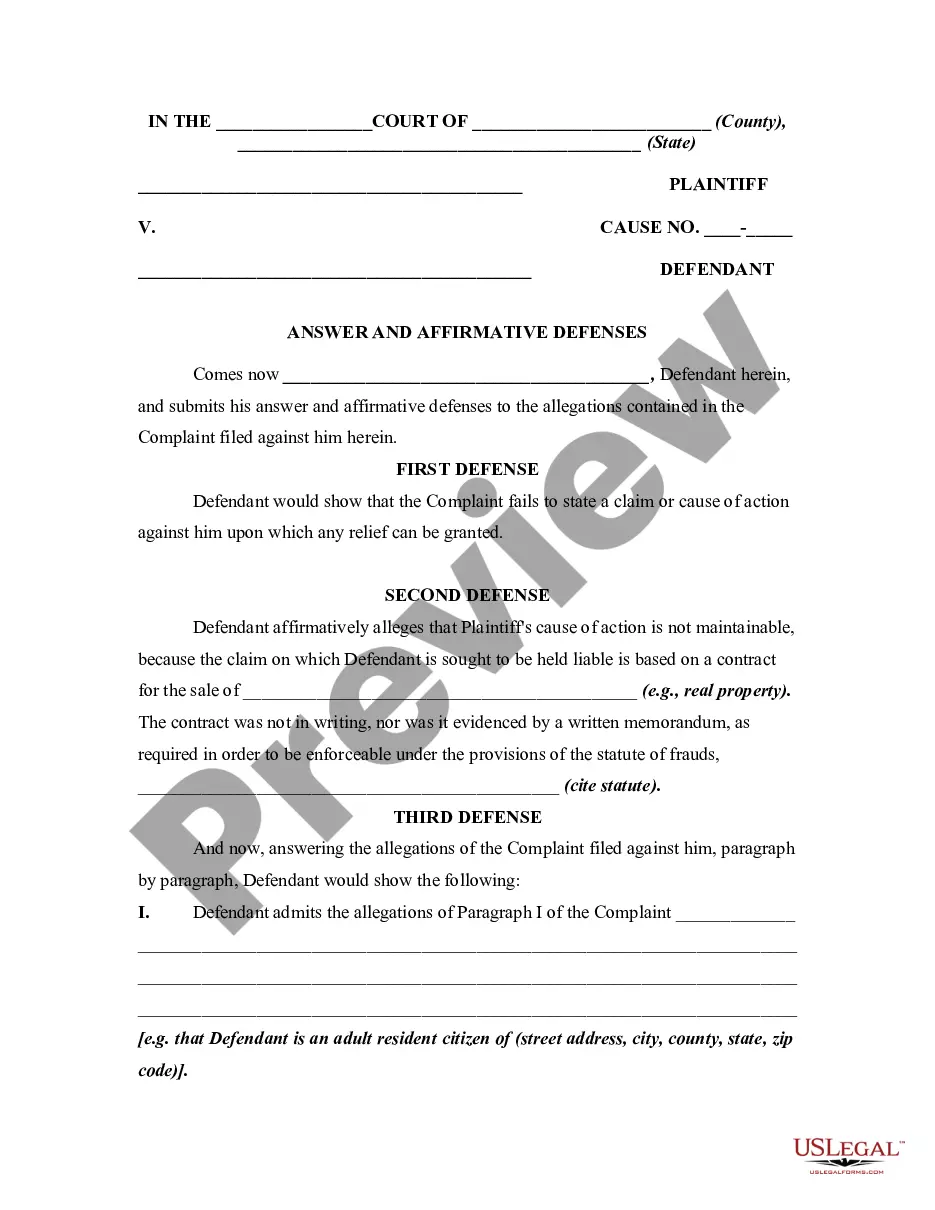
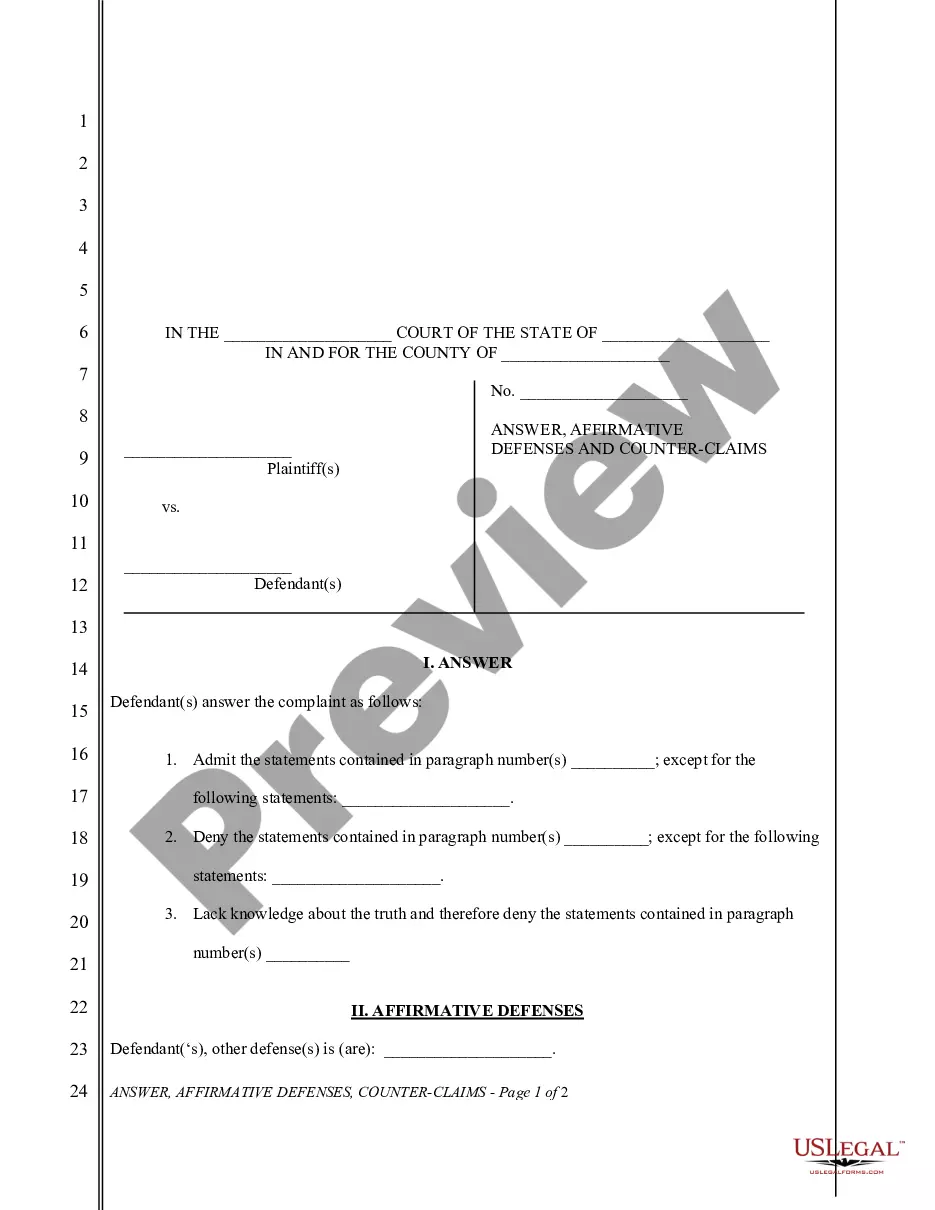
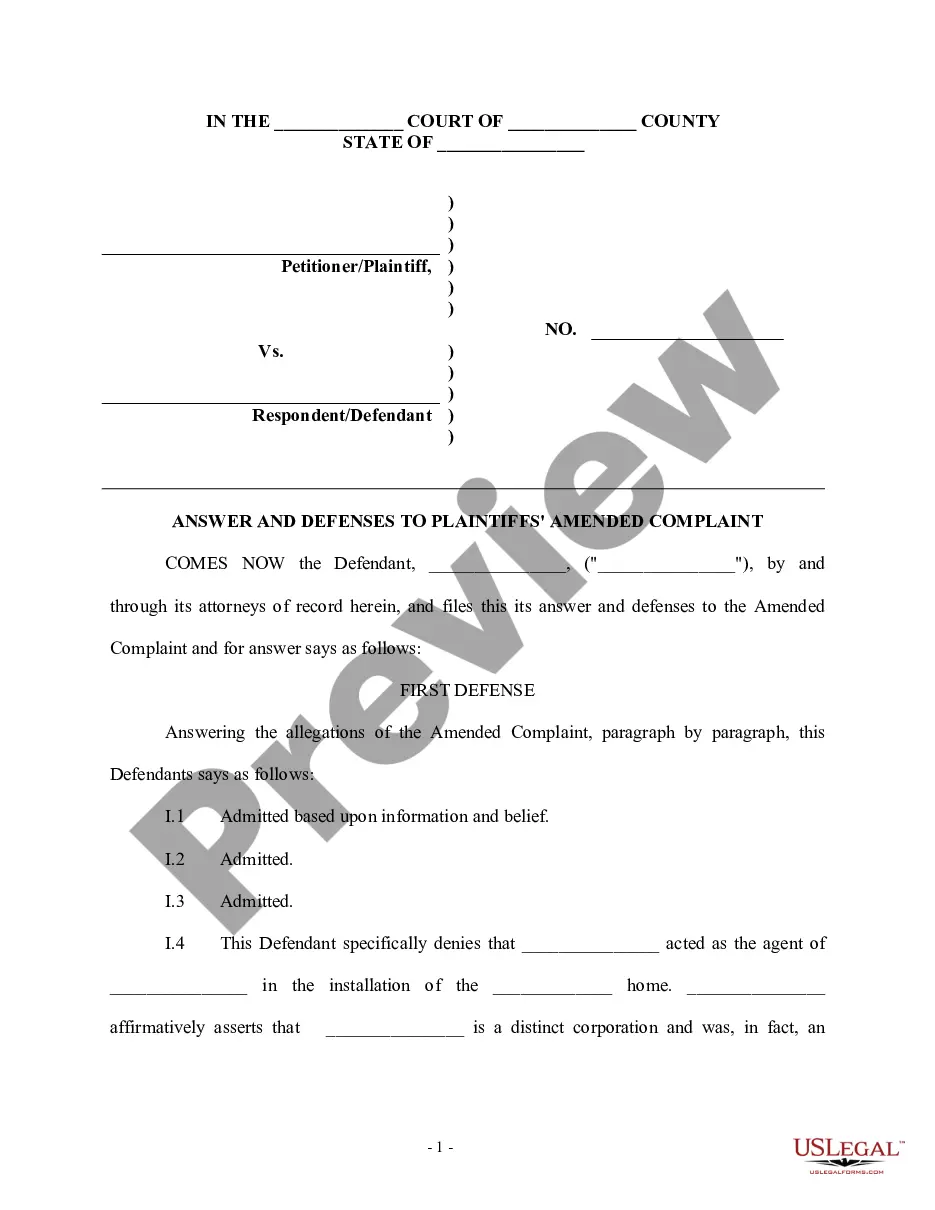
How to fill out General Form Of An Answer By Defendant In A Civil Lawsuit?
The Civil Lawsuit Document Format presented on this page is a versatile legal model created by experienced attorneys in accordance with national and local regulations.
For over 25 years, US Legal Forms has supplied individuals, companies, and legal practitioners with more than 85,000 validated, state-specific documents for various business and personal needs. It’s the fastest, easiest, and most reliable method to acquire the forms you require, as the service ensures bank-level data protection and anti-malware safeguards.
Pick the format you desire for your Civil Lawsuit Document Format (PDF, DOCX, RTF) and store the sample on your device.
- Explore the document you need and examine it.
- Review the sample you searched for and view it or check the form description to confirm it meets your requirements. If it doesn’t, use the search function to find the suitable one. Click Buy Now once you have found the template you need.
- Register and Log In.
- Choose the pricing plan that works for you and create an account. Use PayPal or a credit card for a swift payment. If you already possess an account, Log In and verify your subscription to proceed.
- Obtain the editable template.
Form popularity
FAQ
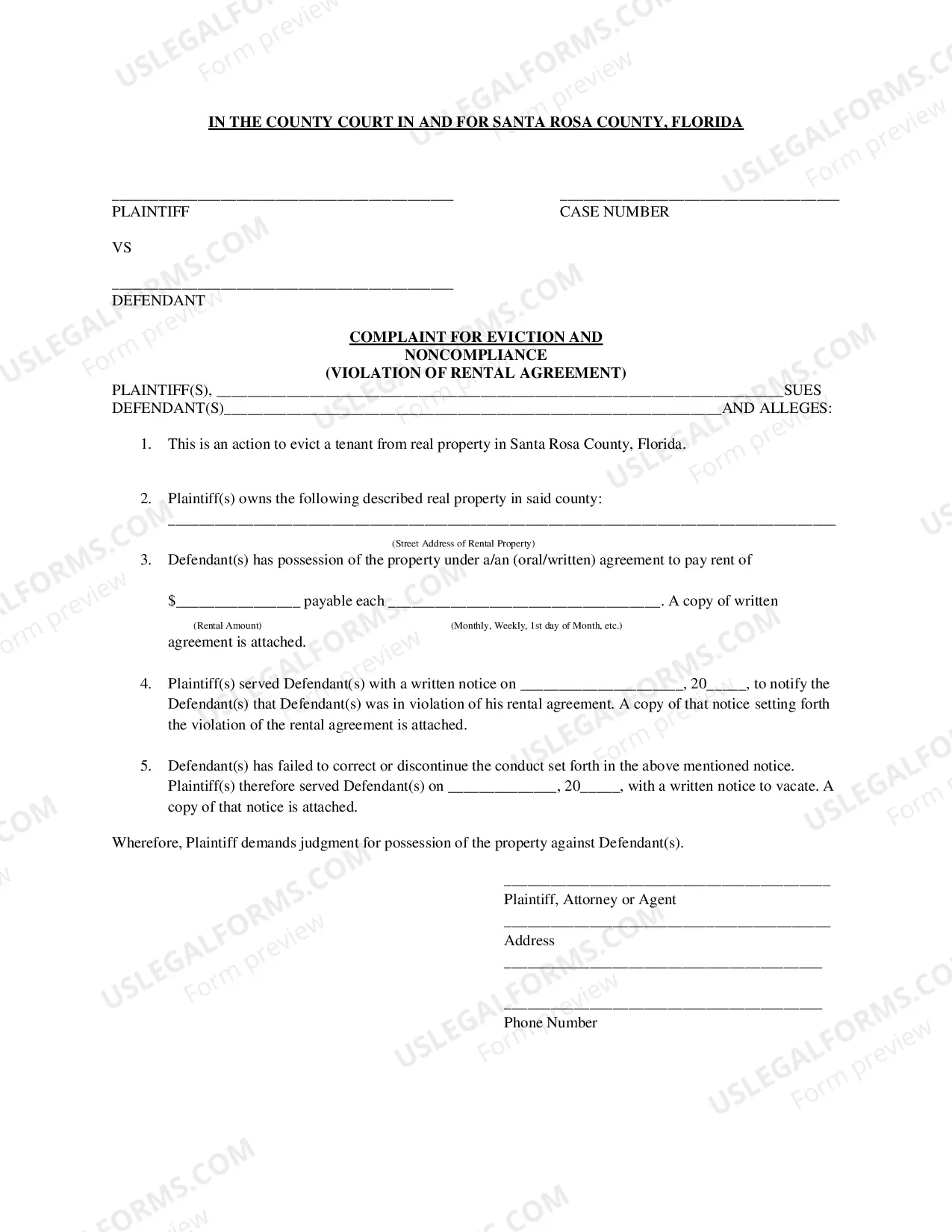
When you file a lawsuit, you will usually file a petition or a complaint. You also will almost always need a summons. And, in most civil cases, you will need a Civil Case Cover Sheet (Form CM-010).
To begin a civil lawsuit in federal court, the plaintiff files a complaint with the court and ?serves? a copy of the complaint on the defendant.
Each party in a lawsuit files initial papers, known as ?pleadings.? The pleadings explain each party's side of the dispute. The Complaint: Litigation begins when the plaintiff files a complaint with the court and formally delivers a copy to the defendant.
Write and file an answer. The ?answer? is your written response to the claims made against you. You must file an answer with the court that issued the summons or citation. If you fail to answer, you could lose the case without ever having the opportunity to tell your side of the story.
Pleadings. Each party in a lawsuit files initial papers, known as ?pleadings.? The pleadings explain each party's side of the dispute. The Complaint: Litigation begins when the plaintiff files a complaint with the court and formally delivers a copy to the defendant.