Civil Law Cases In Canada
Description
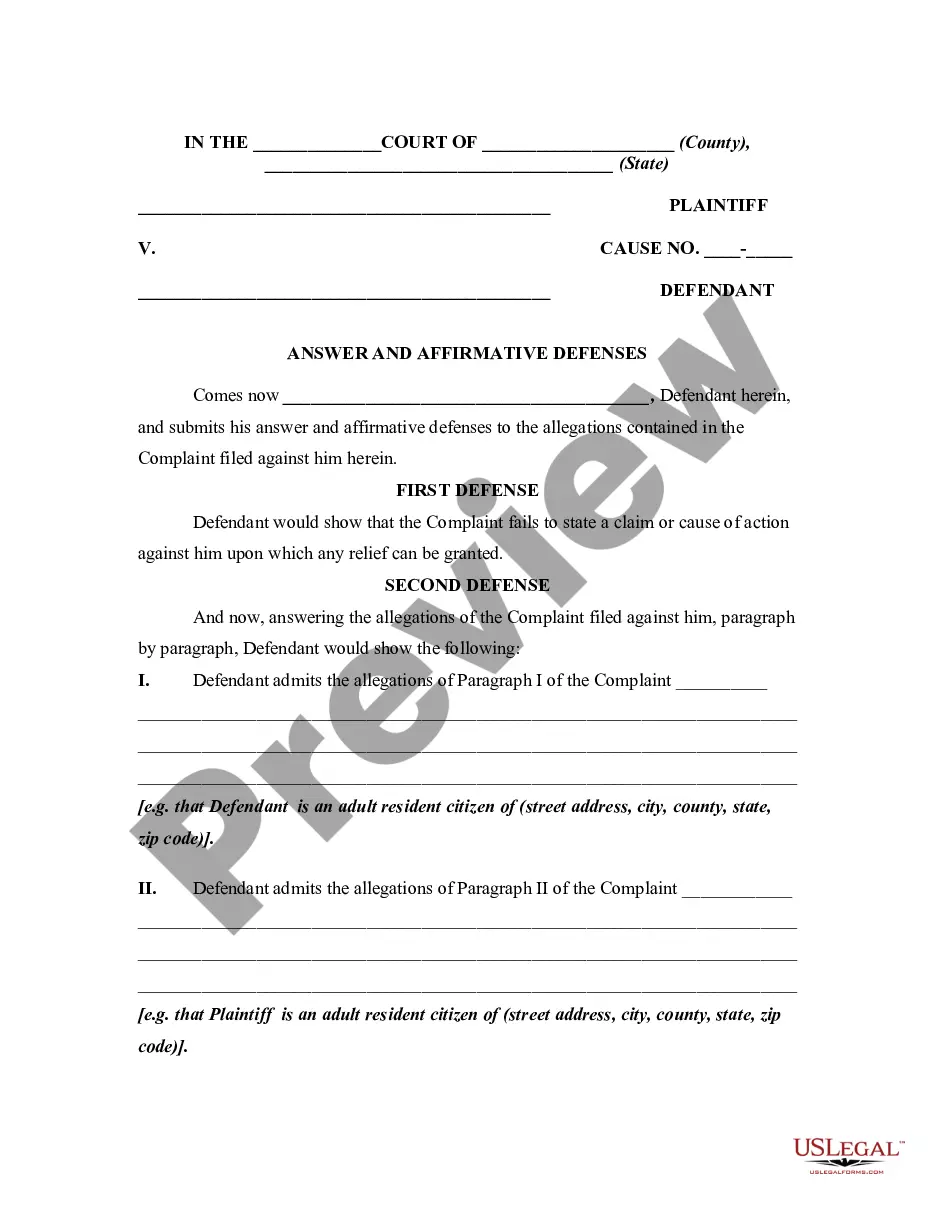
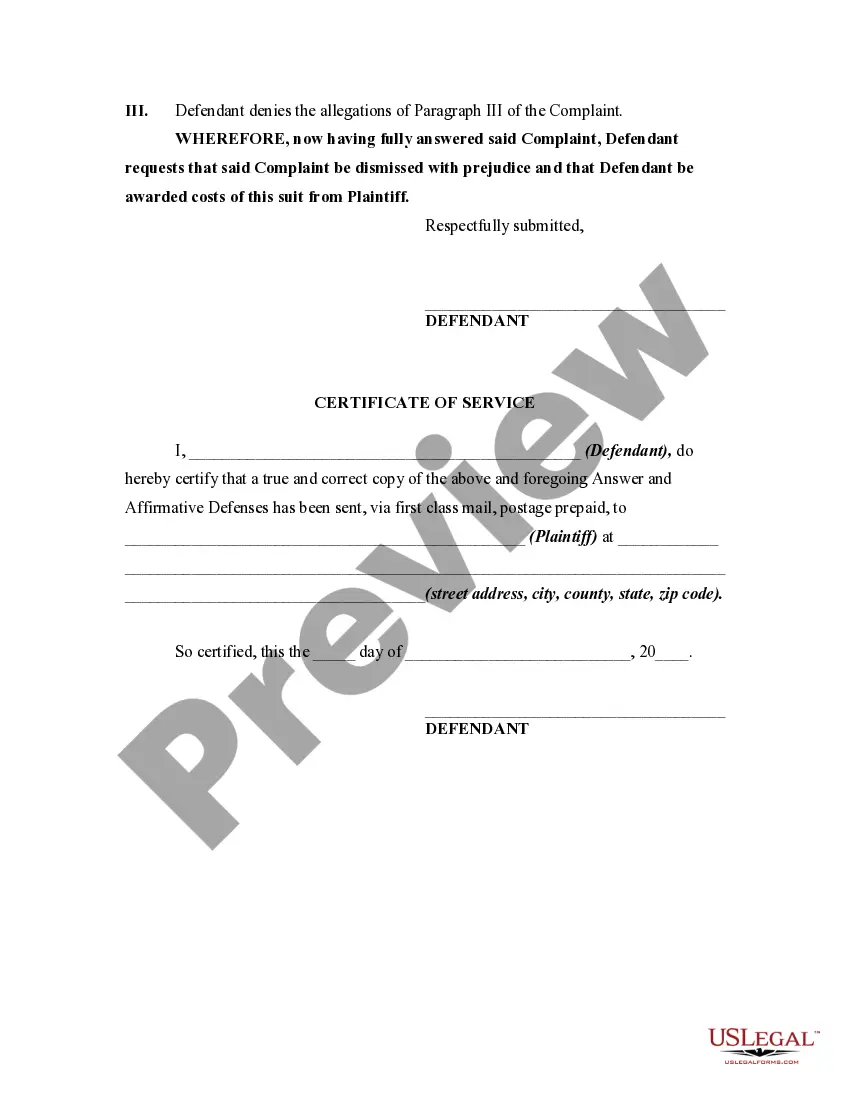
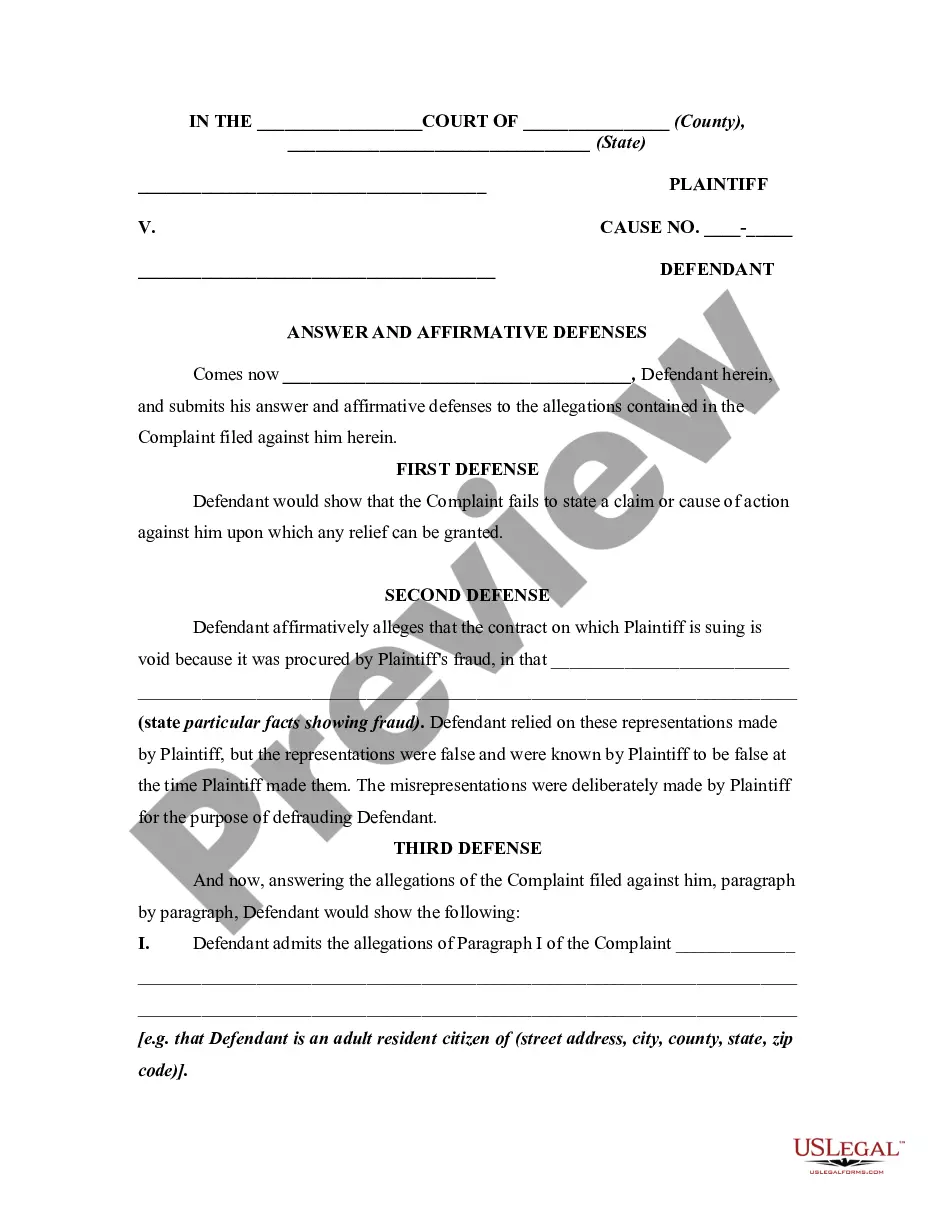
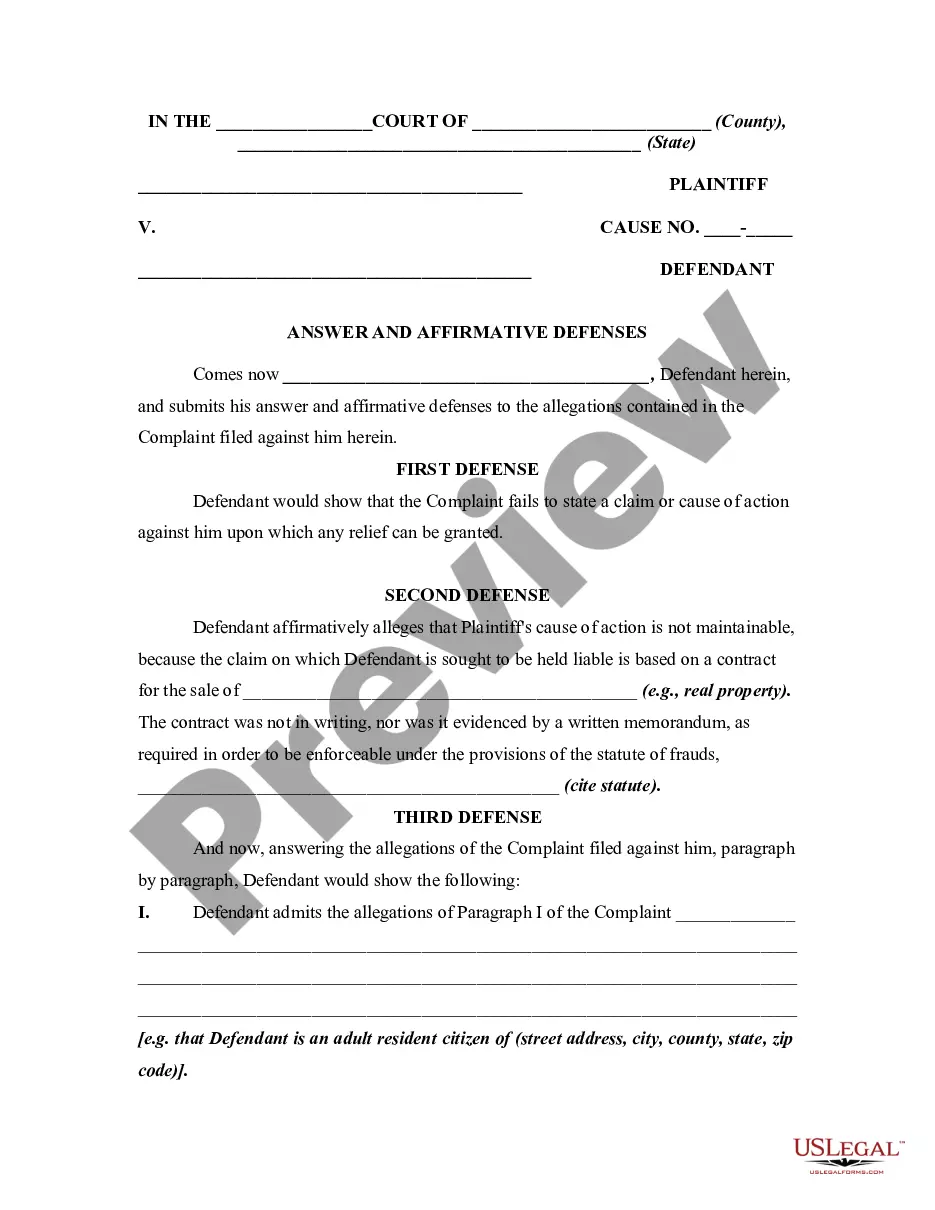
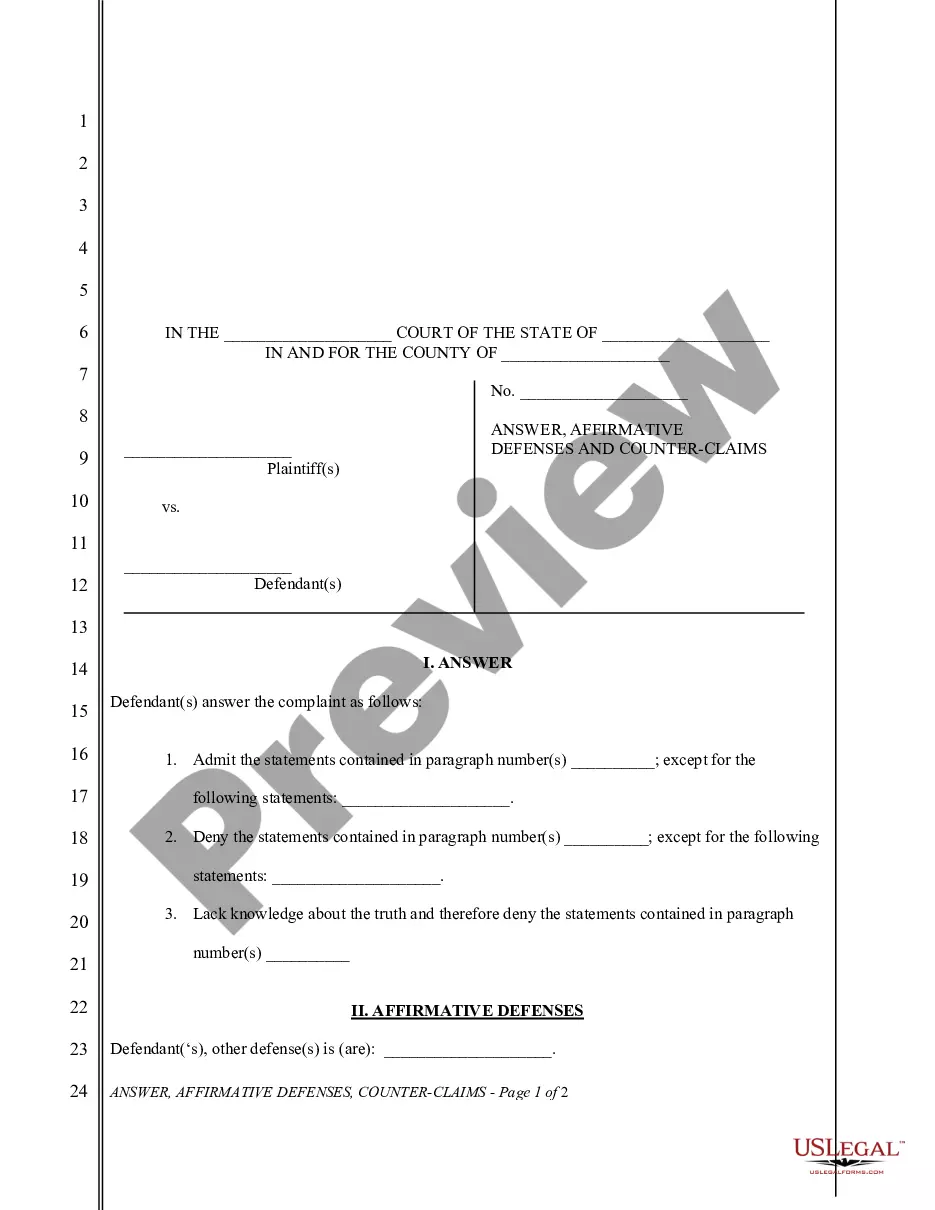
Get your form ready online
Our built-in tools help you complete, sign, share, and store your documents in one place.
Make edits, fill in missing information, and update formatting in US Legal Forms—just like you would in MS Word.
Download a copy, print it, send it by email, or mail it via USPS—whatever works best for your next step.
Sign and collect signatures with our SignNow integration. Send to multiple recipients, set reminders, and more. Go Premium to unlock E-Sign.
If this form requires notarization, complete it online through a secure video call—no need to meet a notary in person or wait for an appointment.
We protect your documents and personal data by following strict security and privacy standards.

Make edits, fill in missing information, and update formatting in US Legal Forms—just like you would in MS Word.

Download a copy, print it, send it by email, or mail it via USPS—whatever works best for your next step.

Sign and collect signatures with our SignNow integration. Send to multiple recipients, set reminders, and more. Go Premium to unlock E-Sign.

If this form requires notarization, complete it online through a secure video call—no need to meet a notary in person or wait for an appointment.

We protect your documents and personal data by following strict security and privacy standards.
Looking for another form?


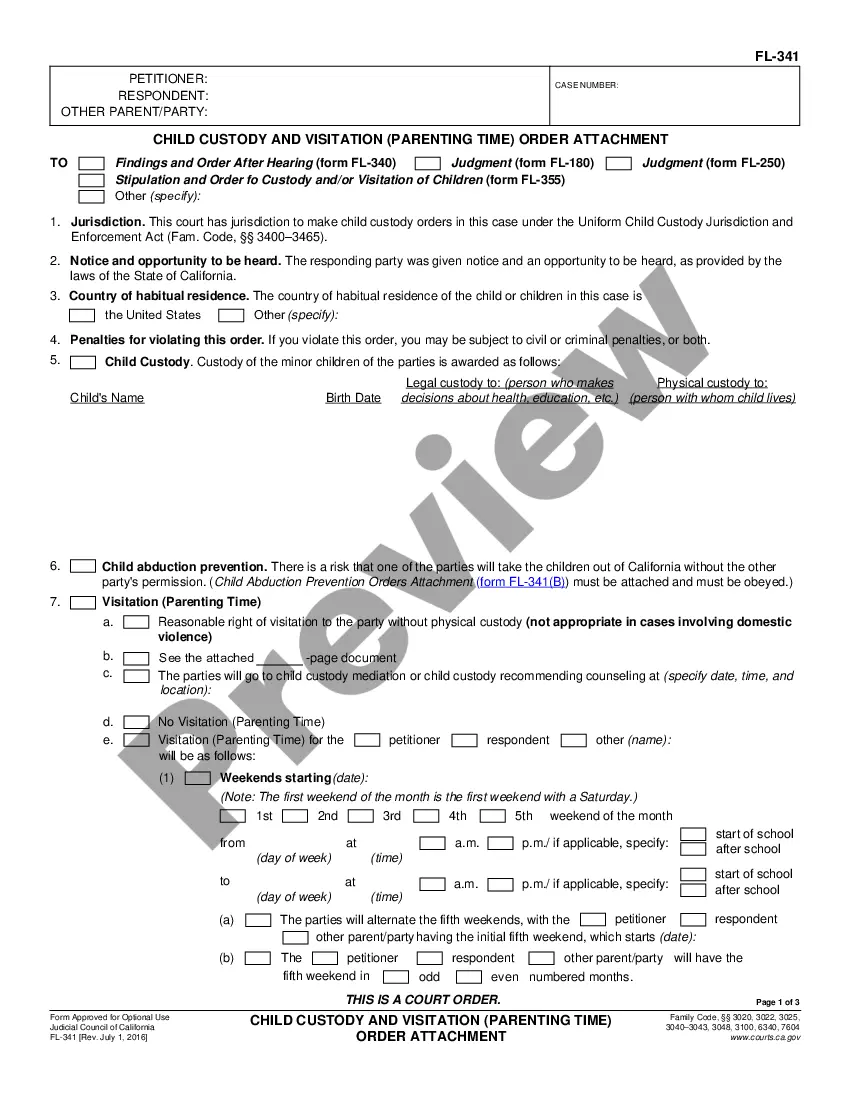
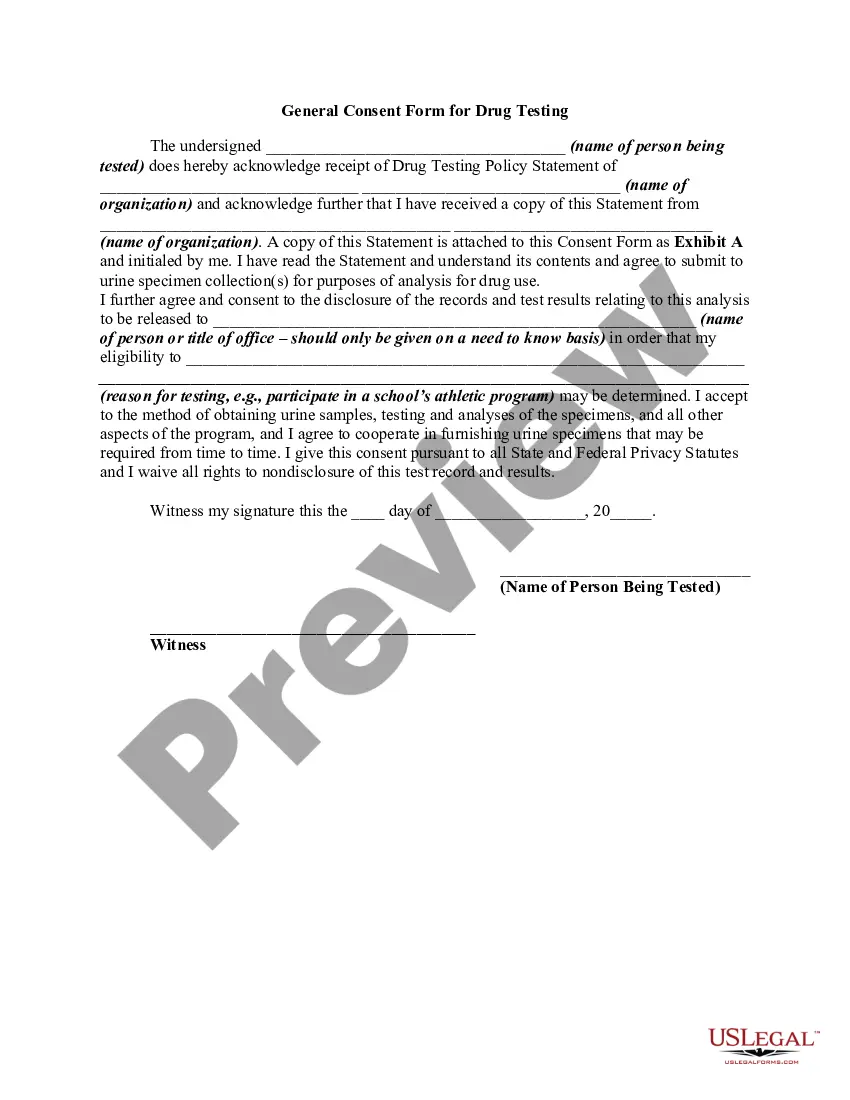
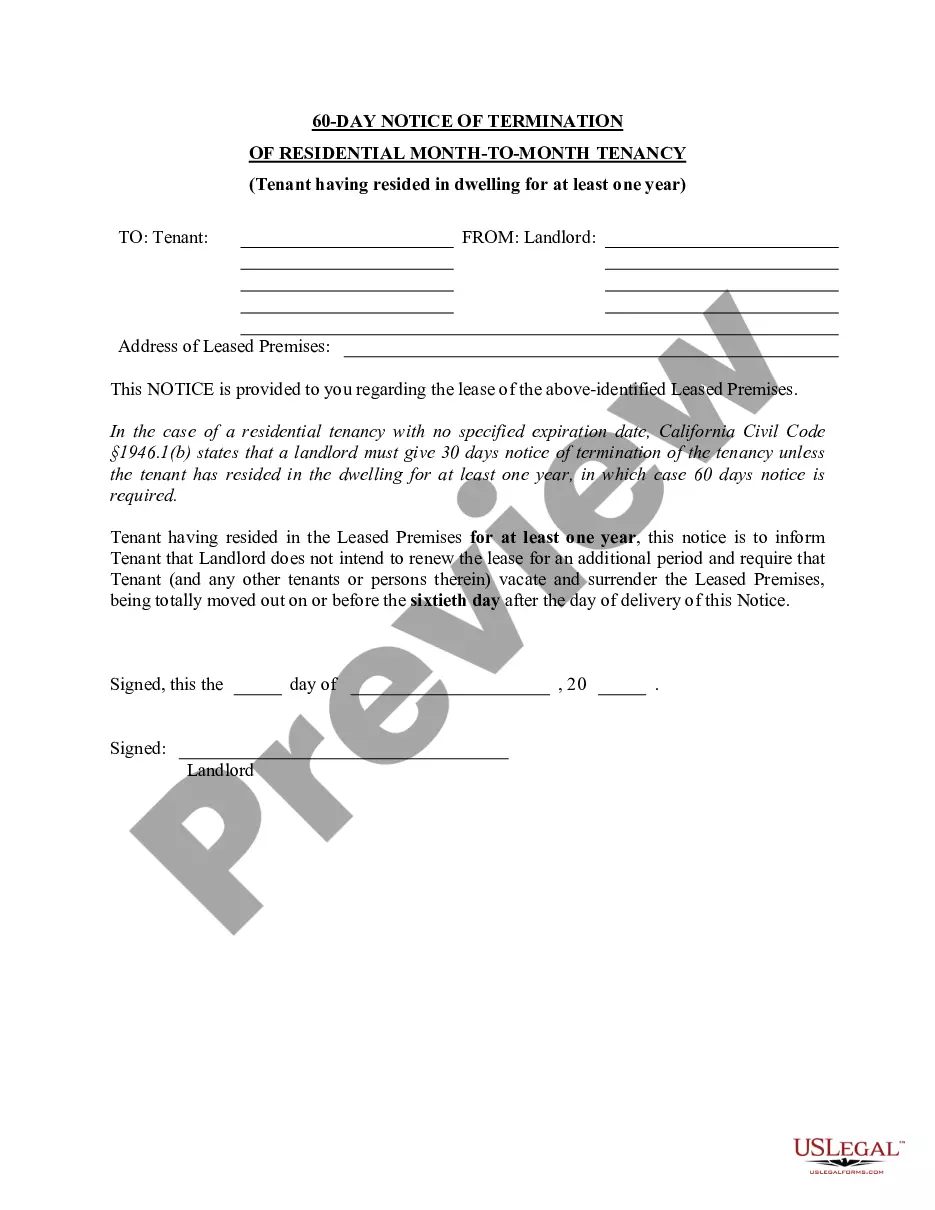
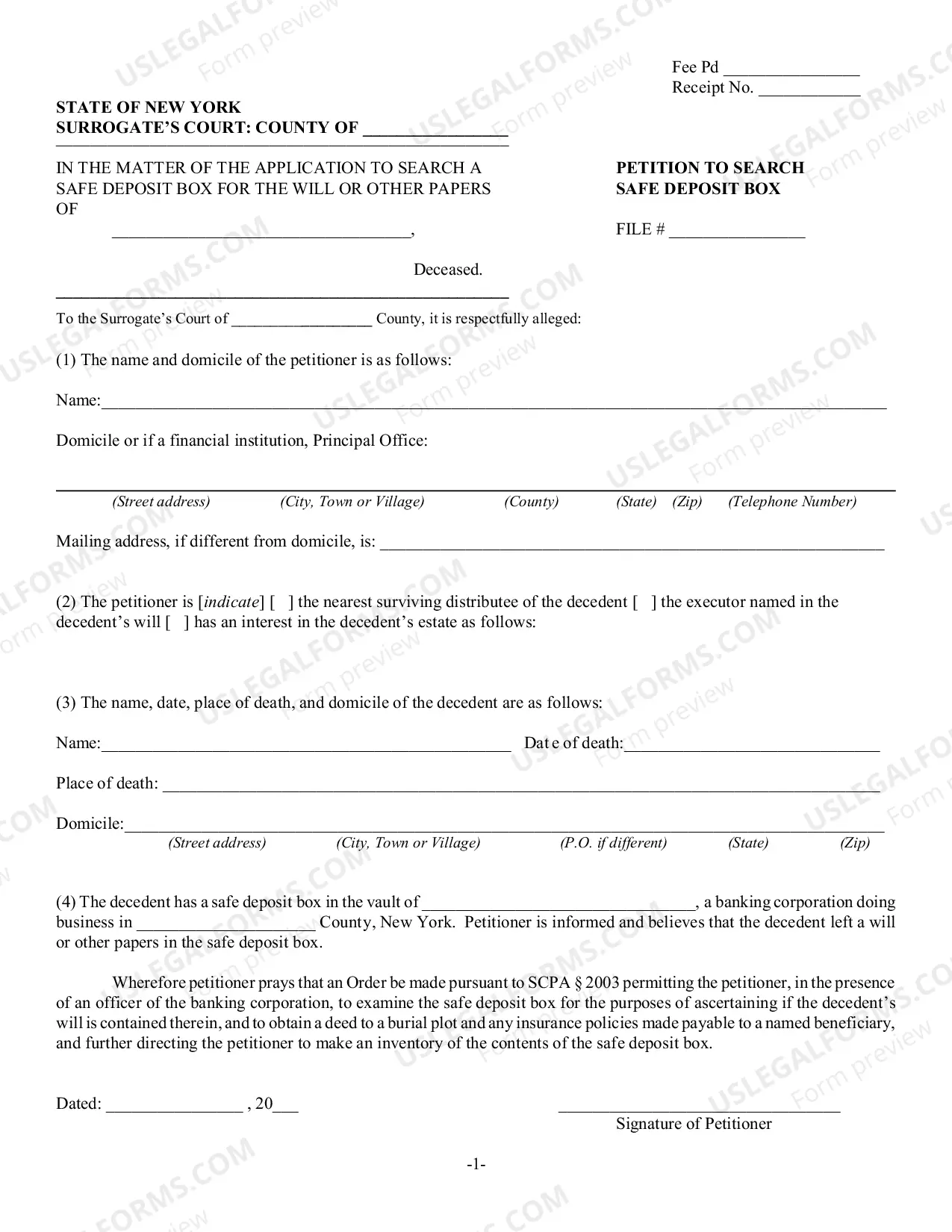
How to fill out General Form Of An Answer By Defendant In A Civil Lawsuit?
Regardless of whether it's for corporate aims or personal affairs, everyone must confront legal matters at some point in their lifetime.
Filling out legal documents necessitates meticulous focus, starting with selecting the correct form template.
After it is downloaded, you can fill out the form using editing software or print it and complete it manually. With a comprehensive US Legal Forms catalog available, you won’t have to waste time hunting for the right template online. Utilize the library’s easy navigation to find the suitable form for any circumstance.
- Obtain the necessary template using the search bar or by navigating the catalog.
- Review the form’s description to ensure it appropriately corresponds to your situation, state, and county.
- Click on the form’s preview to examine it.
- If it is not the correct document, return to the search feature to find the Civil Law Cases In Canada sample you need.
- Acquire the template if it satisfies your criteria.
- If you possess a US Legal Forms account, click Log in to access templates you have saved in My documents.
- If you do not have an account yet, you can download the form by clicking Buy now.
- Select the suitable pricing option.
- Complete the account registration form.
- Choose your payment method: you can pay via credit card or PayPal.
- Select the file format you desire and download the Civil Law Cases In Canada.
Form popularity
FAQ
Civil cases in Canada are typically open to the public, allowing individuals to observe court proceedings. This openness supports transparency in the legal system and allows citizens to understand how disputes are resolved. However, specific restrictions may apply in certain cases, such as those involving minors or sensitive information. For a comprehensive overview of civil law cases in Canada, you can explore the resources offered by USLegalForms.
Yes, civil lawsuits in Canada are generally considered public records. This means that the public can view certain information about the cases, including filings and judgments. However, some details may be redacted to protect sensitive information. If you are interested in learning more about public access to these records, consider checking resources provided by USLegalForms.
Yes, you can access civil cases in Canada, as they are often part of public court records. However, accessing specific documents may depend on the jurisdiction and the court's policies. Many courts provide online databases where you can search for civil law cases in Canada. If you need help navigating these systems, USLegalForms can guide you through the process.
In Canada, a civil lawsuit typically qualifies when there is a legal dispute involving rights or obligations between parties. Common reasons include breach of contract, negligence, and disputes over property ownership. Each case requires evidence to support the claims made by the parties involved. USLegalForms can assist you in understanding the requirements and preparing necessary documents for civil law cases in Canada.
Yes, Canada has a well-established system for civil lawsuits. Civil law cases in Canada cover disputes between individuals or organizations, typically involving issues like contracts, property, and personal injury. These cases allow parties to seek compensation or resolution through the court system. You can find more information about these processes through platforms like USLegalForms, which provide resources and templates for filing.
Filing a civil case in Canada involves several important steps. First, you need to gather all relevant documents and evidence related to your case. Next, you must complete the necessary court forms, which vary depending on your jurisdiction and the specific nature of your civil law case. Lastly, after submitting your forms and paying any required fees, you will receive a court date where you can present your case. For additional guidance, consider using US Legal Forms, which offers comprehensive resources to help you navigate civil law cases in Canada.
The process of civil litigation in Canada typically involves several stages, including the filing of a statement of claim, the exchange of evidence, and potentially a trial. Initially, parties will attempt to resolve the dispute through negotiation or mediation, as civil law cases in Canada encourage settlement outside of court. If the case proceeds to trial, both sides will present their arguments, and a judge will make a decision. Platforms like USLegalForms can guide you through each step effectively.
In a civil case, you generally need to provide evidence that supports your claims, which may include documents, witness statements, and expert testimony. The type of proof required can vary based on the nature of the civil law cases in Canada. Focusing on gathering relevant and credible evidence is crucial for establishing your case. USLegalForms can assist in organizing your documentation to present a compelling argument.
Winning a civil lawsuit can be difficult, as it often depends on the strength of your evidence and the legal arguments you present. In civil law cases in Canada, you must prove your case by a 'preponderance of the evidence,' meaning it's more likely than not that your claims are true. This standard can be challenging to meet without proper knowledge and preparation, so utilizing resources like USLegalForms can enhance your chances of success.
You can file a civil case without a lawyer, but doing so requires careful preparation and understanding of legal procedures. Civil law cases in Canada often involve specific rules and regulations that you must follow. While self-representation is an option, consider seeking assistance from resources like USLegalForms for the necessary documents and guidance, ensuring you are well-equipped to make your case.