Adverse Possession In Indiana
Description
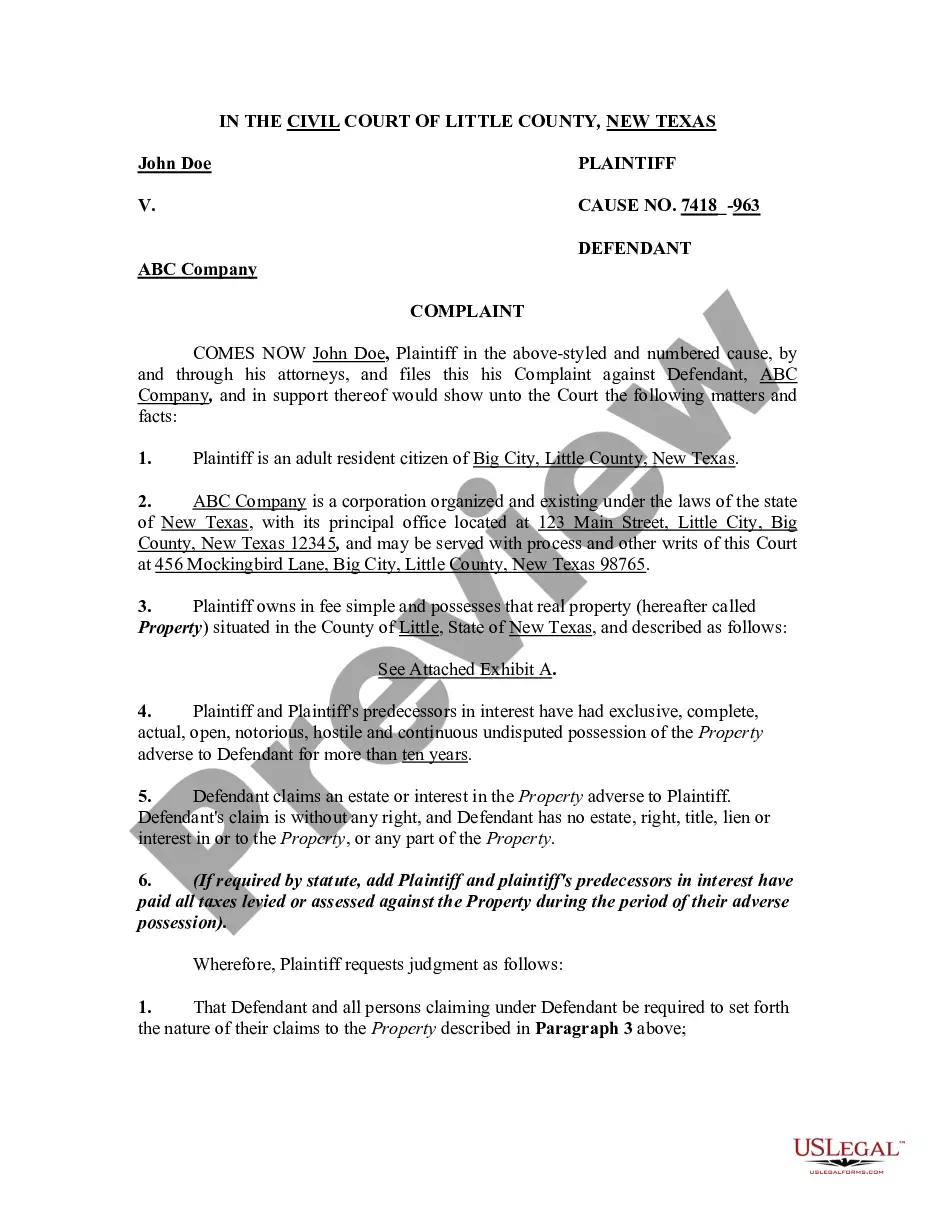
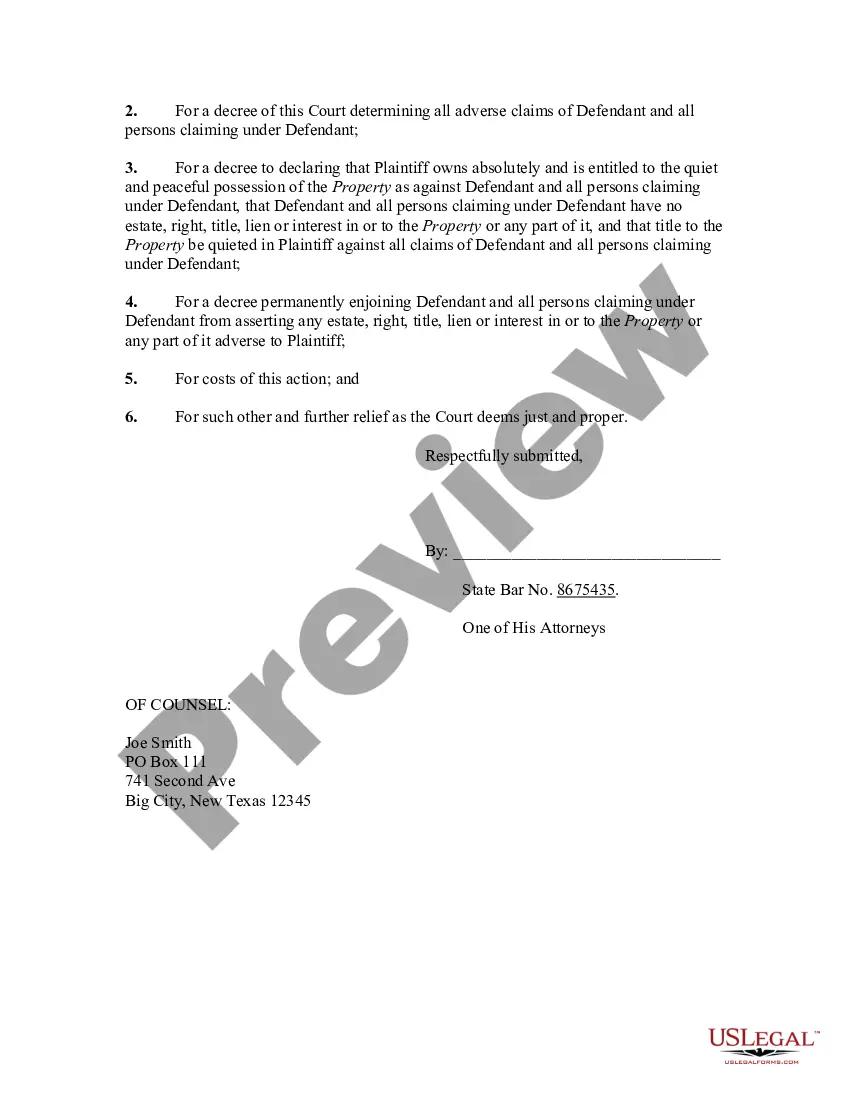
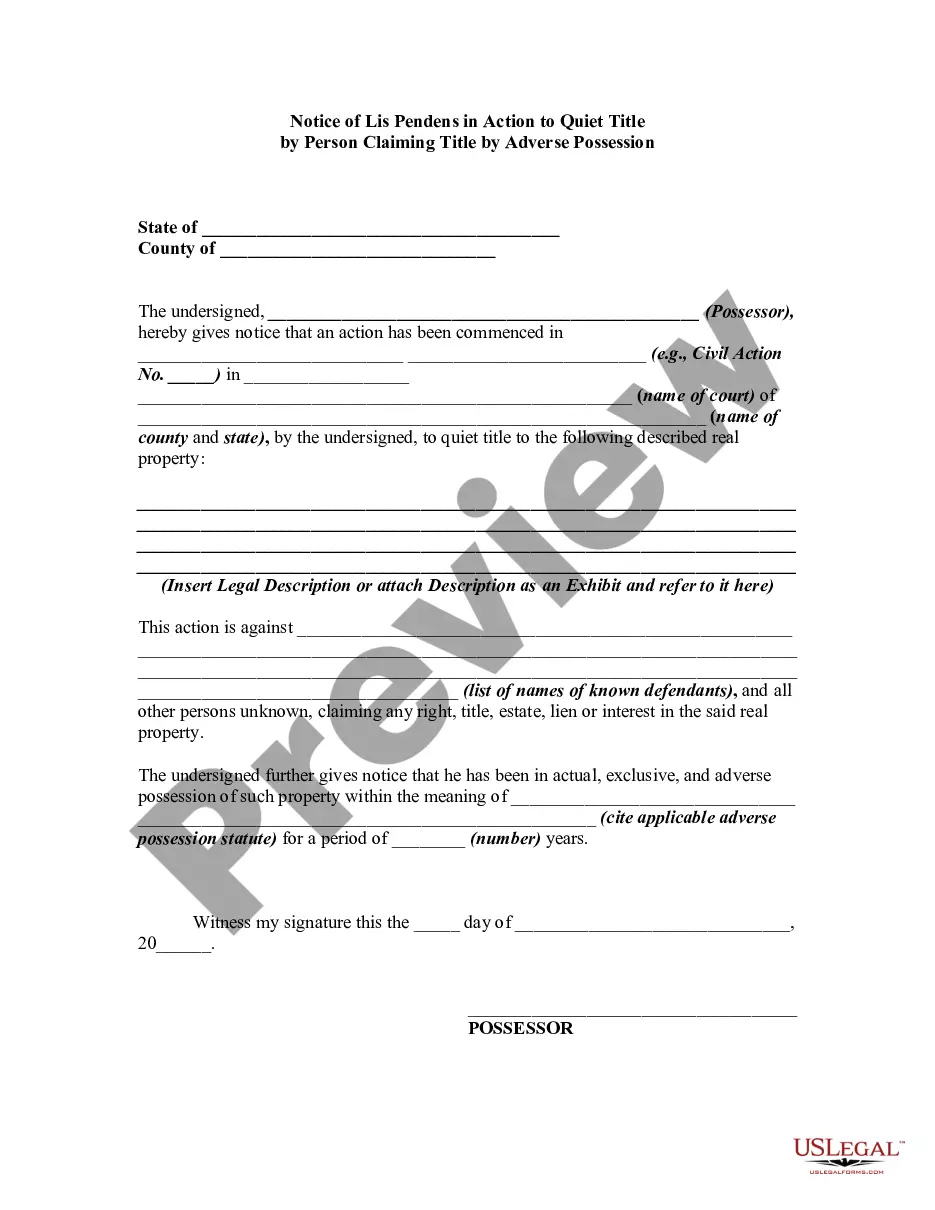
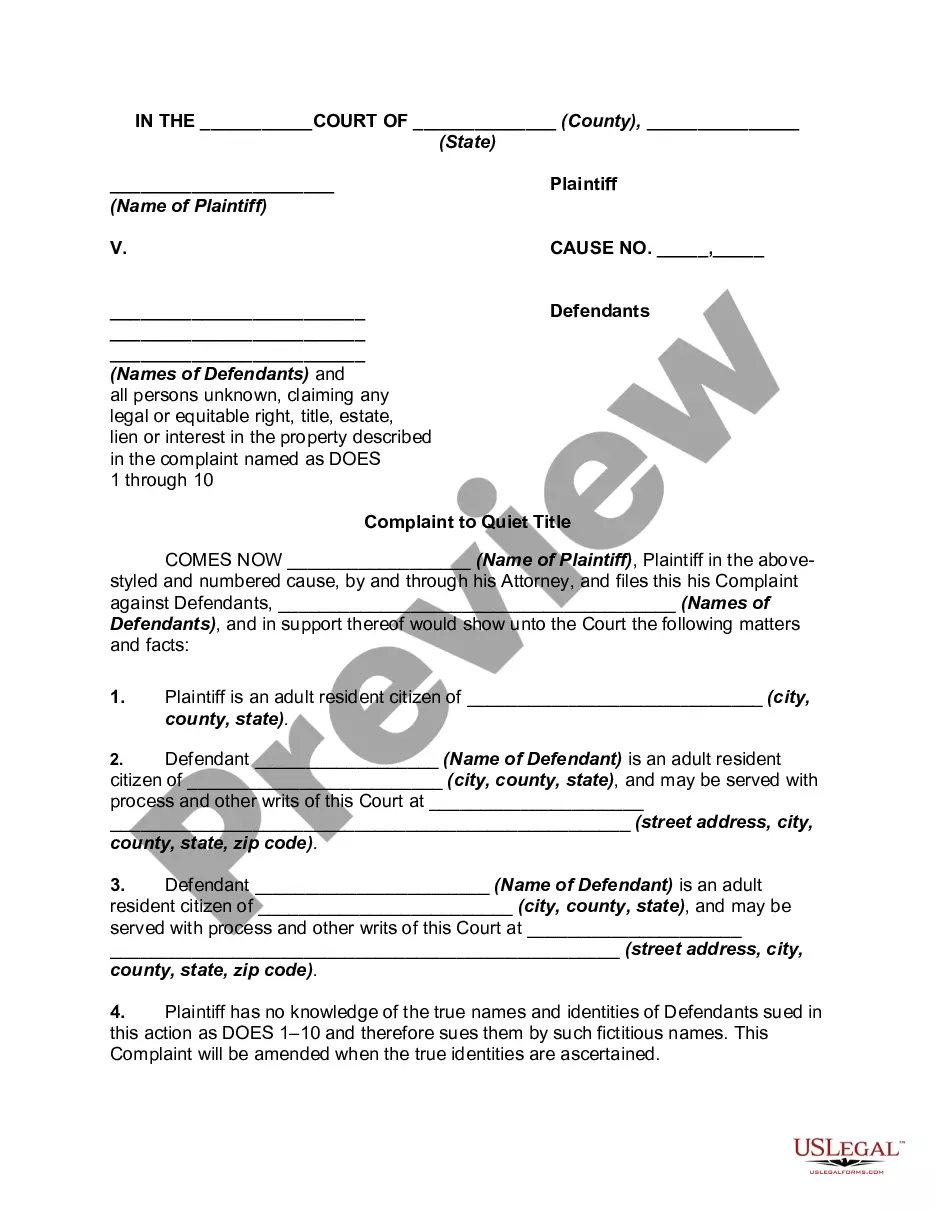



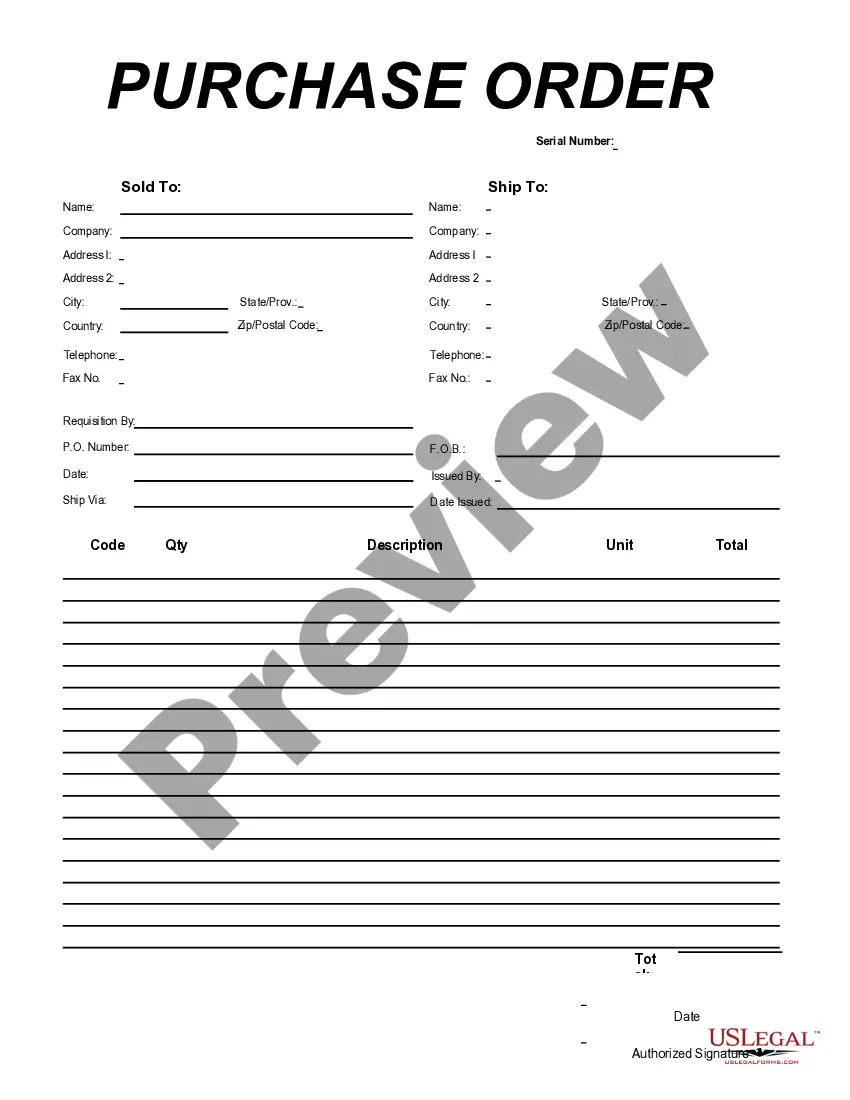
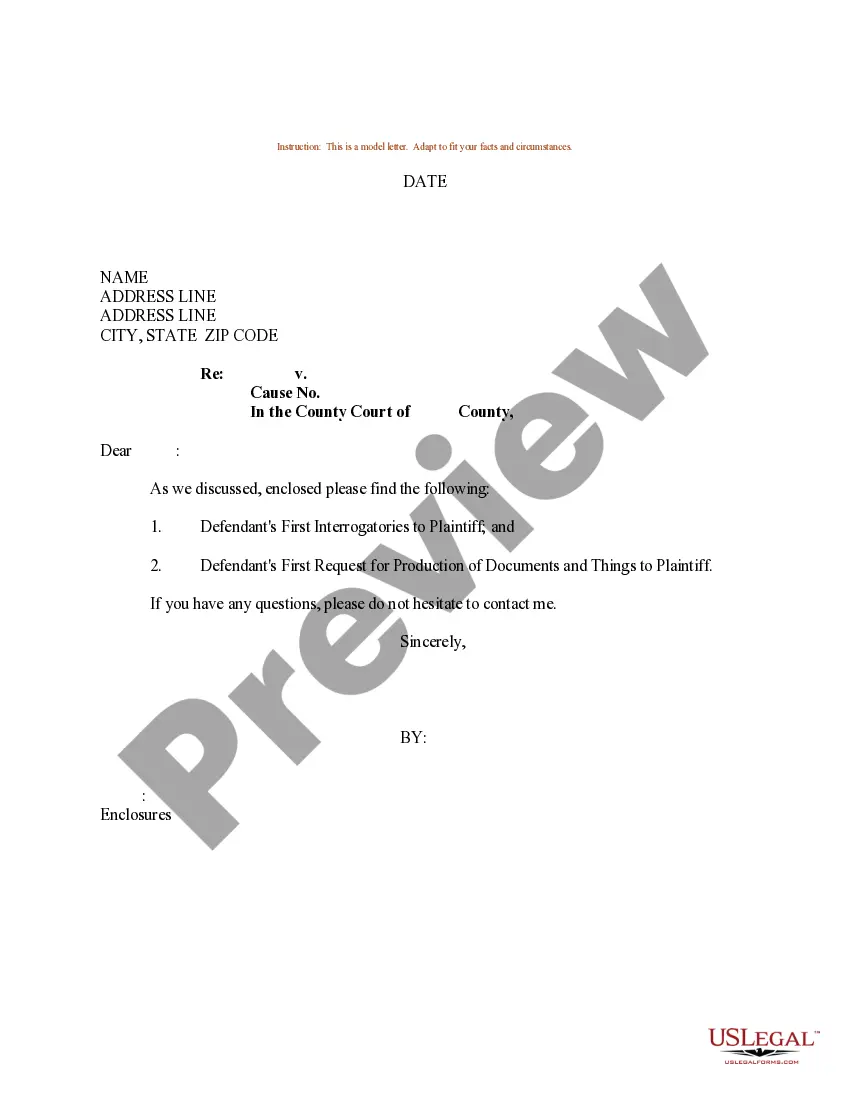
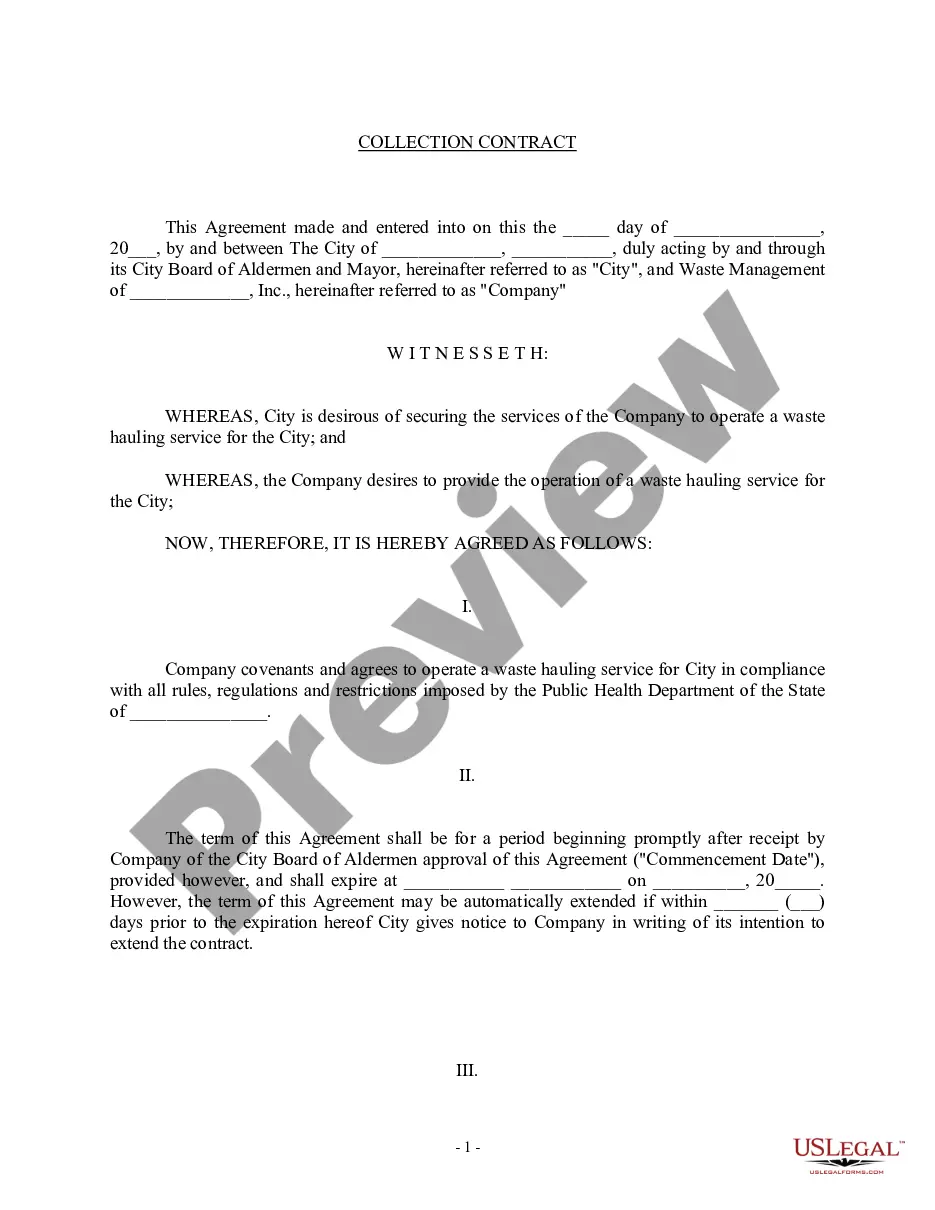
How to fill out Complaint To Quiet Title By Person Claiming Adverse Possession - Squatters Rights?
It’s no secret that you can’t become a legal expert immediately, nor can you figure out how to quickly draft Adverse Possession In Indiana without having a specialized set of skills. Putting together legal forms is a long venture requiring a particular education and skills. So why not leave the preparation of the Adverse Possession In Indiana to the specialists?
With US Legal Forms, one of the most extensive legal document libraries, you can find anything from court papers to templates for in-office communication. We understand how important compliance and adherence to federal and state laws and regulations are. That’s why, on our platform, all templates are location specific and up to date.
Here’s start off with our platform and get the form you require in mere minutes:
- Discover the form you need with the search bar at the top of the page.
- Preview it (if this option provided) and check the supporting description to figure out whether Adverse Possession In Indiana is what you’re looking for.
- Begin your search again if you need a different template.
- Register for a free account and choose a subscription option to purchase the template.
- Choose Buy now. Once the transaction is through, you can download the Adverse Possession In Indiana, fill it out, print it, and send or send it by post to the designated people or entities.
You can re-access your documents from the My Forms tab at any time. If you’re an existing customer, you can simply log in, and find and download the template from the same tab.
Regardless of the purpose of your documents-whether it’s financial and legal, or personal-our platform has you covered. Try US Legal Forms now!
Form popularity
FAQ
However, just open yard does not give the neighbor ownership through adverse possession of the property. To the contrary, they would have to have fenced the area in or done something more to the land. With the facts you have presented - the neighbor does not have a claim for adverse possession.
A typical adverse possession statute requires that the occupation must be open and notorious, exclusive, hostile, and continuous and uninterrupted for a prescribed period of time.
In Indiana, a squatter may gain legal possession of their land if they can prove continuous use and maintenance of the land for 10 years or more, as per the Indiana Adverse Possession Statute. However, this statute stipulates that specific properties, such as those owned by the government, are exempt.
Regular property inspections can alert the true owner to any unauthorized use and are always beneficial to ensure your property is unoccupied. Leasing the property can also effectively thwart any claims of adverse possession since it delineates a legal agreement between the owner and occupant.
To prevent a claim of right through adverse possession, you can take some precautions to help protect your property, such as: Clearly marking the boundary lines. Walking your property lines to check for any signs of trespassing. Installing ?No Trespassing? signs to deter unwanted visitors.