Adverse Possession Cases In Georgia
Description
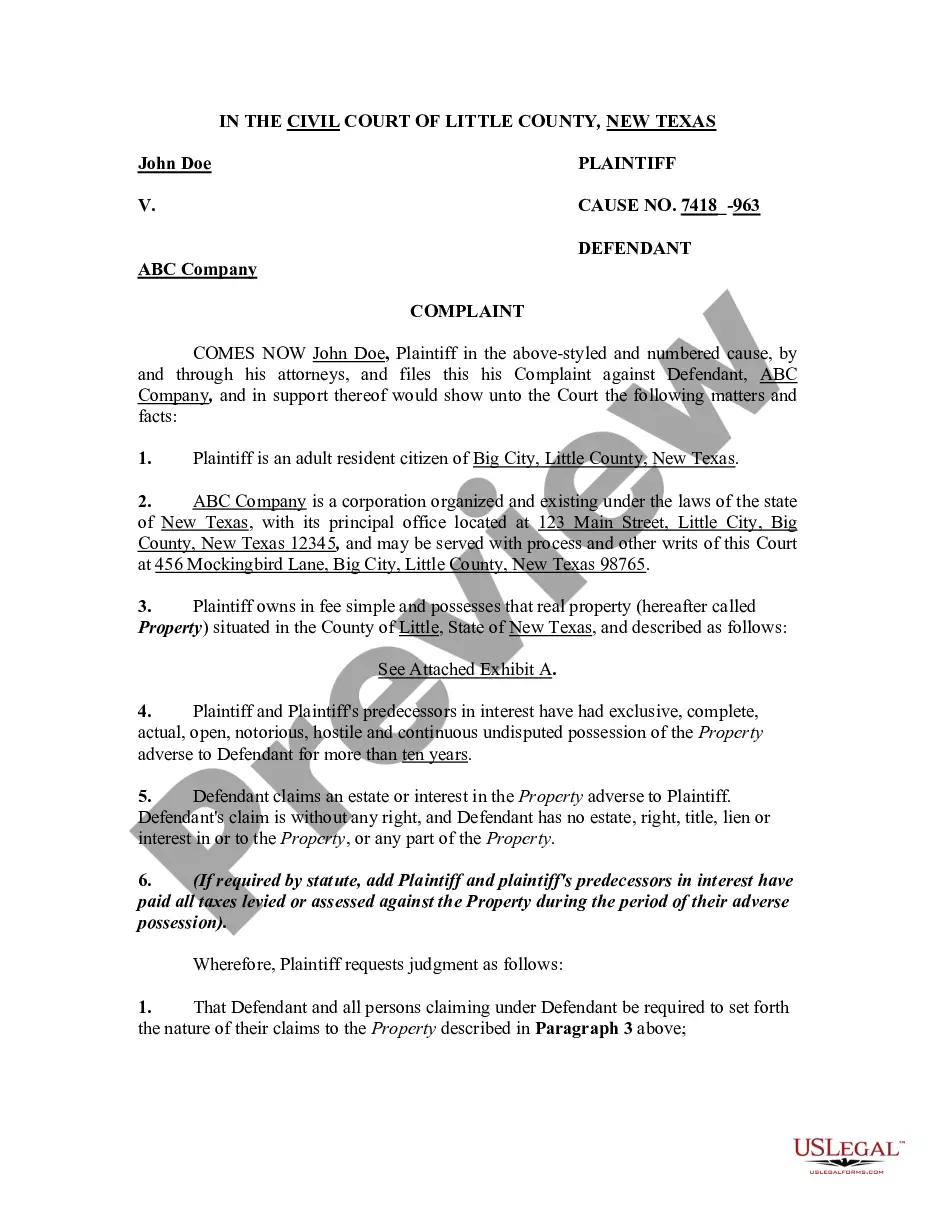
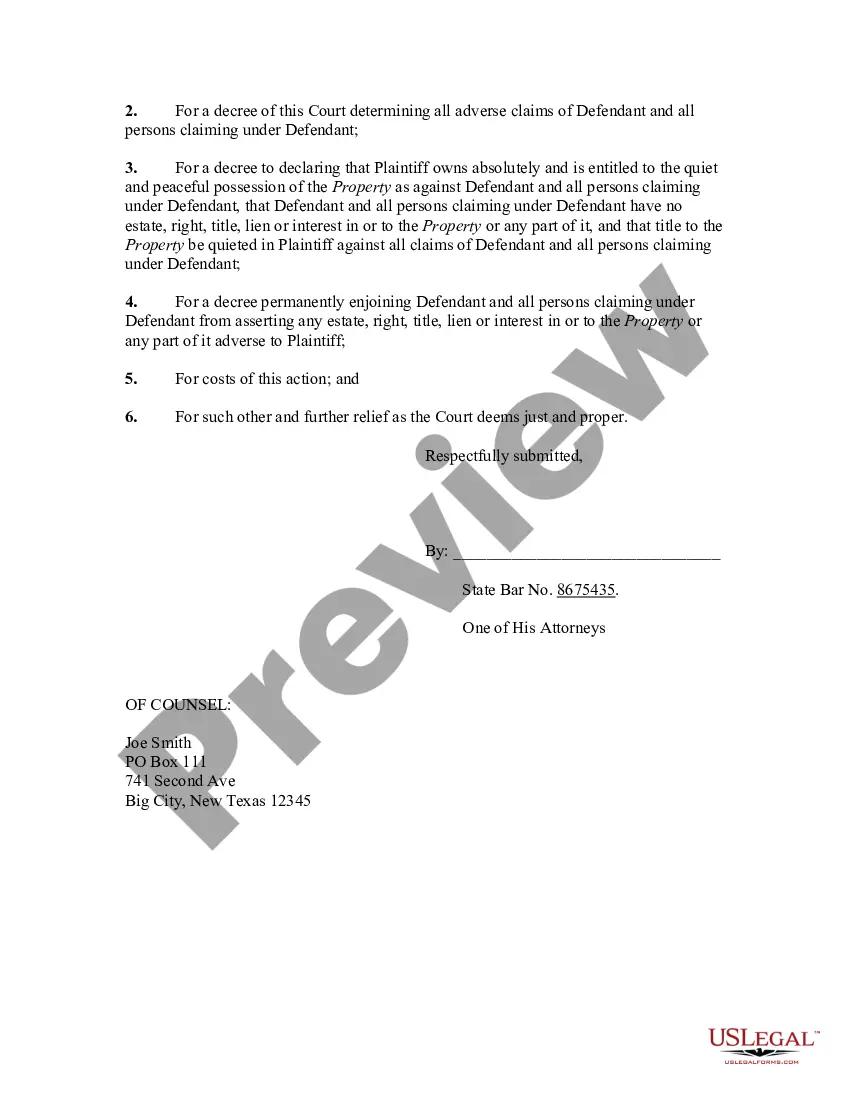
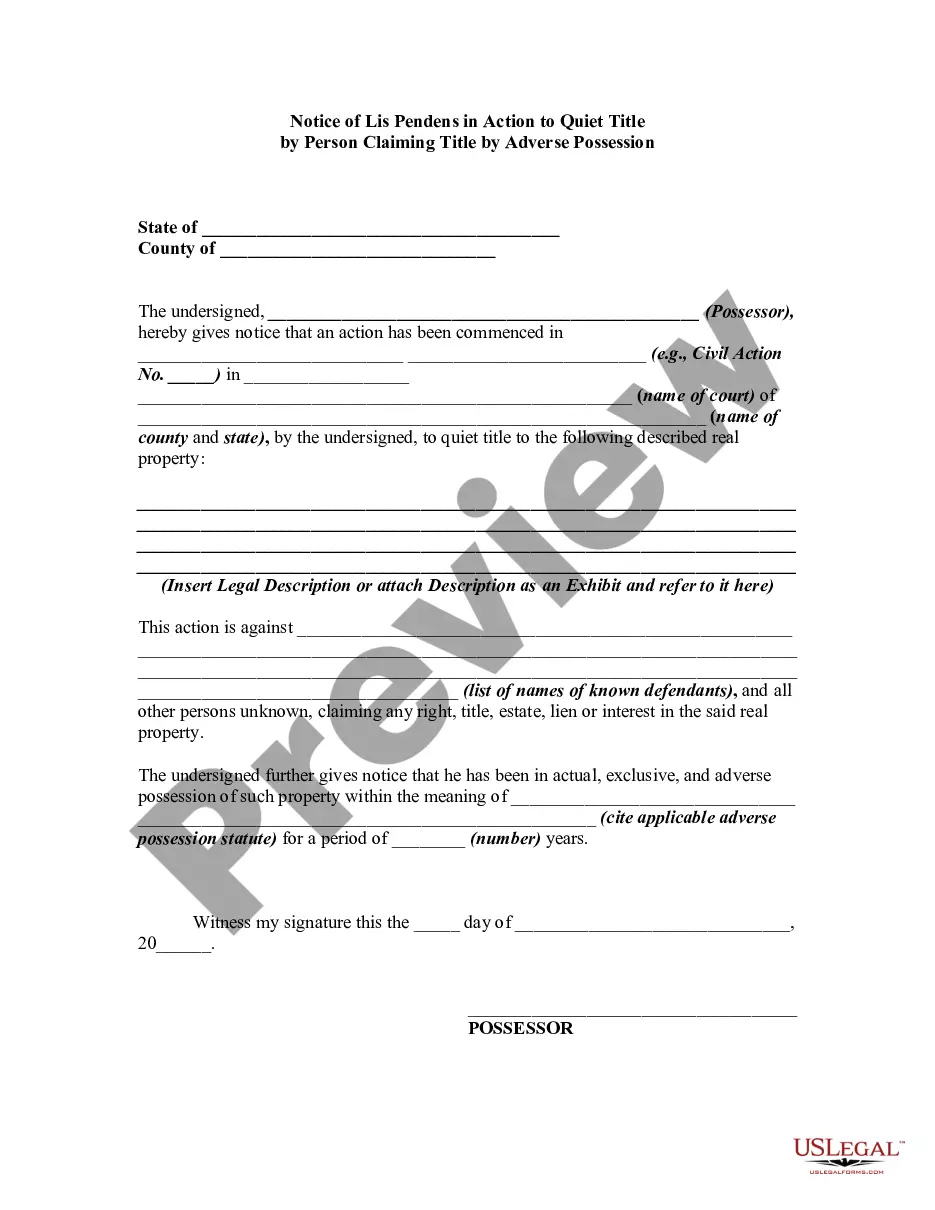
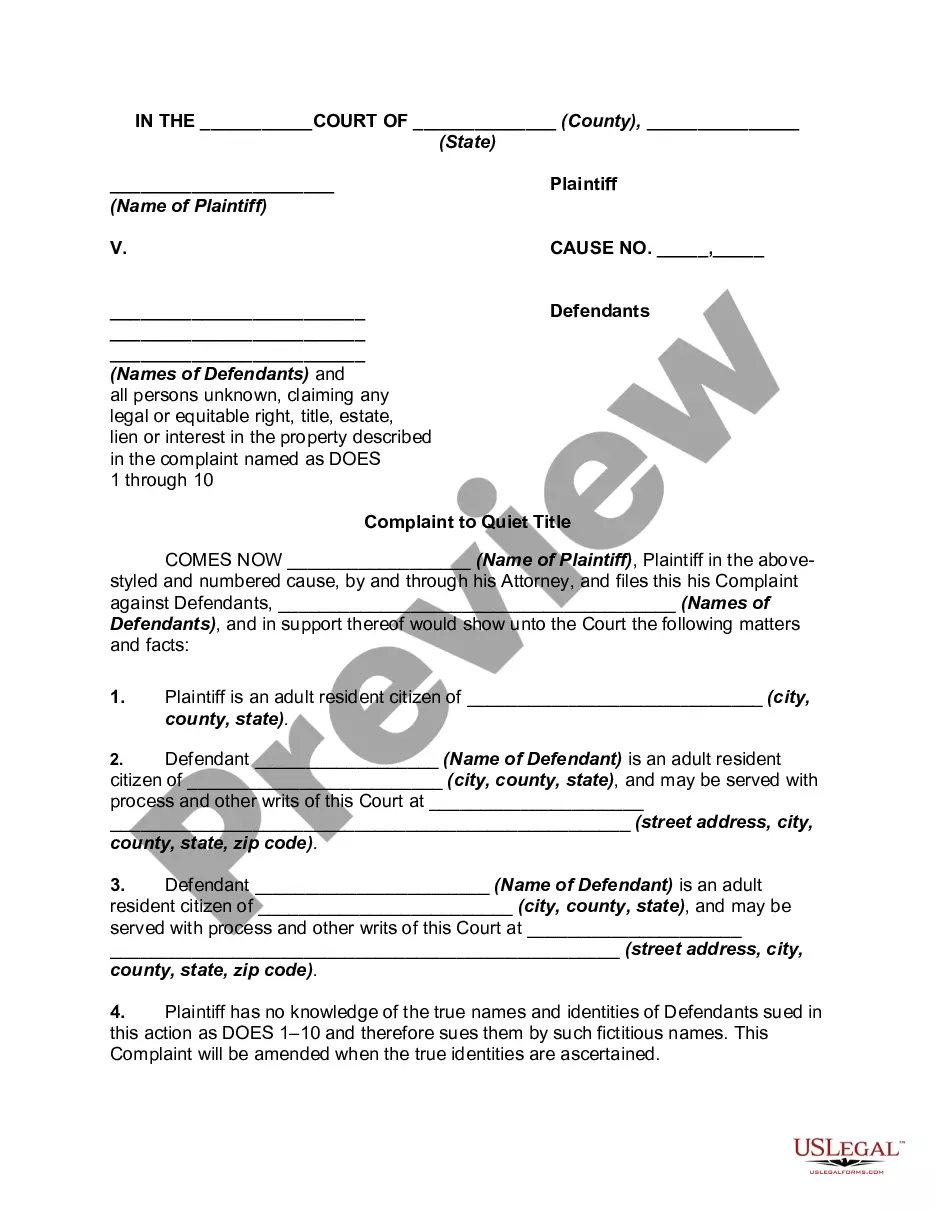



How to fill out Complaint To Quiet Title By Person Claiming Adverse Possession - Squatters Rights?
The Adverse Possession Cases In Georgia showcased on this site is a reusable legal template crafted by expert attorneys in compliance with federal and state statutes and regulations.
For over 25 years, US Legal Forms has provided individuals, entities, and legal professionals with more than 85,000 validated, state-specific documents for any commercial and personal needs. It is the fastest, most uncomplicated, and most reliable means to acquire the documents you require, as the service ensures the utmost level of data protection and anti-malware security.
Register with US Legal Forms to have verified legal templates for all of life's situations readily available.
- Search for the document you need and examine it.
- Browse through the file you searched and preview it or assess the form description to confirm it meets your requirements. If it does not, use the search bar to find the appropriate one. Click Buy Now when you have found the template you require.
- Subscribe and Log In.
- Select the pricing plan that best suits you and create an account. Utilize PayPal or a credit card for a quick transaction. If you already possess an account, Log In and verify your subscription to proceed.
- Obtain the fillable template.
- Select the format you desire for your Adverse Possession Cases In Georgia (PDF, Word, RTF) and download the sample onto your device.
- Fill out and sign the document.
- Print the template for manual completion. Alternatively, use an online multifunctional PDF editor to swiftly and accurately complete and sign your form with a valid signature.
- Download your documents once more.
- Reuse the same document whenever necessary. Navigate to the My documents tab in your profile to redownload any previously acquired forms.
Form popularity
FAQ
To qualify for adverse possession cases in Georgia, you must demonstrate continuous, exclusive, and open use of the property for 20 years. This means you have to treat the land as your own and use it in a manner that is visible to others. Furthermore, your possession must be hostile, meaning without the permission of the true owner. Understanding these qualifications is crucial, and USLegalForms can provide valuable resources and templates to help you navigate the process.
Filing for adverse possession in Georgia involves several critical steps, including gathering proof of your claim and submitting the appropriate legal documents. You will need to file a lawsuit in the local court, detailing your claim and the evidence supporting it. It may be beneficial to seek assistance from USLegalForms to ensure you complete the paperwork correctly and meet all legal requirements. Proper filing can significantly enhance your chances of a successful claim.
The 7 year fence law in Georgia pertains to adverse possession cases in Georgia and allows a person to claim ownership of land if they have maintained a fence around it for at least seven years. This law provides a pathway for individuals to gain legal title to property that they possess and care for. However, it's essential to ensure that the fence is continuous and clearly marks the boundaries of the claimed property. Consulting with a legal expert can clarify how this law applies to your situation.
To establish adverse possession cases in Georgia, you generally need to provide evidence of continuous and exclusive possession of the property for at least 20 years. You must show that you occupied the land openly and without permission from the original owner. Documentation such as tax records, photographs, or witness testimonies can support your claim. Using a platform like USLegalForms can help you gather the necessary documentation and streamline the process.
The four required elements for adverse possession in Georgia include actual possession, exclusive possession, open and notorious use, and hostile use. Actual possession means you physically occupy the property, while exclusive possession indicates that you do not share it with others. Open and notorious use signifies that your actions are visible and obvious, and hostile use means that you occupy the land without the owner's permission. Understanding these elements is essential for anyone facing adverse possession cases in Georgia, as they form the foundation of your claim.
To successfully claim adverse possession in Georgia, you must meet five key requirements: continuous possession for 20 years, actual possession of the property, open and notorious use, exclusive possession, and adverse or hostile use. Each of these elements plays a vital role in establishing your right to the property. If you are looking to understand how these requirements apply to your situation, resources like US Legal Forms can provide the necessary guidance. This clarity is invaluable in adverse possession cases in Georgia.
In Georgia, you can claim adverse possession after a continuous period of 20 years. This means that you must occupy the property openly, continuously, and without permission from the original owner for two decades. It's essential to maintain your presence on the land, as any interruption can reset the clock. For those navigating adverse possession cases in Georgia, understanding this timeline is crucial for a successful claim.