Final Judgment Without Trial
Description
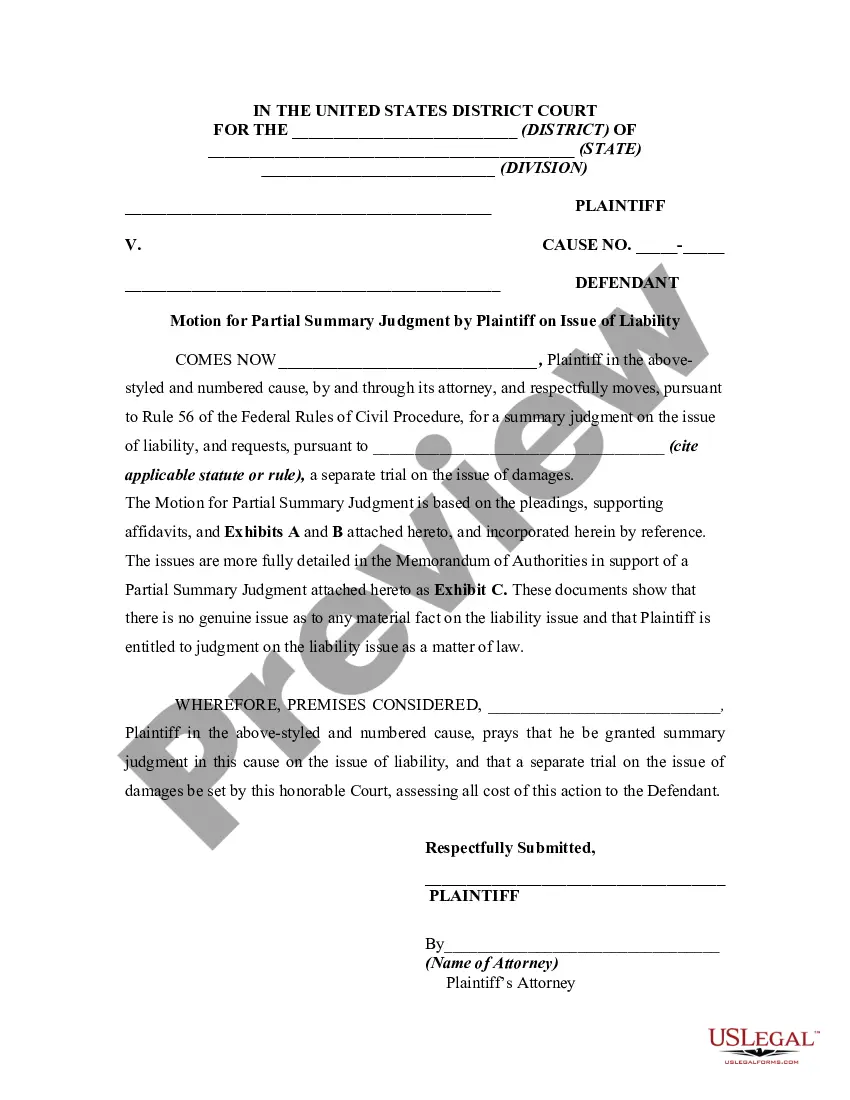
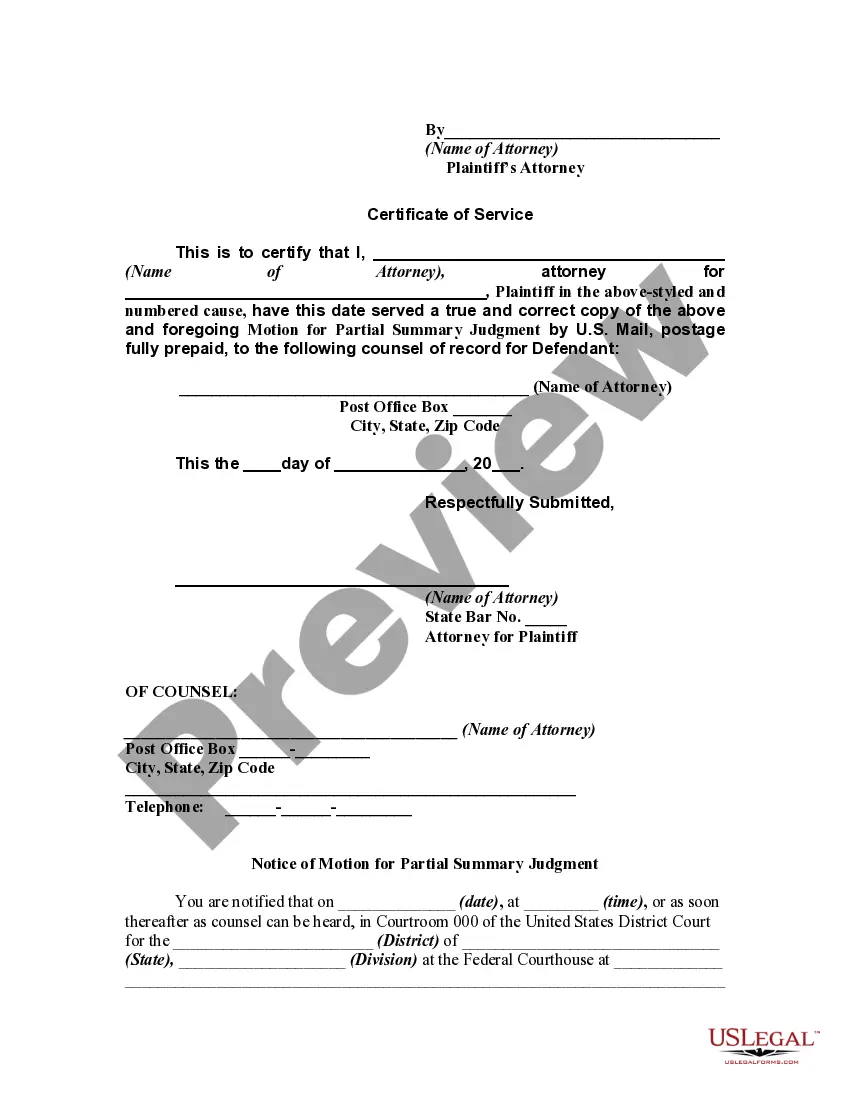
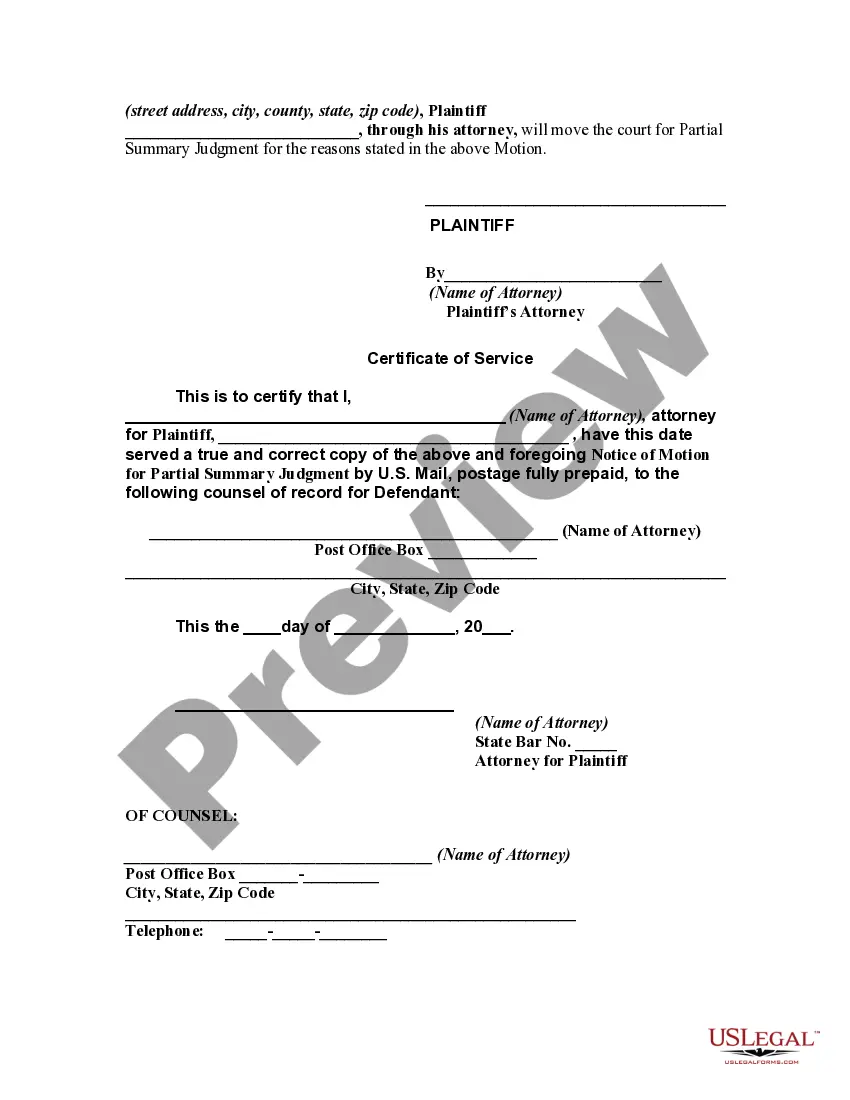
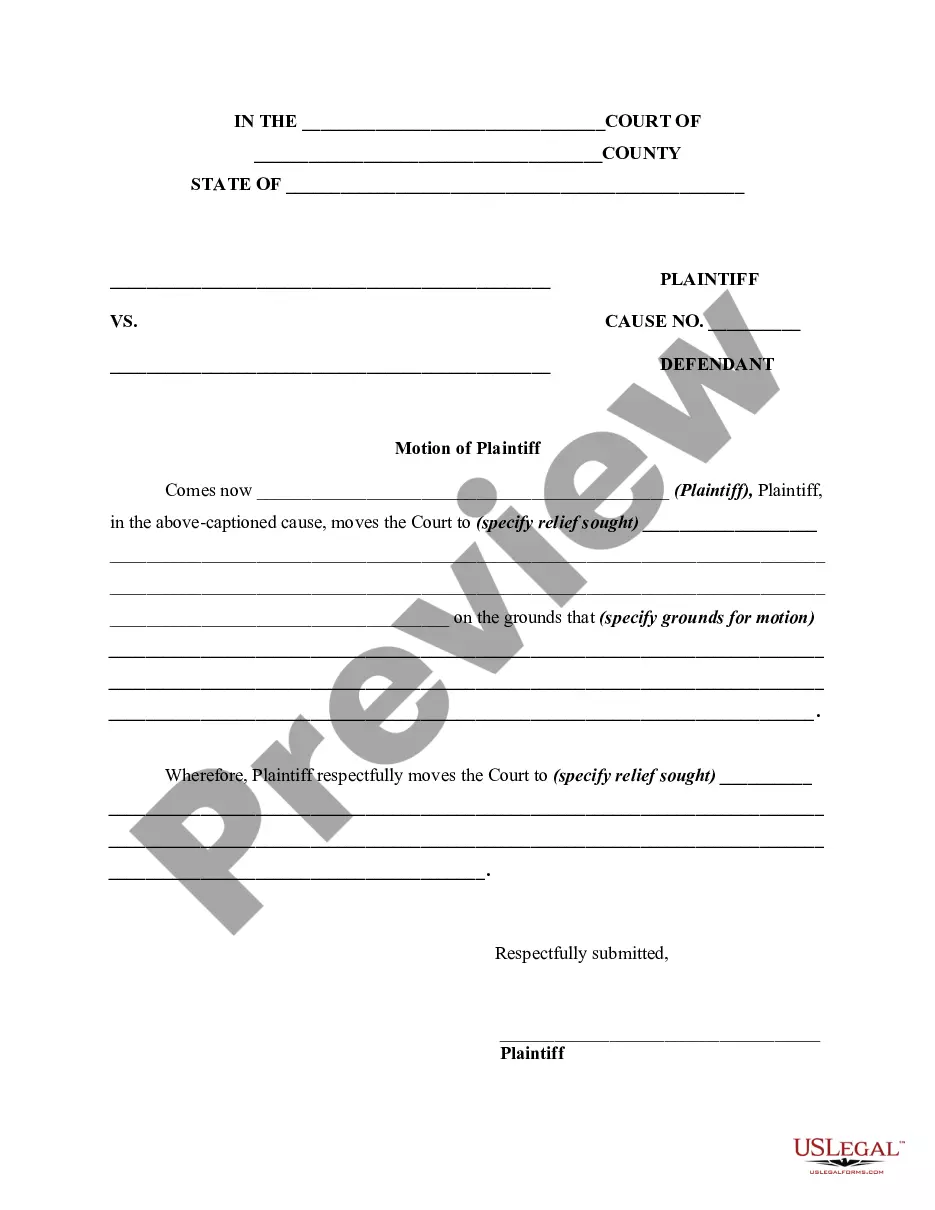
Get your form ready online
Our built-in tools help you complete, sign, share, and store your documents in one place.
Make edits, fill in missing information, and update formatting in US Legal Forms—just like you would in MS Word.
Download a copy, print it, send it by email, or mail it via USPS—whatever works best for your next step.
Sign and collect signatures with our SignNow integration. Send to multiple recipients, set reminders, and more. Go Premium to unlock E-Sign.
If this form requires notarization, complete it online through a secure video call—no need to meet a notary in person or wait for an appointment.
We protect your documents and personal data by following strict security and privacy standards.

Make edits, fill in missing information, and update formatting in US Legal Forms—just like you would in MS Word.

Download a copy, print it, send it by email, or mail it via USPS—whatever works best for your next step.

Sign and collect signatures with our SignNow integration. Send to multiple recipients, set reminders, and more. Go Premium to unlock E-Sign.

If this form requires notarization, complete it online through a secure video call—no need to meet a notary in person or wait for an appointment.

We protect your documents and personal data by following strict security and privacy standards.
Looking for another form?





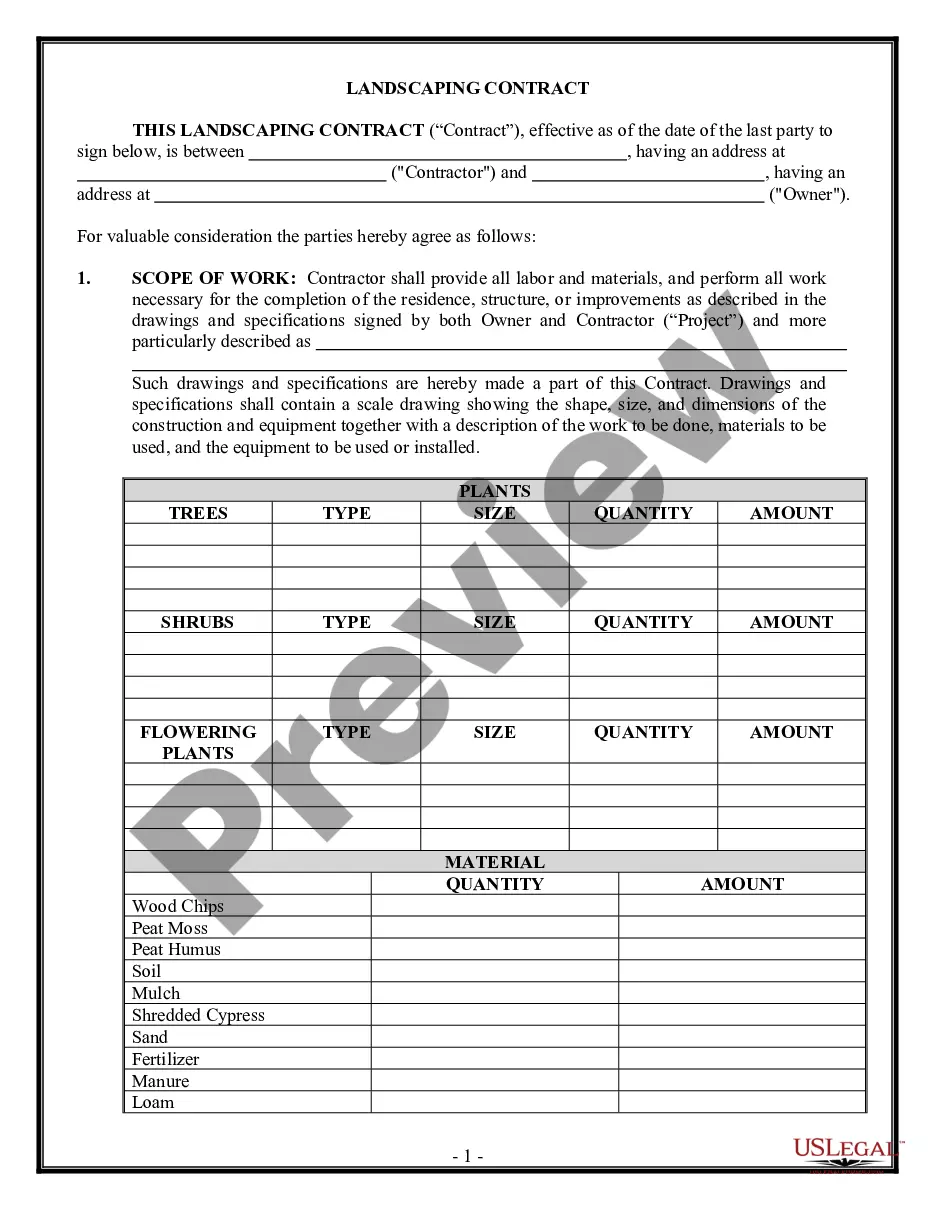
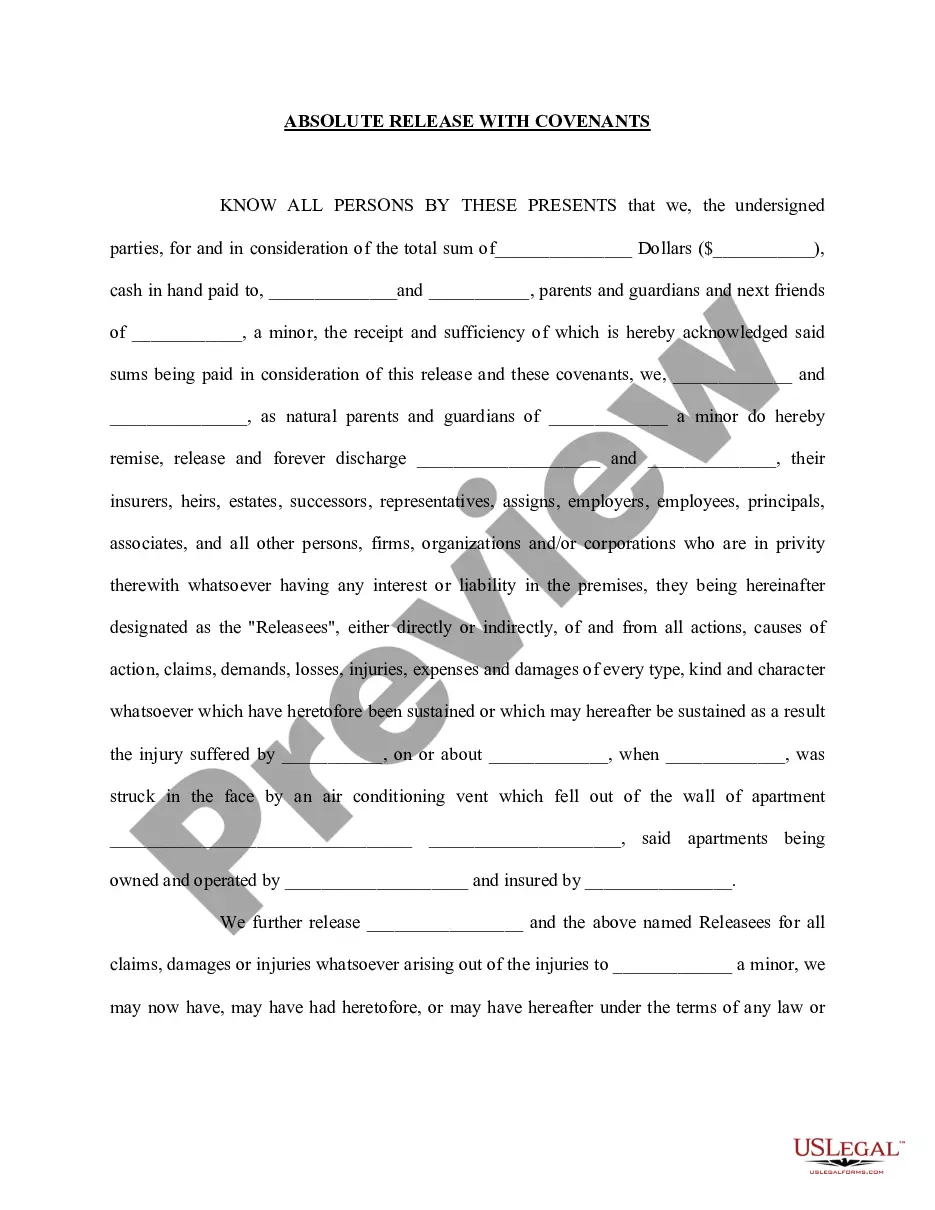

How to fill out General Form Of Partial Motion For Summary Judgment By Plaintiff On Issue Of Liability With Notice Of Motion And With Request For Separate Trial On Issue Of Damages?
Utilizing legal templates that comply with federal and state regulations is essential, and the web provides numerous options to select from.
However, what is the purpose of spending time searching for the appropriate Final Judgment Without Trial example online when the US Legal Forms online library already consolidates such templates in one location.
US Legal Forms is the largest online legal directory with over 85,000 editable templates created by lawyers for any business and personal situation.
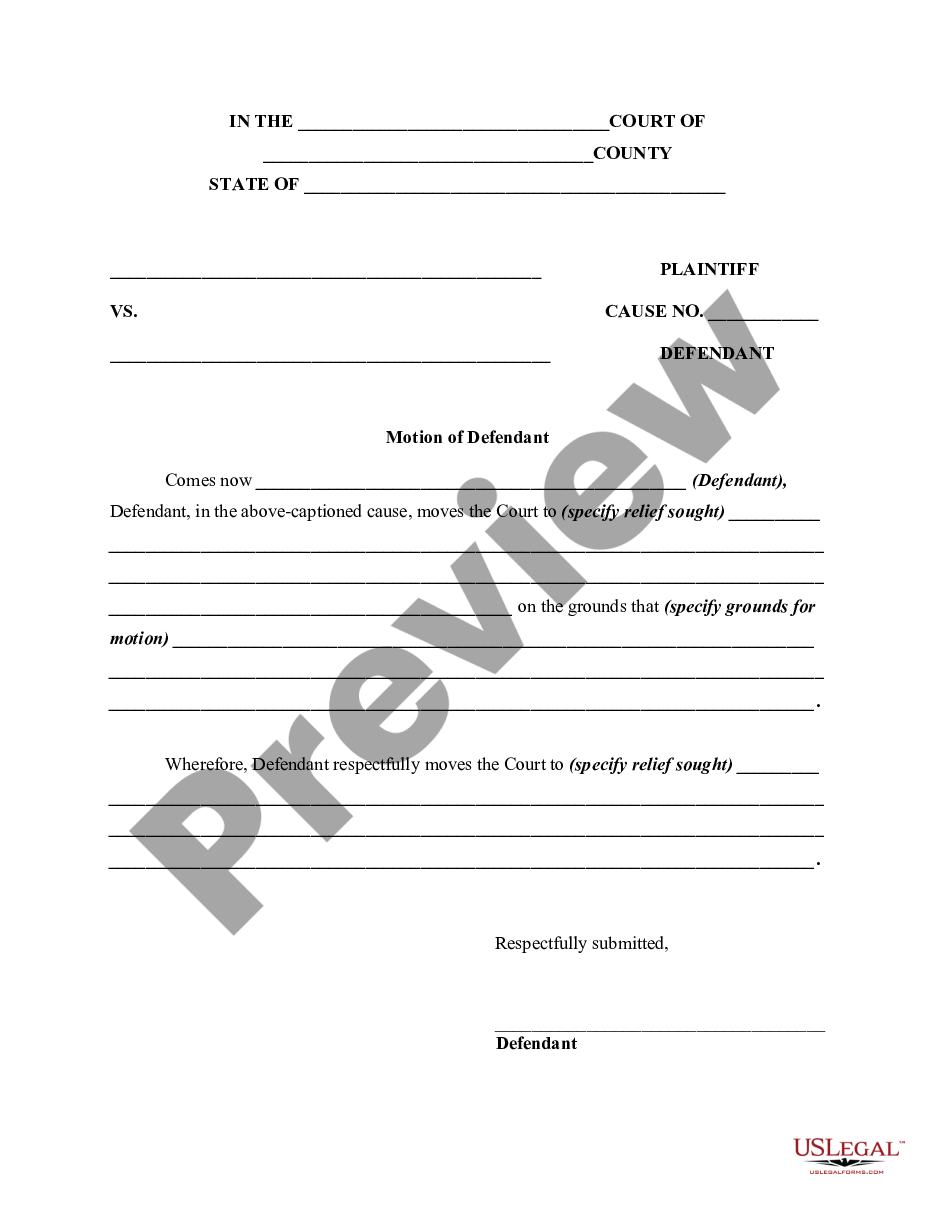
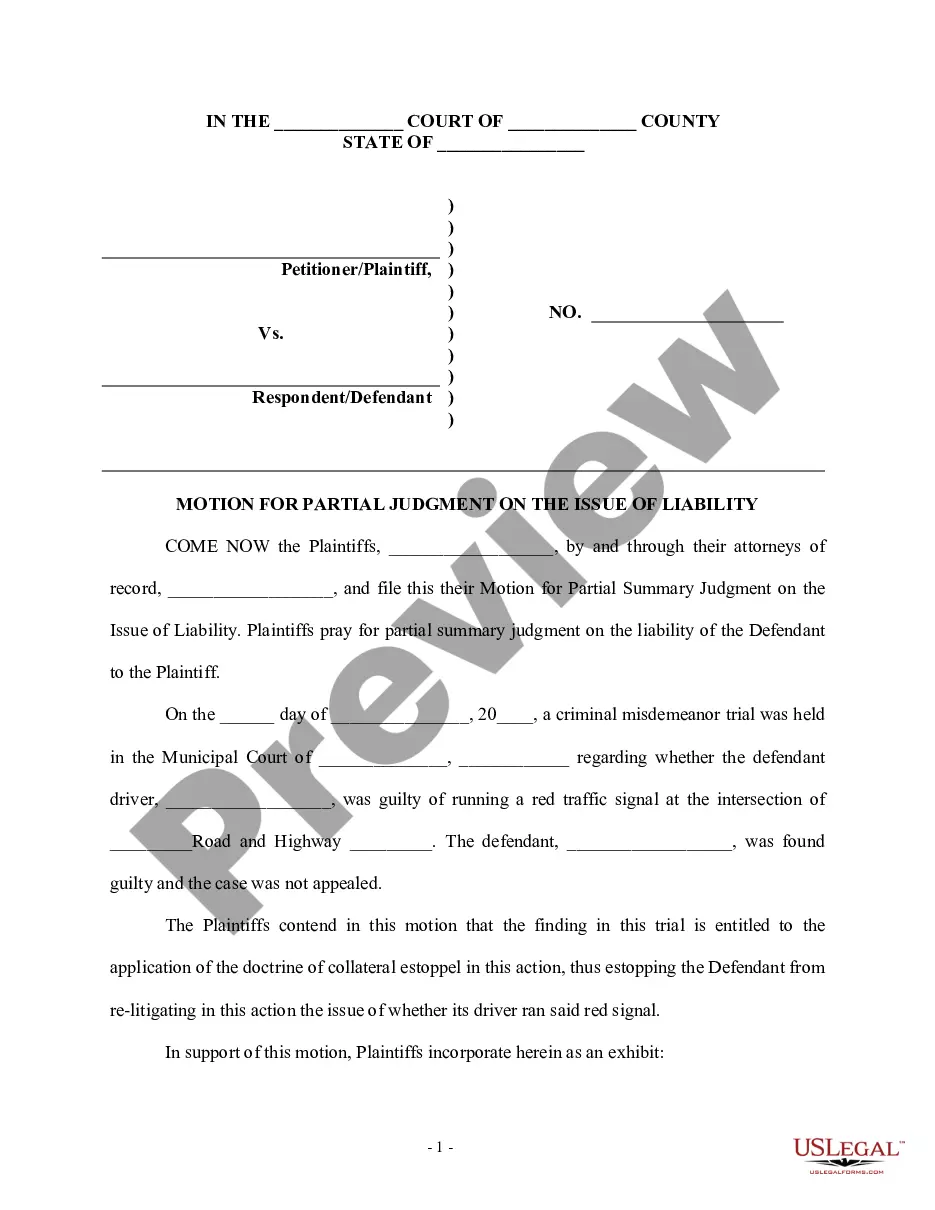
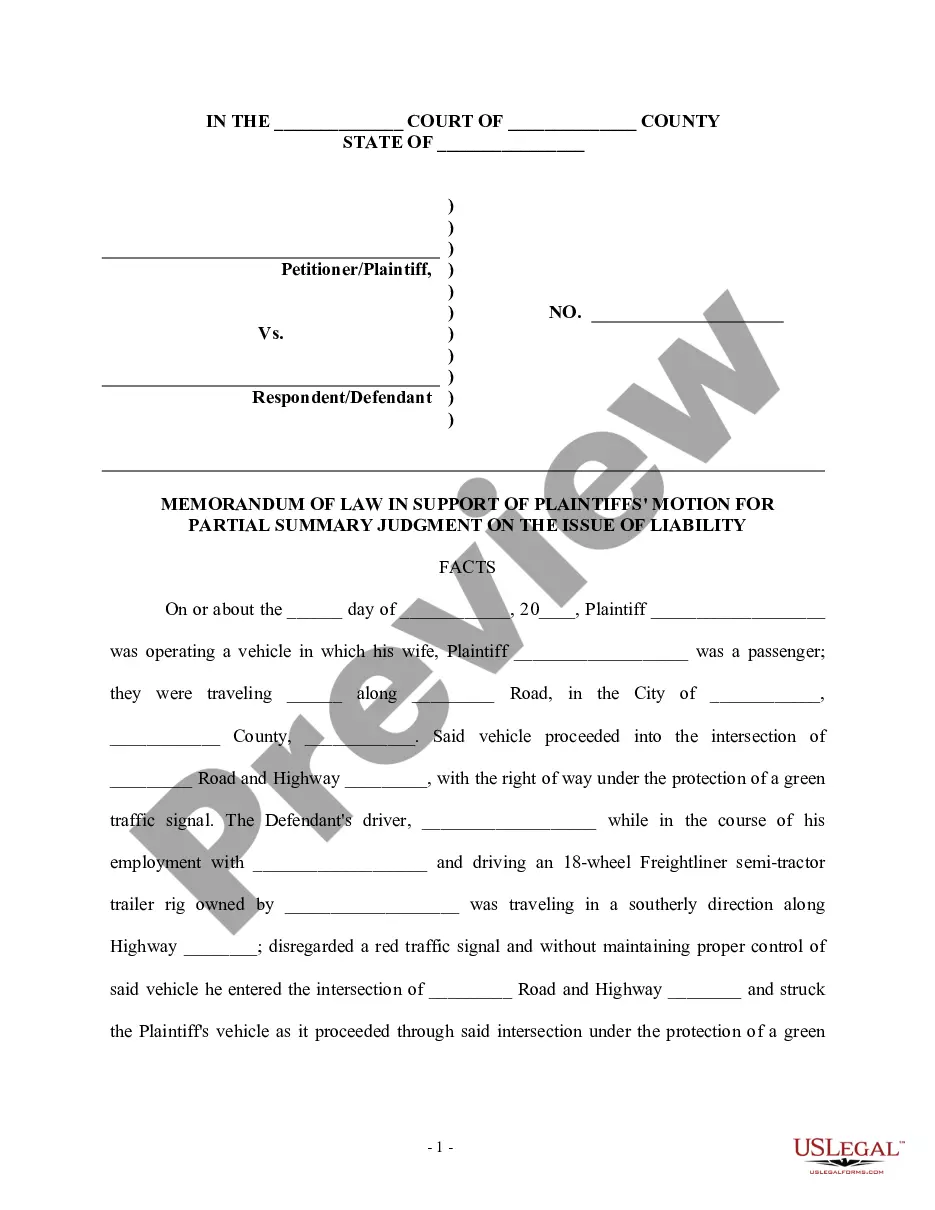
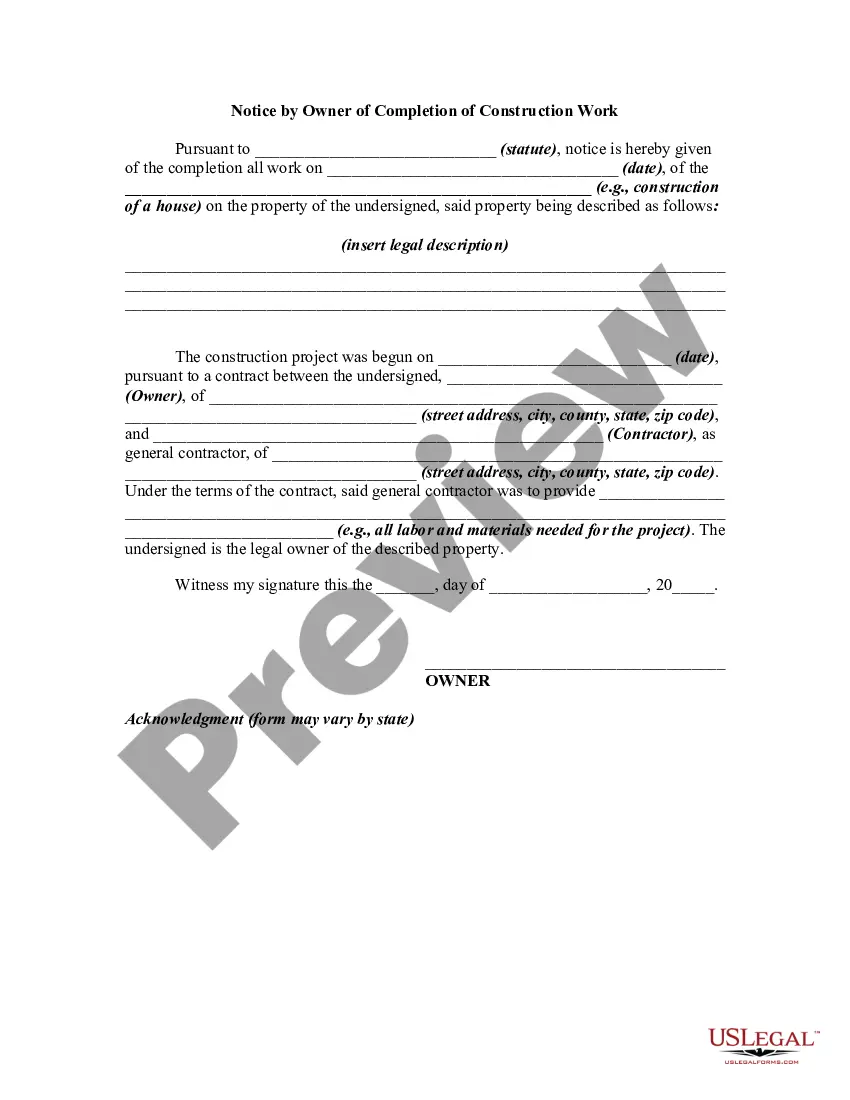
Review the template using the Preview feature or via the text outline to ensure it meets your requirements.
- They are straightforward to navigate with all documents organized by state and intended use.
- Our experts stay updated with legislative changes, ensuring you can always trust that your form is current and compliant when obtaining a Final Judgment Without Trial from our site.
- Obtaining a Final Judgment Without Trial is quick and easy for both existing and new users.
- If you already possess an account with an active subscription, Log In and download the document sample you require in your chosen format.
- If you are a new visitor to our website, follow the steps below.
Form popularity
FAQ
In Texas, there needs to be a ?final divorce decree? filed and signed by a judge in order for your divorce to be final. It is important to note that a divorce cannot be finalized until 60 days from the filing of the Original Petition for Divorce is filed and accepted by the court.
An "Order" is a separate document that a judge signs which sets forth the judge's ruling on a motion. A "Judgment" is a separate document that a judge signs and sets forth the judge's ruling at the end of an adversary proceeding.
After the judge signs an Order or Judgment, it is entered on the court docket and served on required parties. The Order or Judgment begins a timeline for filing appeals or filing motions to change the ruling.
While California has a six-month waiting period for divorces, your case will not necessarily be resolved within six months. The California divorce timeline for simple cases can often be finished in less than six months, while complicated cases could take several years to complete.
Notice of Entry of Judgment or Order (CIV-130) Tells the parties that a judgment has been entered in a case. Service of this notice sets the start date of important deadlines regarding the ability to set-aside or challenge the judgment.