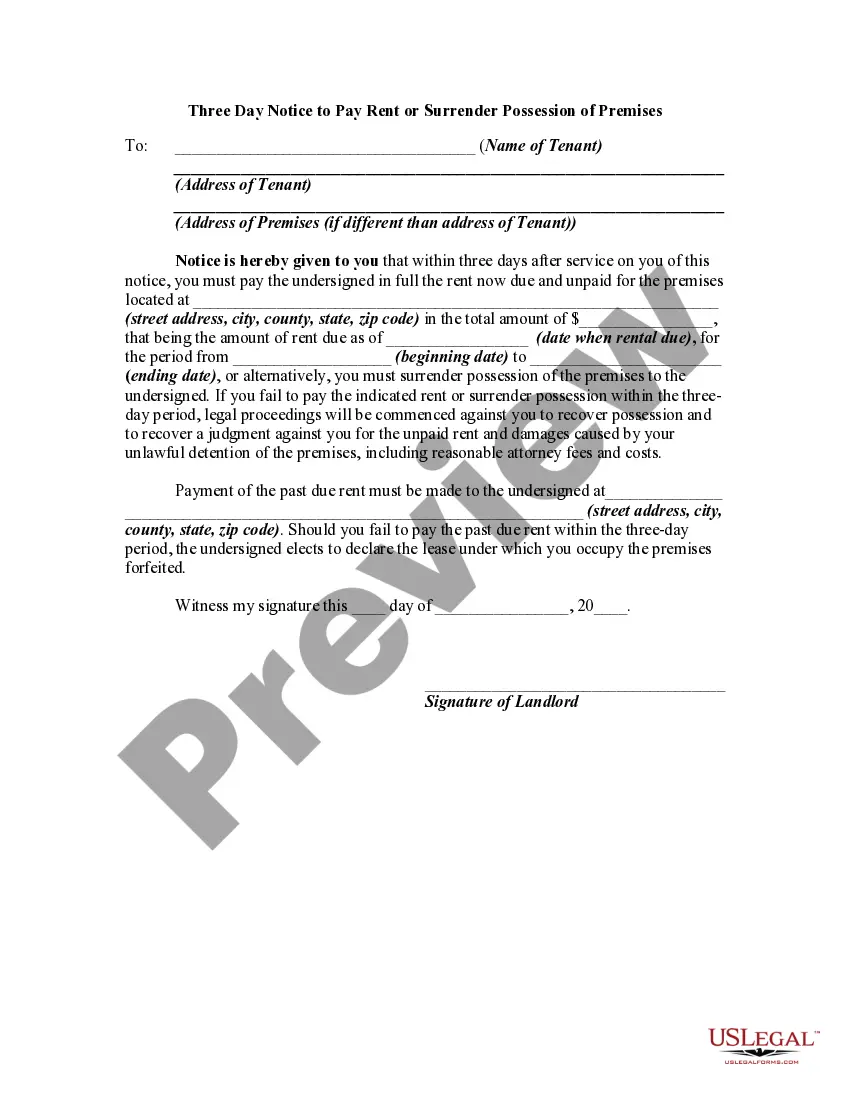
Notice Of Possession Hearing
Description

Get your form ready online
Our built-in tools help you complete, sign, share, and store your documents in one place.
Make edits, fill in missing information, and update formatting in US Legal Forms—just like you would in MS Word.
Download a copy, print it, send it by email, or mail it via USPS—whatever works best for your next step.
Sign and collect signatures with our SignNow integration. Send to multiple recipients, set reminders, and more. Go Premium to unlock E-Sign.
If this form requires notarization, complete it online through a secure video call—no need to meet a notary in person or wait for an appointment.
We protect your documents and personal data by following strict security and privacy standards.

Make edits, fill in missing information, and update formatting in US Legal Forms—just like you would in MS Word.

Download a copy, print it, send it by email, or mail it via USPS—whatever works best for your next step.

Sign and collect signatures with our SignNow integration. Send to multiple recipients, set reminders, and more. Go Premium to unlock E-Sign.

If this form requires notarization, complete it online through a secure video call—no need to meet a notary in person or wait for an appointment.

We protect your documents and personal data by following strict security and privacy standards.
Looking for another form?
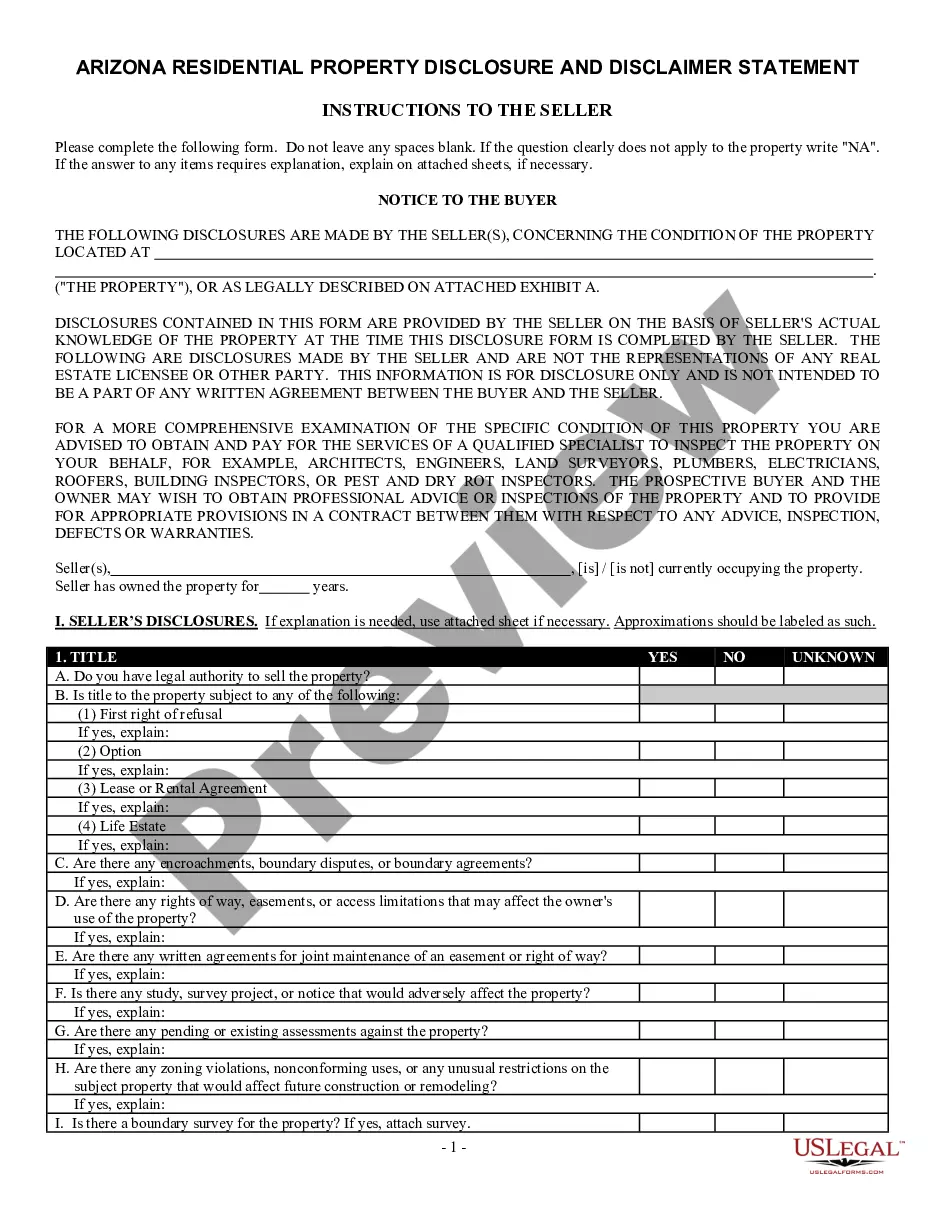

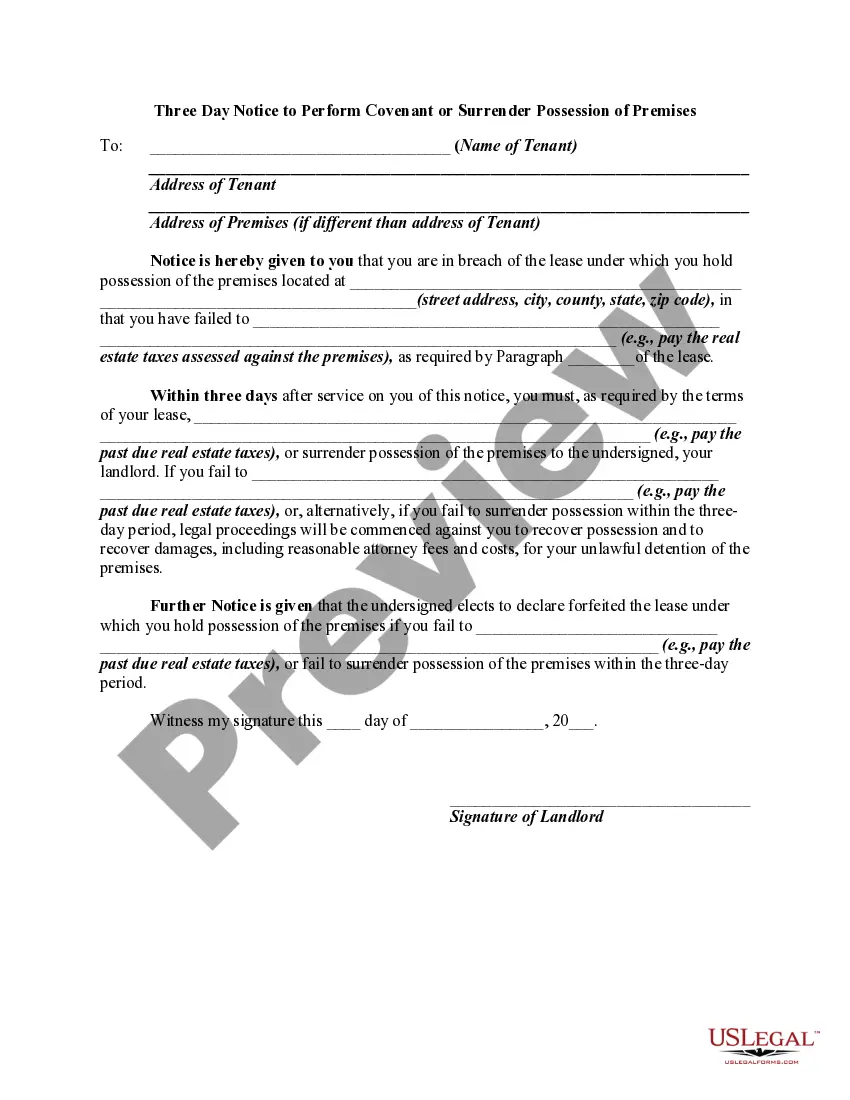
How to fill out Three Day Notice To Pay Rent Or Surrender Possession Of Premises - Vacate - Past Due Rent - Eviction?
Whether for corporate reasons or personal matters, everyone must deal with legal circumstances at some point in their lives.
Filling out legal documents requires meticulous care, starting with selecting the correct form template.
With an extensive US Legal Forms catalog available, you will never have to waste time searching for the suitable sample across the web. Utilize the library’s easy navigation to find the correct template for any circumstance.
- For example, if you select an incorrect version of the Notice Of Possession Hearing, it will be rejected once you submit it.
- Thus, it is crucial to obtain a trustworthy source of legal documents like US Legal Forms.
- If you need to acquire a Notice Of Possession Hearing template, follow these straightforward steps.
- Obtain the sample you require using the search bar or catalog navigation.
- Review the description of the form to ensure it aligns with your case, state, and county.
- Click on the preview of the form to examine it.
- If it is the incorrect form, return to the search feature to locate the Notice Of Possession Hearing template you require.
- Download the file if it meets your criteria.
- If you already possess a US Legal Forms account, click Log in to access previously saved templates in My documents.
- If you do not have an account yet, you may acquire the form by clicking Buy now.
- Select the appropriate pricing option.
- Complete the profile registration form.
- Choose your payment method: you can use a credit card or PayPal account.
- Select the file format you desire and download the Notice Of Possession Hearing.
- Once saved, you can fill out the form using editing applications or print it and complete it manually.
Form popularity
FAQ
Possession is about the right to occupy a property, whereas eviction is the legal process of removing someone from that property. A Notice of Possession Hearing is an integral part of the eviction process, serving as a formal notification to the tenant. Understanding this difference empowers you to address your situation effectively, whether you are a tenant or a landlord.
The three stages of eviction include the notice stage, the court stage, and the enforcement stage. Initially, the landlord must provide a notice to the tenant, often leading to a Notice of Possession Hearing. If the tenant does not comply, the case moves to court where a judgment is made. Finally, if the court rules in favor of the landlord, the eviction is enforced, which can be a complex process.
Eviction is the legal process through which a landlord removes a tenant from a property, while possession refers to the right to occupy that property. A Notice of Possession Hearing is an important part of the eviction process, as it allows landlords to formally reclaim possession after a legal ruling. Understanding this difference is crucial for both landlords and tenants to navigate their rights and responsibilities.
The three types of possession typically include actual possession, constructive possession, and legal possession. Actual possession refers to physically occupying the property, while constructive possession involves having legal control over it even if you are not present. Legal possession is established through a valid lease or ownership. Knowing these distinctions can clarify your rights during a Notice of Possession Hearing.
In California, a landlord cannot evict you immediately without following legal procedures. They must first obtain a possession order through the court system, which includes a Notice of Possession Hearing. Once the order is granted, you still have a specific timeframe to move out. Understanding these steps can help you navigate the eviction process more effectively.
After a possession order, you typically have five days to vacate the property. This period can vary based on local laws, but it generally gives you a brief window to make arrangements. If you do not leave by the deadline, a Notice of Possession Hearing may be issued, allowing the landlord to proceed with further legal actions. It's important to act quickly and understand your options.
Evicting a tenant in Connecticut can be a complex process, as it requires adherence to state laws and proper legal procedures. Landlords must serve a notice of possession hearing before filing for eviction in court. The tenant has the right to contest the eviction, and the court will ultimately decide based on the evidence presented. To simplify this process, landlords can leverage resources from uslegalforms to ensure they comply with all necessary legal requirements and procedures.
In Mississippi, landlords must follow specific procedures to evict a tenant, starting with providing a notice of possession hearing for non-payment of rent or lease violations. The landlord must file a complaint in court and attend the hearing, where the tenant can present their defense. If the court rules in favor of the landlord, they may obtain a judgment for possession, allowing them to proceed with the eviction process. Utilizing platforms like uslegalforms can help landlords understand and navigate these rules effectively.