Order Of Dismissal For Default Is Mcq
Description
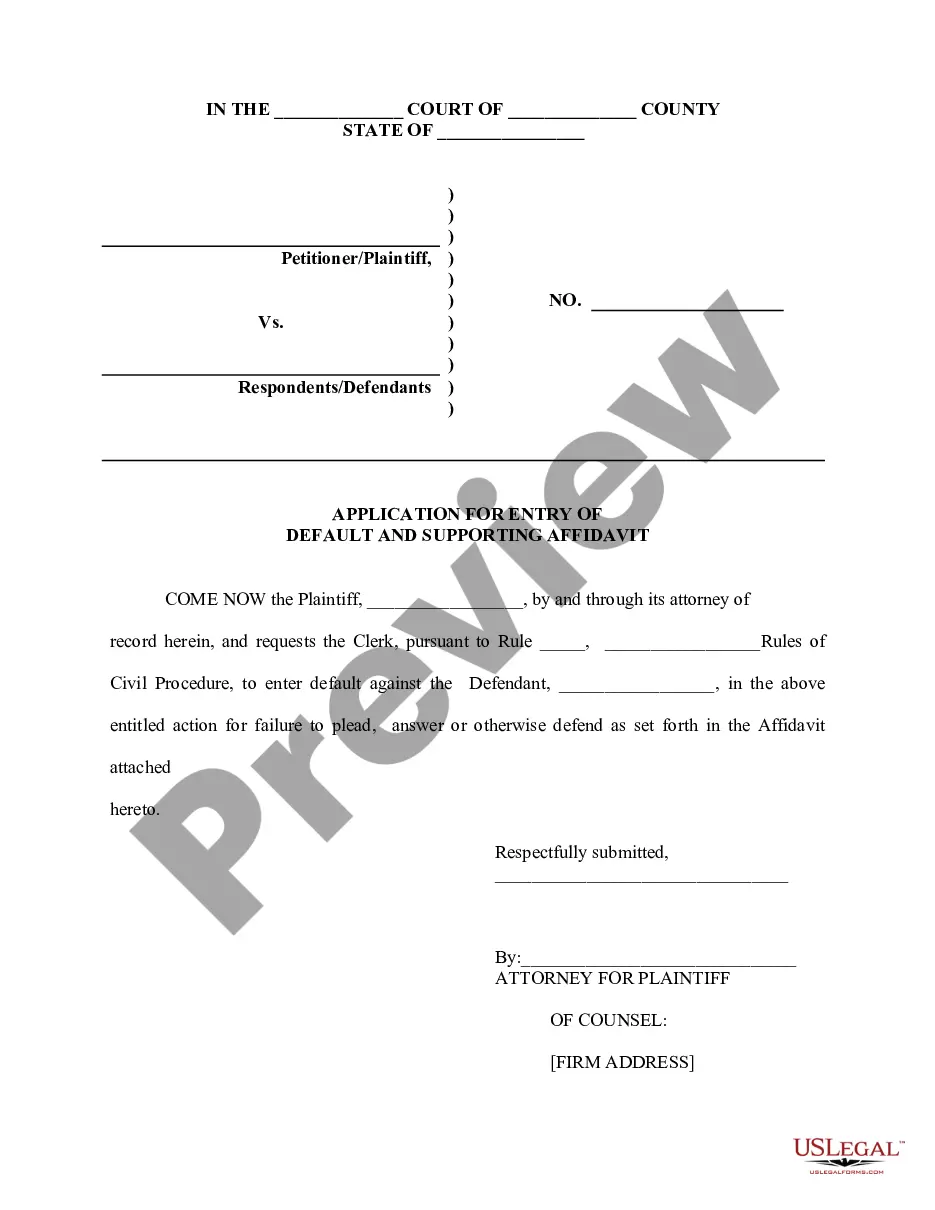
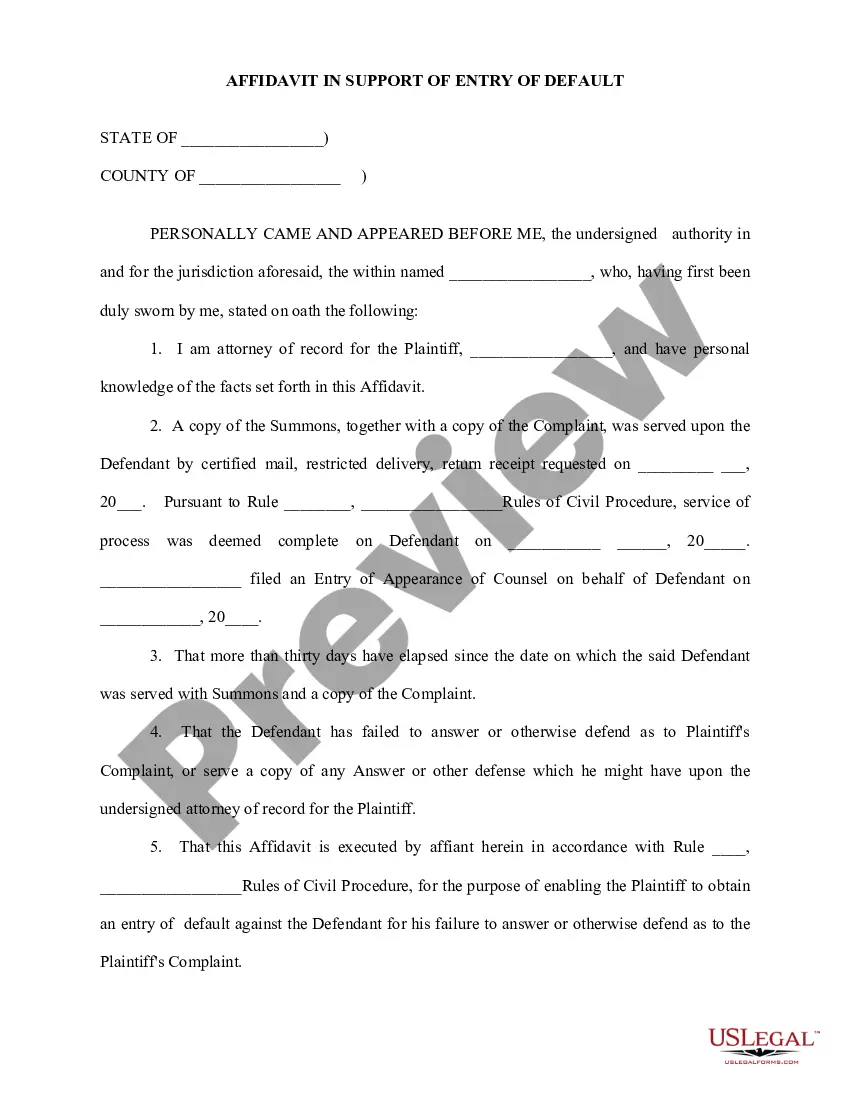
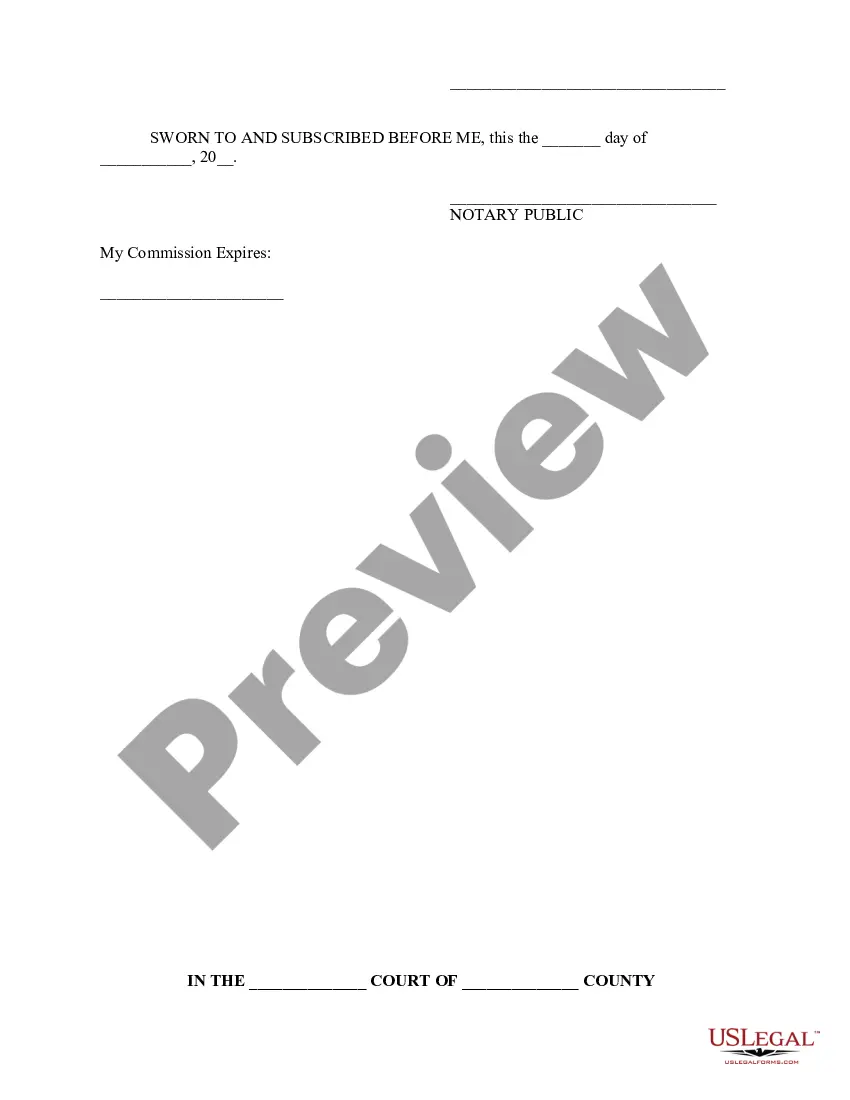
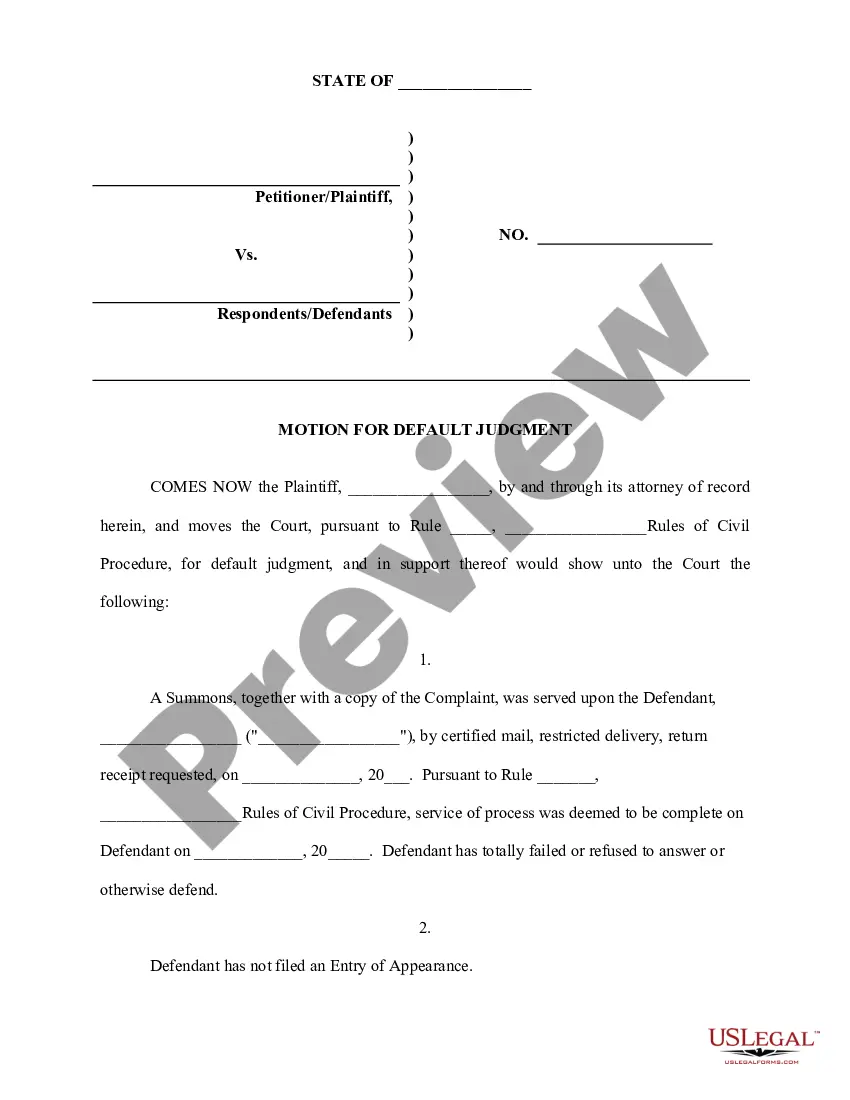
Get your form ready online
Our built-in tools help you complete, sign, share, and store your documents in one place.
Make edits, fill in missing information, and update formatting in US Legal Forms—just like you would in MS Word.
Download a copy, print it, send it by email, or mail it via USPS—whatever works best for your next step.
Sign and collect signatures with our SignNow integration. Send to multiple recipients, set reminders, and more. Go Premium to unlock E-Sign.
If this form requires notarization, complete it online through a secure video call—no need to meet a notary in person or wait for an appointment.
We protect your documents and personal data by following strict security and privacy standards.

Make edits, fill in missing information, and update formatting in US Legal Forms—just like you would in MS Word.

Download a copy, print it, send it by email, or mail it via USPS—whatever works best for your next step.

Sign and collect signatures with our SignNow integration. Send to multiple recipients, set reminders, and more. Go Premium to unlock E-Sign.

If this form requires notarization, complete it online through a secure video call—no need to meet a notary in person or wait for an appointment.

We protect your documents and personal data by following strict security and privacy standards.
Looking for another form?

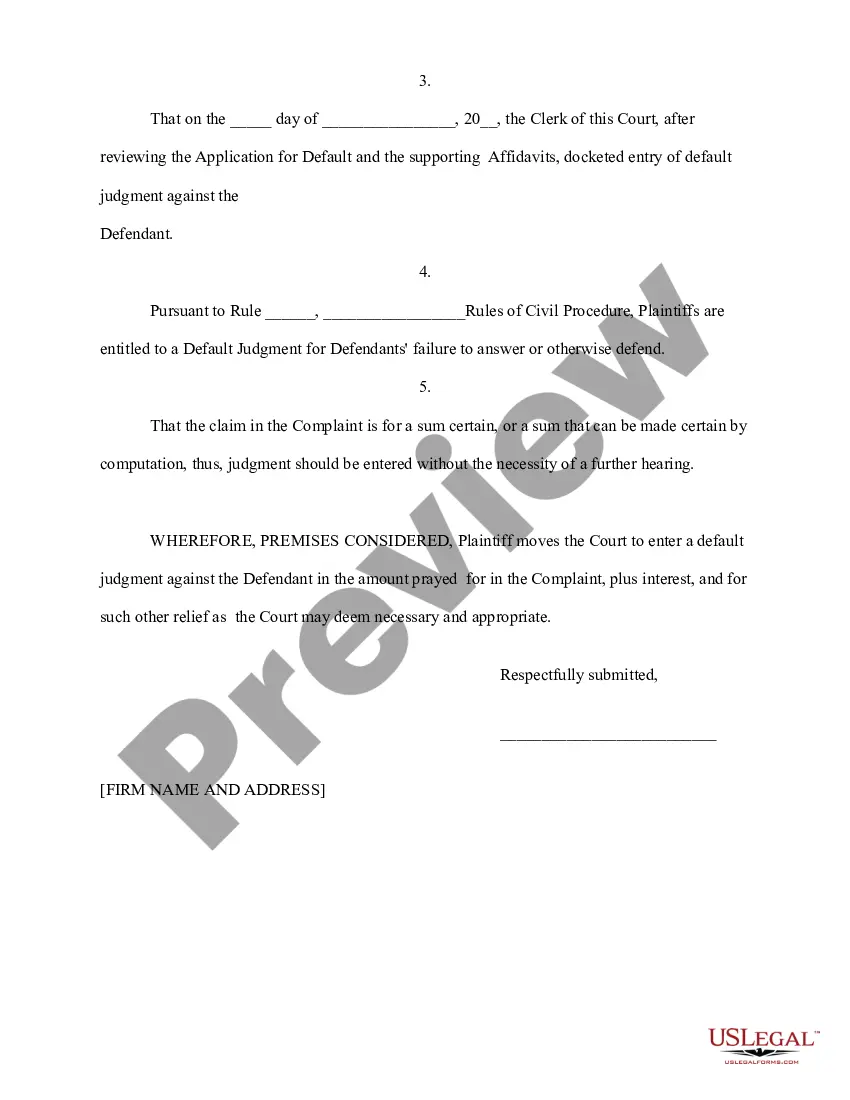
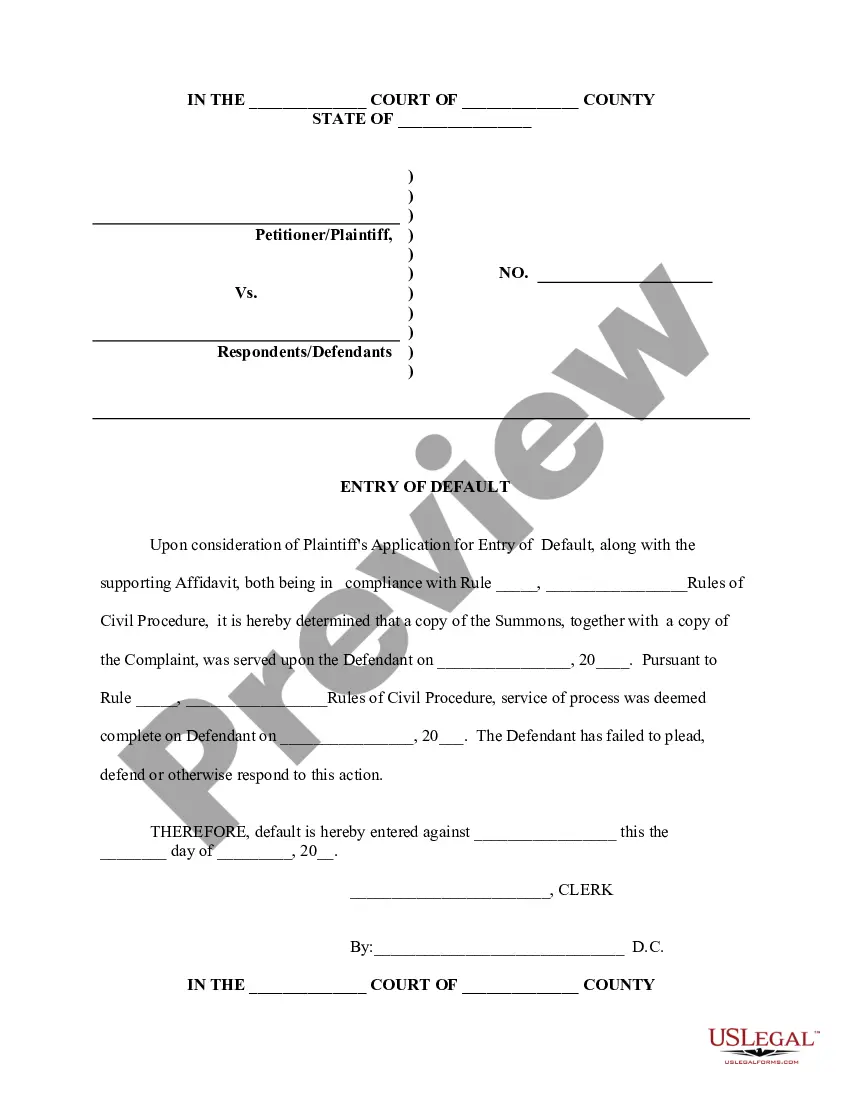
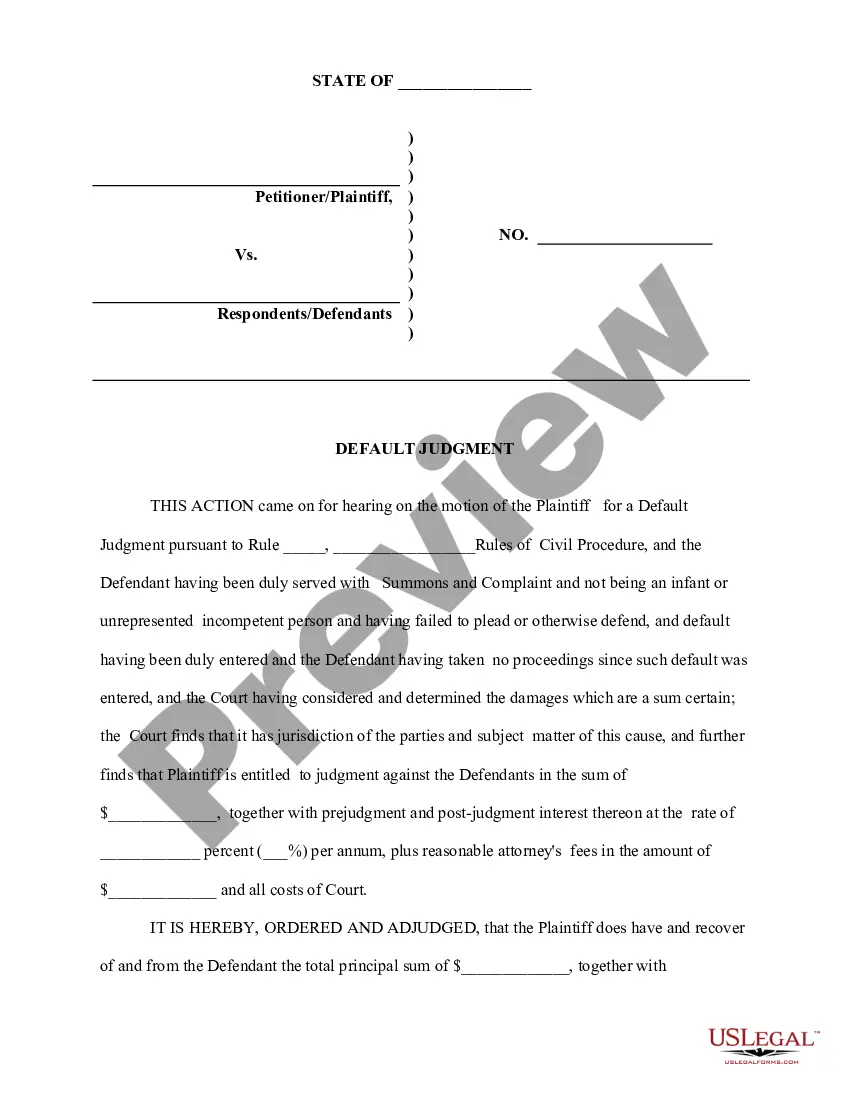
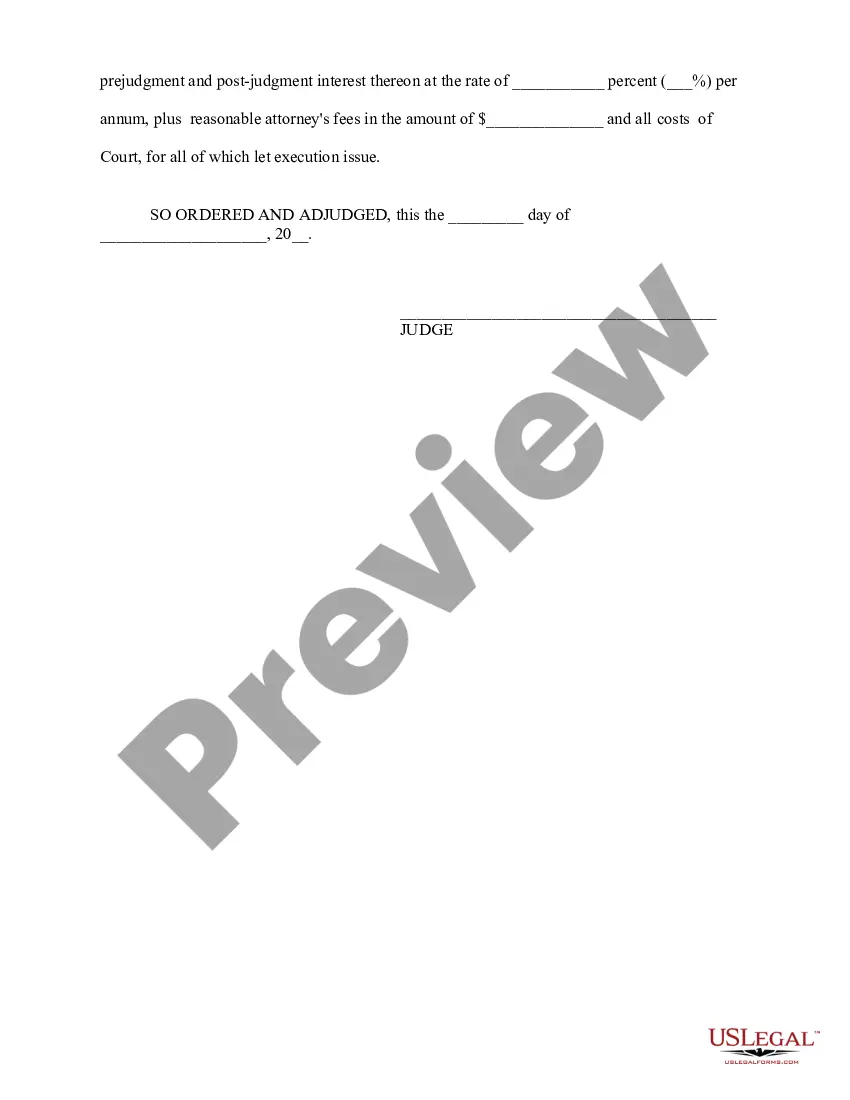
How to fill out Application For Entry Of Default - Affidavit - Motion - Entry Of Default - Default Judgment?
The Order of Dismissal for Default is a versatile formal template created by expert attorneys in compliance with federal and local regulations.
For over 25 years, US Legal Forms has supplied individuals, businesses, and legal practitioners with more than 85,000 verified, jurisdiction-specific documents for any business or personal situation. It’s the fastest, easiest, and most reliable method to acquire the paperwork you require, as the service ensures bank-grade data security and anti-malware safeguards.
Register with US Legal Forms to have verified legal templates for every situation in life at your fingertips.
- Search for the document you require and review it.
- Browse through the file you searched and preview it or examine the form description to confirm it meets your needs. If it doesn't, utilize the search feature to find the correct one. Click Buy Now once you identify the template you wish to obtain.
- Create an account and sign in.
- Choose the subscription plan that fits you best and register for an account. Use PayPal or a credit card for a swift payment process. If you already possess an account, Log In and review your subscription to proceed.
- Acquire the editable template.
- Choose the format you prefer for your Order of Dismissal for Default (PDF, DOCX, RTF) and download the sample to your device.
- Complete and sign the documents.
- Print the template for manual completion. Alternatively, use an online multi-functional PDF editor to quickly and accurately complete and sign your form with a valid signature.
- Re-download your documents as needed.
- Make use of the same document again at any time. Access the My documents tab in your account to redownload any forms you’ve previously saved.
Form popularity
FAQ
One way to think about personal jurisdiction is to ask the following question: ?What right does a court have to determine the rights of the parties involved in the action?? In other words, the question of whether a court has personal jurisdiction over a person involves the question as to whether it would be fair for ...
Conclusive determination For this very reason, provisional decisions like interlocutory orders do not fall under the ambit of ?decree? under the CPC. Similarly, an order partly deciding on and partly remitting some issues to the trial court for determination is also not a decree.
Personal jurisdiction refers to the power that a court has to make a decision regarding the party being sued in a case. Before a court can exercise power over a party, the U.S. Constitution requires that the party has certain minimum contacts with the forum in which the court sits.
To determine whether a defendant has minimum contacts with the forum state to justify an exercise of personal jurisdiction, the court looks to two things: 1) whether the defendant purposefully availed himself to the forum state and 2) whether the exercise of jurisdiction by the forum state would be foreseeable.
Default by plaintiff:- Order IX, Rule 8, lays down that if the defendant appears and the plaintiff does not appear when the suit is called on for hearing, the Court shall make an order dismissing the suit, unless the claim is admitted wholly or in part, in which case the claim shall be decreed only to the extent to ...