Order For Default Judgement
Description
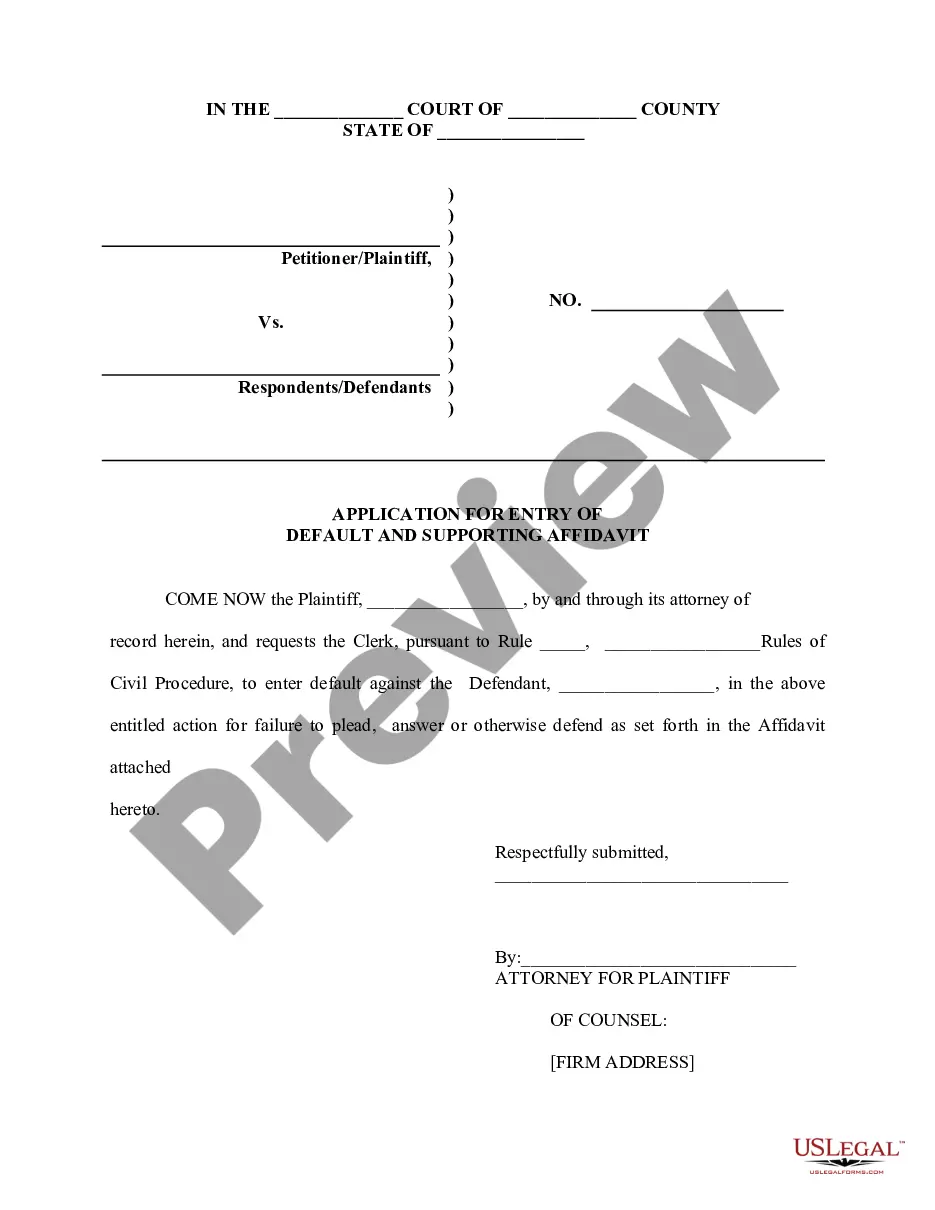
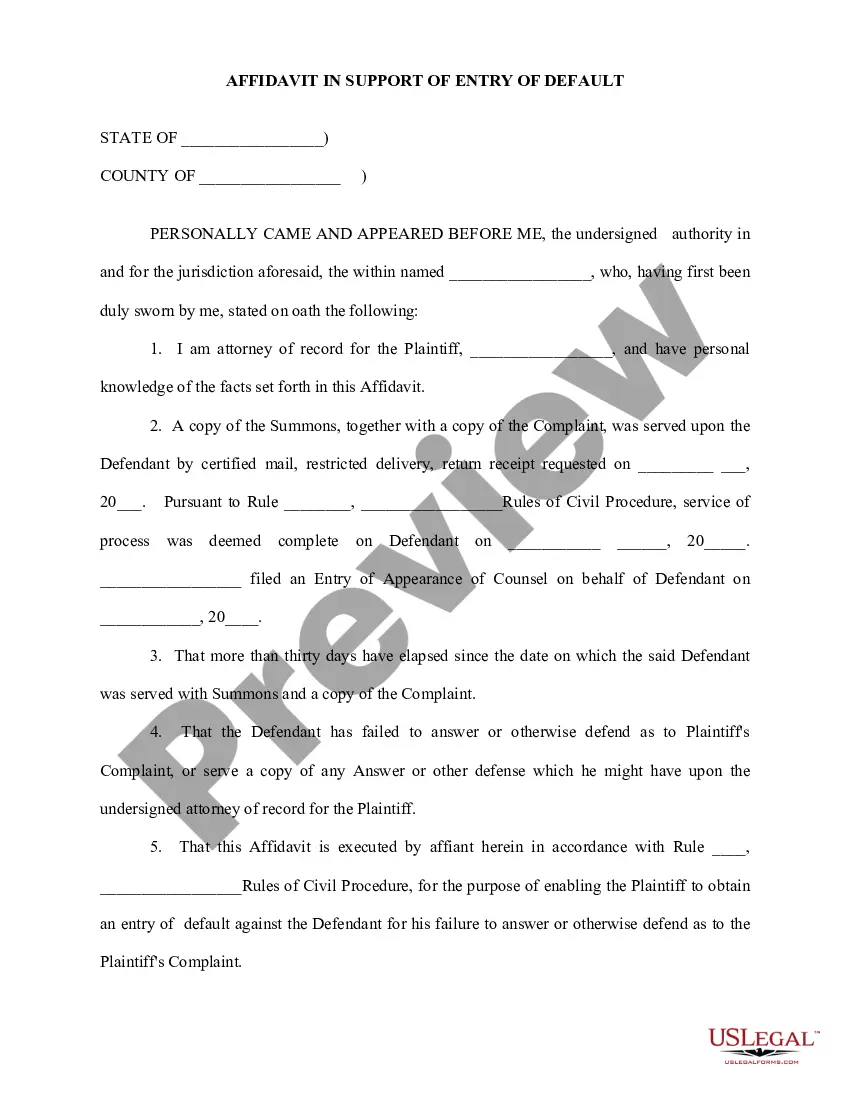
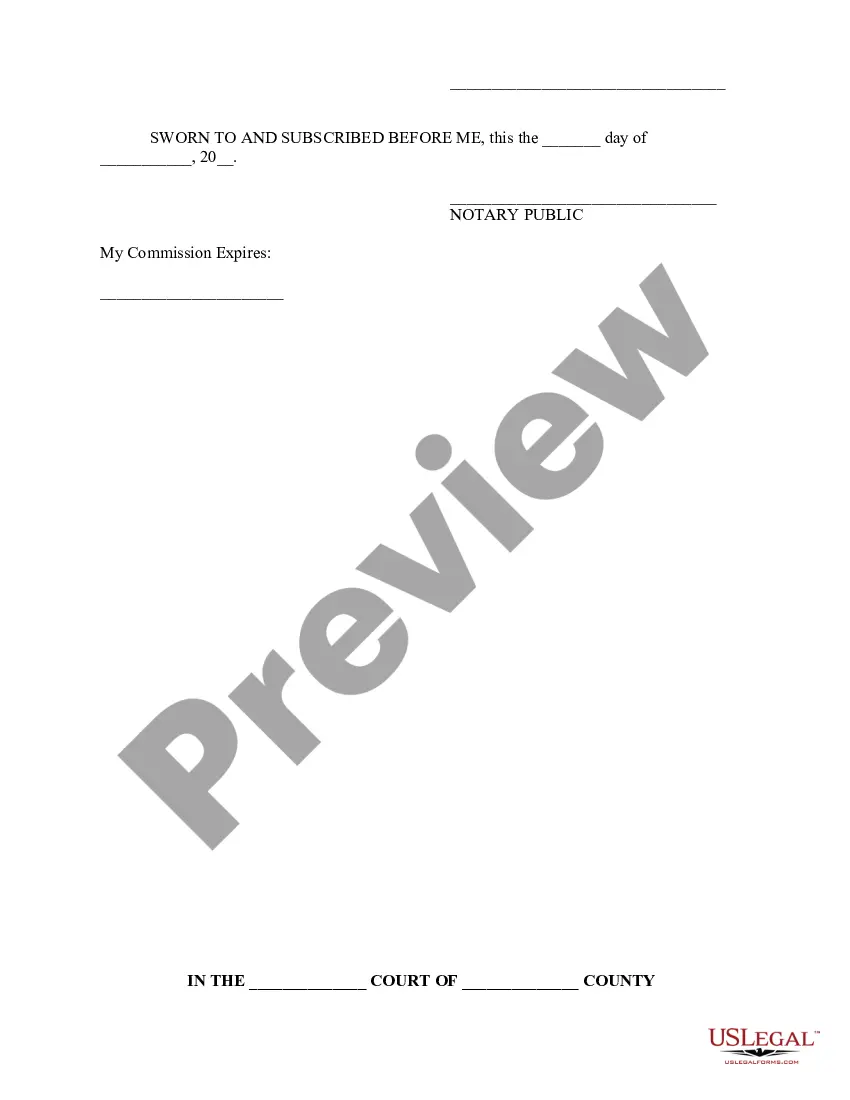
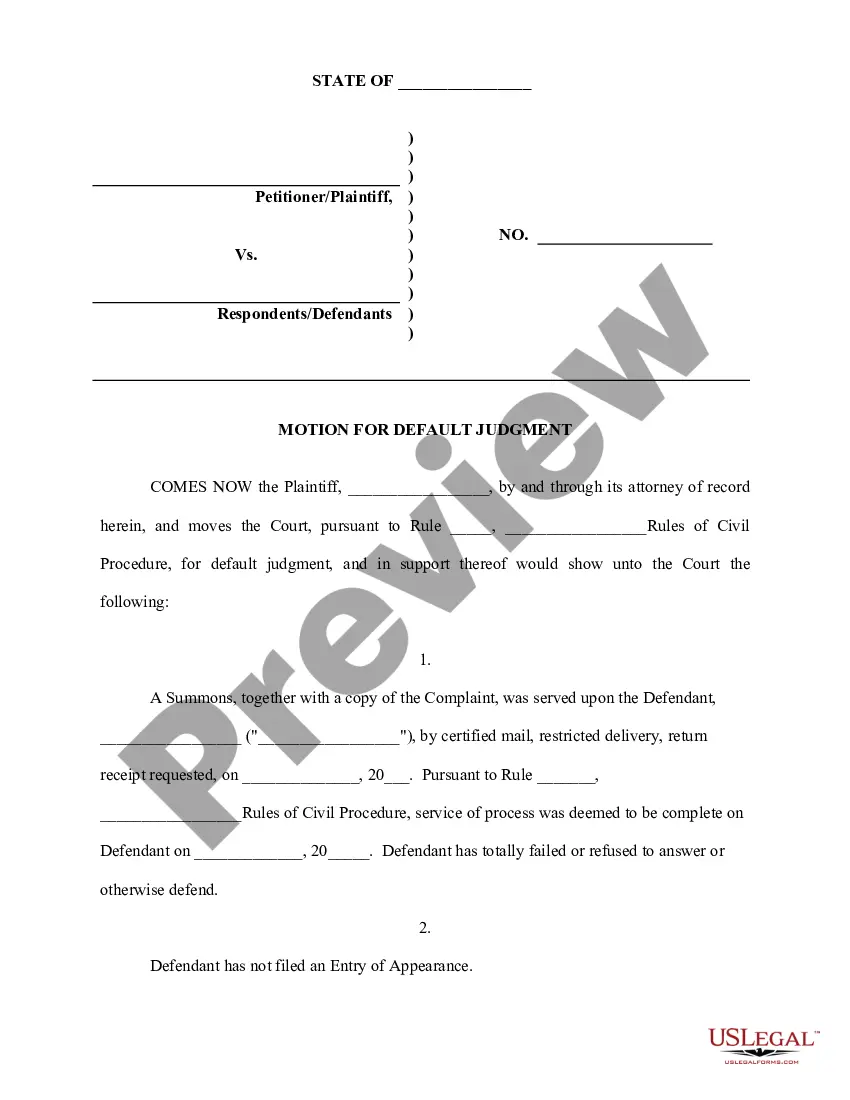
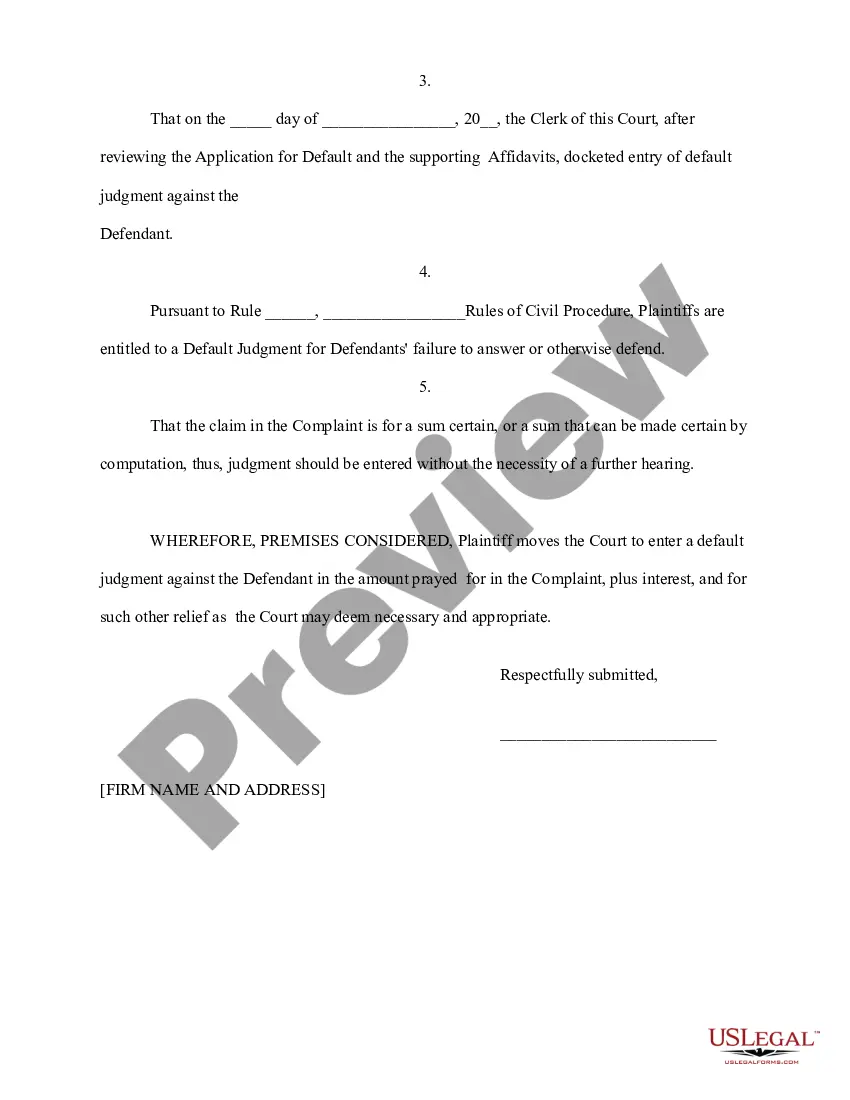
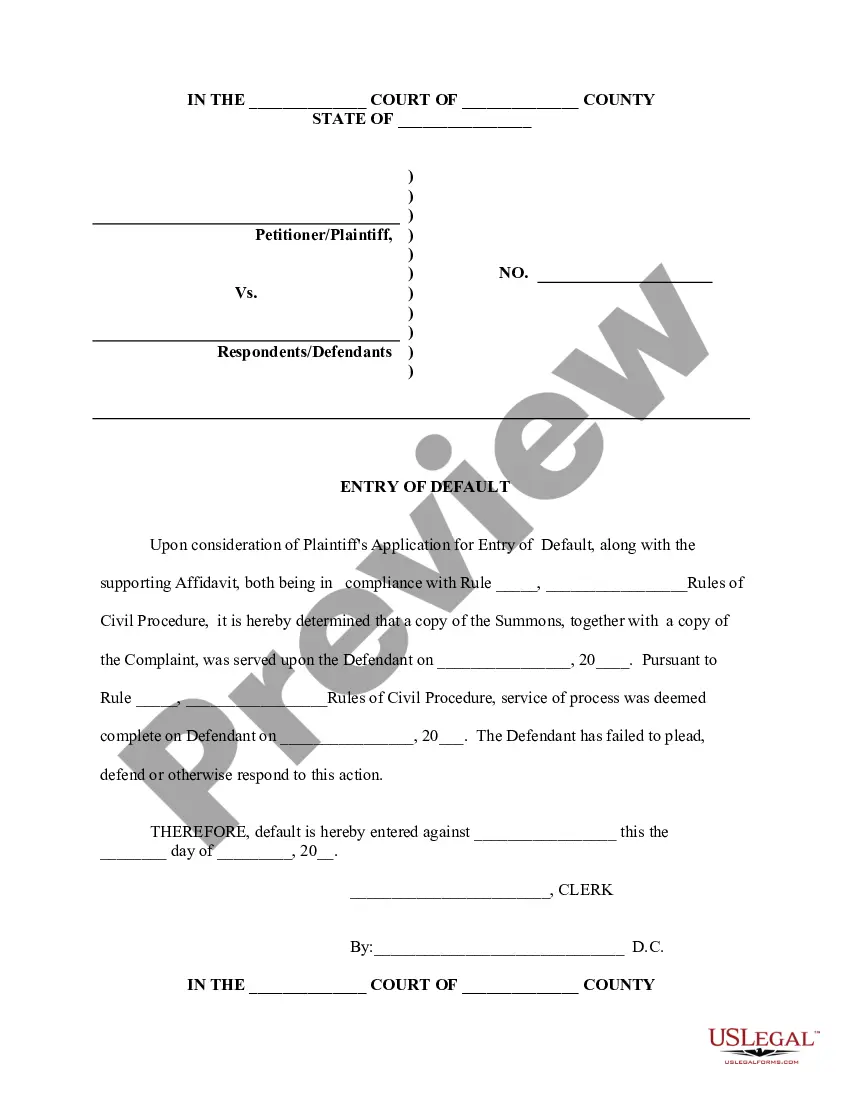
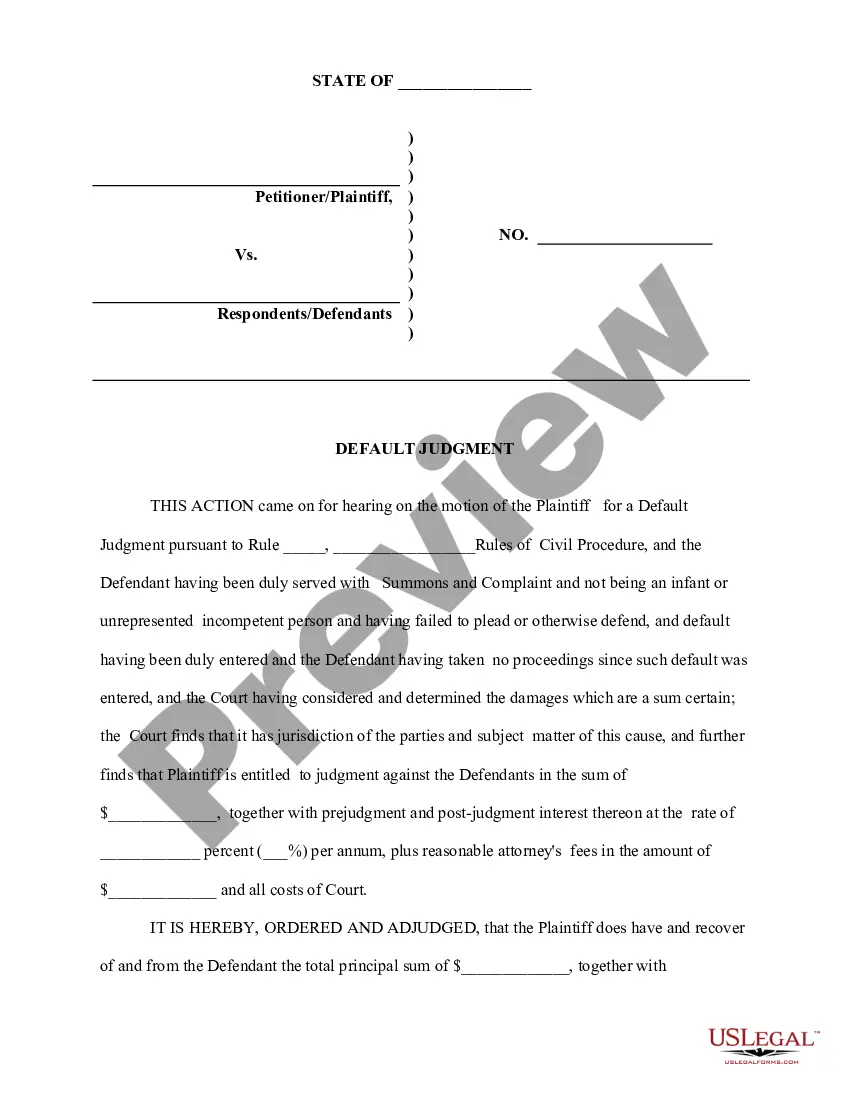
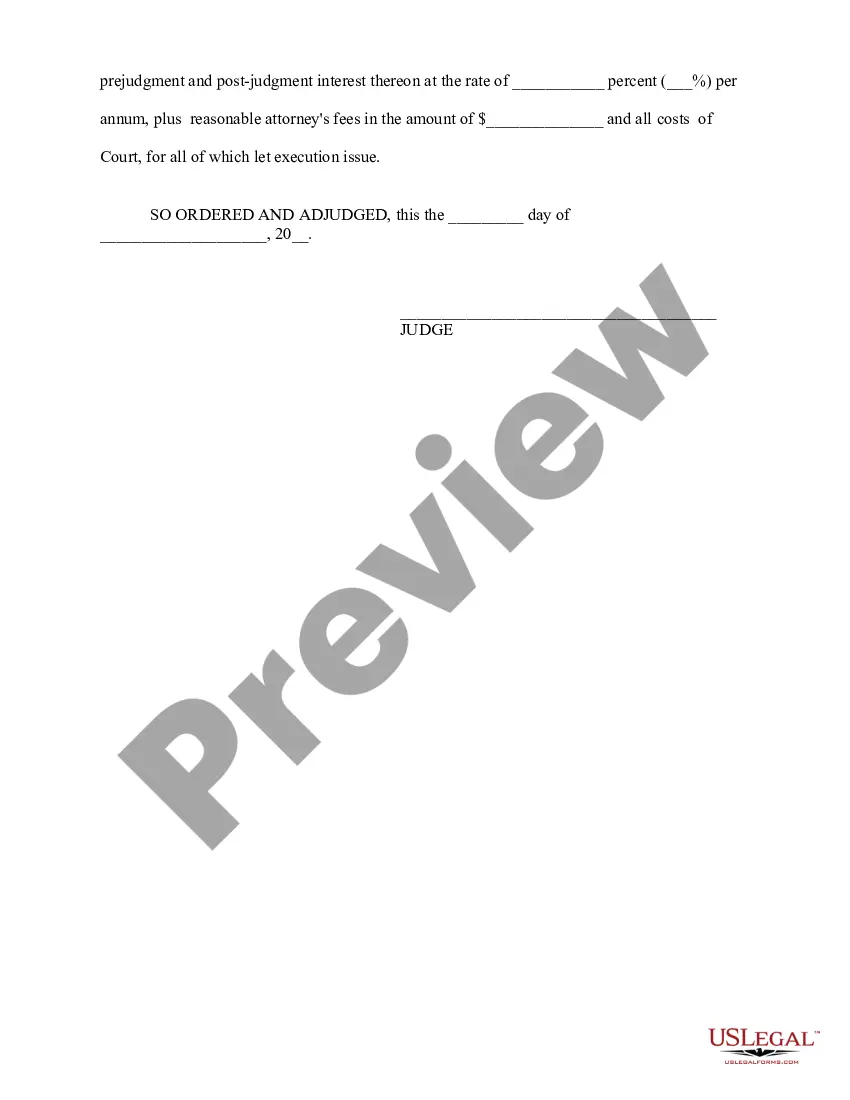
Get your form ready online
Our built-in tools help you complete, sign, share, and store your documents in one place.
Make edits, fill in missing information, and update formatting in US Legal Forms—just like you would in MS Word.
Download a copy, print it, send it by email, or mail it via USPS—whatever works best for your next step.
Sign and collect signatures with our SignNow integration. Send to multiple recipients, set reminders, and more. Go Premium to unlock E-Sign.
If this form requires notarization, complete it online through a secure video call—no need to meet a notary in person or wait for an appointment.
We protect your documents and personal data by following strict security and privacy standards.

Make edits, fill in missing information, and update formatting in US Legal Forms—just like you would in MS Word.

Download a copy, print it, send it by email, or mail it via USPS—whatever works best for your next step.

Sign and collect signatures with our SignNow integration. Send to multiple recipients, set reminders, and more. Go Premium to unlock E-Sign.

If this form requires notarization, complete it online through a secure video call—no need to meet a notary in person or wait for an appointment.

We protect your documents and personal data by following strict security and privacy standards.
Looking for another form?

How to fill out Application For Entry Of Default - Affidavit - Motion - Entry Of Default - Default Judgment?
Legal documentation handling can be perplexing, even for the most seasoned professionals.
When you are looking for a Default Judgment Order and lack the time to fully invest in finding the suitable and current version, the tasks might be challenging.
US Legal Forms addresses any needs you may have, ranging from personal to business documents, all consolidated in one location.
Utilize advanced tools to complete and manage your Default Judgment Order.
Here are the steps to follow after securing the form you require: Confirm this is the correct form by viewing it and perusing its details.
- Access a valuable resource hub of articles, guides, and manuals pertinent to your circumstances and needs.
- Save time and effort searching for the required documents and leverage US Legal Forms’ enhanced search and Preview feature to obtain Default Judgment Order and download it.
- If you have a monthly subscription, Log In to your US Legal Forms account, search for the form, and download it.
- Check your My documents tab to review the documents you have previously saved and to manage your folders as desired.
- If this is your first experience with US Legal Forms, create an account to unlock unrestricted access to all library benefits.
- A robust online form directory could be transformative for anyone aiming to navigate these situations efficiently.
- US Legal Forms is a front-runner in online legal documentation, boasting over 85,000 state-specific legal forms available at any moment.
- With US Legal Forms, you can access legal and business documents specific to your state or county.
Form popularity
FAQ
Rule 12 details the procedures for responding to civil actions in court, including provisions for default judgments. Under this rule, a plaintiff must provide adequate notice to the defendant, and if the defendant fails to respond, the plaintiff may file for an order for default judgment. Understanding this rule is essential for anyone navigating the complexities of the legal system.
Evidence for default judgment typically includes documentation that demonstrates the defendant's lack of response, as well as any supporting material that backs the claims made in the complaint. This can involve contracts, invoices, or affidavits that substantiate your case. Gathering strong evidence is crucial for a successful order for default judgment to persuade the court of your position.
A default judgment can be denied for several reasons, such as insufficient evidence, procedural errors, or the defendant successfully showing that they did not receive proper notice of the lawsuit. Without a valid reason, the court may dismiss the motion for an order for default judgment. Therefore, it is vital to prepare a thorough and accurate motion to increase your chances of success.
A motion for default judgment is a formal request to the court seeking a ruling in favor of one party when the opposing party fails to respond or appear in court. In the context of an order for default judgment, this motion outlines the grounds for the request and any relevant evidence to support it. It is essential to follow the proper legal procedures to ensure the motion is valid and serves its purpose.
One major disadvantage of default judgment is that it may not reflect the true merits of the case since the defendant did not have the opportunity to present their side. Additionally, once a default judgment is issued, it can be difficult to contest or set aside, leading to long-term consequences like wage garnishment or property liens. Being aware of these risks can help you take timely action if faced with a lawsuit.
To obtain a default judgment, a plaintiff typically needs to provide proof of service, meaning evidence that the defendant was properly notified of the lawsuit. Additionally, the plaintiff should present evidence supporting their claims, such as contracts or bills that substantiate the amount owed. Gathering these documents is crucial for a successful order for default judgment.
Another example of default judgment is when a tenant does not respond to an eviction notice. If the landlord files for eviction and the tenant does not appear in court or file any defense, the court may rule in favor of the landlord by issuing a default judgment. This highlights the importance of responding to legal notices promptly.
A common example of a default judgment occurs when a defendant does not respond to a lawsuit within the specified time. For instance, if someone fails to appear in court after receiving a summons for an unpaid debt, the court may issue a default judgment against them. Understanding this can help you avoid such situations by knowing when to respond and how to contest if necessary.