Assault And Criminal Force Difference
Description




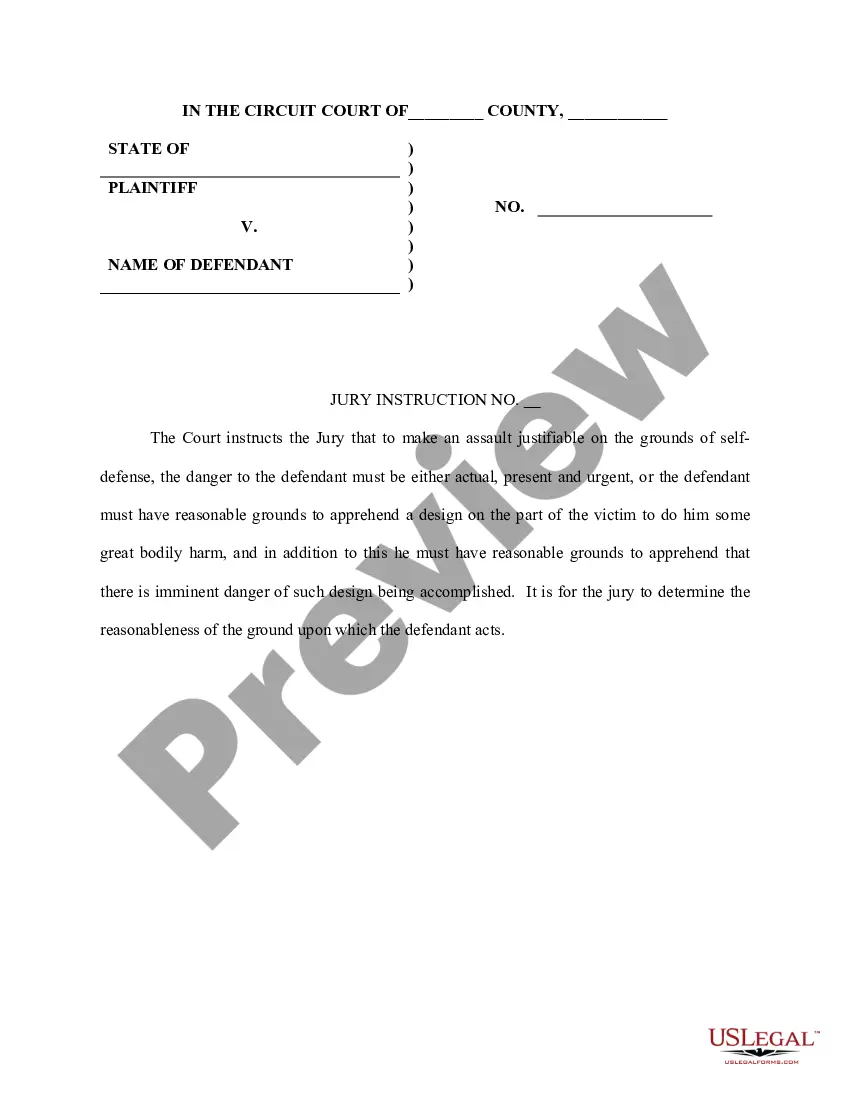
How to fill out Self-Defense - Assault?
Securing a reliable location to obtain the most up-to-date and pertinent legal templates is a significant part of dealing with bureaucracy.
Selecting the appropriate legal documents requires accuracy and careful consideration, which is why it's essential to source Assault And Criminal Force Difference samples exclusively from trustworthy providers, such as US Legal Forms. An incorrect template can squander your time and prolong your current situation. With US Legal Forms, you have minimal concerns.
Eliminate the hassle associated with your legal paperwork. Browse the extensive US Legal Forms collection to discover legal templates, assess their relevance to your circumstances, and download them immediately.
- Utilize the library navigation or search bar to locate your template.
- Examine the document details to verify its compliance with your state's and area's regulations.
- If available, check the form preview to ensure the template aligns with your needs.
- If the Assault And Criminal Force Difference does not meet your criteria, return to the search to find the appropriate document.
- Once you are certain of the form's applicability, proceed to download it.
- If you are an authorized user, click Log in to verify your identity and access your selected templates in My documents.
- If you lack a profile, click Buy now to purchase the form.
- Choose the pricing option that fits your needs.
- Continue to the registration process to complete your purchase.
- Finalize your purchase by choosing a payment method (credit card or PayPal).
- Select the document format for downloading Assault And Criminal Force Difference.
- After acquiring the form on your device, you may modify it using the editor or print it for manual completion.
Form popularity
FAQ
Hear this out loud PauseIn simple hurt, the injuries caused are bodily pain, disease, infirmity, etc. In grievous hurt, the injuries arecaused to the body's essential organs like the eye, Ear, joints, permanent face or head disfiguration, fracture, etc. Simple hurt is non-cognizable and bailable. Grievous hurt is cognizable, bailable.
Hear this out loud Pause?Any hurt which endangers life or which causes the sufferer to be during the space of twenty days in severe bodily pain, or unable to follow his ordinary pursuits.
Hear this out loud PauseIn every case of criminal force there is a physical contact but in case of assault there is no physical contact between accused and victim. Though there is a slight difference between assault and criminal force, the Indian Penal Code prescribes similar punishments for both these offences.
The following kinds of hurt only are designated as ?grievous?: Emasculation. Permanent privation of the sight of either eye. Permanent privation of the hearing of either ear.
Hear this out loud PauseCriminal Law Battery is an unlawful application of force directly or indirectly upon another person or their personal belongings, causing bodily injury or offensive contact.