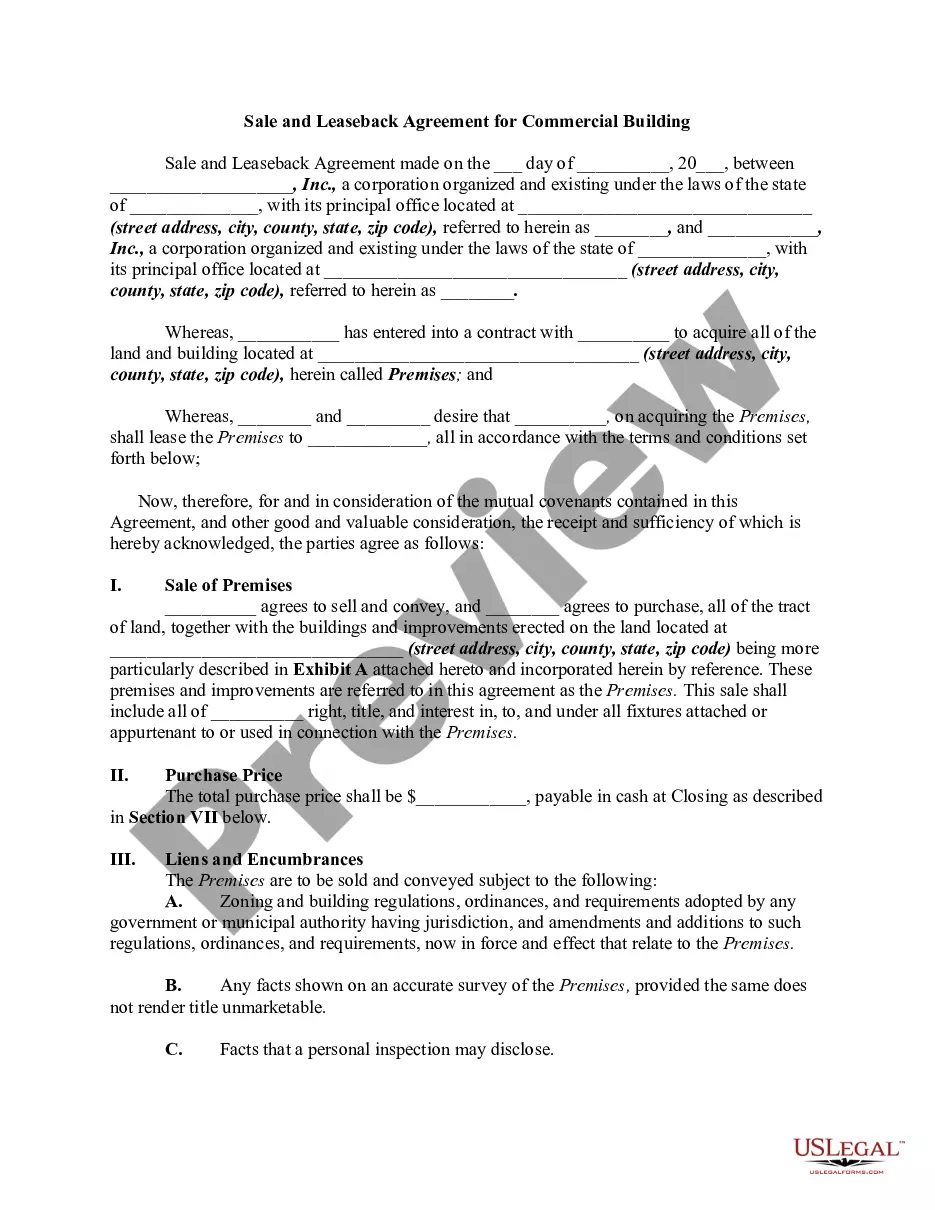
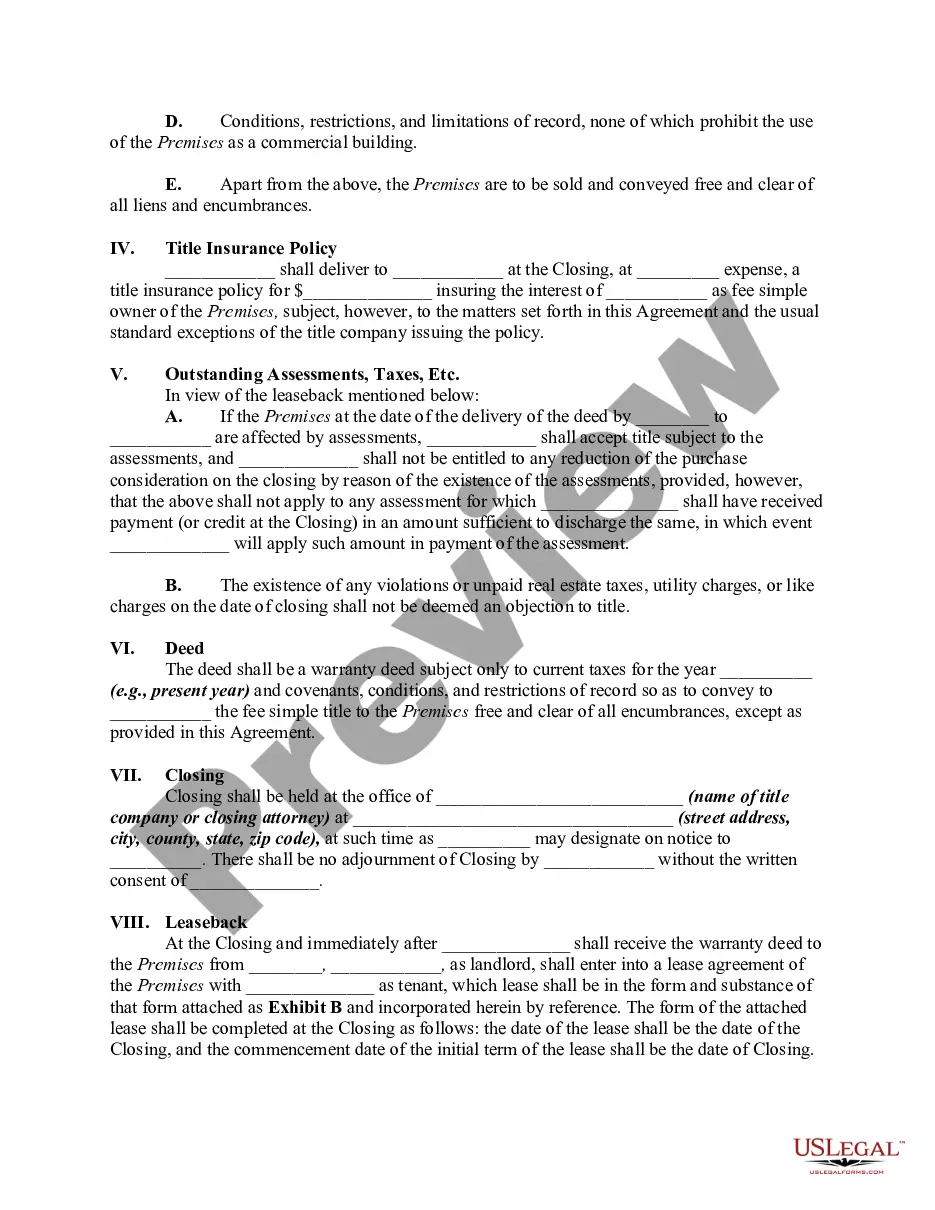
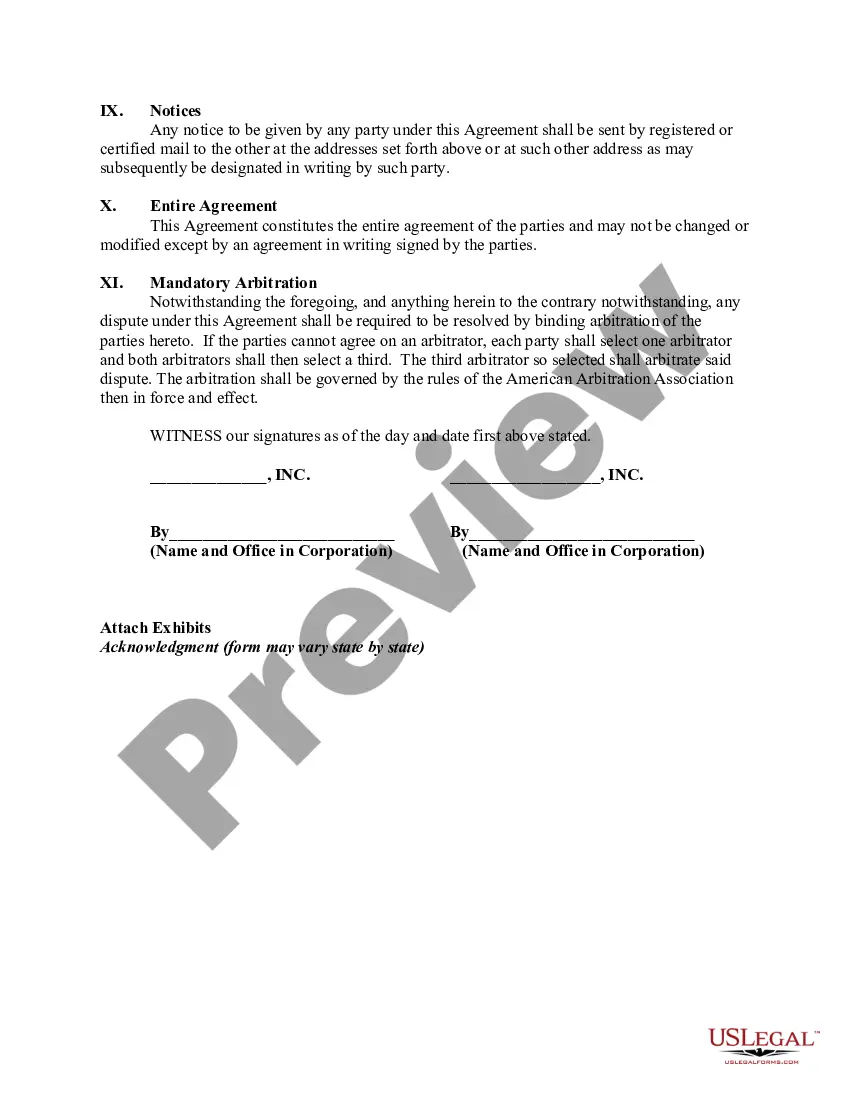
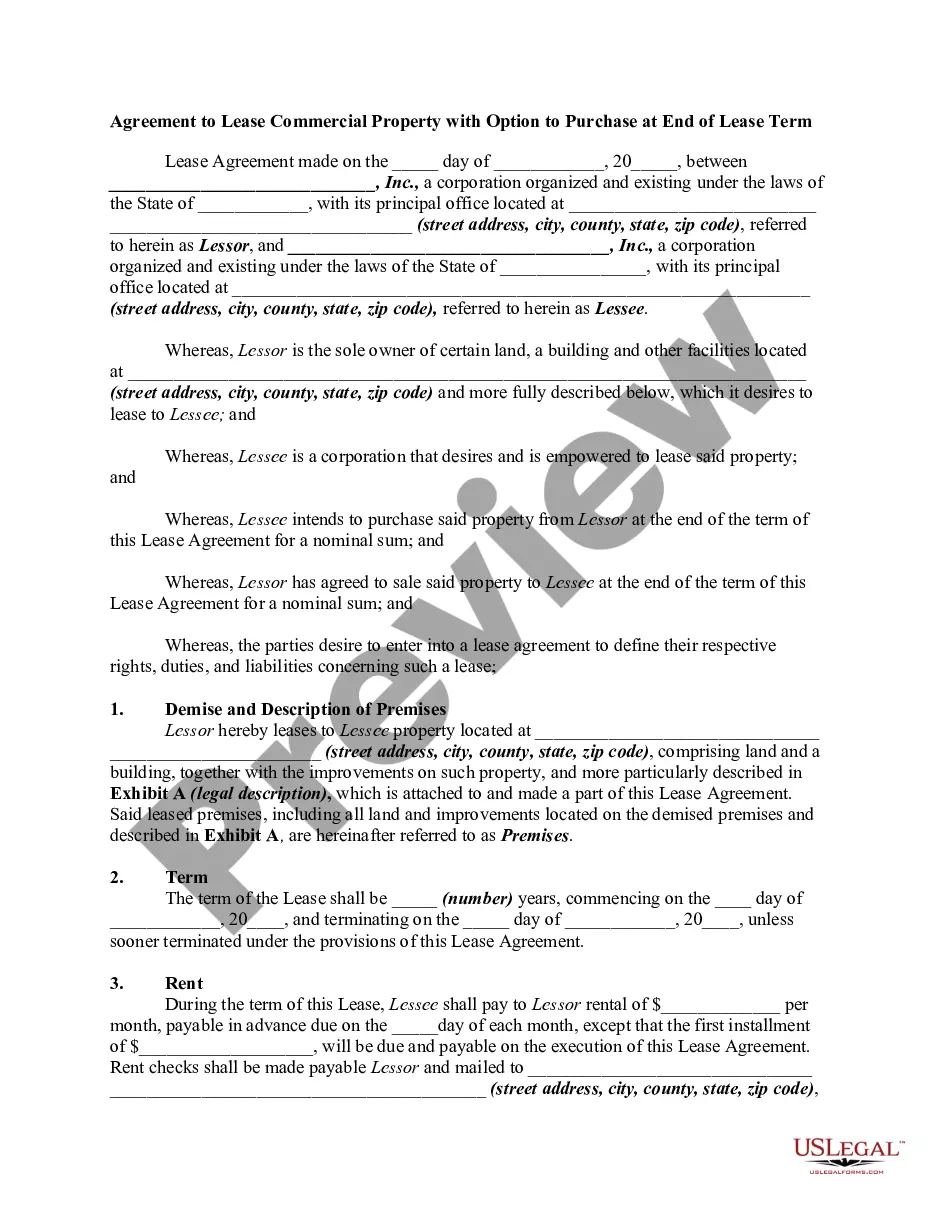
Residential Leaseback Agreement Template With Example
Description
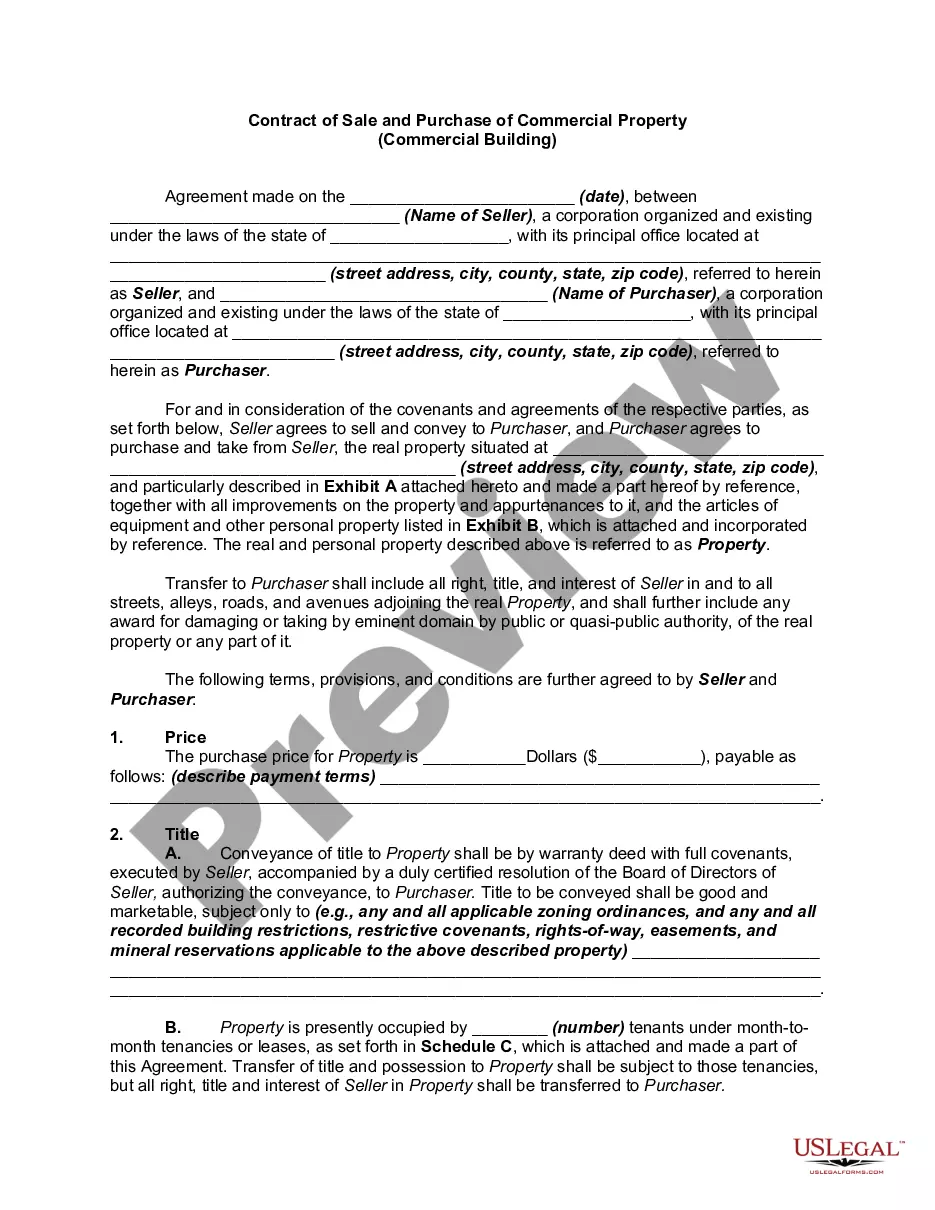
Get your form ready online
Our built-in tools help you complete, sign, share, and store your documents in one place.
Make edits, fill in missing information, and update formatting in US Legal Forms—just like you would in MS Word.
Download a copy, print it, send it by email, or mail it via USPS—whatever works best for your next step.
Sign and collect signatures with our SignNow integration. Send to multiple recipients, set reminders, and more. Go Premium to unlock E-Sign.
If this form requires notarization, complete it online through a secure video call—no need to meet a notary in person or wait for an appointment.
We protect your documents and personal data by following strict security and privacy standards.

Make edits, fill in missing information, and update formatting in US Legal Forms—just like you would in MS Word.

Download a copy, print it, send it by email, or mail it via USPS—whatever works best for your next step.

Sign and collect signatures with our SignNow integration. Send to multiple recipients, set reminders, and more. Go Premium to unlock E-Sign.

If this form requires notarization, complete it online through a secure video call—no need to meet a notary in person or wait for an appointment.

We protect your documents and personal data by following strict security and privacy standards.
Looking for another form?
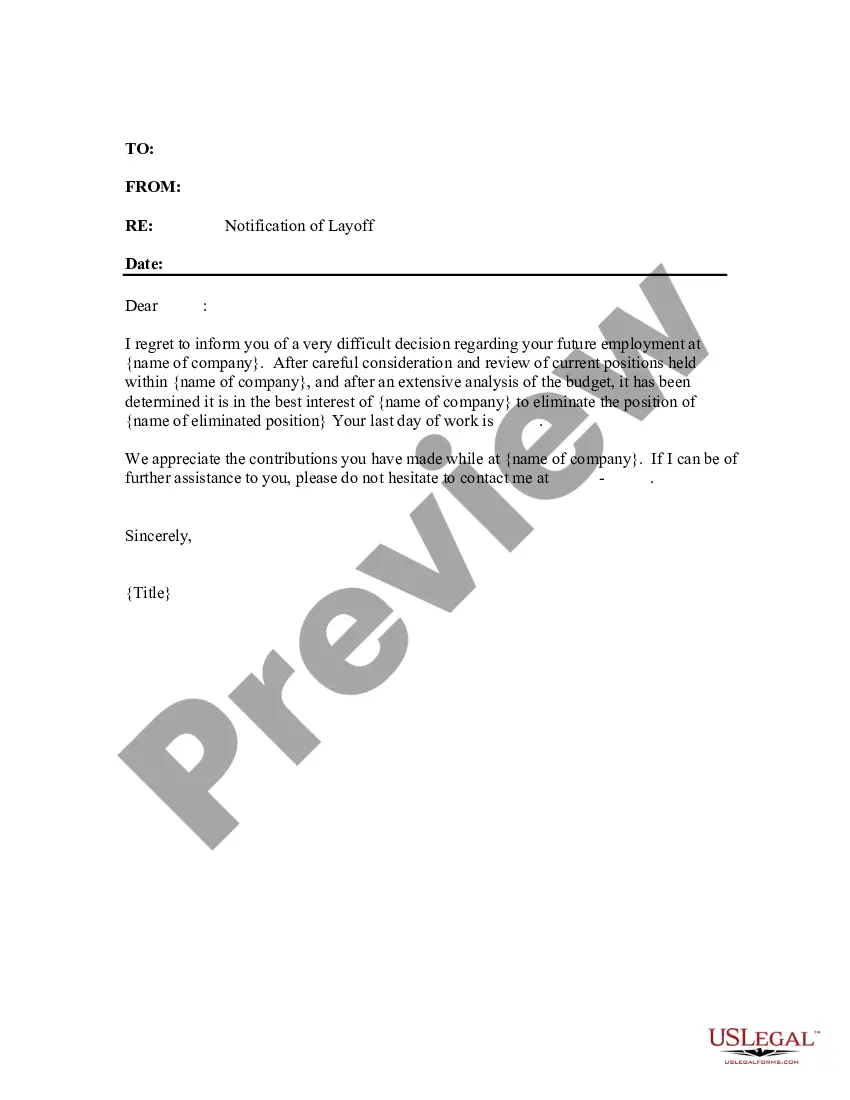



How to fill out Sale And Leaseback Agreement For Commercial Building?
Legal administration may be perplexing, even for experienced experts.
When you are looking for a Residential Leaseback Agreement Template With Example and don’t get the opportunity to invest time searching for the right and updated version, the processes can be stressful.
US Legal Forms meets any requirements you might have, from personal to business documentation, all in one location.
Utilize advanced tools to generate and manage your Residential Leaseback Agreement Template With Example.
Here are the steps to follow after obtaining the needed form: Confirm it is the right template by previewing it and reading through its details.
- Access a library of articles, guides, and materials pertinent to your situation and needs.
- Conserve effort and time searching for the documents you need, and use US Legal Forms’ enhanced search and Review feature to locate Residential Leaseback Agreement Template With Example and obtain it.
- If you hold a membership, Log In to your US Legal Forms account, look for the form, and download it.
- Check your My documents tab to review the documents you previously acquired and manage your folders as you prefer.
- If this is your first experience with US Legal Forms, create a free account and enjoy unlimited access to all the platform's advantages.
- A robust online form directory could be transformative for anyone wishing to manage these matters effectively.
- US Legal Forms is a market leader in online legal documentation, offering over 85,000 state-specific legal templates available anytime.
- With US Legal Forms, you can access specific state or county legal and business forms.
Form popularity
FAQ
Yes, you can create your own tenancy agreement, but it is important to ensure it meets legal standards. Utilize a residential leaseback agreement template with example as a guide, ensuring you cover essential elements like payment terms and property obligations. By doing so, you can avoid common pitfalls and create a balanced agreement that serves both parties well.
Properly filling out a lease agreement requires attention to detail and clarity. Start by utilizing a residential leaseback agreement template with example to understand the required sections. Clearly input the names of all parties, the property description, and the terms of the lease, ensuring everything is legally compliant. Using a trusted service like US Legal Forms can simplify this task, providing you with the tools to create a solid, well-structured lease.
To fill in a lease agreement, first, gather all necessary information about the property and the parties involved. Next, use a residential leaseback agreement template with example as a guide to ensure you include key details such as duration, rental amount, and maintenance responsibilities. Be sure to review the document for accuracy before signing, as a clear and precise lease can prevent future disputes. For ease, platforms like US Legal Forms offer ready-made templates to help you navigate this process.
You can find a tenancy agreement template from several sources, including legal websites and document services. One recommended option is US Legal Forms, where you can access a wide range of templates, including a residential leaseback agreement template with example. Their user-friendly platform helps you customize documents to meet your specific needs. This ensures you are well-prepared for your rental agreements, protecting both you and your tenants.
Yes, you can create your own lease agreement template, but it’s vital to ensure that it meets legal requirements. Start by using a residential leaseback agreement template with example as a guide to cover essential terms like rent amount, duration, and responsibilities. Remember, clarity and compliance can help avoid disputes in the future. If you're not sure where to begin, consider using online resources that provide templates specifically designed for this purpose.
A leaseback agreement allows the seller of a property to continue occupying it after the sale. For instance, a homeowner sells their house but signs a residential leaseback agreement template with example, allowing them to rent the property from the buyer for a specified period. This arrangement provides the seller with immediate capital while providing the buyer with rental income. Such templates streamline the drafting process for anyone interested in this common transaction.
In order to negotiate a leaseback, the buyer and seller should sign paperwork that includes, among other things, the agreed upon rental price the seller will pay to the buyer, a security deposit paid by the seller to cover possible damages that may occur during the rental period, a clear determination of which party is ...
Example of a Leaseback At the outset, a bank owns all of the physical vaults in its basements. The bank sells the vaults to a leasing company at market price, which is substantially higher than the book value. Subsequently, the leasing company will offer back these vaults to the same banks to rent on a long-term basis.
The obvious disadvantage for a seller-tenant in a sale-leaseback transaction is that at the end of the lease term, the seller-tenant will no longer have an ownership interest in the property or the right to receive any appreciation in the property's value.
For an example of a sale and leaseback agreement, we can look back at a transaction Sears made in 2015. In this transaction, Sears sold 235 of its storefronts to Seritage Growth Properties, then began immediately leasing the properties back from Seritage to continue operations.