State Court Motion For Telephonic Appearance
Description
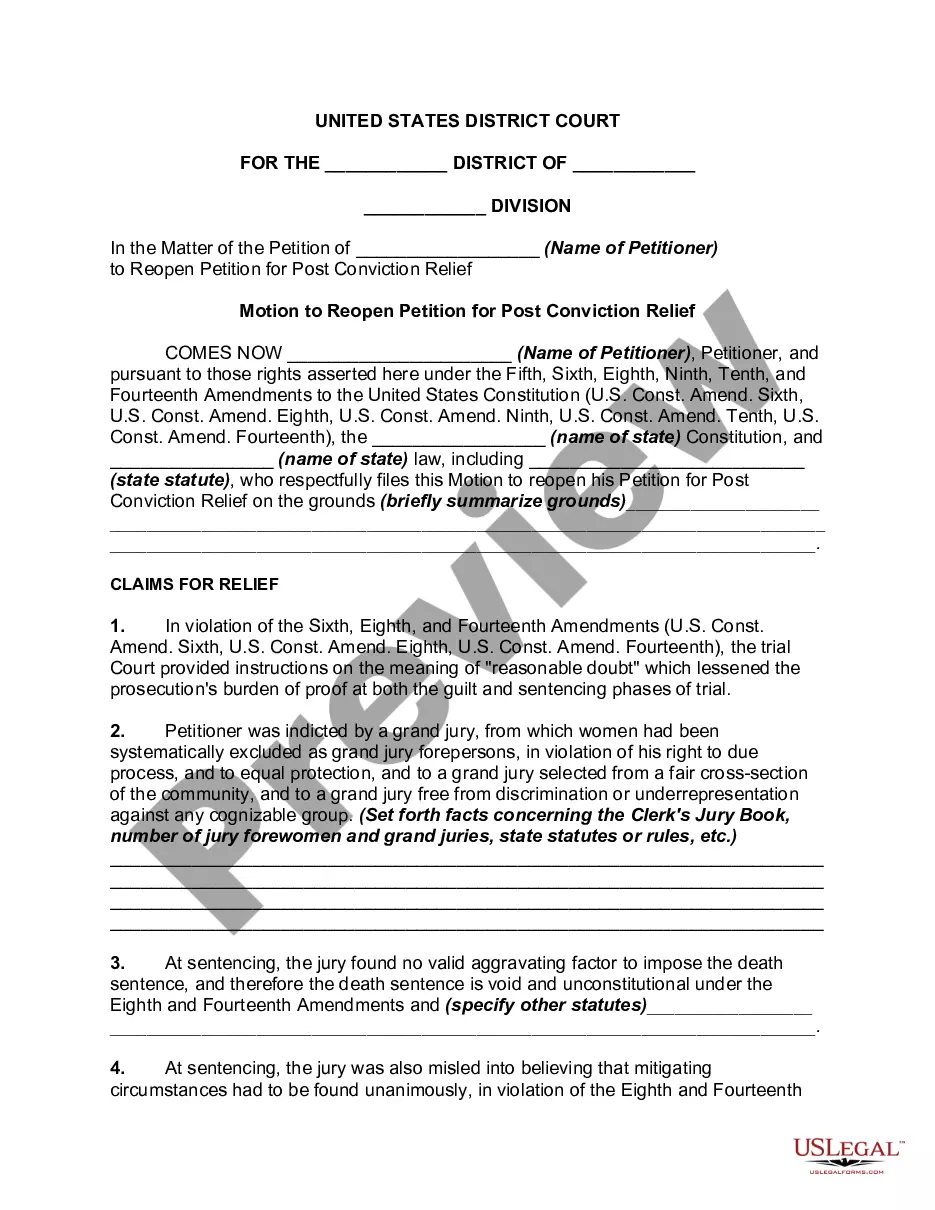
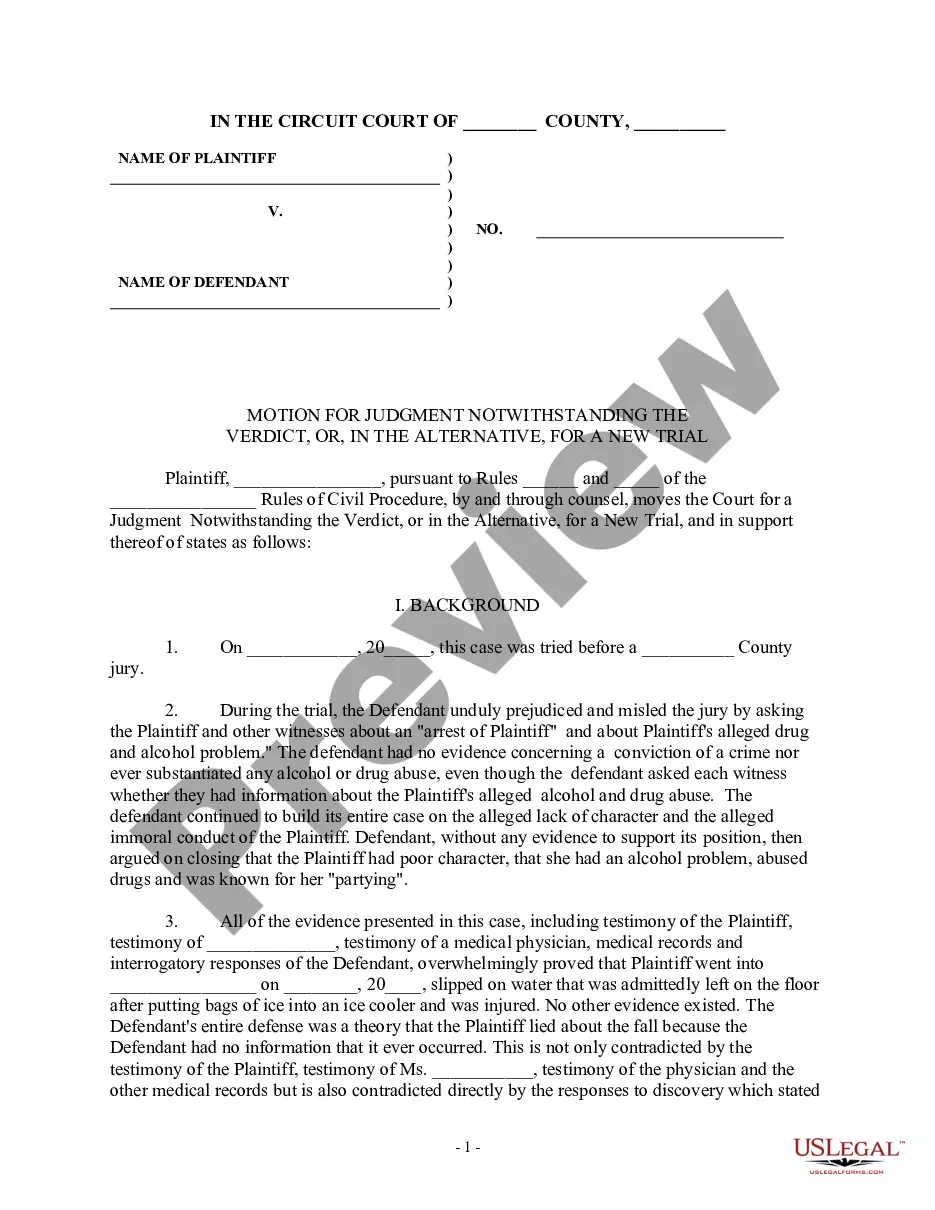
Get your form ready online
Our built-in tools help you complete, sign, share, and store your documents in one place.
Make edits, fill in missing information, and update formatting in US Legal Forms—just like you would in MS Word.
Download a copy, print it, send it by email, or mail it via USPS—whatever works best for your next step.
Sign and collect signatures with our SignNow integration. Send to multiple recipients, set reminders, and more. Go Premium to unlock E-Sign.
If this form requires notarization, complete it online through a secure video call—no need to meet a notary in person or wait for an appointment.
We protect your documents and personal data by following strict security and privacy standards.

Make edits, fill in missing information, and update formatting in US Legal Forms—just like you would in MS Word.

Download a copy, print it, send it by email, or mail it via USPS—whatever works best for your next step.

Sign and collect signatures with our SignNow integration. Send to multiple recipients, set reminders, and more. Go Premium to unlock E-Sign.

If this form requires notarization, complete it online through a secure video call—no need to meet a notary in person or wait for an appointment.

We protect your documents and personal data by following strict security and privacy standards.
Looking for another form?






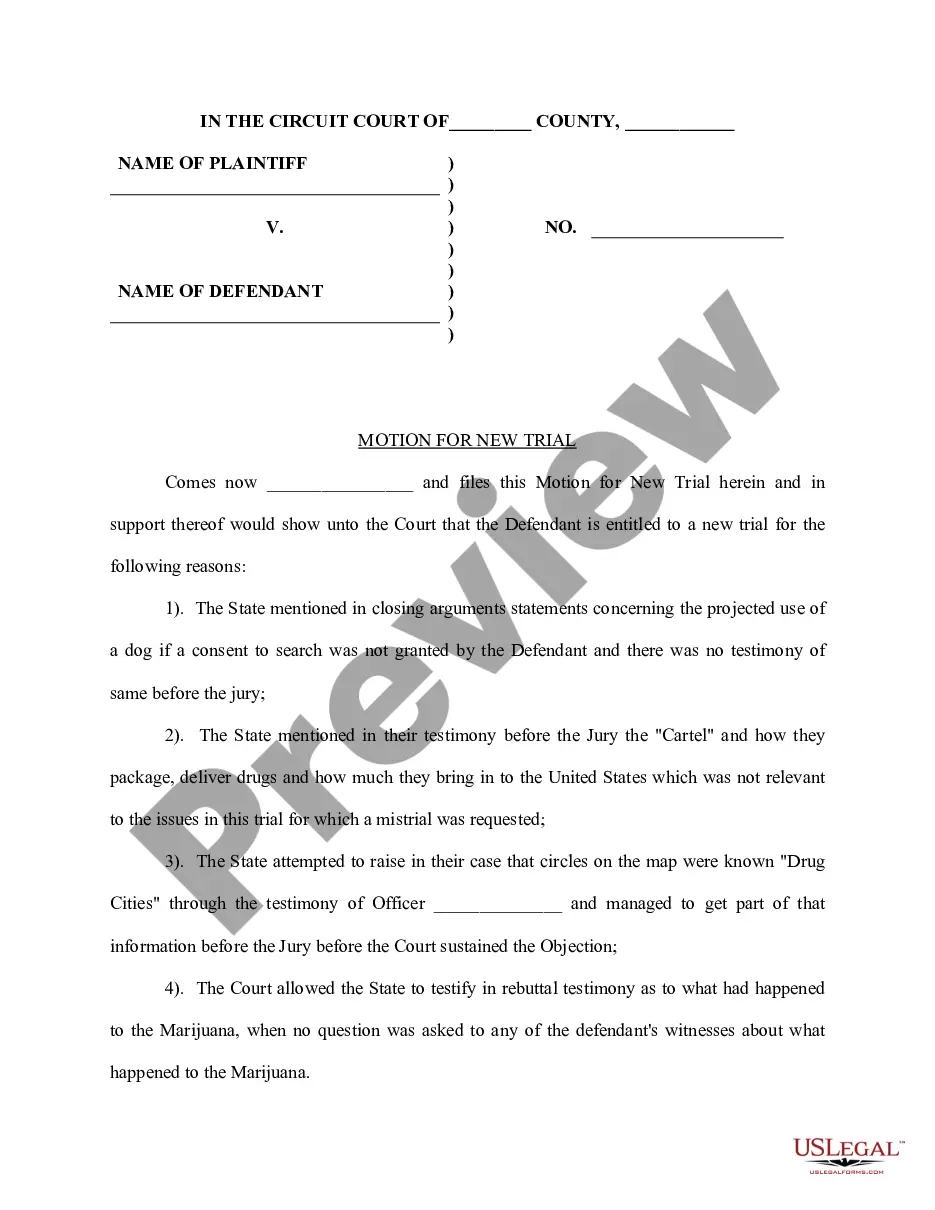
How to fill out Motion For New Trial?
Managing legal paperwork can be perplexing, even for seasoned professionals.
When you're seeking a State Court Motion For Telephonic Appearance and don't have the opportunity to diligently search for the correct and current version, the process can be anxiety-inducing.
Tap into a valuable resource hub of articles, guides, and materials relevant to your circumstances and needs.
Conserve time and effort searching for the necessary documents, and utilize US Legal Forms' sophisticated search and Review tool to find and obtain your State Court Motion For Telephonic Appearance.
Make sure the template is approved in your state or county. Once ready, select Buy Now, choose a subscription plan, and then locate the format you need. Finally, Download, complete, eSign, print, and send your documents. Capitalize on the US Legal Forms online catalog, supported by 25 years of expertise and reliability. Transform your everyday document management into a seamless and user-friendly experience today.
- If you hold a monthly subscription, Log In to your US Legal Forms account, search for the form, and retrieve it.
- Check your My documents tab to review documents you've previously saved and manage your folders as desired.
- If it’s your first experience with US Legal Forms, create an account and gain unlimited access to all the platform’s advantages.
- Follow these steps after acquiring the form you require.
- Ensure it's the correct form by previewing and examining its description.
- Access state- or county-specific legal and corporate documents.
- US Legal Forms fulfills any needs you may have, ranging from personal to business paperwork, all in a single place.
- Leverage advanced tools to complete and handle your State Court Motion For Telephonic Appearance.
Form popularity
FAQ
A telephone hearing involves participants connecting via phone to discuss a case without being physically present in the courtroom. Typically, the court provides a dial-in number and access codes to join the hearing. During the hearing, parties present their arguments, submit evidence, and respond to questions from the judge. Understanding how to navigate this process is essential for anyone looking to file a state court motion for telephonic appearance.
A notice of appearance is crucial because it formally notifies the court and all parties involved that a lawyer represents a particular client. It establishes the attorney-client relationship and ensures that all legal communications are directed to the right person. Moreover, submitting this notice is often a necessary step whenever you file a state court motion for telephonic appearance, as it helps maintain transparency throughout the legal process.
While virtual court hearings offer convenience, there are some disadvantages to consider. One of the main issues is the potential for technical difficulties, such as poor internet connection or software glitches, which can disrupt the proceedings. Additionally, participants may feel less engaged without the in-person element, which could affect their representation. Overall, understanding these challenges can help you prepare a state court motion for telephonic appearance more effectively.
To file a motion to appear in court, begin by drafting your motion according to the court’s rules. Include the case number, title, and specific requests, such as a state court motion for telephonic appearance. After completing your document, submit it to the appropriate court clerk, and ensure you keep a copy for your records. Understanding these steps can simplify the filing process and help you achieve your desired outcome.
Yes, you can file a motion without an attorney, but it’s important to understand the court rules. You need to prepare your documents carefully, ensuring you follow legal procedures accurately. Many find that using resources from platforms like US Legal Forms can provide guidance on how to file a state court motion for telephonic appearance effectively. This option empowers you to represent yourself while navigating the legal system.
To write a letter for filing a motion in court, start by addressing the court and including your case information at the top. Clearly state your request, provide the relevant details, and explain why your motion is necessary. The state court motion for telephonic appearance should include your contact information and a polite closing statement. This format helps ensure the court understands your intentions and can review your request efficiently.
A motion to appear telephonically in Indiana allows you to participate in court hearings via phone rather than being physically present. This option provides convenience, especially when distance or scheduling conflicts arise. To request this, you typically need to file a state court motion for telephonic appearance, outlining your reasons for the request. This process streamlines participation and ensures your voice is heard even when you can’t be there in person.
To state your appearance in court, begin by introducing yourself clearly, stating your name and role in the case. If you are making a state court motion for telephonic appearance, mention this in your introduction. Be confident and ensure you have all necessary information at hand, such as case details or filings, to facilitate the process.
When writing a motion, such as a state court motion for telephonic appearance, start with a formal header including the court's name and your case number. Use clear, direct language to explain your request, and provide any supporting arguments or evidence. Remember to conclude with a respectful request for the court to grant your motion.
To fill out a motion for court, start by clearly stating the purpose of your motion, such as a request for a telephonic appearance. Include relevant details about your case, including the case number, date, and the parties involved. Be thorough but concise, as clarity is essential to help the court understand your request.