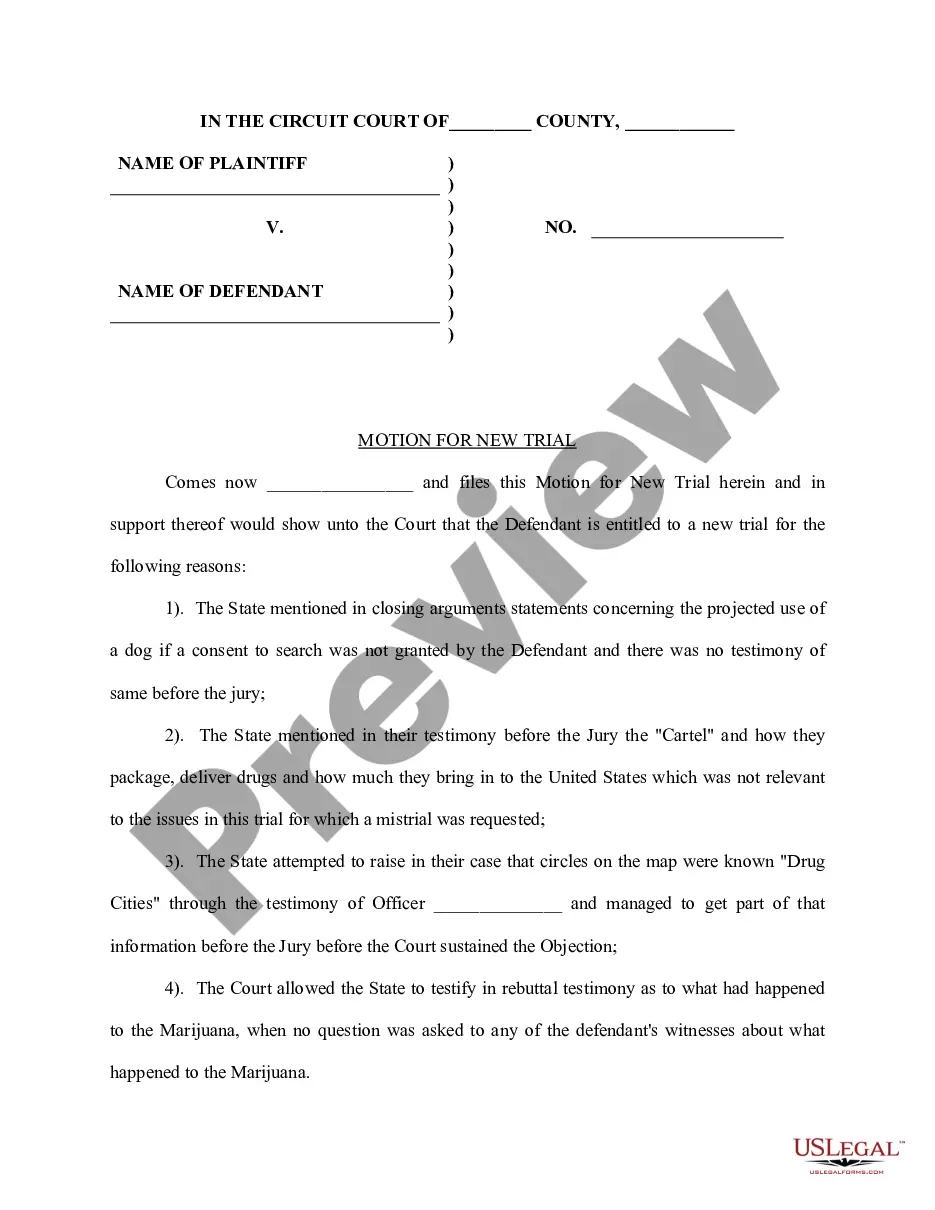
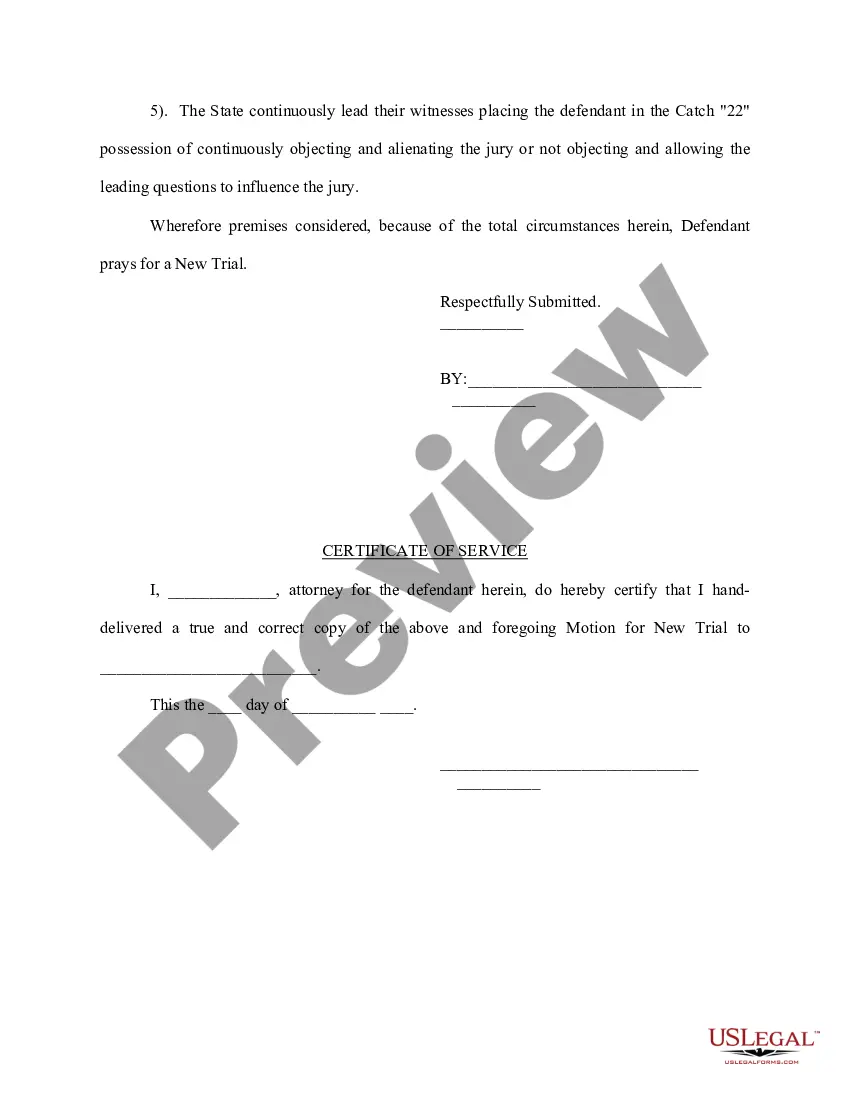
Motion For A New Trial Sample Form California
Description
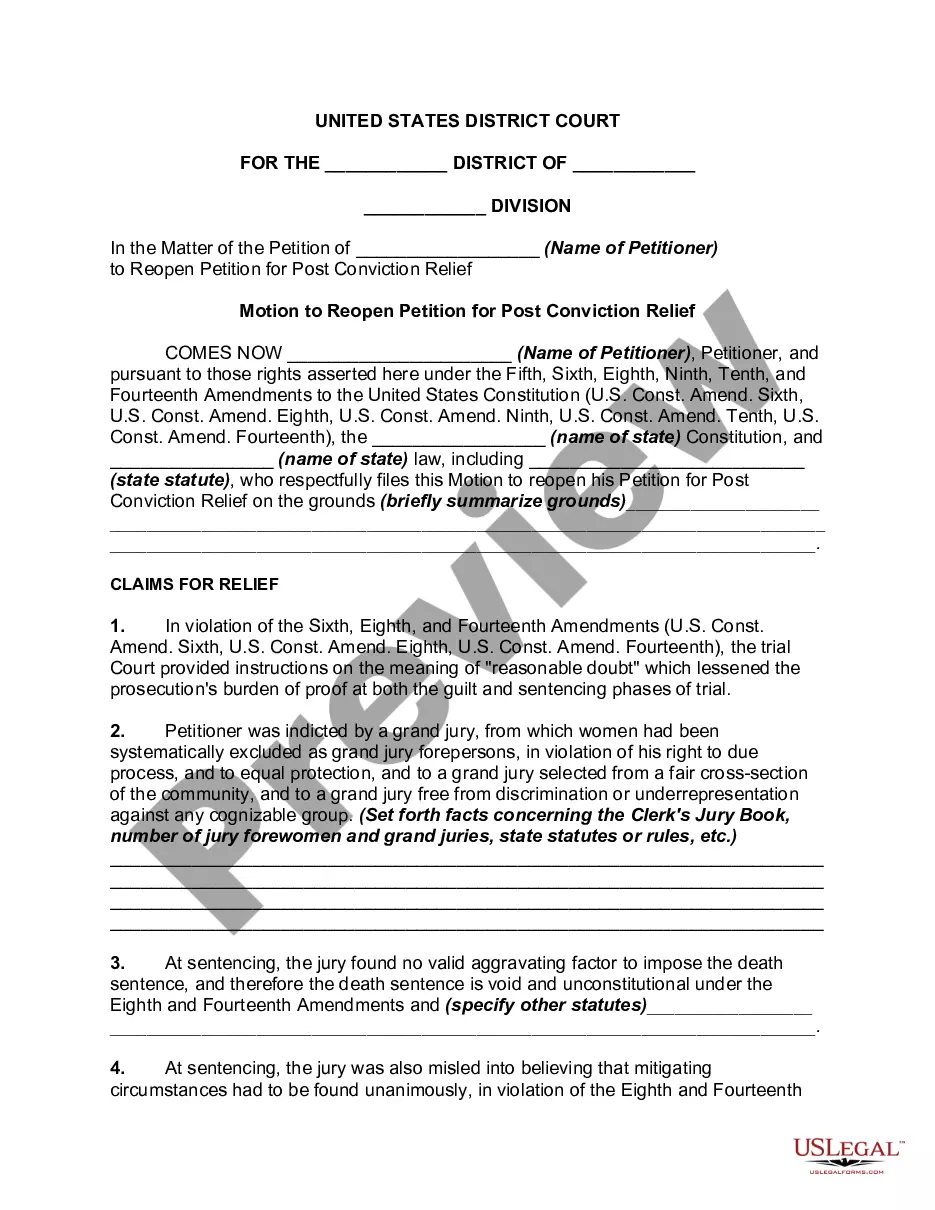
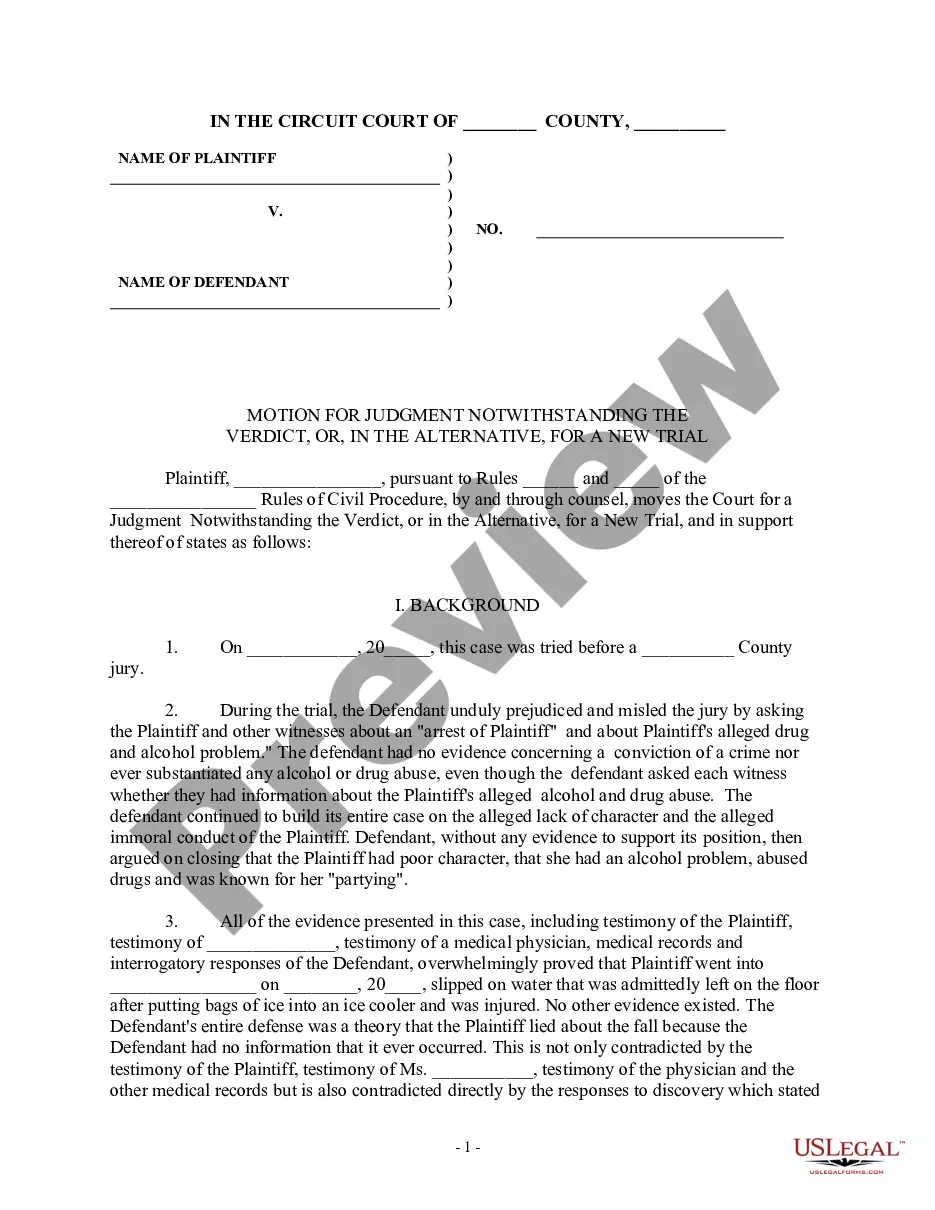
Get your form ready online
Our built-in tools help you complete, sign, share, and store your documents in one place.
Make edits, fill in missing information, and update formatting in US Legal Forms—just like you would in MS Word.
Download a copy, print it, send it by email, or mail it via USPS—whatever works best for your next step.
Sign and collect signatures with our SignNow integration. Send to multiple recipients, set reminders, and more. Go Premium to unlock E-Sign.
If this form requires notarization, complete it online through a secure video call—no need to meet a notary in person or wait for an appointment.
We protect your documents and personal data by following strict security and privacy standards.

Make edits, fill in missing information, and update formatting in US Legal Forms—just like you would in MS Word.

Download a copy, print it, send it by email, or mail it via USPS—whatever works best for your next step.

Sign and collect signatures with our SignNow integration. Send to multiple recipients, set reminders, and more. Go Premium to unlock E-Sign.

If this form requires notarization, complete it online through a secure video call—no need to meet a notary in person or wait for an appointment.

We protect your documents and personal data by following strict security and privacy standards.
Looking for another form?








How to fill out Motion For New Trial?
Managing legal documents can be exasperating, even for the most experienced professionals.
If you are looking for a Motion For A New Trial Sample Form California and can't find time to search for the right and current version, the process can be taxing.
US Legal Forms accommodates all your needs, from personal to business documents, all in one place.
Utilize advanced tools to fill out and manage your Motion For A New Trial Sample Form California.
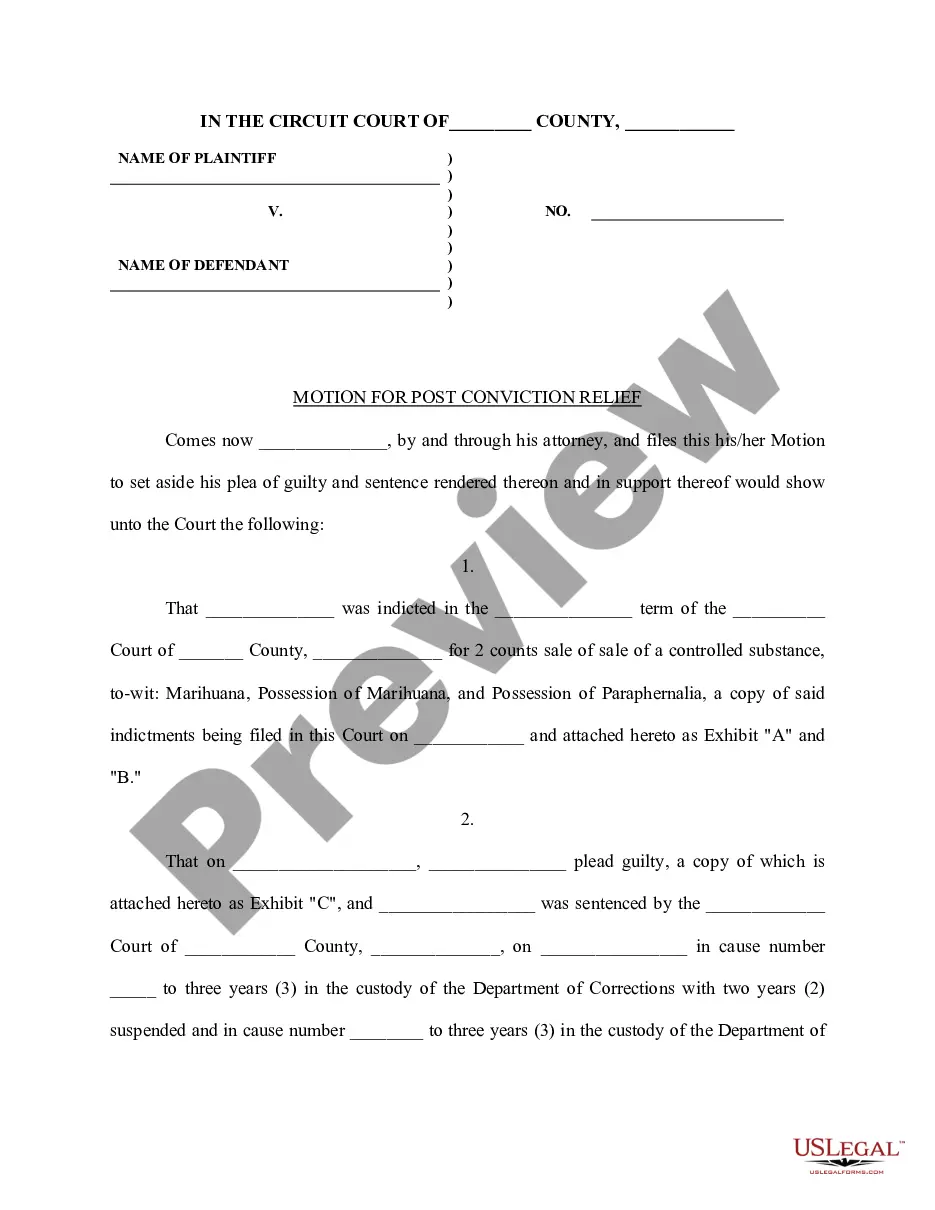
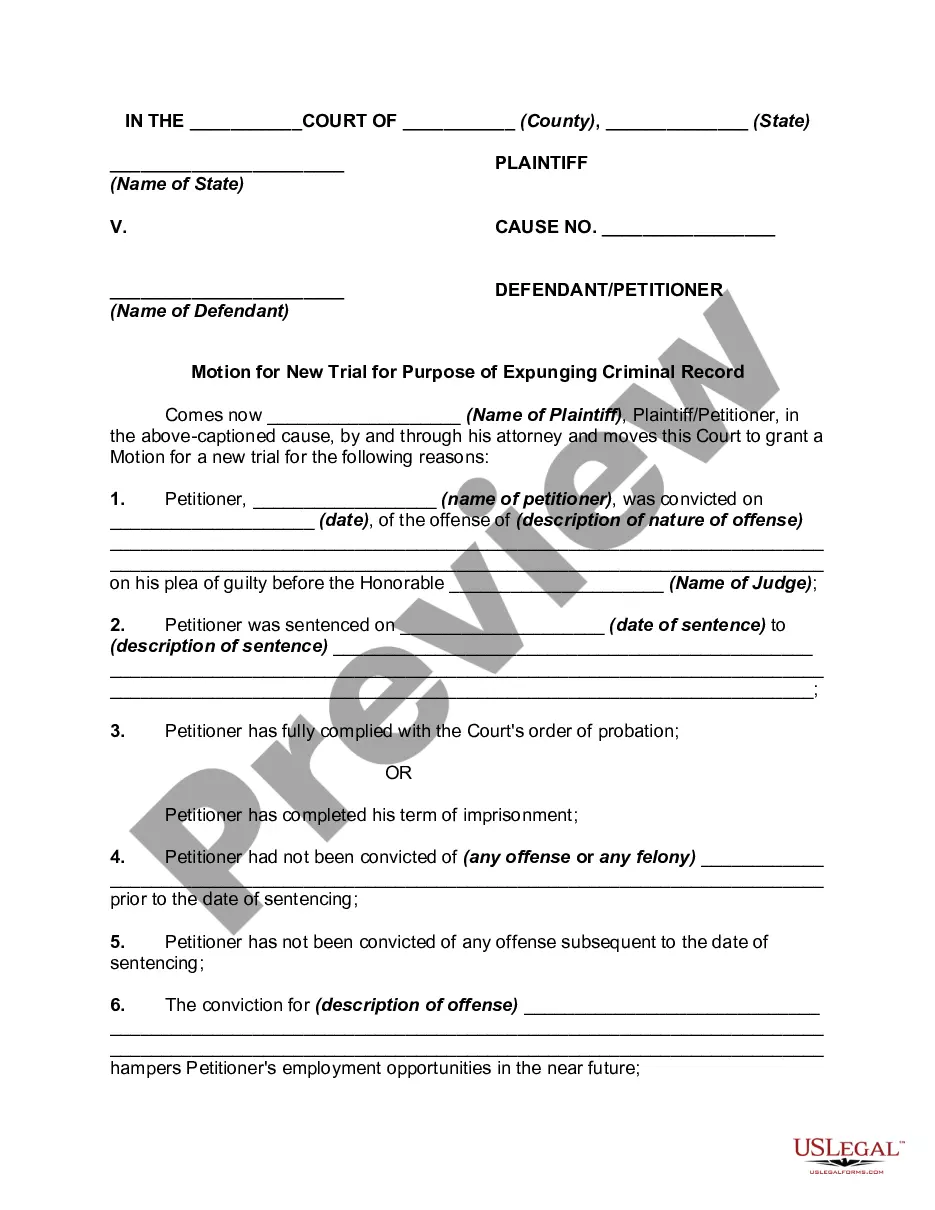
Here are the steps to follow after finding the form you need: Verify that it is the correct form by previewing it and reviewing its details. Confirm that the sample is accepted in your state or county. Click Buy Now when you are ready. Choose a subscription plan. Select the format you desire, and Download, complete, sign, print, and submit your document. Take advantage of the US Legal Forms online library, backed by 25 years of expertise and reliability. Streamline your daily document management in a straightforward and user-friendly manner today.
- Access a collection of articles, guides, and resources pertinent to your situation and requirements.
- Save time and effort searching for the documents you need by using US Legal Forms' sophisticated search and Review tool to find the Motion For A New Trial Sample Form California.
- If you have a subscription, Log In to your US Legal Forms account, search for the form, and obtain it.
- Check your My documents tab to see the documents you've previously downloaded and organize your folders as desired.
- If this is your first time with US Legal Forms, create an account to enjoy unlimited access to all platform benefits.
- A robust online form repository can be a transformative solution for anyone seeking to handle these matters effectively.
- US Legal Forms is a frontrunner in digital legal documents, offering over 85,000 state-specific legal forms accessible at any time.
- With US Legal Forms, you can access state or county-specific legal and business forms.
Form popularity
FAQ
Be as persuasive as possible as you write your motion in a sequential, logical format. Express your ideas clearly, and make sure you outline what steps are necessary and how they will help your case. Use facts of the case whenever you can to avoid baseless emotional appeals.
Under California law, a party must file a notice of intention to move for a new trial within 15 days after service of notice of entry of judgment. (§ 659.) The notice must state all grounds for the motion and must also state whether the motion is based on affidavits or the minutes of the court, or both.
(1) The court may rule on a motion at any time after an opposition or other response is filed or the time to oppose has expired. (2) On a party's request or its own motion, the court may place a motion on calendar for a hearing. The clerk must promptly send each party a notice of the date and time of the hearing.
The party intending to move for a new trial must file with the clerk and serve upon each adverse party a notice of his intention to move for a new trial, designating the grounds upon which the motion will be made and whether the same will be made upon affidavits or the minutes of the court or both, either 1.
Newton's Laws of Motion An object at rest remains at rest, and an object in motion remains in motion at constant speed and in a straight line unless acted on by an unbalanced force. The acceleration of an object depends on the mass of the object and the amount of force applied.