Different Court Motions For Summary Judgment California
Description
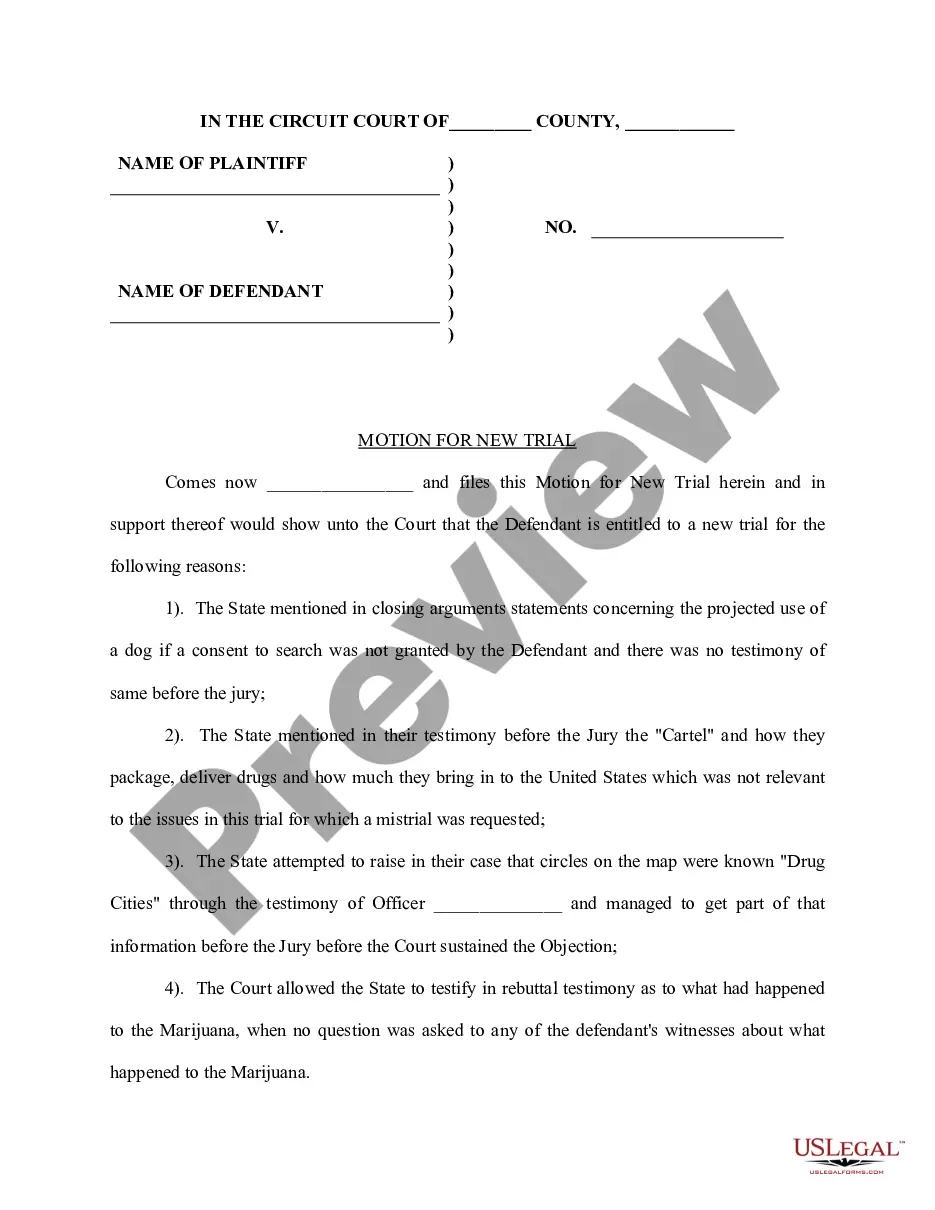
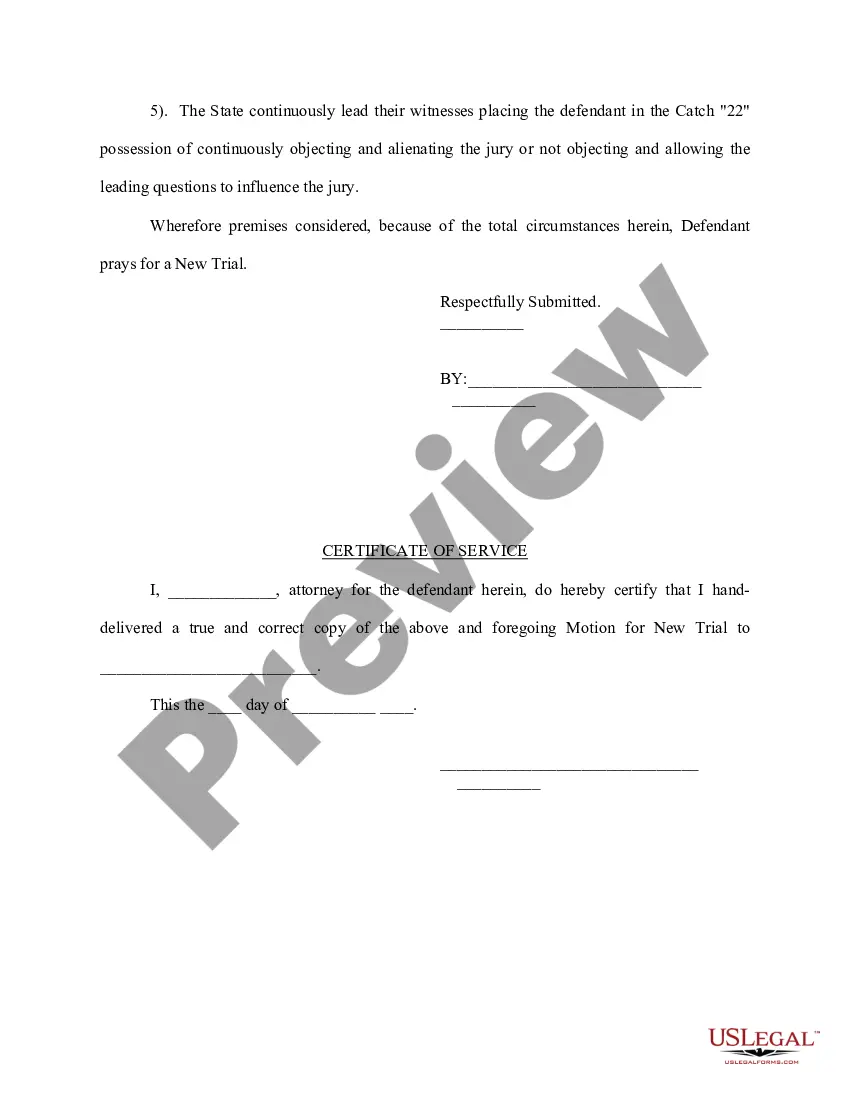
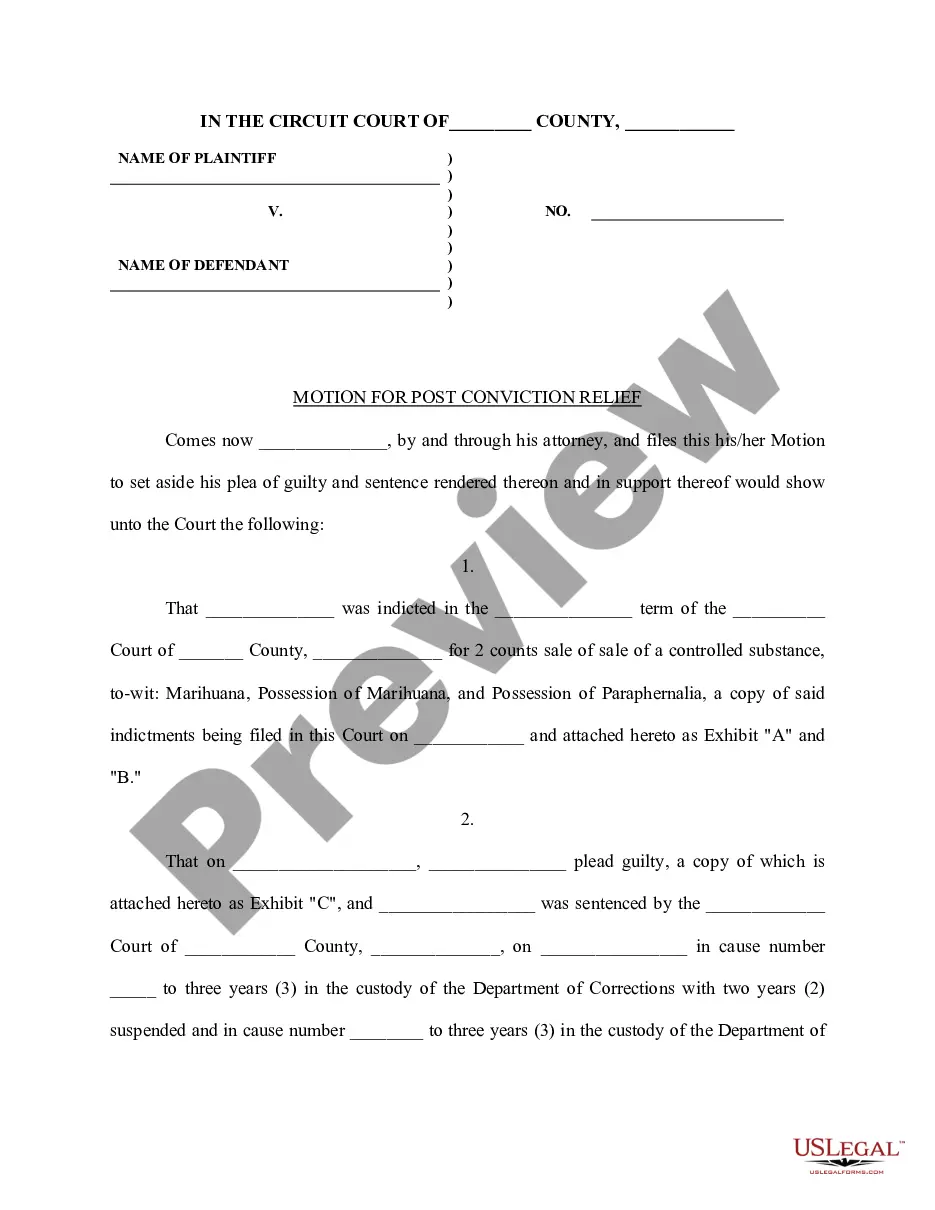
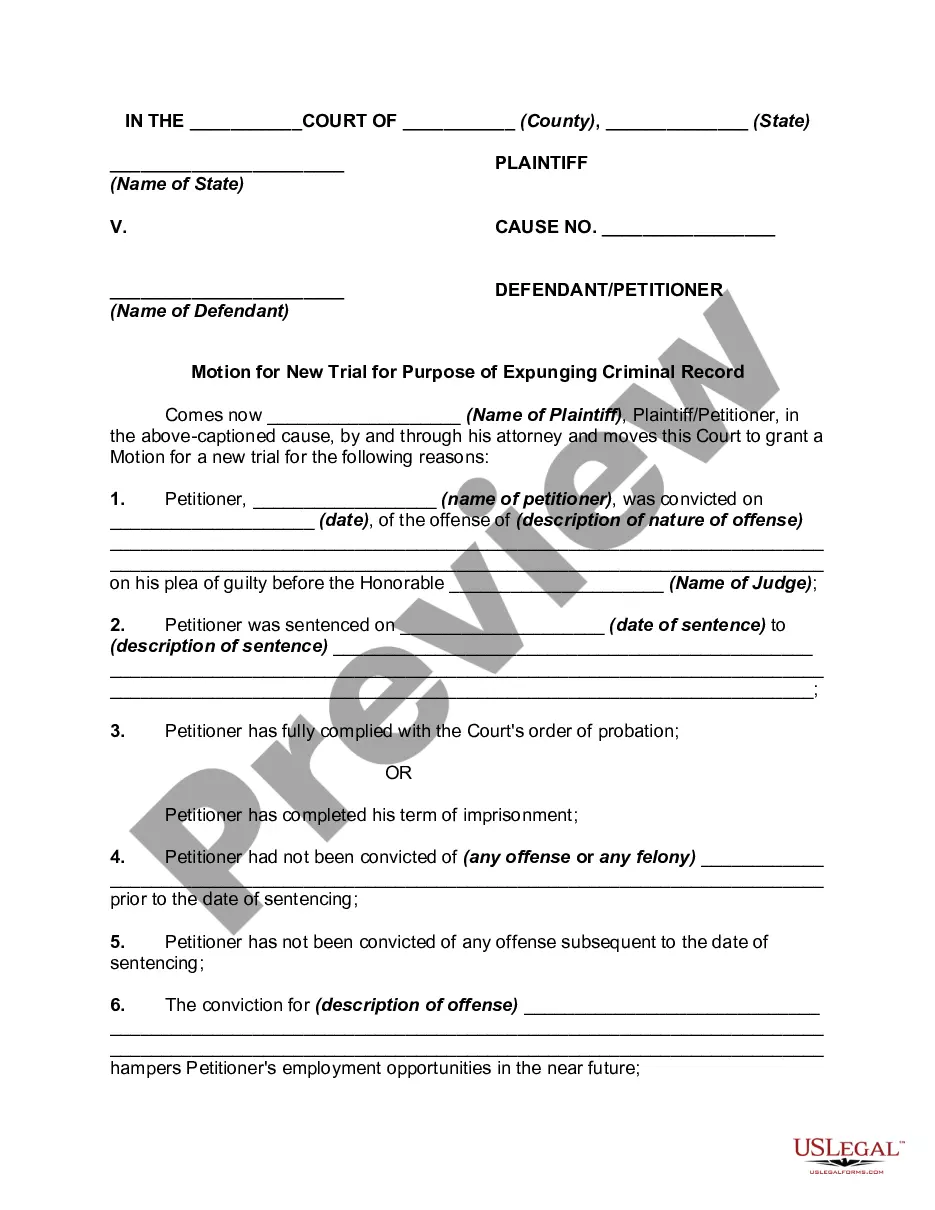
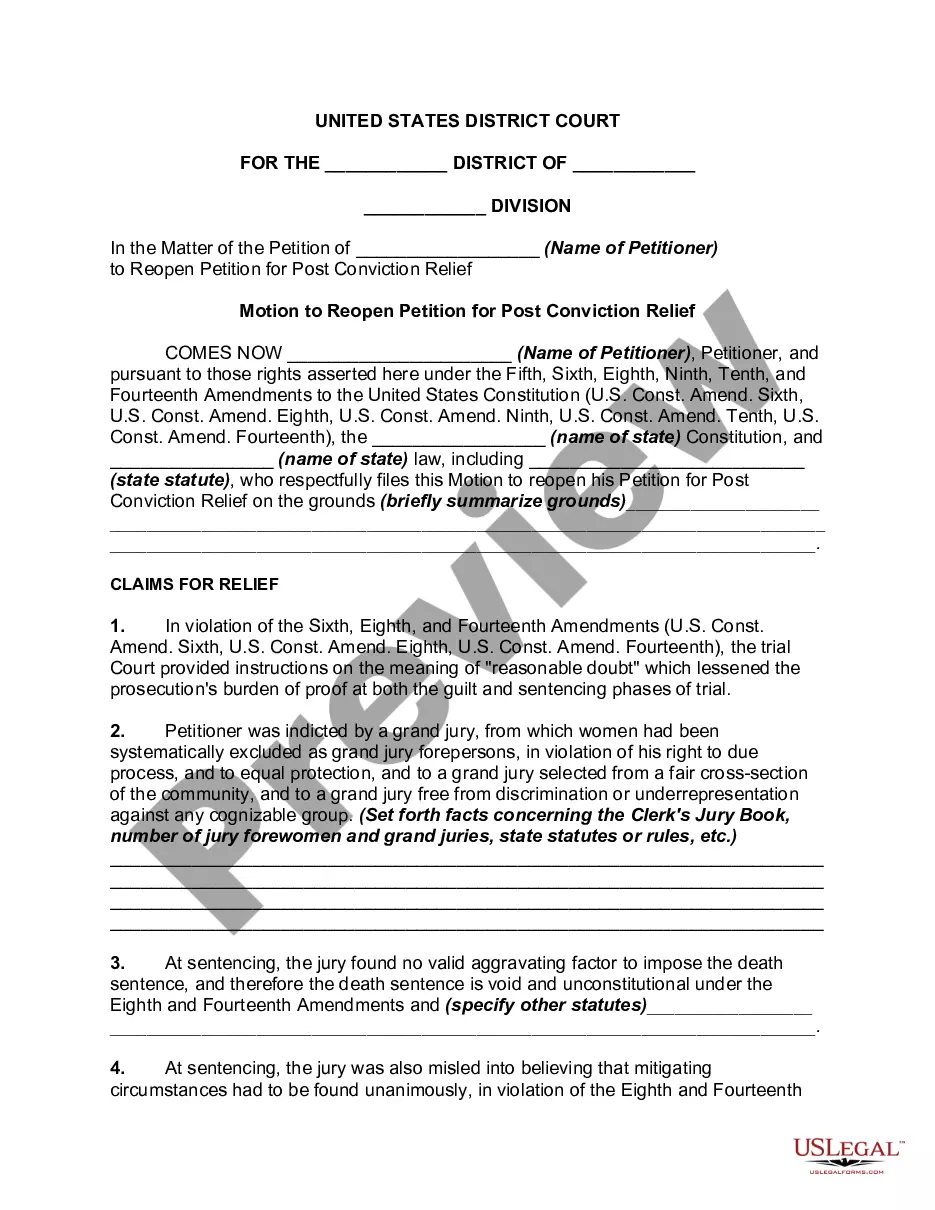
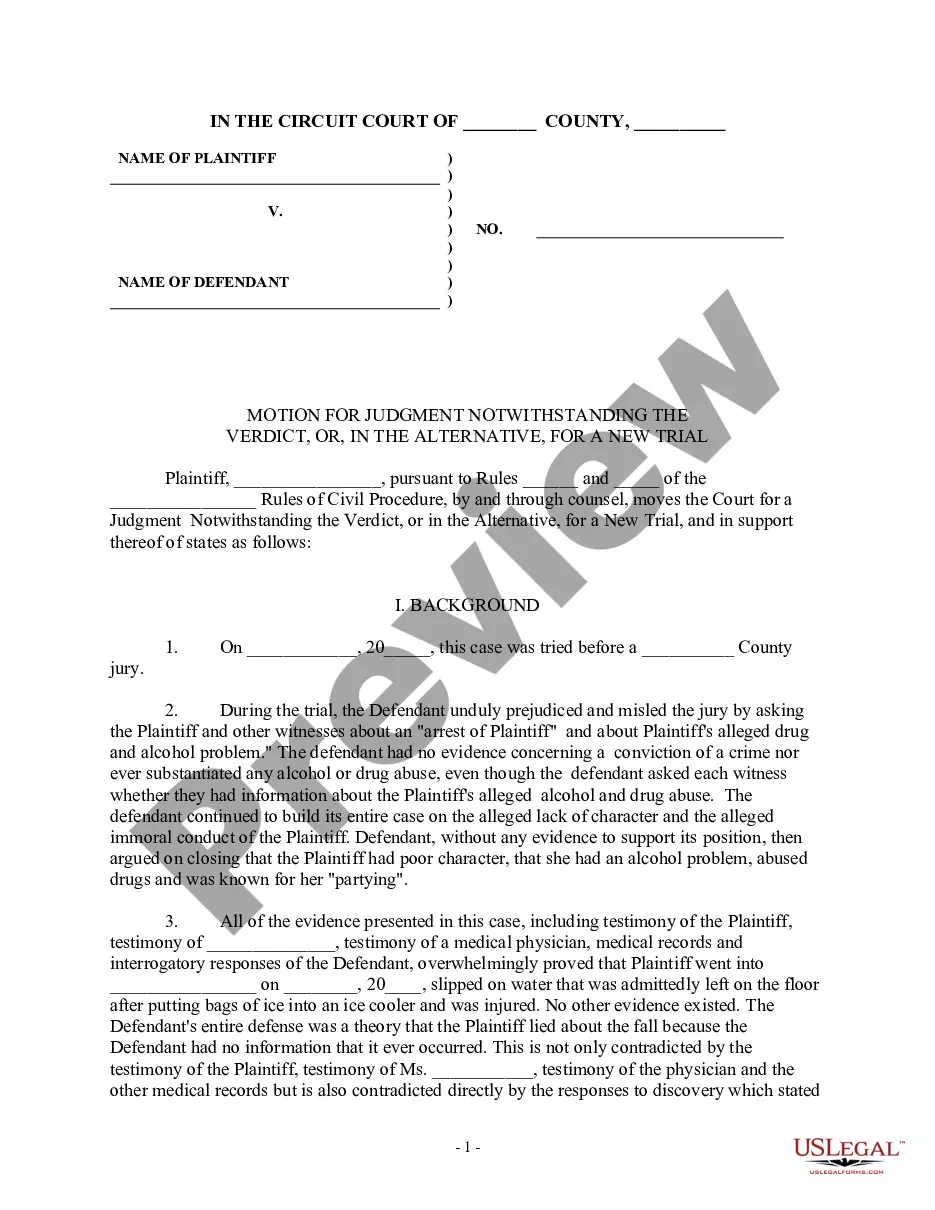
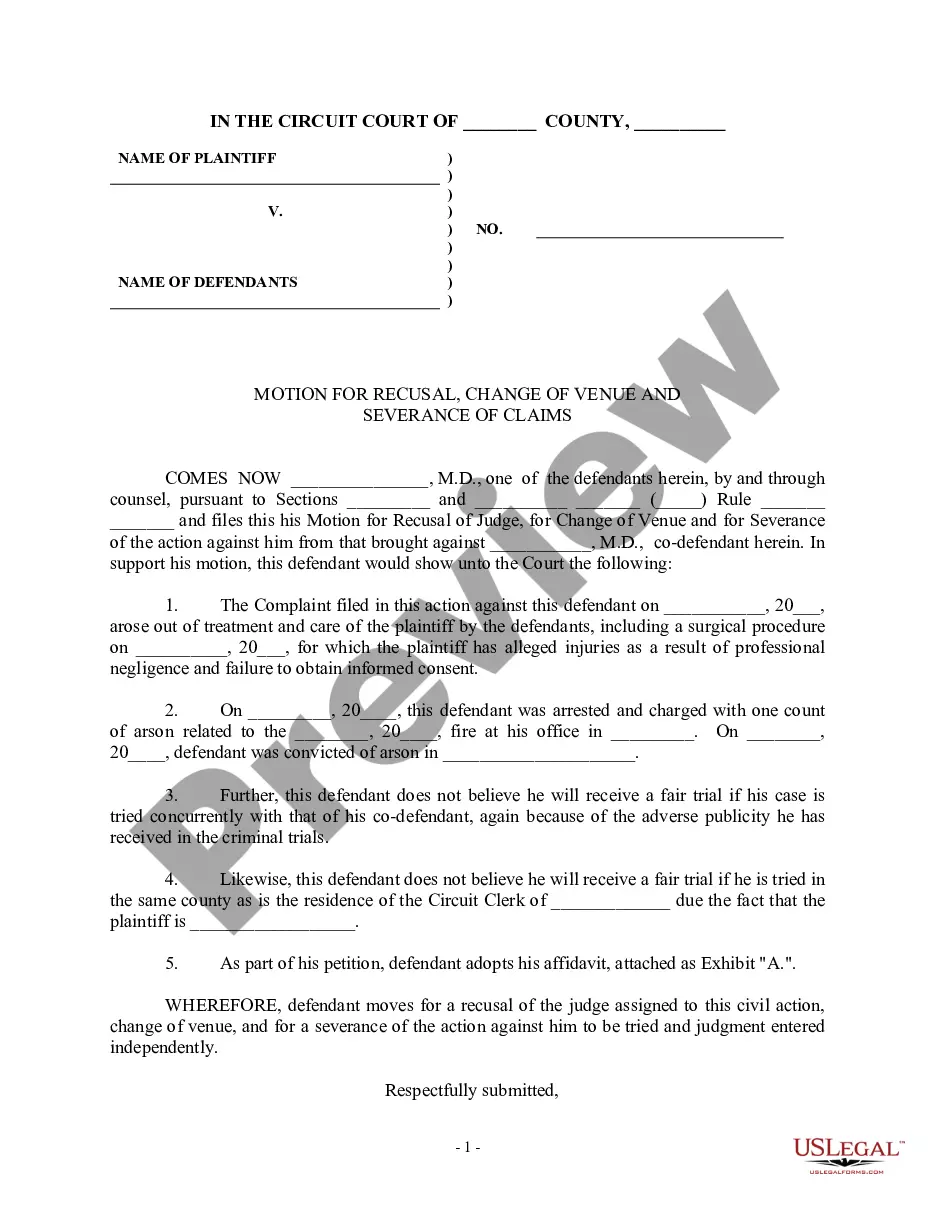
Get your form ready online
Our built-in tools help you complete, sign, share, and store your documents in one place.
Make edits, fill in missing information, and update formatting in US Legal Forms—just like you would in MS Word.
Download a copy, print it, send it by email, or mail it via USPS—whatever works best for your next step.
Sign and collect signatures with our SignNow integration. Send to multiple recipients, set reminders, and more. Go Premium to unlock E-Sign.
If this form requires notarization, complete it online through a secure video call—no need to meet a notary in person or wait for an appointment.
We protect your documents and personal data by following strict security and privacy standards.

Make edits, fill in missing information, and update formatting in US Legal Forms—just like you would in MS Word.

Download a copy, print it, send it by email, or mail it via USPS—whatever works best for your next step.

Sign and collect signatures with our SignNow integration. Send to multiple recipients, set reminders, and more. Go Premium to unlock E-Sign.

If this form requires notarization, complete it online through a secure video call—no need to meet a notary in person or wait for an appointment.

We protect your documents and personal data by following strict security and privacy standards.
Looking for another form?
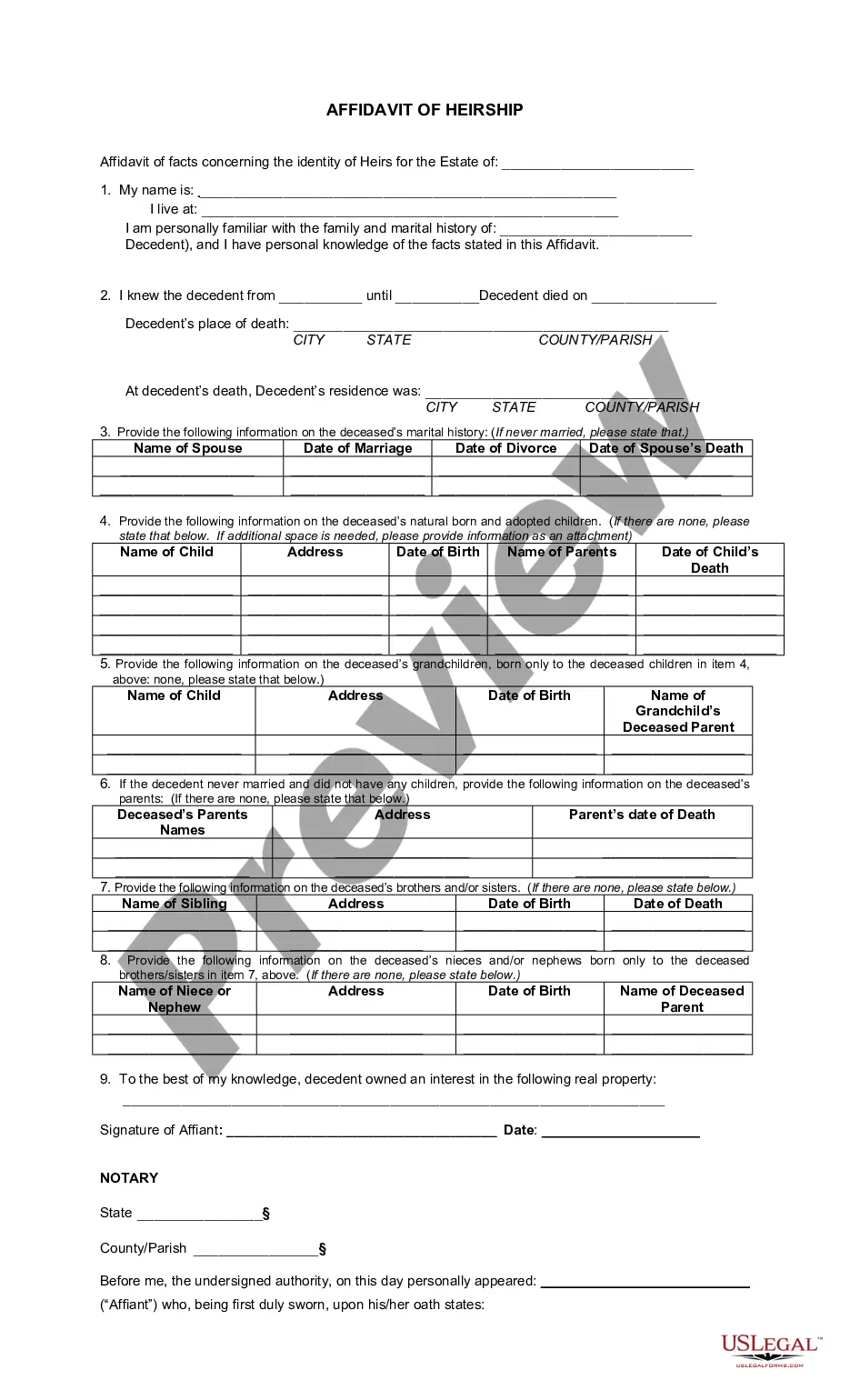



How to fill out Motion For New Trial?
Utilizing legal document samples that comply with federal and local regulations is essential, and the web provides numerous options to select from.
However, what’s the benefit of spending time searching for the relevant Different Court Motions For Summary Judgment California template online if the US Legal Forms digital library already compiles such templates in one location.
US Legal Forms is the largest online legal repository with over 85,000 fillable templates created by attorneys for any professional and personal situation.
Review the template using the Preview feature or through the text description to ensure it satisfies your needs.
- They are easy to navigate with all documents categorized by state and purpose of use.
- Our experts keep up with legislative updates, so you can always trust your documents are current and compliant when obtaining a Different Court Motions For Summary Judgment California from our site.
- Acquiring a Different Court Motions For Summary Judgment California is straightforward and quick for both existing and new users.
- If you already possess an account with an active subscription, Log In and download the document sample you need in the desired format.
- If you are new to our platform, follow the steps below.
Form popularity
FAQ
Motions for summary judgment (?MSJ?) and motions for summary adjudication (?MSA?) are intended to dispose of either an entire case (summary judgment), or selected causes of action, issues, affirmative defenses, claims for damages, or an issue of duty (summary adjudication).
In a summary judgment or summary adjudication motion, no opening or responding memorandum may exceed 20 pages. No reply or closing memorandum may exceed 10 pages.
Any party wishing to file more than one motion for summary adjudication must move for leave of court and explain why the issues cannot be addressed in a single motion.
While both are pre-trial devices, summary adjudication differs from summary judgment in that the latter disposes of the entire case, whereas summary adjudication resolves selected issues, leaving the remaining ones to be settled at trial.
Requirement. A party moving for summary judgment or summary adjudication must serve and file evidence, such as affidavits, declarations, admissions, answers to interrogatories, depositions, and matters of which judicial notice shall or may be taken (Cal. Civ.