District Appeal Appellate Format
Description
Get your form ready online
Our built-in tools help you complete, sign, share, and store your documents in one place.
Make edits, fill in missing information, and update formatting in US Legal Forms—just like you would in MS Word.
Download a copy, print it, send it by email, or mail it via USPS—whatever works best for your next step.
Sign and collect signatures with our SignNow integration. Send to multiple recipients, set reminders, and more. Go Premium to unlock E-Sign.
If this form requires notarization, complete it online through a secure video call—no need to meet a notary in person or wait for an appointment.
We protect your documents and personal data by following strict security and privacy standards.

Make edits, fill in missing information, and update formatting in US Legal Forms—just like you would in MS Word.

Download a copy, print it, send it by email, or mail it via USPS—whatever works best for your next step.

Sign and collect signatures with our SignNow integration. Send to multiple recipients, set reminders, and more. Go Premium to unlock E-Sign.

If this form requires notarization, complete it online through a secure video call—no need to meet a notary in person or wait for an appointment.

We protect your documents and personal data by following strict security and privacy standards.
Looking for another form?








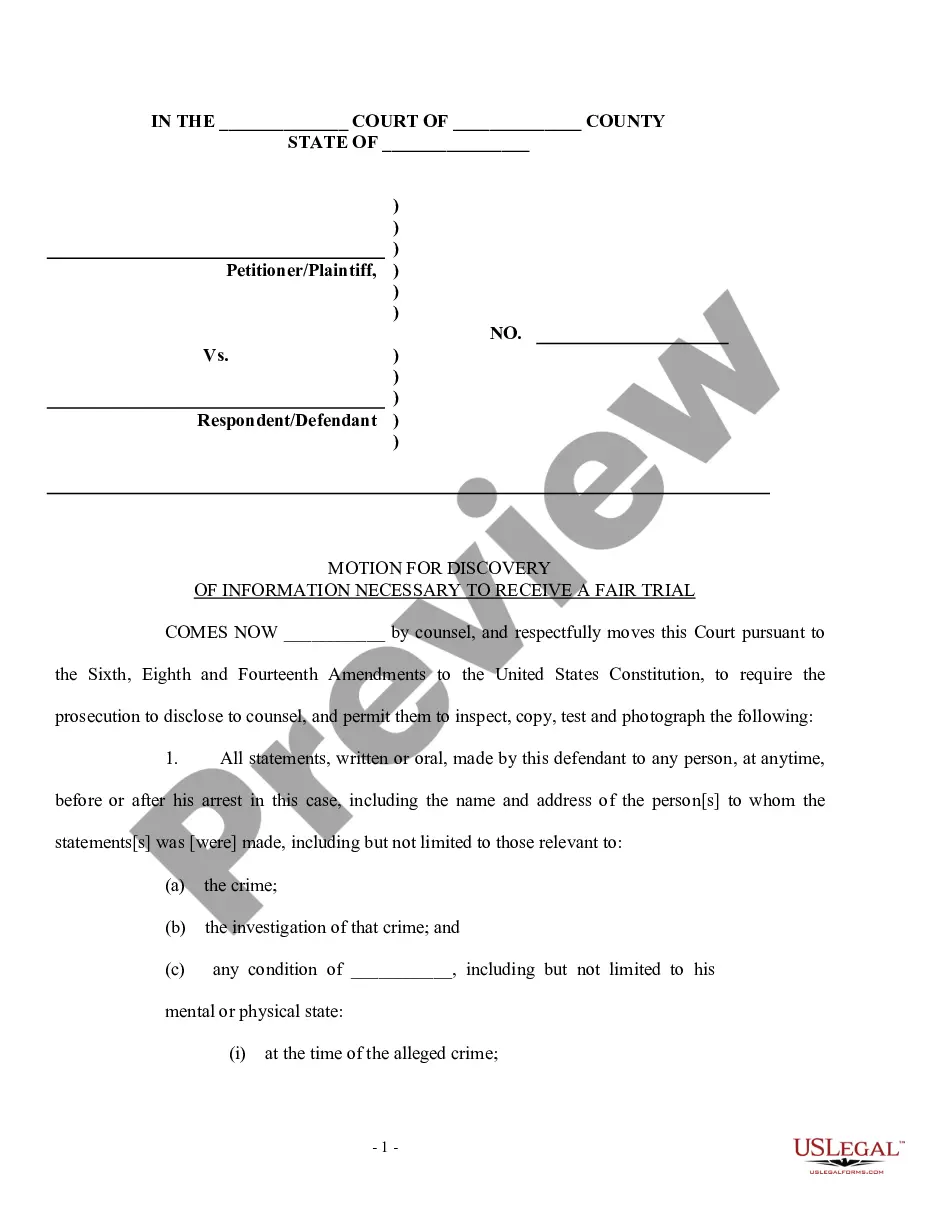
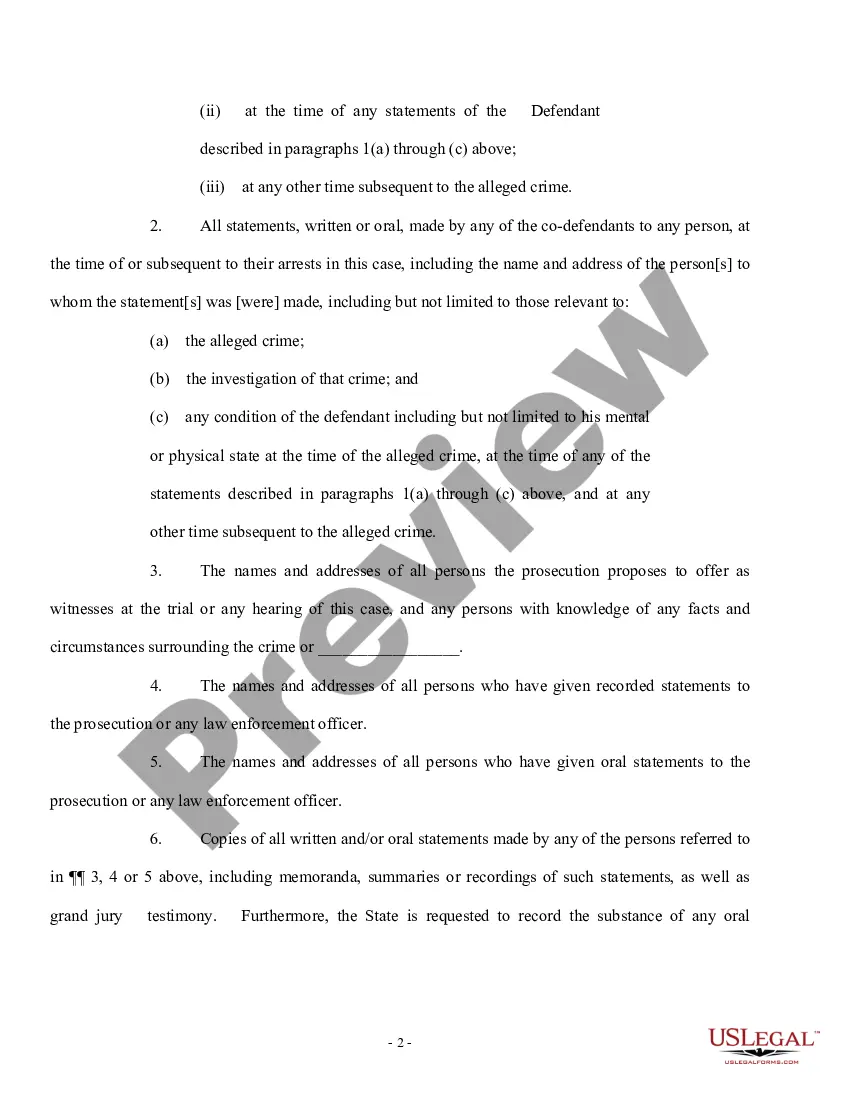
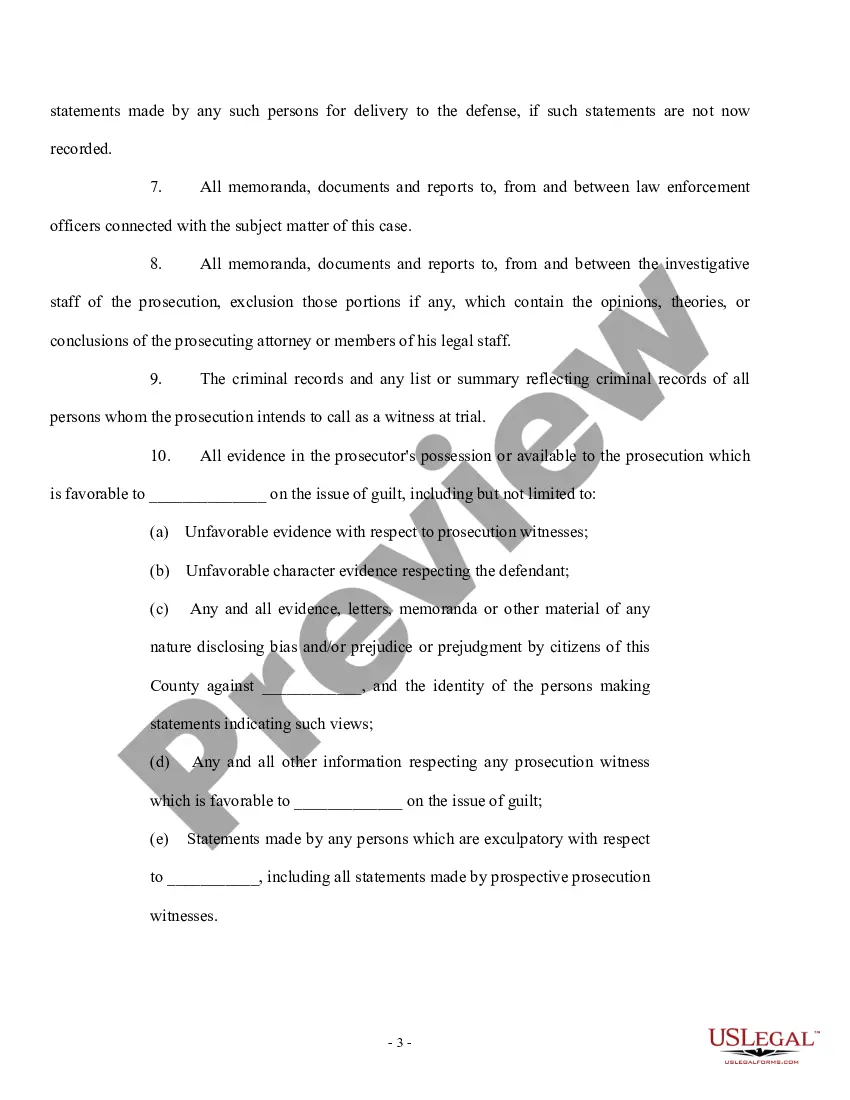
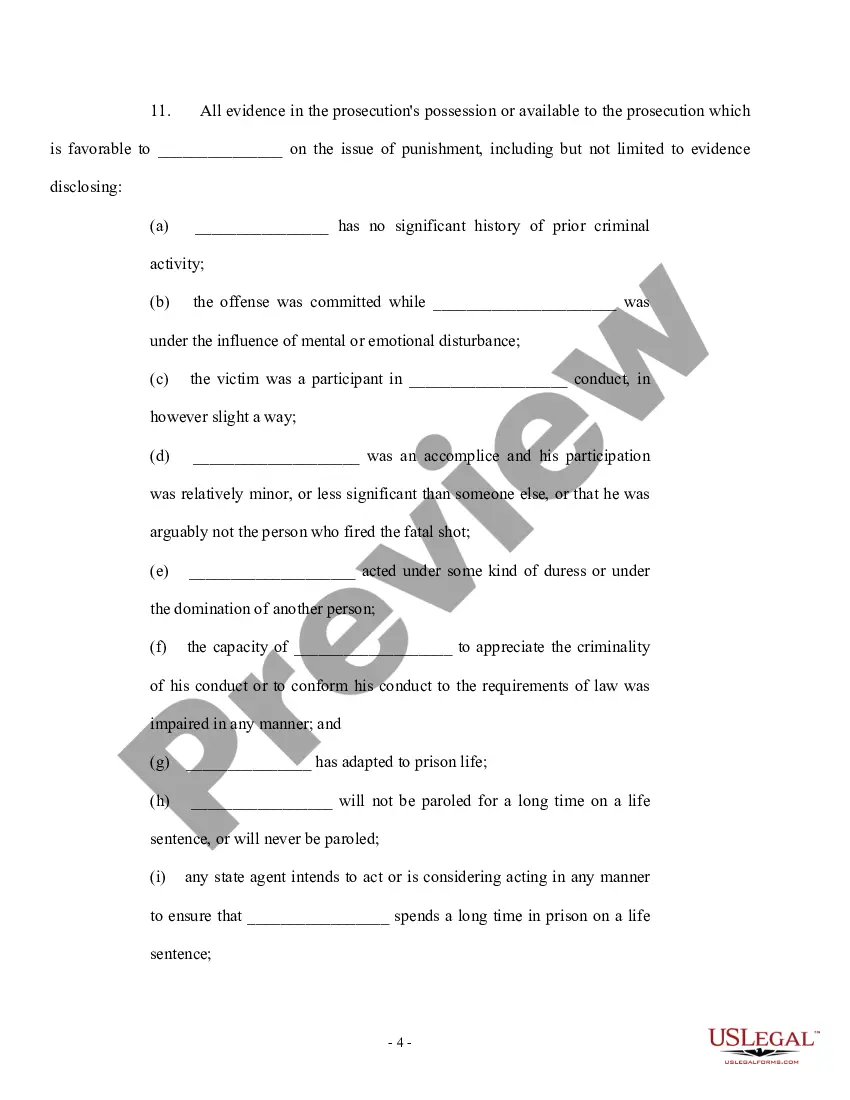
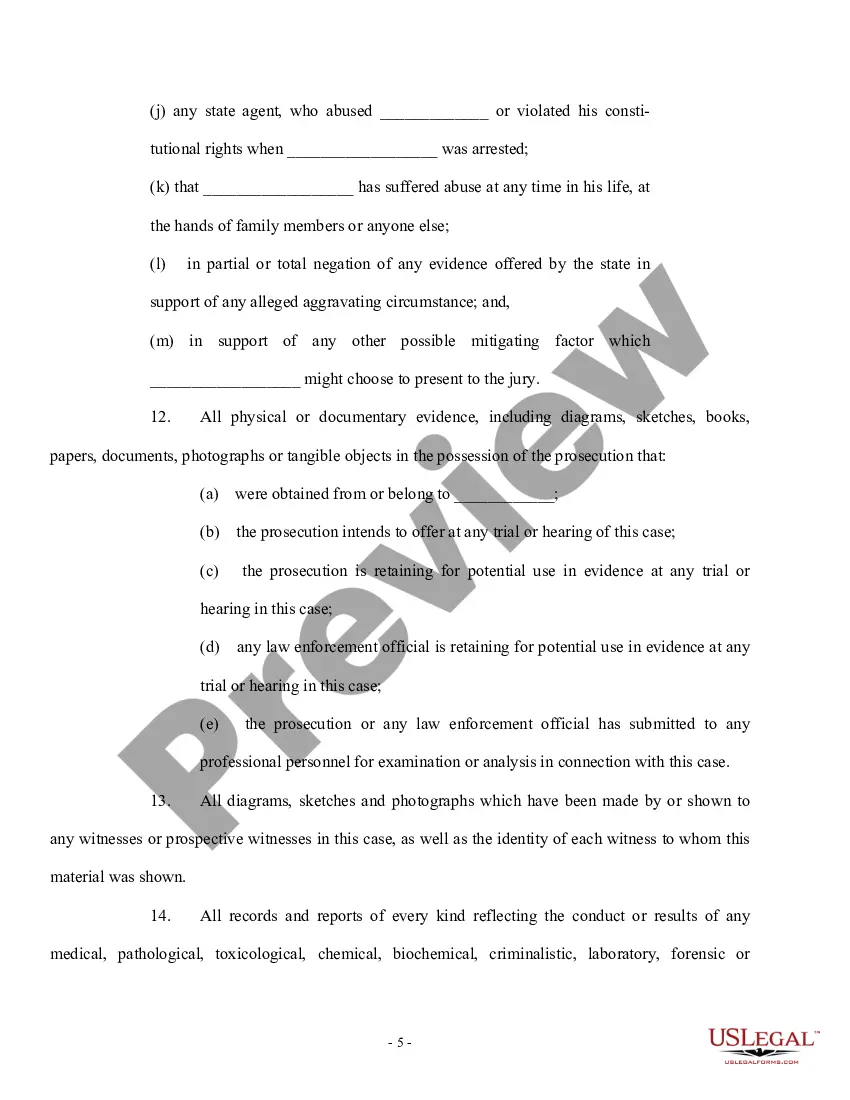
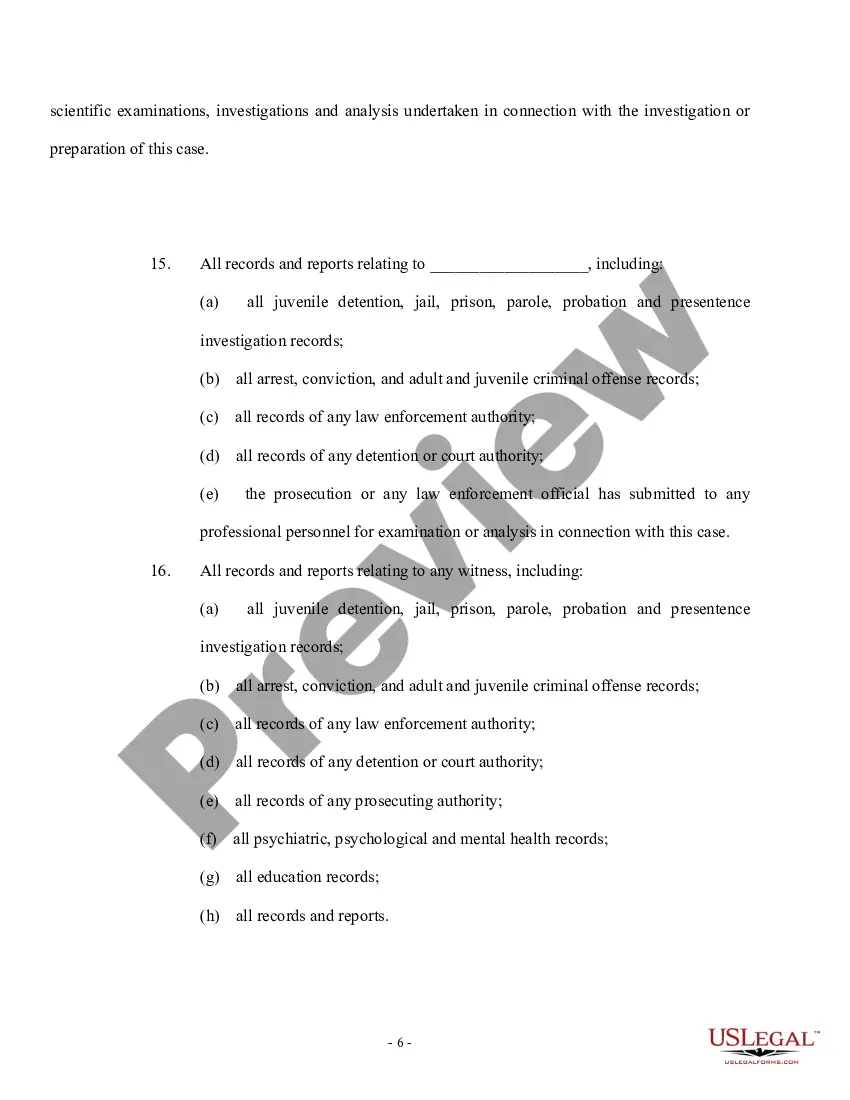
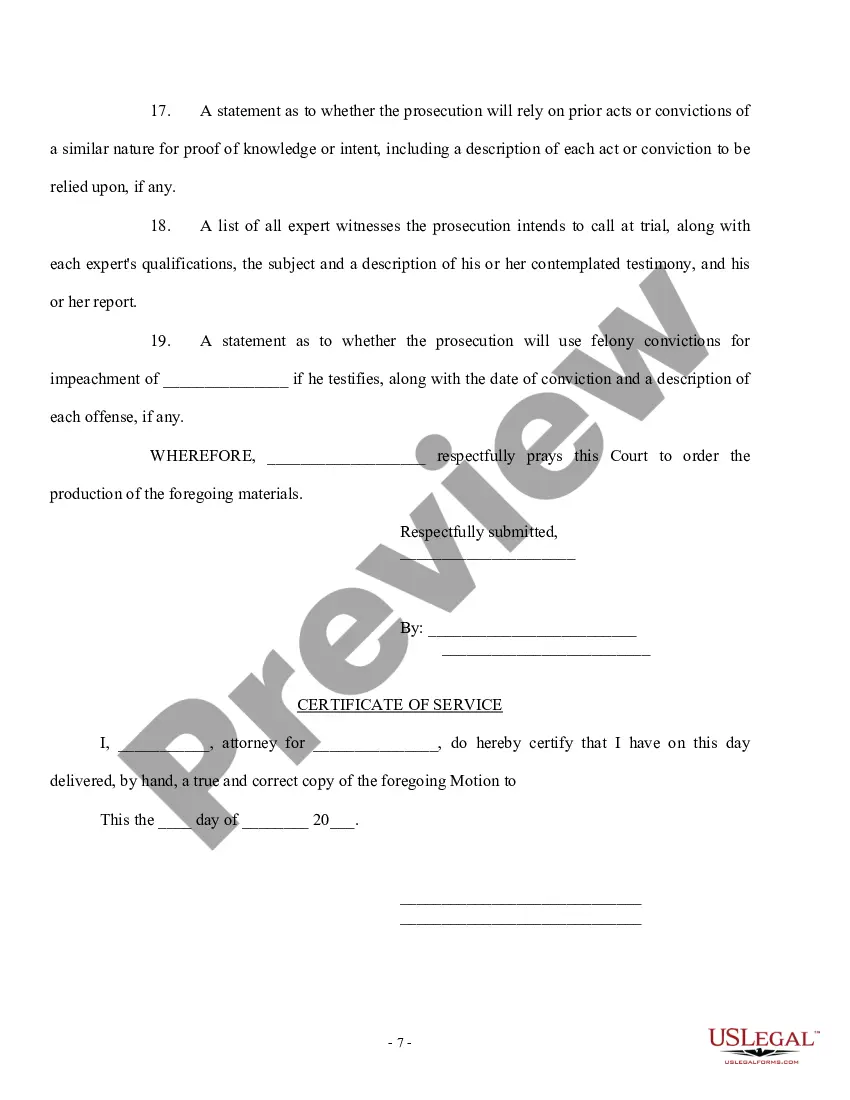
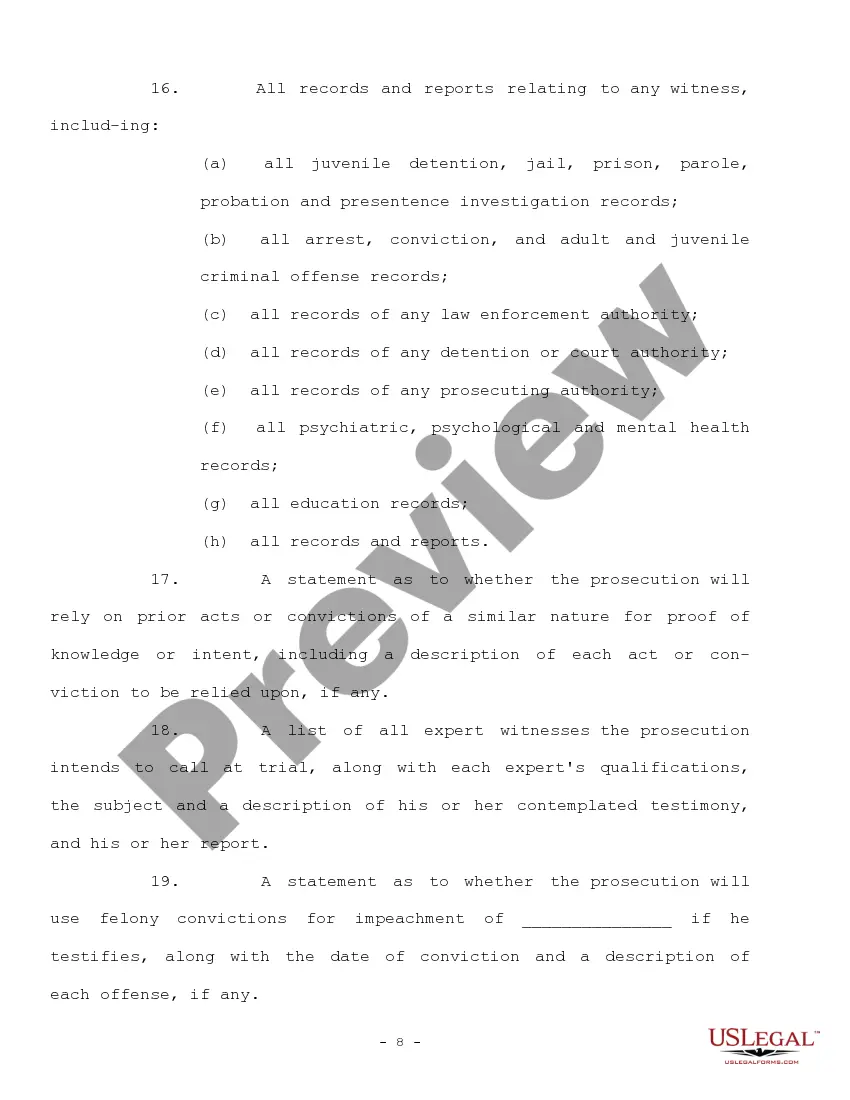
How to fill out Motion For Discovery Of Information Necessary To Receive A Fair Trial?
Identifying a reliable source to obtain the most up-to-date and suitable legal templates is a significant part of navigating bureaucracy.
Finding the appropriate legal documents requires precision and meticulousness, which is why it is essential to acquire District Appeal Appellate Format samples exclusively from trustworthy providers, such as US Legal Forms. An incorrect template will squander your time and prolong your issues.
Eliminate the hassle associated with your legal paperwork. Explore the extensive US Legal Forms catalog where you can find legal samples, evaluate their relevance to your situation, and download them promptly.
- Utilize the catalog directory or search feature to locate your template.
- Review the description of the form to confirm it meets the criteria of your state and county.
- Access the form preview, if available, to ensure it is the document you are looking for.
- Continue searching and seek the right template if the District Appeal Appellate Format does not cater to your requirements.
- When you are confident in the form’s suitability, download it.
- If you are a registered user, click Log in to verify and access your selected forms in My documents.
- If you do not possess an account yet, click Buy now to obtain the template.
- Select the pricing plan that aligns with your preferences.
- Proceed to registration to complete your purchase.
- Finalize your purchase by choosing a payment option (credit card or PayPal).
- Select the document format for downloading the District Appeal Appellate Format.
- Once you have the form on your device, you can edit it using the software or print it for manual completion.
Form popularity
FAQ
To appeal a district court decision, first, you need to file a notice of appeal within the specified time frame after the ruling. Next, prepare your brief following the district appeal appellate format, which outlines your arguments and the legal grounds for your appeal. Resources like USLegalForms can guide you through each step, ensuring you meet all requirements and improve your chances of a successful appeal.
Creating an appeal form involves gathering necessary information about your case and following the required format. You should include details such as the case number, parties involved, and the specific issues you are appealing. By utilizing platforms like USLegalForms, you can access templates tailored to the district appeal appellate format, making the process easier and more efficient.
To format an appeal, you must follow the specific guidelines set by the appellate court. Typically, this includes a title page, a table of contents, and clearly numbered sections for the argument and conclusion. The district appeal appellate format often requires you to include relevant case citations and a summary of the lower court's decision. Using a structured approach will help ensure your appeal is clear and persuasive.
To appeal a district court decision, you first need to file a notice of appeal in accordance with the district appeal appellate format. This document informs the court of your intention to challenge the ruling. Make sure to adhere to deadlines and requirements set by the court, as these can vary. For expert assistance, US Legal Forms offers comprehensive tools and resources that guide you through each step of the appeals process.
Writing an appeal format requires you to structure your document clearly, starting with an introduction of your case. You should include a concise statement of the issues, followed by a detailed explanation of why the decision should be reversed or modified. Utilizing US Legal Forms can help you access templates that align with the district appeal appellate format, ensuring you include all necessary components.
Filling out an appeal form involves entering your case details, including the court name and case number, in the district appeal appellate format. Be precise in describing the decision you are contesting and outline your arguments clearly. If you encounter challenges, US Legal Forms provides templates and guidance to simplify the process and ensure compliance with legal standards.
To fill in an appeal form, start by gathering all necessary documents related to your case. Ensure you understand the specific requirements for the district appeal appellate format. Clearly provide your information, the decision you are appealing, and the reasons for your appeal. If you need assistance, consider using US Legal Forms, which offers resources to help you complete the form accurately.
Yes, you can appeal against a district court judgment if you believe there are valid grounds to challenge the decision. The appeal process allows you to seek a review of the case by a higher court, which can either uphold or overturn the lower court's ruling. To increase your chances of a successful appeal, it is important to utilize the district appeal appellate format when preparing your documents. Engaging with uslegalforms can provide you with the necessary tools and templates to navigate this process efficiently.
To appeal a district court decision, you first need to file a notice of appeal with the appropriate appellate court. This must be done within a specific timeframe, usually 30 days from the judgment. Following that, you will prepare the appellate brief using the district appeal appellate format, outlining your arguments and supporting evidence. It's advisable to consult resources or professionals through platforms like uslegalforms to guide you through the process and ensure you follow all necessary steps.
Strong grounds for appeal often include legal errors made during the trial, lack of sufficient evidence, or violations of your rights. Additionally, if the judge misapplied the law or if new evidence emerges that could significantly affect the outcome, these can serve as valid reasons for an appeal. It is crucial to present a well-structured argument using the district appeal appellate format to highlight these points effectively. This structured approach can strengthen your case and increase your chances of success.