Percentage Leases Are Most Often Used With
Description
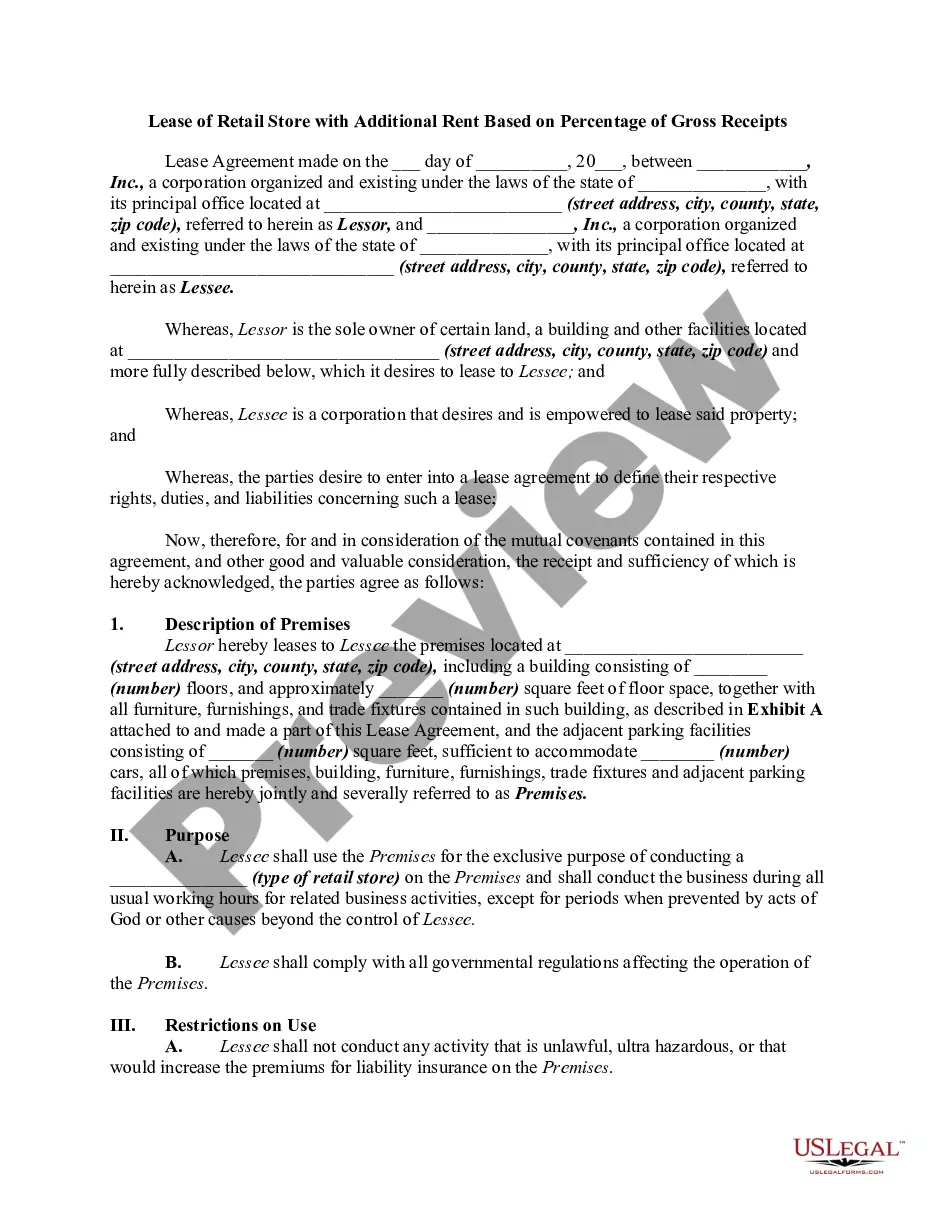
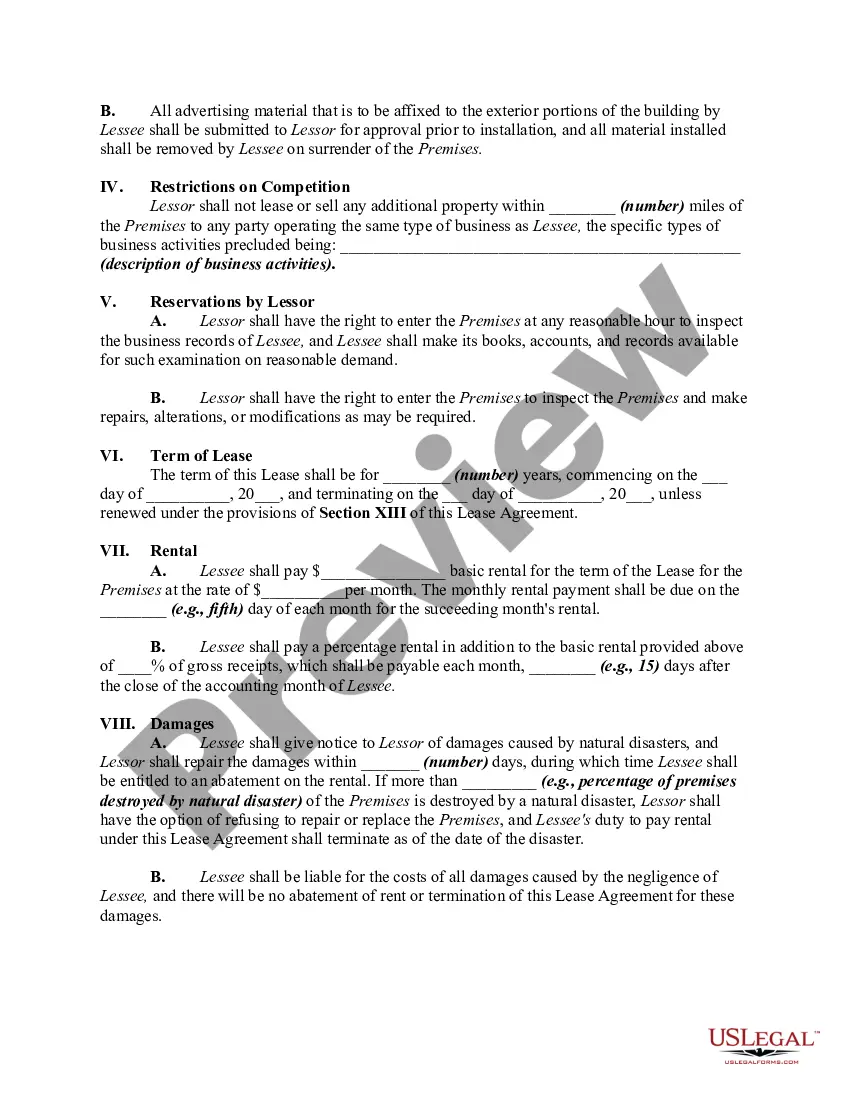
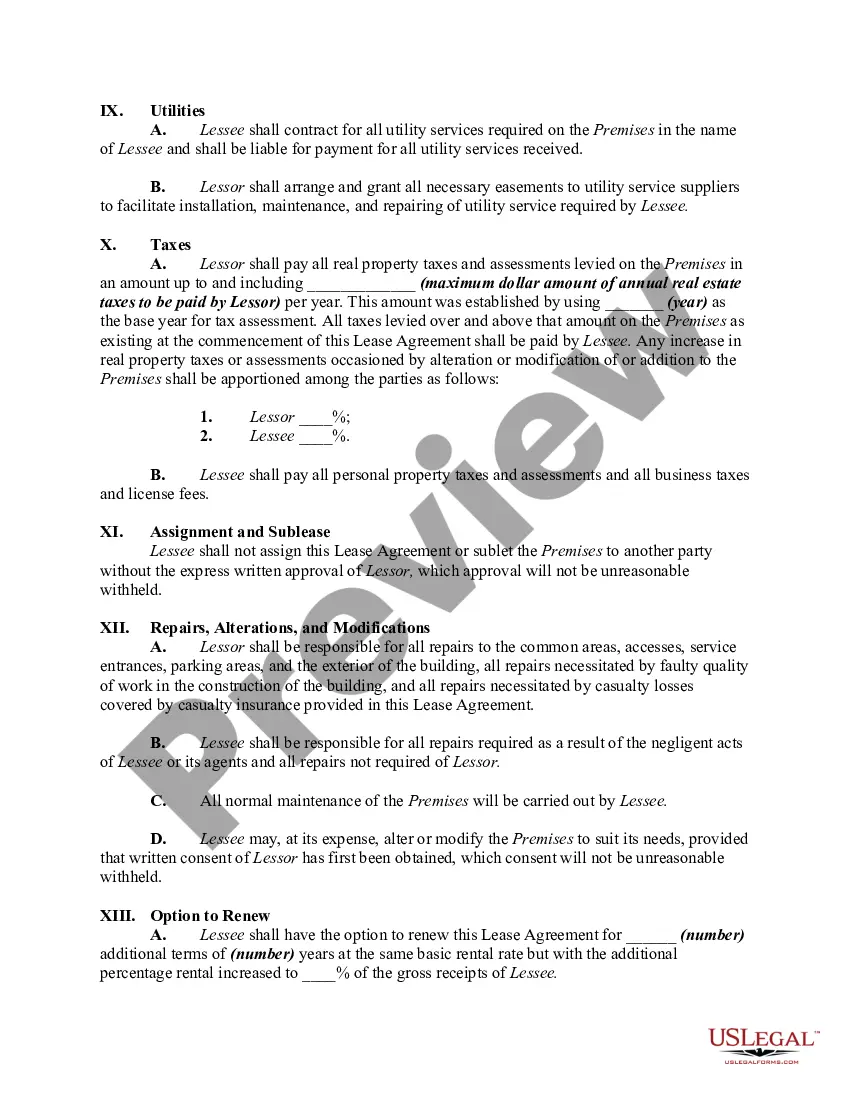
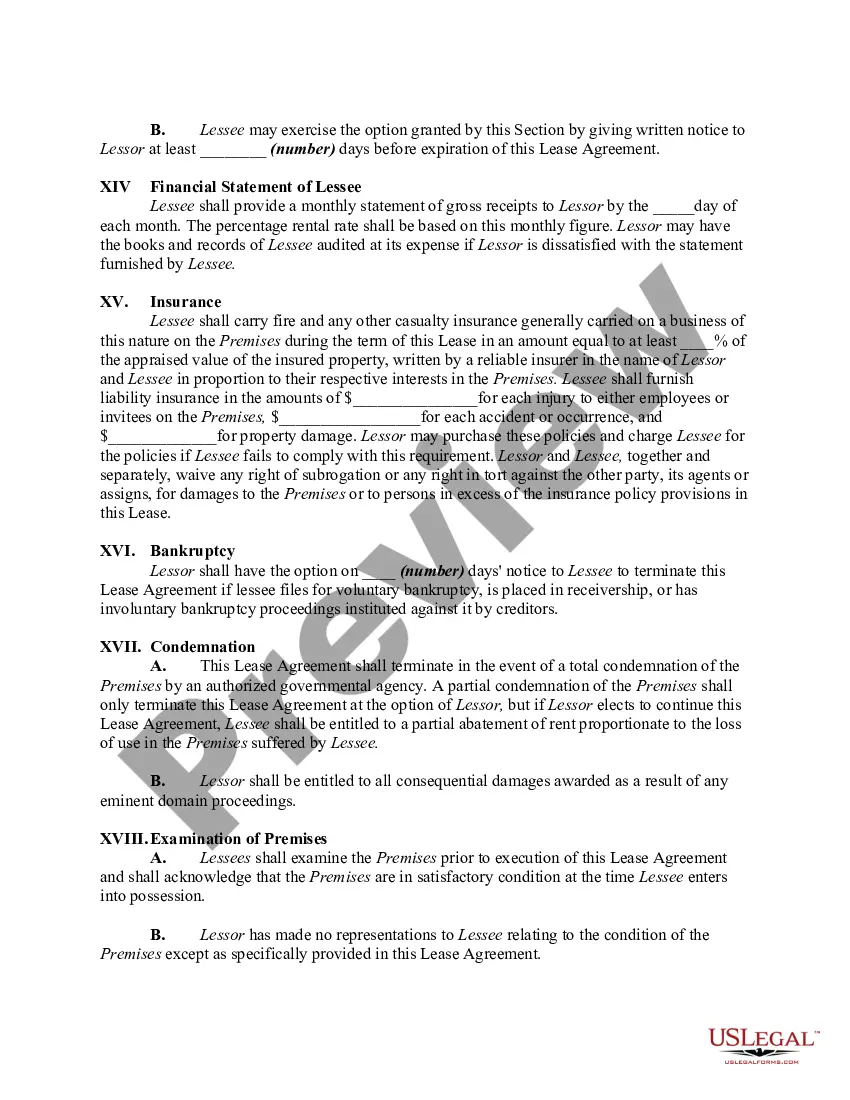
Get your form ready online
Our built-in tools help you complete, sign, share, and store your documents in one place.
Make edits, fill in missing information, and update formatting in US Legal Forms—just like you would in MS Word.
Download a copy, print it, send it by email, or mail it via USPS—whatever works best for your next step.
Sign and collect signatures with our SignNow integration. Send to multiple recipients, set reminders, and more. Go Premium to unlock E-Sign.
If this form requires notarization, complete it online through a secure video call—no need to meet a notary in person or wait for an appointment.
We protect your documents and personal data by following strict security and privacy standards.

Make edits, fill in missing information, and update formatting in US Legal Forms—just like you would in MS Word.

Download a copy, print it, send it by email, or mail it via USPS—whatever works best for your next step.

Sign and collect signatures with our SignNow integration. Send to multiple recipients, set reminders, and more. Go Premium to unlock E-Sign.

If this form requires notarization, complete it online through a secure video call—no need to meet a notary in person or wait for an appointment.

We protect your documents and personal data by following strict security and privacy standards.
Looking for another form?
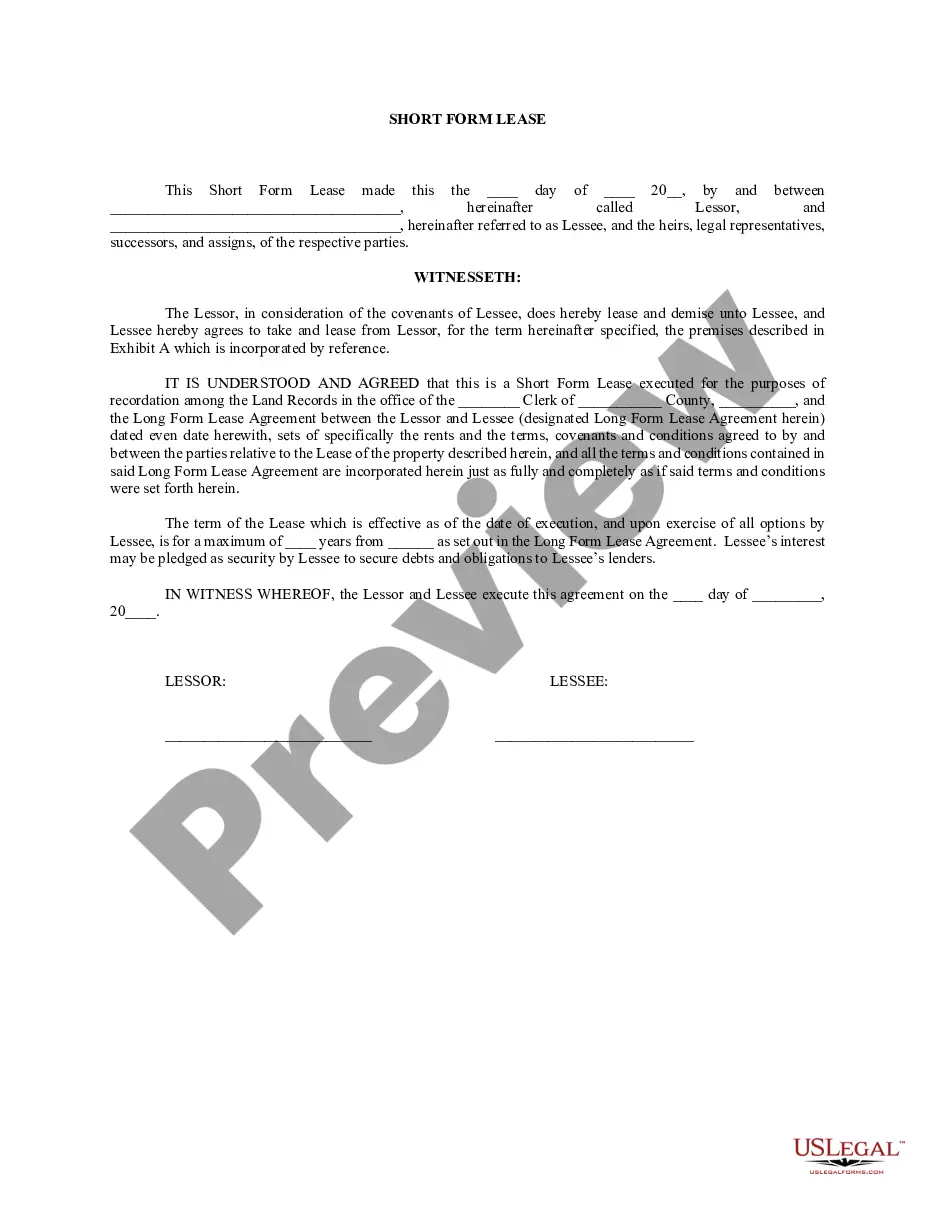
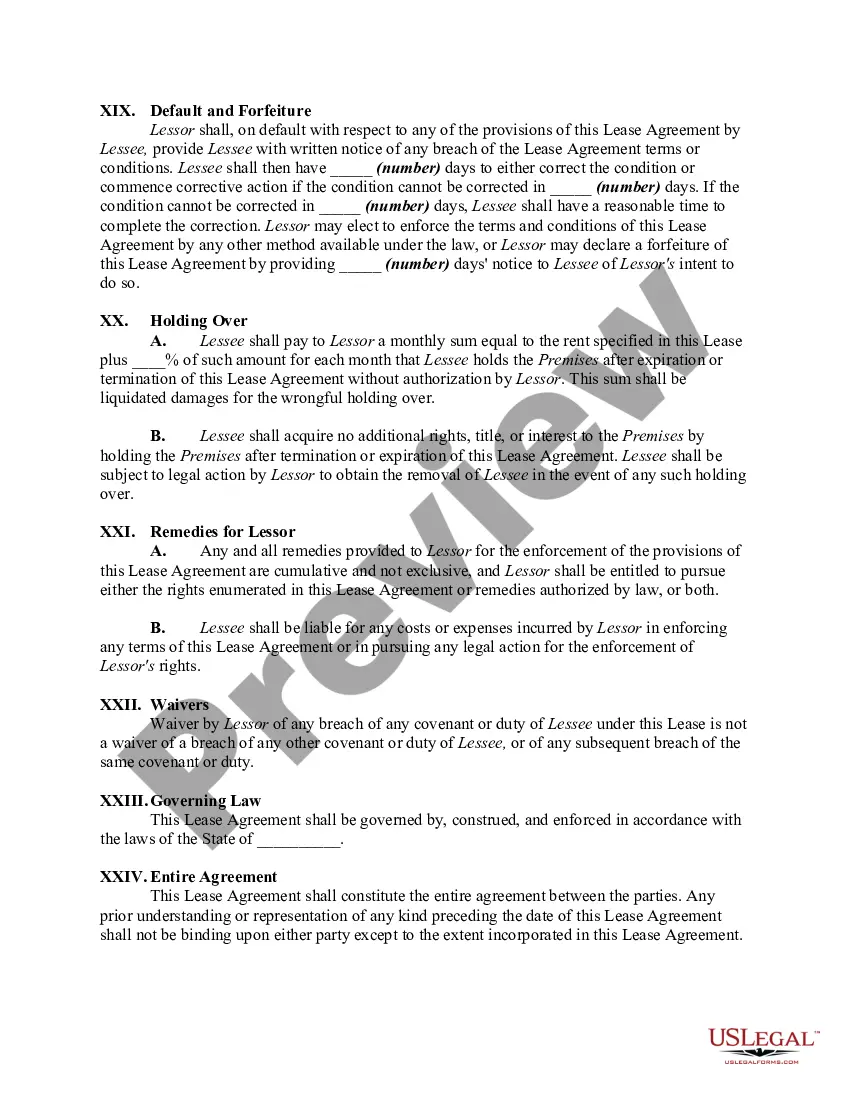
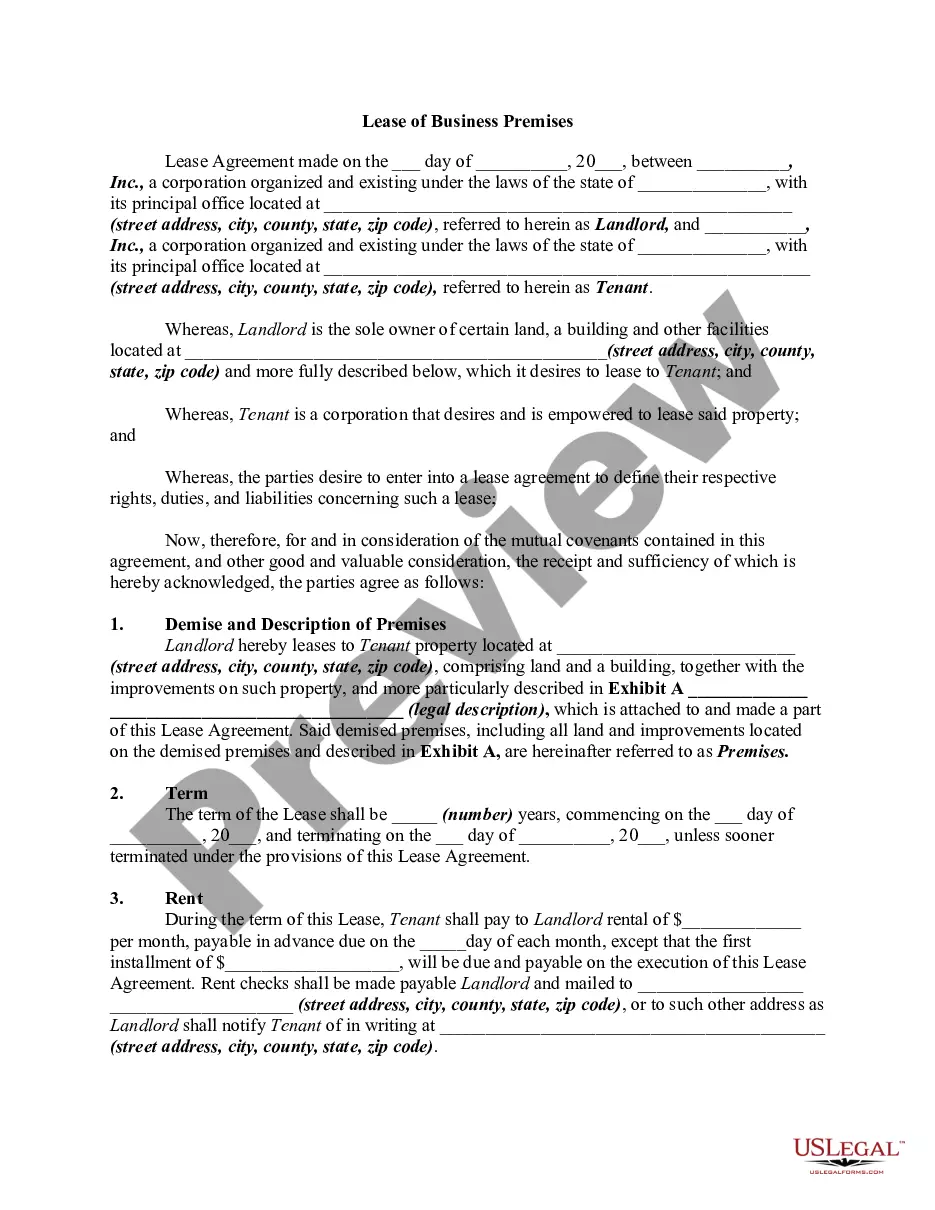
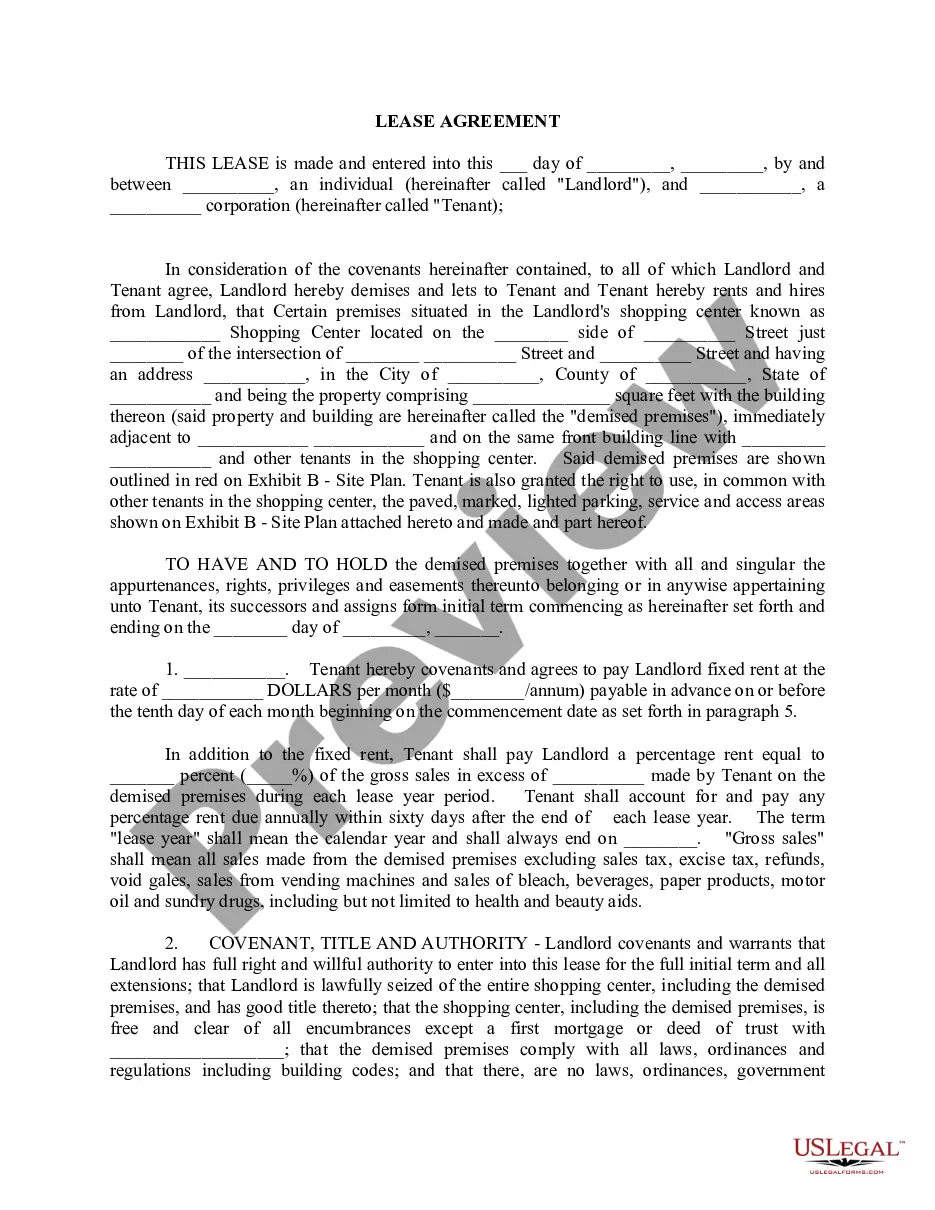
How to fill out Lease Of Retail Store With Additional Rent Based On Percentage Of Gross Receipts - Real Estate?
Finding a reliable source for obtaining the most up-to-date and suitable legal templates constitutes a significant portion of the challenge in navigating bureaucracy.
Identifying the correct legal documentation demands accuracy and meticulousness, which is why it is crucial to obtain examples of Percentage Leases Are Most Often Utilized With exclusively from trustworthy providers, such as US Legal Forms.
Eliminate the stress associated with your legal paperwork. Browse the comprehensive US Legal Forms catalog where you can locate legal templates, assess their suitability for your situation, and download them promptly.
- Utilize the catalog browsing or search bar to locate your template.
- Examine the description of the document to ensure it aligns with your state and local needs.
- Check the form preview, if available, to confirm that the template matches your criteria.
- Return to the search function and look for the appropriate document if the Percentage Leases Are Most Often Utilized With does not fulfill your needs.
- If you are confident in the form's applicability, proceed to download it.
- If you are a registered user, click Log in to verify and access your selected templates in My documents.
- If you haven’t created an account yet, click Buy now to acquire the template.
- Select the pricing option that best fits your requirements.
- Continue with the registration process to complete your purchase.
- Finalize your purchase by choosing a payment method (credit card or PayPal).
- Select the document format for downloading Percentage Leases Are Most Often Utilized With.
- Once the form is on your device, you can modify it using the editor or print it out to fill it manually.
Form popularity
FAQ
Percentage leases are most often used with tenants in the retail and food service industries. These sectors often face fluctuating sales, making a percentage-based rent appealing. This type of lease allows tenants to manage their expenses more effectively during slower sales periods. If you're considering this lease option, platforms like USLegalForms can help you navigate the specifics and terms to ensure a fair agreement.
Percentage leases are most often used with businesses that experience variable income, such as restaurants and clothing stores. These leases provide a flexible option that aligns the landlord's income with the tenant's sales performance. This structure promotes a partnership mentality, encouraging landlords to support their tenants' success. Consequently, it is a popular choice in dynamic retail environments.
Percentage leases are most often used with retail spaces, where rent is calculated based on a percentage of the tenant’s sales. This arrangement allows landlords to benefit from the success of their tenants while providing tenants with a lower base rent. It creates a mutually beneficial relationship that can adapt to market conditions. Many businesses, particularly those in high-traffic areas, find this lease structure advantageous.
Both tenants and landlords can benefit from a percentage lease, but tenants in fluctuating markets often gain the most. By linking rent to sales performance, tenants can reduce financial strain during downturns. This creates a more sustainable business model, allowing for growth without the burden of fixed high rents. Platforms like uslegalforms can assist in drafting these leases to ensure they meet the needs of both parties.
Percentage leases are most often used with retail tenants, particularly those operating in shopping centers or malls. These tenants benefit from a leasing structure that aligns their rent with their sales performance. This approach allows them to manage costs more effectively during slow sales periods. Consequently, landlords also find this arrangement attractive as it can drive higher revenue during strong sales months.
Percentage leases are most often used with retail tenants, particularly those in shopping centers and malls. These tenants benefit from a lease structure that ties their rent to a percentage of their sales revenue. This arrangement aligns the interests of both landlords and tenants, as it encourages tenants to boost sales while ensuring landlords get a fair return based on performance. By using a percentage lease, tenants can manage their costs more effectively, making it a popular choice for businesses in competitive markets.
To calculate the natural breakpoint in retail leases, take the base rent and divide it by the agreed upon percentage. The resulting number is the gross sales amount the retailer must reach before they start paying a portion of sales as additional rent.
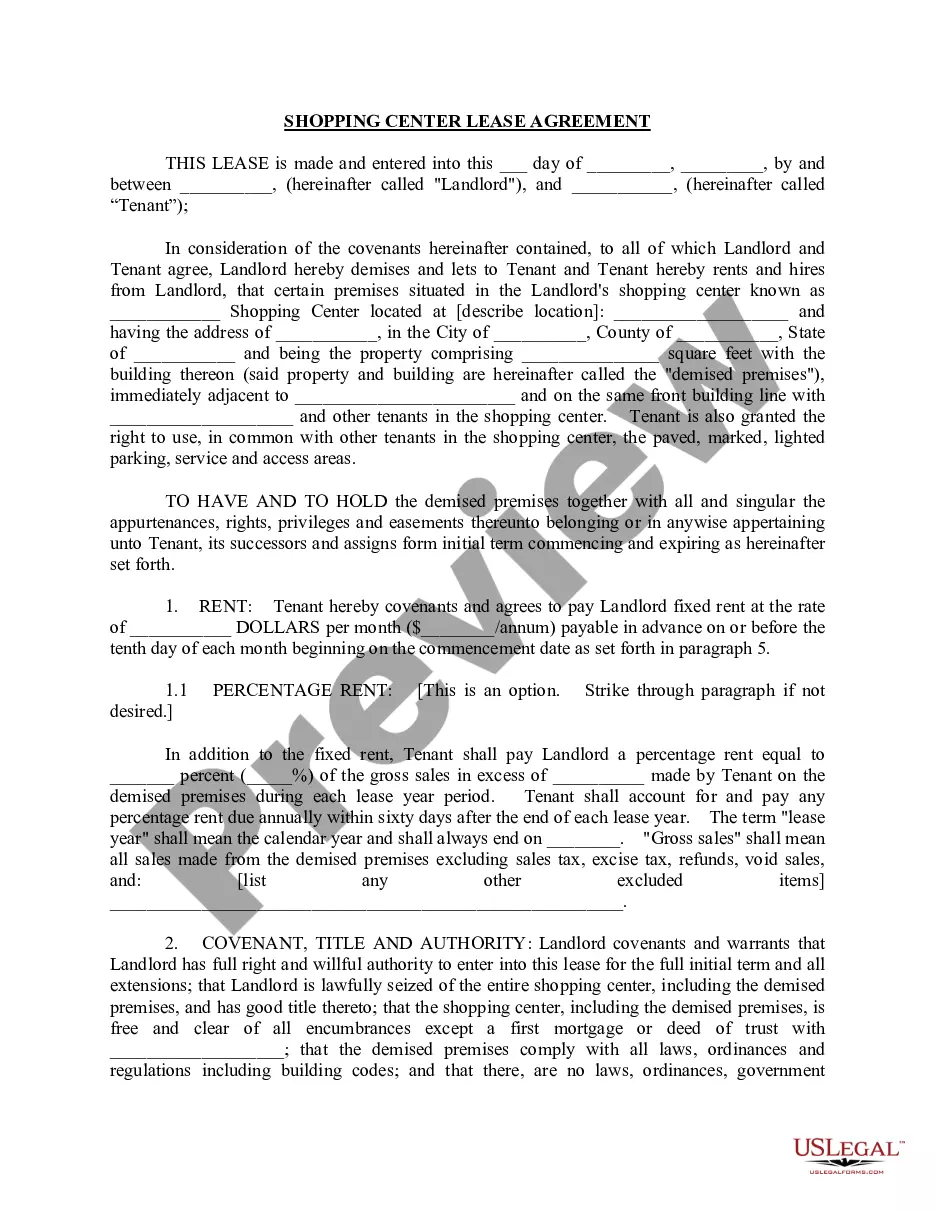
Camille signs a percentage lease with the landlord, agreeing to pay $4,000 rent for a space at the mall. Per the agreement, she must also give 7% of her profits after earning a breakpoint of $8,000. This is a typical example of how a percentage lease might work in the retail market.
A percentage lease requires commercial tenants to pay to the landlord a set percentage of gross revenue earned from business conducted at the leased premises. This percentage is added on top of a base rent, but the base will be set lower than it would be on a standard lease, making it attractive to tenants.
A percentage lease requires commercial tenants to pay to the landlord a set percentage of gross revenue earned from business conducted at the leased premises. This percentage is added on top of a base rent, but the base will be set lower than it would be on a standard lease, making it attractive to tenants.