Gross Estate In A Will
Description
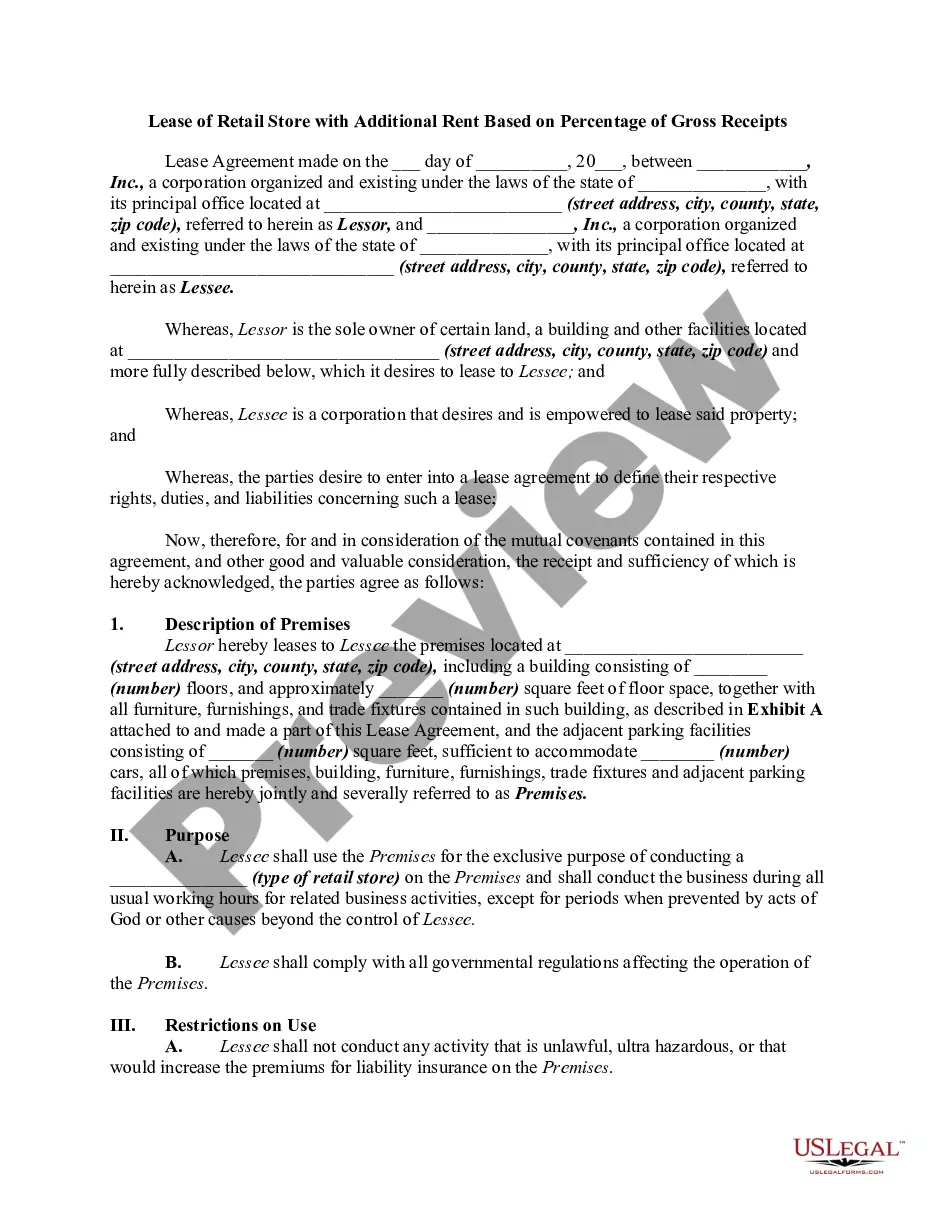
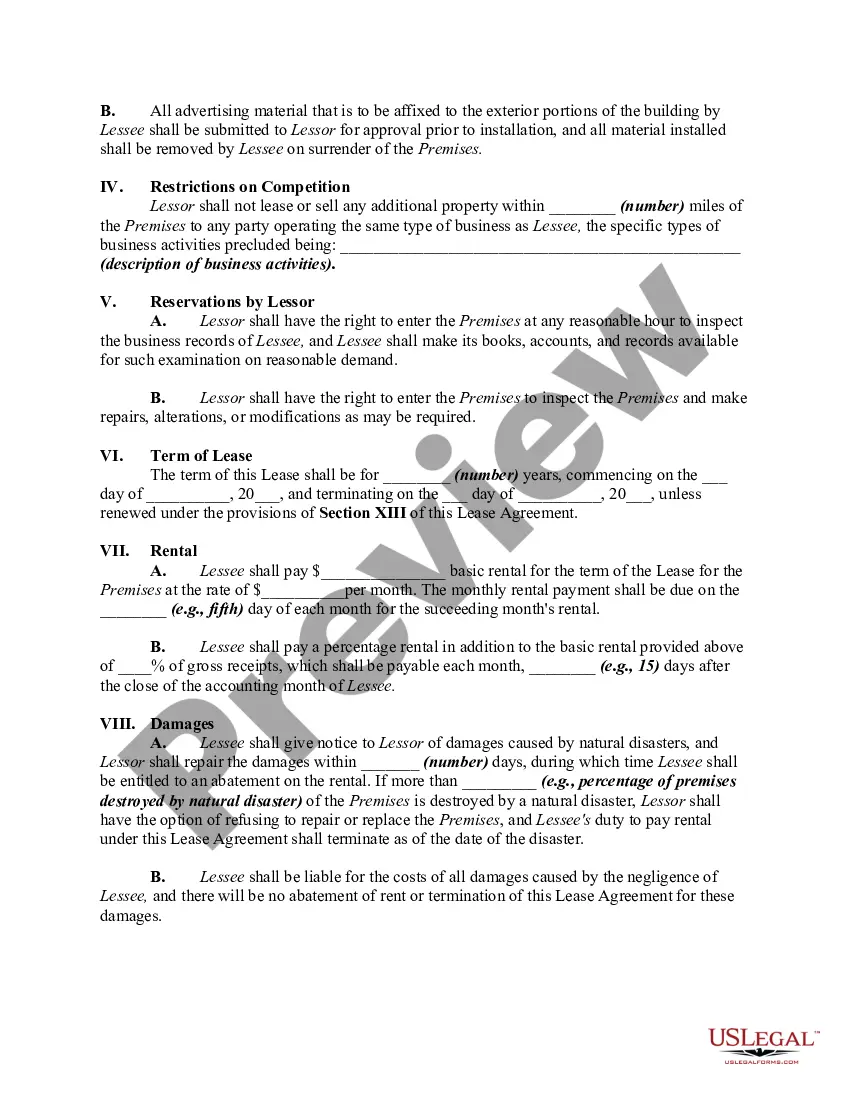
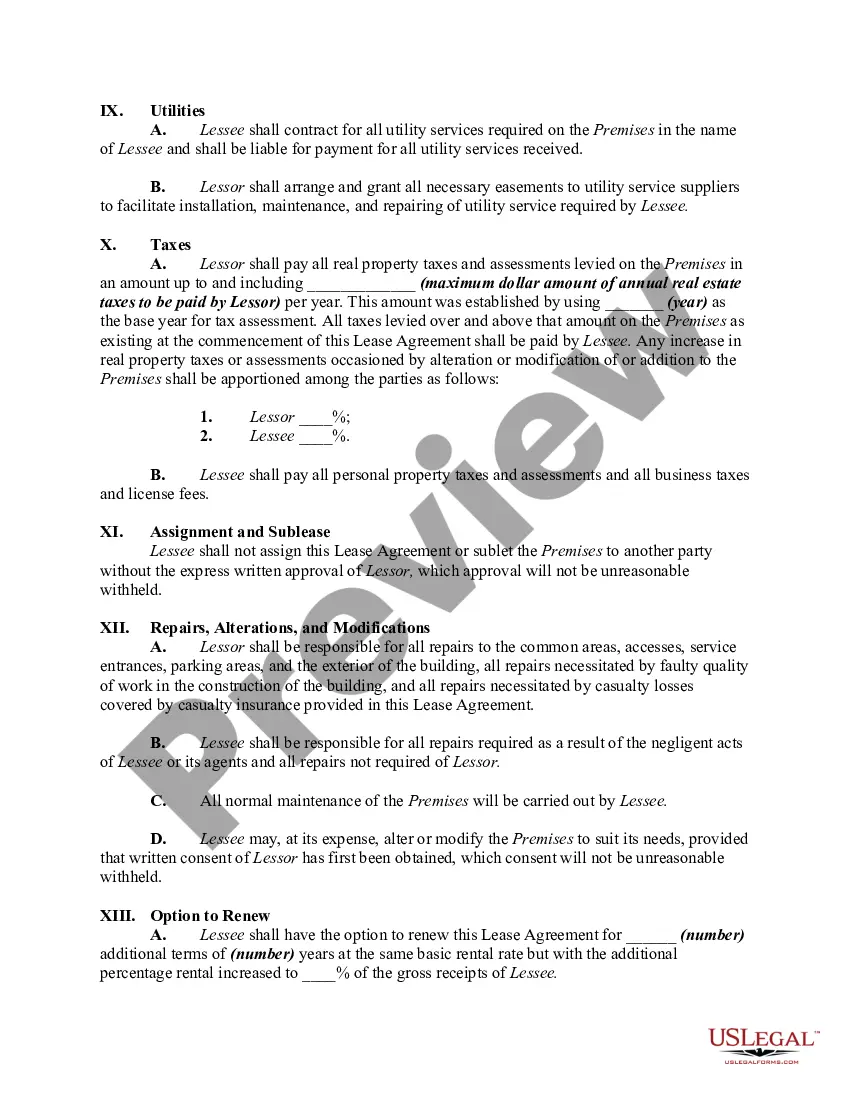
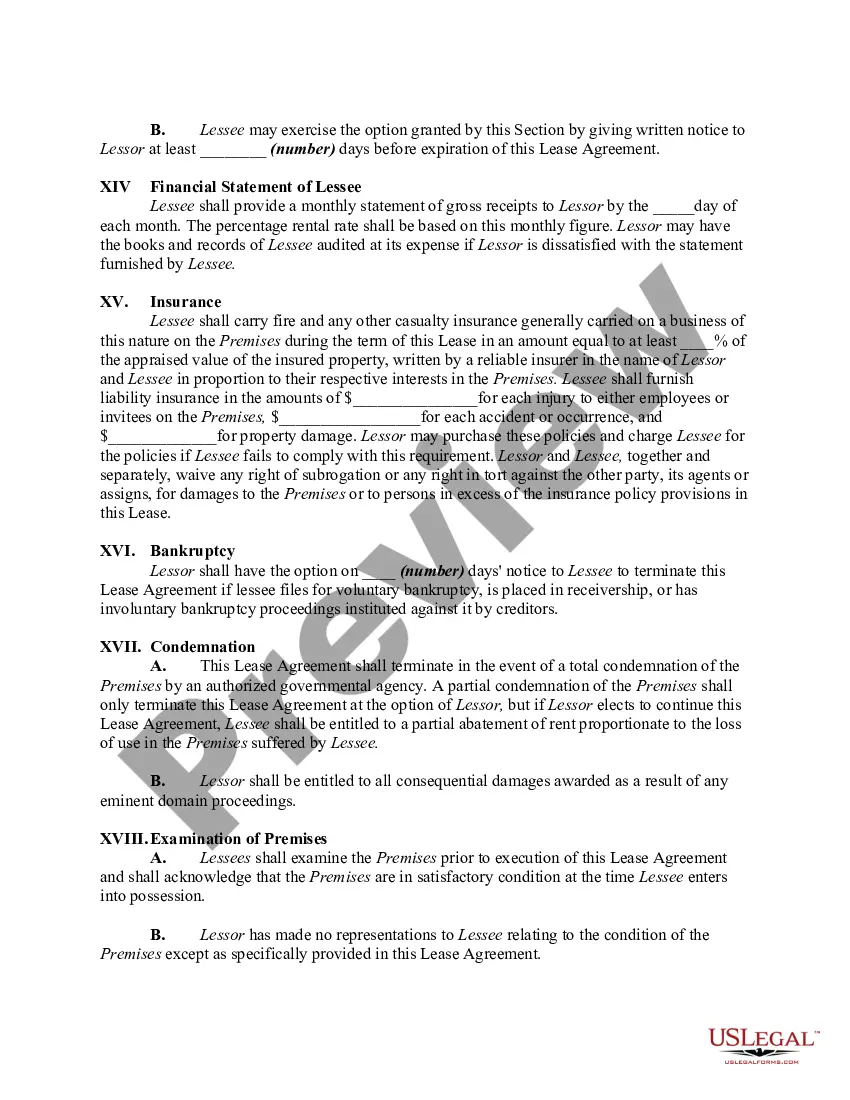
Get your form ready online
Our built-in tools help you complete, sign, share, and store your documents in one place.
Make edits, fill in missing information, and update formatting in US Legal Forms—just like you would in MS Word.
Download a copy, print it, send it by email, or mail it via USPS—whatever works best for your next step.
Sign and collect signatures with our SignNow integration. Send to multiple recipients, set reminders, and more. Go Premium to unlock E-Sign.
If this form requires notarization, complete it online through a secure video call—no need to meet a notary in person or wait for an appointment.
We protect your documents and personal data by following strict security and privacy standards.

Make edits, fill in missing information, and update formatting in US Legal Forms—just like you would in MS Word.

Download a copy, print it, send it by email, or mail it via USPS—whatever works best for your next step.

Sign and collect signatures with our SignNow integration. Send to multiple recipients, set reminders, and more. Go Premium to unlock E-Sign.

If this form requires notarization, complete it online through a secure video call—no need to meet a notary in person or wait for an appointment.

We protect your documents and personal data by following strict security and privacy standards.
Looking for another form?






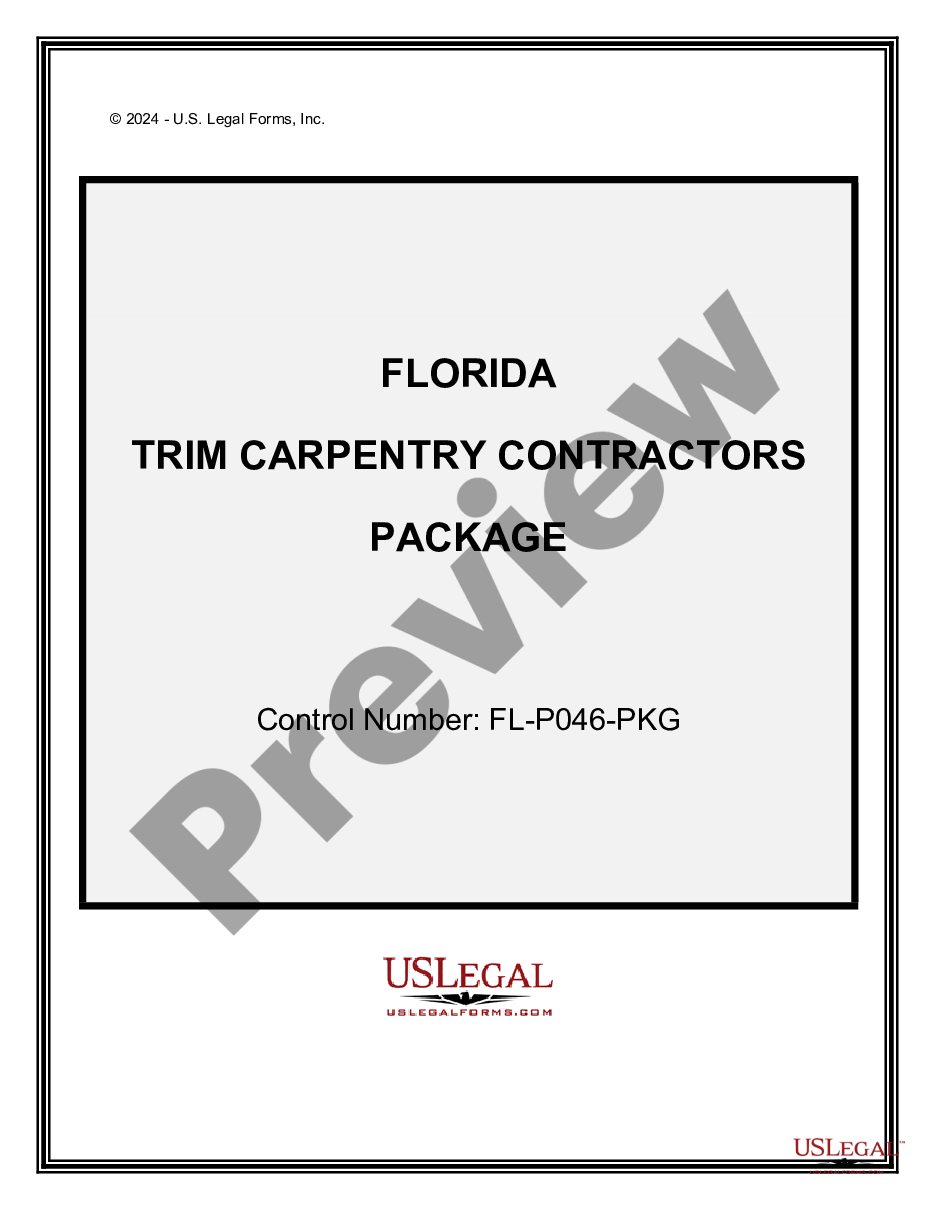

How to fill out Lease Of Retail Store With Additional Rent Based On Percentage Of Gross Receipts - Real Estate?
Creating legal documents from the ground up can often be intimidating.
Certain situations may require extensive research and significant financial investment.
If you're looking for a simpler and more budget-friendly method of crafting Gross Estate In A Will or other forms without facing unnecessary hurdles, US Legal Forms is always available to you.
Our online collection of over 85,000 current legal forms encompasses nearly every aspect of your financial, legal, and personal affairs.
However, before diving straight into downloading Gross Estate In A Will, consider these suggestions: Review the form preview and descriptions to confirm that you have located the document you need. Verify that the selected form adheres to the laws and regulations of your state and county. Choose the most appropriate subscription option to purchase the Gross Estate In A Will. Download the file, then complete, sign, and print it out. US Legal Forms boasts a strong reputation and over 25 years of experience. Join us today and simplify the document execution process!
- With a few clicks, you can promptly obtain state- and county-approved templates skillfully assembled for you by our legal experts.
- Utilize our platform whenever you require reliable services that allow you to effortlessly find and download the Gross Estate In A Will.
- If you're a returning user and have previously registered with us, simply Log In to your account, choose the template, and download it immediately or re-download it at any time from the My documents section.
- Not yet a member? No worries. Setting up an account takes minimal time, allowing you to explore our catalog.
Form popularity
FAQ
Let's say estate owner John passed away in 2023. Combining his personal possessions, insurance policies, financial accounts and real property, John owned an estate worth $8 million ? his gross estate.
Generally, gifts that are includible in gross estate are those that were made by the decedent within 3 years before the death. Assets that are included in this summary value are also included in the appropriate asset categories.
A deduction from the gross estate is allowed for funeral expenses, administration expenses, claims against the estate, certain taxes, and unpaid mortgages or other indebtedness allowable under the local law governing the administration of the decedent's estate ( Code Sec. 2053; Reg.
The gross estate is the total sum of all assets held by a person at a given time or at his death. The assets may include cash, securities, property, real estate, jewelry, and other assets owned. Adjusted gross estate deducts the liabilities from the gross estate.
The gross estate consists of the value of all property (real or personal, tangible or intangible) owned by a decedent or in which the decedent had an interest at the time of death. See I.R.C. § 2031(a). Generally, assets are included in the gross estate at their fair market value on the date of the decedent's death.