Warehouse Policy Sample Without Receipt
Description
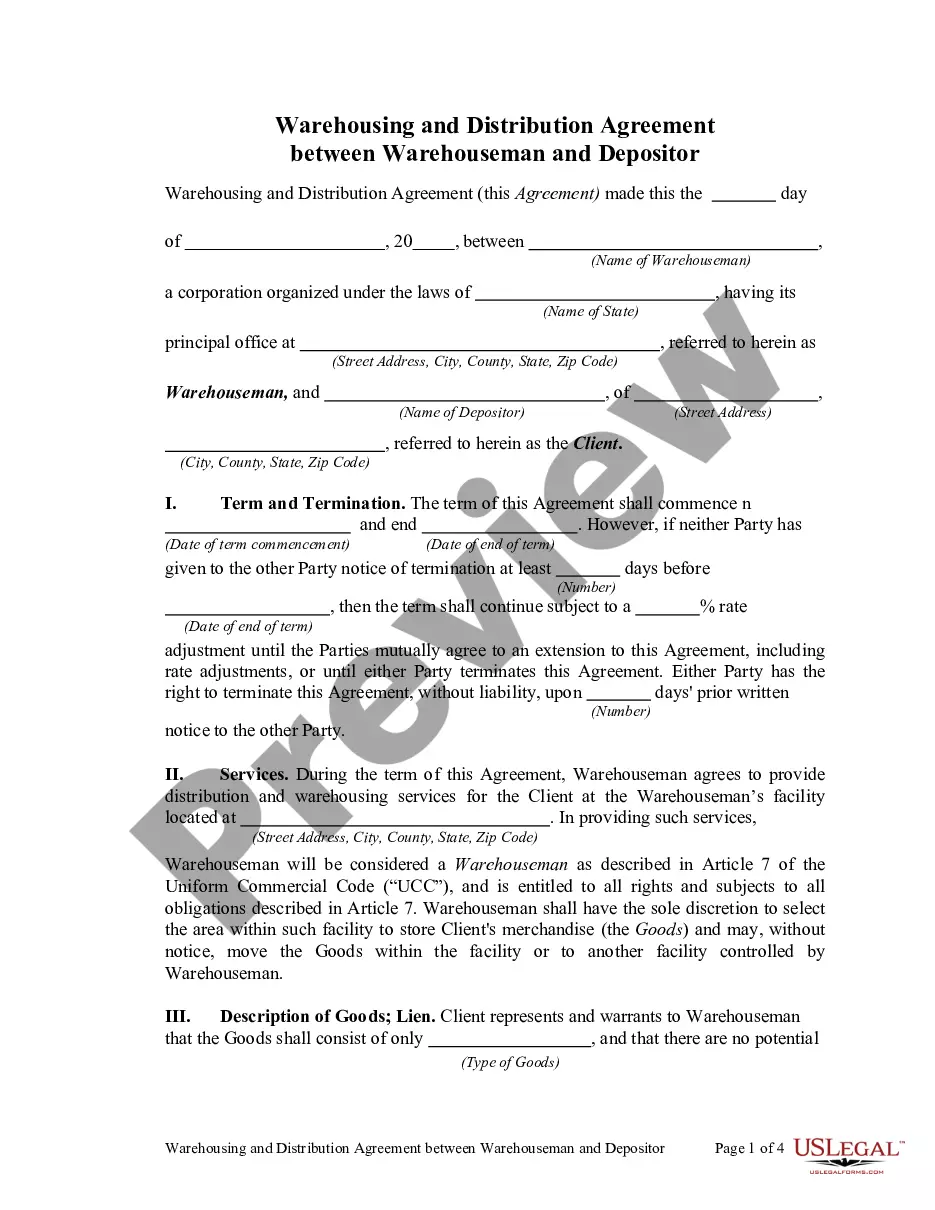
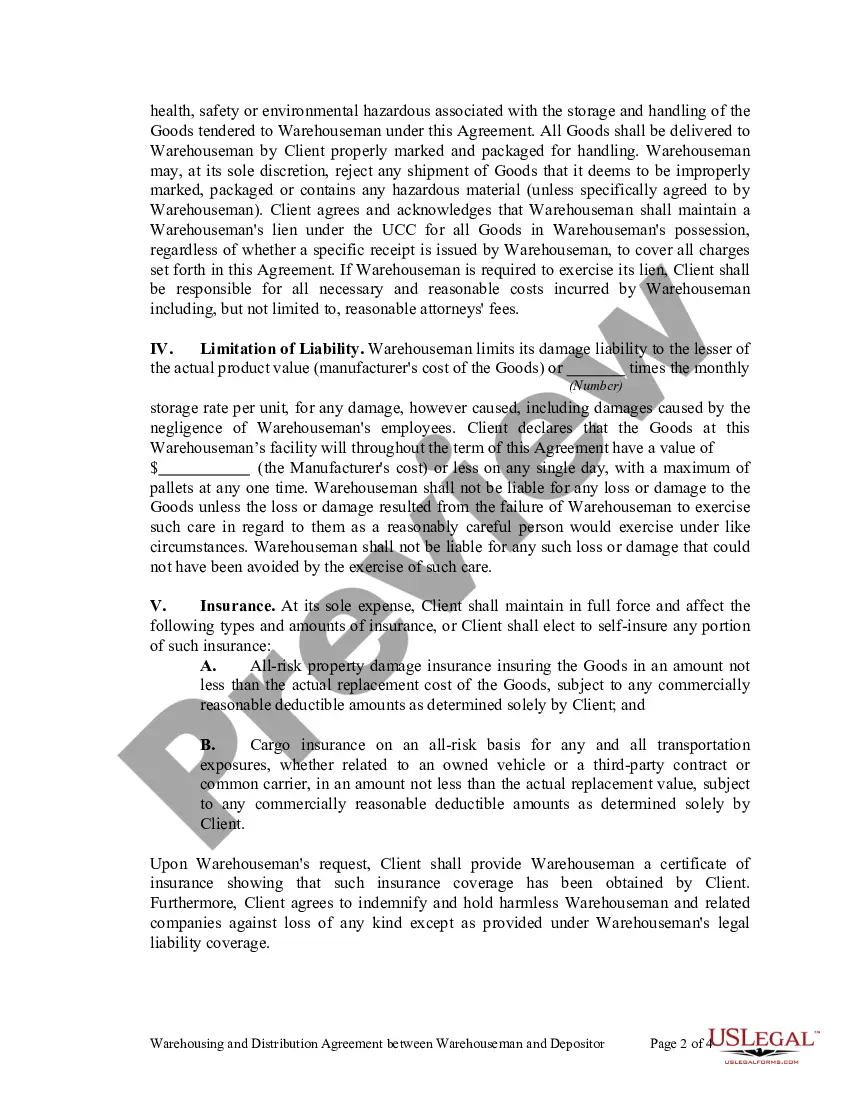
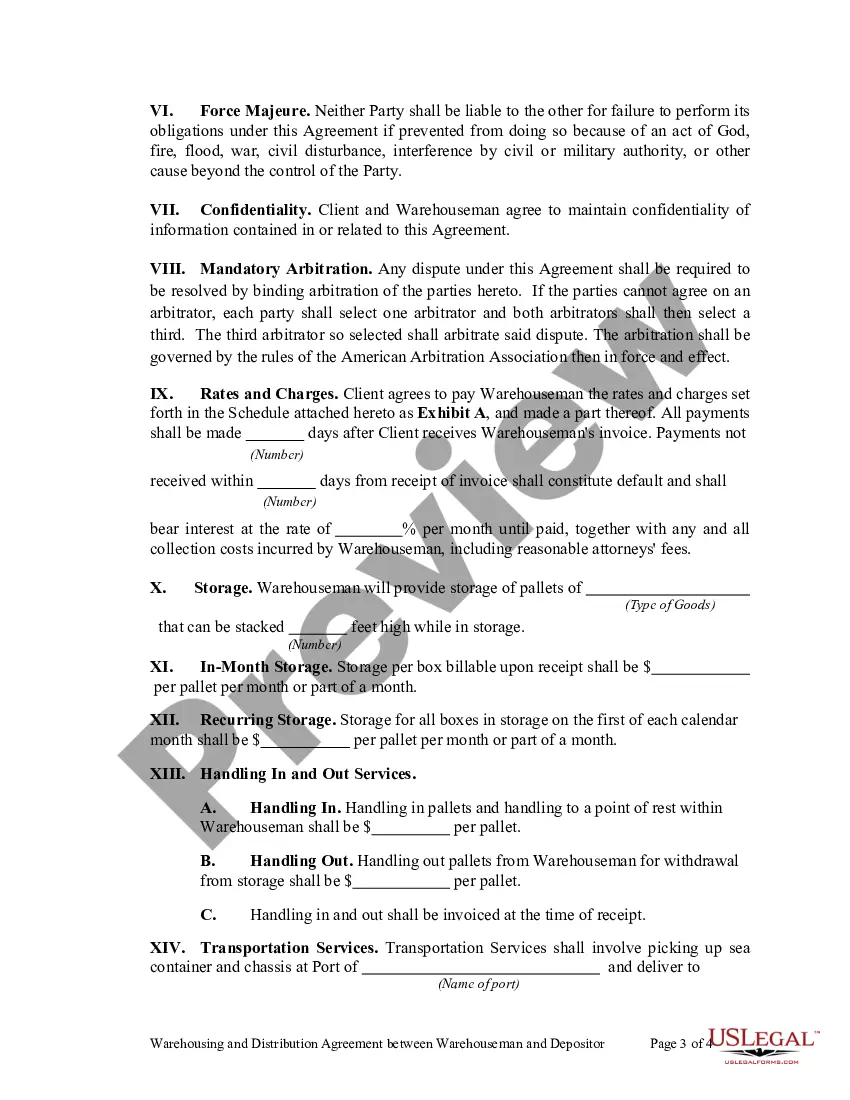
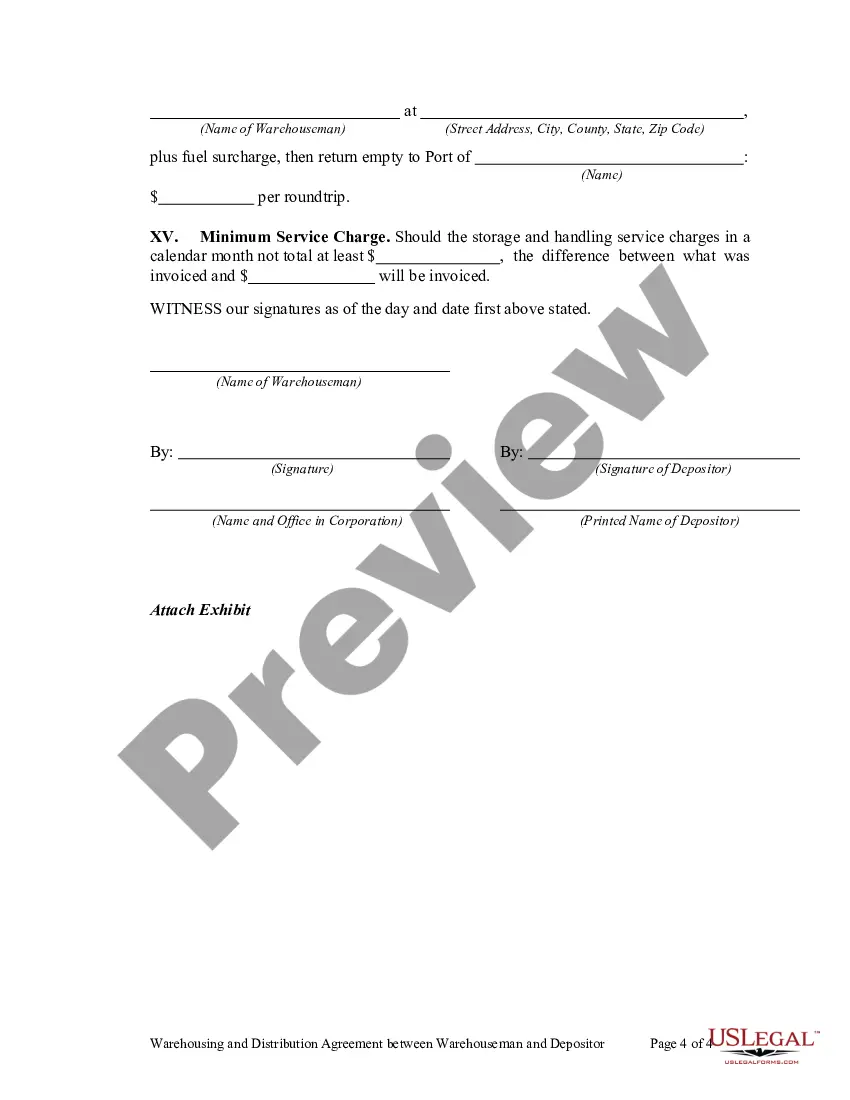
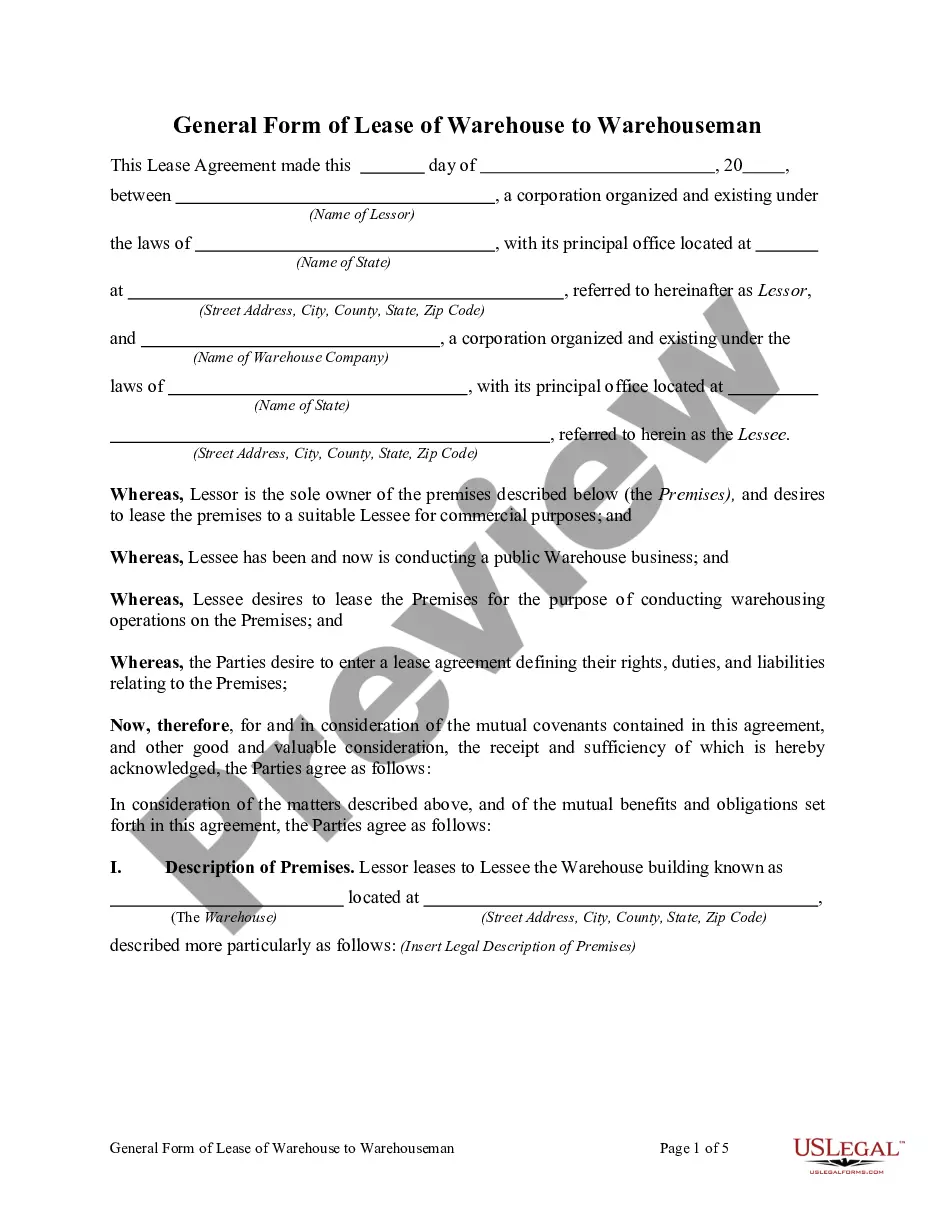
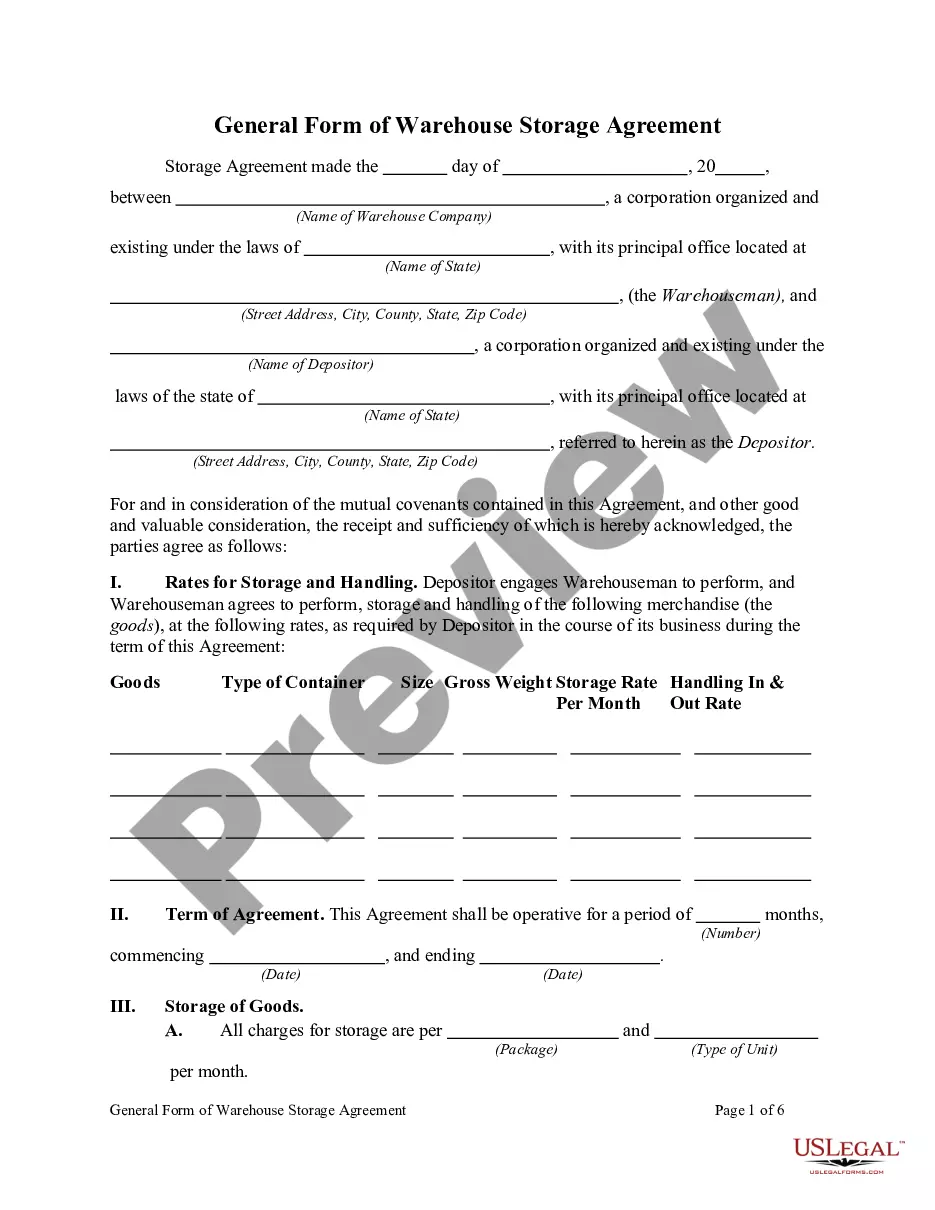
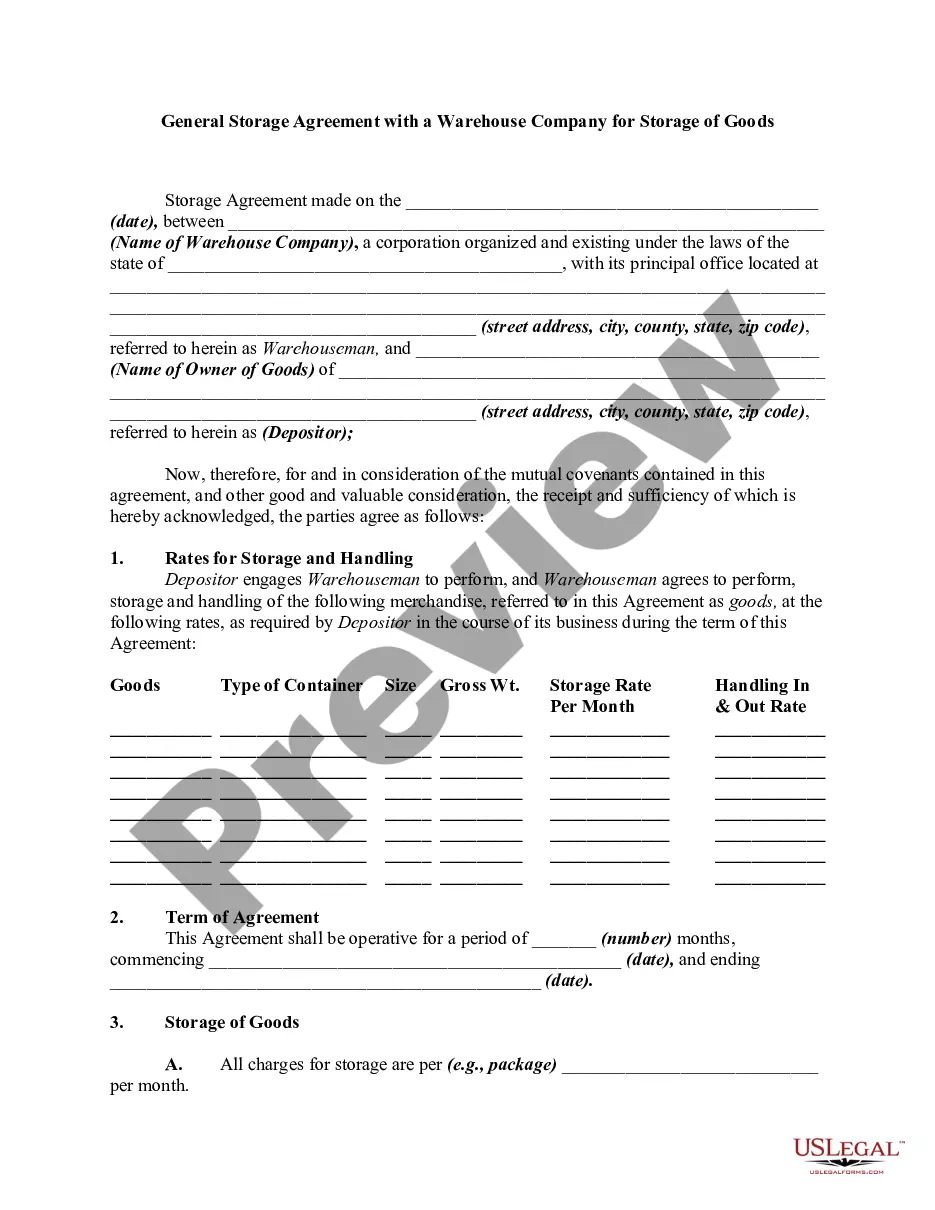
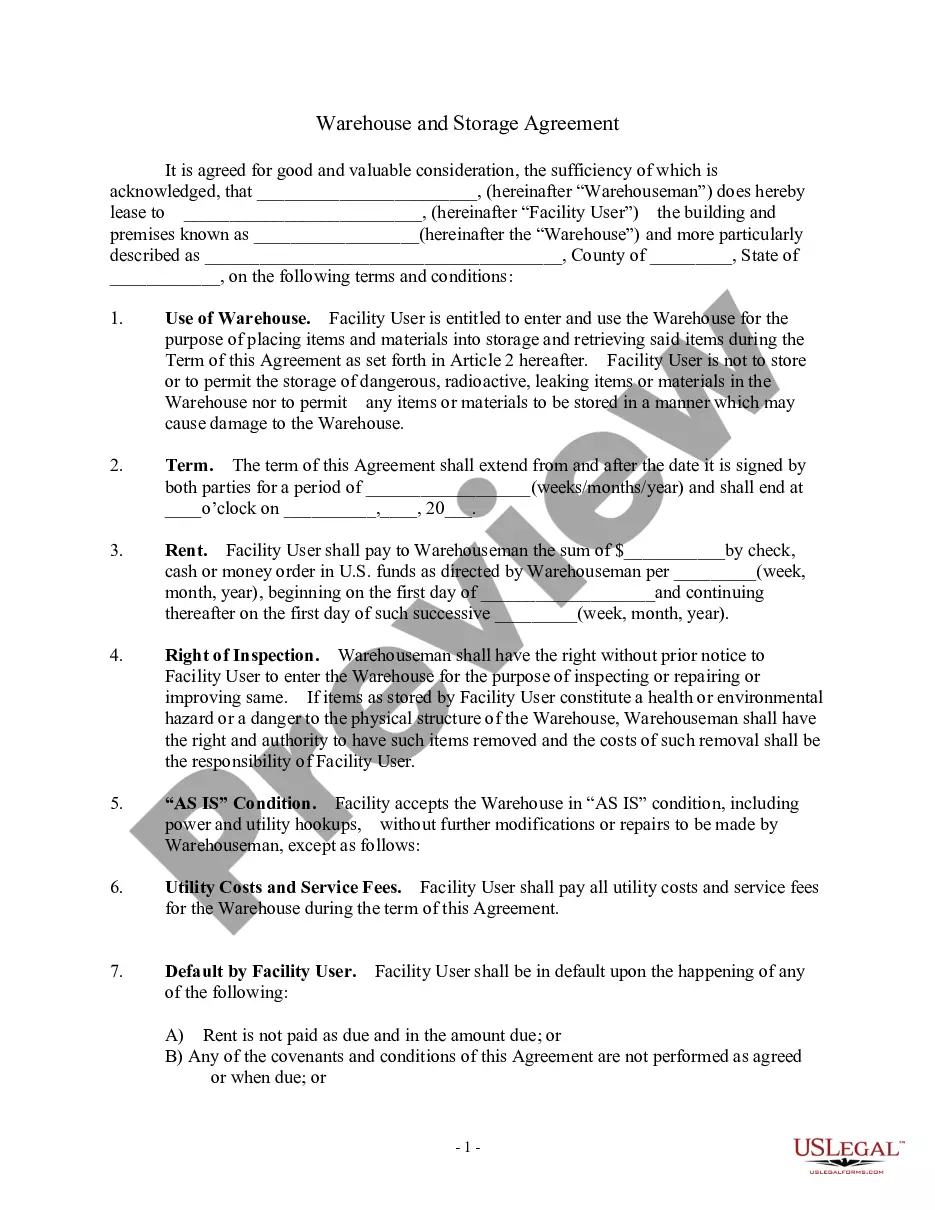
Get your form ready online
Our built-in tools help you complete, sign, share, and store your documents in one place.
Make edits, fill in missing information, and update formatting in US Legal Forms—just like you would in MS Word.
Download a copy, print it, send it by email, or mail it via USPS—whatever works best for your next step.
Sign and collect signatures with our SignNow integration. Send to multiple recipients, set reminders, and more. Go Premium to unlock E-Sign.
If this form requires notarization, complete it online through a secure video call—no need to meet a notary in person or wait for an appointment.
We protect your documents and personal data by following strict security and privacy standards.

Make edits, fill in missing information, and update formatting in US Legal Forms—just like you would in MS Word.

Download a copy, print it, send it by email, or mail it via USPS—whatever works best for your next step.

Sign and collect signatures with our SignNow integration. Send to multiple recipients, set reminders, and more. Go Premium to unlock E-Sign.

If this form requires notarization, complete it online through a secure video call—no need to meet a notary in person or wait for an appointment.

We protect your documents and personal data by following strict security and privacy standards.
Looking for another form?
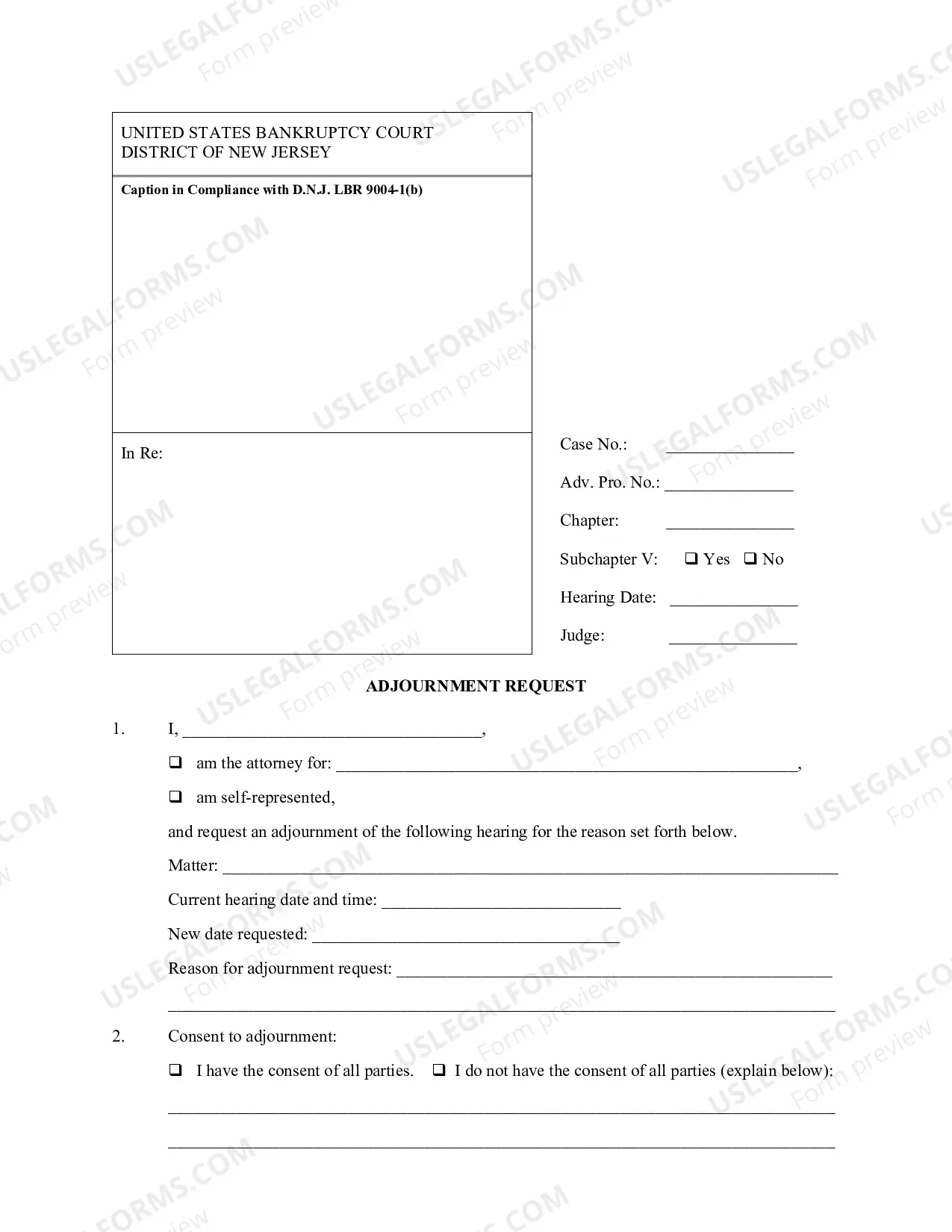
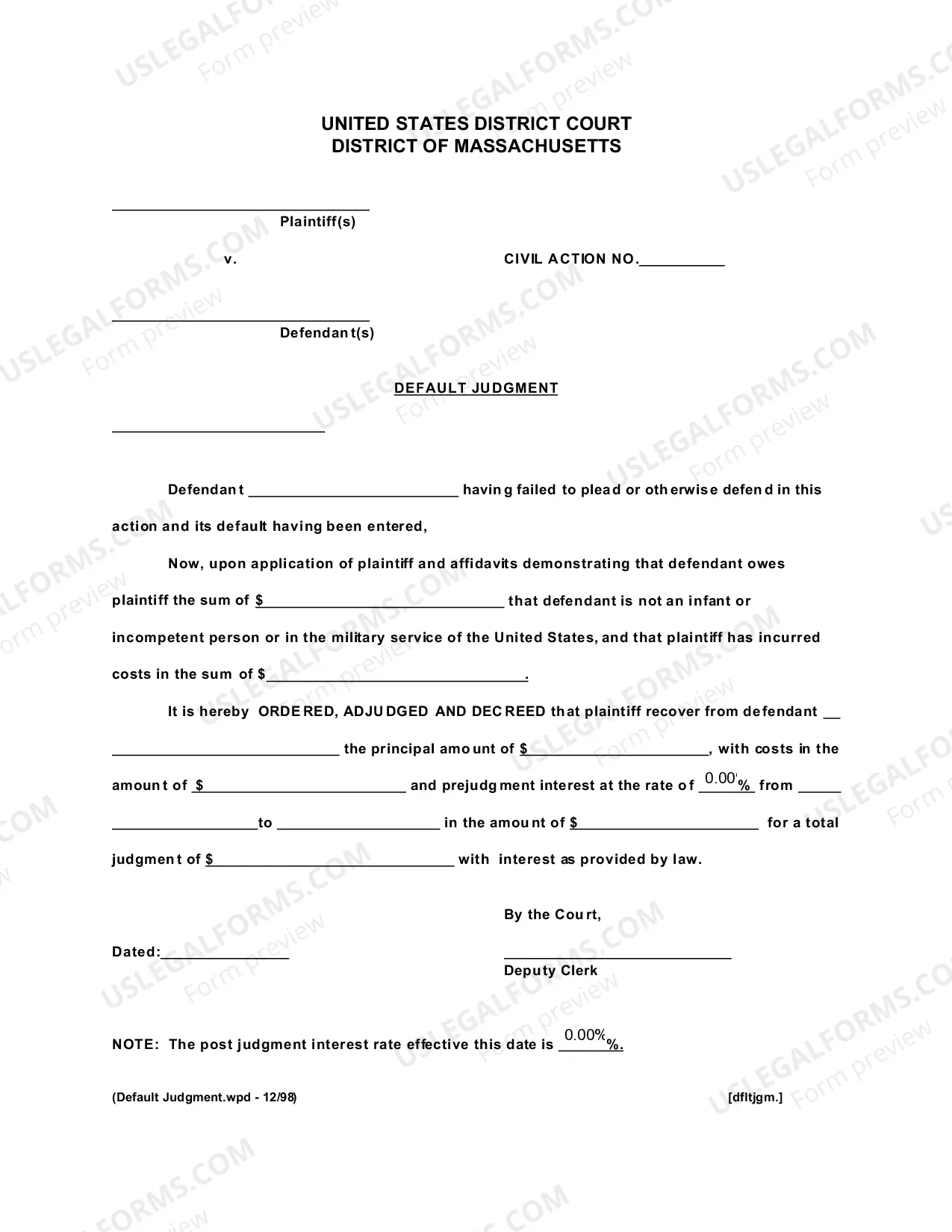
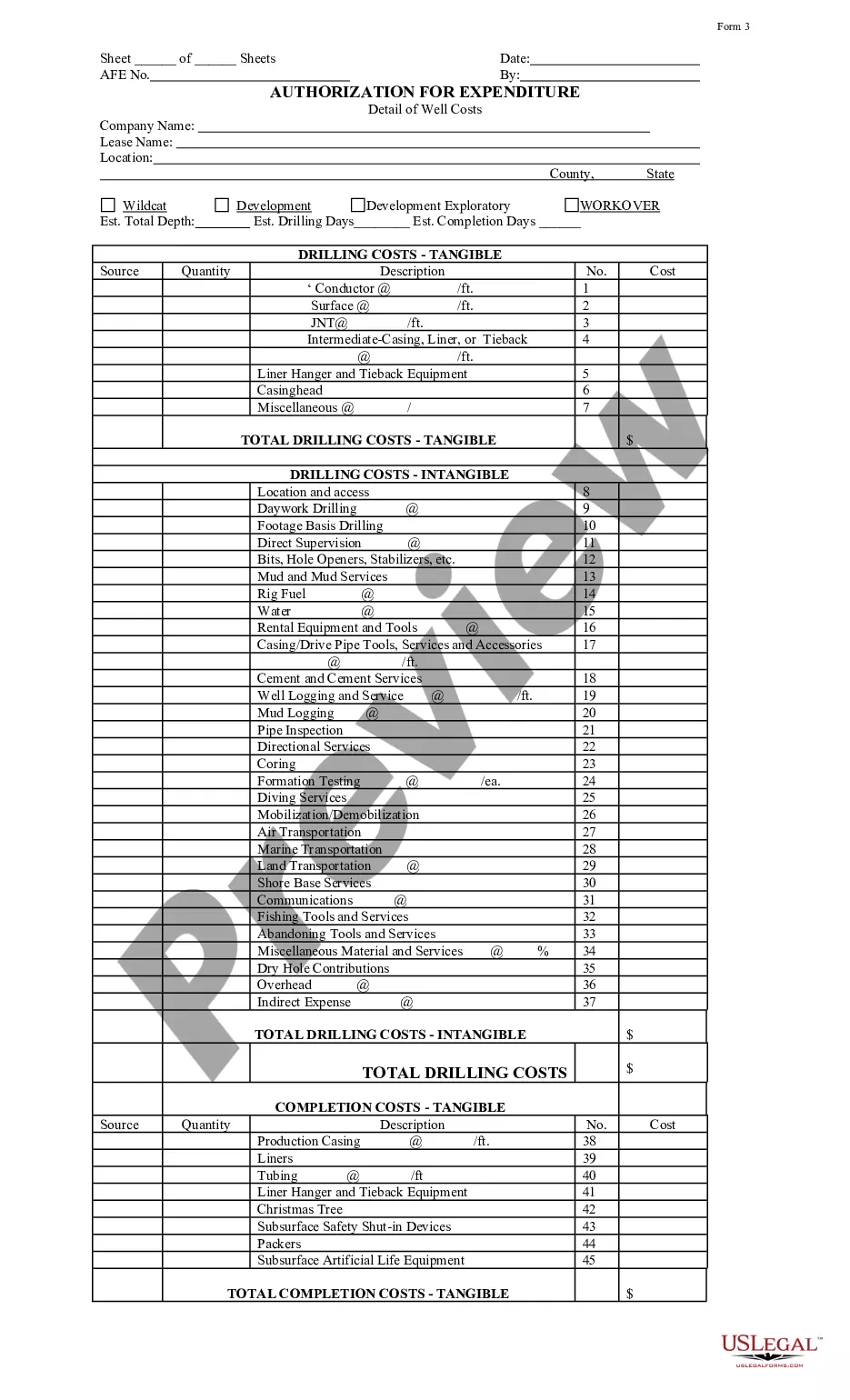
How to fill out Warehousing And Distribution Agreement Between Warehouseman And Depositor?
Acquiring a reliable source to access the latest and most pertinent legal examples is a significant part of dealing with bureaucracy.
Identifying the appropriate legal documents necessitates precision and meticulousness, which underscores the importance of obtaining Warehouse Policy Sample Without Receipt only from reputable sources like US Legal Forms. An incorrect template could waste your time and delay your situation.
Eliminate the complications associated with your legal documentation. Explore the vast US Legal Forms inventory to discover legal samples, evaluate their applicability to your situation, and download them right away.
- Use the catalog navigation or search bar to locate your sample.
- Review the document’s details to confirm it meets the specifications of your state and locality.
- Examine the document preview, if available, to verify that it's the correct one you need.
- Return to the search and look for the appropriate template if the Warehouse Policy Sample Without Receipt does not fulfill your requirements.
- Once you are confident about the document's applicability, download it.
- If you are a registered user, click Log in to verify your identity and access your chosen templates in My documents.
- If you haven't created a profile yet, click Buy now to purchase the template.
- Select the payment plan that fits your needs.
- Proceed with registration to complete your transaction.
- Finalize your purchase by choosing a payment method (credit card or PayPal).
- Select the document format for downloading Warehouse Policy Sample Without Receipt.
- After obtaining the form on your device, you can edit it using the editor, or print it out and fill it manually.
Form popularity
FAQ
Yes, a warehouse receipt can be either negotiable or non-negotiable depending on its terms. A negotiable warehouse receipt allows the holder to transfer ownership, while a non-negotiable receipt restricts this action. For those curious about creating a warehouse policy sample without receipt, distinguishing between these types is essential for proper documentation.
Warehouse management is the overall process of overseeing the day-to-day operations of a warehouse. This includes the major procedures involved in ensuring the smooth performance of activities such as receiving, inventory, storage, packing, and shipping of products out of warehouses.
negotiable receipt is less common than a negotiable receipt. The nonnegotiable receipt only references the party that receives the delivered goods.
Example #1 That document specifies the price and amount of rice to be delivered. Smith is the rice owner, and every time it is grown, it will be brought to his store. However, he will receive a receipt rather than having the rice delivered to his business. It will tell him where the rice is housed.
A goods receipt, depending on the context, has two different meaning. One: it is the movement of goods or materials into the warehouse i.e. incoming goods. Two: it is a document that serves as a confirmation to the receipt of materials to the warehouse or the receipt of stock from the vendor or manufacturer.
Some areas you can address in your policy document include the following: Warehouse safety rules. Warehouse safety checklist. Hazard reporting procedures. Personal protective equipment (PPE) Standard operating procedures. Emergency plans.