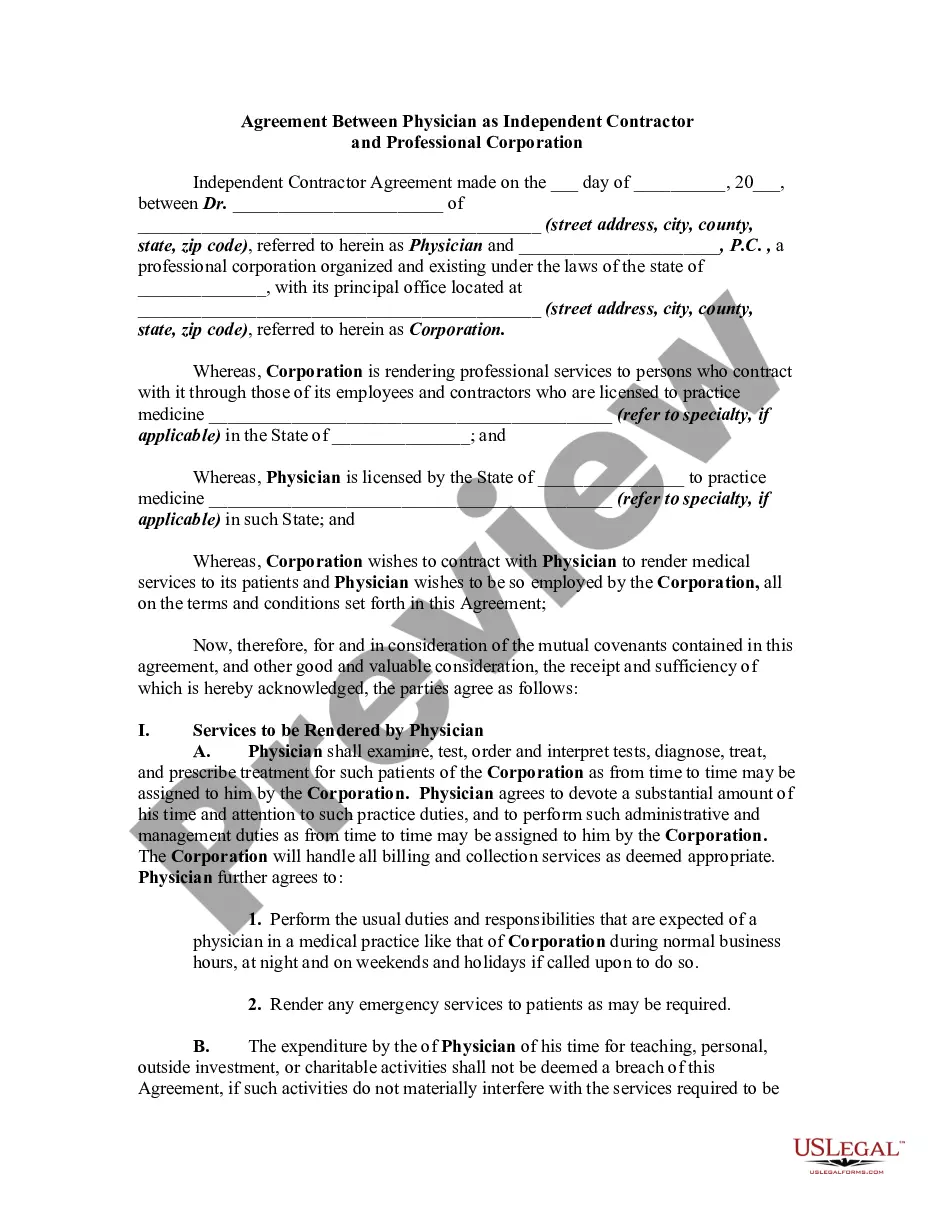
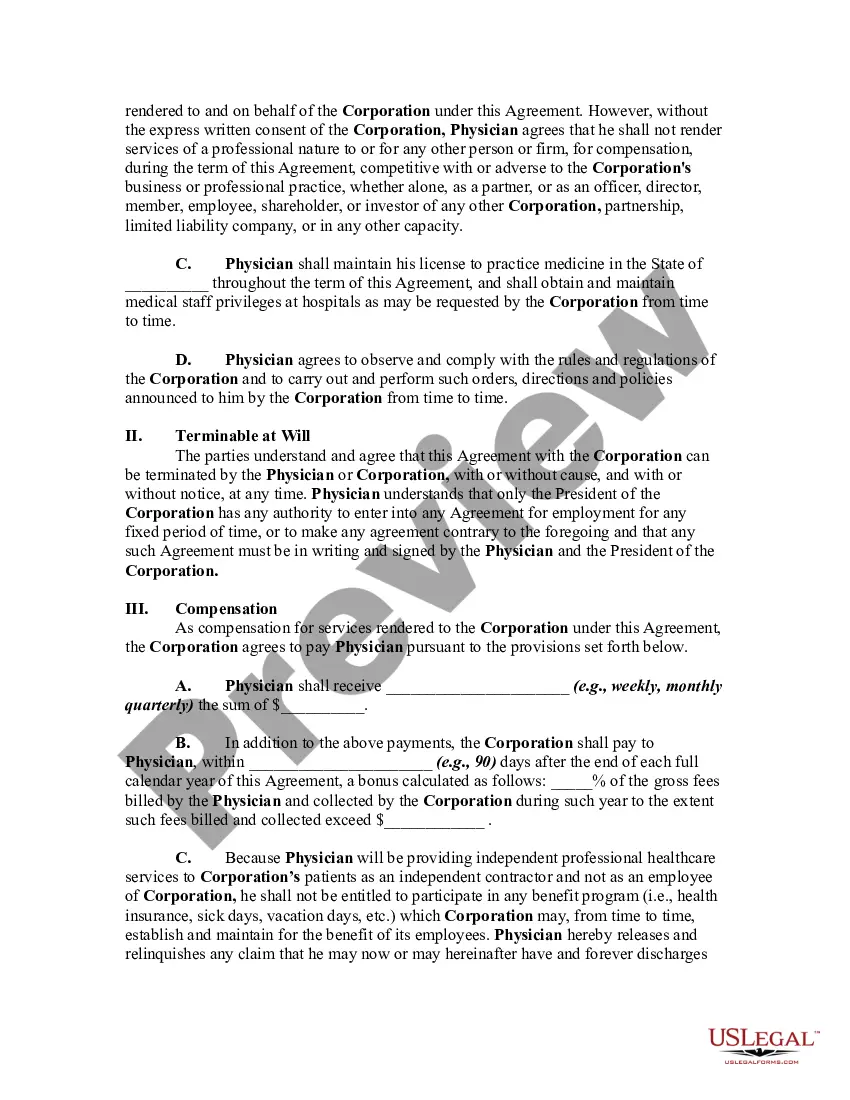
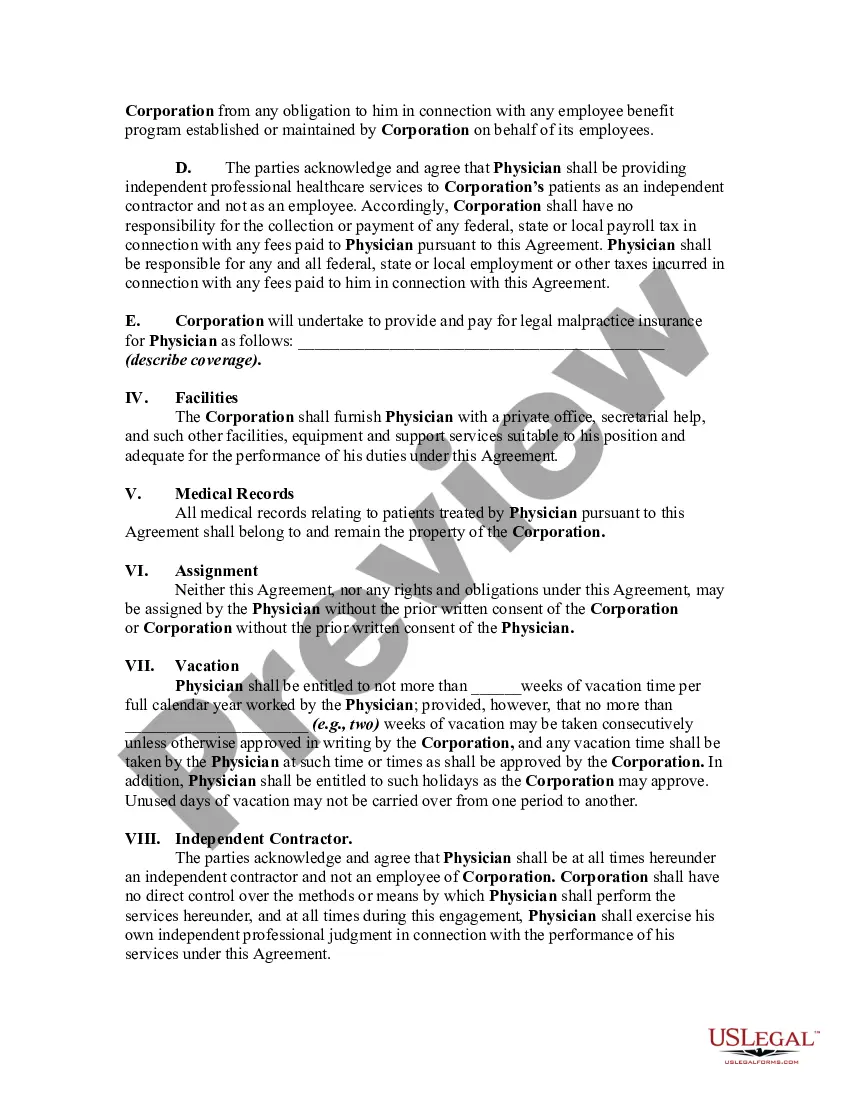
Sample Practice Agreement For Physician Assistant
Description
Get your form ready online
Our built-in tools help you complete, sign, share, and store your documents in one place.
Make edits, fill in missing information, and update formatting in US Legal Forms—just like you would in MS Word.
Download a copy, print it, send it by email, or mail it via USPS—whatever works best for your next step.
Sign and collect signatures with our SignNow integration. Send to multiple recipients, set reminders, and more. Go Premium to unlock E-Sign.
If this form requires notarization, complete it online through a secure video call—no need to meet a notary in person or wait for an appointment.
We protect your documents and personal data by following strict security and privacy standards.

Make edits, fill in missing information, and update formatting in US Legal Forms—just like you would in MS Word.

Download a copy, print it, send it by email, or mail it via USPS—whatever works best for your next step.

Sign and collect signatures with our SignNow integration. Send to multiple recipients, set reminders, and more. Go Premium to unlock E-Sign.

If this form requires notarization, complete it online through a secure video call—no need to meet a notary in person or wait for an appointment.

We protect your documents and personal data by following strict security and privacy standards.
Looking for another form?
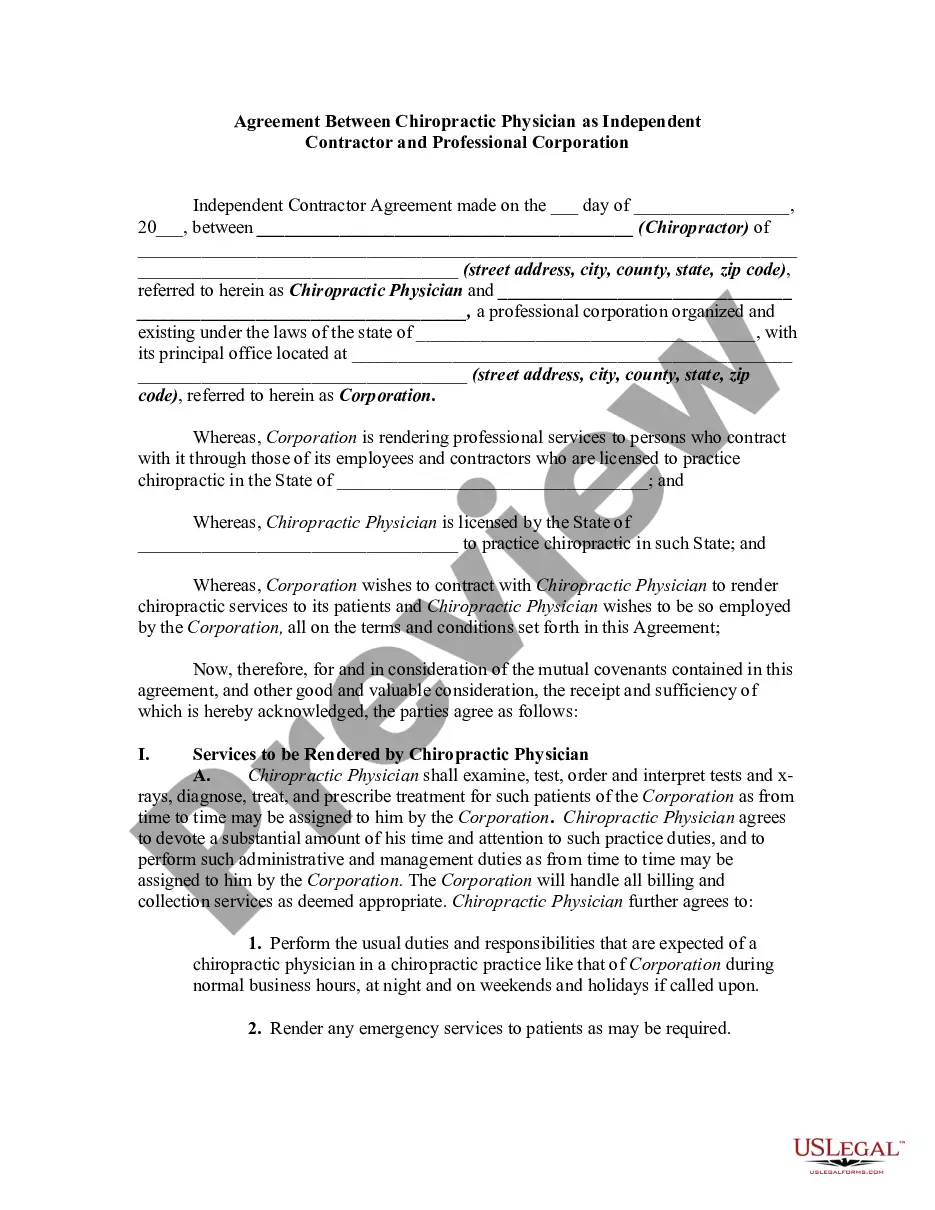
How to fill out Agreement Between Physician As Self-Employed Independent Contractor And Professional Corporation?
Whether for commercial reasons or personal matters, everyone must confront legal circumstances at some point in their life.
Filling out legal documents necessitates meticulous focus, starting with selecting the appropriate form template.
With an extensive US Legal Forms library available, you don't need to waste time searching for the right template online. Utilize the library's user-friendly navigation to find the suitable form for any situation.
- Obtain the template you require by utilizing the search bar or catalog navigation.
- Review the form's description to confirm it aligns with your situation, state, and county.
- Click on the form's preview to inspect it.
- If it is the incorrect document, return to the search feature to locate the Sample Practice Agreement For Physician Assistant version you need.
- Download the file if it satisfies your criteria.
- If you already have a US Legal Forms account, click Log in to access previously saved documents in My documents.
- If you do not have an account yet, you can acquire the form by clicking Buy now.
- Choose the appropriate pricing option.
- Complete the profile registration form.
- Select your payment method: you can utilize a credit card or PayPal account.
- Choose the document format you prefer and download the Sample Practice Agreement For Physician Assistant.
- Once it is downloaded, you are able to fill out the form using editing software or print it and complete it by hand.
Form popularity
FAQ
Like NPs, PAs often act as a patient's primary care provider, working with DOs and MDs to provide healthcare. The main difference between a physician and a physician assistant is that MDs and DOs spend more time in school and clinical rotations before independently practicing medicine.
Many NPs and PAs prefer to use their first name. Some prefer Mr. or Ms. with their last name, and some physician assistants use the title PA (as in ?PA Smith?). It's okay to ask your provider how they'd like you to address them.
The contract should clearly define the area of medicine in which you'll practice, including workdays and hours, sites, practice duties, requirements for rounds, and on-call duties. Make sure you define a length of shift and sites, as practices may have several locations or an office and hospital setting.
Ing to the CDC, a collaborative practice agreement should include these parts: Explanation of the purpose of the agreement. A list of the parties to the agreement. The patients who are included in the agreement (either a specific list of patients or a group of patients) Care functions authorized by the agreement.
I will hold as my primary responsibility the health, safety, welfare and dignity of all human beings. I will uphold the tenets of patient autonomy, beneficence, nonmaleficence and justice. I will recognize and promote the value of diversity. I will treat equally all persons who seek my care.