Trust With Probate
Description
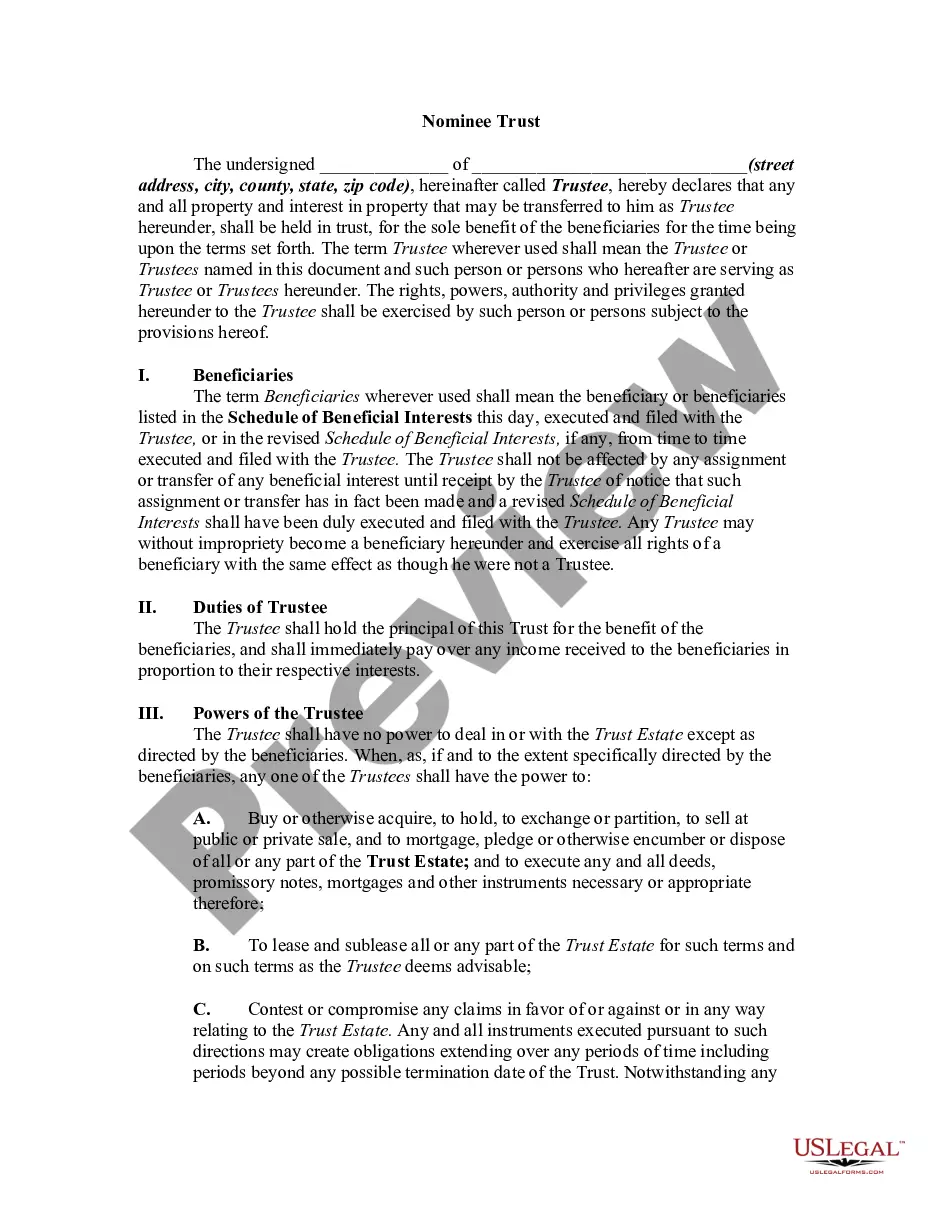
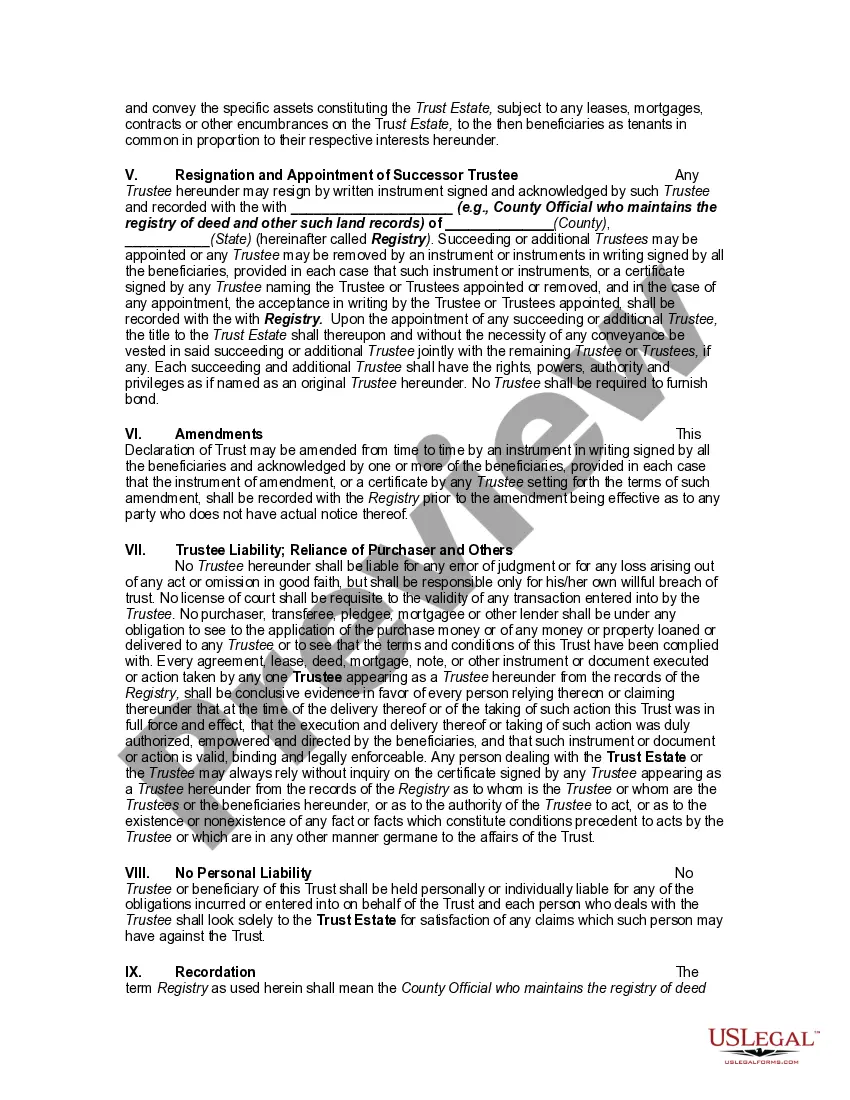
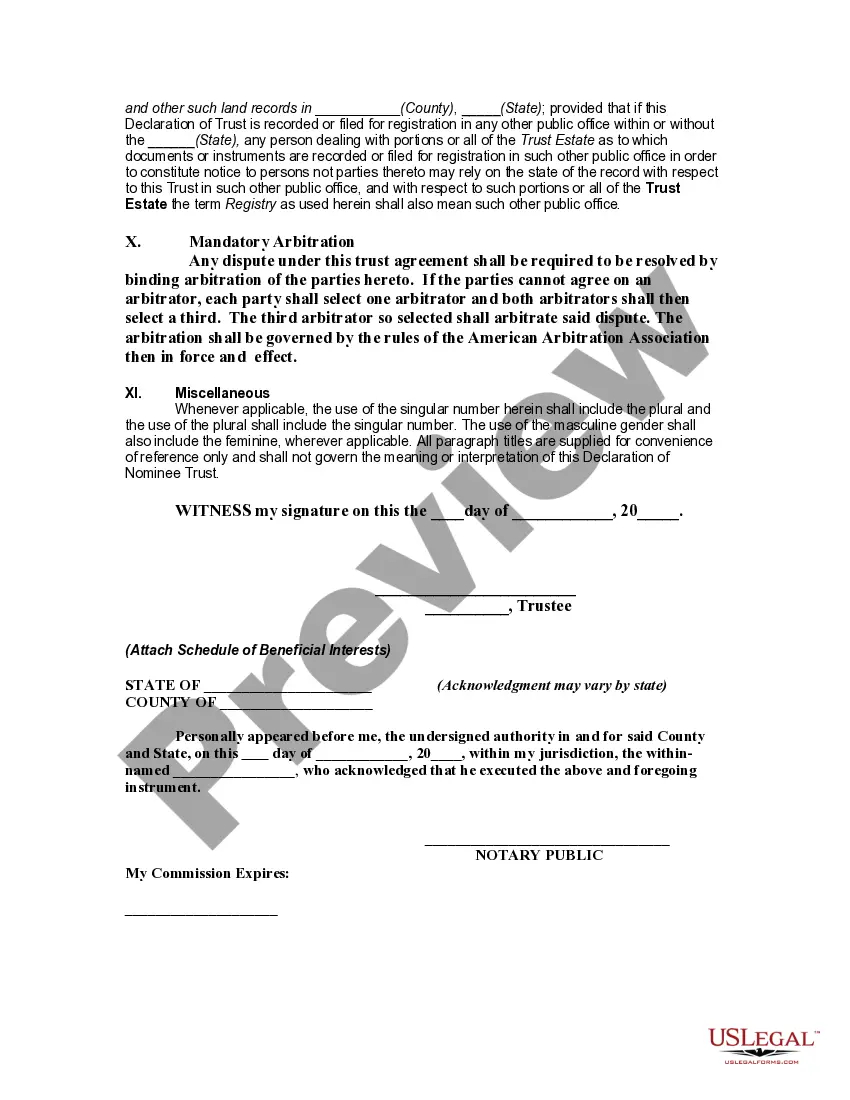
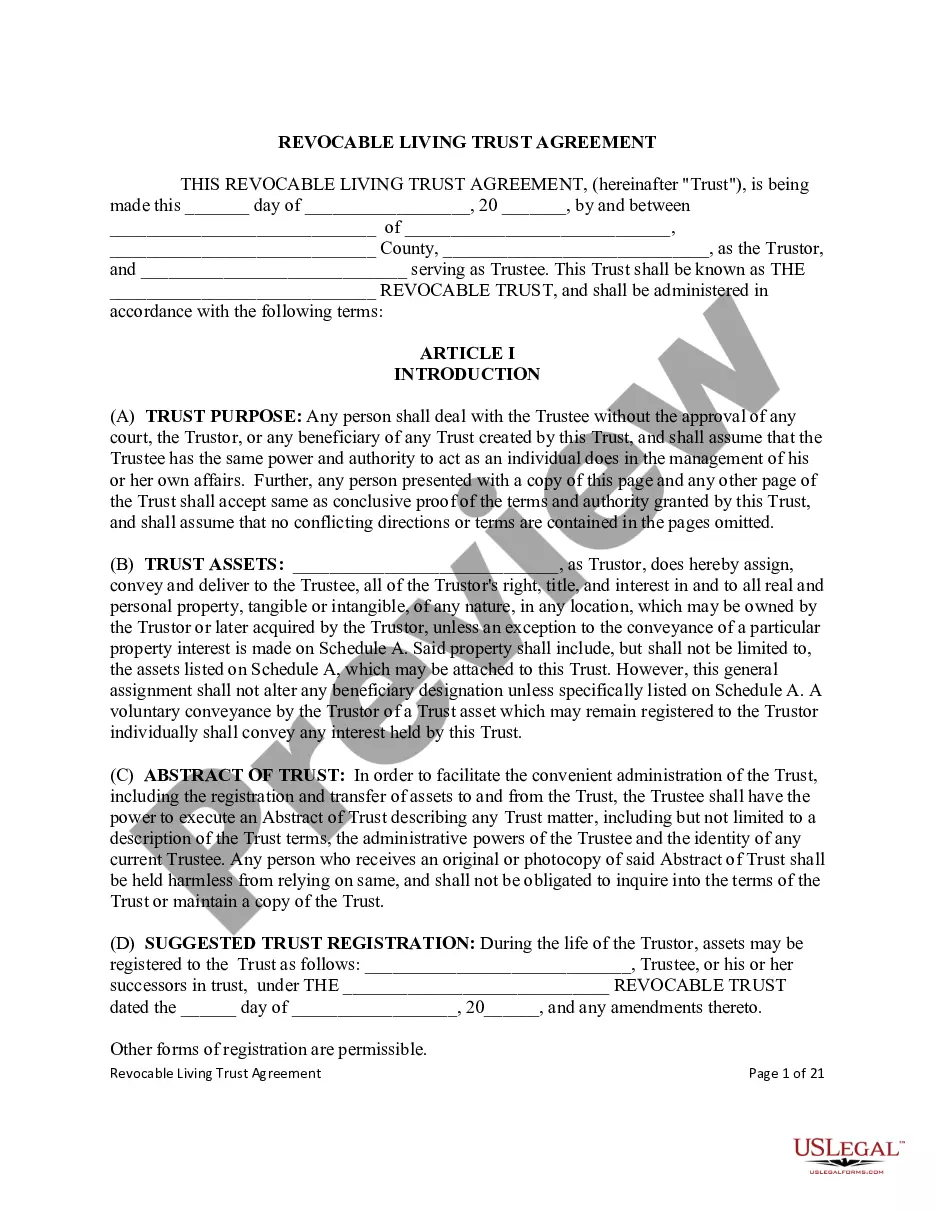
Get your form ready online
Our built-in tools help you complete, sign, share, and store your documents in one place.
Make edits, fill in missing information, and update formatting in US Legal Forms—just like you would in MS Word.
Download a copy, print it, send it by email, or mail it via USPS—whatever works best for your next step.
Sign and collect signatures with our SignNow integration. Send to multiple recipients, set reminders, and more. Go Premium to unlock E-Sign.
If this form requires notarization, complete it online through a secure video call—no need to meet a notary in person or wait for an appointment.
We protect your documents and personal data by following strict security and privacy standards.

Make edits, fill in missing information, and update formatting in US Legal Forms—just like you would in MS Word.

Download a copy, print it, send it by email, or mail it via USPS—whatever works best for your next step.

Sign and collect signatures with our SignNow integration. Send to multiple recipients, set reminders, and more. Go Premium to unlock E-Sign.

If this form requires notarization, complete it online through a secure video call—no need to meet a notary in person or wait for an appointment.

We protect your documents and personal data by following strict security and privacy standards.
Looking for another form?

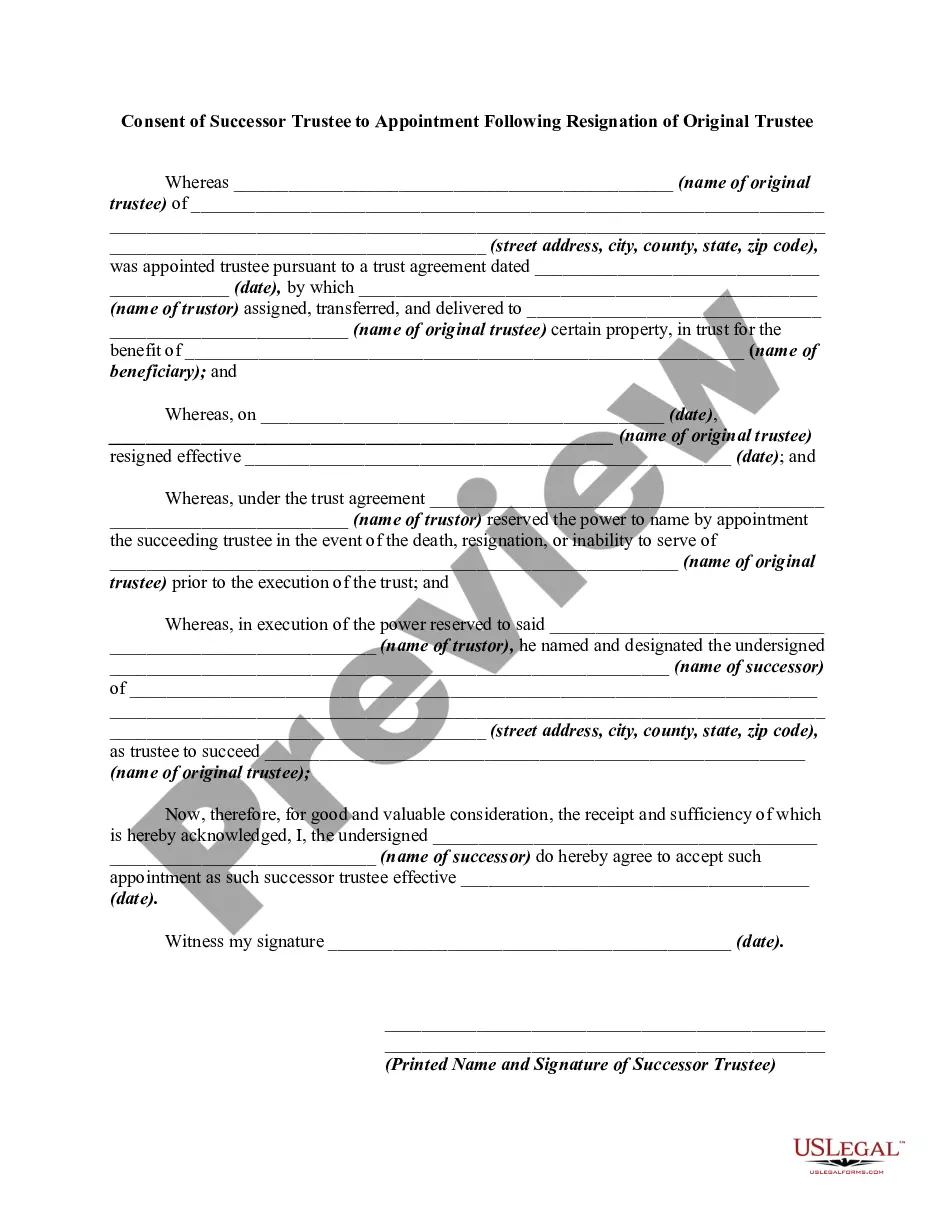

How to fill out Nominee Trust?
Whether for commercial intentions or personal issues, everyone has to navigate legal circumstances at some stage in their life.
Completing legal documentation demands meticulous focus, beginning with selecting the appropriate form template.
With an extensive US Legal Forms catalog available, you don’t have to waste time hunting for the suitable template across the web. Utilize the library’s straightforward navigation to find the right form for any scenario.
- Obtain the template you require using the search bar or catalog browsing.
- Review the form’s details to ensure it corresponds to your situation, state, and locality.
- Select the form’s preview to inspect it.
- If it is not the correct form, return to the search tool to find the Trust With Probate template you need.
- Acquire the file when it aligns with your requirements.
- If you possess a US Legal Forms account, click Log in to reach previously saved templates in My documents.
- In case you do not have an account yet, you may obtain the form by clicking Buy now.
- Select the appropriate pricing plan.
- Complete the account registration form.
- Choose your payment option: use a credit card or PayPal account.
- Select the document format you prefer and download the Trust With Probate.
- Once saved, you can fill out the form using editing tools or print it and complete it manually.
Form popularity
FAQ
How is the Inheritance Protection Trust established? The trustor's personal representative or successor trustee, depending on whether the trust provisions are drafted into a Will or living trust, establishes an inheritance trust by giving the separate trust a name and applying for its Taxpayer ID number.
The Timeline for Challenging a California Trust Once a beneficiary or heir receives this notice, they have only 120 days to contest the trust. If they wait more than 120 days, their challenge will be dismissed without consideration, and they will be forever barred from attempting another contest.
Typically, beneficiaries of a standard revocable trust can anticipate their inheritance distribution within a 12 to 18-month window. However, this duration can vary based on the trust's intricacies and any potential challenges faced during administration.
Assets that should not be used to fund your living trust include: Qualified retirement accounts ? 401ks, IRAs, 403(b)s, qualified annuities. Health saving accounts (HSAs) Medical saving accounts (MSAs) Uniform Transfers to Minors (UTMAs) Uniform Gifts to Minors (UGMAs) Life insurance. Motor vehicles.
The trust can pay out a lump sum or percentage of the funds, make incremental payments throughout the years, or even make distributions based on the trustee's assessments. Whatever the grantor decides, their distribution method must be included in the trust agreement drawn up when they first set up the trust.