Special Needs Trust Information With Ira
Description
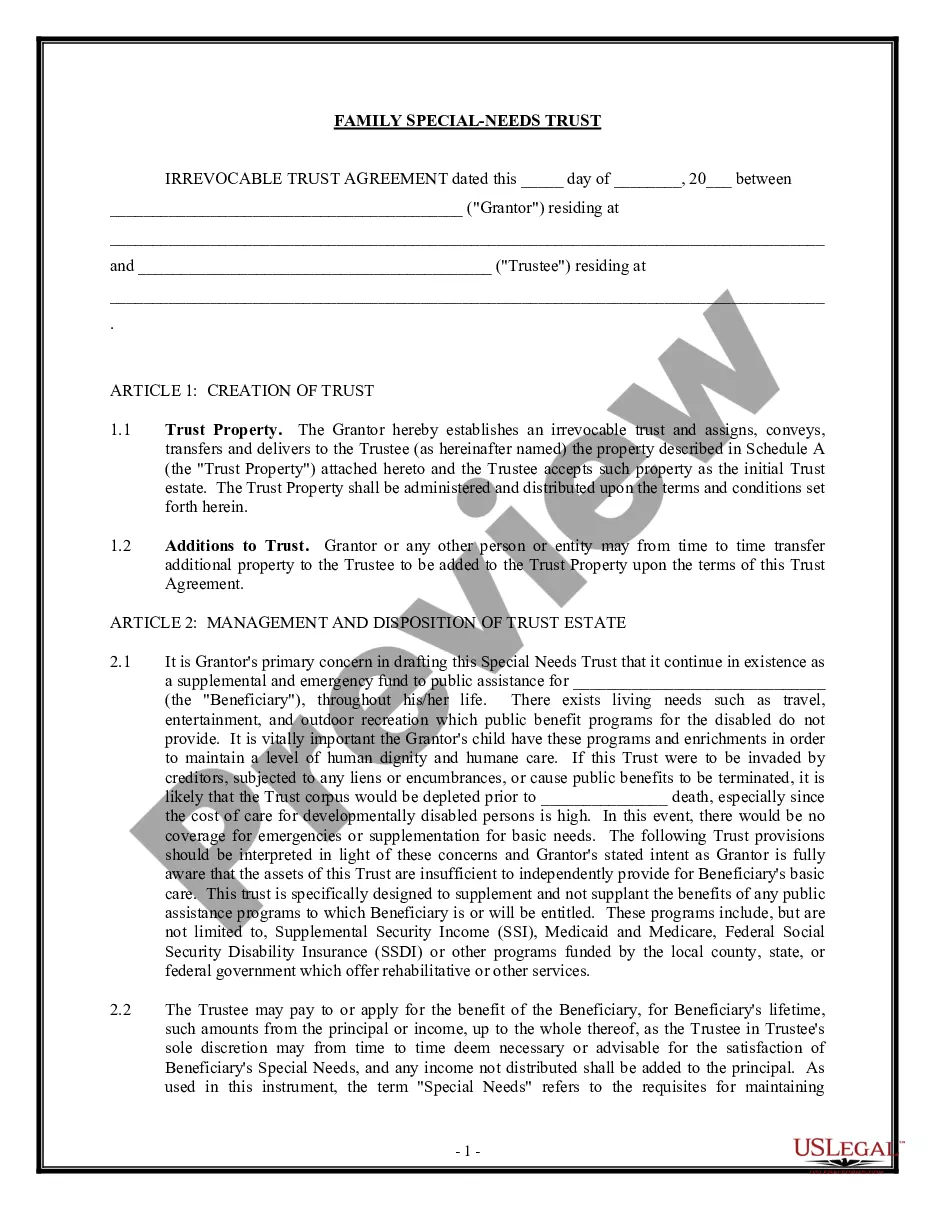
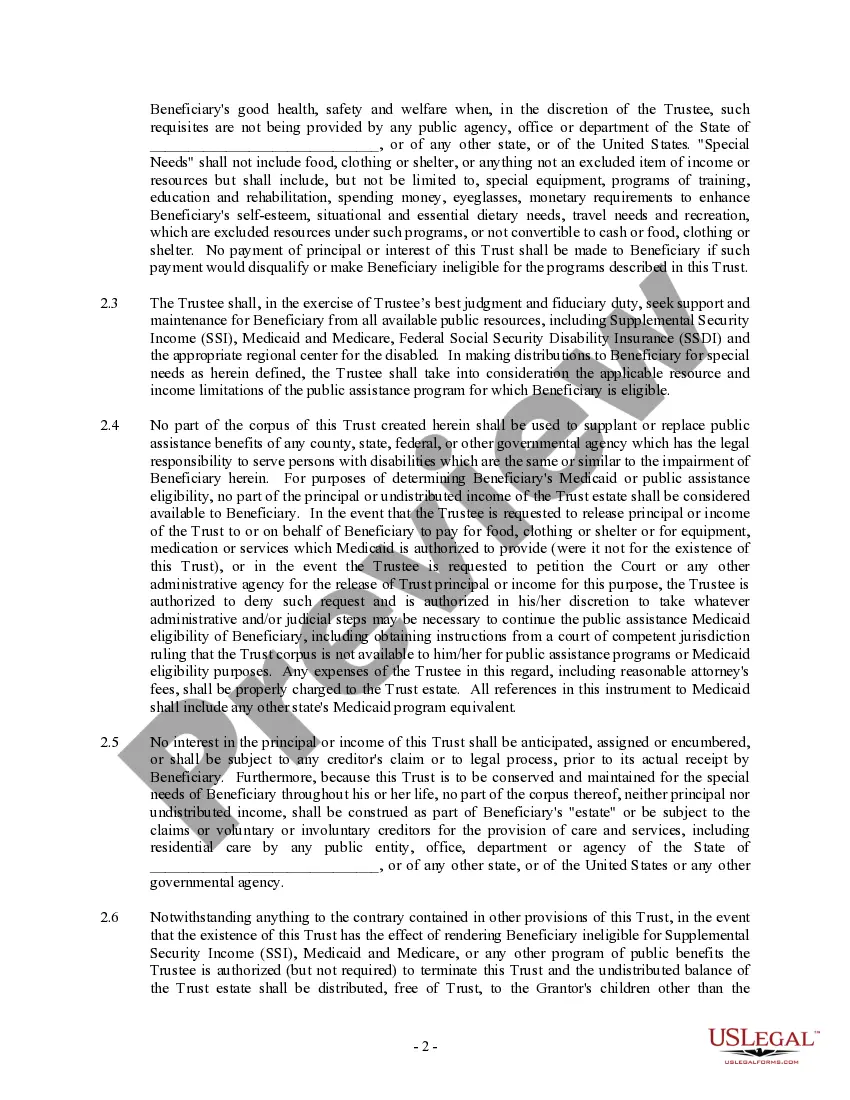
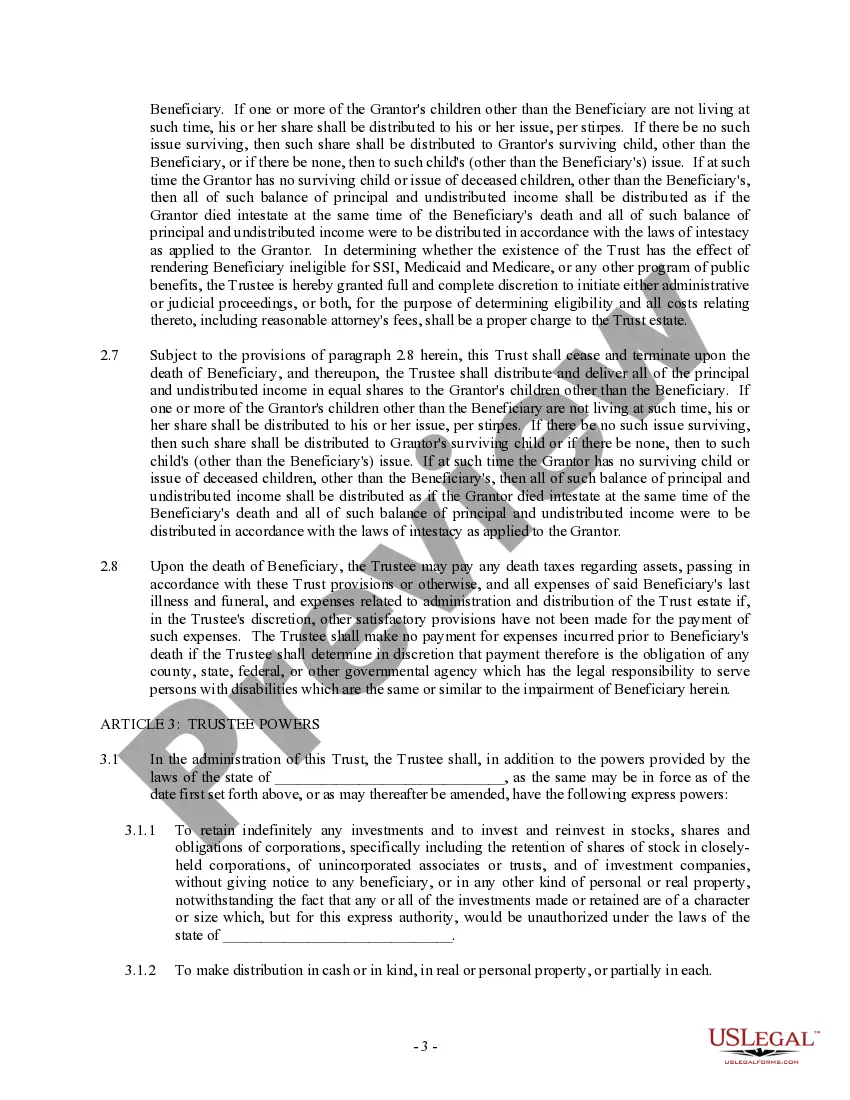
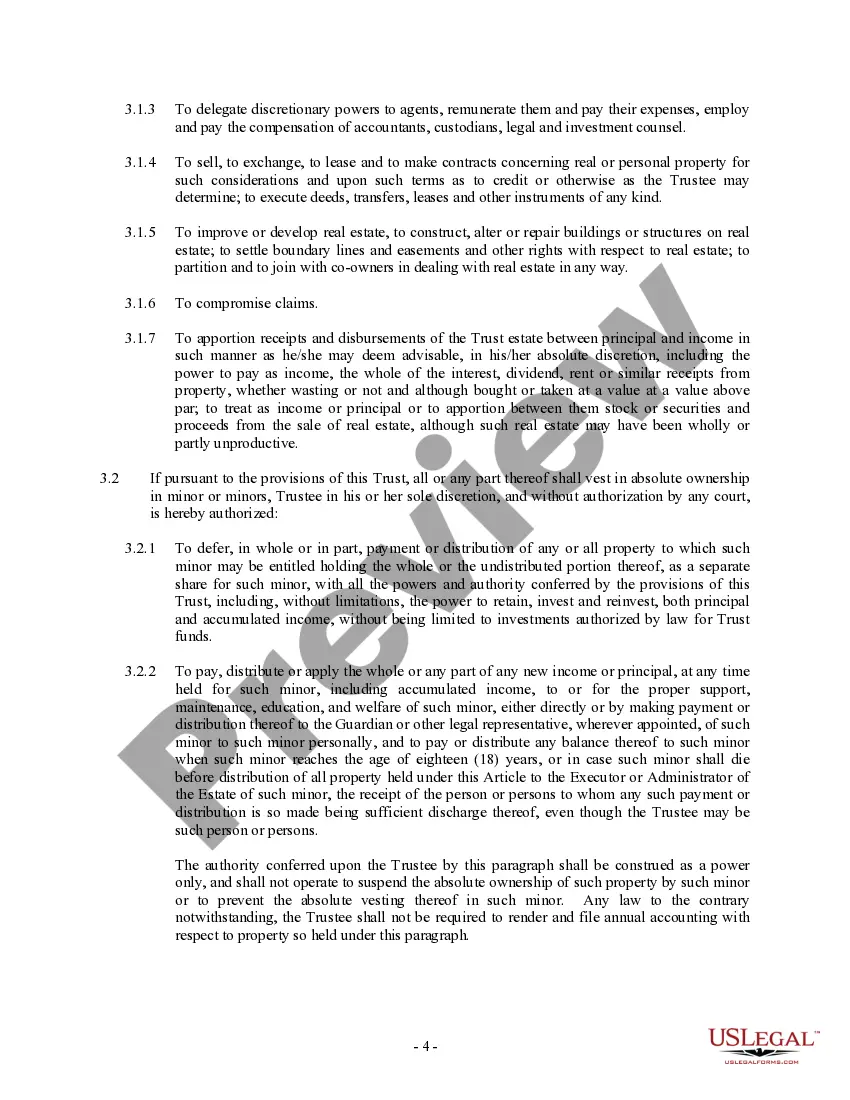
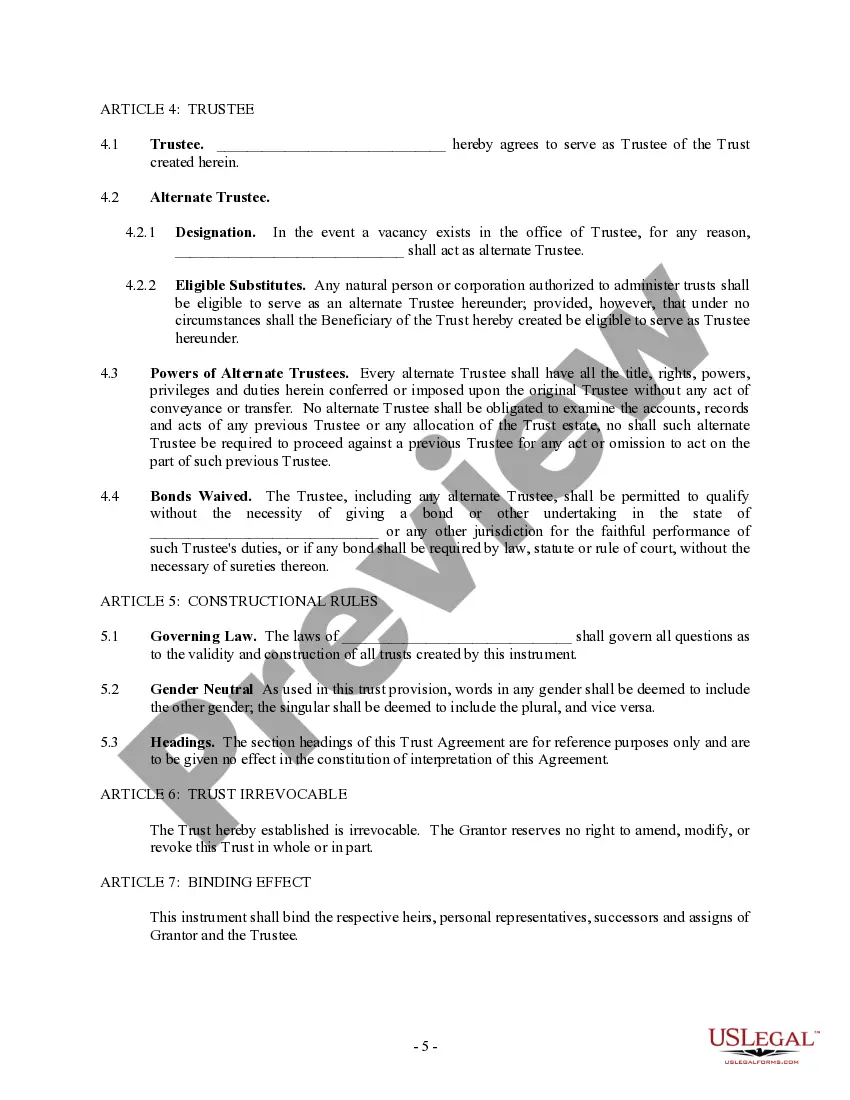
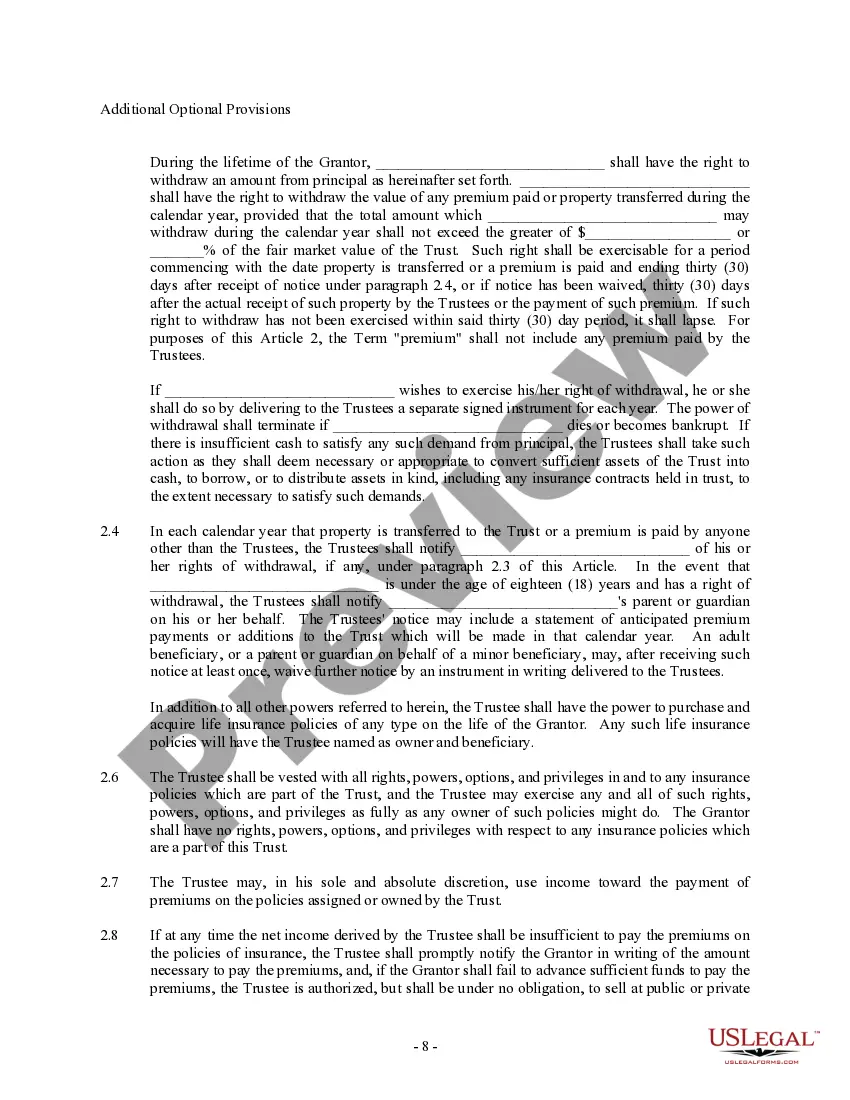
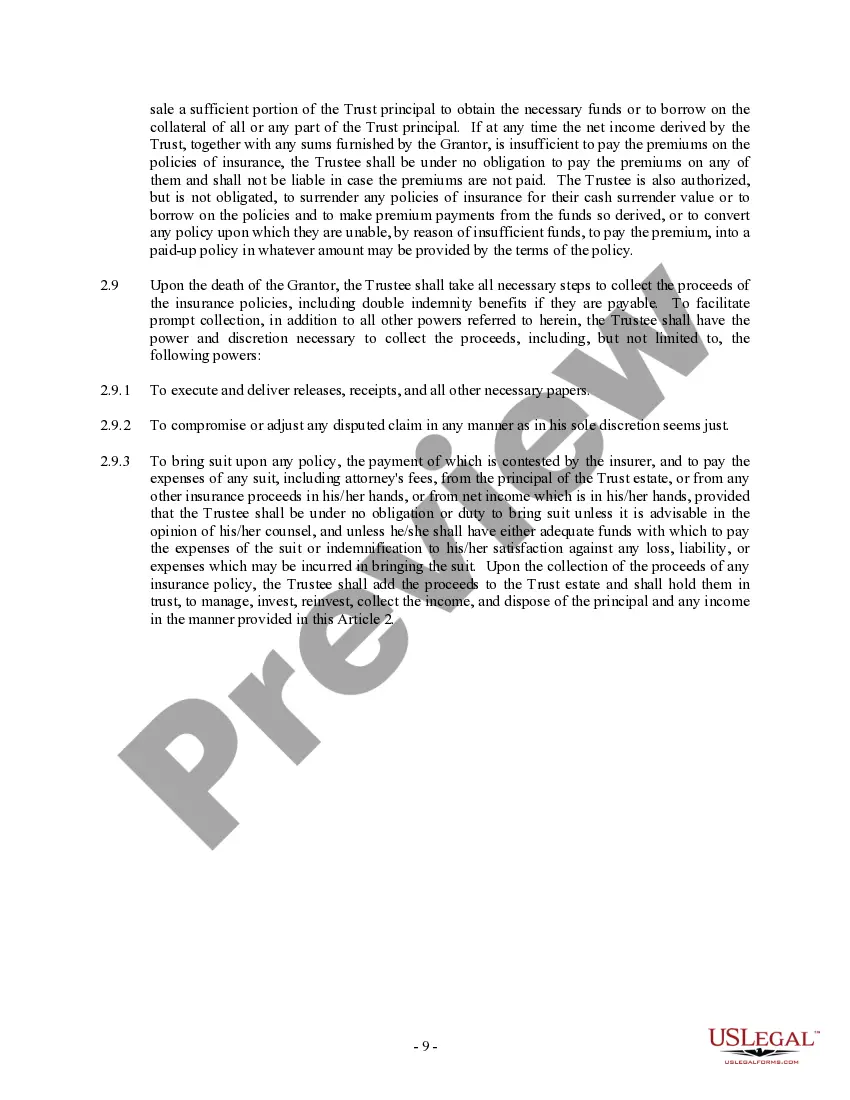
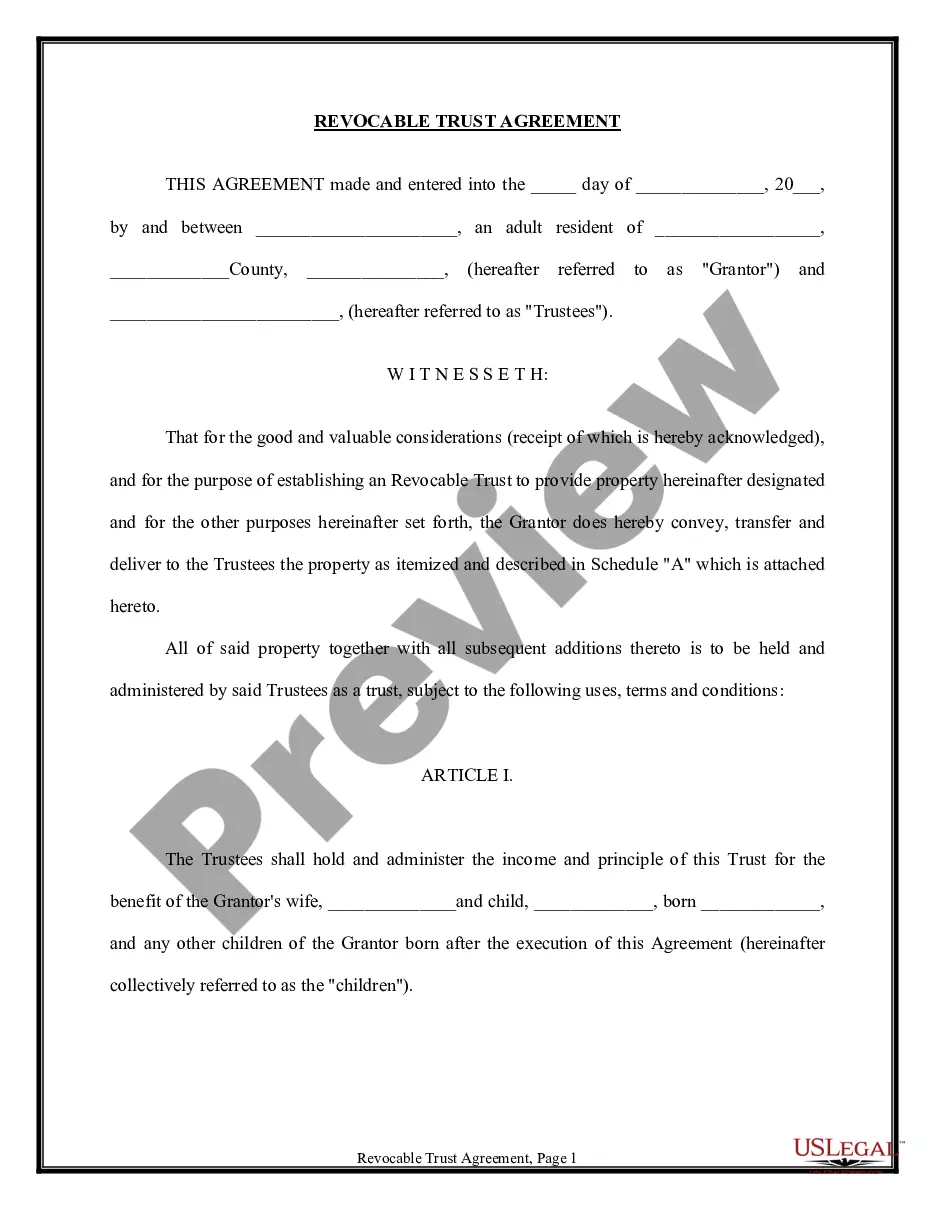
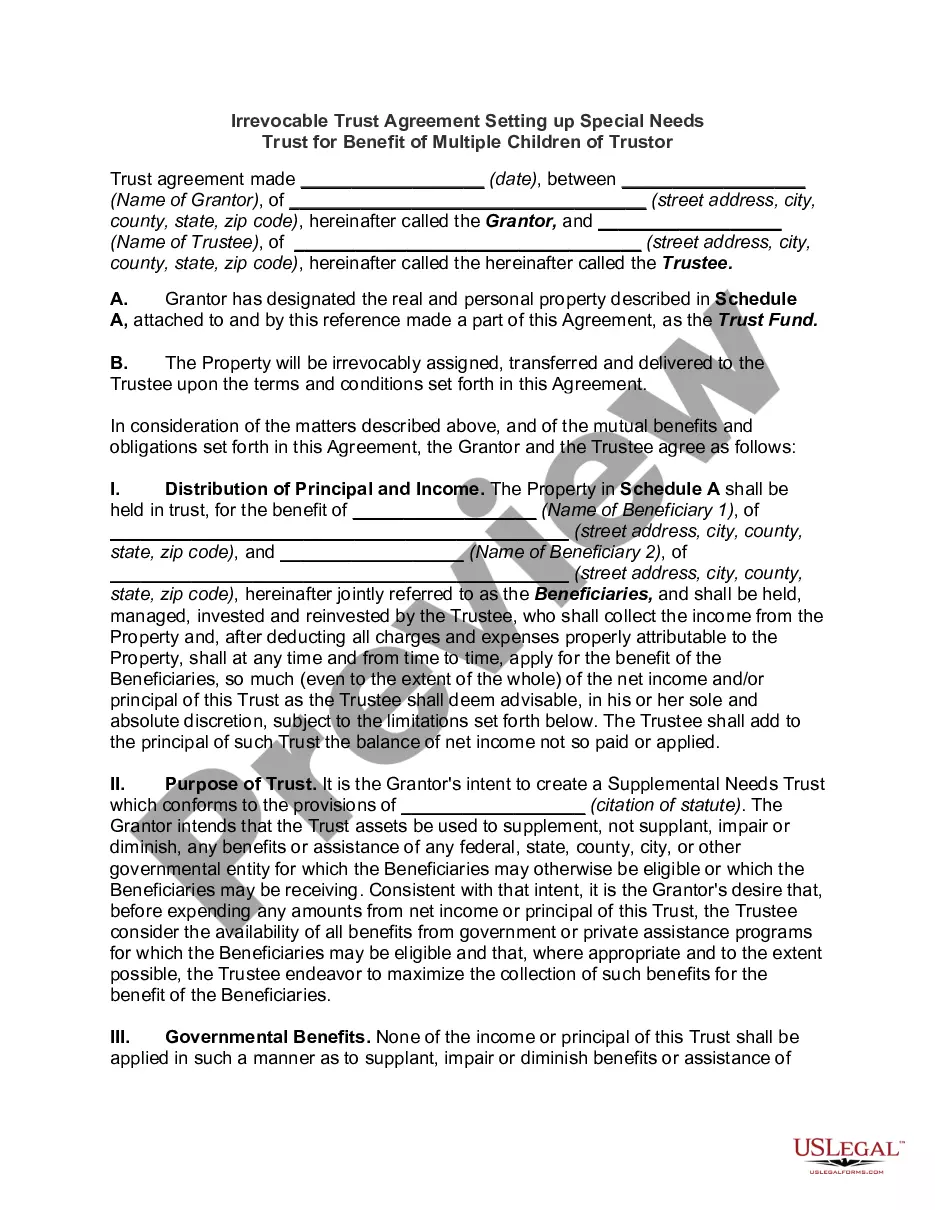
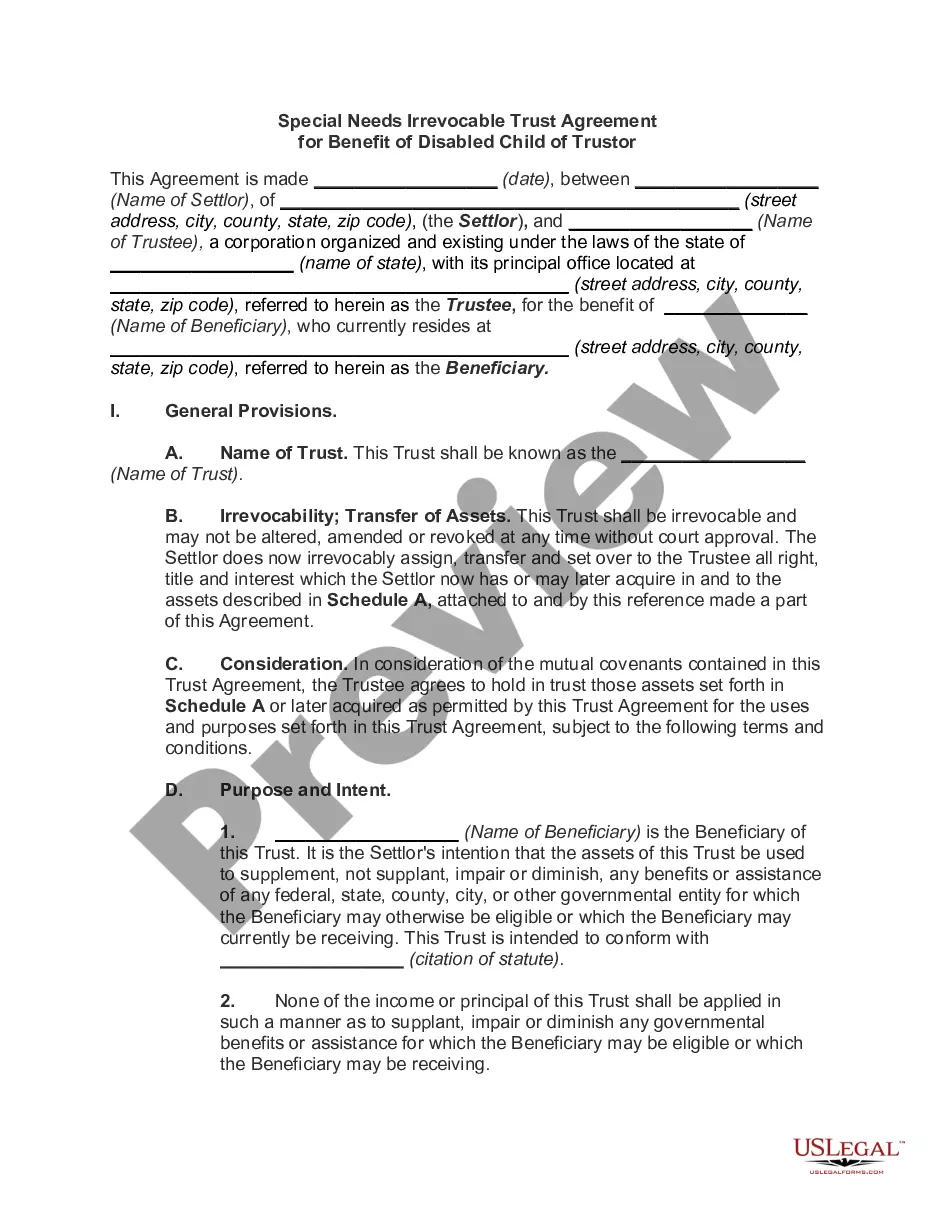
Get your form ready online
Our built-in tools help you complete, sign, share, and store your documents in one place.
Make edits, fill in missing information, and update formatting in US Legal Forms—just like you would in MS Word.
Download a copy, print it, send it by email, or mail it via USPS—whatever works best for your next step.
Sign and collect signatures with our SignNow integration. Send to multiple recipients, set reminders, and more. Go Premium to unlock E-Sign.
If this form requires notarization, complete it online through a secure video call—no need to meet a notary in person or wait for an appointment.
We protect your documents and personal data by following strict security and privacy standards.

Make edits, fill in missing information, and update formatting in US Legal Forms—just like you would in MS Word.

Download a copy, print it, send it by email, or mail it via USPS—whatever works best for your next step.

Sign and collect signatures with our SignNow integration. Send to multiple recipients, set reminders, and more. Go Premium to unlock E-Sign.

If this form requires notarization, complete it online through a secure video call—no need to meet a notary in person or wait for an appointment.

We protect your documents and personal data by following strict security and privacy standards.
Looking for another form?




How to fill out Trust Agreement - Family Special Needs?
Managing legal documents can be perplexing, even for seasoned professionals.
If you're seeking Special Needs Trust Information With Ira and lack the time to search for the correct and current version, the processes can be arduous.
With US Legal Forms, you can.
Utilize sophisticated tools to fill out and oversee your Special Needs Trust Information With Ira.
Here are the steps to follow after locating the necessary form: Confirm this is the proper document by previewing it and reviewing its description.
- Gain access to a repository of articles, guides, and resources related to your circumstances and needs.
- Conserve time and effort searching for the documents you require, and use US Legal Forms’ enhanced search and Preview feature to identify Special Needs Trust Information With Ira and procure it.
- If you hold a subscription, Log In to your US Legal Forms account, locate the form, and obtain it.
- Visit the My documents tab to review the documents you have previously saved and to organize your folders as necessary.
- If you are a new user of US Legal Forms, create an account to enjoy unrestricted access to the entirety of the library's benefits.
- A comprehensive online form directory could revolutionize the way individuals handle these matters efficiently.
- US Legal Forms stands as a frontrunner in the realm of online legal documentation, offering over 85,000 state-specific legal forms accessible whenever needed.
Form popularity
FAQ
You cannot put your individual retirement account (IRA) in a trust while you are living. You can, however, name a trust as the beneficiary of your IRA and dictate how the assets are to be handled after your death. This applies to all types of IRAs, including traditional, Roth, SEP, and SIMPLE IRAs.
There are several requirements to designate a trust as the beneficiary of your IRA. It must be a valid trust under state law. The trust must be irrevocable (or will become so upon your death) The trust's beneficiaries must be individuals.
In the case of third party special needs trusts, if the trust is considered a grantor trust, all items of income, deduction and credit are generally taxed to the individual(s) who created and funded the trust (typically parents or other relatives of the individual with a disability).
The IRS will not look ?through? a trust to another trust. You could leave ½ of the IRA to a SNT as long as the SNT meets the criteria. If a SNT is named, it cannot have a charity as a remainder beneficiary because a charity is not considered a ?life in being?.
If you want your IRA funds to be used to support your loved one with special needs, designate the third-party SNT as the IRA beneficiary, not your loved one individually. The IRS has also established complicated regulations that control when IRA funds must be withdrawn and when taxes must be paid.