Remainder Vivos Unitrust Living Buy For Long Term
Description
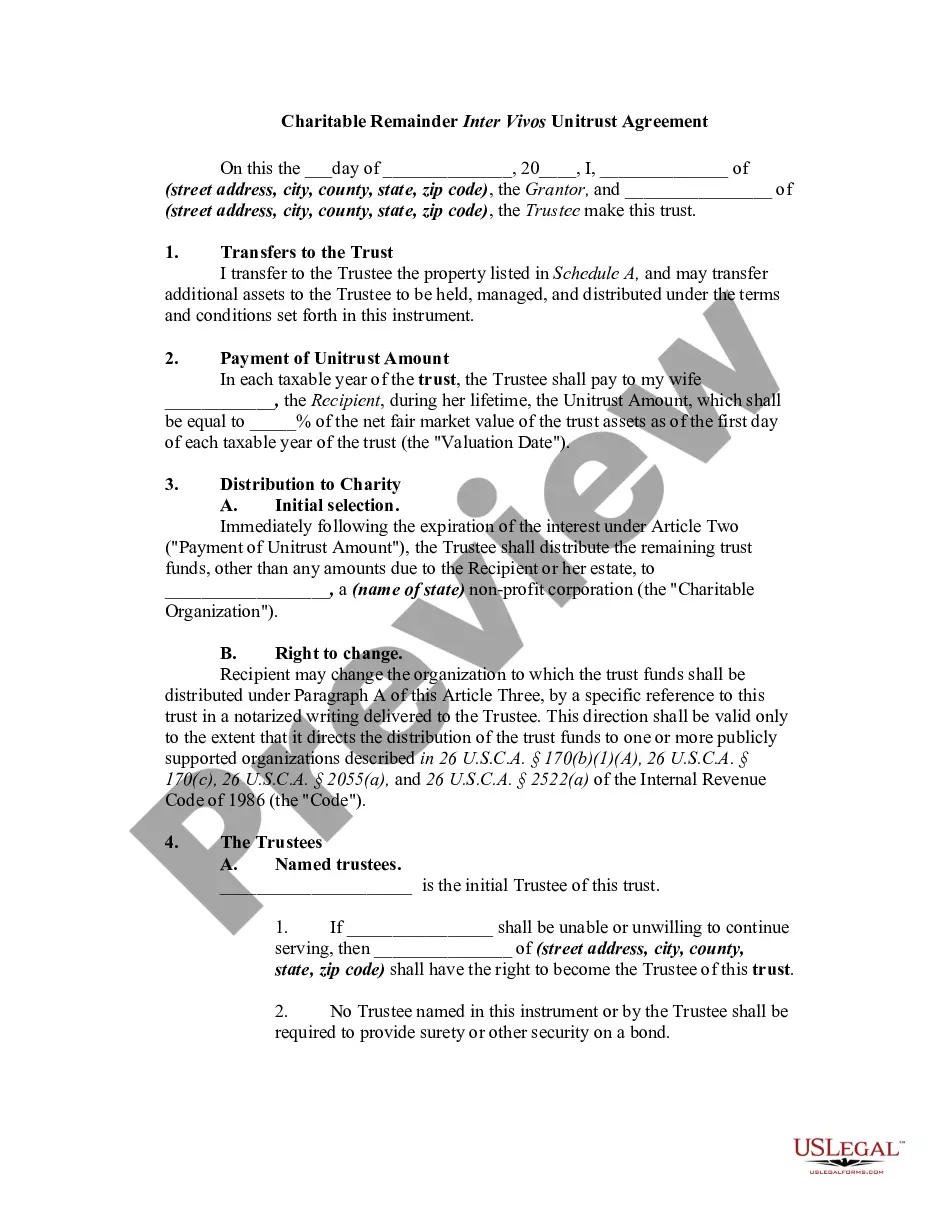
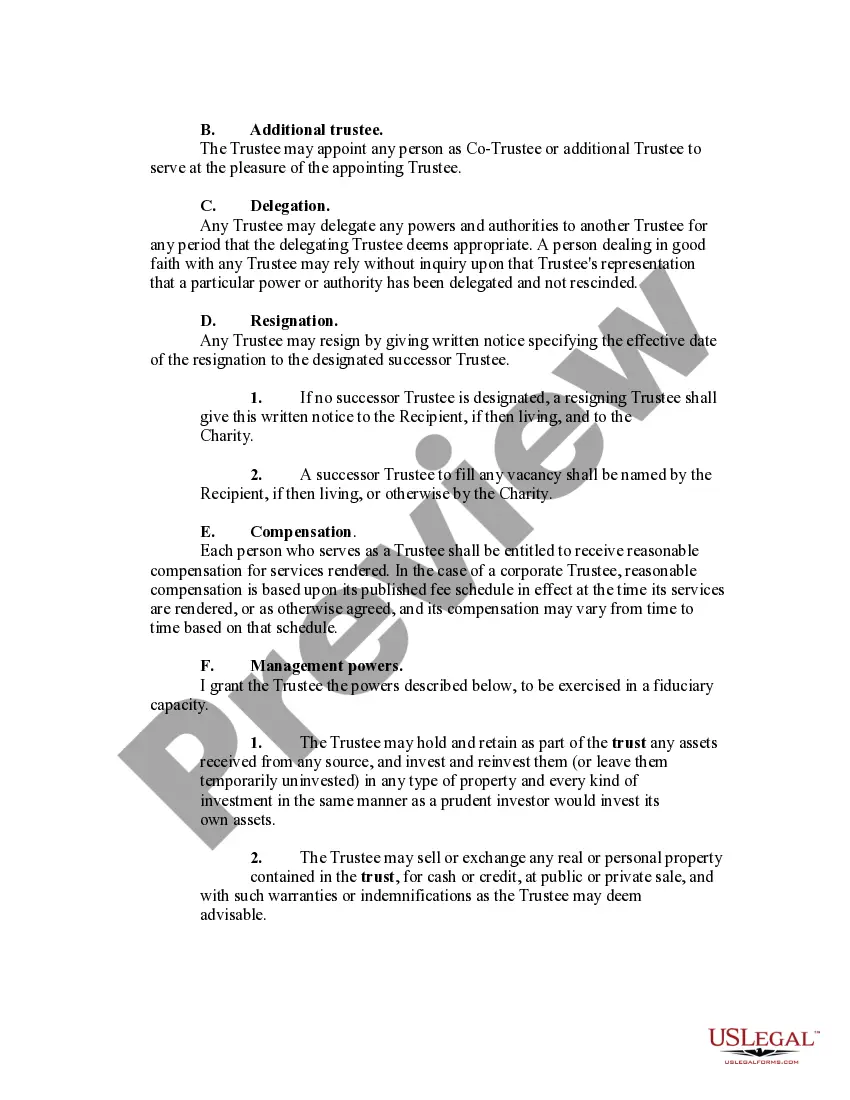
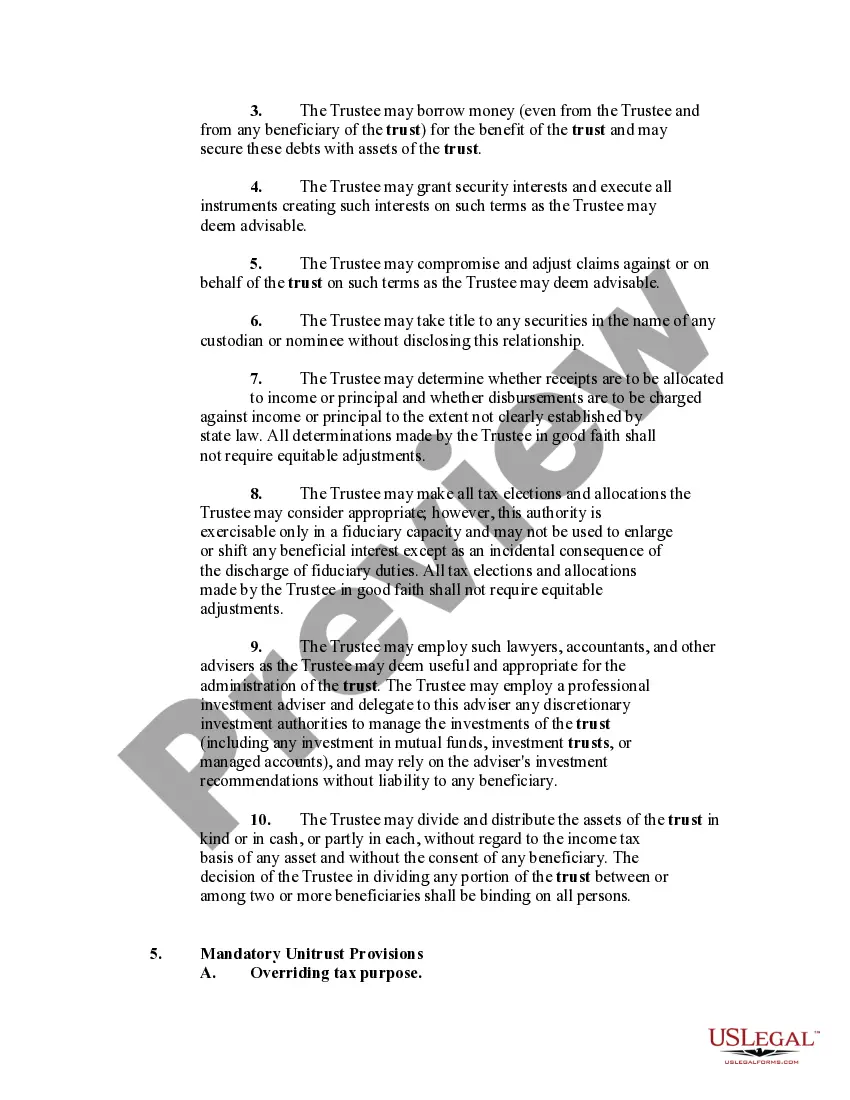
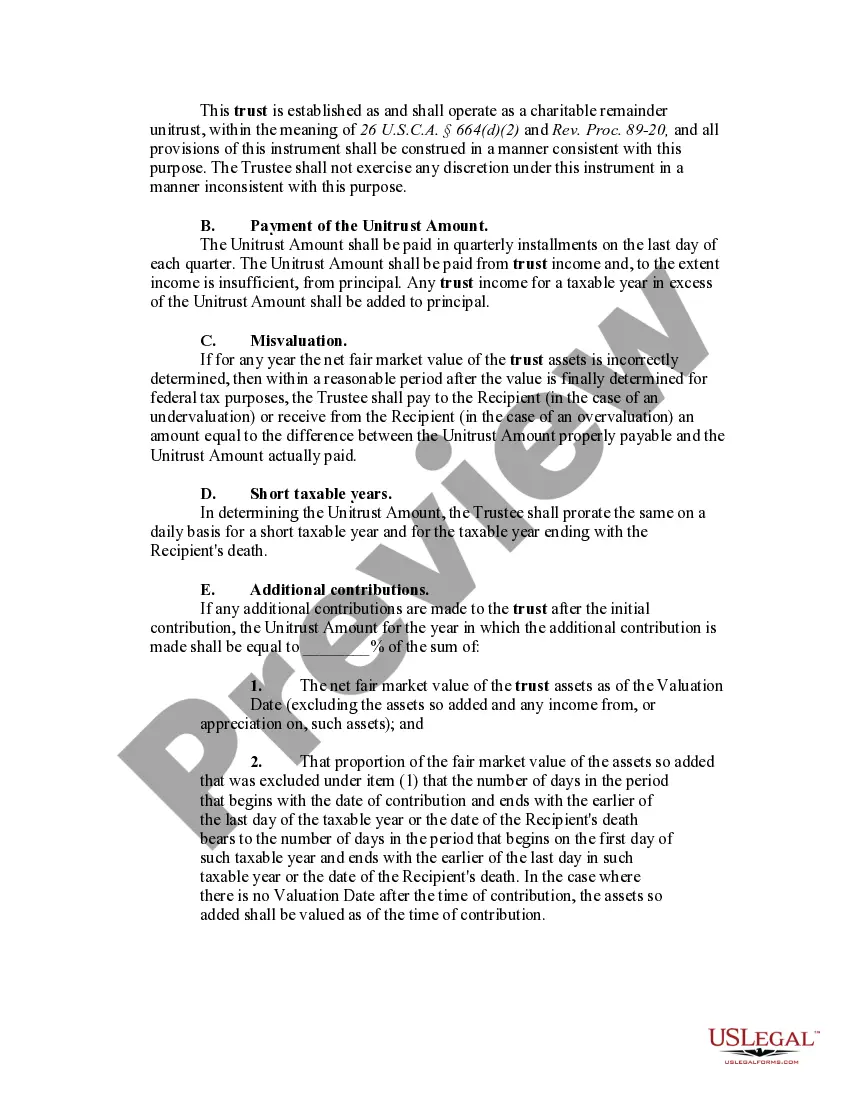
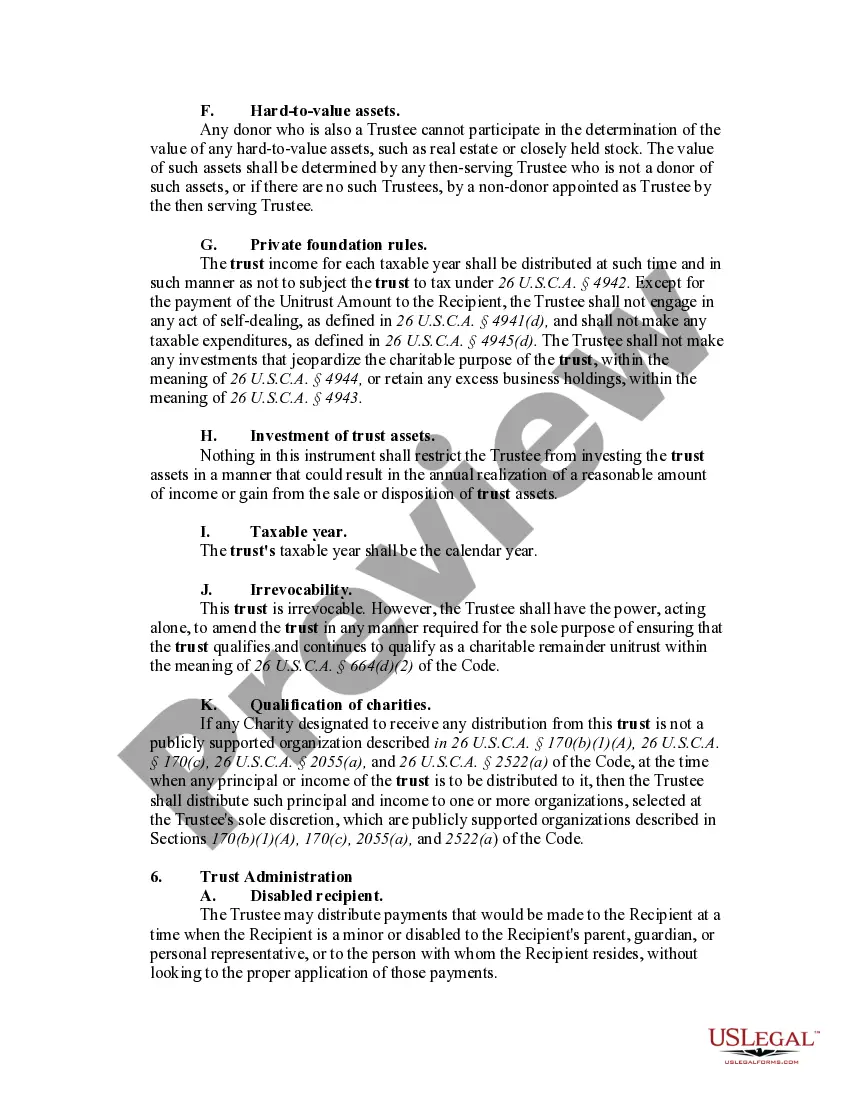
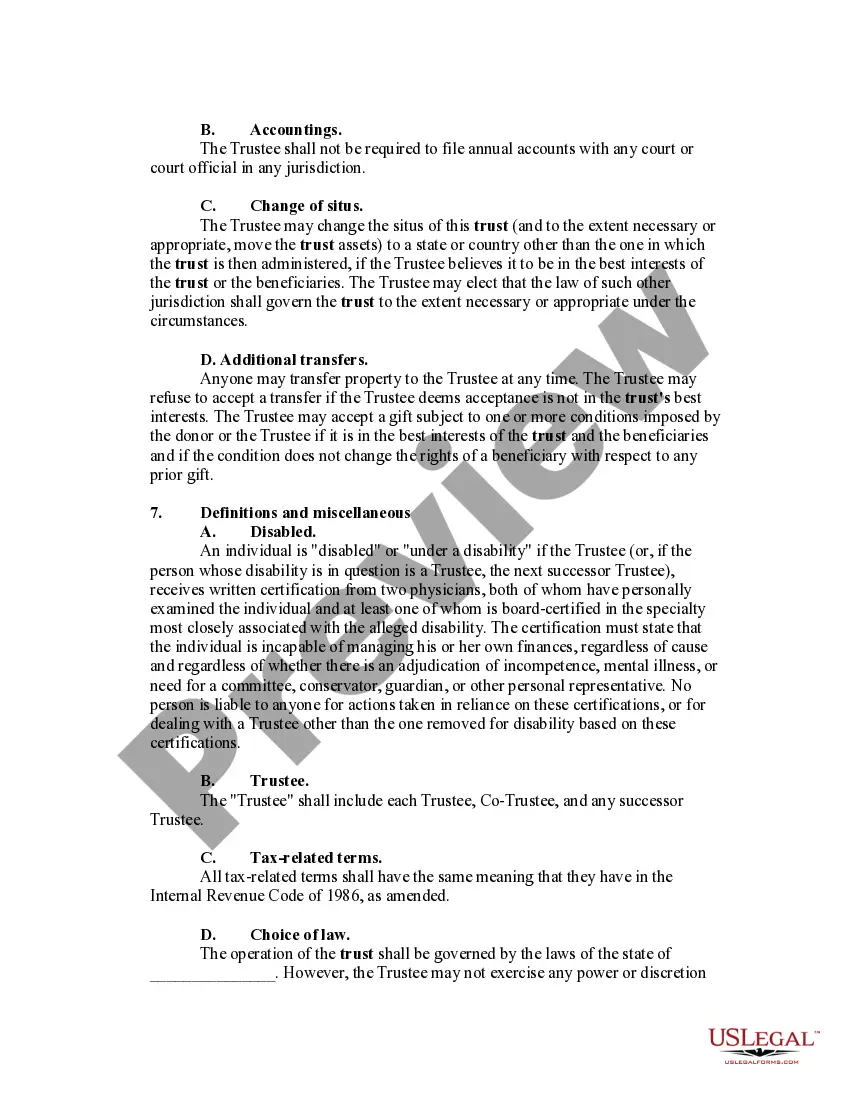
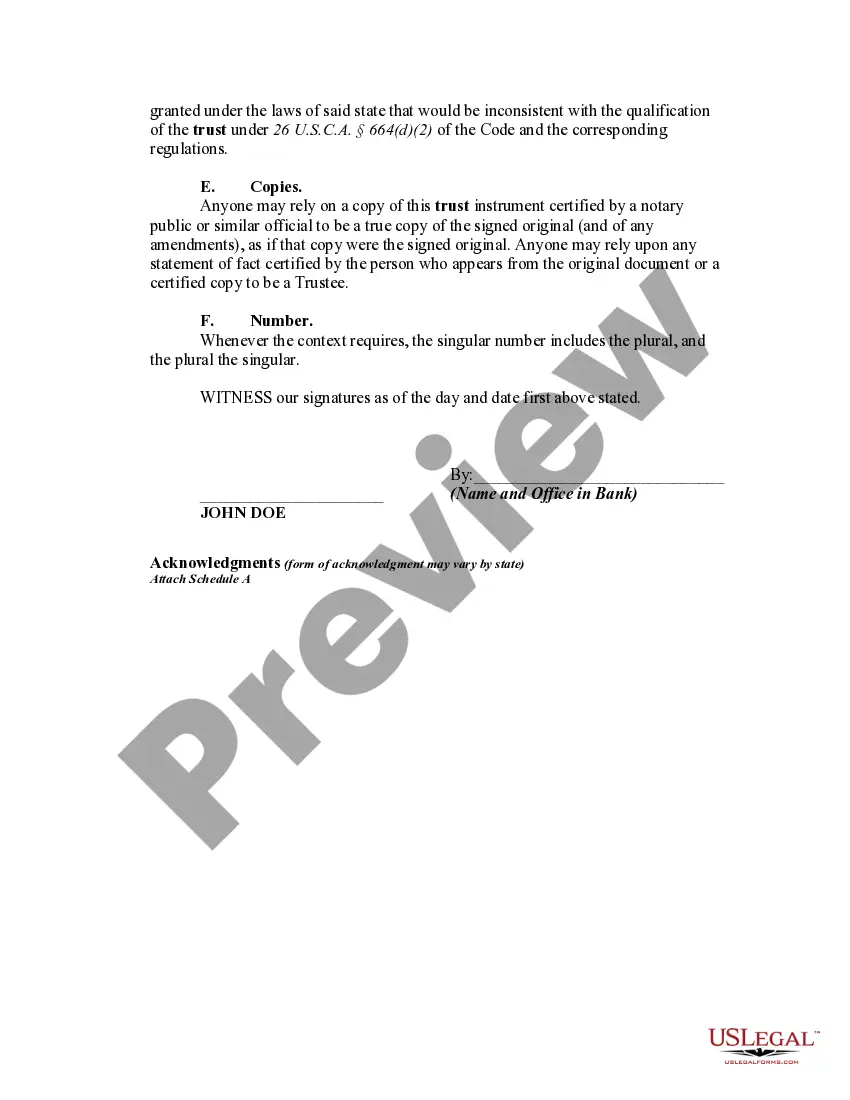
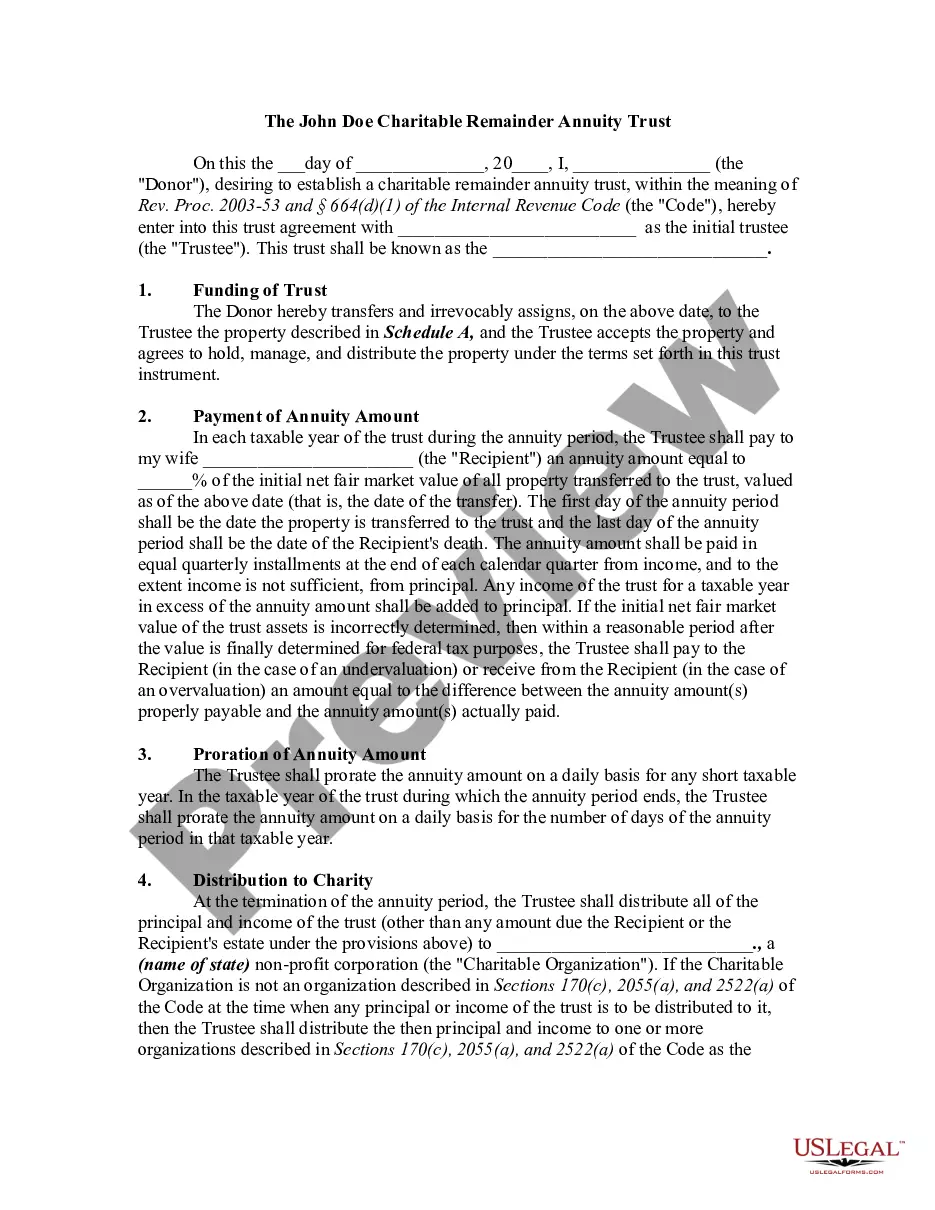
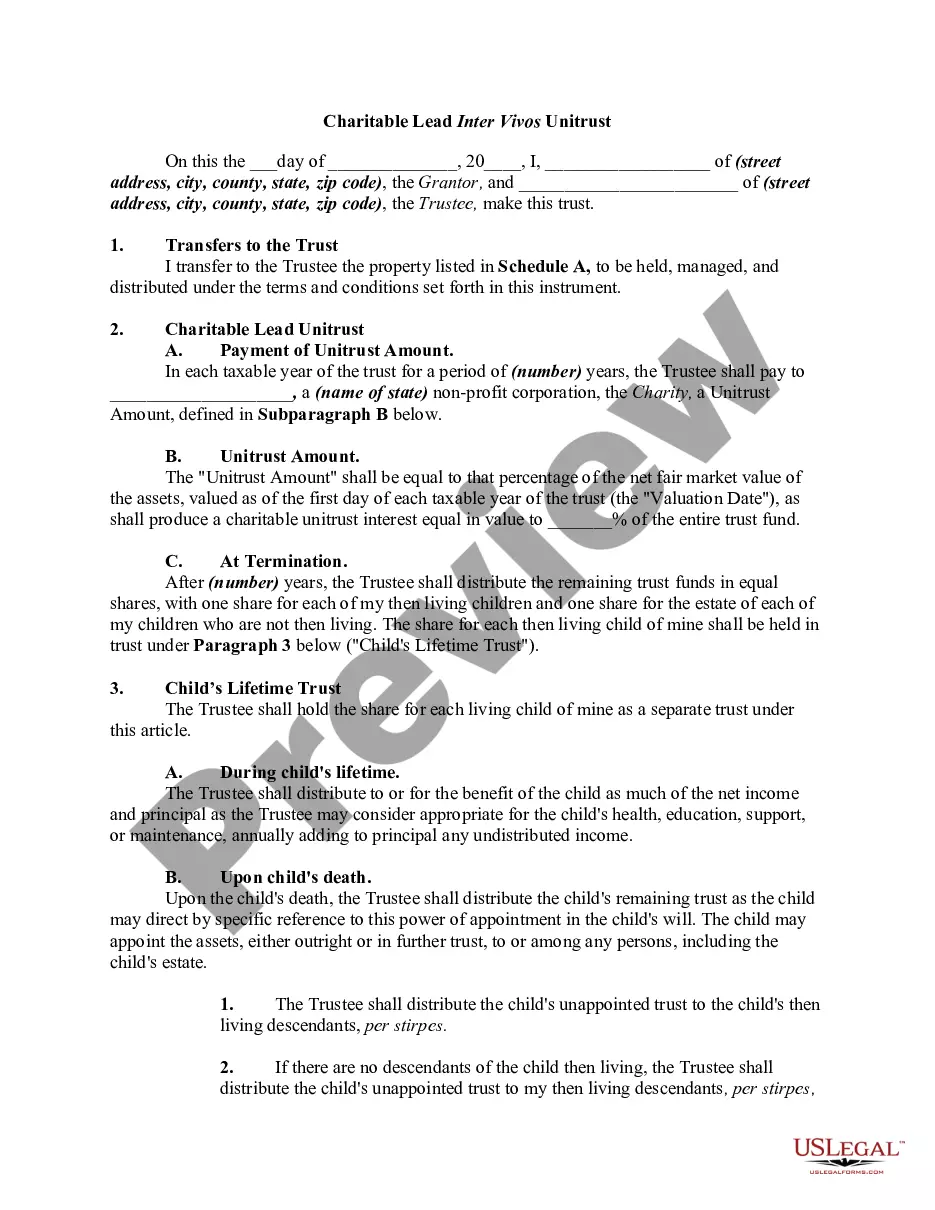
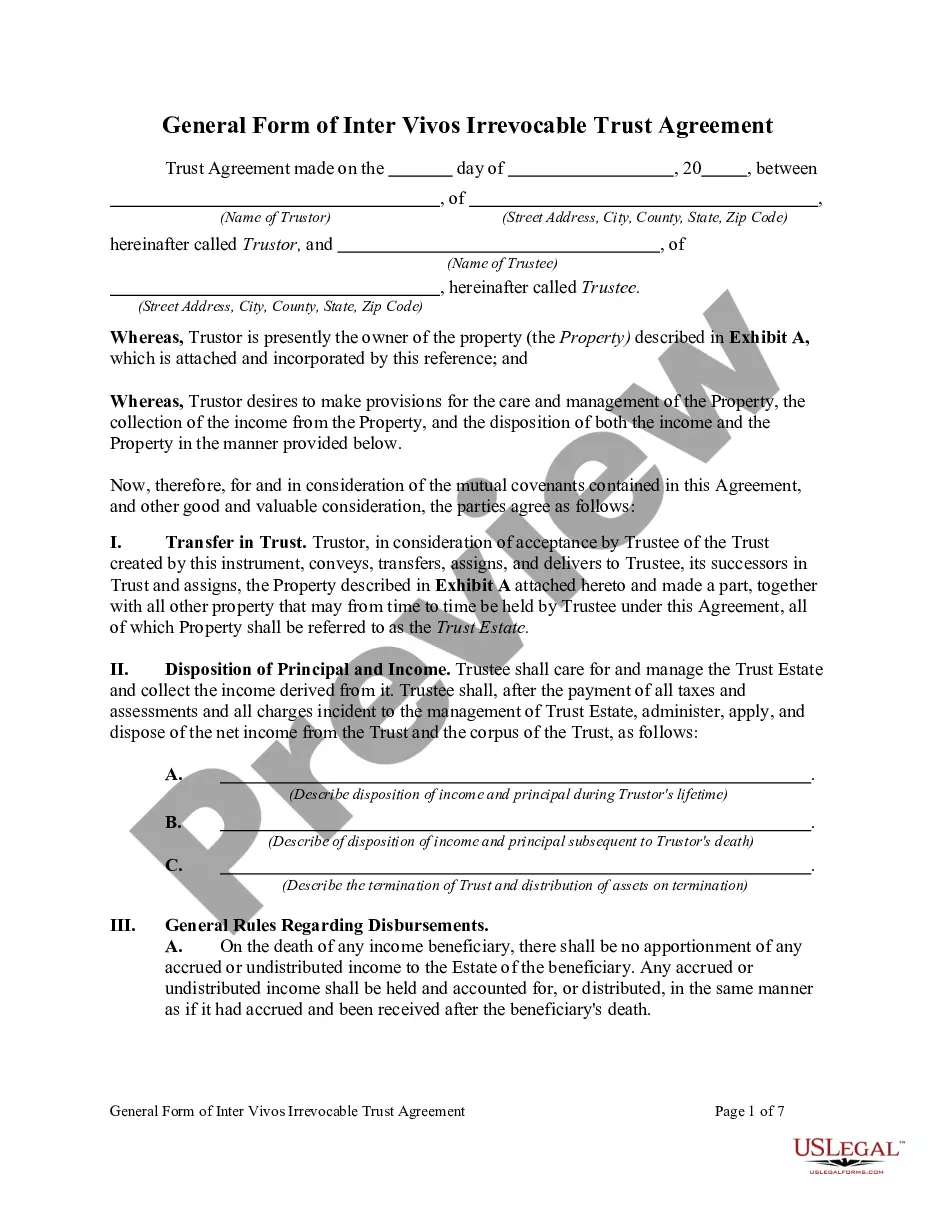
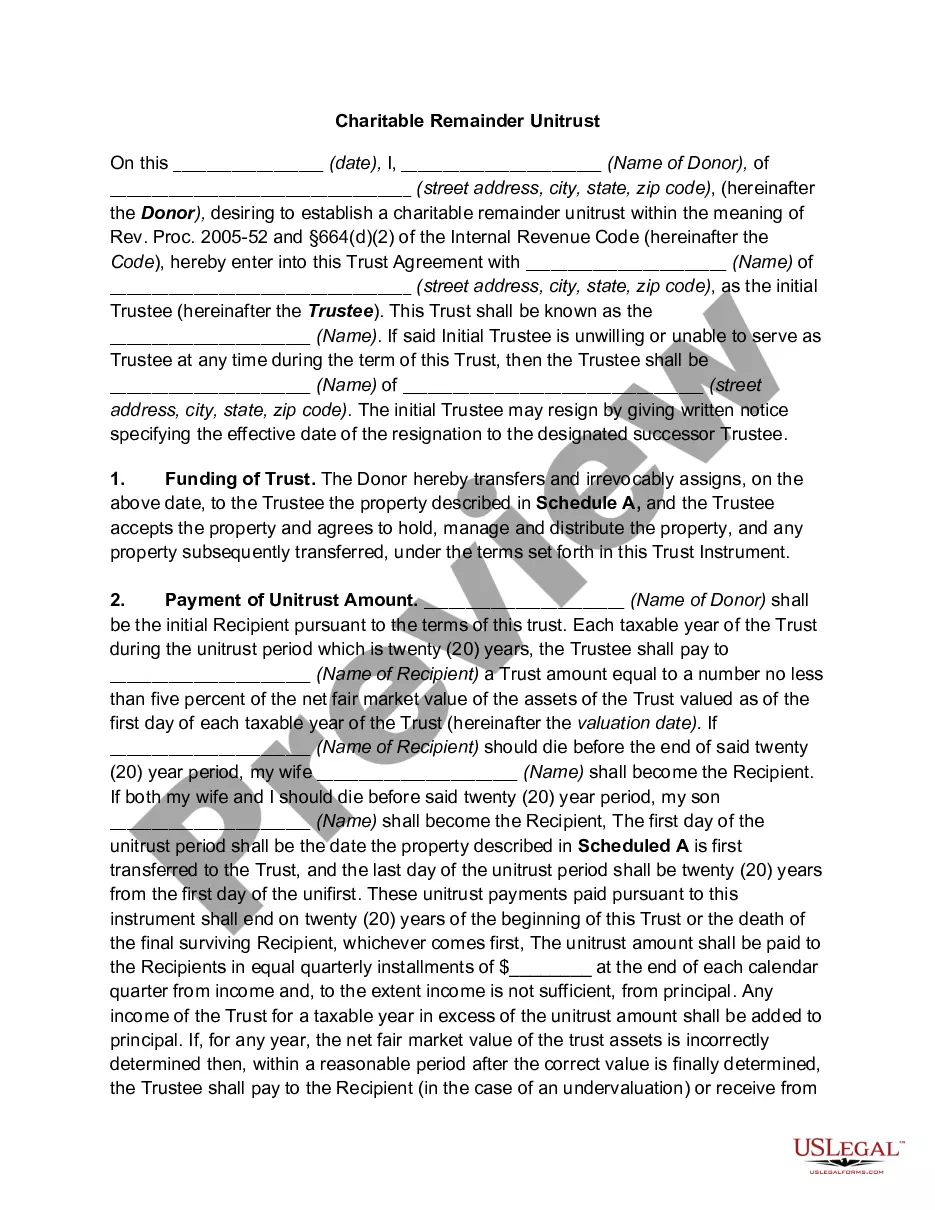
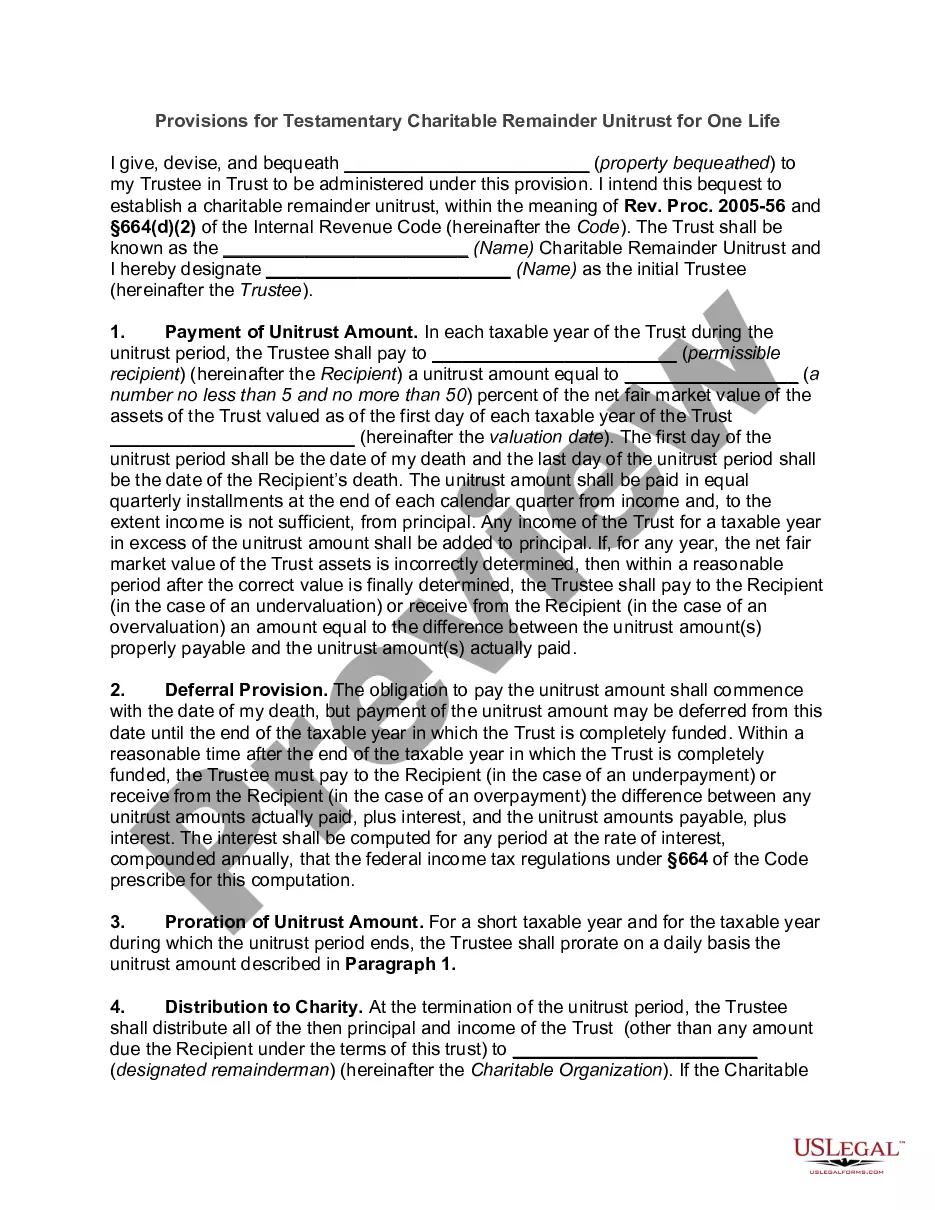
Get your form ready online
Our built-in tools help you complete, sign, share, and store your documents in one place.
Make edits, fill in missing information, and update formatting in US Legal Forms—just like you would in MS Word.
Download a copy, print it, send it by email, or mail it via USPS—whatever works best for your next step.
Sign and collect signatures with our SignNow integration. Send to multiple recipients, set reminders, and more. Go Premium to unlock E-Sign.
If this form requires notarization, complete it online through a secure video call—no need to meet a notary in person or wait for an appointment.
We protect your documents and personal data by following strict security and privacy standards.

Make edits, fill in missing information, and update formatting in US Legal Forms—just like you would in MS Word.

Download a copy, print it, send it by email, or mail it via USPS—whatever works best for your next step.

Sign and collect signatures with our SignNow integration. Send to multiple recipients, set reminders, and more. Go Premium to unlock E-Sign.

If this form requires notarization, complete it online through a secure video call—no need to meet a notary in person or wait for an appointment.

We protect your documents and personal data by following strict security and privacy standards.
Looking for another form?


How to fill out Charitable Remainder Inter Vivos Unitrust Agreement?
- If you are an existing user, log in and verify your subscription status to ensure it is up to date. Download the required form template by clicking the Download button.
- For first-time users, review the Preview mode and read the form description carefully. Confirm you’ve selected the correct document that meets your legal needs.
- If you need an alternative template, utilize the Search tab at the top of the page to find a suitable option that complies with your local jurisdiction.
- Click on the Buy Now button to select your desired subscription plan. Registration will be necessary to access the full library of resources.
- Complete your purchase by entering your credit card information or using your PayPal account for the transaction.
- Finally, download your selected document and store it on your device. You can easily retrieve it anytime via the My Forms section in your profile.
US Legal Forms provides individuals and attorneys the ability to swiftly generate legal documents with minimal hassle. The vast library contains over 85,000 editable forms, giving you access to more resources than competitors at a comparable price.
Empower yourself today with the right legal tools. Explore US Legal Forms to streamline your document preparation process and ensure your legal needs are met efficiently.
Form popularity
FAQ
To generate Form 5227 for a charitable trust, you will need to gather information about the trust's assets, income, and distributions. You can easily download and fill out the form through the IRS website or use electronic resources available on platforms like uslegalforms. This ensures accurate reporting and compliance with IRS requirements for a charitable remainder vivos unitrust living buy for long term.
A charitable lead trust can last for a maximum of 20 years or the lifetime of the income beneficiaries, providing structured support to your charitable interests. This duration offers a balance between benefiting the charity and fulfilling your long-term financial goals. Leveraging legal resources, including those offered by uslegalforms, can clarify your options.
A Charitable Remainder Unitrust (CRUT) can last for the lifetime of the income beneficiaries or for a specified term up to 20 years. This flexible time frame can be beneficial for both tax planning and charitable objectives. To ensure your trust aligns with your goals, consider utilizing resources from uslegalforms for comprehensive support.
The maximum term for a charitable lead trust can last up to 20 years or the lifetime of the income beneficiaries, whichever is longer. This setup allows the charity to receive benefits for a designated period before the remaining assets revert to non-charitable beneficiaries. Understanding the rules around this term is crucial, and platforms like uslegalforms can provide valuable guidance.
Calculating the charitable remainder trust deduction involves determining the present value of the charitable interest. You'll need to estimate the future payments to the income beneficiary and utilize IRS tables to guide your calculations. Tools available on uslegalforms can simplify your deduction calculations, ensuring compliance while maximizing benefits.
The maximum term for a Charitable Remainder Unitrust (CRUT) can extend for the lifetime of the income beneficiaries or up to 20 years. This allows for a flexible structure that can benefit both the donor and the charity in substantial ways. By engaging with a professional or leveraging resources available through uslegalforms, you can navigate these terms effectively.
Setting up a Charitable Remainder Unitrust (CRUT) involves several steps. First, you need to choose a trustee to manage the trust's assets. Next, determine the terms of the trust, including the payout percentage and the length of the trust period. Lastly, consider consulting with a legal professional or using platforms like uslegalforms to ensure all legal requirements are met for a smooth setup.
A gift tax return may be required if you transfer assets to a charitable remainder trust. This is especially true if the value of the asset exceeds the annual exclusion limit. Addressing this aspect is important when planning for a remainder vivos unitrust living buy for long term. For more guidance on gift tax returns, consider seeking help from UsLegalForms, which can provide valuable resources.
Yes, a charitable trust must file a tax return if it generates income. Filing ensures that the trust remains compliant with tax laws and provides transparency to the benefactors. When considering a remainder vivos unitrust living buy for long term, keeping up with these requirements is beneficial. Platforms like UsLegalForms can assist you in fulfilling these obligations.
Yes, a Charitable Remainder Trust (CRT) is required to file a tax return. The trust must report all income and taxable events to the IRS annually. This filing is vital for managing a remainder vivos unitrust living buy for long term effectively. If you need help with your CRT filings, UsLegalForms offers resources and templates to ease the process.