Inter Vivos Form Living Order With Beneficiaries
Description

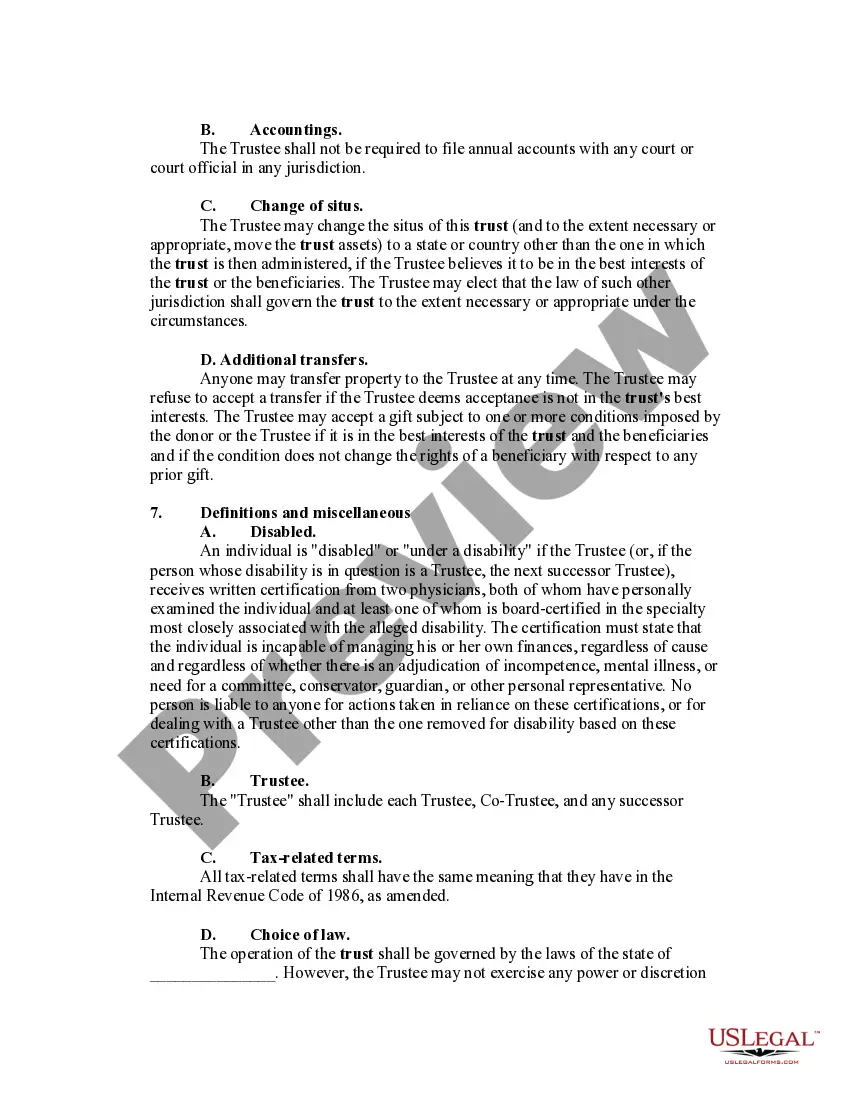
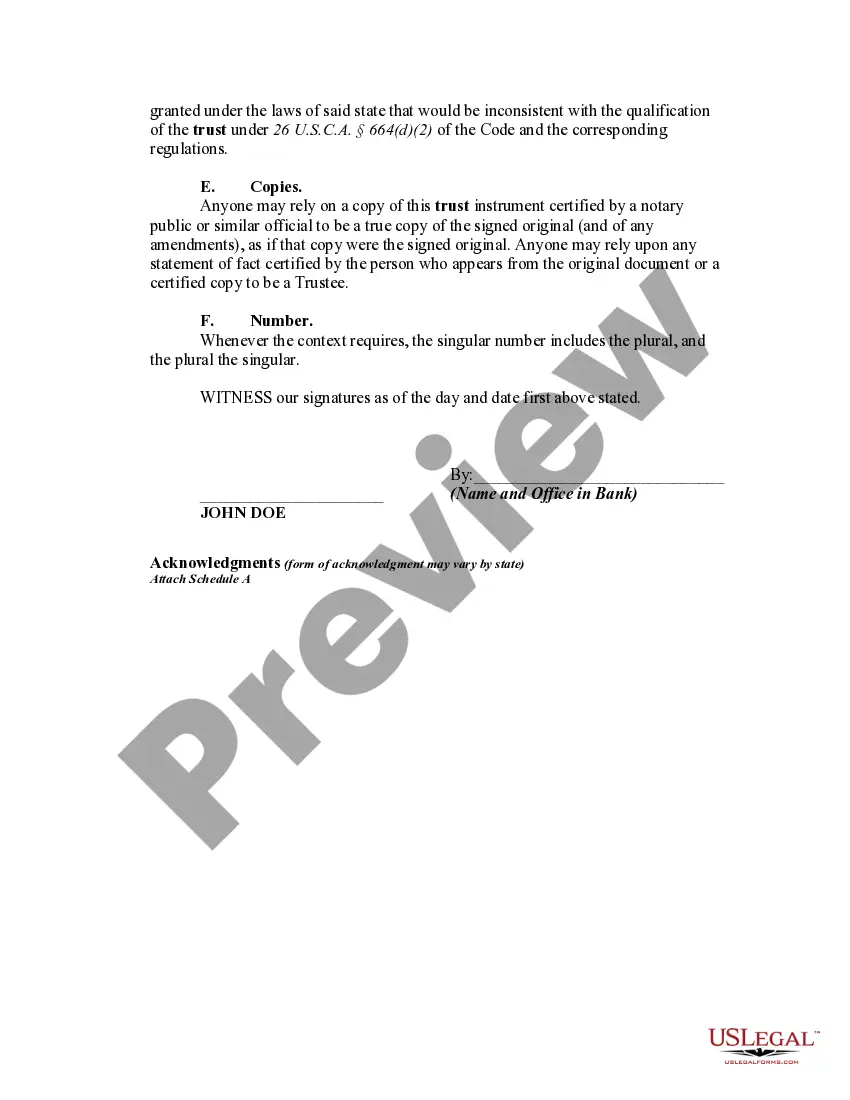

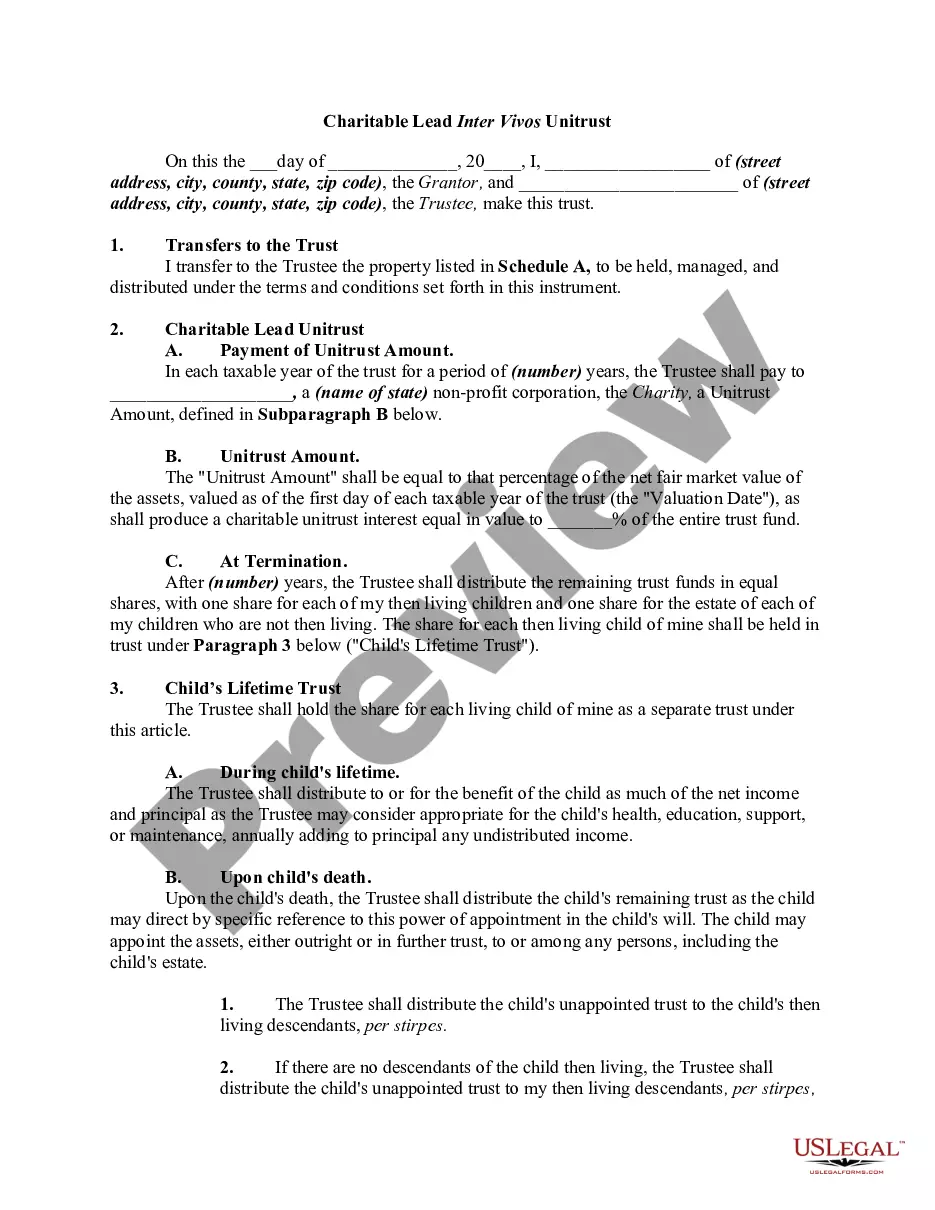
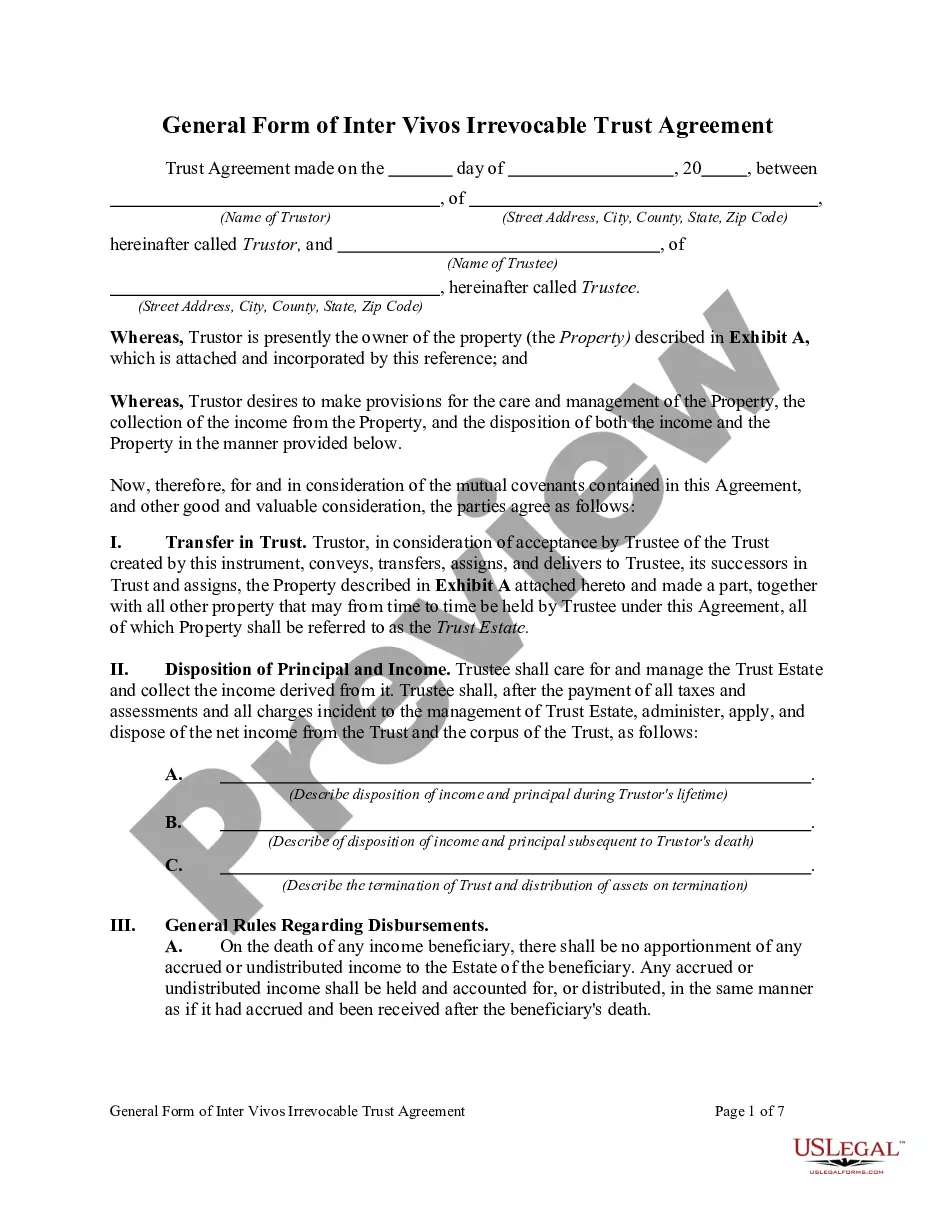

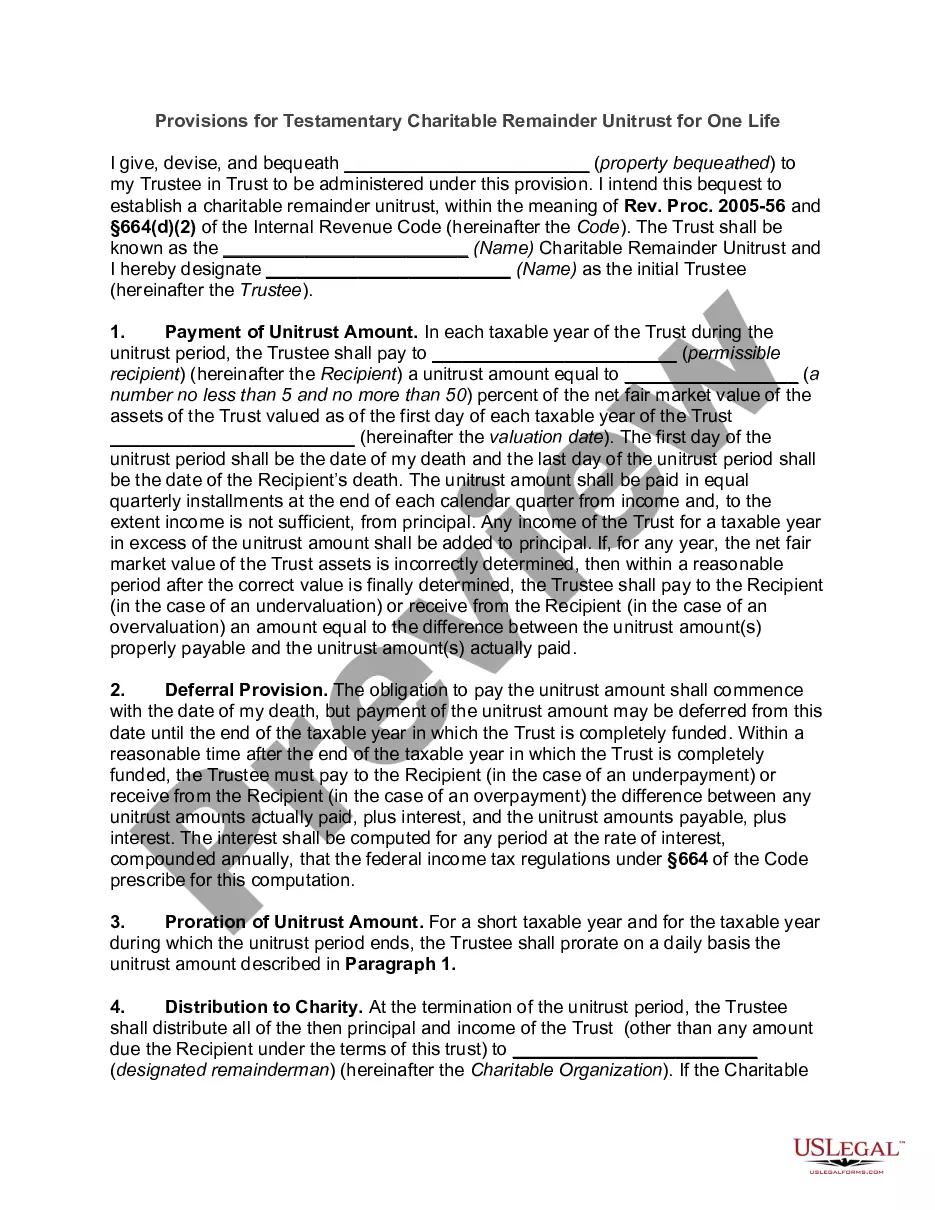
Get your form ready online
Our built-in tools help you complete, sign, share, and store your documents in one place.
Make edits, fill in missing information, and update formatting in US Legal Forms—just like you would in MS Word.
Download a copy, print it, send it by email, or mail it via USPS—whatever works best for your next step.
Sign and collect signatures with our SignNow integration. Send to multiple recipients, set reminders, and more. Go Premium to unlock E-Sign.
If this form requires notarization, complete it online through a secure video call—no need to meet a notary in person or wait for an appointment.
We protect your documents and personal data by following strict security and privacy standards.
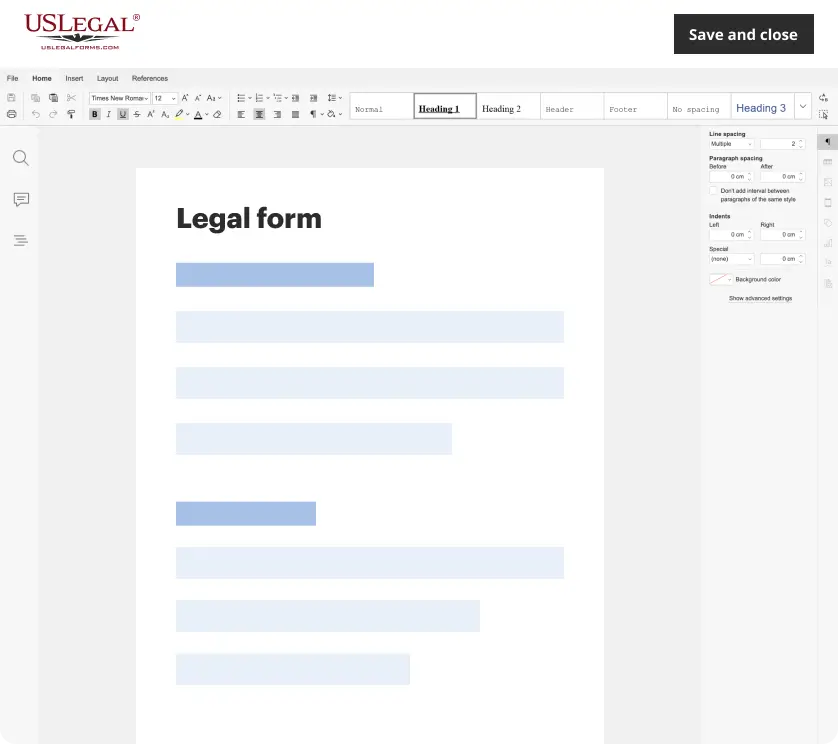
Make edits, fill in missing information, and update formatting in US Legal Forms—just like you would in MS Word.
Download a copy, print it, send it by email, or mail it via USPS—whatever works best for your next step.
Sign and collect signatures with our SignNow integration. Send to multiple recipients, set reminders, and more. Go Premium to unlock E-Sign.

If this form requires notarization, complete it online through a secure video call—no need to meet a notary in person or wait for an appointment.
We protect your documents and personal data by following strict security and privacy standards.
Looking for another form?



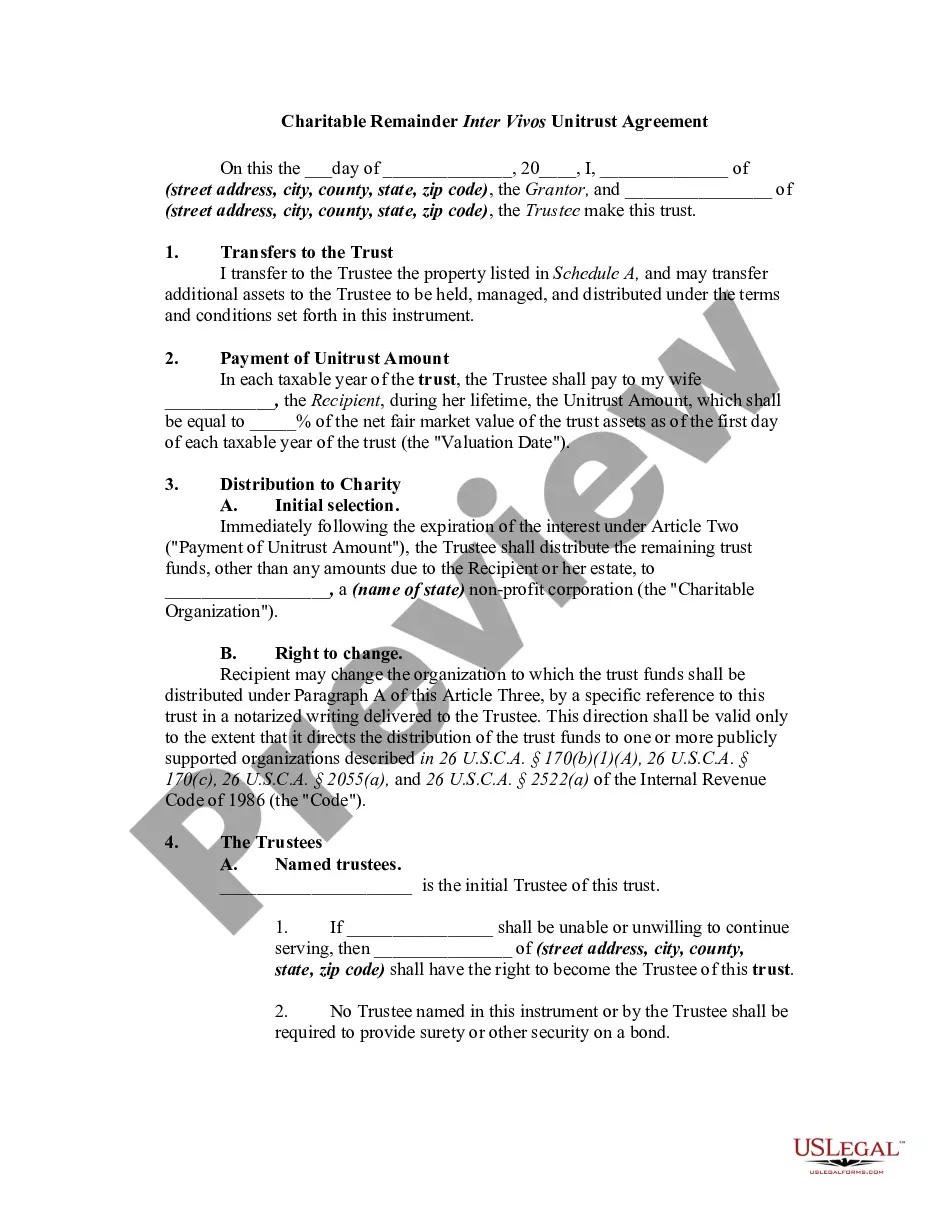
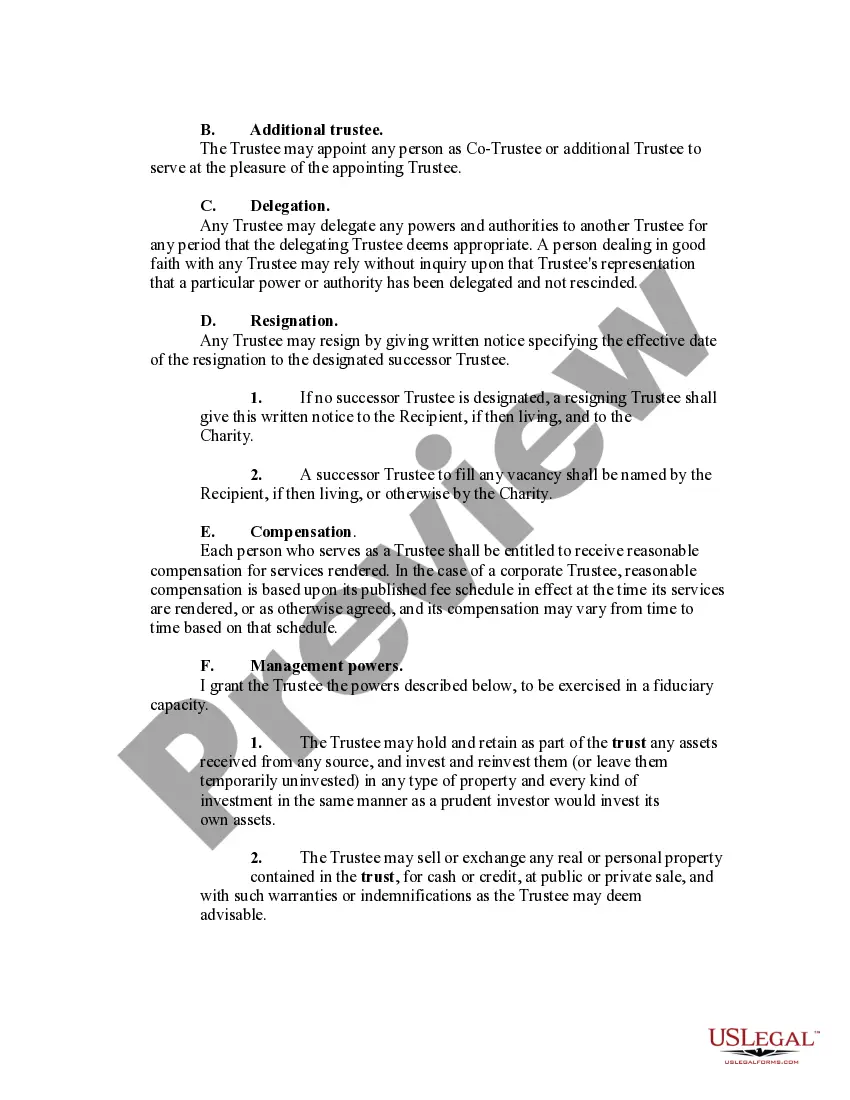
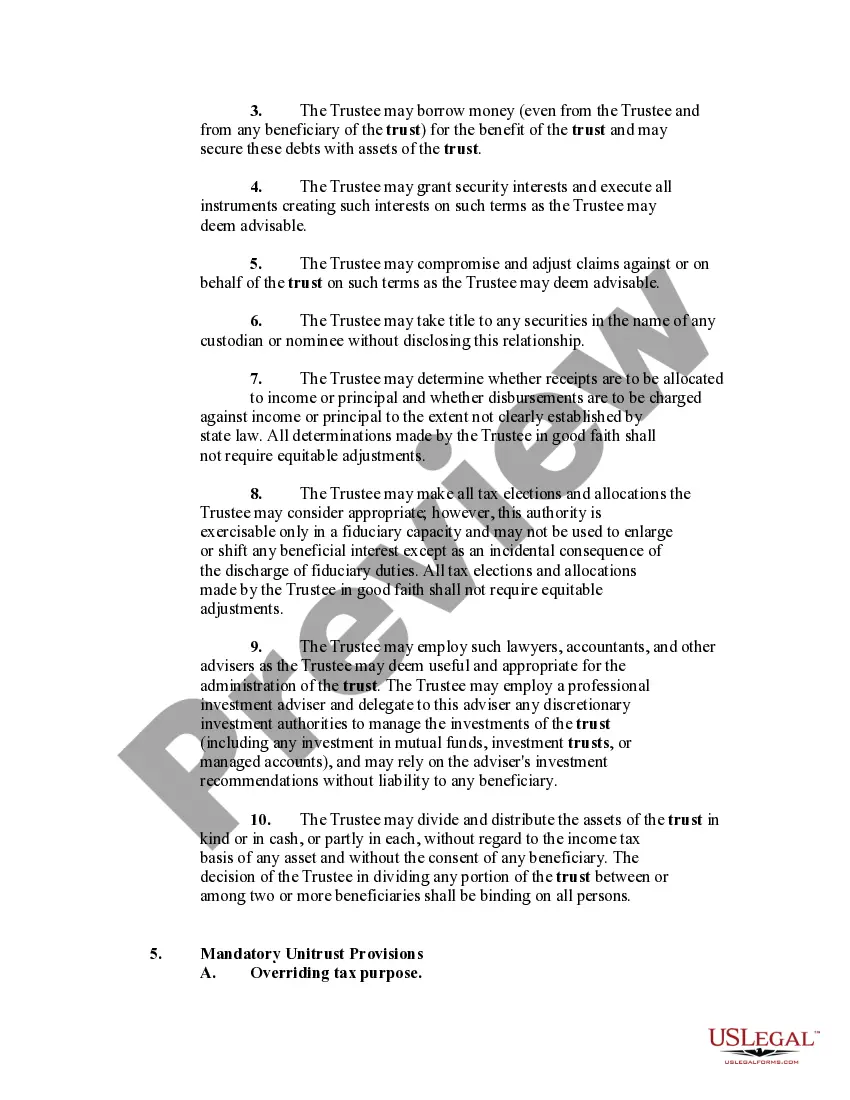
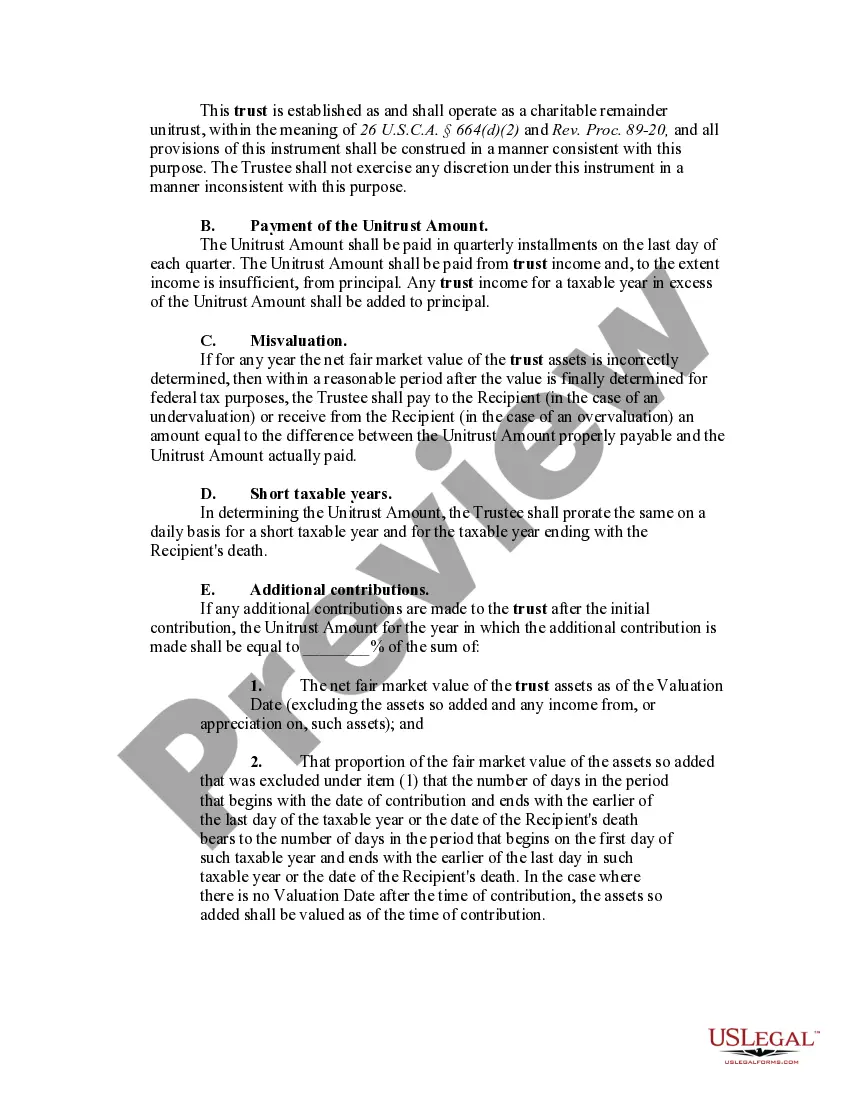
How to fill out Charitable Remainder Inter Vivos Unitrust Agreement?
Legal managing may be overwhelming, even for the most experienced professionals. When you are interested in a Inter Vivos Form Living Order With Beneficiaries and do not get the time to commit looking for the correct and up-to-date version, the processes might be stress filled. A robust online form library might be a gamechanger for anybody who wants to deal with these situations successfully. US Legal Forms is a market leader in online legal forms, with more than 85,000 state-specific legal forms available at any moment.
With US Legal Forms, you are able to:
- Access state- or county-specific legal and business forms. US Legal Forms handles any needs you might have, from personal to organization papers, all in one spot.
- Utilize advanced tools to complete and manage your Inter Vivos Form Living Order With Beneficiaries
- Access a useful resource base of articles, tutorials and handbooks and resources highly relevant to your situation and requirements
Help save effort and time looking for the papers you will need, and make use of US Legal Forms’ advanced search and Preview tool to get Inter Vivos Form Living Order With Beneficiaries and get it. If you have a subscription, log in to the US Legal Forms account, search for the form, and get it. Take a look at My Forms tab to see the papers you previously downloaded and to manage your folders as you see fit.
Should it be the first time with US Legal Forms, make a free account and have unrestricted access to all benefits of the library. Here are the steps to take after getting the form you want:
- Confirm this is the correct form by previewing it and reading its information.
- Ensure that the sample is accepted in your state or county.
- Pick Buy Now once you are ready.
- Choose a monthly subscription plan.
- Find the file format you want, and Download, complete, eSign, print and send out your document.
Enjoy the US Legal Forms online library, supported with 25 years of expertise and reliability. Transform your day-to-day document managing in to a smooth and intuitive process today.
Form popularity
FAQ
To leave property to your living trust, name your trust as beneficiary for that property, using the trustee's name and the name of the trust. For example: John Doe as trustee of the John Doe Living Trust, dated January 1, 20xx.
One example to help you imagine how an Inter Vivos Trust can be used is a college education fund. Let's say you have two young children, and you and your spouse became motivated to establish an estate plan. You set up two Trusts and name your children as the beneficiaries, one Trust per child.
Can a Trustee Change the Beneficiary? Trustees generally do not have the power to change the beneficiary of a trust. The right to add and remove beneficiaries is a power reserved for the grantor of the trust; when the grantor dies, their trust will usually become irrevocable.
'Z', a businessman, promises his nephew, D, a piece of land if he works hard and passes his exams. D lives up to Z's expectations and is gifted with the piece of land. Z then goes through all the processes of land transfer and gives D his title deed. This type of gift is considered an inter vivos gift.
The identity of beneficiaries is up to the grantor, who can change beneficiaries or terminate the trust during their lifetime. Beneficiaries of an irrevocable trust generally can't be changed and trust terms usually can't be amended without the beneficiaries' permission.