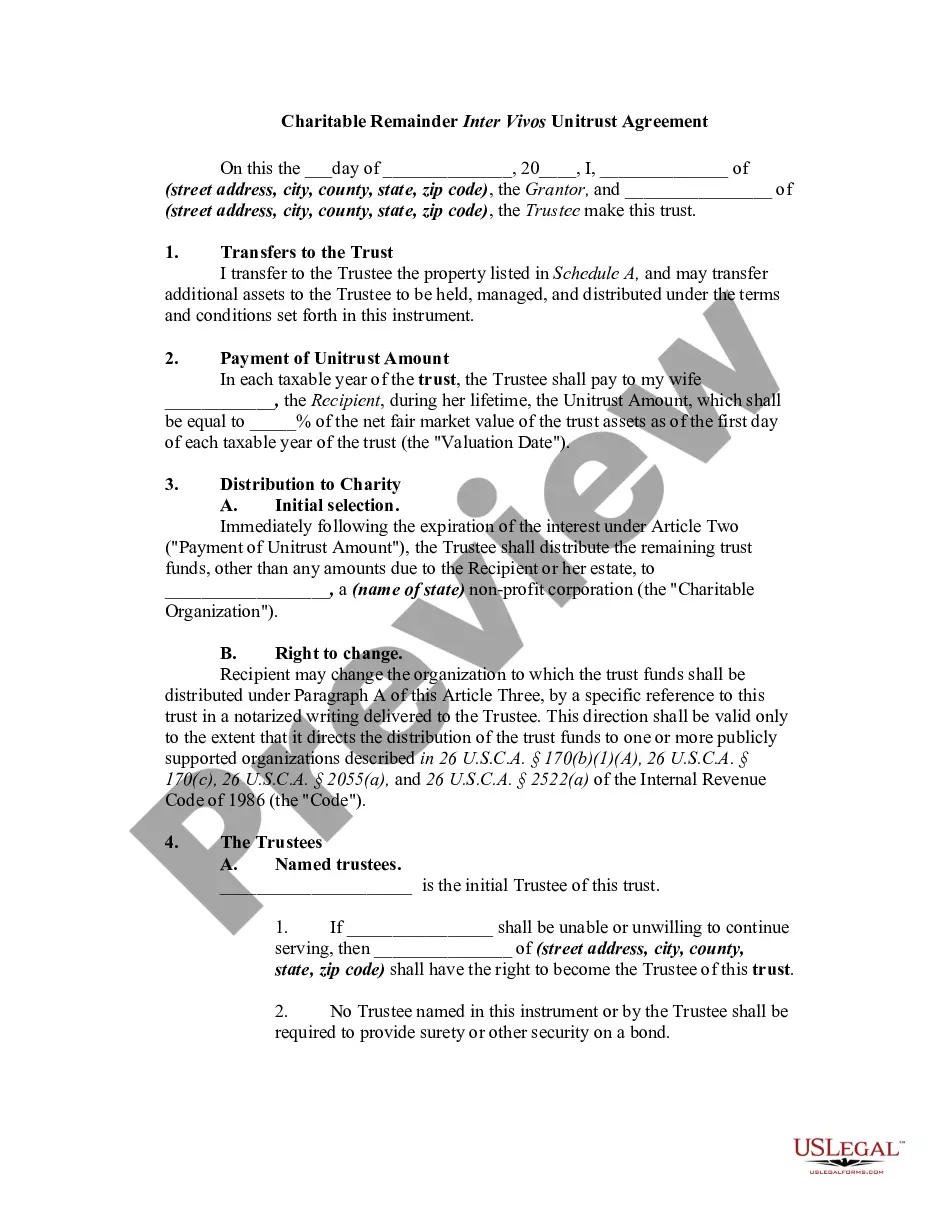
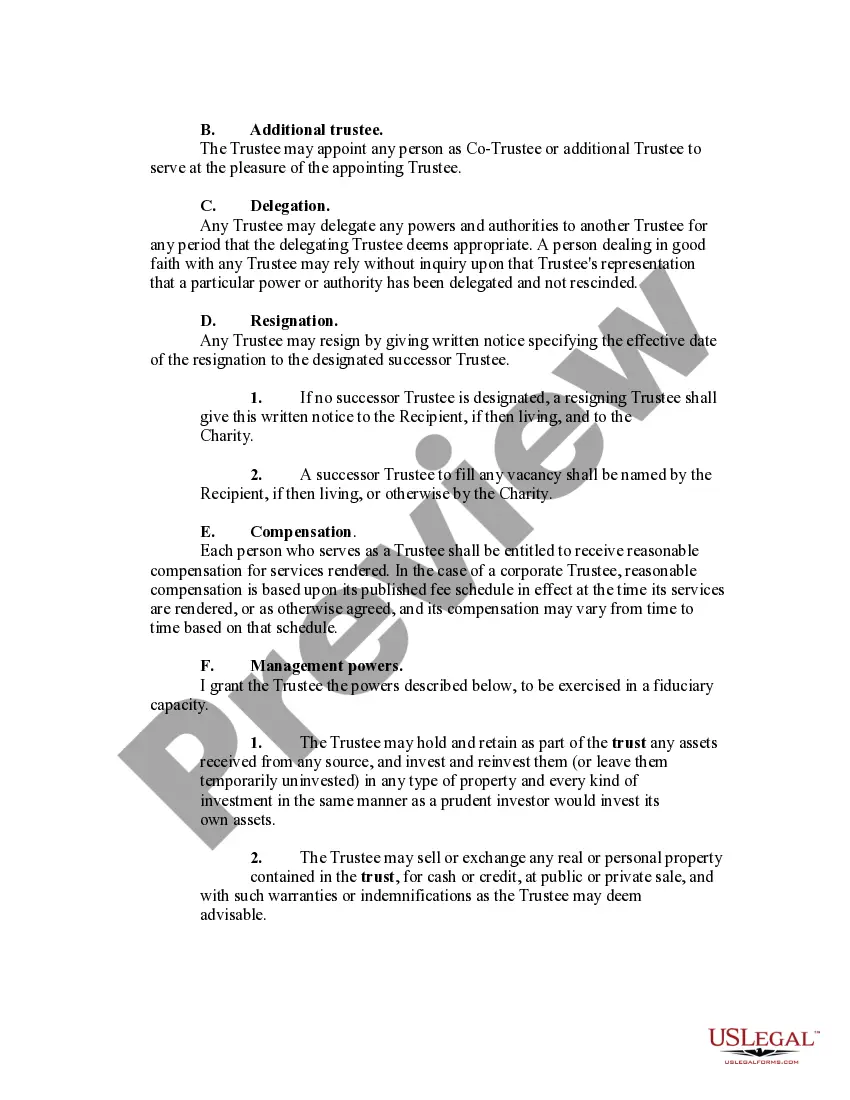
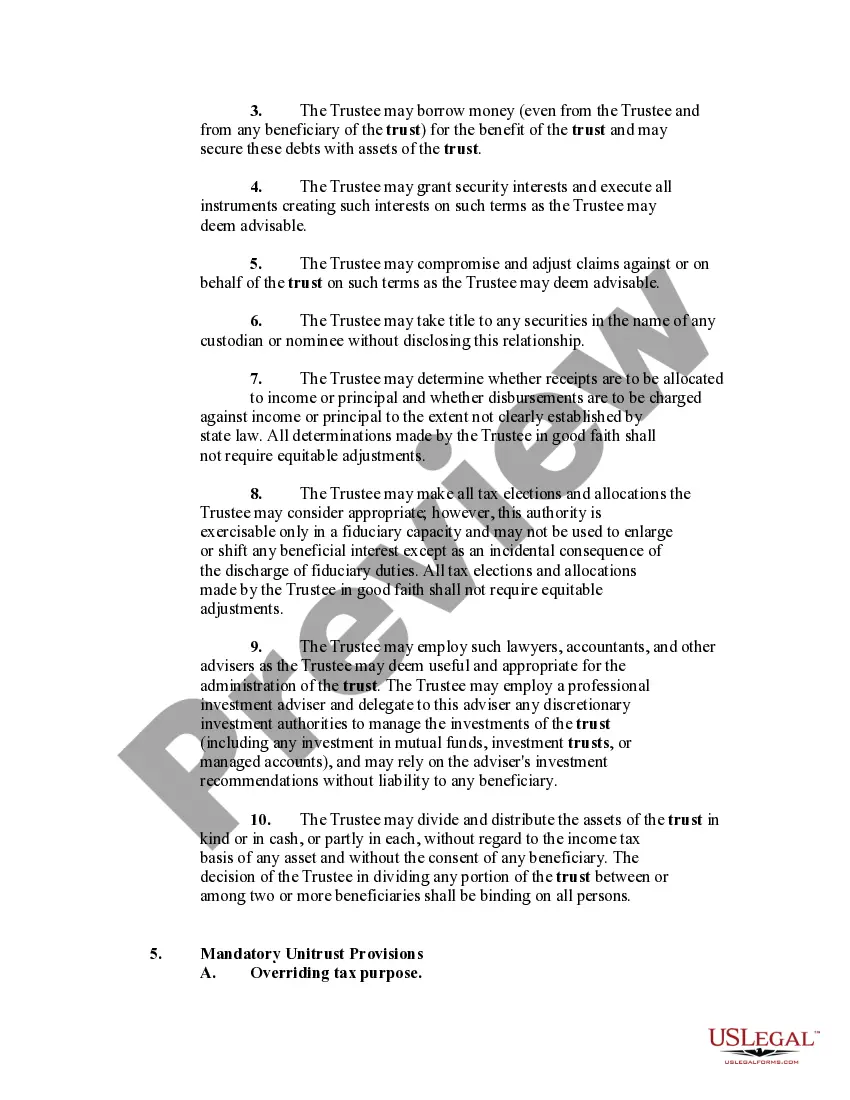
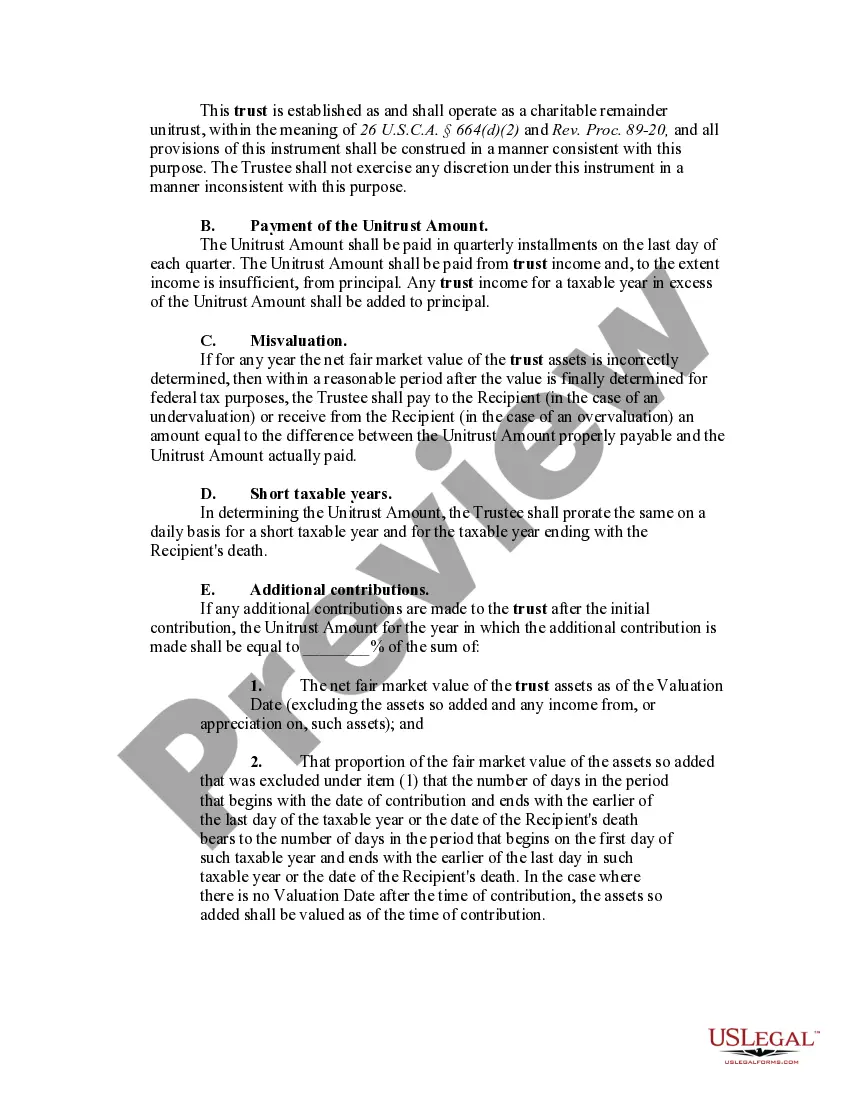
Charitable Remainder Living Trust With Beneficiaries
Description
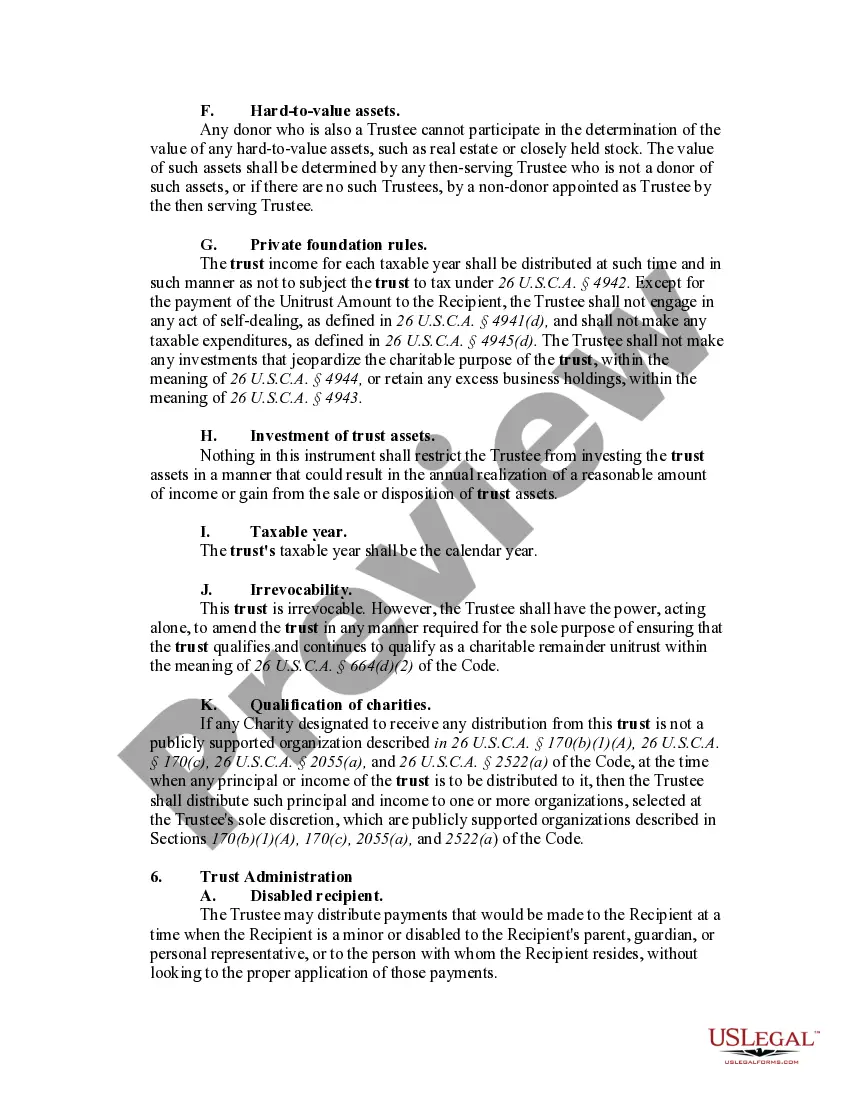
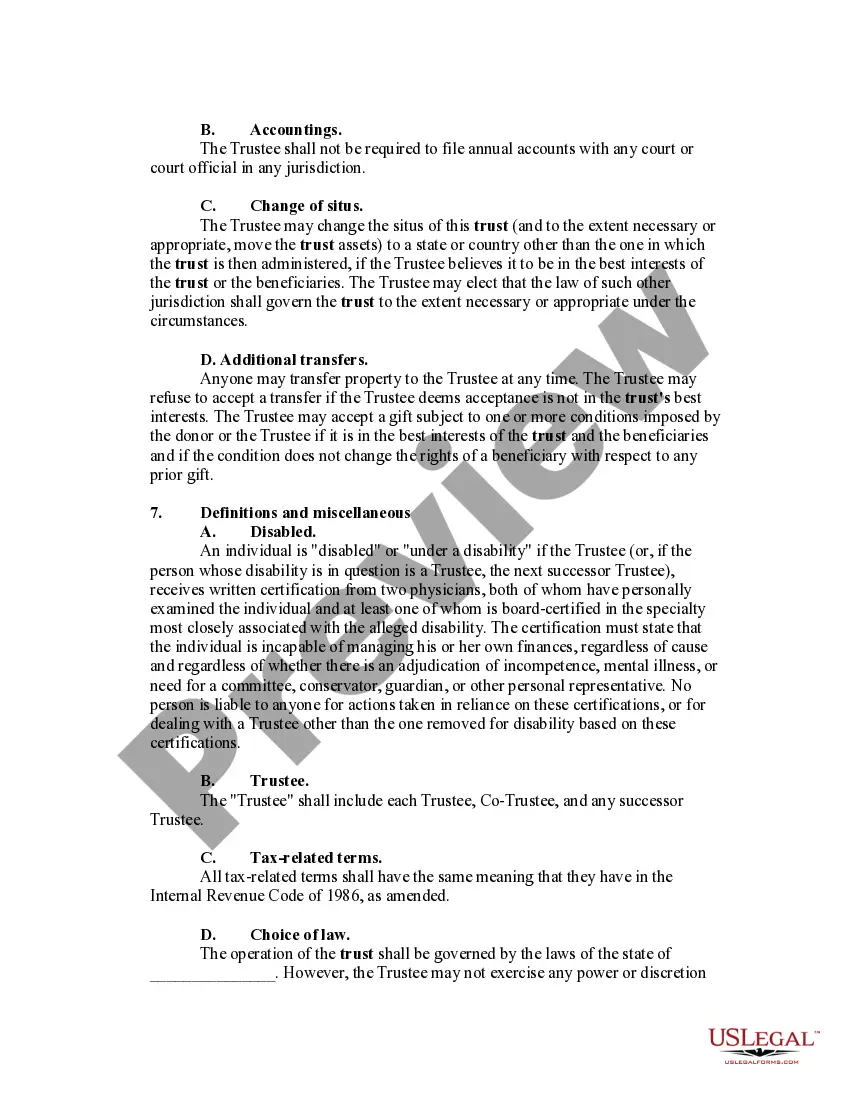
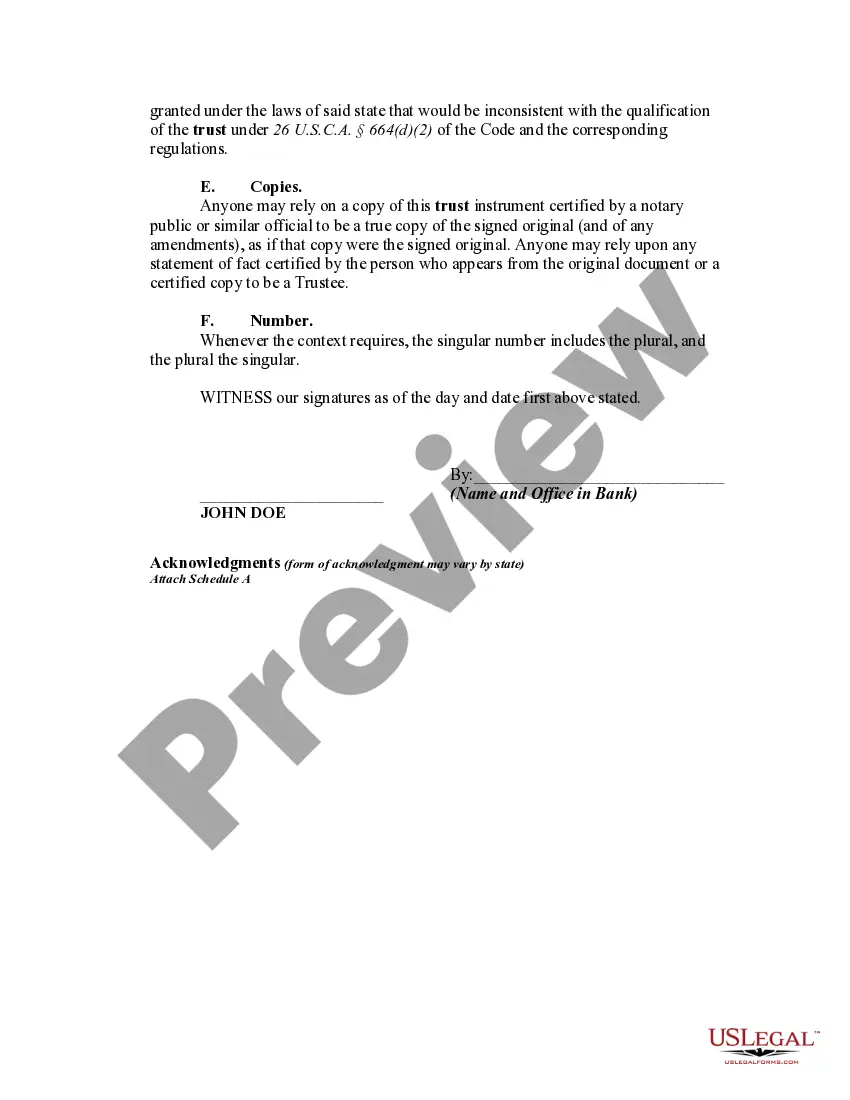
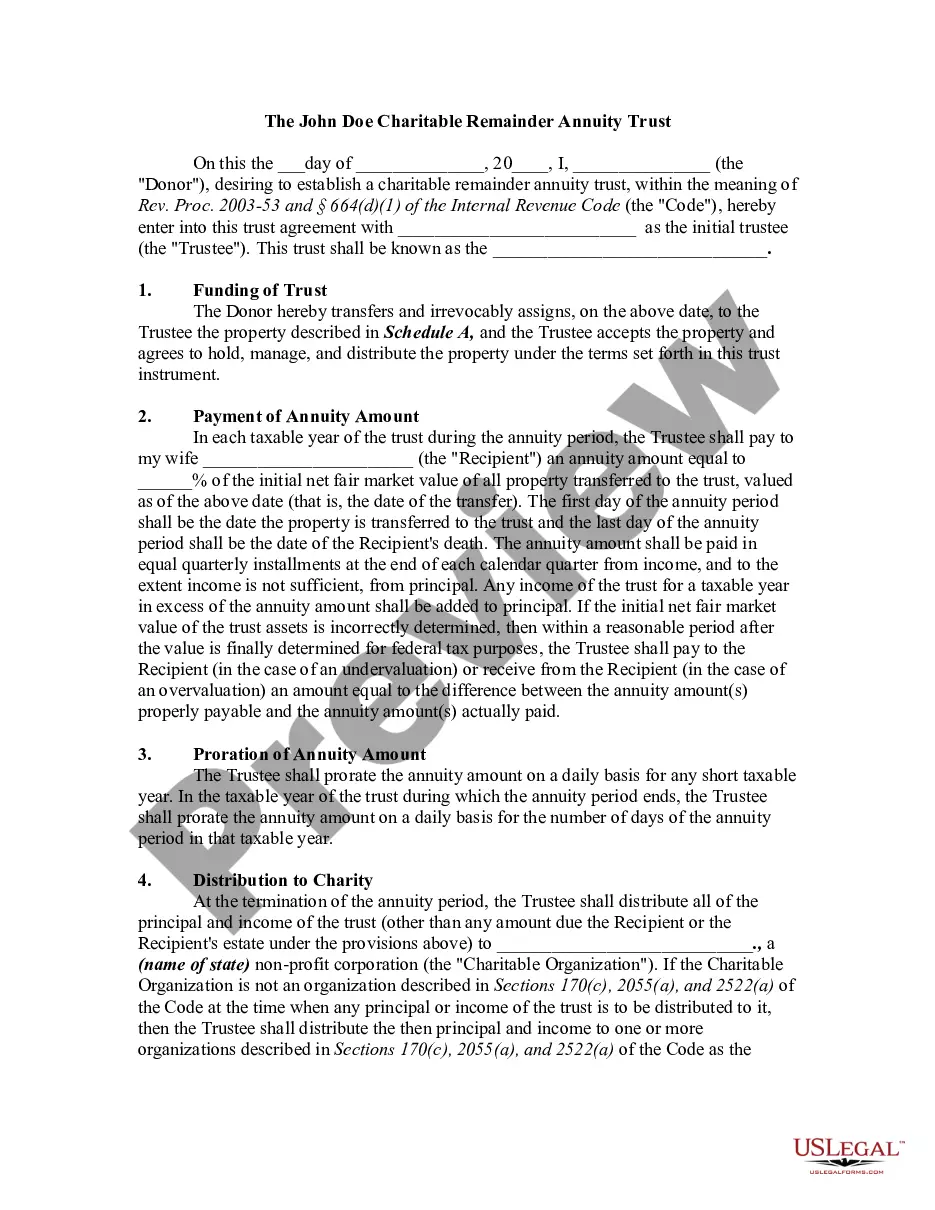
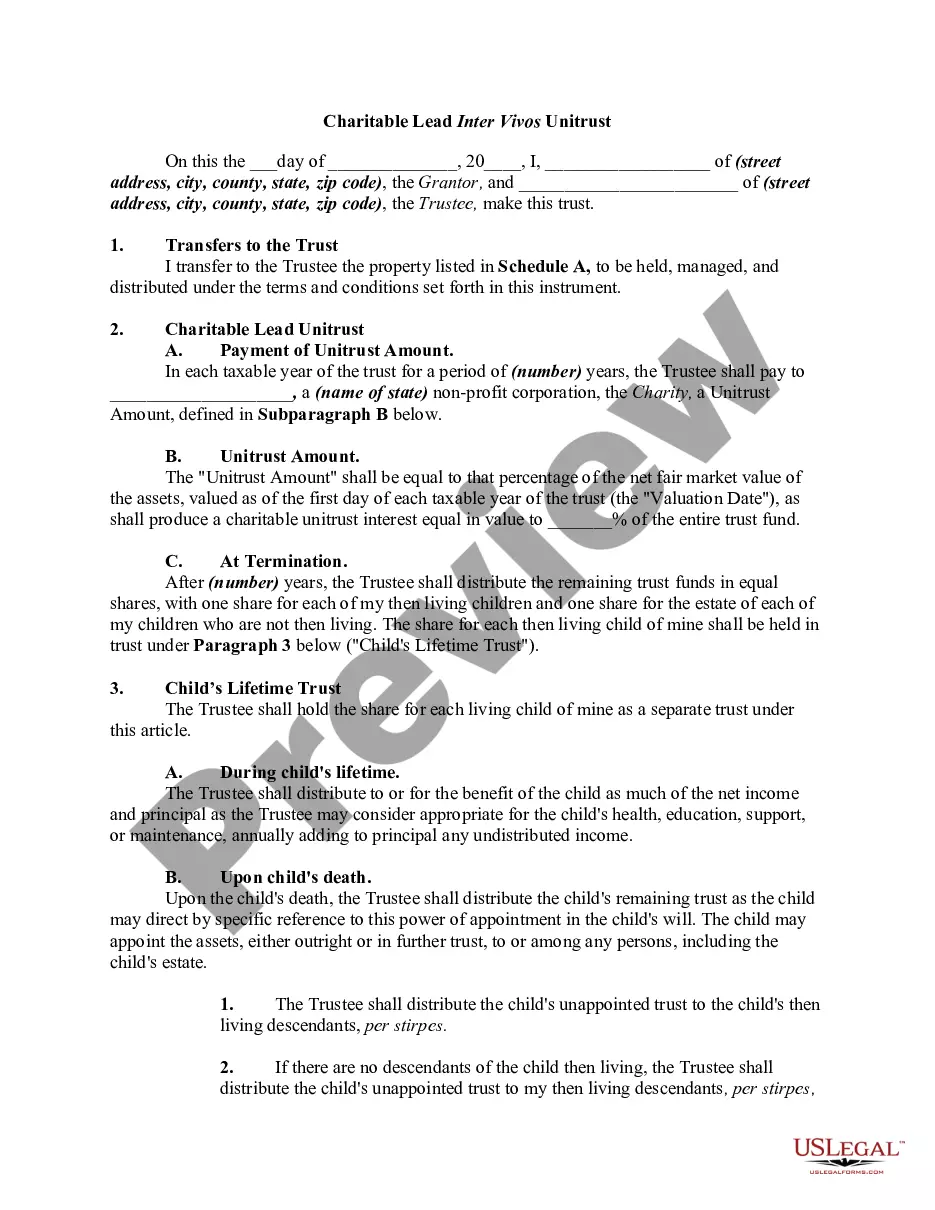
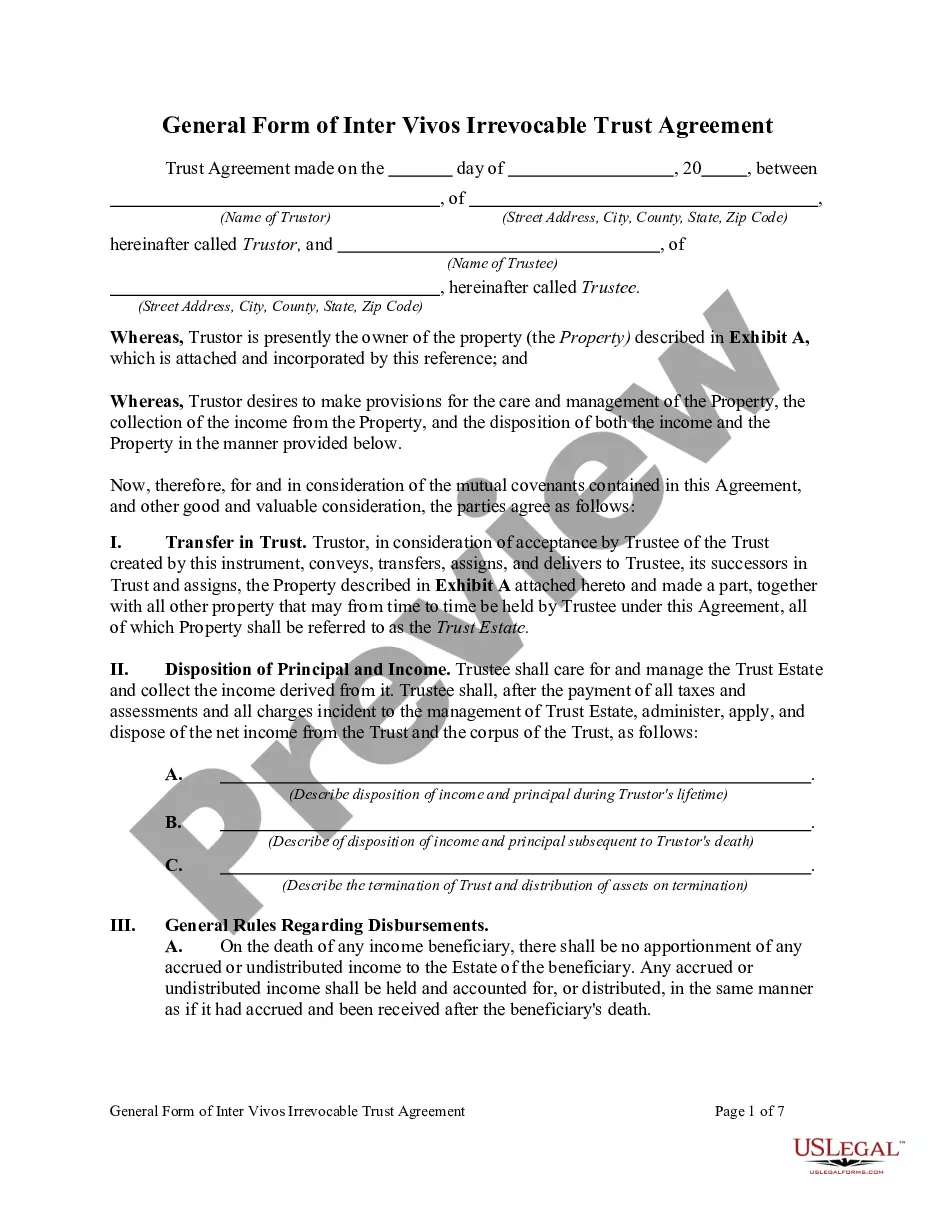
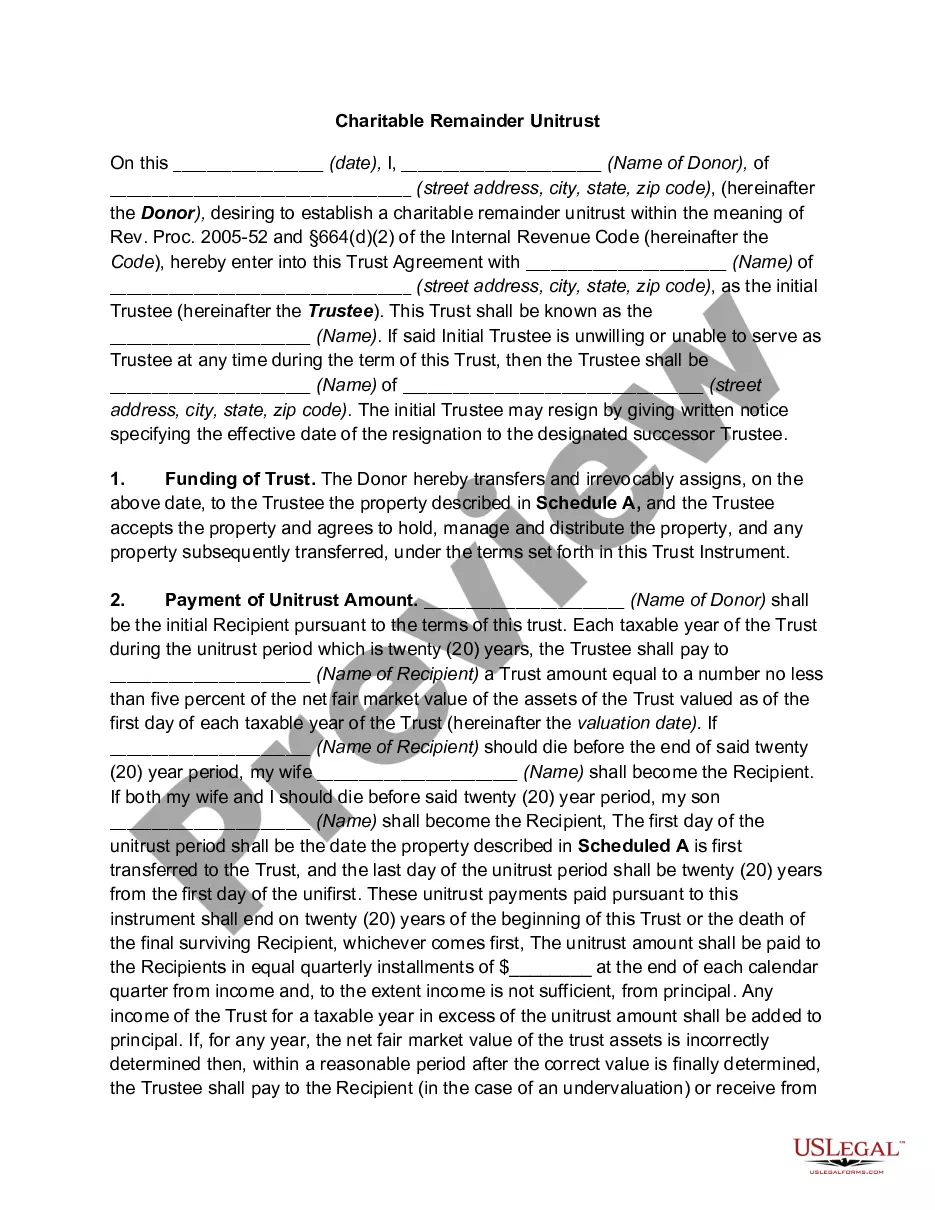
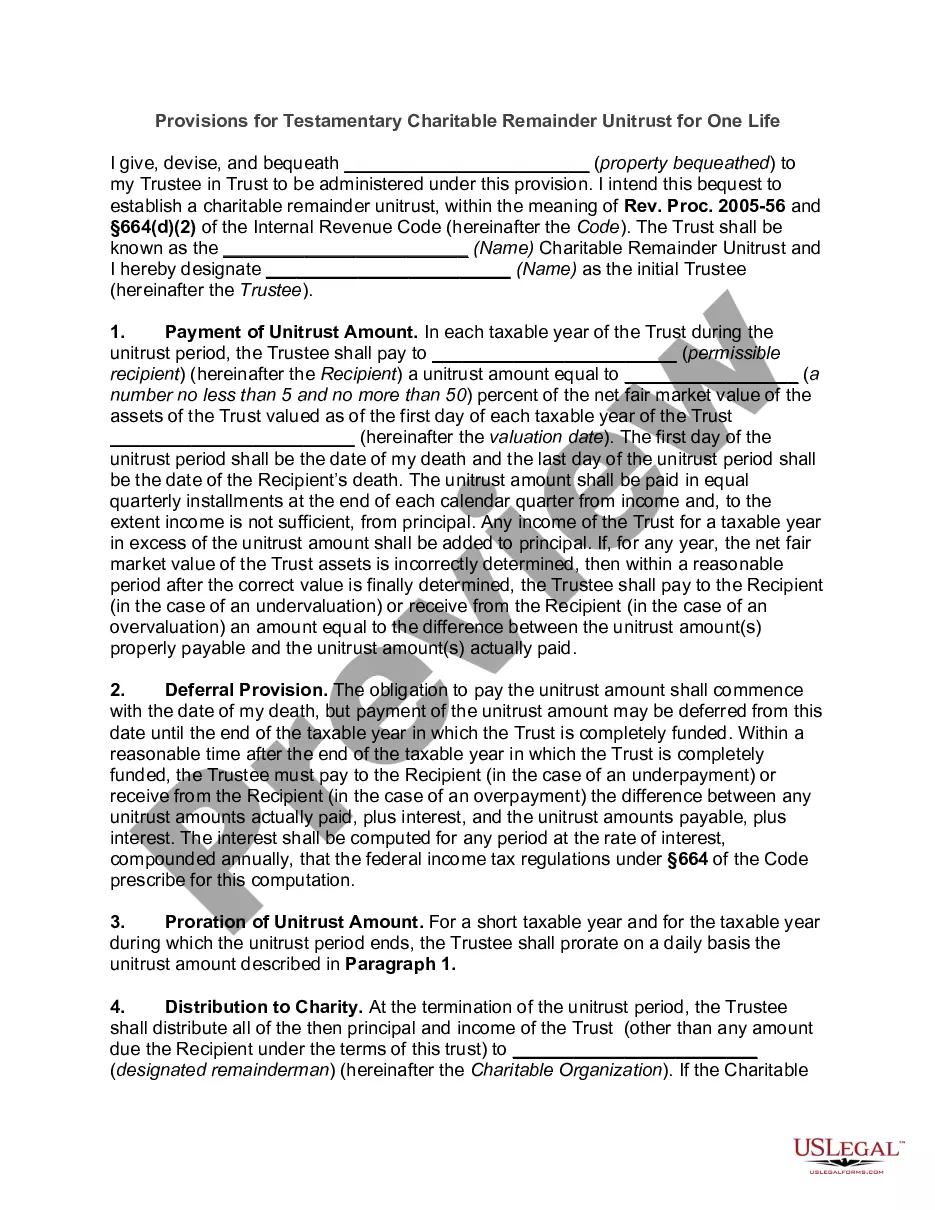
Get your form ready online
Our built-in tools help you complete, sign, share, and store your documents in one place.
Make edits, fill in missing information, and update formatting in US Legal Forms—just like you would in MS Word.
Download a copy, print it, send it by email, or mail it via USPS—whatever works best for your next step.
Sign and collect signatures with our SignNow integration. Send to multiple recipients, set reminders, and more. Go Premium to unlock E-Sign.
If this form requires notarization, complete it online through a secure video call—no need to meet a notary in person or wait for an appointment.
We protect your documents and personal data by following strict security and privacy standards.

Make edits, fill in missing information, and update formatting in US Legal Forms—just like you would in MS Word.

Download a copy, print it, send it by email, or mail it via USPS—whatever works best for your next step.

Sign and collect signatures with our SignNow integration. Send to multiple recipients, set reminders, and more. Go Premium to unlock E-Sign.

If this form requires notarization, complete it online through a secure video call—no need to meet a notary in person or wait for an appointment.

We protect your documents and personal data by following strict security and privacy standards.
Looking for another form?
How to fill out Charitable Remainder Inter Vivos Unitrust Agreement?
Legal documentation management can be daunting, even for seasoned professionals.
When searching for a Charitable Remainder Living Trust With Beneficiaries and lacking the time to spend finding the correct and updated version, the process can be overwhelming.
Benefit from a valuable resource pool of articles, guidelines, and materials pertinent to your situation and needs.
Conserve time and energy finding the forms you require, and take advantage of US Legal Forms’ sophisticated search and Review function to locate Charitable Remainder Living Trust With Beneficiaries and obtain it.
Experience the US Legal Forms online catalogue, supported by 25 years of expertise and dependability. Transform your document management into a seamless and user-friendly process today.
- If you have a membership, sign in to your US Legal Forms account, search for the form, and download it.
- Check the My documents section to view the documents you previously stored and to organize your folders as desired.
- If it's your first experience with US Legal Forms, register for a free account and gain unlimited access to all features of the platform.
- Here are the steps to take after retrieving the form you need.
- Confirm this is the correct form by previewing it and reviewing its description.
- Make sure the document is valid in your state or county.
- Select Buy Now when you are ready.
- Choose a subscription plan.
- Select the format you prefer, and Download, complete, eSign, print, and submit your documents.
- Access state- or county-specific legal and business documents.
- US Legal Forms caters to any needs you may have, from personal to corporate paperwork, all in one place.
- Leverage advanced tools to create and oversee your Charitable Remainder Living Trust With Beneficiaries.
Form popularity
FAQ
Yes, a charitable remainder living trust with beneficiaries can include multiple beneficiaries. This flexibility allows you to designate several individuals or entities to receive income distributions during the trust's term. Such arrangements can enhance your estate planning strategy, ensuring that your wealth supports both loved ones and charitable organizations. Consult with US Legal Forms to explore how to effectively set this up.
In a charitable remainder living trust with beneficiaries, the income generated is typically taxed to the trust itself, unless distributed to beneficiaries. When distributions occur, beneficiaries may need to report income on their personal tax returns. This setup allows you to support charitable causes while navigating tax obligations effectively. US Legal Forms can help you structure your trust to optimize tax outcomes.
While a charitable remainder living trust with beneficiaries offers many benefits, it also has potential pitfalls. One common issue is the complexity of setting up and managing the trust, which can lead to costly mistakes if not handled properly. Additionally, if the income payments are too high, it may diminish the trust's value, reducing the eventual charitable gift. Engaging with platforms like USLegalForms can simplify the process and ensure your trust aligns with your financial goals.
A charitable remainder living trust with beneficiaries can be a valuable estate planning tool. It allows you to support charitable organizations while also providing income to your beneficiaries for a specified term or their lifetime. This arrangement can offer significant tax benefits, such as deductions on your income taxes. Evaluating your financial situation and philanthropic goals will help you determine if this type of trust is right for you.
Banks may be hesitant to work with irrevocable trusts, including charitable remainder living trusts with beneficiaries, because they limit access to assets. Once you place assets in an irrevocable trust, you cannot change the terms or reclaim ownership, which can complicate financial arrangements. It's crucial to understand these implications before establishing such a trust.
Yes, a charitable trust can have beneficiaries, including individuals or organizations that benefit from the trust's income. In the case of a charitable remainder living trust with beneficiaries, you can designate specific individuals to receive income during your lifetime, with the remaining assets going to charity afterward. This setup allows you to balance personal financial support and charitable giving.
While a charitable remainder living trust with beneficiaries can offer tax advantages, there are downsides to consider. You may face restrictions on how and when you can access the assets, which can be limiting. Additionally, the setup and maintenance of the trust can involve significant administrative work and costs, which may deter some individuals.
A charitable remainder unitrust (CRUT) can be a good idea for individuals who want to support charitable causes while securing income for themselves or their beneficiaries. This type of charitable remainder living trust with beneficiaries allows you to receive income based on the trust's value, which can increase over time. However, it's essential to consult with a financial advisor to ensure it aligns with your financial goals.
A charitable remainder living trust with beneficiaries may face several disadvantages. First, it can limit your control over the assets since they are committed to charity. Additionally, setting up a charitable trust often involves complex legal requirements and costs that might outweigh the benefits. It's important to consider these factors carefully.
A discretionary trust does not require more than one beneficiary, but it often includes multiple beneficiaries to provide flexibility in distributions. The trustee has the authority to decide how much each beneficiary receives, based on their needs. This can be particularly useful for managing family dynamics or varying financial situations. By utilizing a Charitable Remainder Living Trust with beneficiaries, you can create a tailored approach to wealth distribution while supporting your chosen charities.