Charitable Agreement Trust Buy For The United States
Description
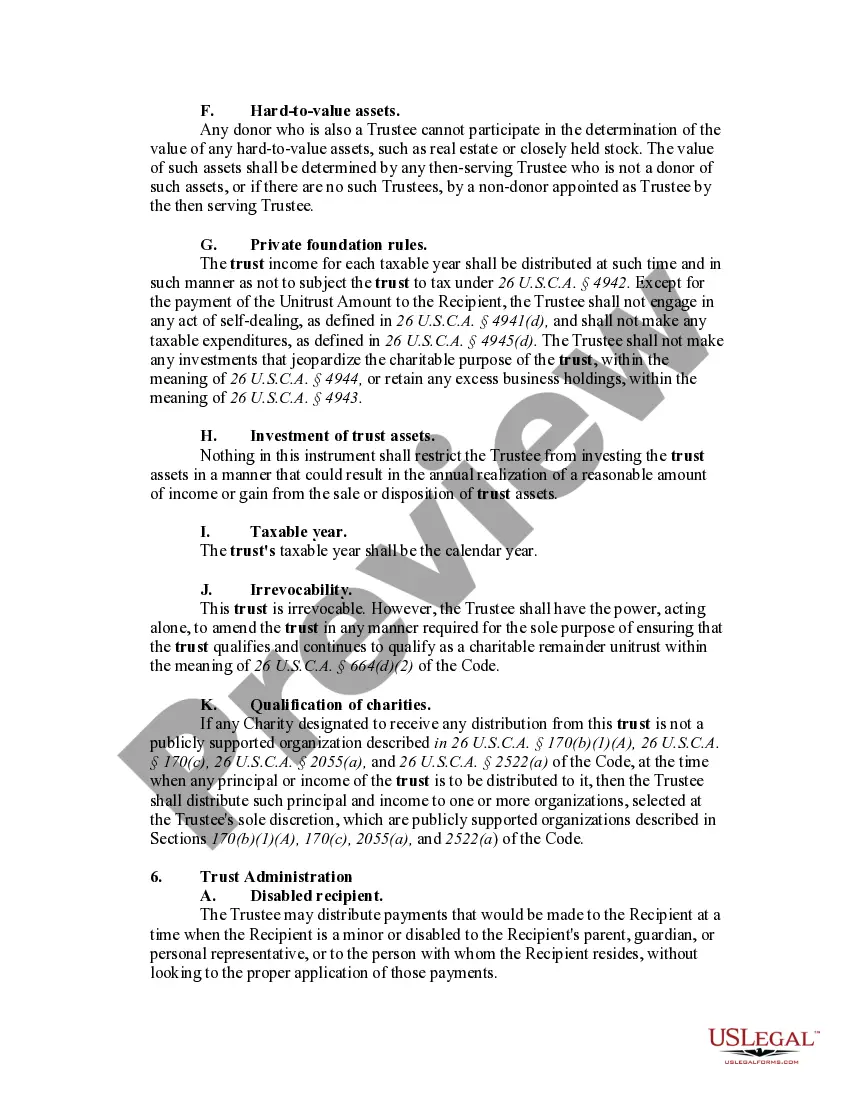
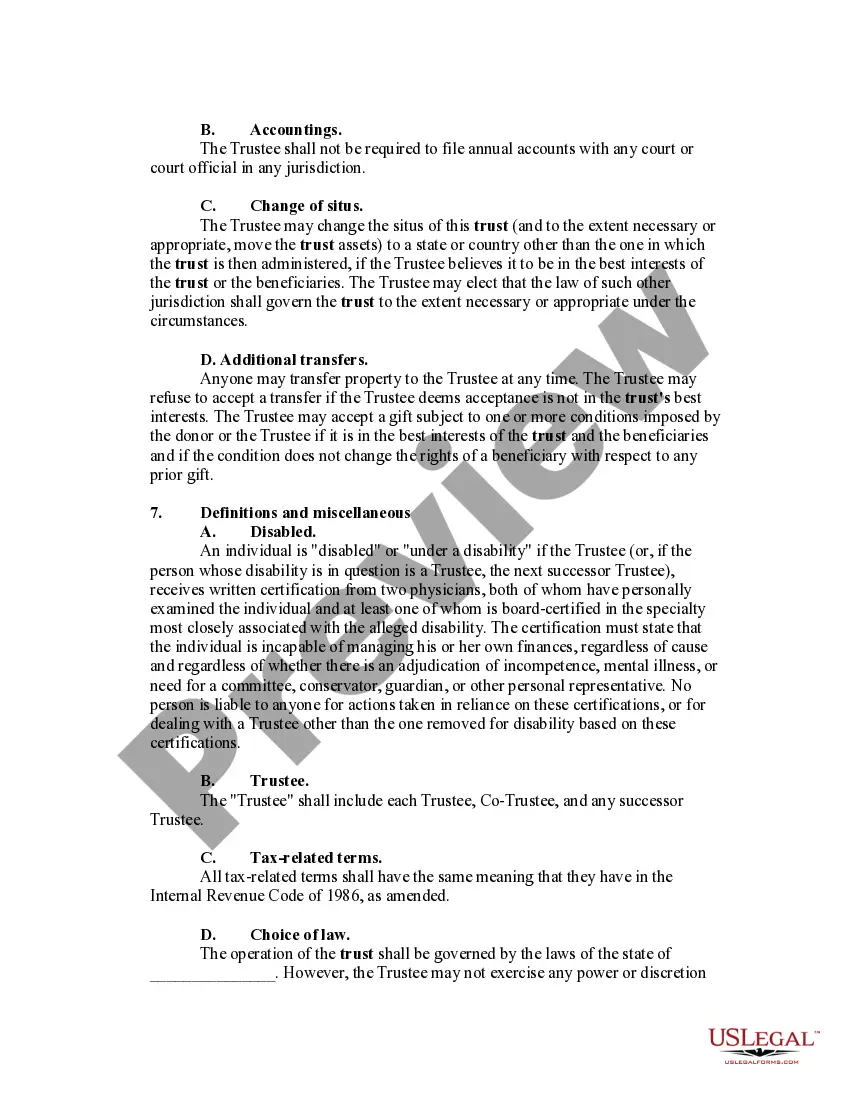
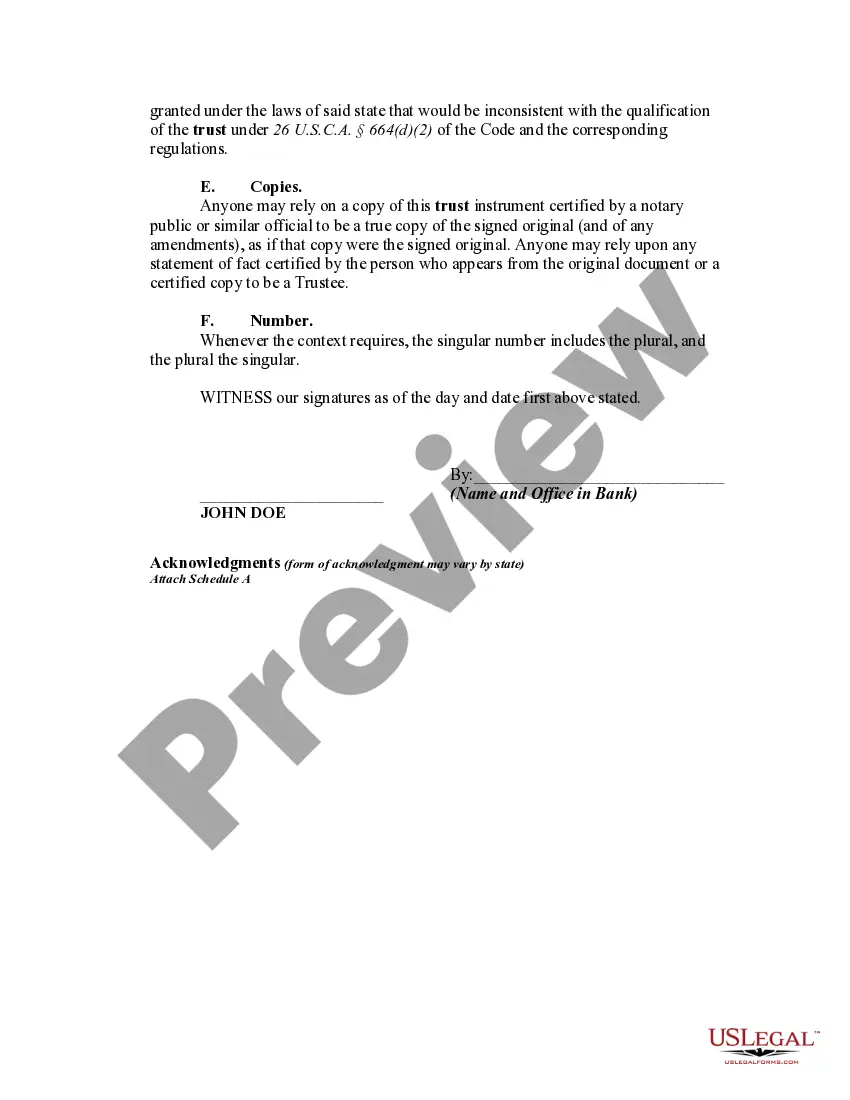
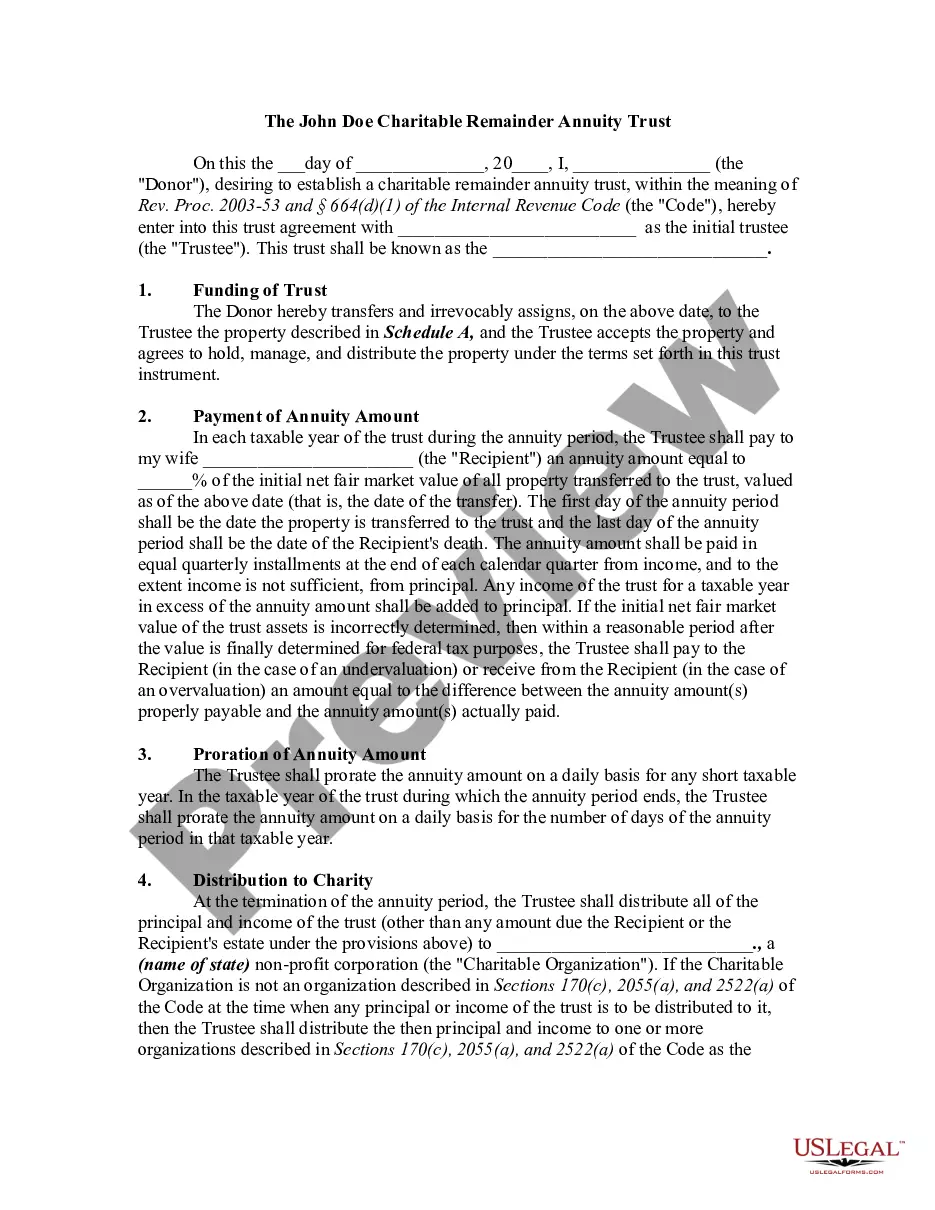
Get your form ready online
Our built-in tools help you complete, sign, share, and store your documents in one place.
Make edits, fill in missing information, and update formatting in US Legal Forms—just like you would in MS Word.
Download a copy, print it, send it by email, or mail it via USPS—whatever works best for your next step.
Sign and collect signatures with our SignNow integration. Send to multiple recipients, set reminders, and more. Go Premium to unlock E-Sign.
If this form requires notarization, complete it online through a secure video call—no need to meet a notary in person or wait for an appointment.
We protect your documents and personal data by following strict security and privacy standards.

Make edits, fill in missing information, and update formatting in US Legal Forms—just like you would in MS Word.

Download a copy, print it, send it by email, or mail it via USPS—whatever works best for your next step.

Sign and collect signatures with our SignNow integration. Send to multiple recipients, set reminders, and more. Go Premium to unlock E-Sign.

If this form requires notarization, complete it online through a secure video call—no need to meet a notary in person or wait for an appointment.

We protect your documents and personal data by following strict security and privacy standards.
Looking for another form?

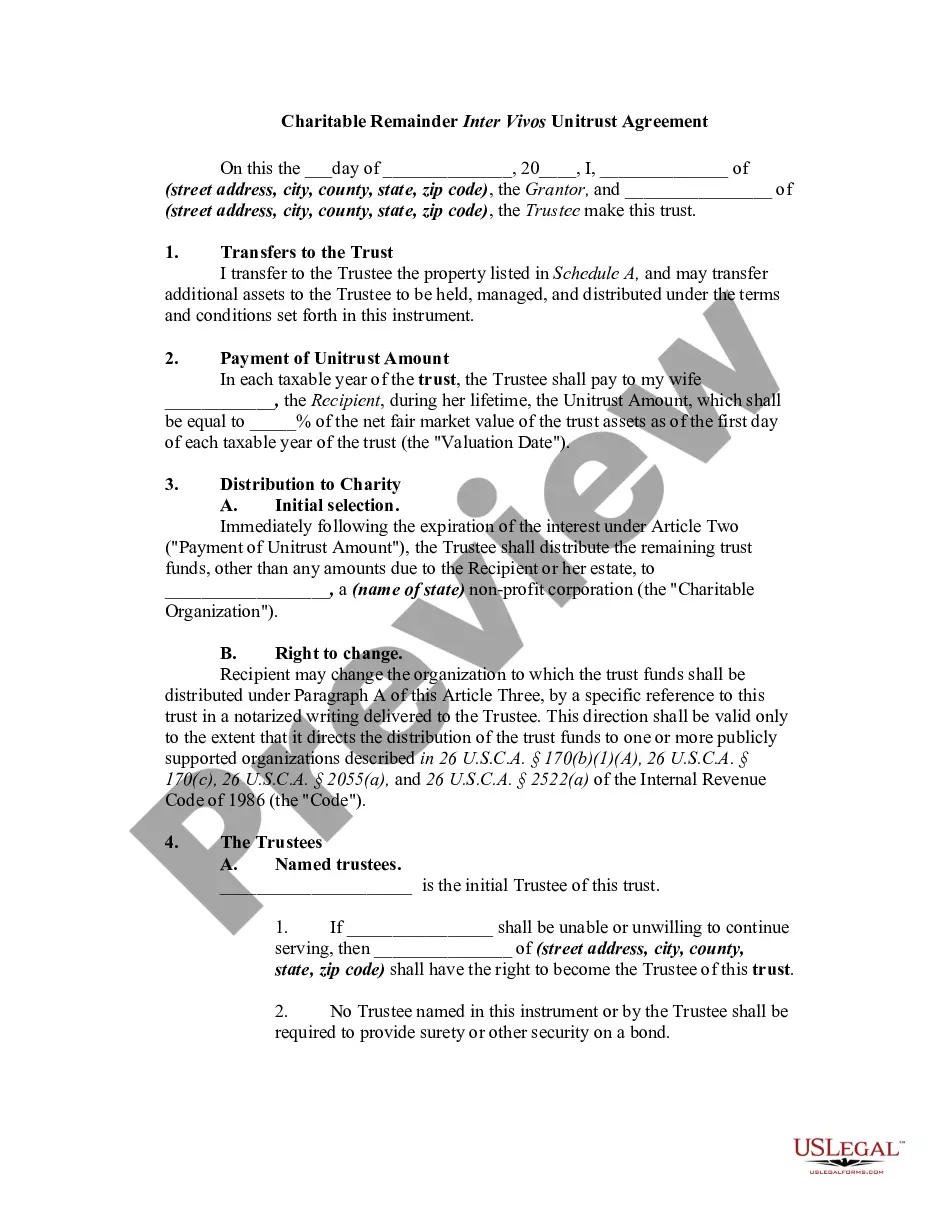
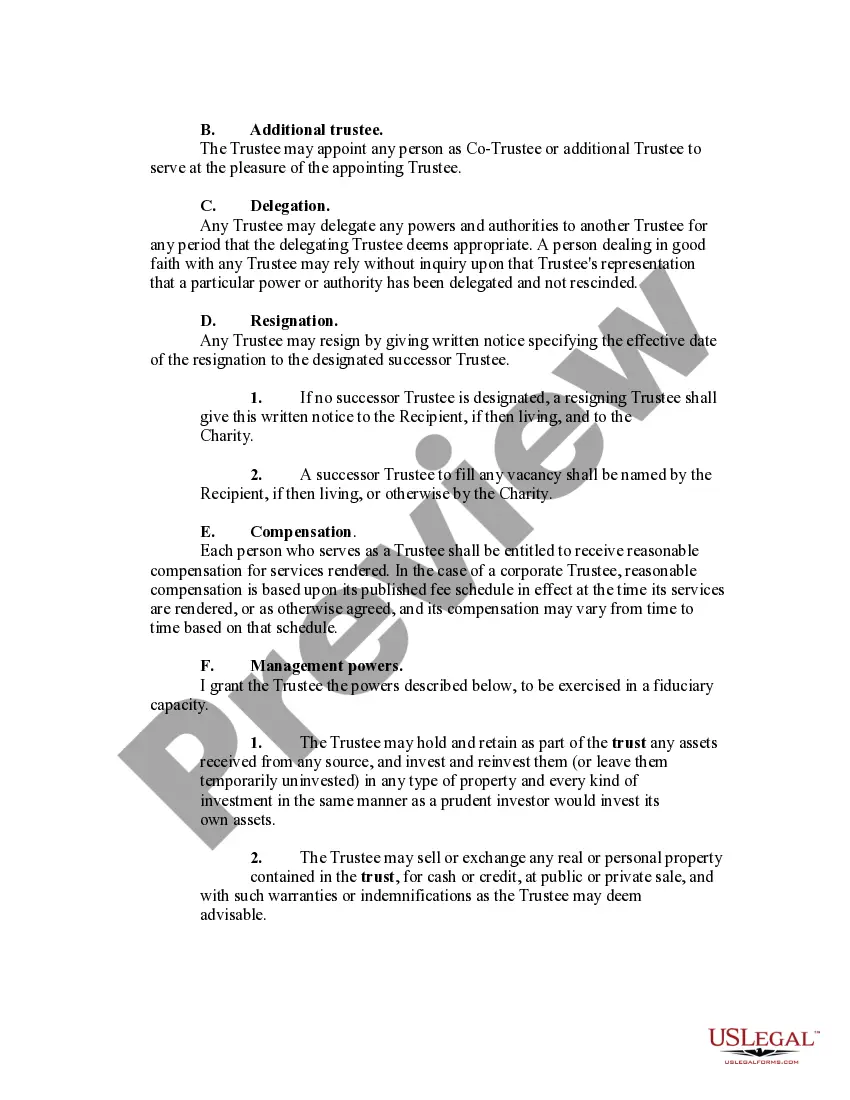
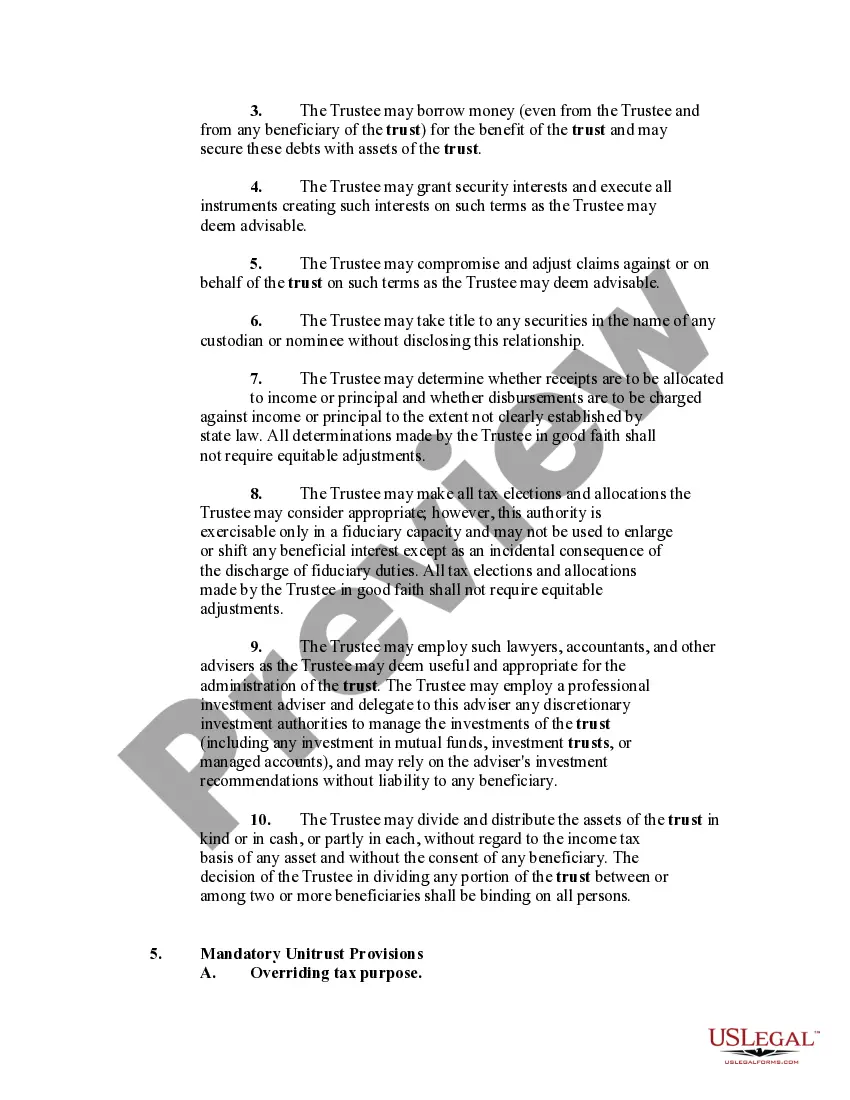
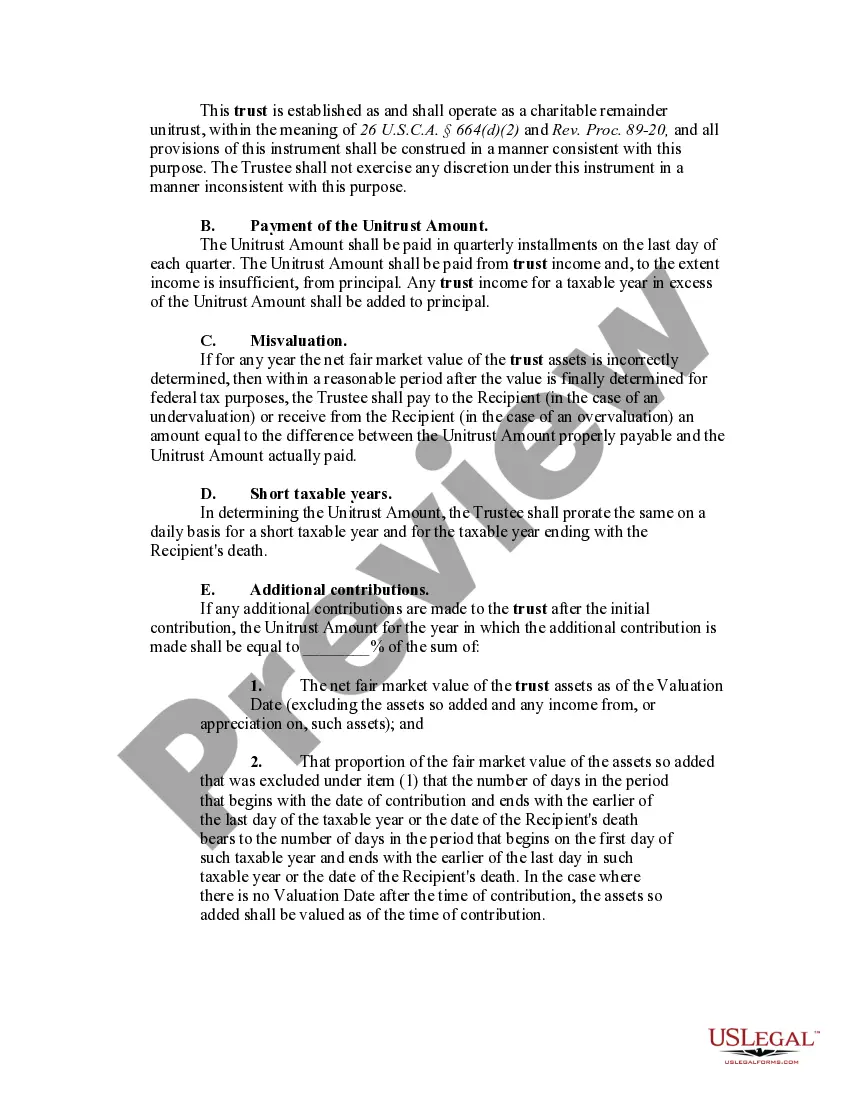
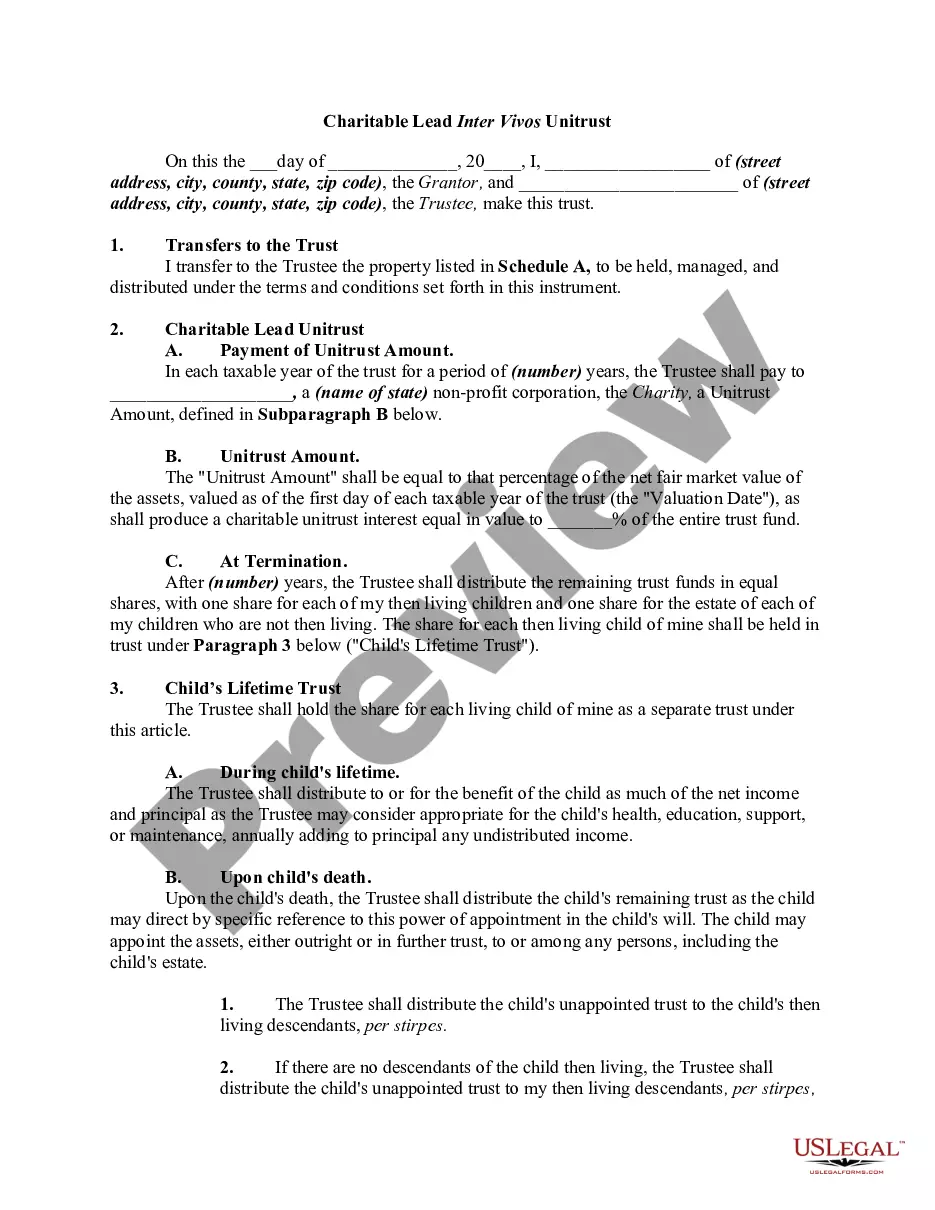
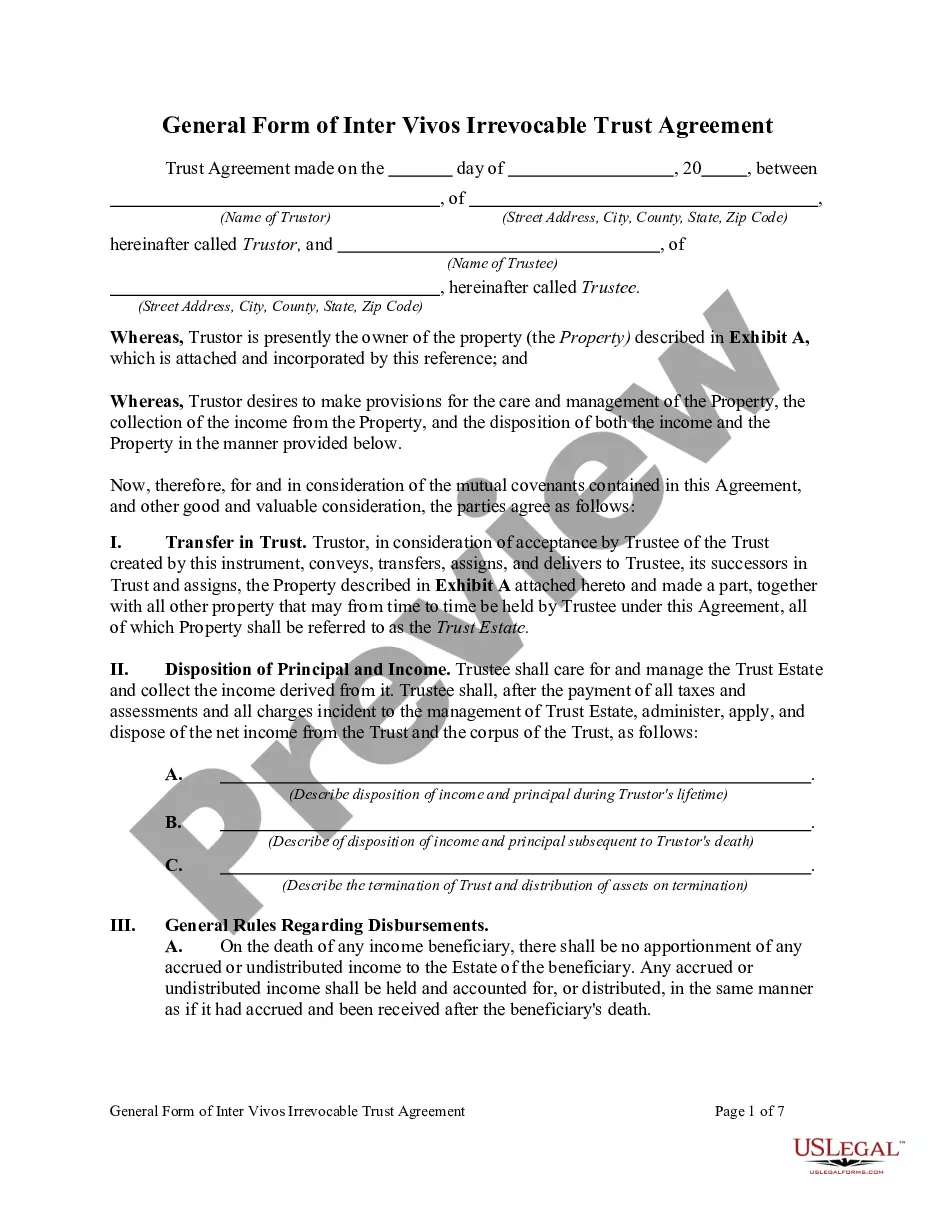
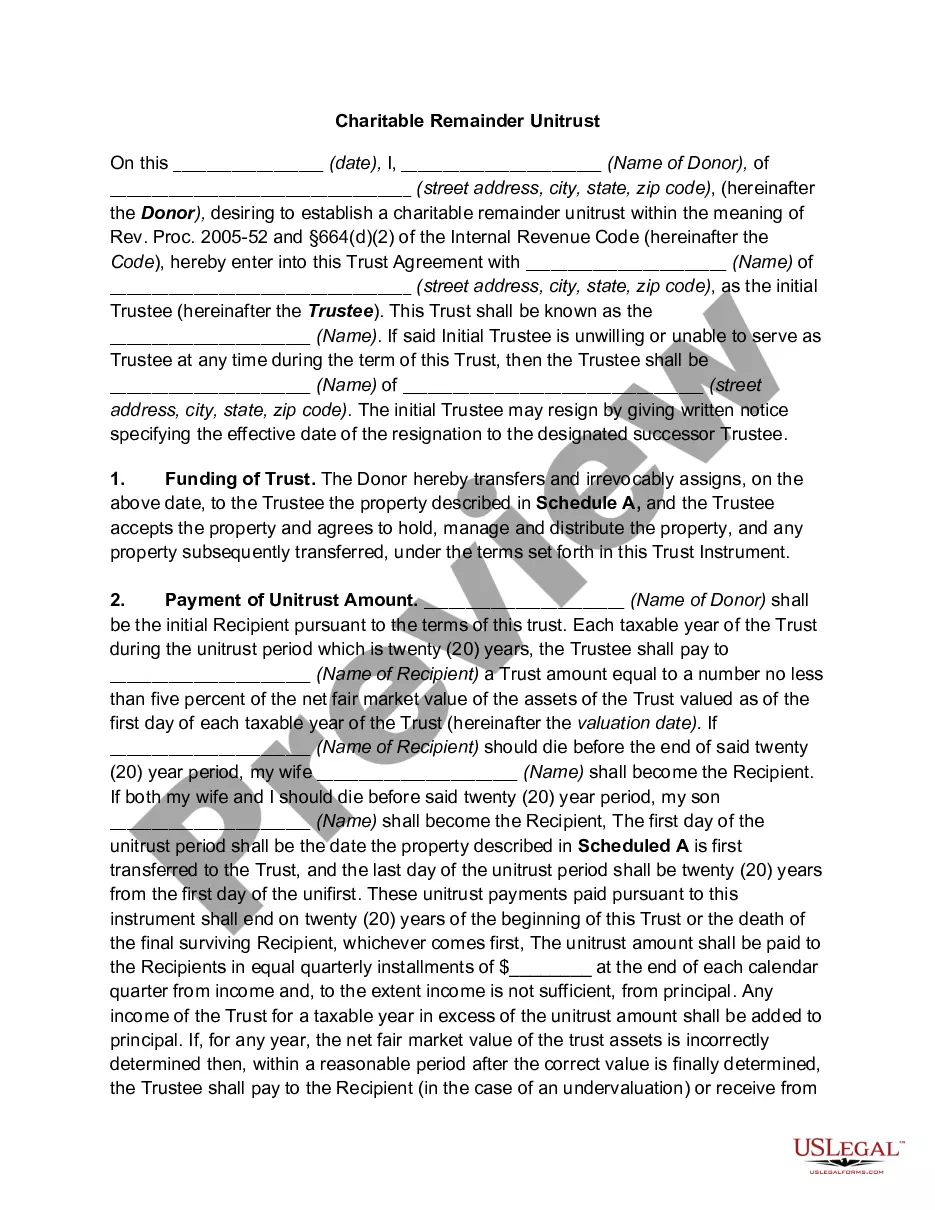
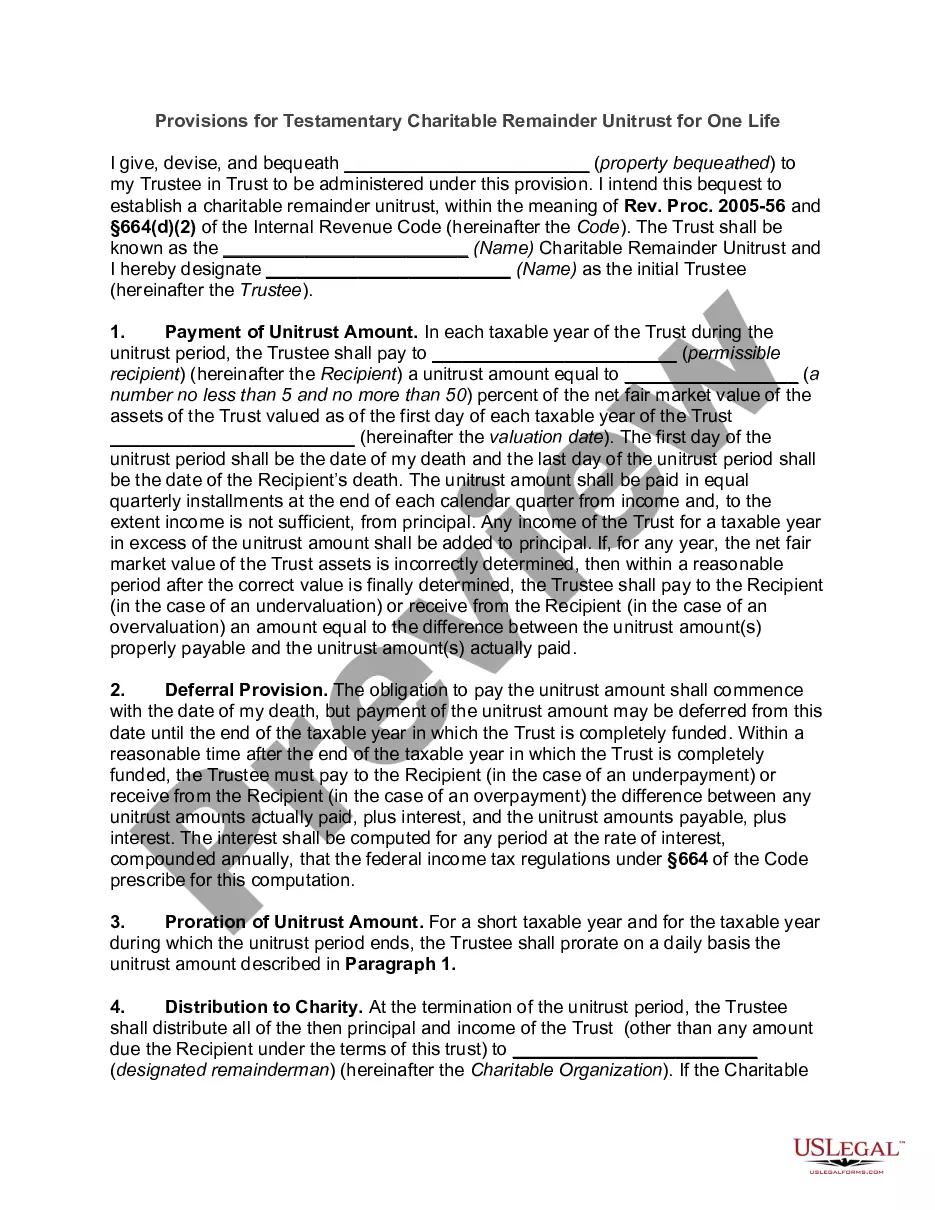
How to fill out Charitable Remainder Inter Vivos Unitrust Agreement?
- Log in to your US Legal Forms account. If you're a returning user, simply access your account and check your subscription status to ensure it remains valid.
- Explore the Preview mode to find a suitable charitable agreement trust template that aligns with your requirements.
- Should you need a different template, use the Search tab above to discover additional options within the extensive library.
- Select your desired template and click on the Buy Now button, choosing a subscription plan that best fits your needs.
- Complete the purchase using your credit card or PayPal to gain access to the vast array of resources.
- Download your selected form to your device. Anytime you need it, you can find it within the My Forms section of your profile.
In conclusion, US Legal Forms provides a user-friendly platform that empowers individuals to acquire legal documents efficiently. With a wealth of resources at your fingertips, achieving legal compliance has never been easier.
Start your journey to obtaining your charitable agreement trust today by visiting US Legal Forms!
Form popularity
FAQ
Yes, a donor-advised fund (DAF) can be designated as the beneficiary of a charitable remainder trust (CRT). This allows the donor to support their philanthropic goals while potentially maximizing tax benefits. By ensuring that a DAF receives the proceeds from a CRT, donors can create a lasting legacy of giving, further demonstrating the value of a charitable agreement trust buy for the United States.
The primary difference between a donor-advised fund (DAF) and a charitable remainder trust (CRT) lies in their structure and intended outcomes. A DAF provides ongoing donor engagement, allowing for staged distributions to charities, while a CRT gives beneficiaries income for a set period before the remainder goes to charity. Choosing the right option depends on your financial goals, so consider a charitable agreement trust buy for the United States to meet specific needs.
A Qualified Charitable Distribution (QCD) allows individuals aged 70½ or older to donate directly from their IRAs to charities without tax implications, while a donor-advised fund (DAF) provides a tax deduction upfront for future charitable giving. QCDs offer immediate tax benefits, while DAFs give donors more control over when and how their donations are distributed. Understanding these nuances can help guide your charitable agreement trust buy for the United States.
advised fund (DAF) allows donors to recommend grants to charities over time, while a charitable remainder trust (CRT) provides income to beneficiaries and a charitable donation at the end. DAFs offer more flexibility in disbursing funds, whereas CRTs serve as longterm charitable vehicles that potentially provide tax benefits during the donor's lifetime. Both options have unique advantages, making a charitable agreement trust buy for the United States worth considering.
The 5% rule for charitable remainder trusts stipulates that the annual payout to beneficial interests must be at least 5% of the trust's fair market value. This minimum ensures that the trust maintains its charitable purpose while providing income to the beneficiaries. You should keep this guideline in mind when structuring a charitable agreement trust buy for the United States.
Charitable Remainder Trusts (CRTs) and defibrillators serve entirely different purposes. A CRT is an estate planning tool designed to provide income to donors while benefiting a charity, whereas a defibrillator is a medical device used to restore normal heart rhythm. Understanding these differences is crucial when considering charitable planning options like a charitable agreement trust buy for the United States.
Charitable Remainder Unitrusts (CRUTs) do have some downsides to consider. They often require ongoing administration and can incur costs that may reduce overall benefits. Additionally, distributions are based on the fair market value of the trust's assets, which can fluctuate. It's important to explore the option of a charitable agreement trust buy for the United States for flexible estate planning.
To generate form 5227 for a charitable trust, you need to gather your trust’s financial information and complete the form accurately. This form is essential for reporting the trust’s financial activities and distributions over the tax year. You can find resources and tools on USLegalForms to help you manage this process effectively, especially when dealing with your charitable agreement trust buy for the United States.
To form a charitable remainder trust, start by defining your charitable goals and preferred beneficiaries. Next, work with a lawyer or use online resources to draft the trust document, ensuring it complies with legal requirements. Platforms like USLegalForms can provide templates and guidance for creating a charitable agreement trust buy for the United States efficiently.
Yes, you can create your own charitable remainder trust with proper guidance. It involves drafting a legal document that specifies the details, such as beneficiaries, terms, and the charitable organization involved. Utilizing platforms like USLegalForms can assist you in navigating the complexities of establishing your charitable agreement trust buy for the United States.