Promissory Note For Loan Philippines
Description
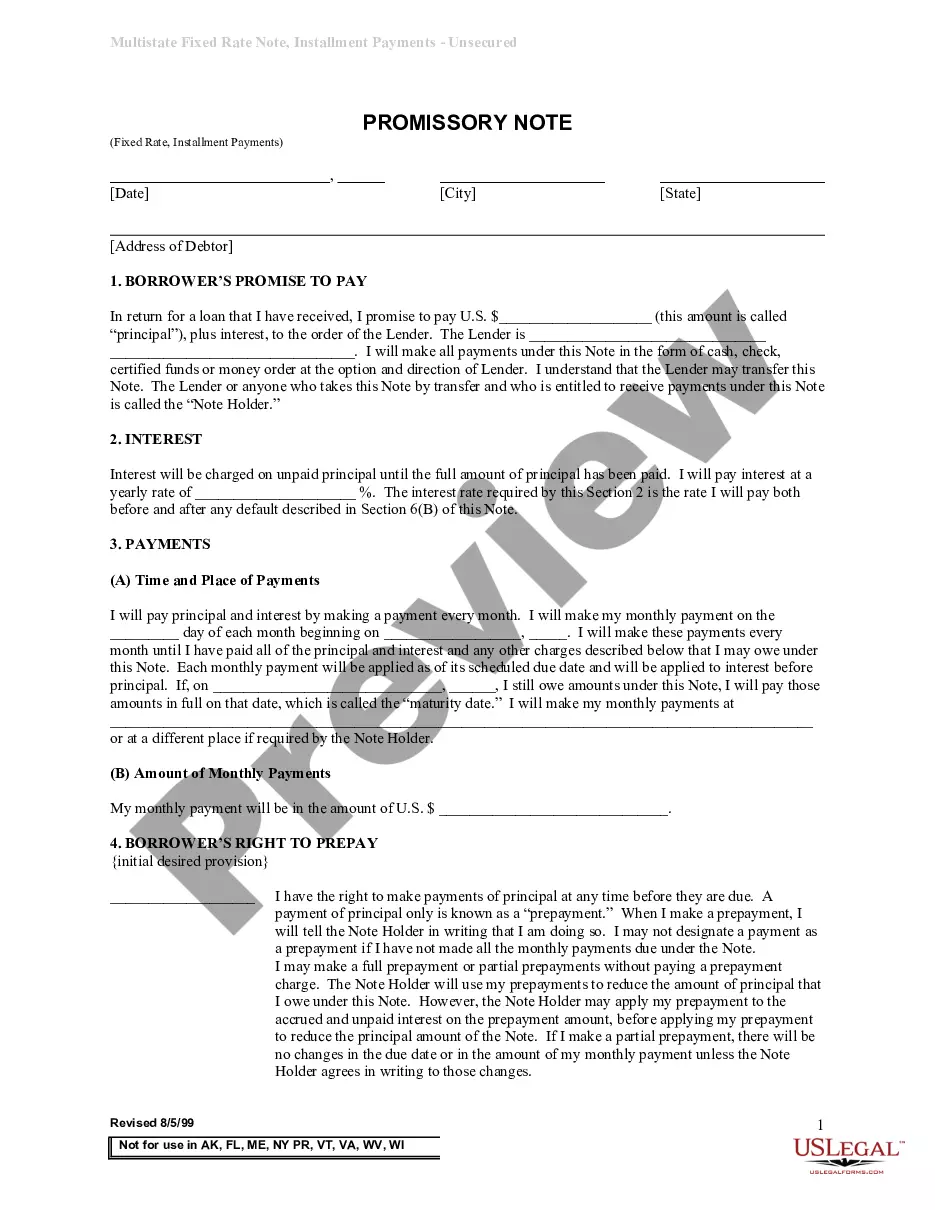
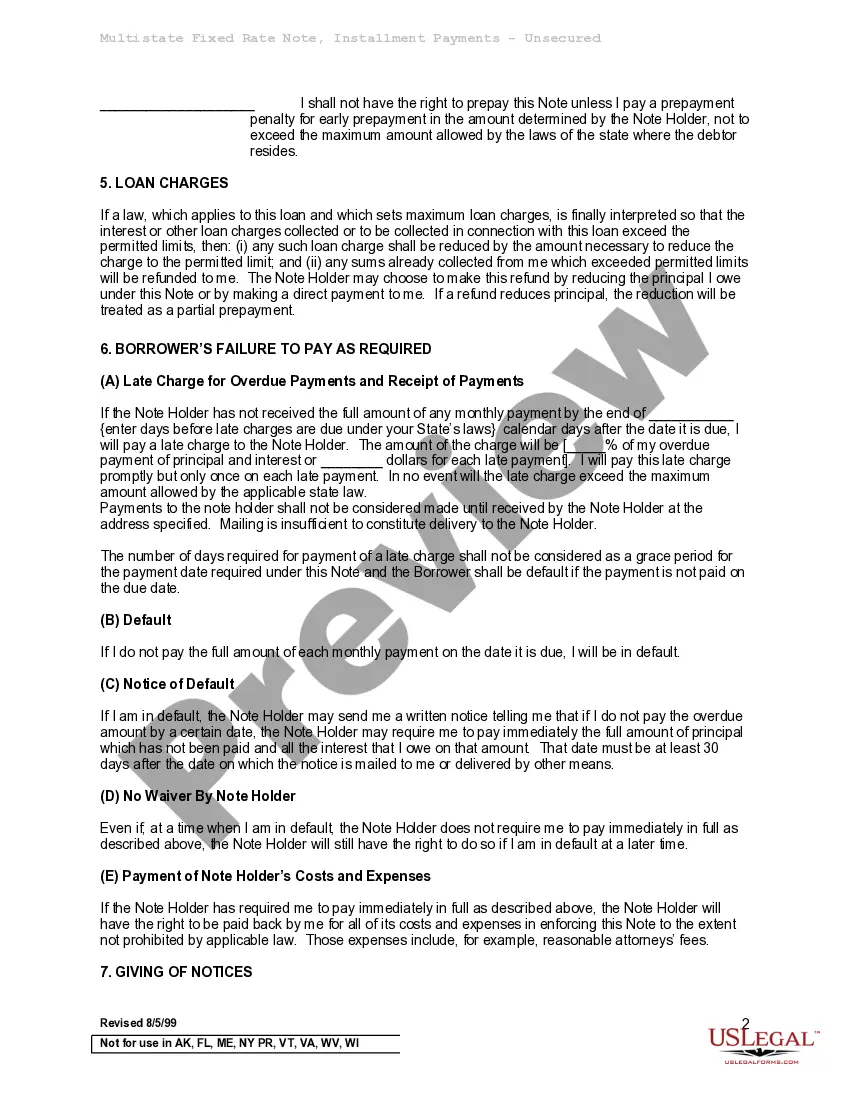
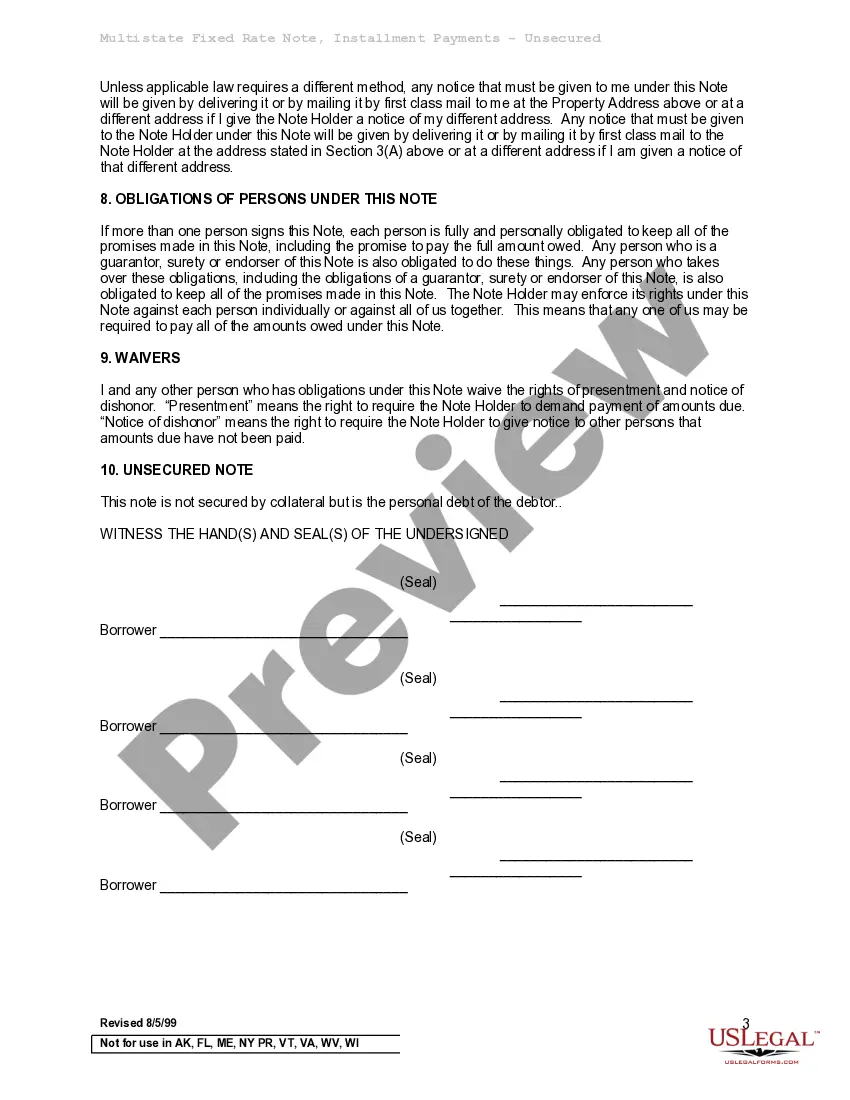
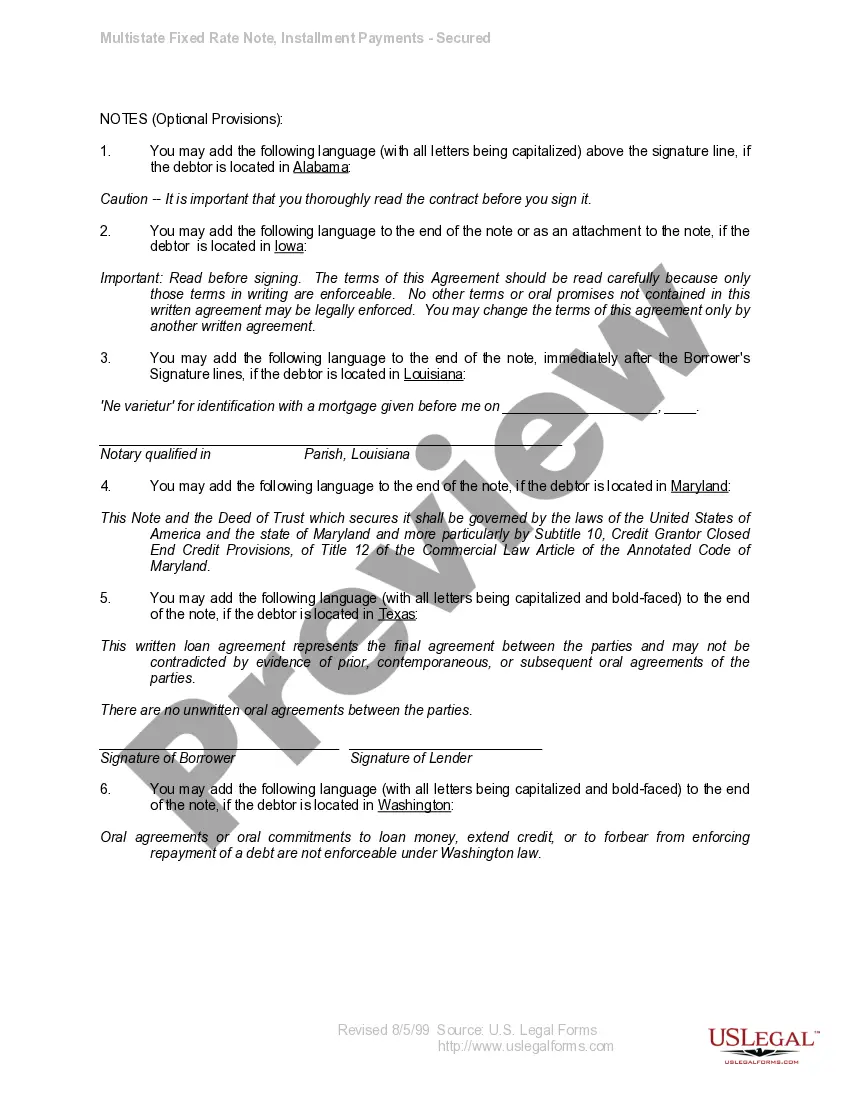
Get your form ready online
Our built-in tools help you complete, sign, share, and store your documents in one place.
Make edits, fill in missing information, and update formatting in US Legal Forms—just like you would in MS Word.
Download a copy, print it, send it by email, or mail it via USPS—whatever works best for your next step.
Sign and collect signatures with our SignNow integration. Send to multiple recipients, set reminders, and more. Go Premium to unlock E-Sign.
If this form requires notarization, complete it online through a secure video call—no need to meet a notary in person or wait for an appointment.
We protect your documents and personal data by following strict security and privacy standards.

Make edits, fill in missing information, and update formatting in US Legal Forms—just like you would in MS Word.

Download a copy, print it, send it by email, or mail it via USPS—whatever works best for your next step.

Sign and collect signatures with our SignNow integration. Send to multiple recipients, set reminders, and more. Go Premium to unlock E-Sign.

If this form requires notarization, complete it online through a secure video call—no need to meet a notary in person or wait for an appointment.

We protect your documents and personal data by following strict security and privacy standards.
Looking for another form?


How to fill out Multistate Promissory Note - Unsecured - Signature Loan?
Managing legal documentation and procedures can be an exhausting addition to your day.
Promissory Note For Loan Philippines and similar forms frequently necessitate you to look for them and figure out how to fill them out efficiently.
Therefore, regardless of whether you are handling financial, legal, or personal issues, utilizing a complete and straightforward online library of forms readily available will significantly help.
US Legal Forms is the leading online platform for legal templates, boasting over 85,000 state-specific forms and various tools to assist you in completing your paperwork swiftly.
Is this your first experience using US Legal Forms? Create and set up your account in just a few minutes to gain access to the form library and Promissory Note For Loan Philippines. Then, follow the outlined steps to complete your form.
- Uncover the collection of suitable documents accessible to you with just a single click.
- US Legal Forms provides state- and county-specific forms available at any time for download.
- Safeguard your document management tasks with exceptional support that allows you to prepare any form in minutes without additional or secret fees.
- Simply Log In to your account, locate Promissory Note For Loan Philippines, and download it immediately from the My documents section.
- You can also retrieve previously downloaded forms.
Form popularity
FAQ
Examples of promissory notes can range from personal loans between friends to formal agreements in business transactions. A simple example might be a borrower agreeing to repay $1,000 to a friend within six months. More complex notes may include detailed repayment options and collateral terms. For tailored examples, consider exploring uslegalforms, which offers a variety of templates specifically designed for promissory notes for loan Philippines.
Filling up a promissory note requires accurate details for clarity. Begin by entering the date, names, and contact information for both the lender and borrower. Next, outline the loan amount, repayment schedule, and any applicable interest. Utilizing a template from uslegalforms can guide you through this process, ensuring that nothing essential is overlooked.
Writing a promissory note in the Philippines follows basic guidelines. Start with accurate identification of both parties, the loan amount, and repayment terms. You should specify the interest rate and any collateral, if applicable. Using resources like uslegalforms can provide templates specifically designed for promissory notes for loan Philippines, making it easier to adhere to local standards.
To write a simple promissory note, begin with the date and the names of the borrower and lender. Clearly state the amount of the loan, the interest rate, and the repayment schedule. Including the purpose of the loan and signatures of both parties can also enhance the document. Utilizing a premade template from uslegalforms can simplify this process while ensuring all necessary details are included.
In the Philippines, notarization of a promissory note is not required but is strongly recommended. A properly notarized promissory note for loan Philippines adds a layer of credibility and legal protection. It helps ensure that the terms of the loan are clear and can be enforced in a dispute. Additionally, notarization provides a public record of the agreement.
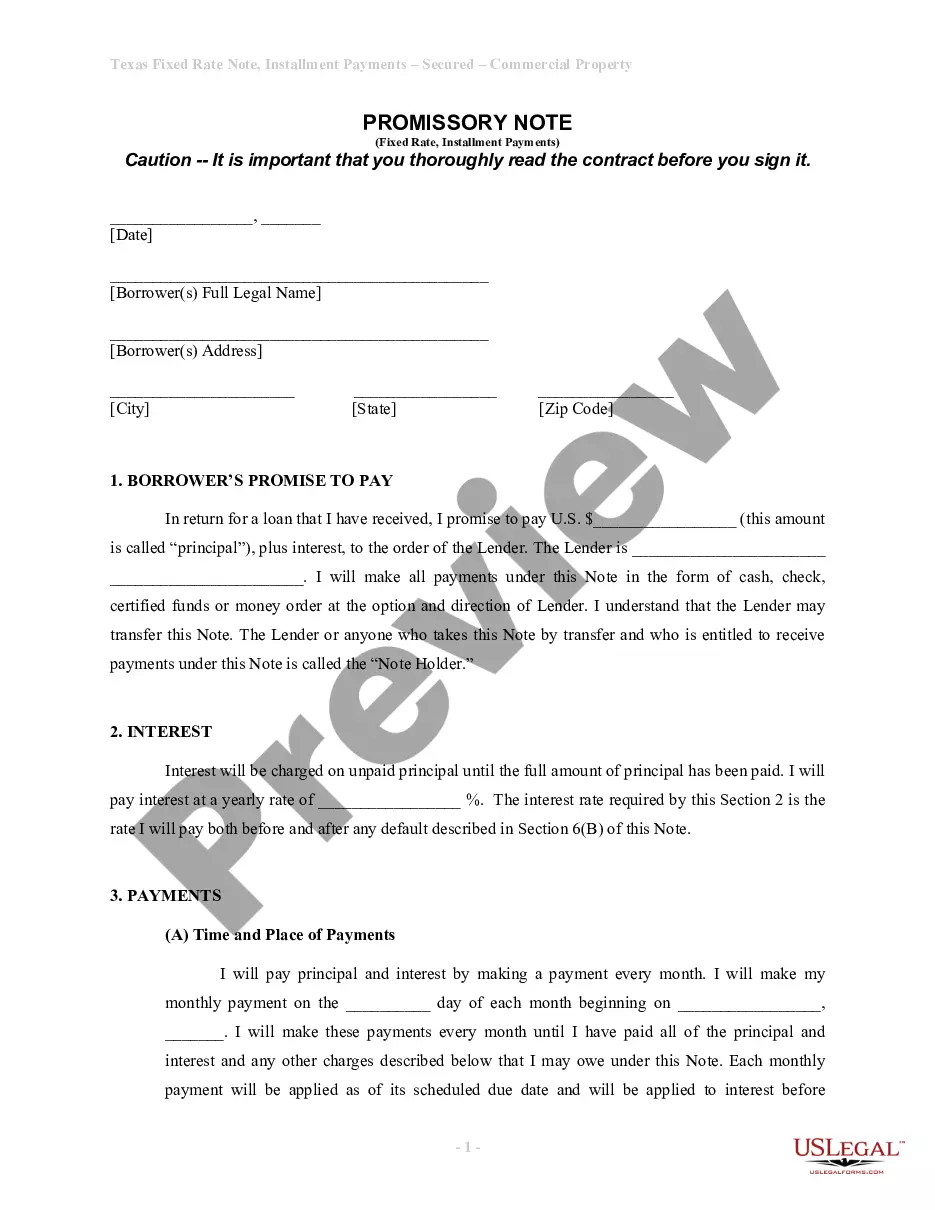
I promise to pay said amount on or before ______________________. Furthermore, I am fully aware that subsequent Promissory Notes shall not be accepted without settling my current due amount. I hereby affix my signature to this agreement. Done this _____ Day of _________ 20____.
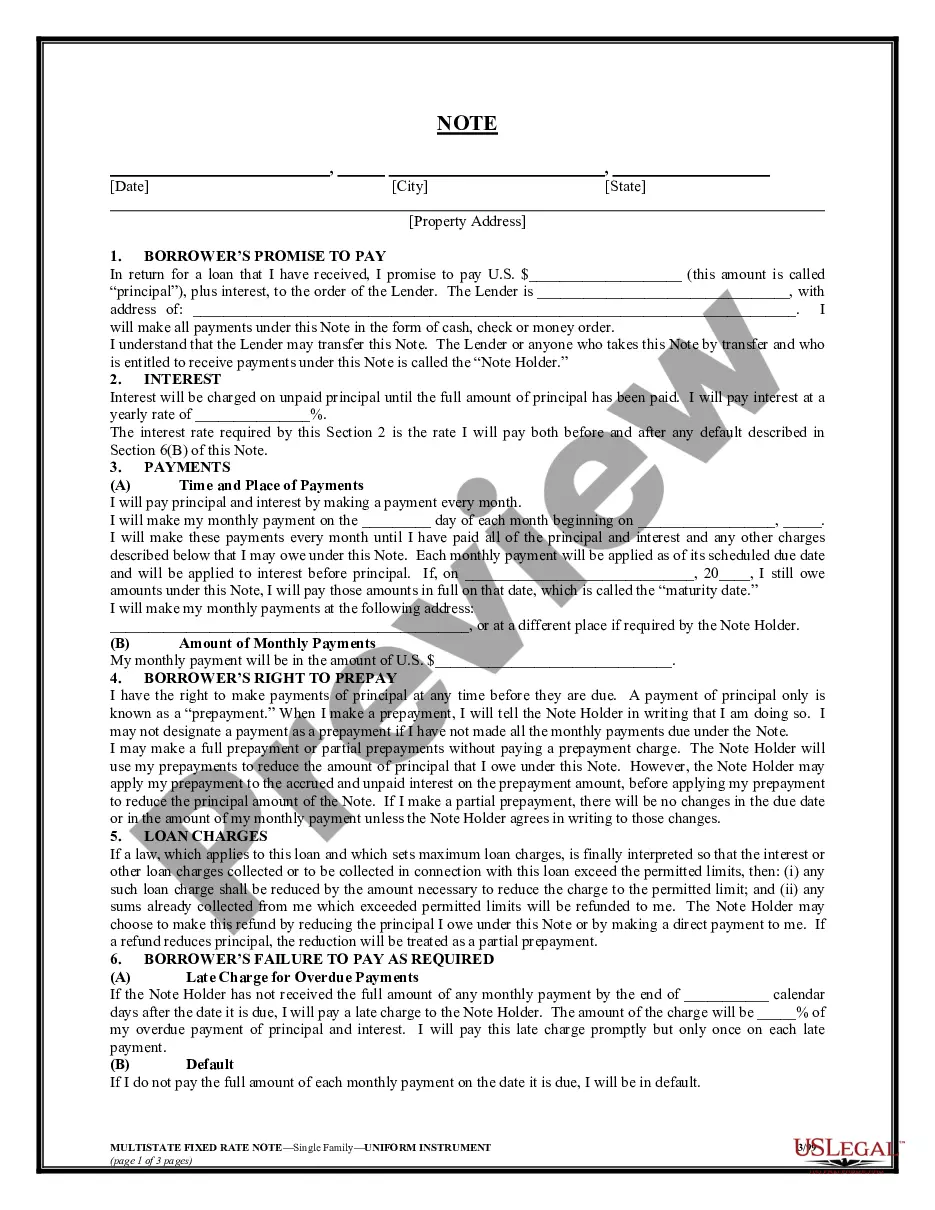
A promissory note or ?promise of payment? is a note that details the money borrowed from a lender and the repayment structure. The document holds the borrower responsible for repaying the money (plus interest, if any). There are 2 types of promissory notes, guaranteed and unsecured.
At its most basic, a promissory note should include the following things: Date. Name of the lender and borrower. Loan amount. Whether the loan is secured or unsecured. If it's secured with collateral: What is the collateral? ... Payment amount and frequency. Payment due date. Whether the loan has a cosigner, and if so, who.
A simple promissory note might be for a lump sum repayment on a certain date. For example, you lend your friend $1,000 and he agrees to repay you by December 1. The full amount is due on that date, and there is no payment schedule involved.
Ing to article 531 a promissory note payable to order must contain (1) the specific name of the promissory note; (2) the date of issue; (3) the amount; (4) the time of payment; (5) the person to whose order the payment is to be made; (6) the place where the payment is to be made; (7) the origin and kind of value ...