General Partner Vs Limited Partner
Description
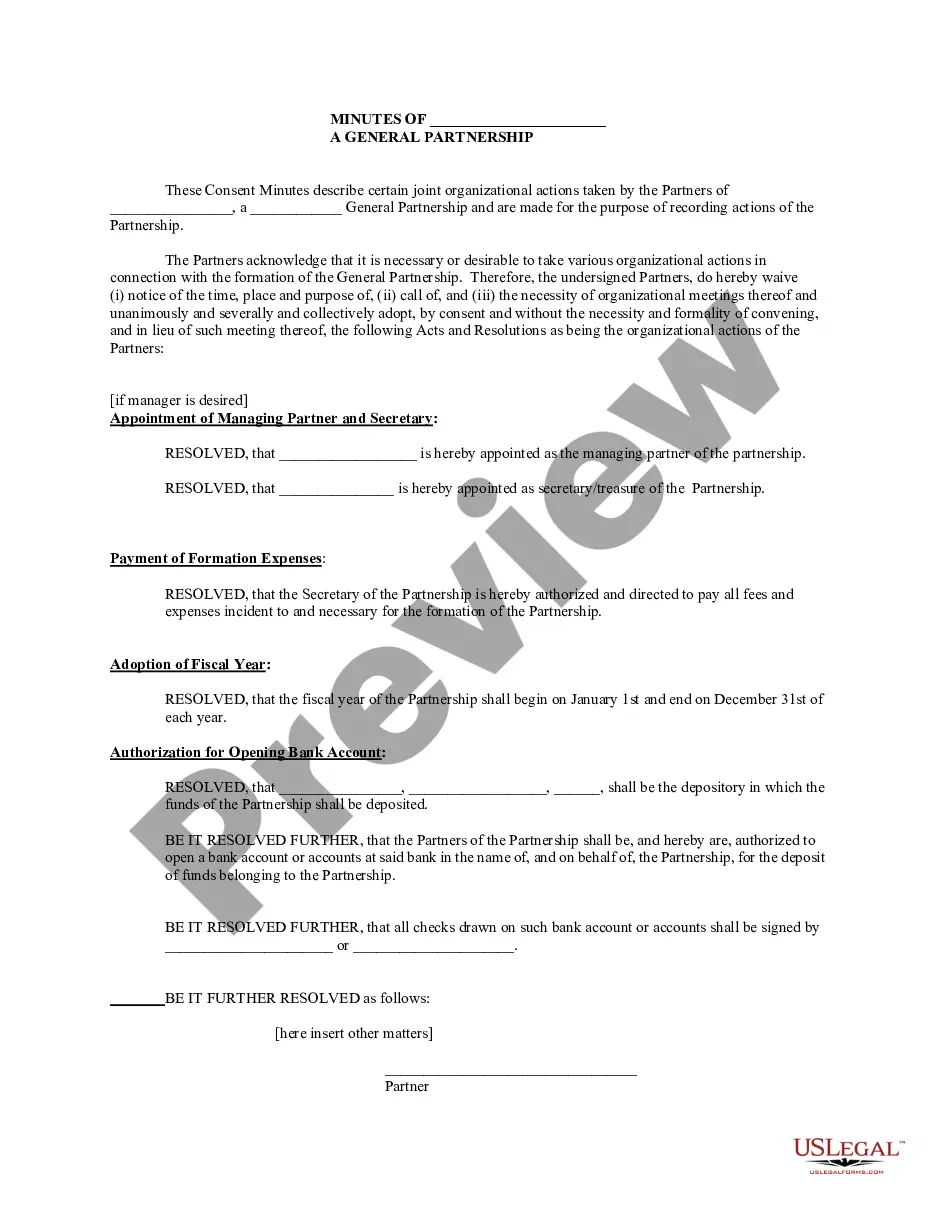

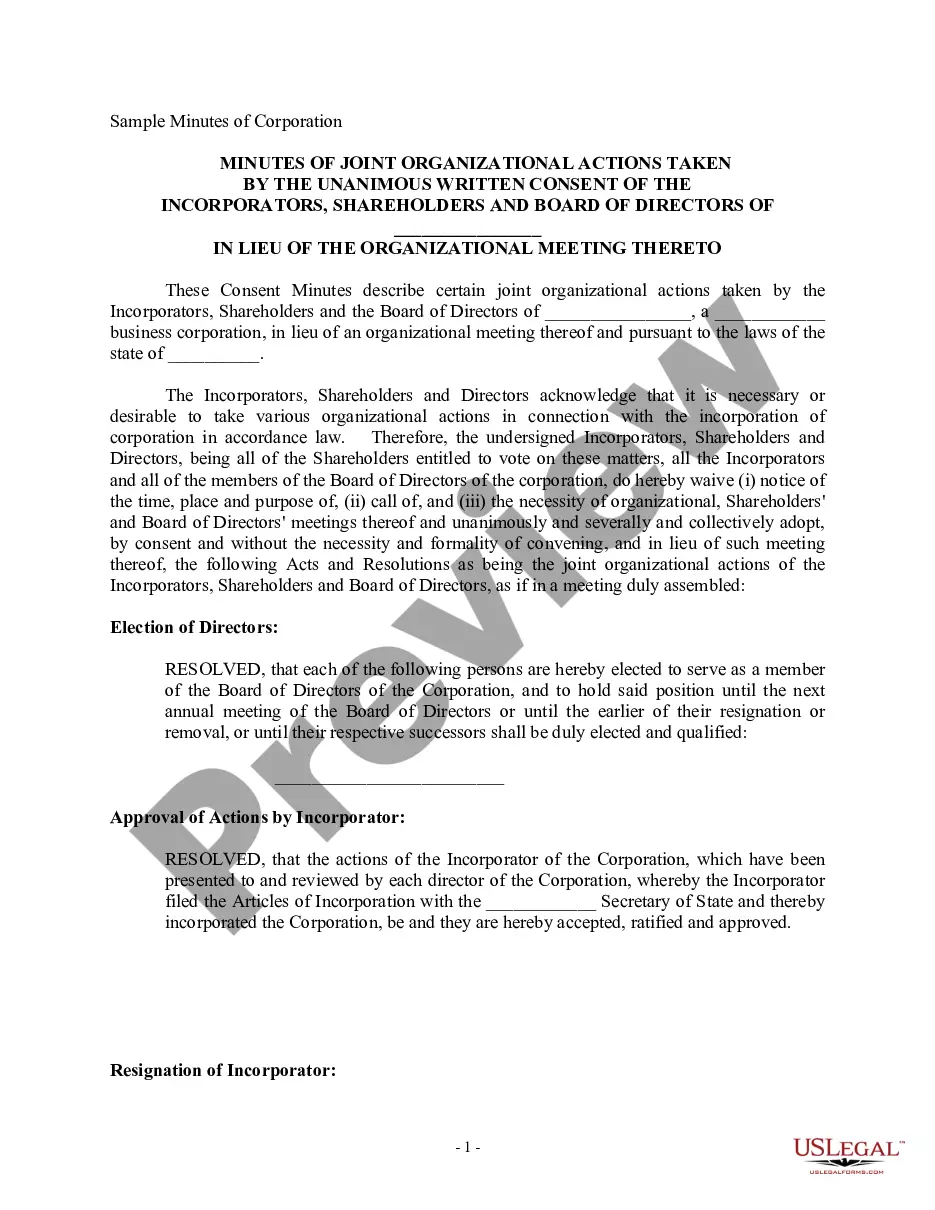


Get your form ready online
Our built-in tools help you complete, sign, share, and store your documents in one place.
Make edits, fill in missing information, and update formatting in US Legal Forms—just like you would in MS Word.
Download a copy, print it, send it by email, or mail it via USPS—whatever works best for your next step.
Sign and collect signatures with our SignNow integration. Send to multiple recipients, set reminders, and more. Go Premium to unlock E-Sign.
If this form requires notarization, complete it online through a secure video call—no need to meet a notary in person or wait for an appointment.
We protect your documents and personal data by following strict security and privacy standards.

Make edits, fill in missing information, and update formatting in US Legal Forms—just like you would in MS Word.

Download a copy, print it, send it by email, or mail it via USPS—whatever works best for your next step.

Sign and collect signatures with our SignNow integration. Send to multiple recipients, set reminders, and more. Go Premium to unlock E-Sign.

If this form requires notarization, complete it online through a secure video call—no need to meet a notary in person or wait for an appointment.

We protect your documents and personal data by following strict security and privacy standards.
Looking for another form?
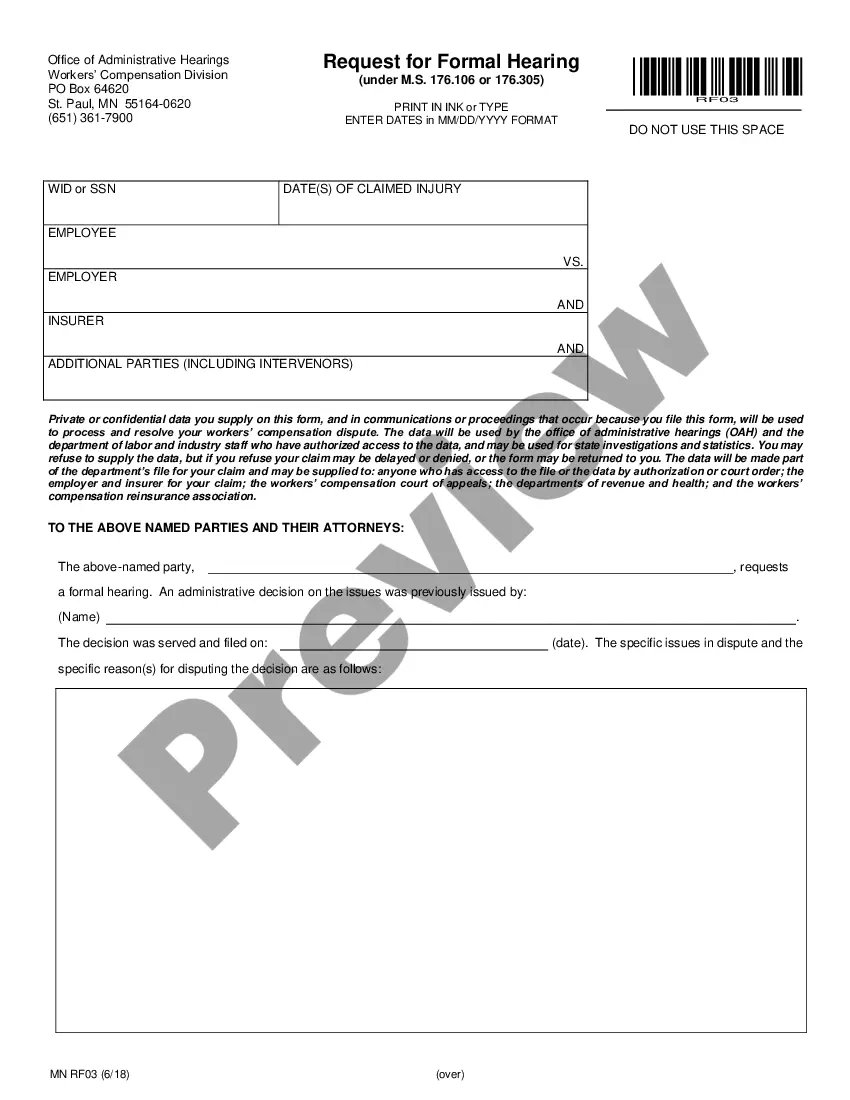


How to fill out Minutes For Partnership?
- If you are a returning user, log in to your account and select the desired form template. Make sure your subscription is active, and renew if necessary.
- For first-time users, start by previewing the form and its description. Confirm that it aligns with your legal requirements and locality.
- If the selected template doesn't meet your needs, utilize the Search feature to explore other options until you find the right one.
- Once you've found the document you need, click the Buy Now button. Choose a subscription plan and create an account to unlock access to the resource library.
- Complete your purchase by entering your payment information, either via credit card or PayPal.
- Finally, download your form to your device and access it anytime through the My Forms section of your profile.
Utilizing US Legal Forms streamlines the legal document creation process, allowing you to focus on your business decisions. With a vast collection of over 85,000 editable forms, you can find exactly what you need.
Don't let legal complexities hold you back. Start using US Legal Forms today to ensure your documents are accurate and legally compliant!
Form popularity
FAQ
Someone might choose to be a limited partner for several reasons. Limited partners enjoy the advantage of passive investment, allowing them to earn income without active involvement in management. Furthermore, they benefit from limited liability, protecting their personal assets from business debts. These attractive features make the role appealing in the context of the general partner vs limited partner framework.
Determining whether it is better to be a general or limited partner depends on your investment style and risk tolerance. Being a general partner allows for greater control but comes with personal liability risks. Conversely, a limited partner enjoys reduced risk and potential passive income but sacrifices control. Assessing your priorities can help clarify the decision in this general partner vs limited partner discussion.
The primary difference between a general partner (GP) and a limited partner (LP) lies in control and liability. A GP manages the business operations and assumes full liability for debts, while an LP contributes capital without taking part in management, thereby limiting their personal risk. This difference greatly impacts how the business functions and how partners interact, highlighting the considerations in the general partner vs limited partner debate.
Limited partnerships have distinct drawbacks. Limited partners benefit from reduced liability but have no say in management decisions, which can be frustrating. Additionally, raising capital may be challenging due to the restricted liability associated with limited partners. Evaluating these disadvantages is essential when considering the general partner vs limited partner dynamic.
In a Limited Liability Company (LLC), members typically do not fit precisely into the general partner or limited partner categories. Instead, LLC members enjoy limited liability while having flexibility in management roles. Some may act as managing members, similar to general partners, while others may choose to be passive investors. Therefore, understanding the nature of your LLC structure helps clarify the roles of members in the context of general partner vs limited partner.
Consider a real estate investment partnership. The general partner handles property management, operational decisions, and has unlimited liability. Meanwhile, limited partners invest capital but do not manage day-to-day operations, enjoying protection from personal liability. This clear distinction in roles illustrates the difference between a general partner vs limited partner in a practical scenario.
Choosing between a general partner and a limited partner depends on your goals. A general partner has management control and unlimited liability, which offers more involvement in the business. On the other hand, a limited partner enjoys reduced risk and liability but lacks control over operations. Understanding the pros and cons of each will help you make an informed decision regarding general partner vs limited partner.
The difference between a general partner (GP) and a limited partner (LP) can be seen mainly in their obligations and risks. GPs handle management tasks and face personal liability for debts, whereas LPs remain passive and have limited financial exposure. This structure encourages more flexible financing options, as LPs can participate without the day-to-day burdens of management. Recognizing the key elements of the general partner vs limited partner relationship is essential for smart investment.
In the context of a fund, the difference between a general partner (GP) and a limited partner (LP) mirrors their general roles in a partnership. A GP typically manages the fund’s investment strategies and operations, while LPs contribute capital and receive returns without direct involvement. This relationship not only establishes who has decision-making power but also impacts financial liability. Understanding the general partner vs limited partner distinction can guide investors in their funding choices.
Choosing a limited partnership offers several advantages, particularly for those seeking to invest with reduced liability. Limited partners (LPs) can enjoy financial returns while protecting their personal assets from the partnership’s debts. Moreover, this structure allows individuals to invest in a business without the need for active management, making it an attractive option. It is essential to weigh the pros and cons of general partner vs limited partner roles before making decisions.