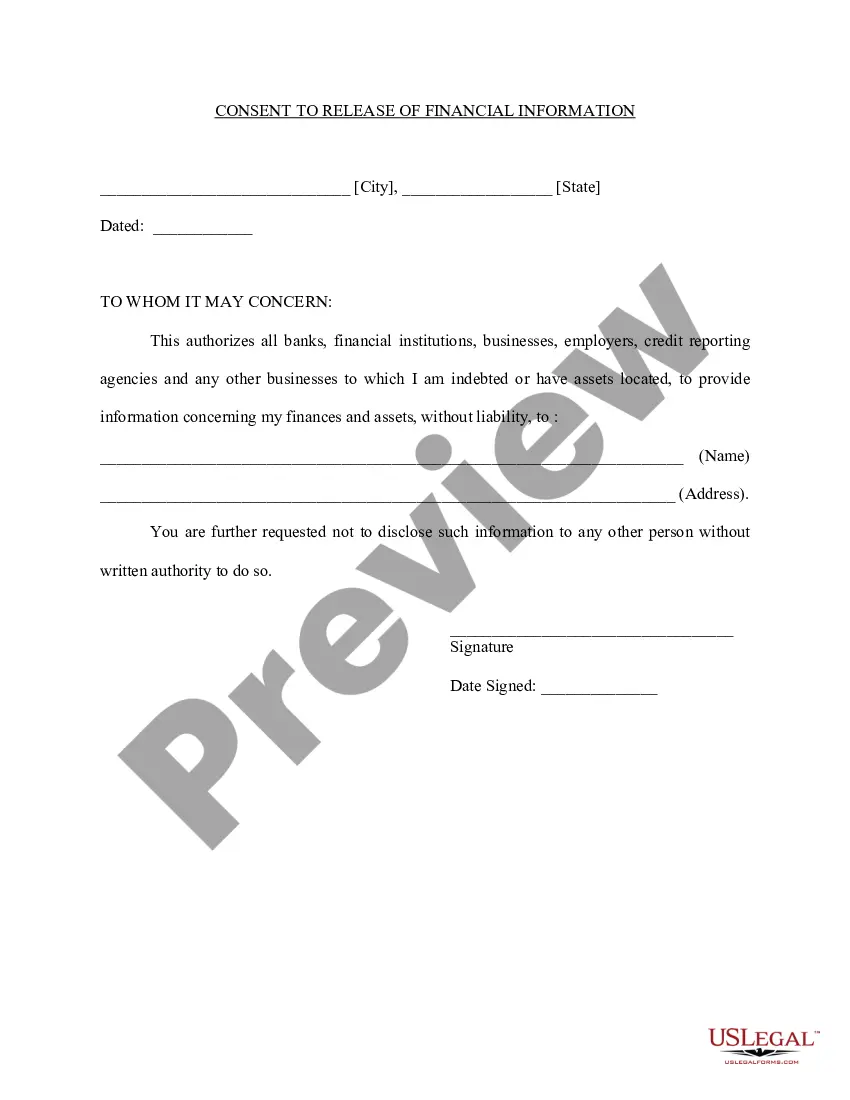
Medical Information Released Without Consent In Minnesota
Description

Get your form ready online
Our built-in tools help you complete, sign, share, and store your documents in one place.
Make edits, fill in missing information, and update formatting in US Legal Forms—just like you would in MS Word.
Download a copy, print it, send it by email, or mail it via USPS—whatever works best for your next step.
Sign and collect signatures with our SignNow integration. Send to multiple recipients, set reminders, and more. Go Premium to unlock E-Sign.
If this form requires notarization, complete it online through a secure video call—no need to meet a notary in person or wait for an appointment.
We protect your documents and personal data by following strict security and privacy standards.

Make edits, fill in missing information, and update formatting in US Legal Forms—just like you would in MS Word.

Download a copy, print it, send it by email, or mail it via USPS—whatever works best for your next step.

Sign and collect signatures with our SignNow integration. Send to multiple recipients, set reminders, and more. Go Premium to unlock E-Sign.

If this form requires notarization, complete it online through a secure video call—no need to meet a notary in person or wait for an appointment.

We protect your documents and personal data by following strict security and privacy standards.
Looking for another form?





Form popularity
FAQ
Final answer: The example that is not a HIPAA violation is providing a patient with a copy of their requested health records within 60 days, as this is a right guaranteed to patients under HIPAA.
Finally, if your health privacy complaint involves an individual health care practitioner, or if you are otherwise unsure which state agency or board to contact about your concerns, you can contact the Attorney General's Office at (651) 296-3353 (Twin Cities Calling Area) or (800) 657-3787 (Outside the Twin Cities) and ...
Obtaining Your Medical Records You have the right to obtain your medical records in Minnesota. ing to Minnesota Statute 144.292, a medical provider must promptly respond to a patient's written request to obtain their records. The information they provide must be current and complete.
While the consequences of accidentally sending confidential information may vary depending on the organization, disciplinary actions can range from re-training of the employee to suspension or even termination, depending on the severity of the breach and the organization's policies.
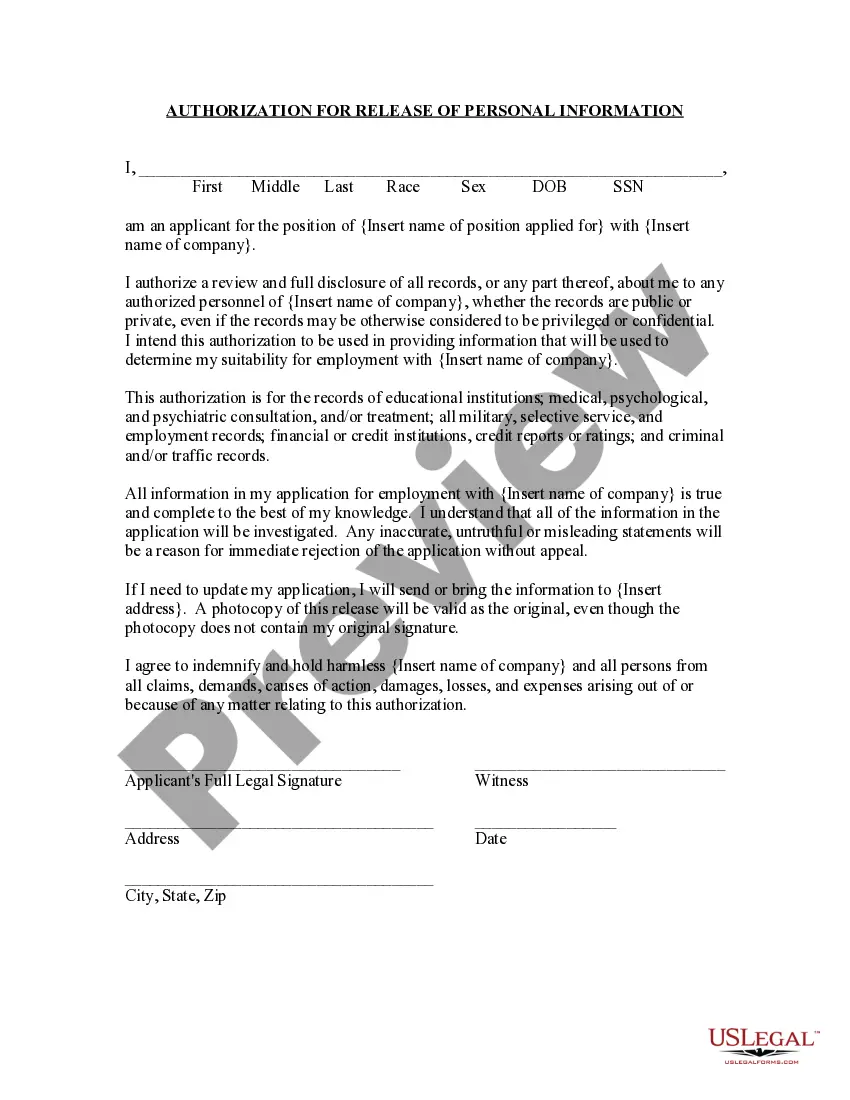
Under Minnesota law, a provider or person that receives health records directly from a provider may not disclose those records without consent/specific authority/court order (Minnesota Statutes, section 144.293, subd. 2).
Minnesota Rules 1205.1400, subpart 3, requires that individuals giving informed consent have sufficient mental capacity to understand the consequences of their decision to give consent. Minnesota Rules 1205.1400, subpart 4, requires that a valid informed consent must: Be voluntary and not coerced.
Records retention. The provider shall retain a client's records for a minimum of seven years after the date of the provider's last professional service to the client, except as otherwise provided by law.
Records retention. The provider shall retain a client's records for a minimum of seven years after the date of the provider's last professional service to the client, except as otherwise provided by law.