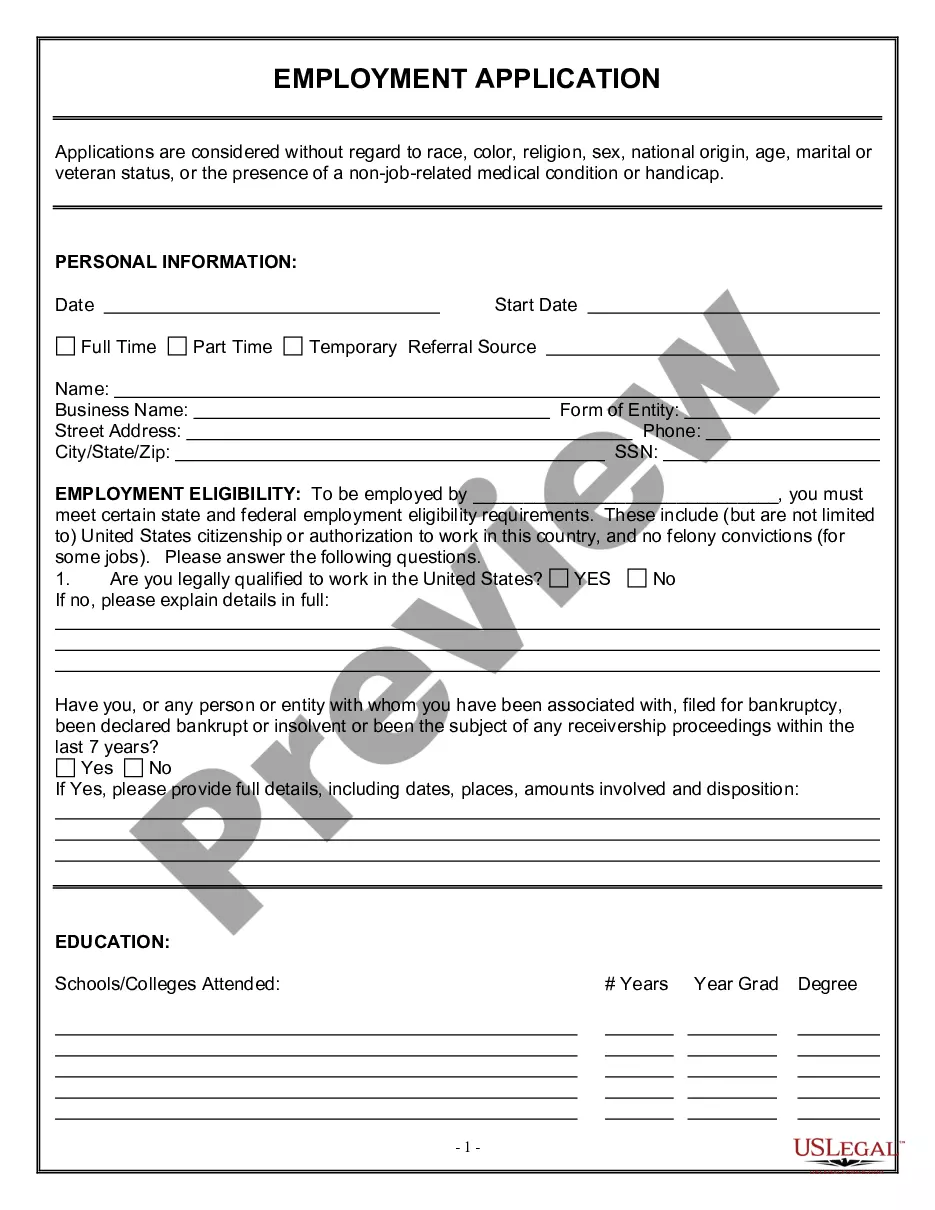
Employee Consent Form Meaning In North Carolina
Description
Get your form ready online
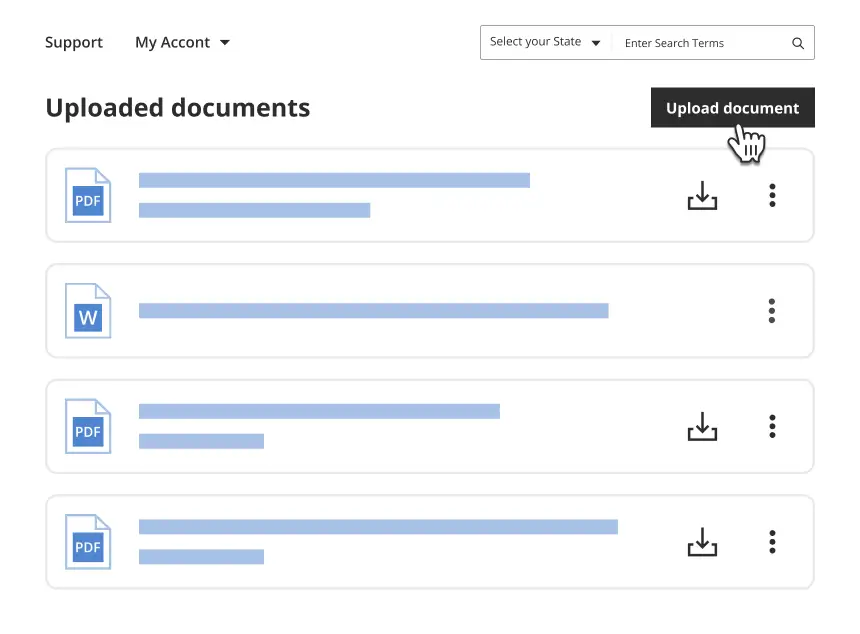
Our built-in tools help you complete, sign, share, and store your documents in one place.
Make edits, fill in missing information, and update formatting in US Legal Forms—just like you would in MS Word.
Download a copy, print it, send it by email, or mail it via USPS—whatever works best for your next step.
Sign and collect signatures with our SignNow integration. Send to multiple recipients, set reminders, and more. Go Premium to unlock E-Sign.
If this form requires notarization, complete it online through a secure video call—no need to meet a notary in person or wait for an appointment.
We protect your documents and personal data by following strict security and privacy standards.
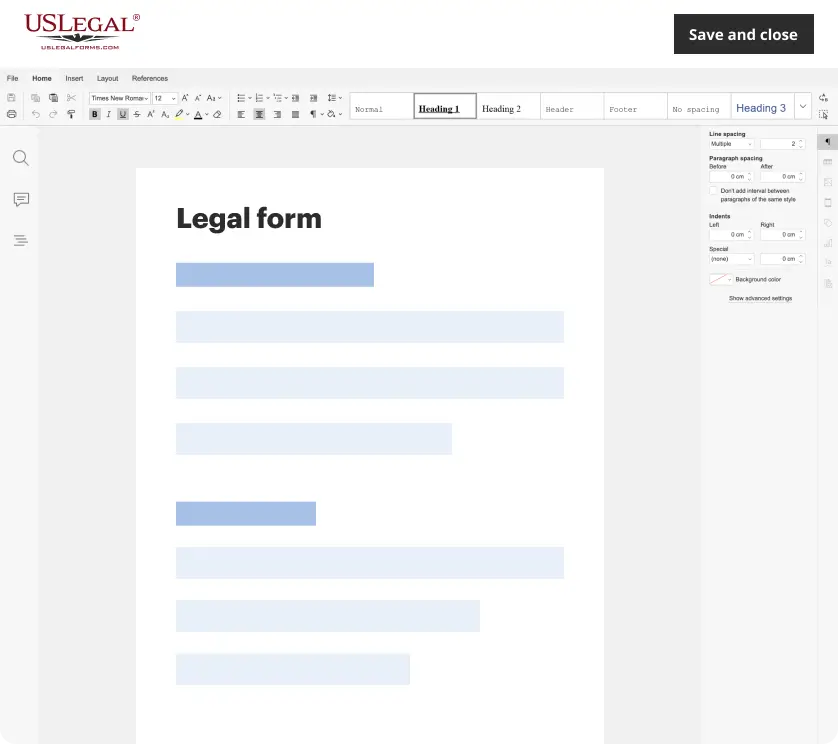
Make edits, fill in missing information, and update formatting in US Legal Forms—just like you would in MS Word.
Download a copy, print it, send it by email, or mail it via USPS—whatever works best for your next step.
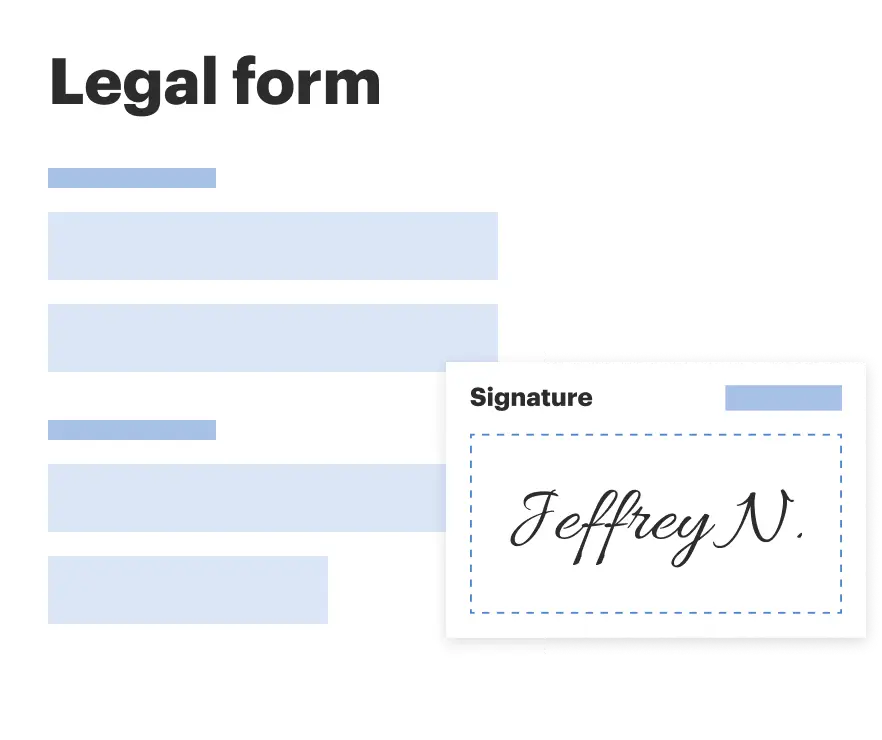
Sign and collect signatures with our SignNow integration. Send to multiple recipients, set reminders, and more. Go Premium to unlock E-Sign.
If this form requires notarization, complete it online through a secure video call—no need to meet a notary in person or wait for an appointment.
We protect your documents and personal data by following strict security and privacy standards.
Looking for another form?
Form popularity
FAQ
If an employee is involuntarily terminated, his/her personnel records must be retained for one year from the date of termination. Under ADEA recordkeeping requirements, employers must also keep all payroll records for three years.
A former employee can review personnel files within ten business days after making a request. Employers must keep former employees' files for at least one year after termination. Conditions for viewing records: Employees may view the files during regular business hours at or near the worksite.
(1) The employee, applicant for employment, former employee, or his properly authorized agent, who may examine his own personnel file in its entirety except for (i) letters of reference solicited prior to employment, or (ii) information concerning a medical disability, mental or physical, that a prudent physician would ...
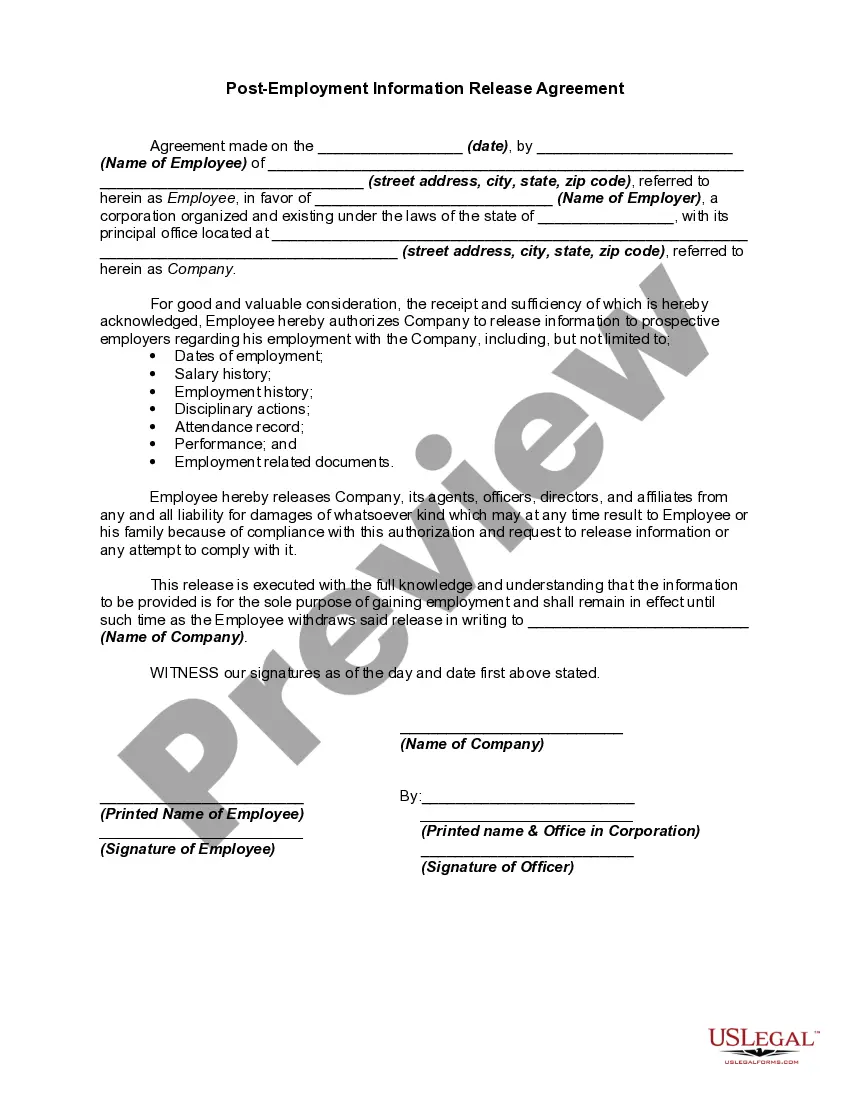
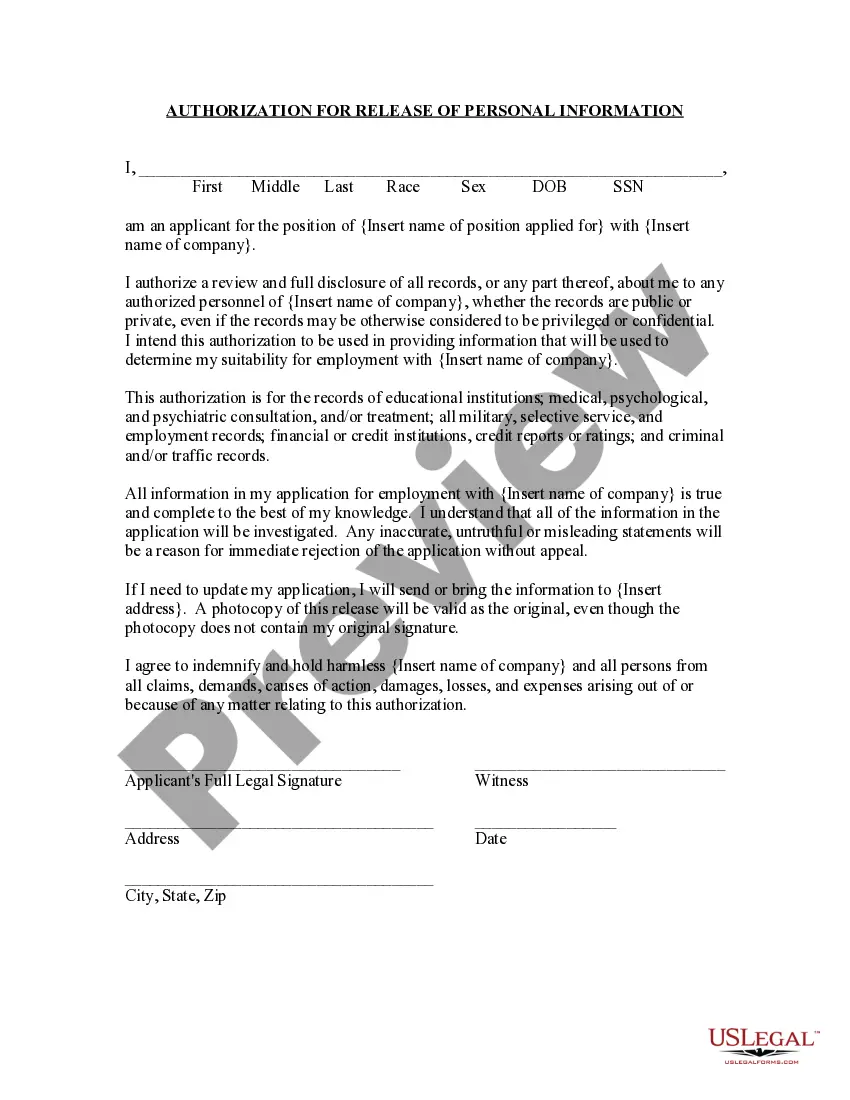
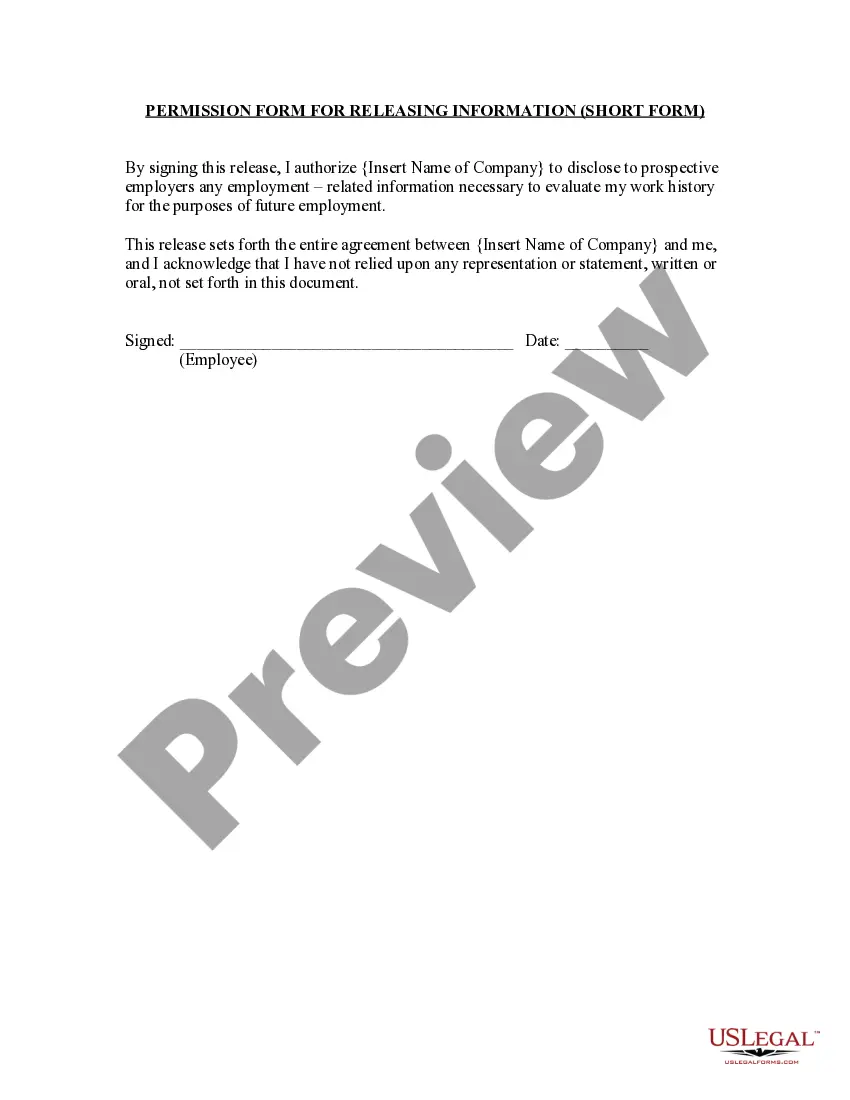
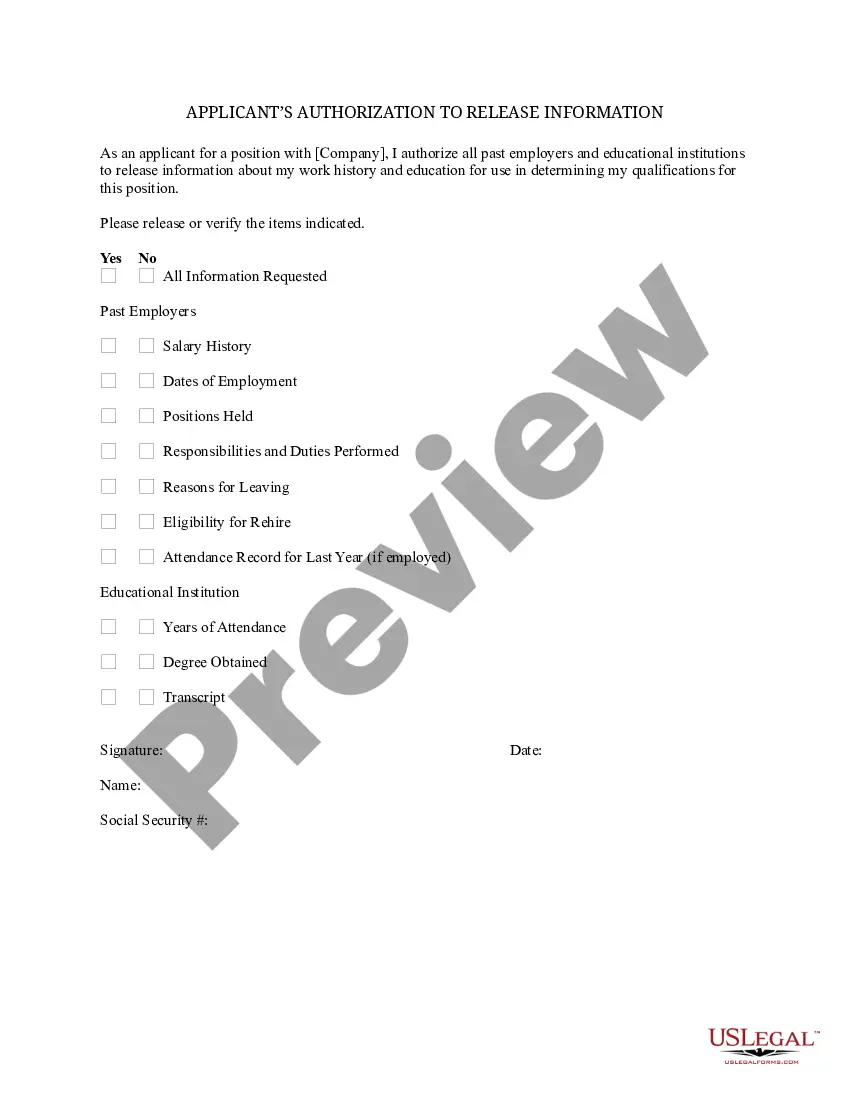
The Consent Form provides an employer's disclosure of information, rights and rules pertaining to the background check and obtains the consumer's authorization to run the background check.
The NC Personnel Records Act is a State law that protects the confidentiality of employee personnel records. It also provides employees with the right to review their own personnel files. Specific rights exist for employees who believe that their file includes inaccurate or misleading records are discussed.