Release Of Information In In Houston
Description
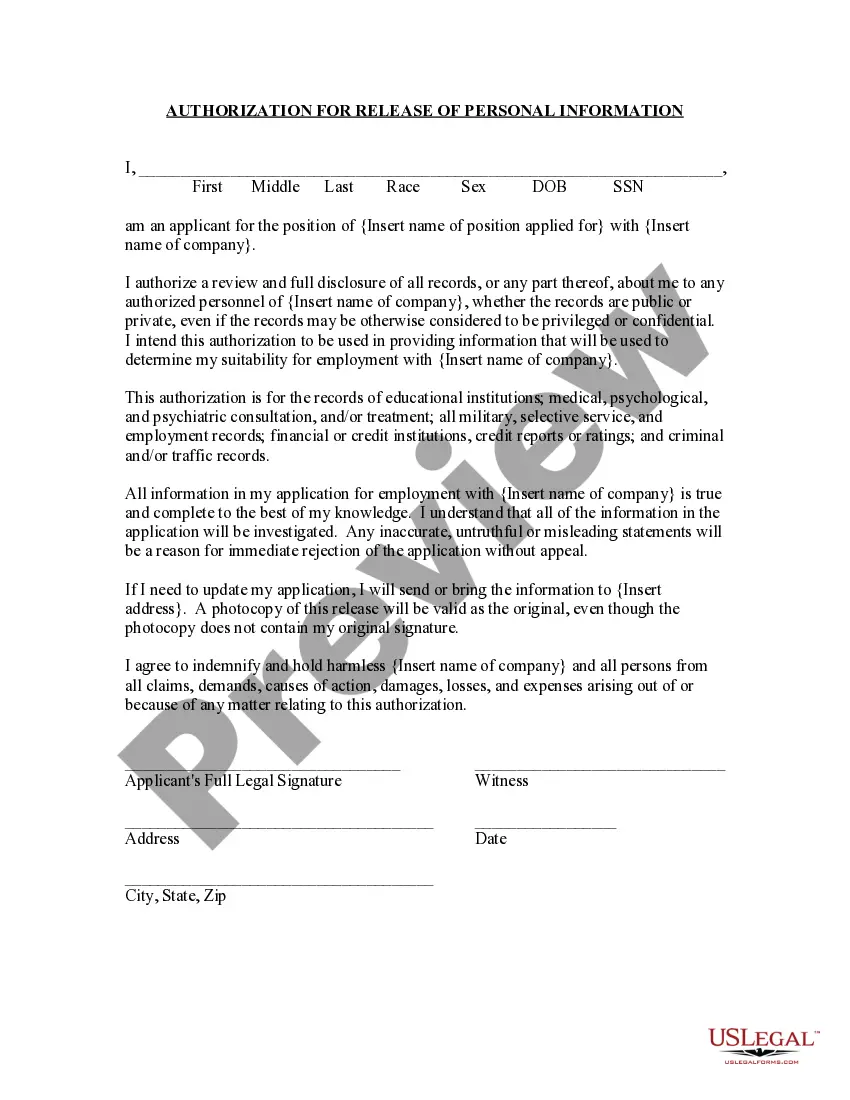
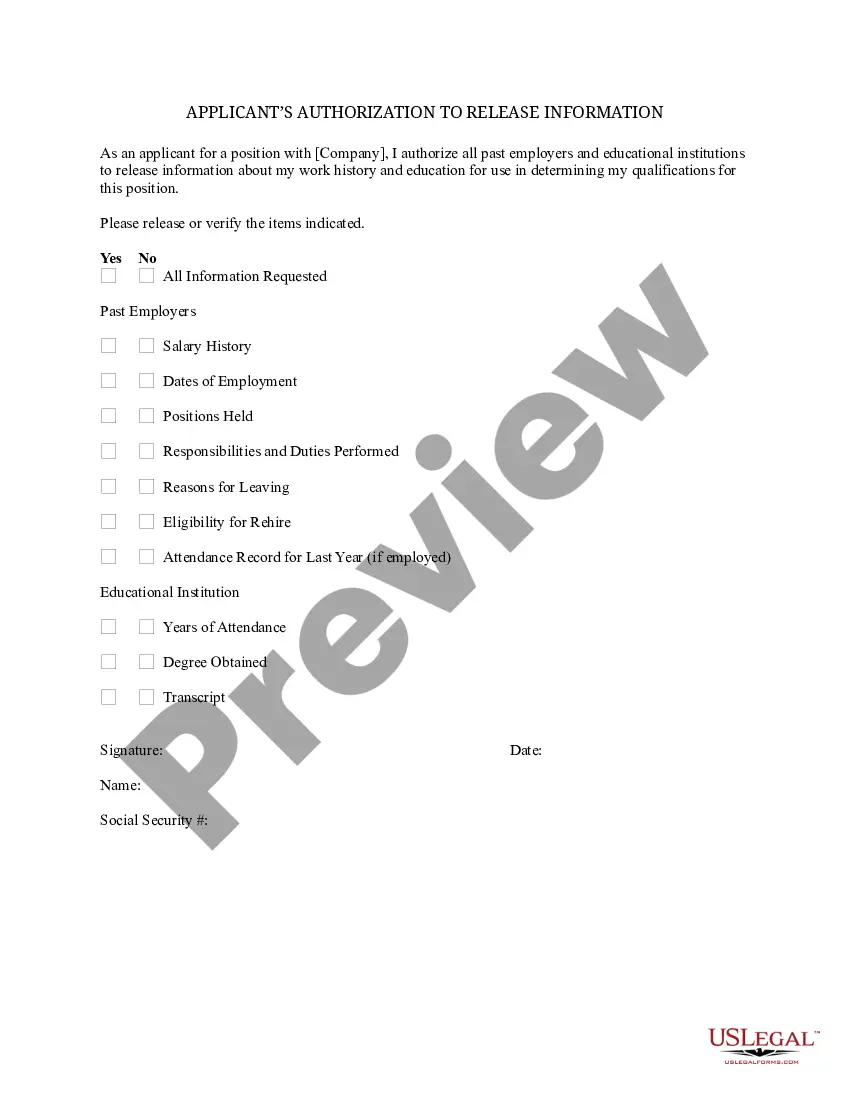
Get your form ready online
Our built-in tools help you complete, sign, share, and store your documents in one place.
Make edits, fill in missing information, and update formatting in US Legal Forms—just like you would in MS Word.
Download a copy, print it, send it by email, or mail it via USPS—whatever works best for your next step.
Sign and collect signatures with our SignNow integration. Send to multiple recipients, set reminders, and more. Go Premium to unlock E-Sign.
If this form requires notarization, complete it online through a secure video call—no need to meet a notary in person or wait for an appointment.
We protect your documents and personal data by following strict security and privacy standards.

Make edits, fill in missing information, and update formatting in US Legal Forms—just like you would in MS Word.

Download a copy, print it, send it by email, or mail it via USPS—whatever works best for your next step.

Sign and collect signatures with our SignNow integration. Send to multiple recipients, set reminders, and more. Go Premium to unlock E-Sign.

If this form requires notarization, complete it online through a secure video call—no need to meet a notary in person or wait for an appointment.

We protect your documents and personal data by following strict security and privacy standards.
Looking for another form?
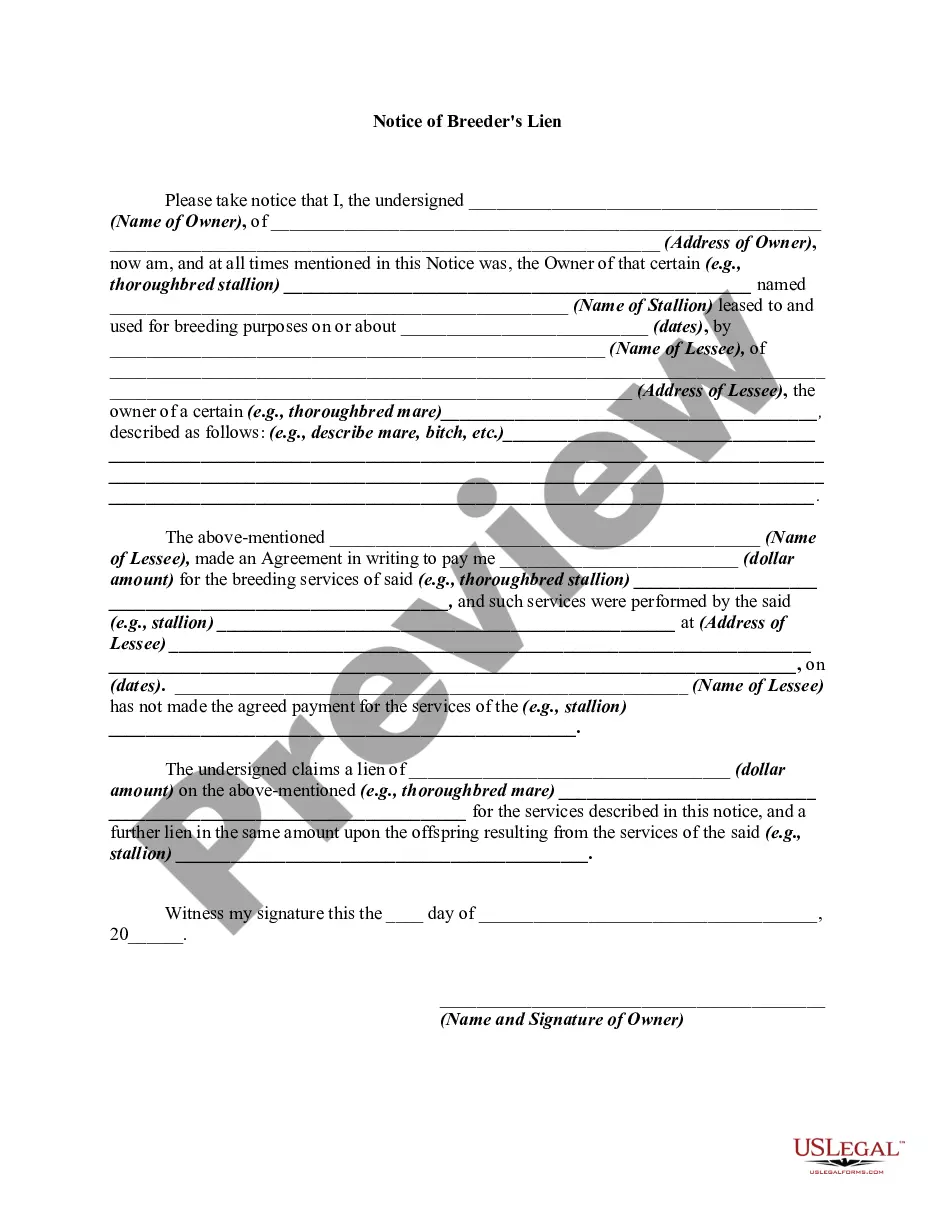
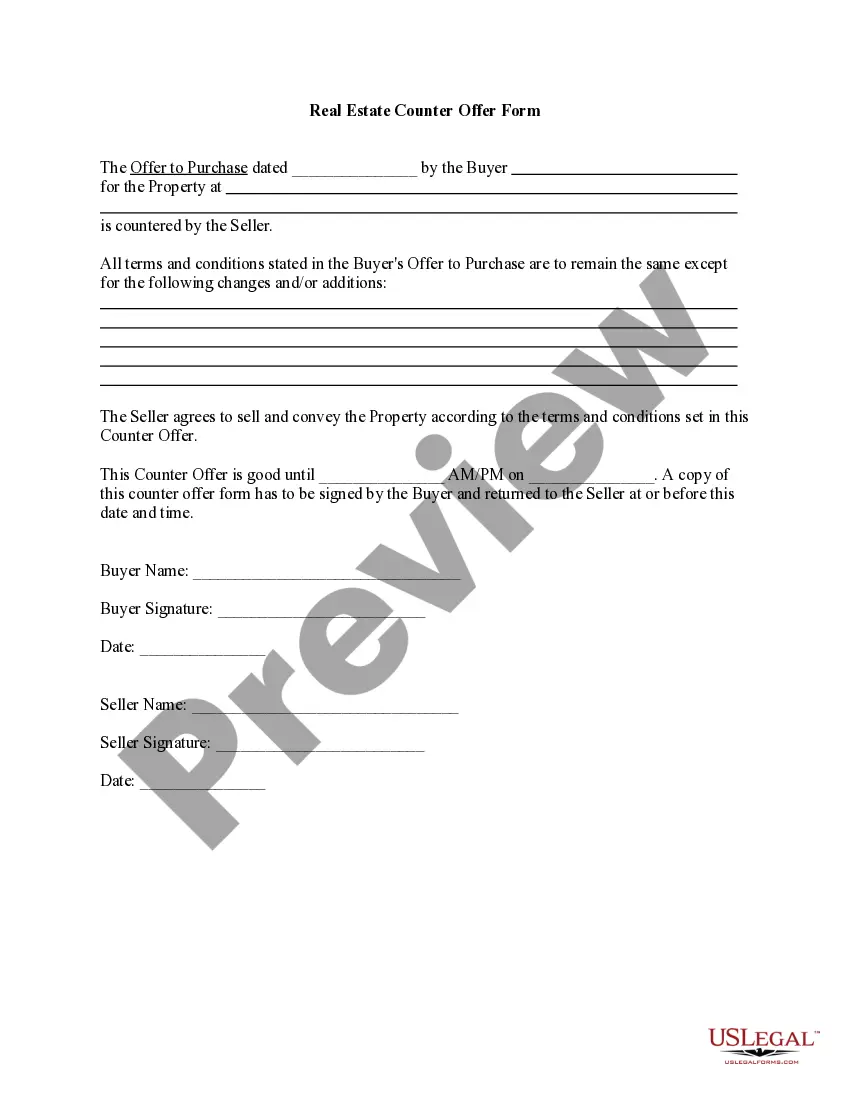


Form popularity
FAQ
(1) The standard retention period is at least seven years from the date of last treatment by the physician or longer if required by other federal or state law.
Choose an Option Below to Obtain a Copy of Your Medical Records Online Form: Complete the "Online () Patient Access Form" by clicking the link associated with the hospital. PDF Form: Print and complete the Patient Access Form PDF and send via mail, fax or email at one of our locations listed below.
How do I get my medical records? Put your request in writing and send it to the physician's address listed on the physician's Profile on the TMB website. You can also contact the TMB to determine if a custodian of records has been reported.
Requests for electronic copies Practices should comply with federal and state laws regarding required timelines for release. Texas law gives a deadline of 15 business days to provide medical records upon receipt of a request.
The Freedom of Information Act 1982 (FOI Act) gives you the right to request access to government-held information. This includes information they hold about you or about government policies and decisions. See the FOI Act on the Federal Register of Legislation.
Check their website: Information about how to get your health record may be found under the Contact Us section of a provider's website. It may direct you to an online portal, a phone number, an email address, or a form. Phone or visit: You can also call or visit your provider and ask them how to get your health record.
The Texas Data Privacy and Security Act (TDPSA) establishes new laws for collecting, storing, processing, and selling consumer information linked to a specific individual. TDPSA was passed as House Bill 4 during the regular session of the 88th Texas Legislature.
The Public Information Act (PIA) provides a mechanism for citizens to inspect or copy government records. It also provides that governmental bodies may withhold government records from the public in specific instances.
The Public Information Act (PIA) provides a mechanism for citizens to inspect or copy government records. It also provides that governmental bodies may withhold government records from the public in specific instances.
The Woman's Right to Know Act, Health and Safety Code, Chapter 171, states that no person may perform an abortion without the voluntary and informed consent of the woman on whom the abortion is to be performed, and specifies the content of informational materials that must be offered to a woman to support her informed ...
