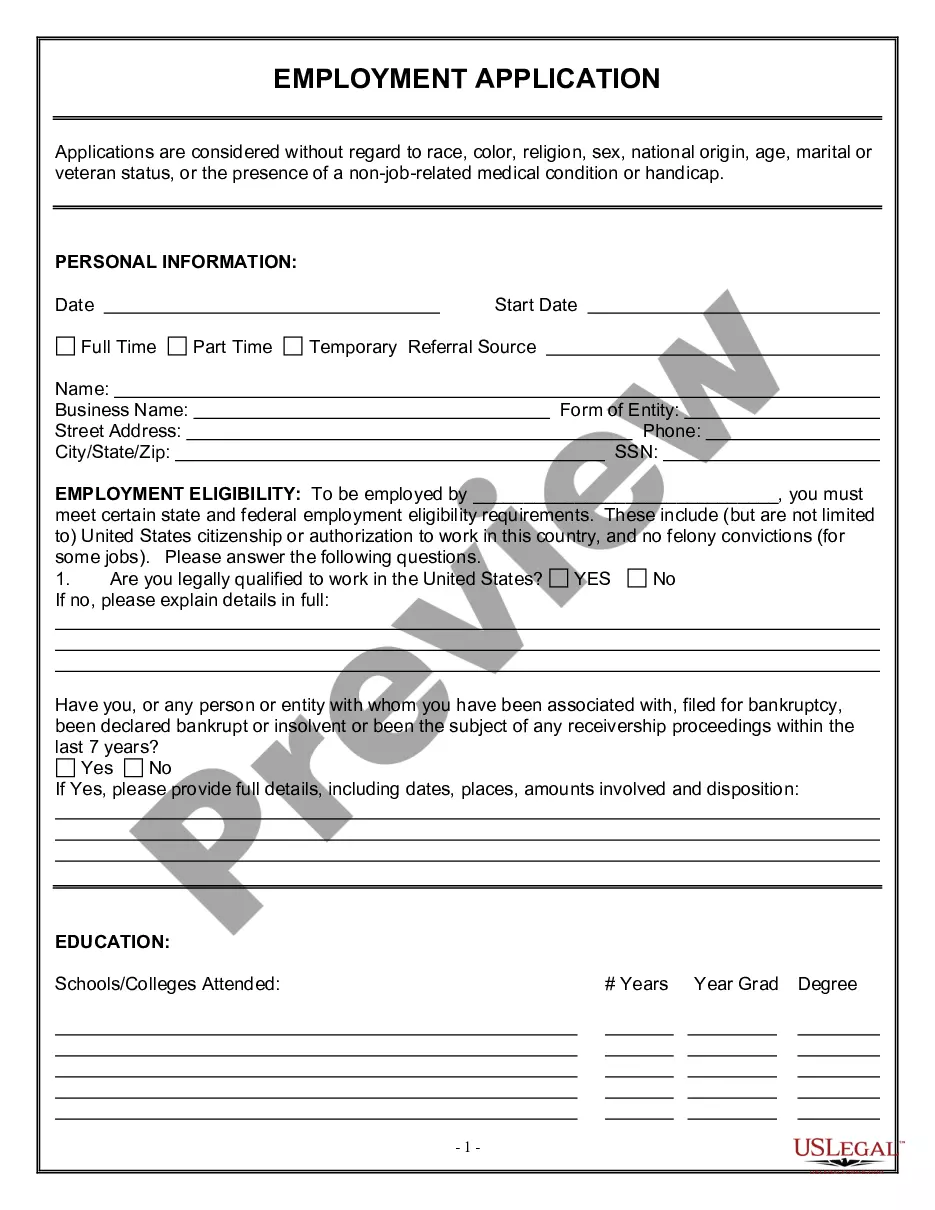
Release Of Patient Information Without Consent In Cook
Description
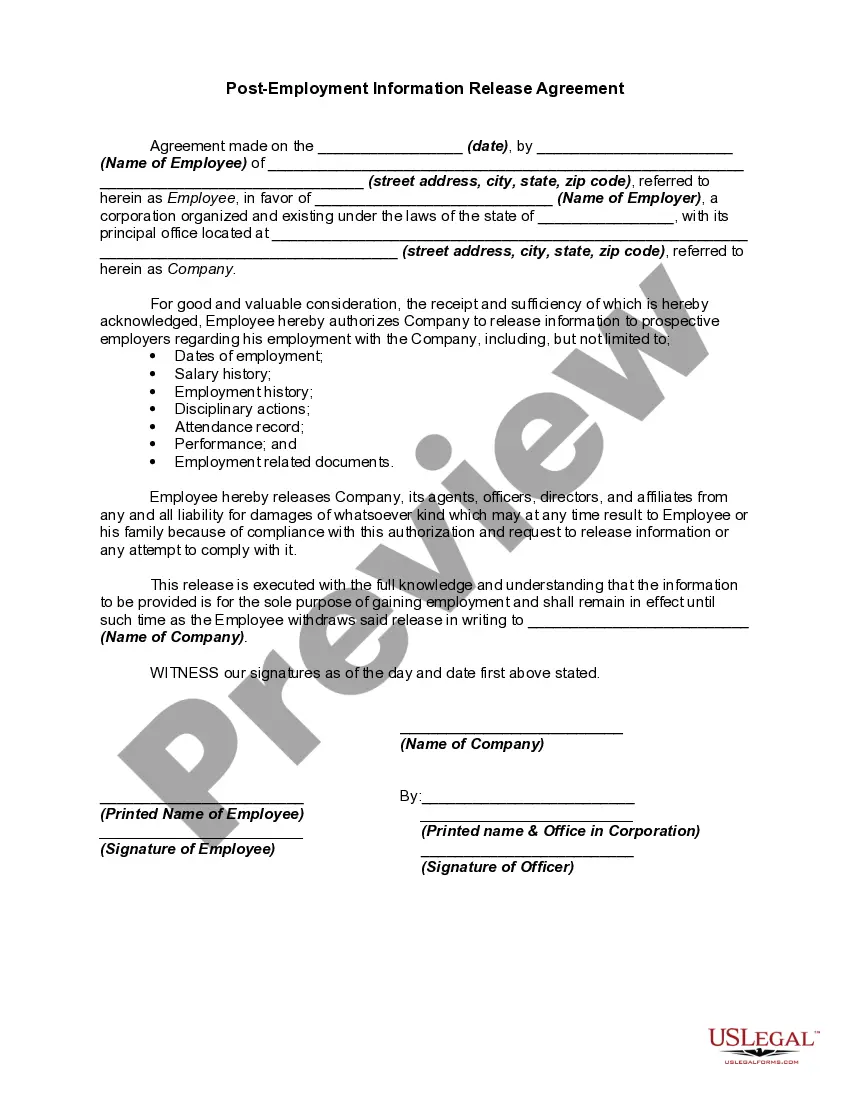
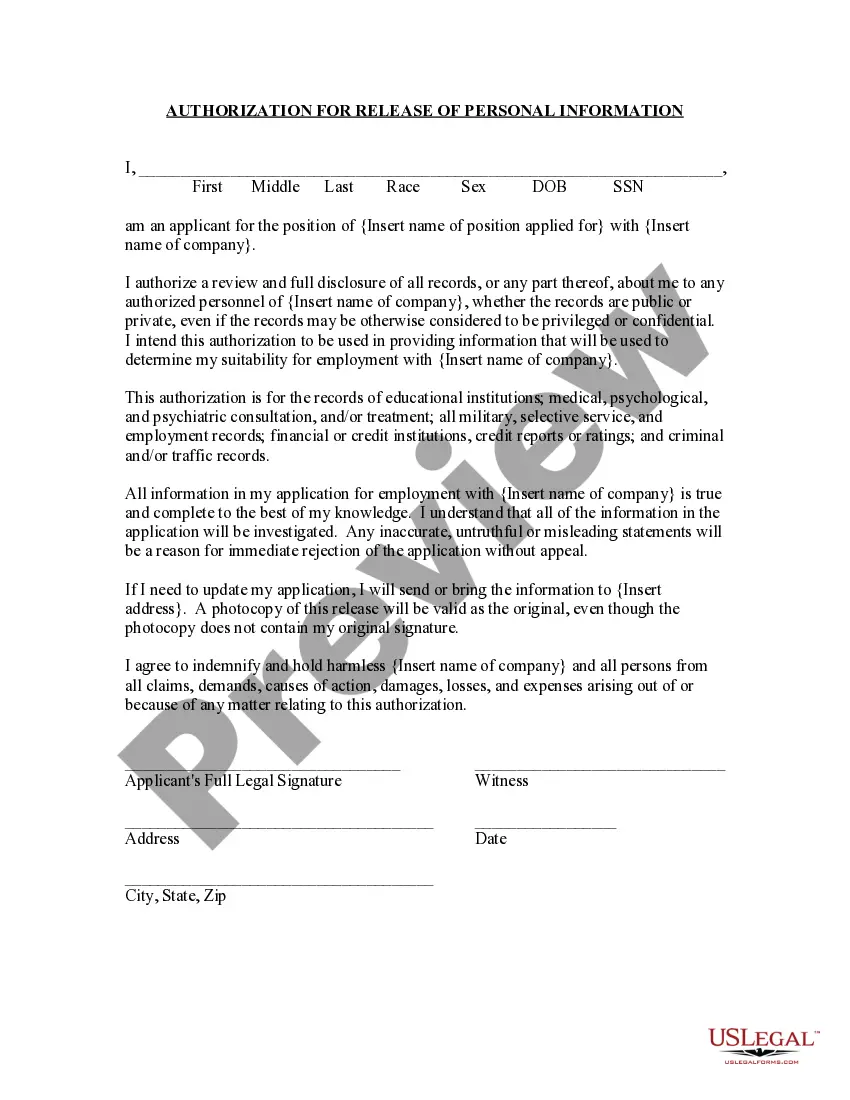
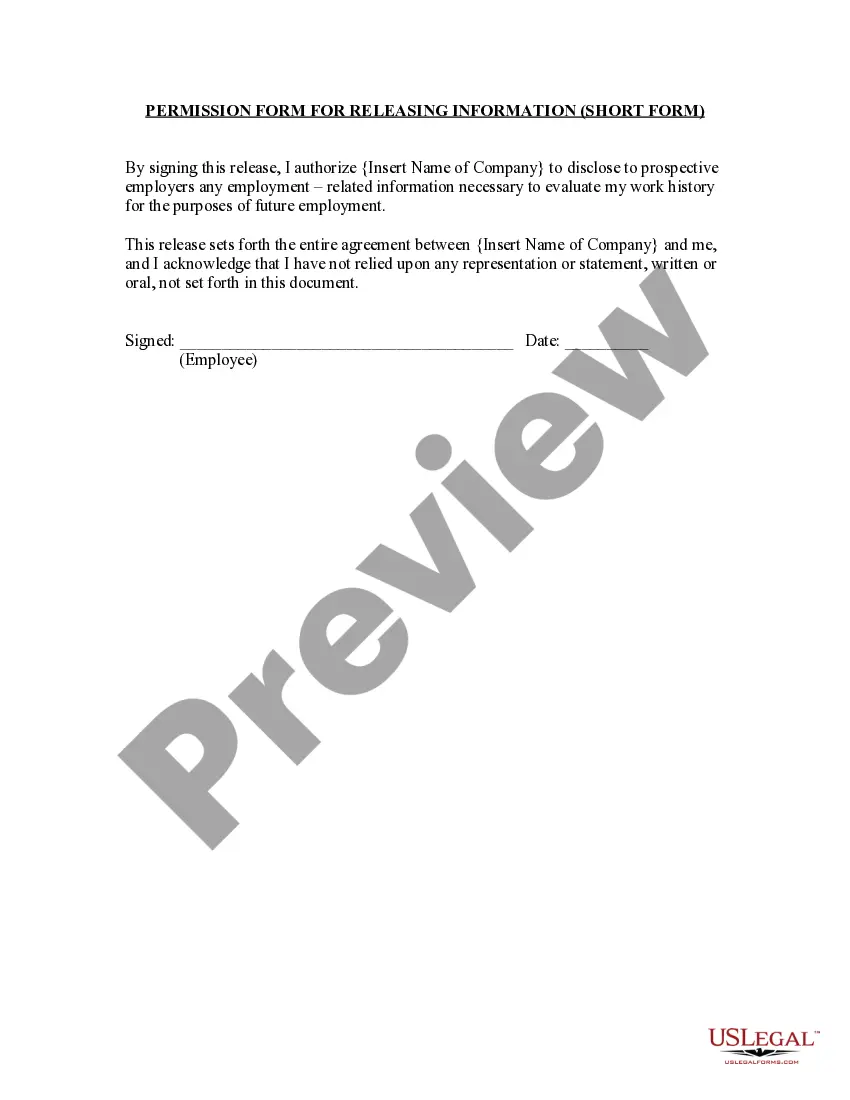
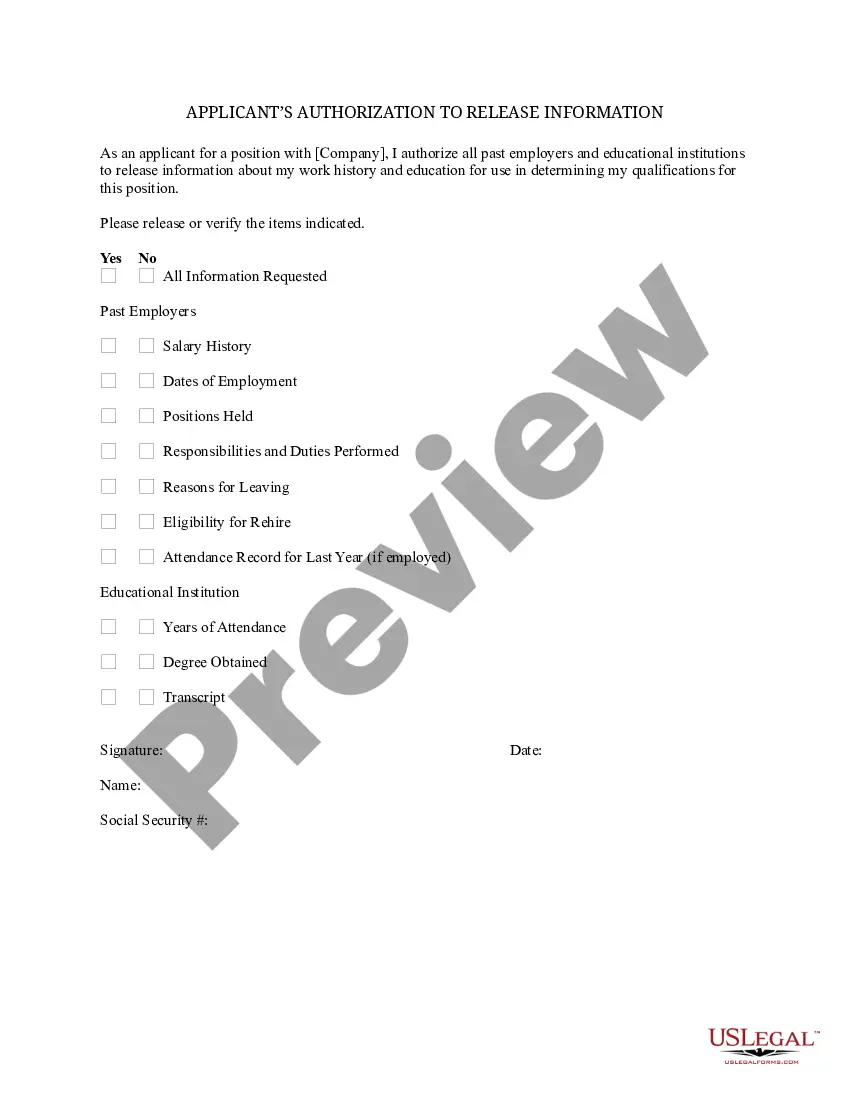
Get your form ready online
Our built-in tools help you complete, sign, share, and store your documents in one place.
Make edits, fill in missing information, and update formatting in US Legal Forms—just like you would in MS Word.
Download a copy, print it, send it by email, or mail it via USPS—whatever works best for your next step.
Sign and collect signatures with our SignNow integration. Send to multiple recipients, set reminders, and more. Go Premium to unlock E-Sign.
If this form requires notarization, complete it online through a secure video call—no need to meet a notary in person or wait for an appointment.
We protect your documents and personal data by following strict security and privacy standards.

Make edits, fill in missing information, and update formatting in US Legal Forms—just like you would in MS Word.

Download a copy, print it, send it by email, or mail it via USPS—whatever works best for your next step.

Sign and collect signatures with our SignNow integration. Send to multiple recipients, set reminders, and more. Go Premium to unlock E-Sign.

If this form requires notarization, complete it online through a secure video call—no need to meet a notary in person or wait for an appointment.

We protect your documents and personal data by following strict security and privacy standards.
Looking for another form?
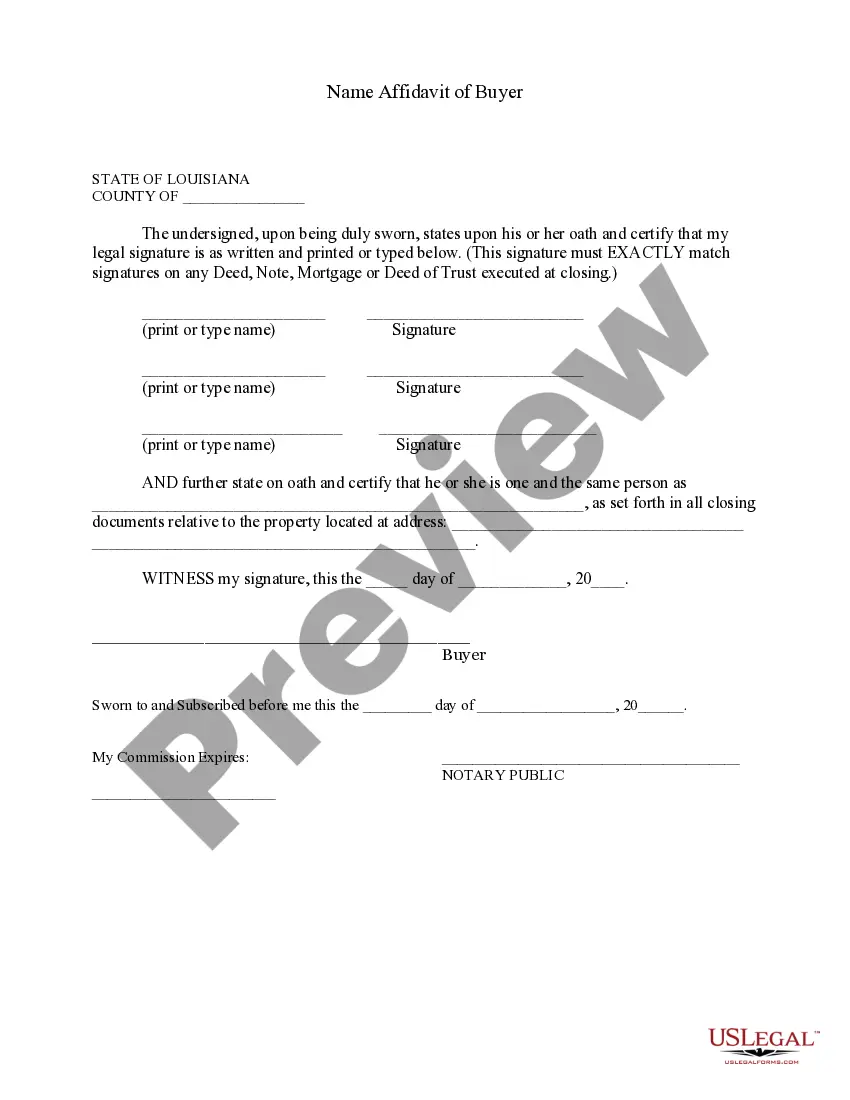

Form popularity
FAQ
The function of informed consent in health care is to ensure that patients are fully informed about the medical procedures or treatments they may undergo, enabling them to make autonomous decisions about their care.
If you are not using a form, be sure to include the full name, address, phone number, and secure fax or secure email address where the provider can send you the records.
The informed consent process is an ethical and legal requirement for medical treatment. It ensures that you understand and agree to have specific medical treatment. Informed consent protects your autonomy and your legal rights as a patient.
Whether it be express, implied, opt-in, or opt-out consent, it is important to obtain clear and informed consent in all data privacy matters.
Explicit consent It can be given in writing, verbally or through another form of communication, such as sign language. If it is not practicable to either work with anonymous data or to obtain explicit patient consent, then support under the Health Service (Control of Patient Information) Regulations 2002 is required.
Types of consent A person can consent to the collection, use or disclosure of personal information for reasonable purposes (which is what a reasonable person would consider appropriate under the circumstances). Someone may consent verbally or in writing, including via electronic communications.
Unauthorized disclosure occurs when personally identifiable information from a student's education record is made available to a third party who does not have legal authority to access the information.
Unauthorized Access is when a person who does not have permission to connect to or use a system gains entry in a manner unintended by the system owner. The popular term for this is “hacking”.
The collection, use or disclosure of personal health information without the consent of individuals and for purposes that are not permitted or required by the Personal Health Information Protection Act (PHIPA) is commonly referred to as unauthorized access, or “snooping.” Unauthorized access includes the viewing of ...
Health and care records are confidential so a person can only access someone else's records if they are authorised to do so. To access someone else's health records, a person must: be acting on their behalf with their consent, or. have legal authority to make decisions on their behalf (i.e. power of attorney), or.