Agreement Between Partnership For Llc In Fairfax
Description

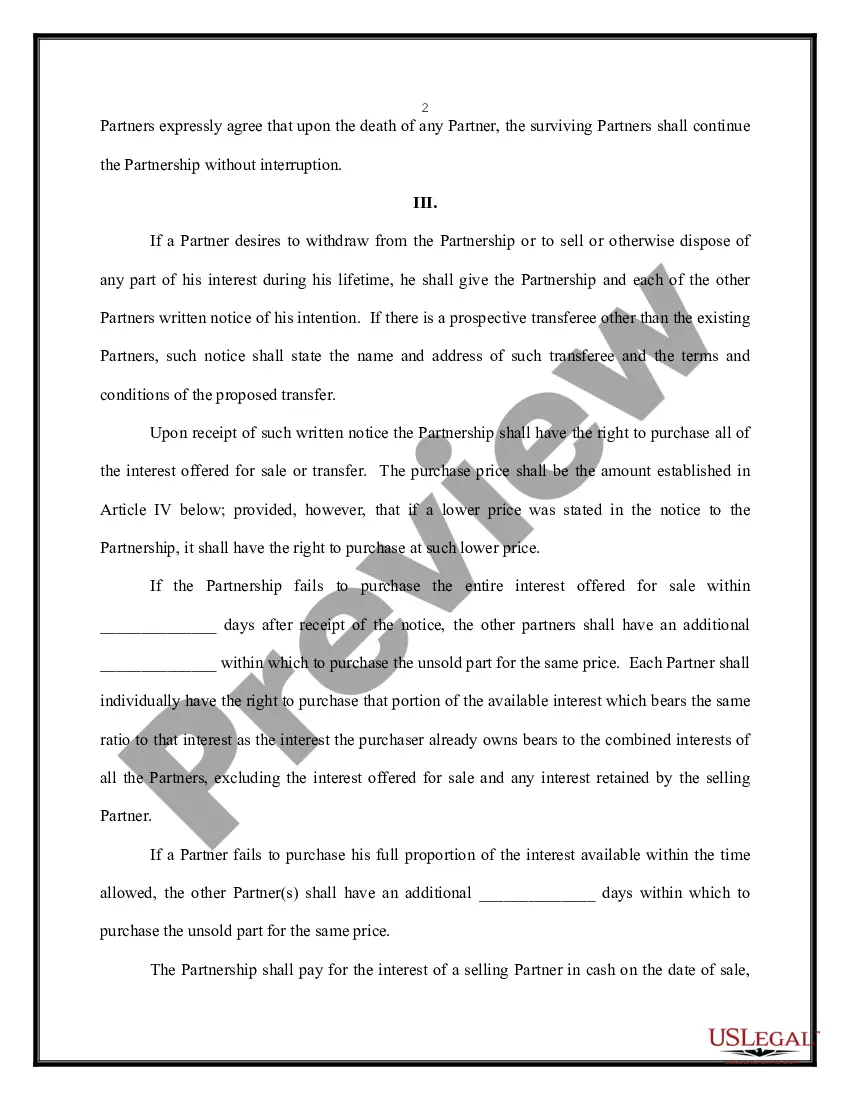
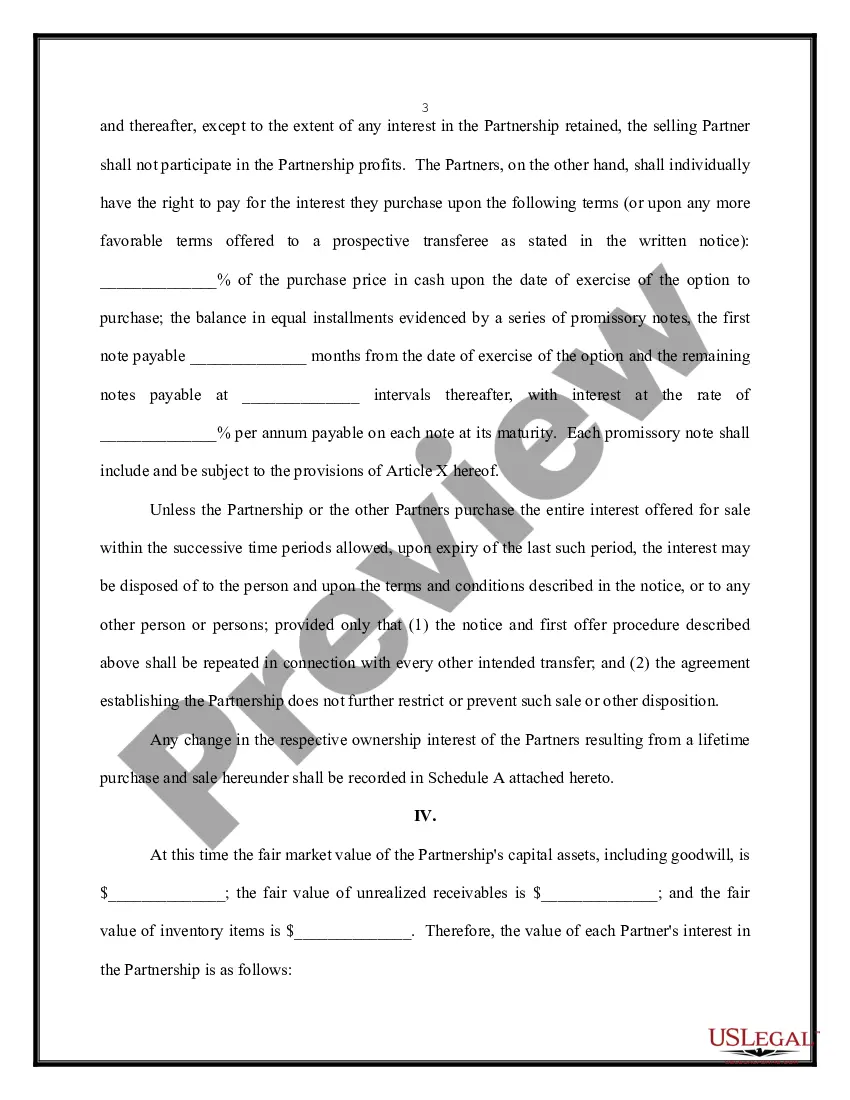
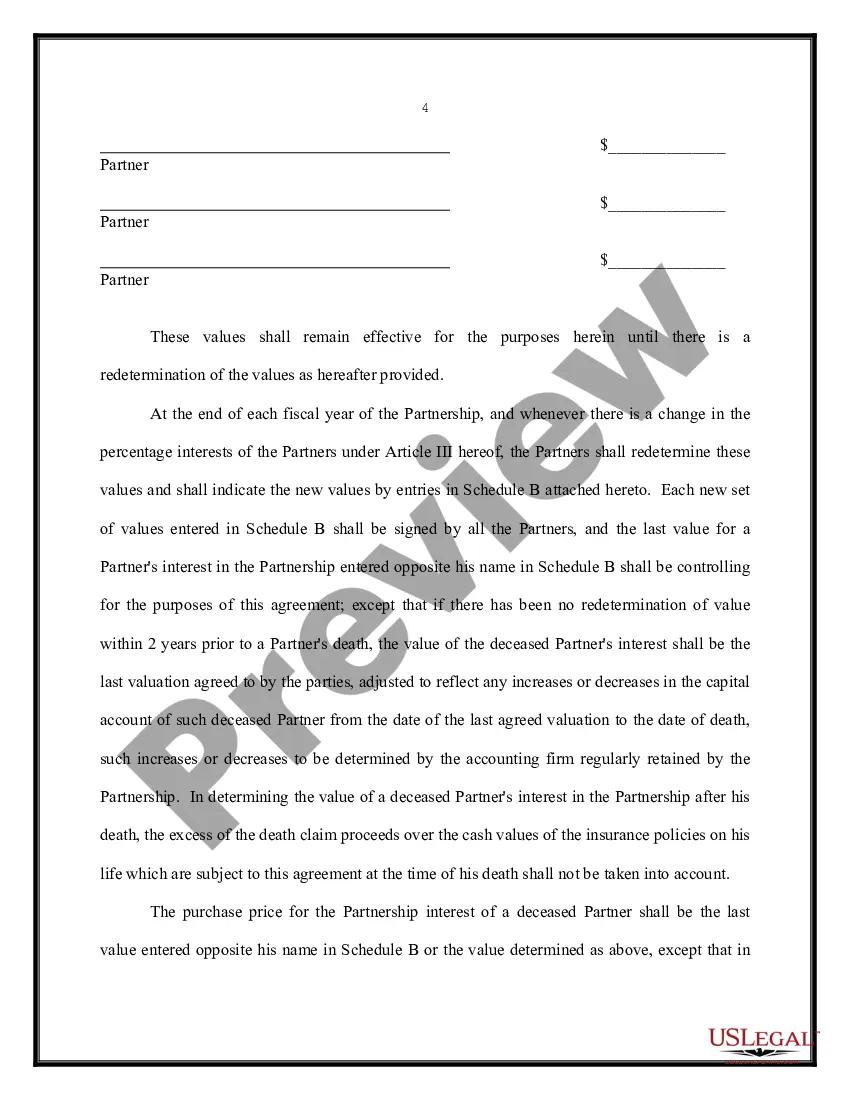
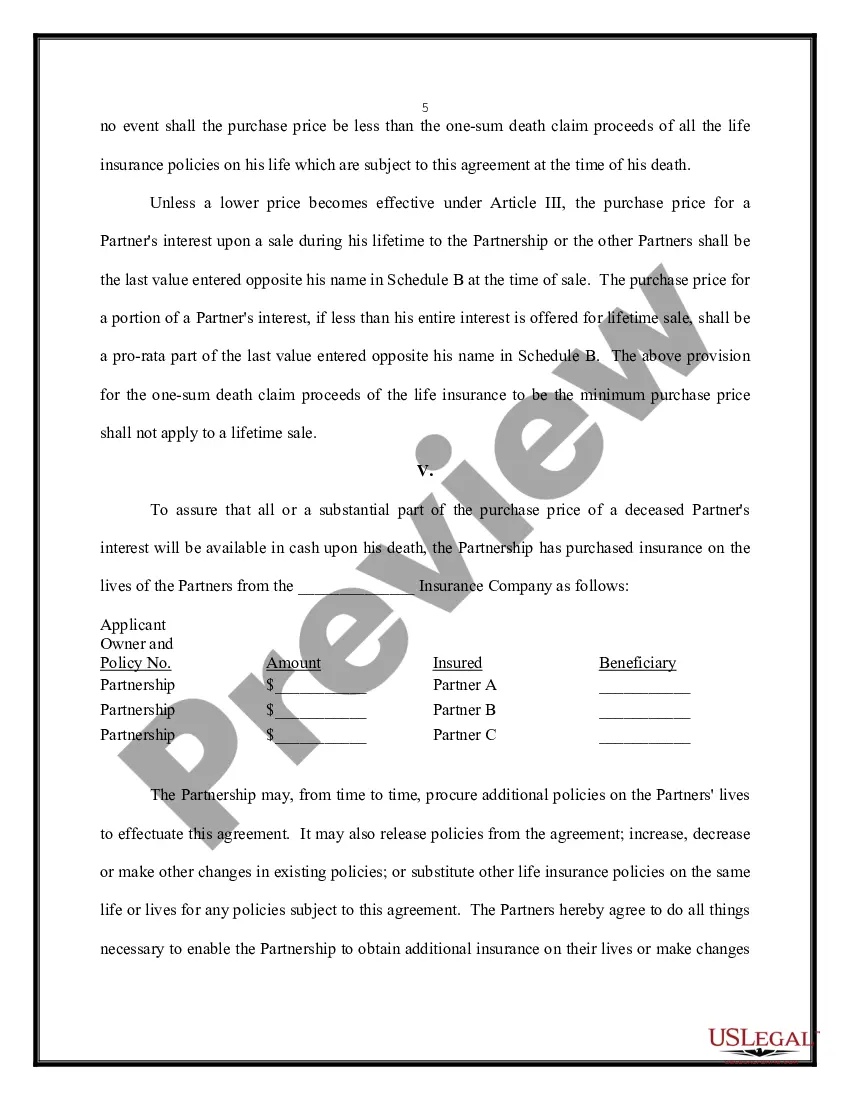
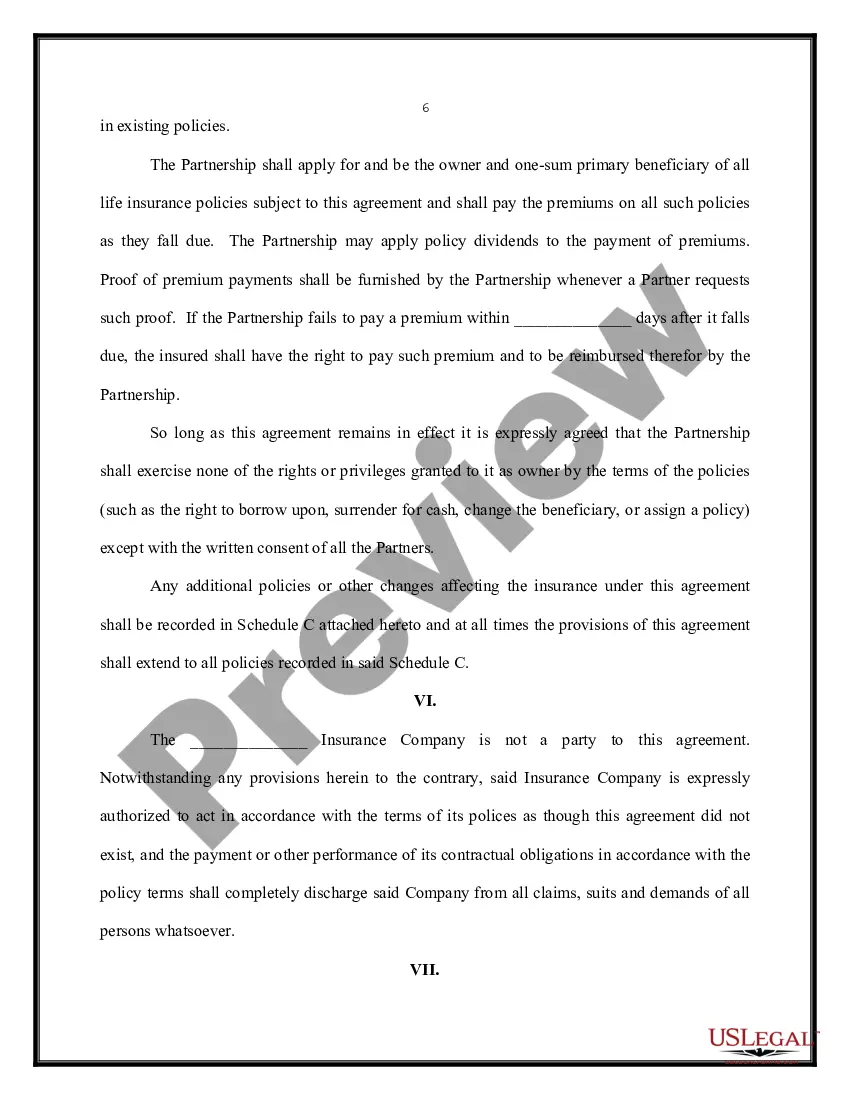
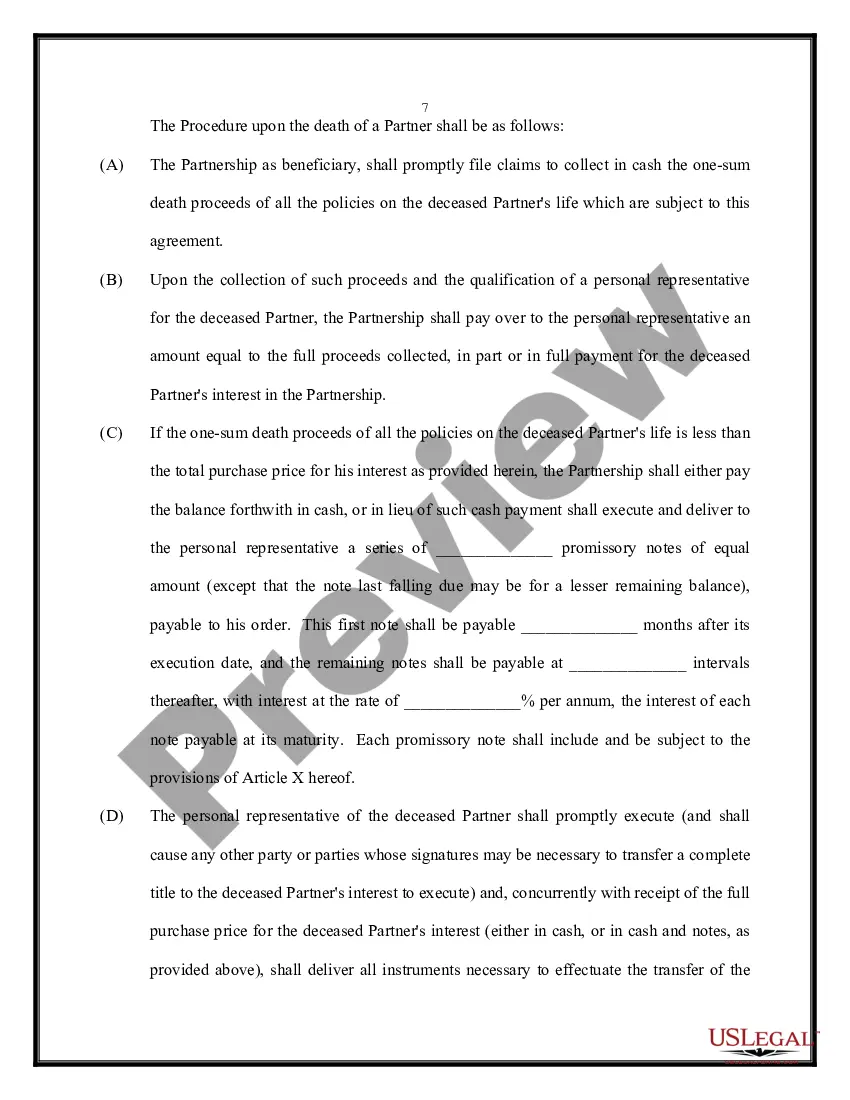
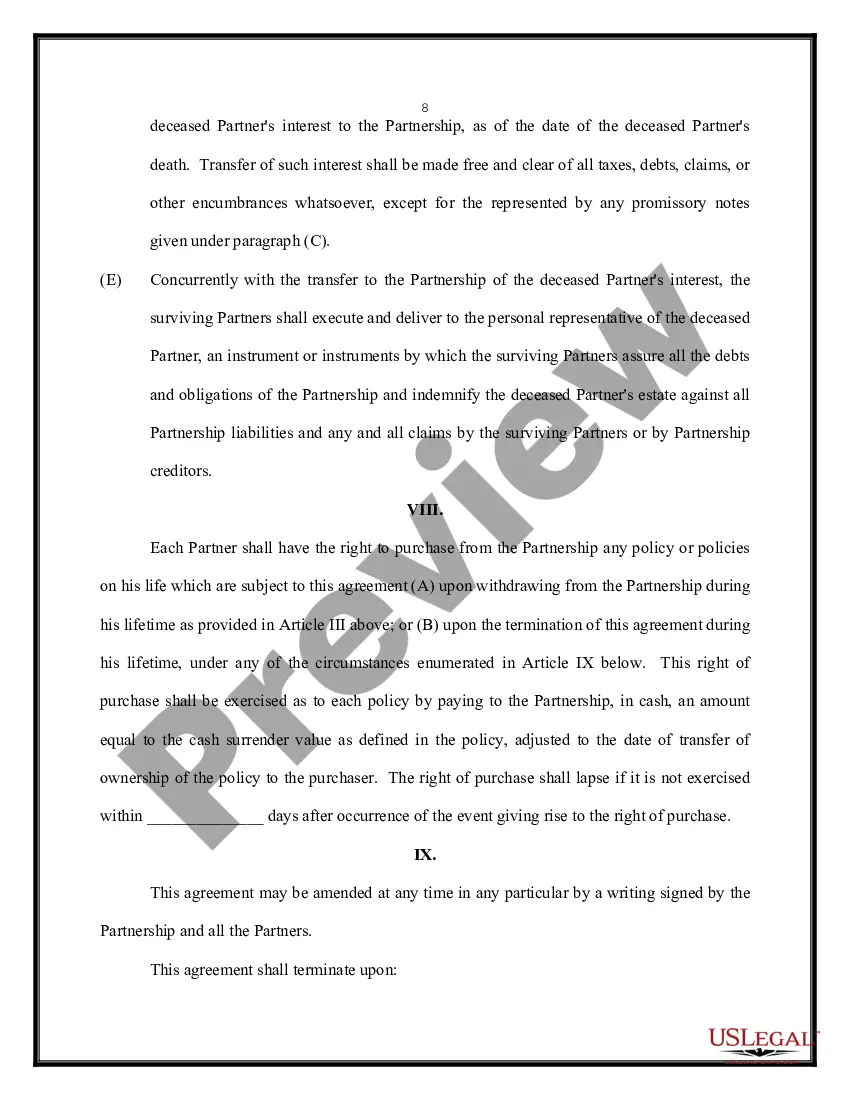
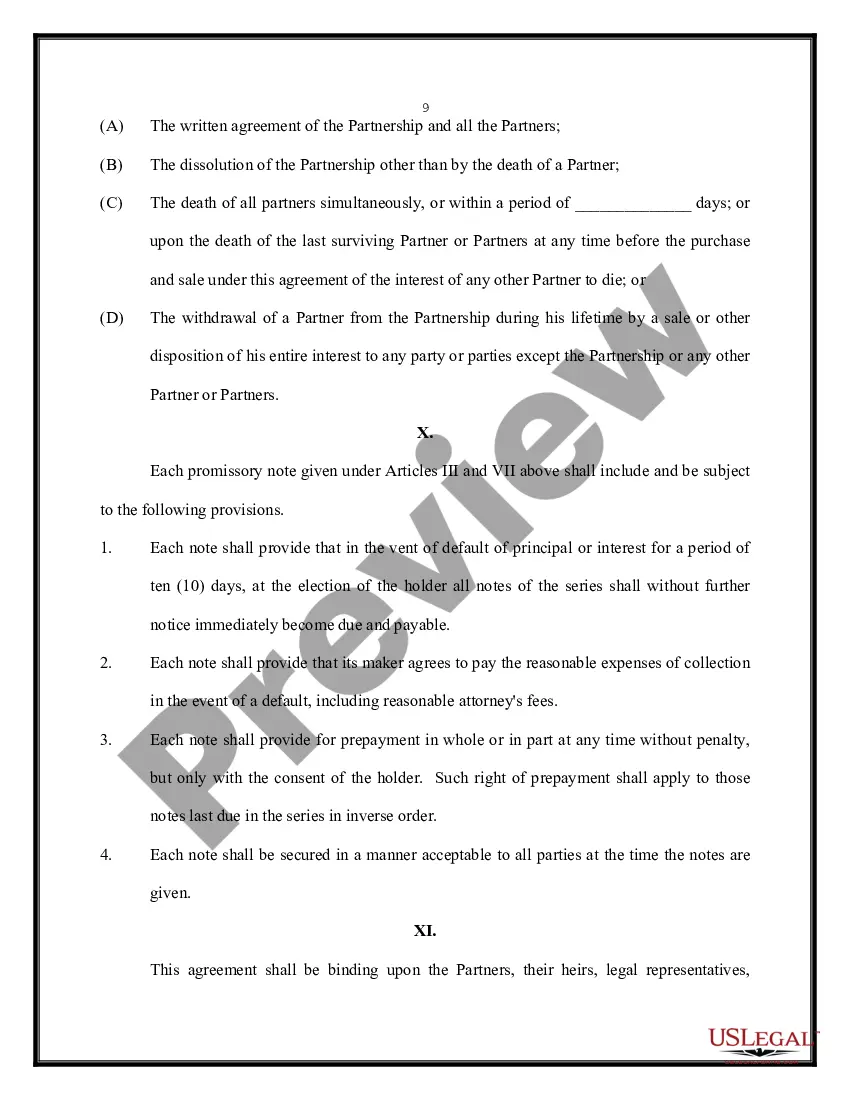
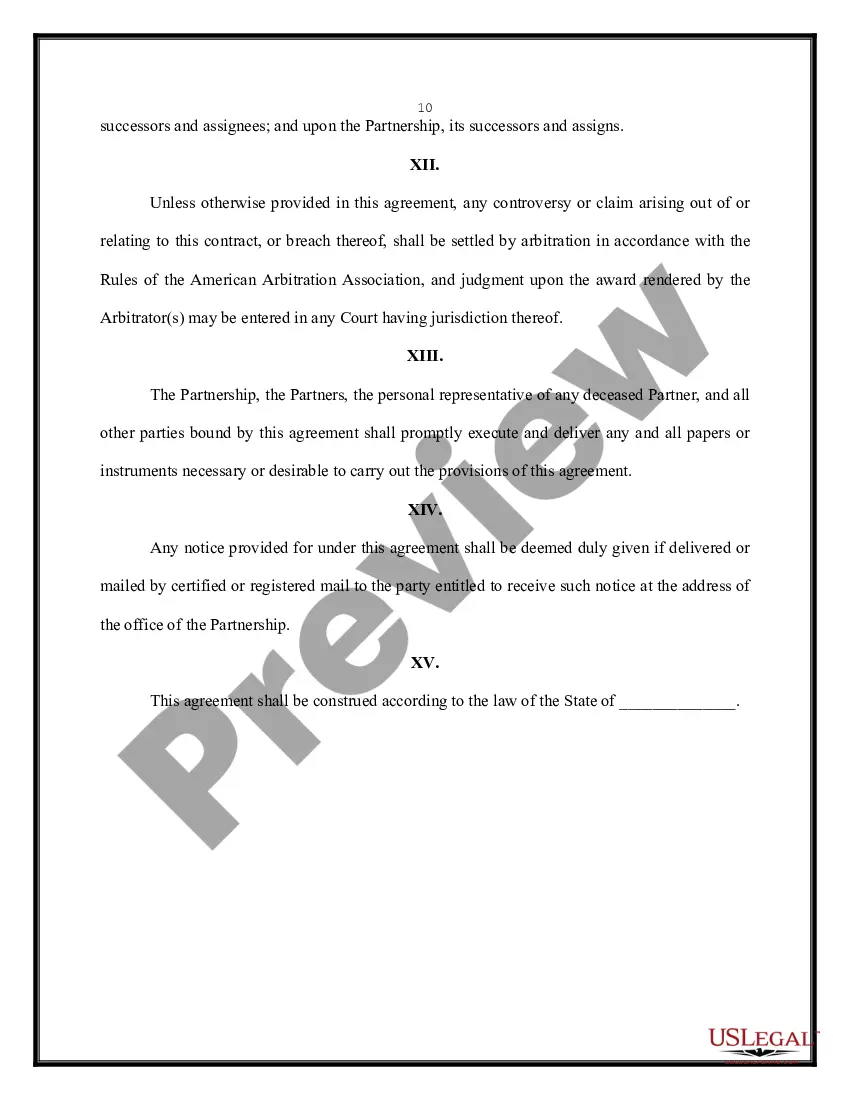


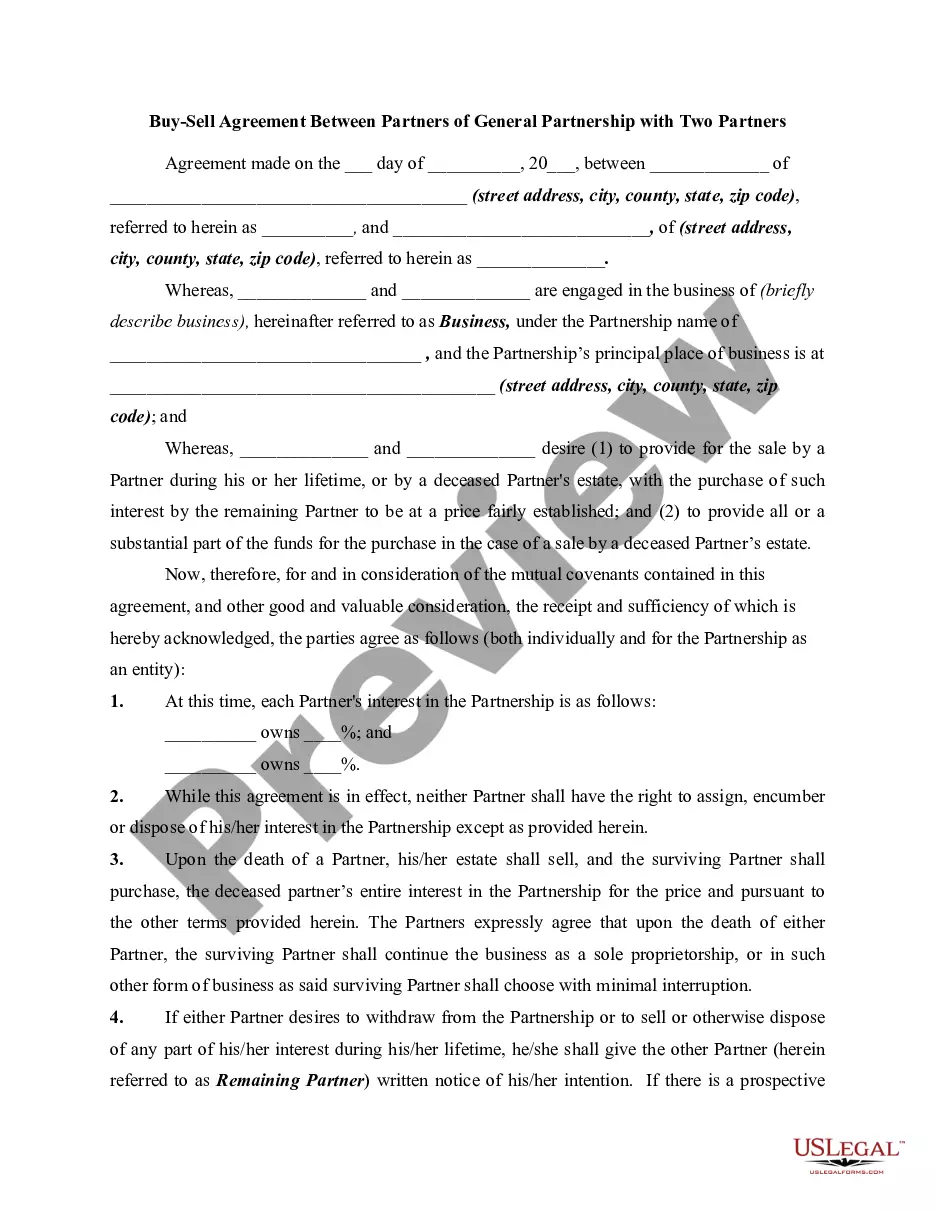
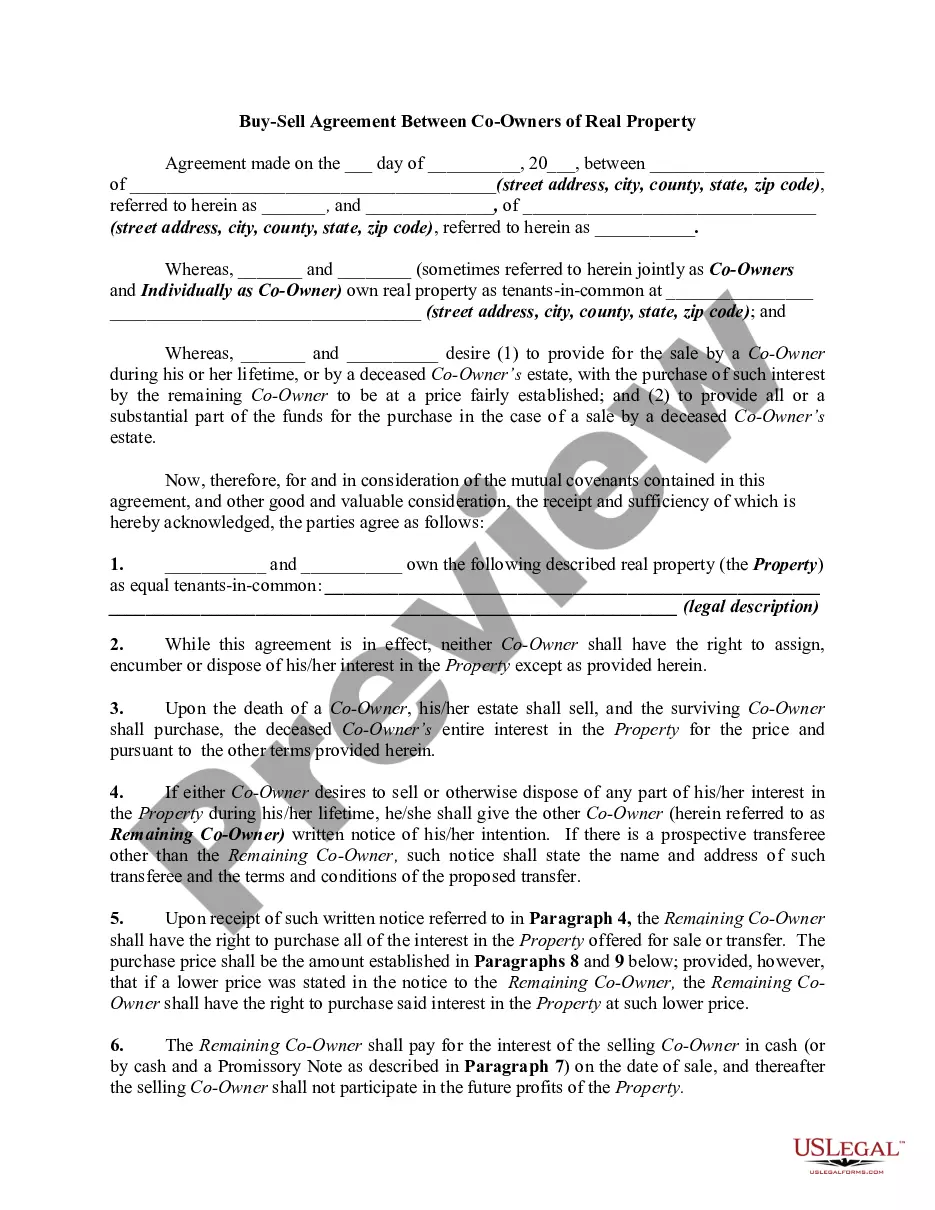
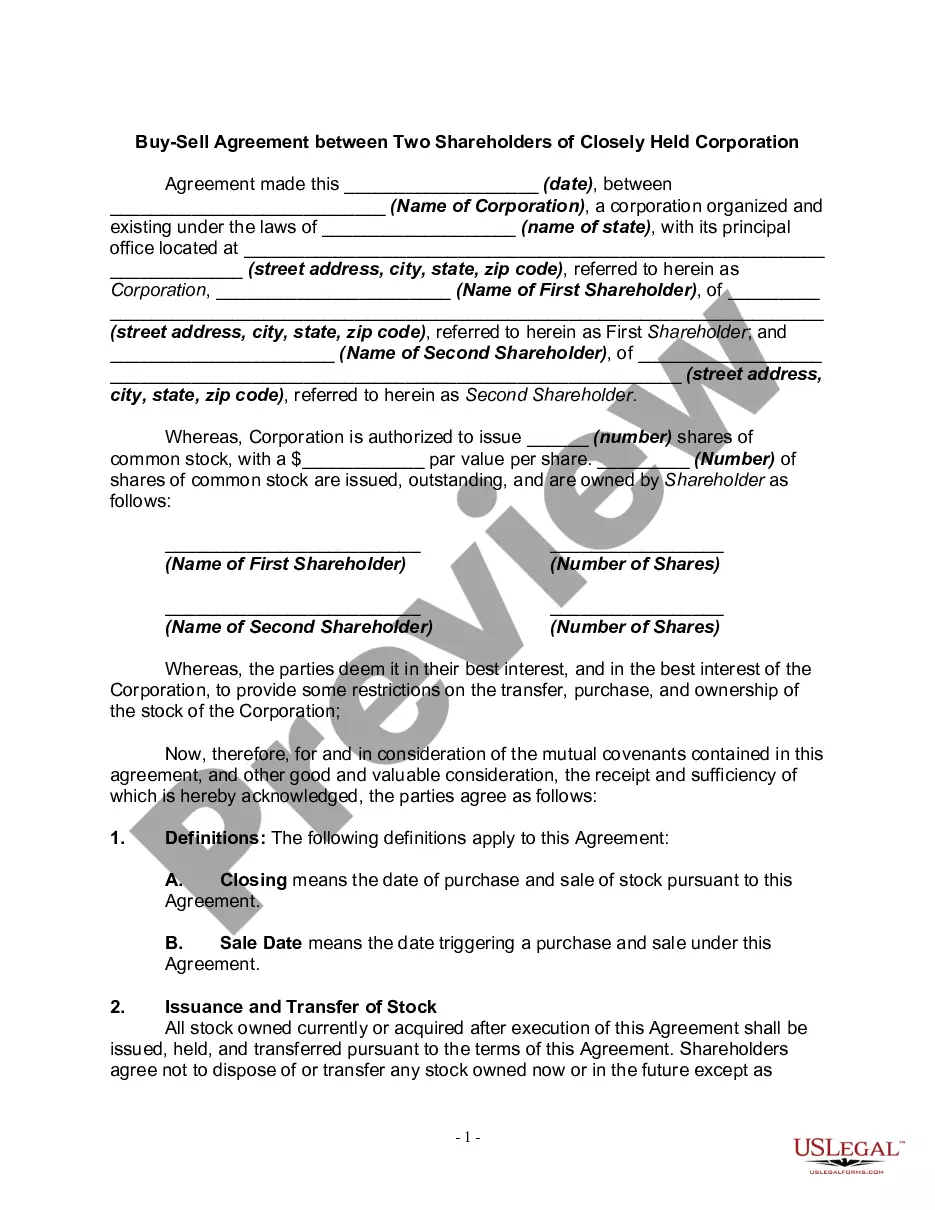
Get your form ready online
Our built-in tools help you complete, sign, share, and store your documents in one place.
Make edits, fill in missing information, and update formatting in US Legal Forms—just like you would in MS Word.
Download a copy, print it, send it by email, or mail it via USPS—whatever works best for your next step.
Sign and collect signatures with our SignNow integration. Send to multiple recipients, set reminders, and more. Go Premium to unlock E-Sign.
If this form requires notarization, complete it online through a secure video call—no need to meet a notary in person or wait for an appointment.
We protect your documents and personal data by following strict security and privacy standards.

Make edits, fill in missing information, and update formatting in US Legal Forms—just like you would in MS Word.

Download a copy, print it, send it by email, or mail it via USPS—whatever works best for your next step.

Sign and collect signatures with our SignNow integration. Send to multiple recipients, set reminders, and more. Go Premium to unlock E-Sign.

If this form requires notarization, complete it online through a secure video call—no need to meet a notary in person or wait for an appointment.

We protect your documents and personal data by following strict security and privacy standards.
Looking for another form?


Form popularity
FAQ
Consult with an attorney. Before you draft or sign a partnership agreement, consult an experienced business attorney to protect everyone's investment in the partnership and business.
A partnership is not formed by a filing with the State Corporation, but partnership statements may be filed with the State Corporation Commission by using CIS or completing a Statement of Partnership Authority (Form UPA-93).
Some elements to consider in your limited partnership agreement include but aren't limited to: Business name and purpose. Reason for establishing the limited partnership. Voting rights and decision-making processes. Ownership shares. Partners' capital contributions. Dissolution guidelines.
For example, when there is no partnership agreement specifying the terms on which a partner can leave the business, the partners will have to follow the default rules. Under the default rules, the partnership would need to be dissolved and re-formed when one of the partners wants to leave the business.
The business profits (or losses) are usually divided among the partners based on the partnership agreement. Like a sole proprietorship, a partnership is easy to form. In fact, a simple verbal agreement is enough to form a partnership.
How to Write a Partnership Agreement Define Partnership Structure. Outline Capital Contributions and Ownership. Detail Profit, Loss, and Distribution Arrangements. Set Decision-Making and Management Protocols. Plan for Changes and Contingencies. Include Legal Provisions and Finalize the Agreement.
Kickstart your new business in minutes There are three relatively common partnership types: general partnership (GP), limited partnership (LP) and limited liability partnership (LLP). A fourth, the limited liability limited partnership (LLLP), is not recognized in all states.
How to Write a Partnership Agreement Define Partnership Structure. Outline Capital Contributions and Ownership. Detail Profit, Loss, and Distribution Arrangements. Set Decision-Making and Management Protocols. Plan for Changes and Contingencies. Include Legal Provisions and Finalize the Agreement.
As a general rule, if there are two people in the partnership, it's 50/50, and if there are three people, it's a ⅓ split. The biggest thing to remember is that no matter how you split your profits, the percentage must equal 100. For example, imagine you have three business partners.
