Agreement Commercial Property With Living Space In New York
Description
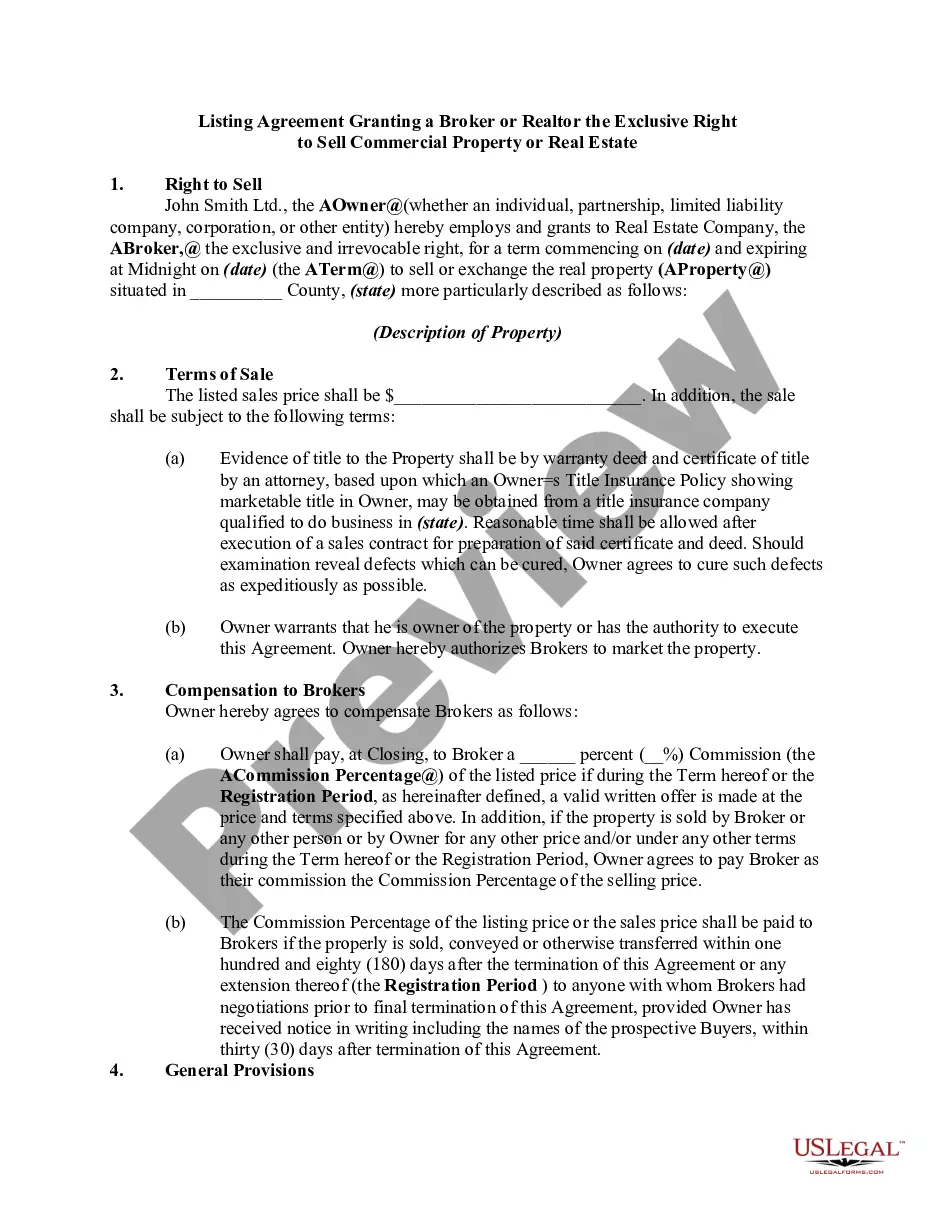
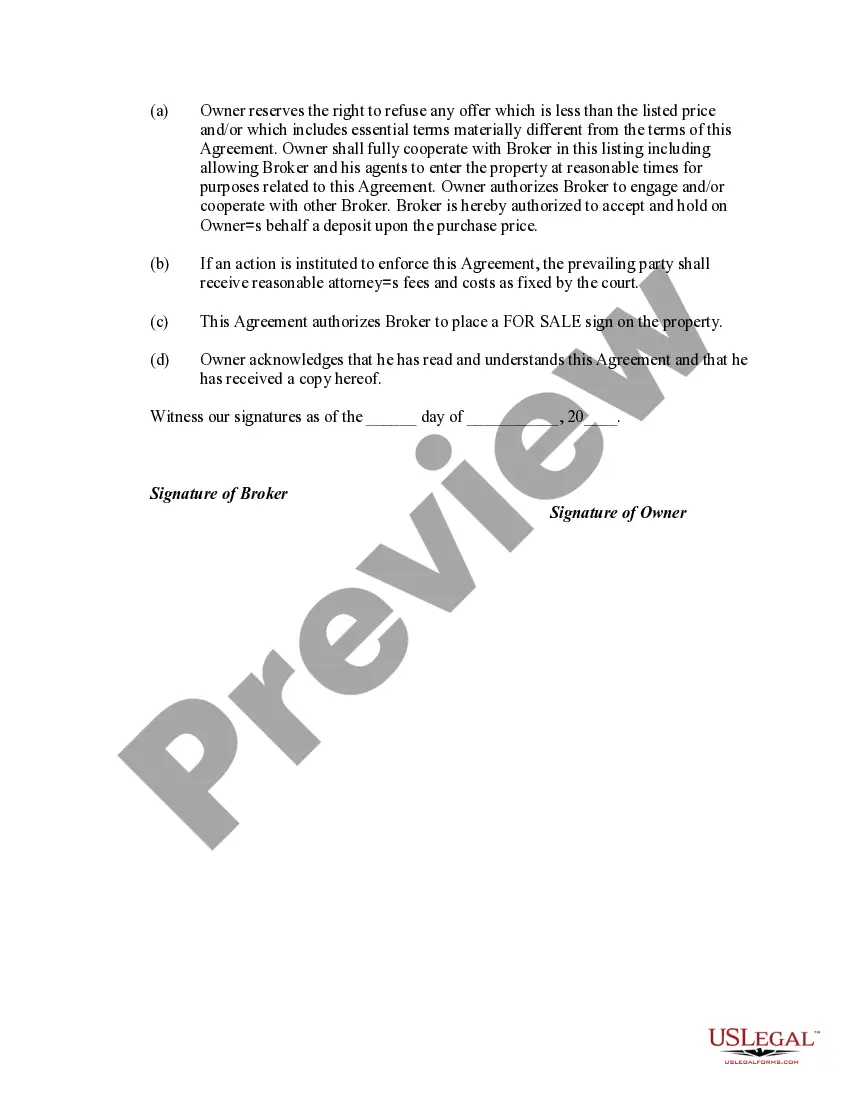
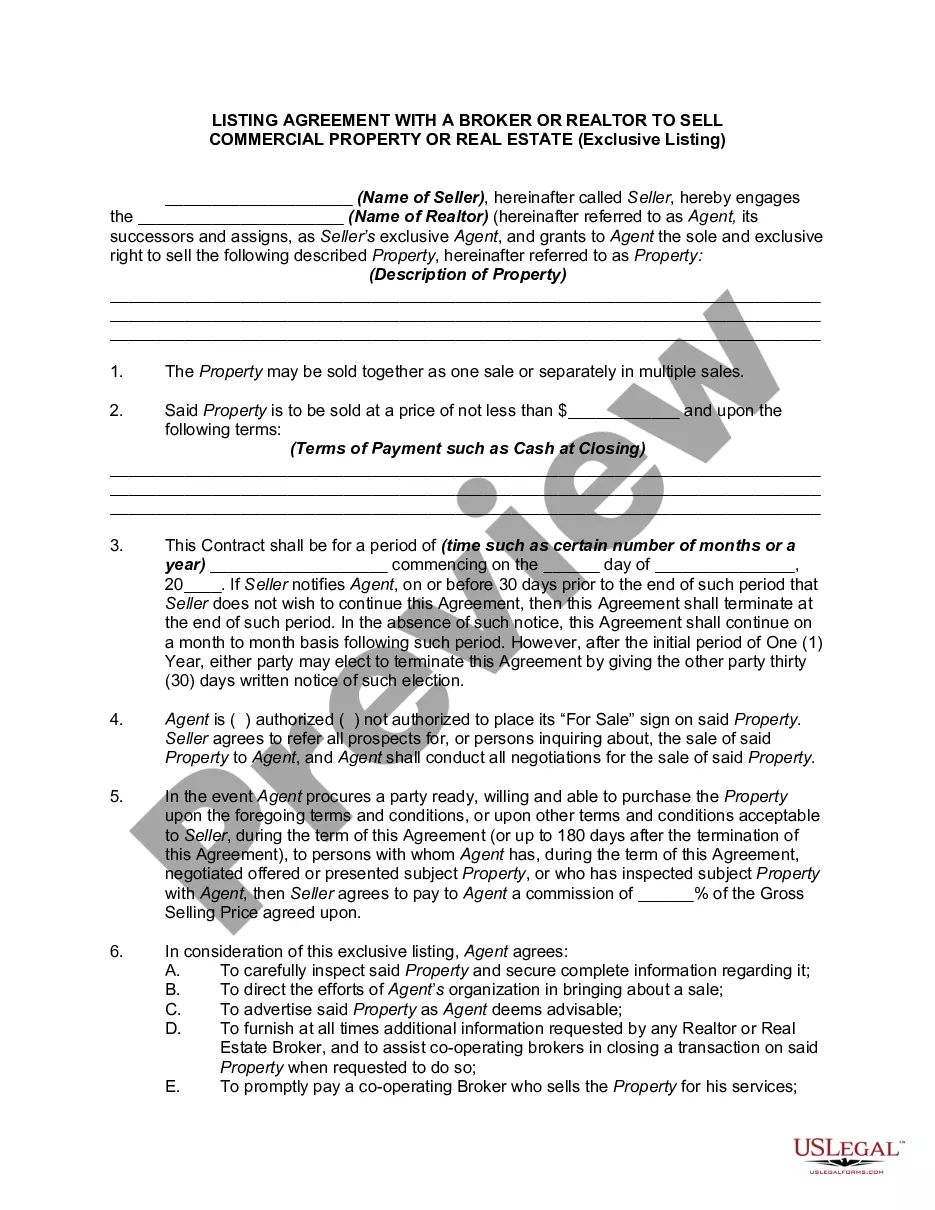
Get your form ready online
Our built-in tools help you complete, sign, share, and store your documents in one place.
Make edits, fill in missing information, and update formatting in US Legal Forms—just like you would in MS Word.
Download a copy, print it, send it by email, or mail it via USPS—whatever works best for your next step.
Sign and collect signatures with our SignNow integration. Send to multiple recipients, set reminders, and more. Go Premium to unlock E-Sign.
If this form requires notarization, complete it online through a secure video call—no need to meet a notary in person or wait for an appointment.
We protect your documents and personal data by following strict security and privacy standards.

Make edits, fill in missing information, and update formatting in US Legal Forms—just like you would in MS Word.

Download a copy, print it, send it by email, or mail it via USPS—whatever works best for your next step.

Sign and collect signatures with our SignNow integration. Send to multiple recipients, set reminders, and more. Go Premium to unlock E-Sign.

If this form requires notarization, complete it online through a secure video call—no need to meet a notary in person or wait for an appointment.

We protect your documents and personal data by following strict security and privacy standards.
Looking for another form?
Form popularity
FAQ
Gross leases are most common for commercial properties such as offices and retail space. The tenant pays a single, flat amount that includes rent, taxes, utilities, and insurance.
Modified gross leases are typically used for commercial spaces such as office buildings with multiple tenants. This type of lease typically falls between a gross lease, where the landlord pays for operating expenses, and a net lease, which passes on property expenses to the tenant.
What Is a Net Lease? The term net lease refers to a contractual agreement where a lessee pays a portion or all of the taxes, insurance fees, and maintenance costs for a property in addition to rent. Net leases are commonly used in commercial real estate.
Yes, commercial properties may be converted into residential spaces or “artist lofts” in specified areas of Manhattan, Brooklyn, and Queens. Of course, you must adhere to the city's zoning law and building codes when converting from commercial use to residential.
Key Commercial Lease Types Explained Gross Lease. Often found in office buildings and retail spaces, gross leases provide a simple, all-inclusive rental arrangement. Net Lease. In net leases, the tenant assumes a more significant share of responsibility for building expenses. Modified Gross Lease. Percentage Lease.
Gross leases are most common for commercial properties such as offices and retail space. The tenant pays a single, flat amount that includes rent, taxes, utilities, and insurance. The landlord is responsible for paying taxes, utilities, and insurance from the rent fees.
Space Lease means any and all leases, subleases, licenses, concession agreements, or other forms of agreement, that give an entity the right to use and occupy a mortgaged property or any part of it, including all renewals, extensions, modifications, amendments, and other agreements affecting it.
Also, commercial leases are for longer durations, ranging up to five years or more. However, residential leases are usually for 11 months. While in both cases, the tenant rents a property and pays monthly rentals, the terms and conditions differ drastically.
Commercial leases do not have specific minimum or maximum durations. However, they typically span from one to 25 years, with the majority falling within the range of three to ten years.
Commercial leases usually have a minimum period of one year, though typical leases are much longer than that. It's not uncommon to have five, ten, or fifteen year commercial leases. While shorter lease terms for some types of businesses exist, they are the exception and not the norm.