License Lease Agreement In Montgomery
Description

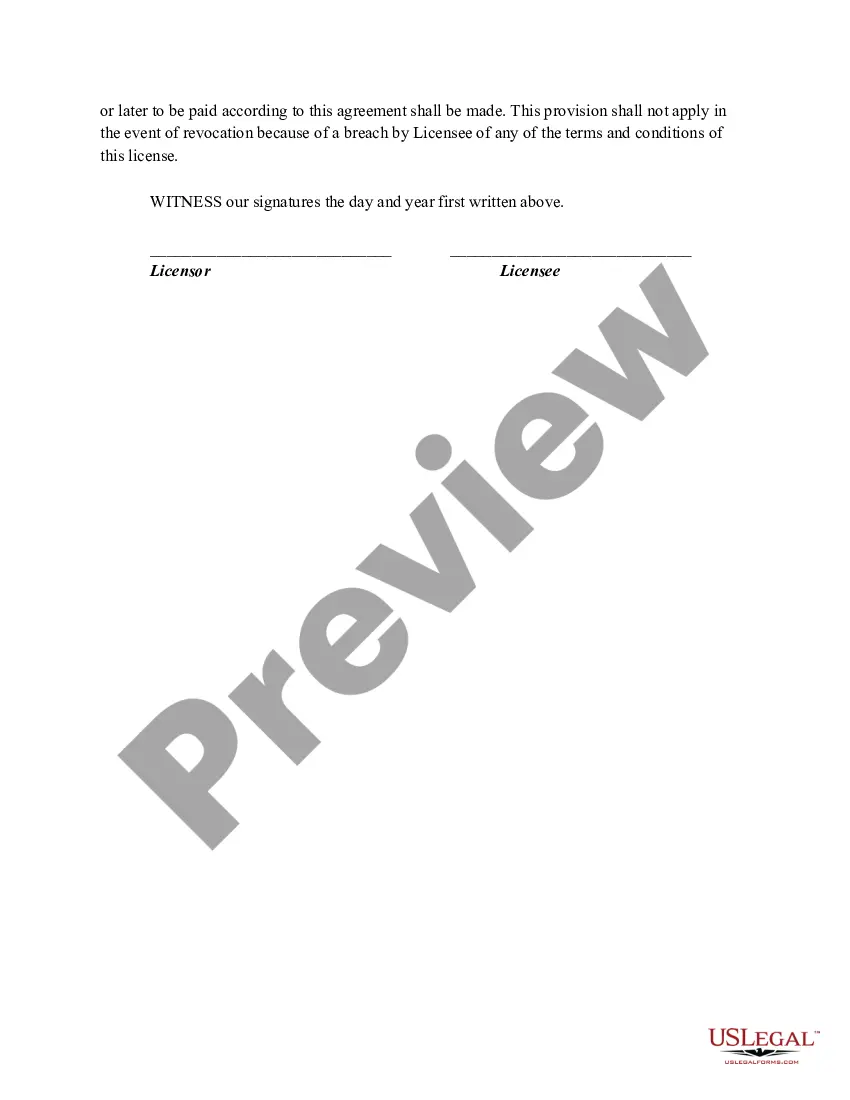
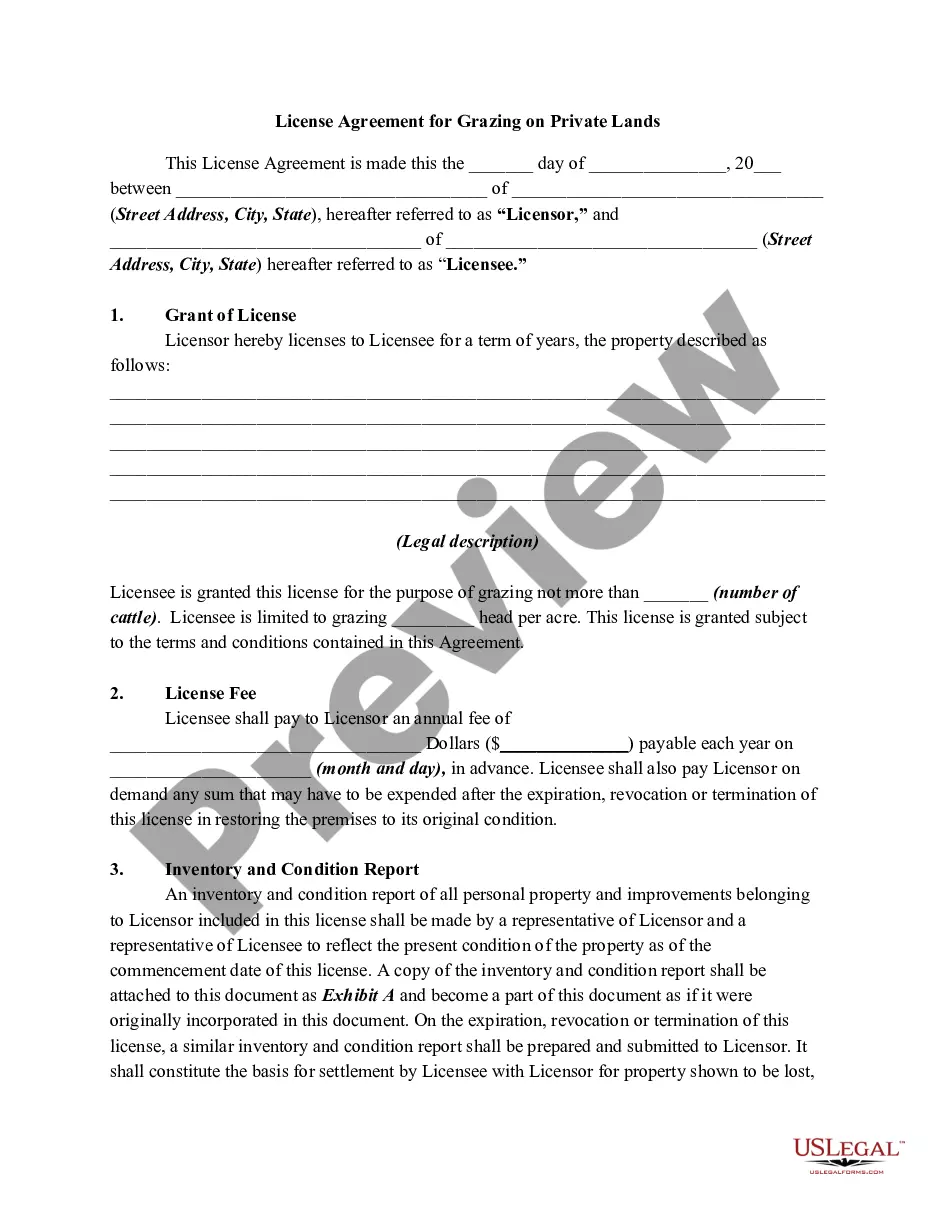
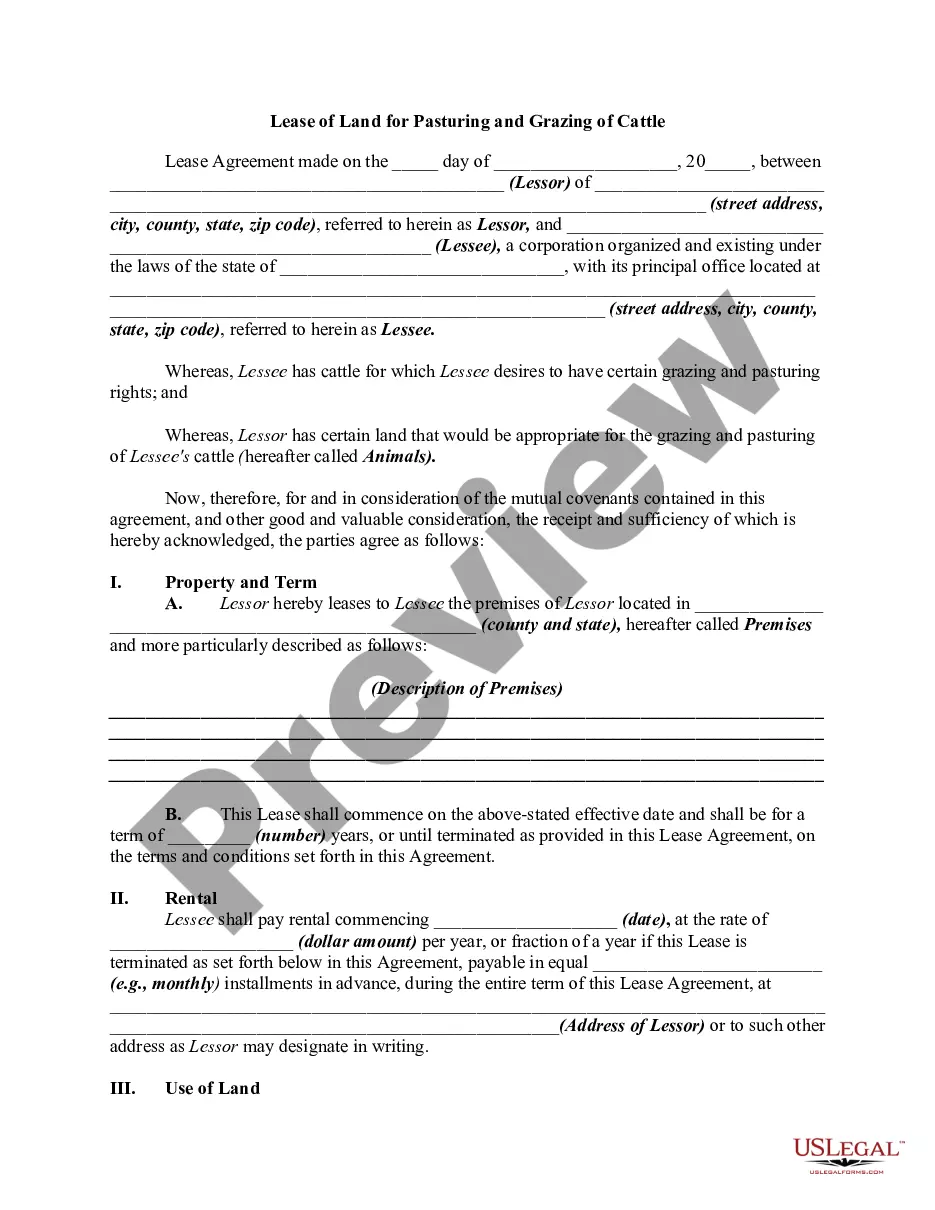
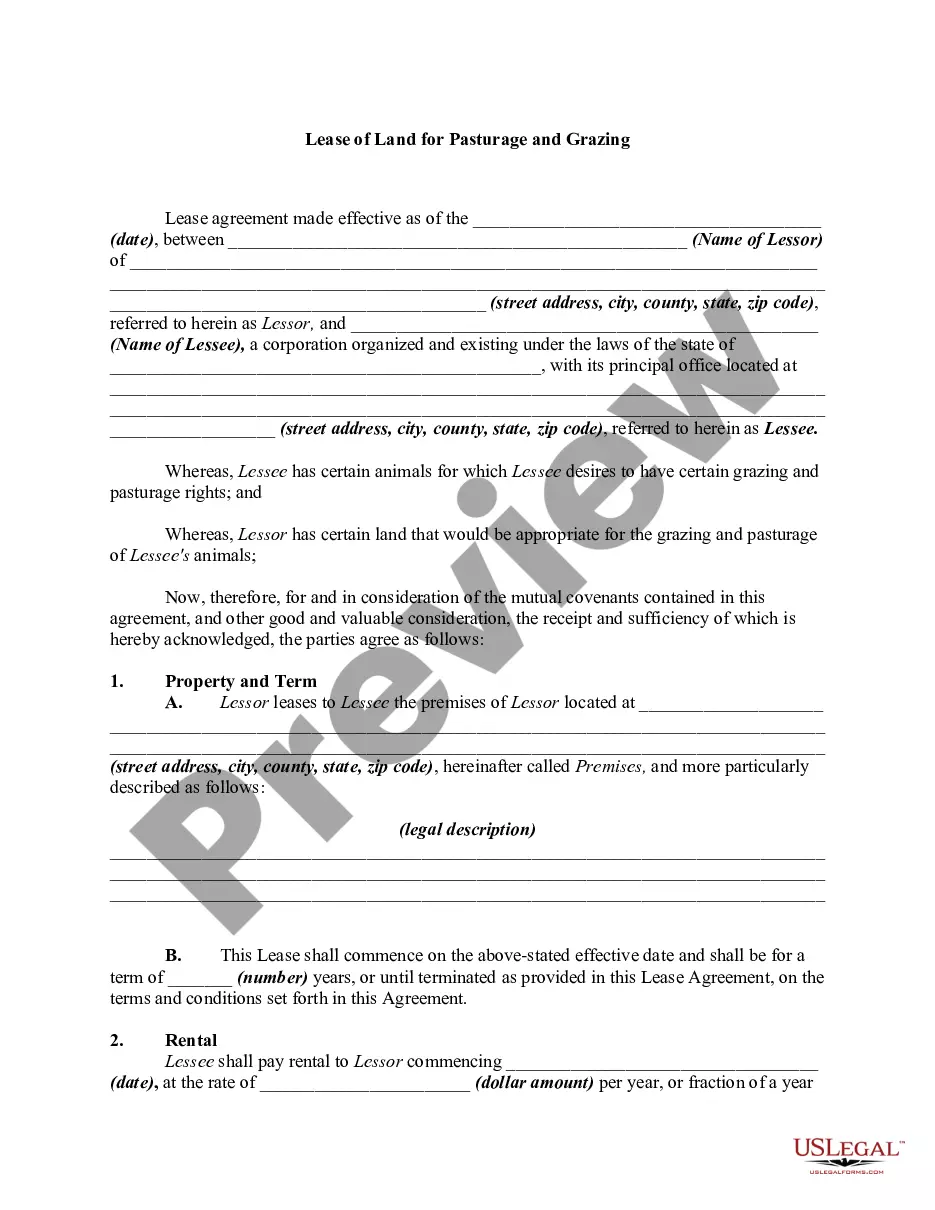
Get your form ready online
Our built-in tools help you complete, sign, share, and store your documents in one place.
Make edits, fill in missing information, and update formatting in US Legal Forms—just like you would in MS Word.
Download a copy, print it, send it by email, or mail it via USPS—whatever works best for your next step.
Sign and collect signatures with our SignNow integration. Send to multiple recipients, set reminders, and more. Go Premium to unlock E-Sign.
If this form requires notarization, complete it online through a secure video call—no need to meet a notary in person or wait for an appointment.
We protect your documents and personal data by following strict security and privacy standards.

Make edits, fill in missing information, and update formatting in US Legal Forms—just like you would in MS Word.

Download a copy, print it, send it by email, or mail it via USPS—whatever works best for your next step.

Sign and collect signatures with our SignNow integration. Send to multiple recipients, set reminders, and more. Go Premium to unlock E-Sign.

If this form requires notarization, complete it online through a secure video call—no need to meet a notary in person or wait for an appointment.

We protect your documents and personal data by following strict security and privacy standards.
Looking for another form?



Form popularity
FAQ
The tenancy agreement should include: the deposit amount and how it will be protected. when the deposit can be fully or partly withheld, for example to repair damage caused by tenants. the property address. the start and end date of the tenancy. any tenant or landlord obligations. which bills your tenants are responsible for.
What is included in a Residential Tenancy Agreement? Landlord and tenant details, including names and contact information. Property details, such as the address. Lease specifics, such as the term and start date. Rent payment details, such as the amount, frequency, due dates, late fees, and acceptable forms of payment.
A gross lease, also known as a full-service lease, is the most common type of commercial lease agreement. In this type of lease, the lessee is responsible for paying the base rent and the lessor generally handles any other building expenses, such as utilities, maintenance costs, taxes, and insurance.
Montgomery County Code Chapter 29 requires all residential and multifamily property owners obtain a rental housing license before their property may be rented or advertised for rent. Rental Housing Licenses are effective for one year from July 1st through June 30th.
Fixed-Term or Long-Term Lease Agreement These are usually 12-15 months long (or another period of time depending on the landlord). It's common for landlords to gravitate toward a fixed-term lease as it is guaranteed stable income for a longer time compared with short-term leases.
License Fees License TypeStructure TypePer Unit/Structure Class I Accessory Dwelling Unit $47 All Others: Garden inium, High-Rise inium, & Piggy-Back Units $64 Class II Single Family Detached House $114 Townhouse $1149 more rows
Montgomery County Code Chapter 29 requires all residential and multifamily property owners obtain a rental housing license before their property may be rented or advertised for rent. Rental Housing Licenses are effective for one year from July 1st through June 30th.
The following are counties/municipalities that require a residential rental license: Anne Arundel County (for properties with two or more dwelling units) Baltimore City. Baltimore County. The City of Frederick. Howard County. Montgomery County. Prince George's County.
