Tenancy Agreement For Rental In Michigan
Description
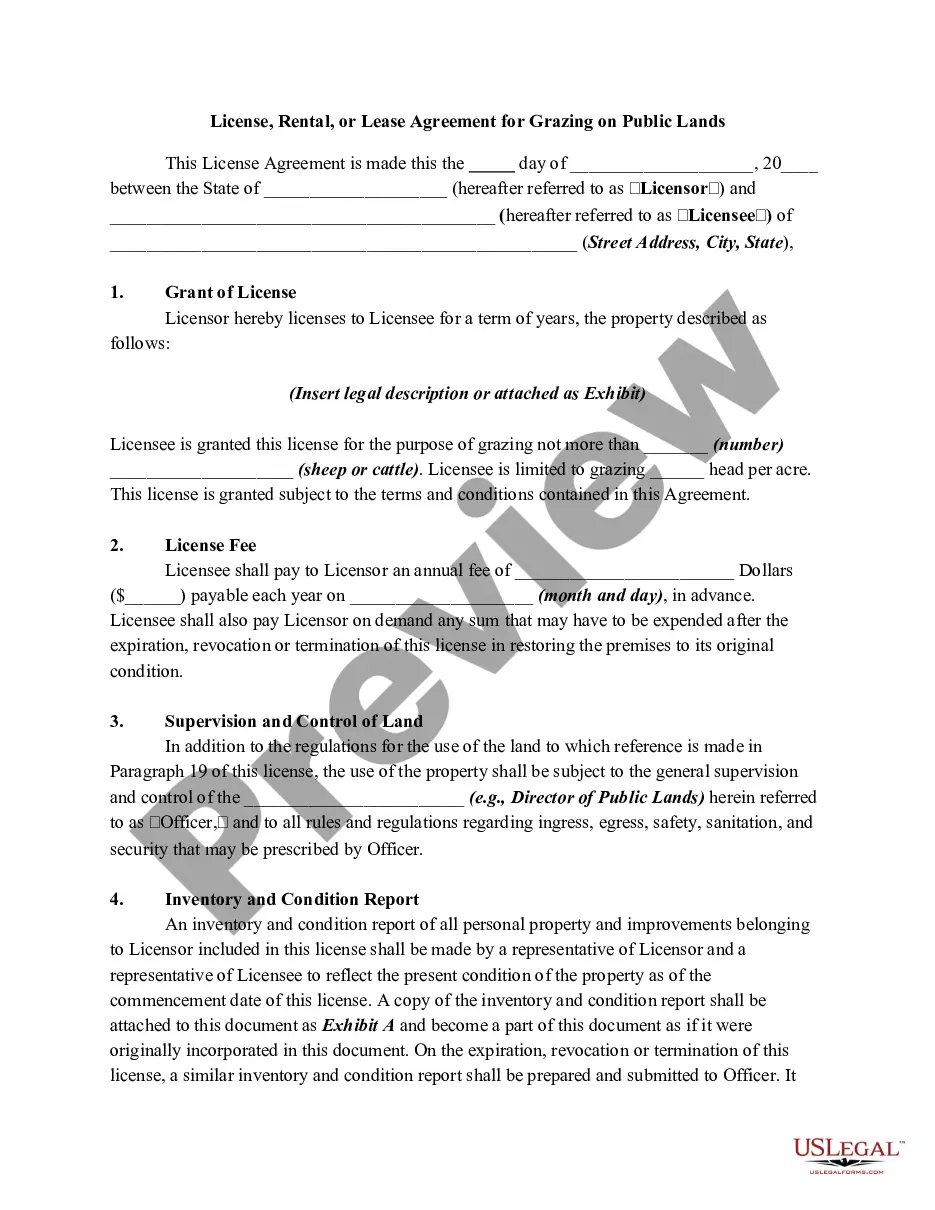
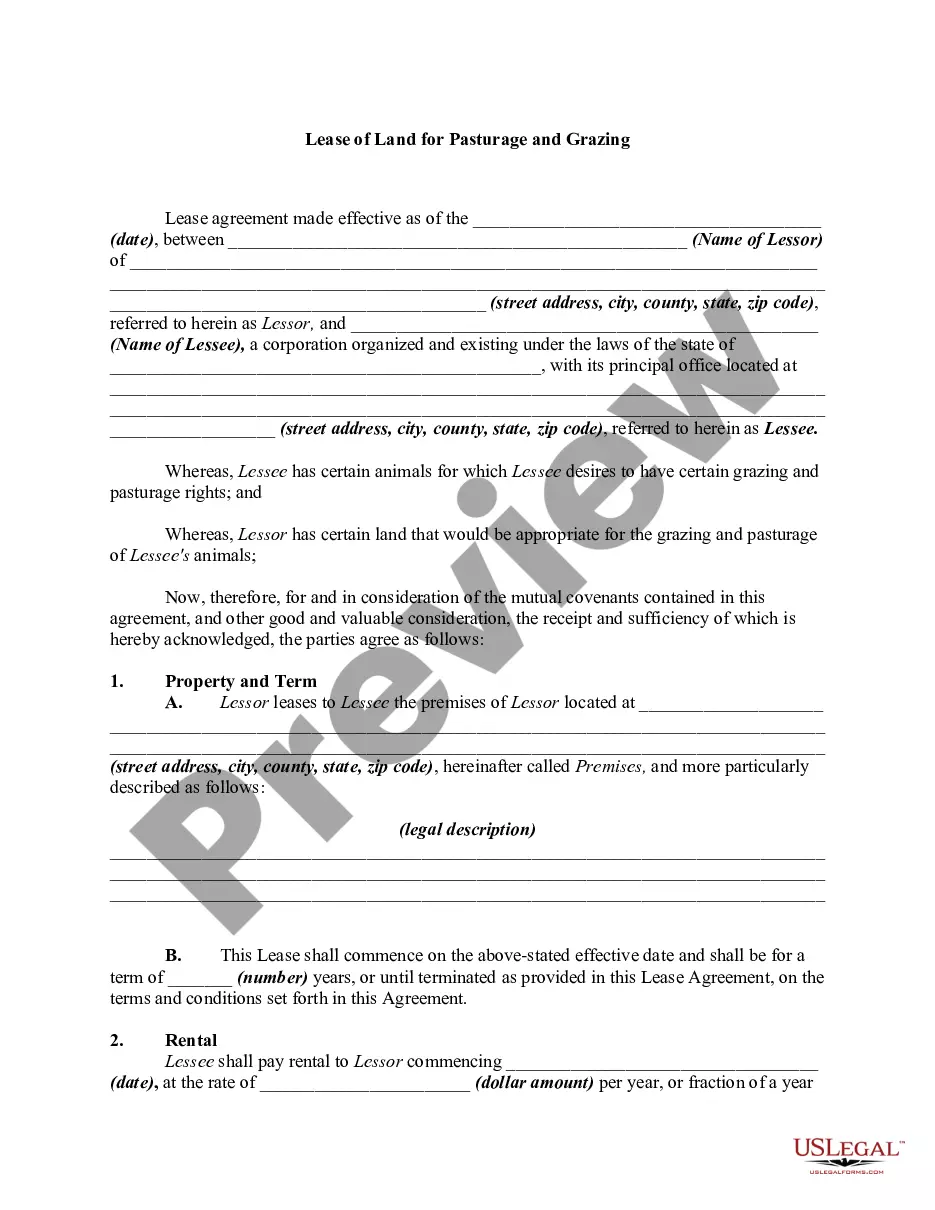
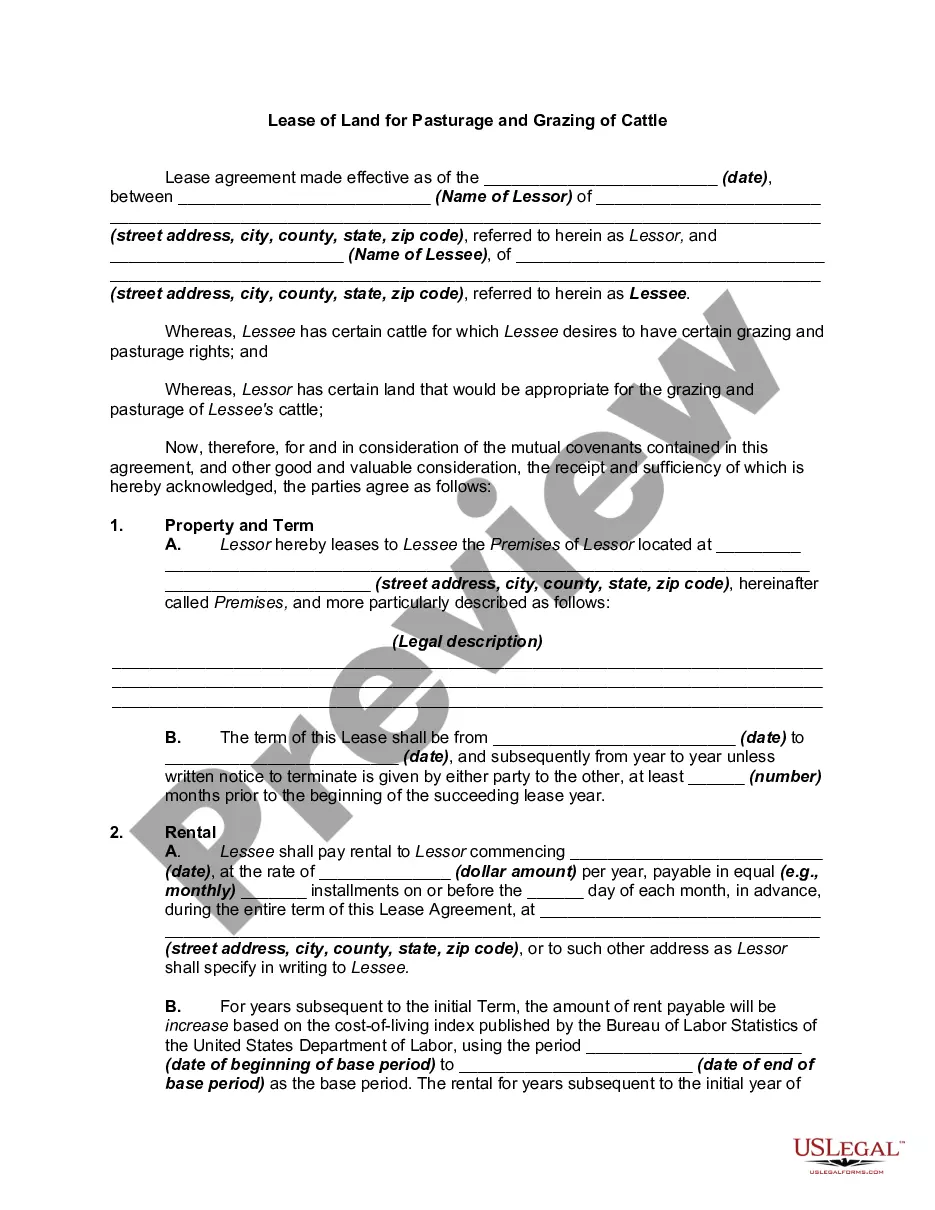
Get your form ready online
Our built-in tools help you complete, sign, share, and store your documents in one place.
Make edits, fill in missing information, and update formatting in US Legal Forms—just like you would in MS Word.
Download a copy, print it, send it by email, or mail it via USPS—whatever works best for your next step.
Sign and collect signatures with our SignNow integration. Send to multiple recipients, set reminders, and more. Go Premium to unlock E-Sign.
If this form requires notarization, complete it online through a secure video call—no need to meet a notary in person or wait for an appointment.
We protect your documents and personal data by following strict security and privacy standards.

Make edits, fill in missing information, and update formatting in US Legal Forms—just like you would in MS Word.

Download a copy, print it, send it by email, or mail it via USPS—whatever works best for your next step.

Sign and collect signatures with our SignNow integration. Send to multiple recipients, set reminders, and more. Go Premium to unlock E-Sign.

If this form requires notarization, complete it online through a secure video call—no need to meet a notary in person or wait for an appointment.

We protect your documents and personal data by following strict security and privacy standards.
Looking for another form?

Form popularity
FAQ
Landlord Requirements Landlord Security Deposit Surety Bond; Power of Attorney (from surety/insurance company); and. Security Deposits Annual Certification form.
To legally operate as a landlord in Michigan, you must apply for a rental license with LARA and obtain a landlord certificate from the local county clerk's office. This certification process ensures that you meet the state requirements and are qualified to manage rental properties within Michigan.
You must apply for a rental license from the Michigan Department of Licensing and Regulatory Affairs (LARA). You will also need to obtain a landlord certificate from your county clerk's office. In addition, you may need to obtain additional local permits or licenses in order to rent out your home in certain cities.
A new Michigan law bans many landlords from rejecting tenants based on source of income, like housing vouchers, veterans' benefits or Social Security. Gov. Gretchen Whitmer signed three Senate bills of a five-bill package Monday, Dec. 30, that prohibits landlords from discriminating based on source of income.
To legally rent out a property in Michigan, a landlord must ensure the property meets health and safety codes, provide a habitable housing condition, follow fair housing laws, and have a clear rental agreement with the tenant.
Under Senate Bills 205, 206 and 207, landlords cannot deny a renter housing based on their source of income including Section 8 housing choice vouchers, public assistance, veterans' benefits, Social Security, supplemental security income or other retirement programs.
No. Michigan Lease Agreements do not need to be notarized. The Rental Contract is legally binding as long as it's signed by both the Landlord, or the lessor, and the Tenant, or the lessee.
The most common types include joint tenancy, tenancy in common, tenants by entirety, sole ownership, and community property.
Under Senate Bills 205, 206 and 207, landlords cannot deny a renter housing based on their source of income including Section 8 housing choice vouchers, public assistance, veterans' benefits, Social Security, supplemental security income or other retirement programs.
Assured Tenancy (AT) and Assured Shorthold Tenancy (AST) agreements offer more security than other tenancies as they offer the tenant more rights. For an agreement to be an Assured Tenancy, the tenant needs to occupy the property as their sole residence, and they have to be an individual, not a company.
