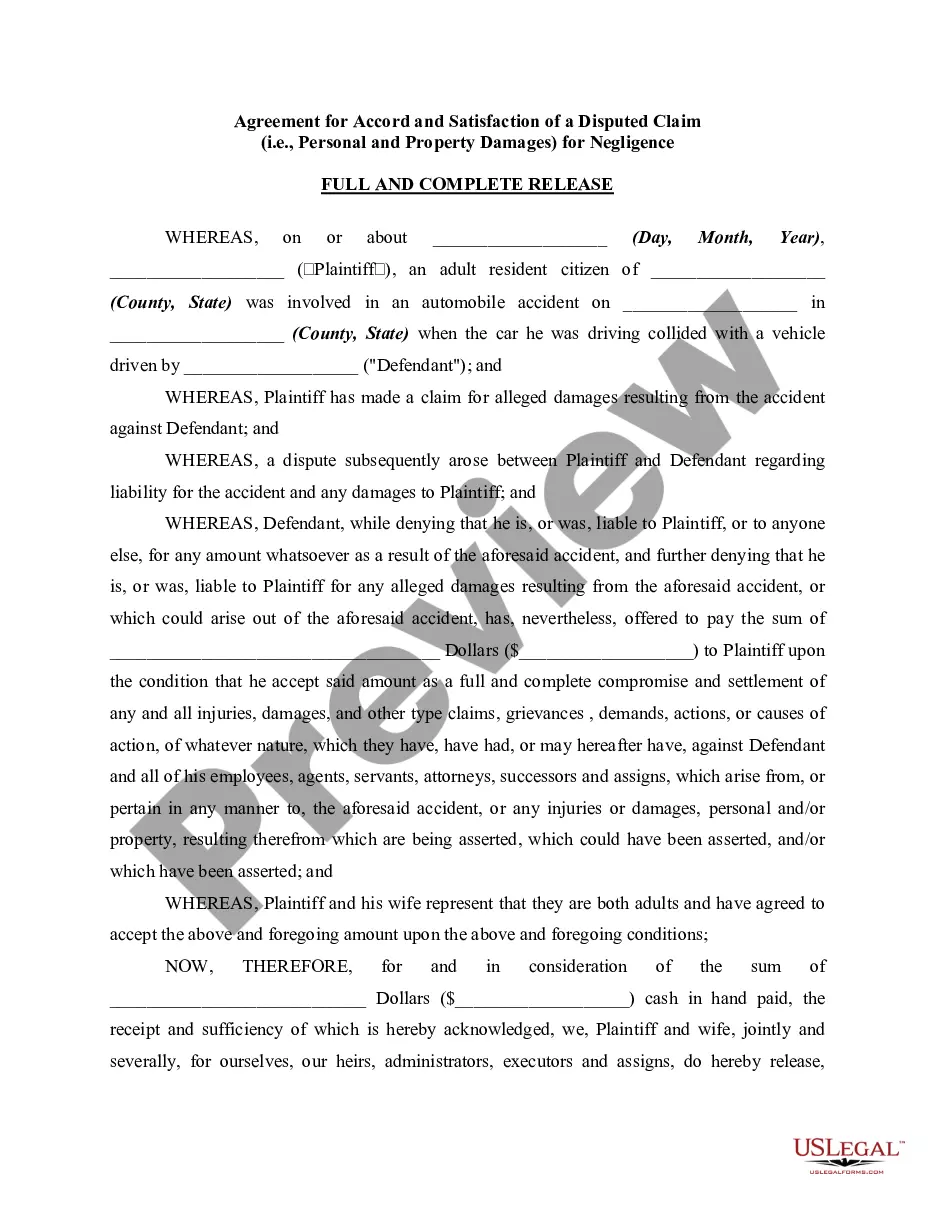
Denied Claim Agreement For Authorization In Salt Lake
Description
Get your form ready online
Our built-in tools help you complete, sign, share, and store your documents in one place.
Make edits, fill in missing information, and update formatting in US Legal Forms—just like you would in MS Word.
Download a copy, print it, send it by email, or mail it via USPS—whatever works best for your next step.
Sign and collect signatures with our SignNow integration. Send to multiple recipients, set reminders, and more. Go Premium to unlock E-Sign.
If this form requires notarization, complete it online through a secure video call—no need to meet a notary in person or wait for an appointment.
We protect your documents and personal data by following strict security and privacy standards.
Make edits, fill in missing information, and update formatting in US Legal Forms—just like you would in MS Word.
Download a copy, print it, send it by email, or mail it via USPS—whatever works best for your next step.
Sign and collect signatures with our SignNow integration. Send to multiple recipients, set reminders, and more. Go Premium to unlock E-Sign.
If this form requires notarization, complete it online through a secure video call—no need to meet a notary in person or wait for an appointment.
We protect your documents and personal data by following strict security and privacy standards.
Looking for another form?




Form popularity
FAQ
Laborcom@utah.
Penalties They include: Penalties of at least $1,000; Injunctions prohibiting continued business operations; and. Loss of the protection of the “exclusive remedy,” which means that the employer and its employees can be sued in court for damages by an injured worker.
If Your Employment Rights Are Violated If you believe your employment rights have been violated you can either call the Disability Law Center, file a complaint with the Utah AntiDiscrimination and Labor Division (UALD), or file a complaint with the Equal Employment Opportunity Committee (EEOC).
Either party may appeal the final ruling of the Labor Commission to the Utah Court of Appeals with a Notice of Appeal. You must file the Notice of Appeal within 30 days of the date on the Commission's written decision.
If your resubmitted claim is denied and you believe the denial was improper, you may appeal the decision ing to the carrier's guidelines. Make sure you know exactly what information you need to submit with your appeal. Keep in mind that appeal procedures may vary by insurance company and state law.
If your request for prior authorization is denied, then you and your patient will be notified about the denial. The first step is to understand the reason behind the denial, so contact the health insurance company to find out the problem. For example, a PA request for a medication might be rejected due to many reasons.
They would need to first contact the insurance company and ask why the claim was denied. If the insurance company indicates a billing error or missing information, patients can work with their physician to review the paperwork and fix any errors that caused the denial.
Once you have a reason for the denial, it's time to partner with your physician's office. Give them the reason for the denial and see if there is any additional information they can provide to support the prior authorization request. Get copies of your consult notes, test results and any additional information needed.
Best Practices for Avoiding Prior Authorization Denials Double-check the billing codes. Use the correct spelling for all names. Fully detail why you've recommended the treatment. Outline any treatments the patient has already tried and failed. Back up your claims with evidence-based clinical guidelines.

