Here Denied Claim For Medical Necessity
Description
Get your form ready online
Our built-in tools help you complete, sign, share, and store your documents in one place.
Make edits, fill in missing information, and update formatting in US Legal Forms—just like you would in MS Word.
Download a copy, print it, send it by email, or mail it via USPS—whatever works best for your next step.
Sign and collect signatures with our SignNow integration. Send to multiple recipients, set reminders, and more. Go Premium to unlock E-Sign.
If this form requires notarization, complete it online through a secure video call—no need to meet a notary in person or wait for an appointment.
We protect your documents and personal data by following strict security and privacy standards.

Make edits, fill in missing information, and update formatting in US Legal Forms—just like you would in MS Word.

Download a copy, print it, send it by email, or mail it via USPS—whatever works best for your next step.

Sign and collect signatures with our SignNow integration. Send to multiple recipients, set reminders, and more. Go Premium to unlock E-Sign.

If this form requires notarization, complete it online through a secure video call—no need to meet a notary in person or wait for an appointment.

We protect your documents and personal data by following strict security and privacy standards.
Looking for another form?
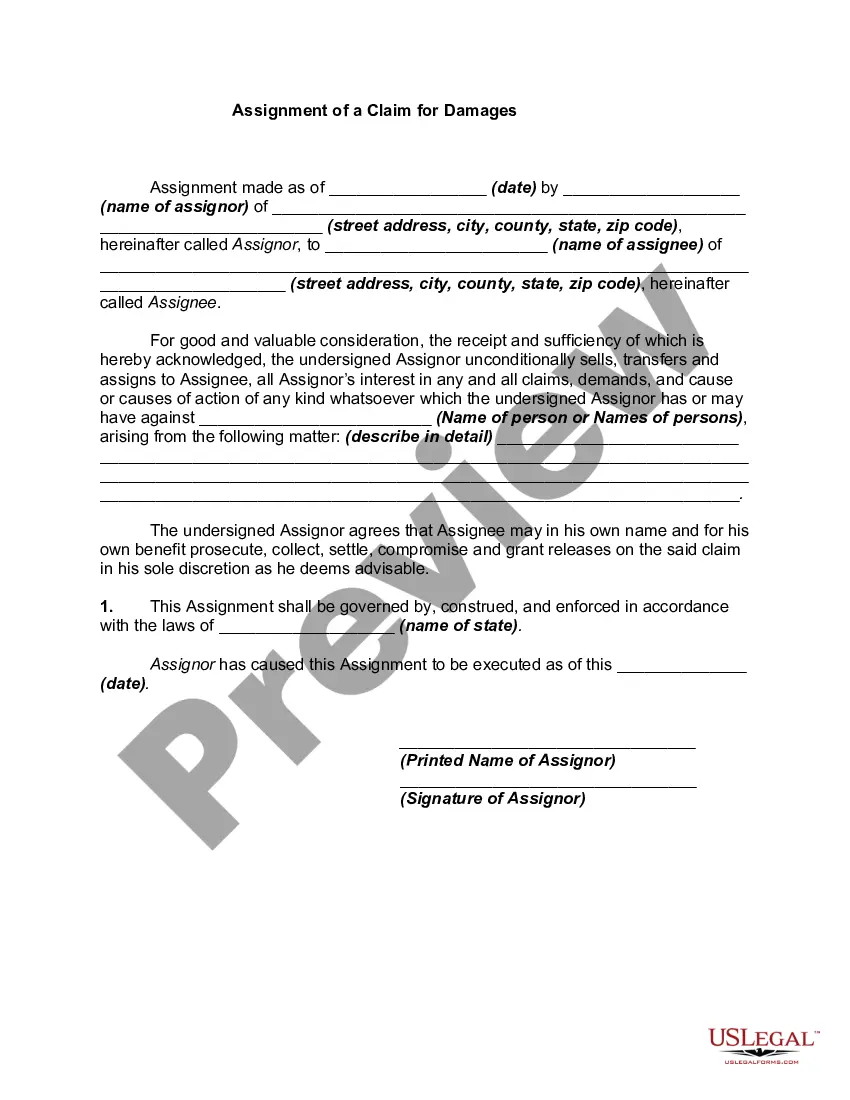

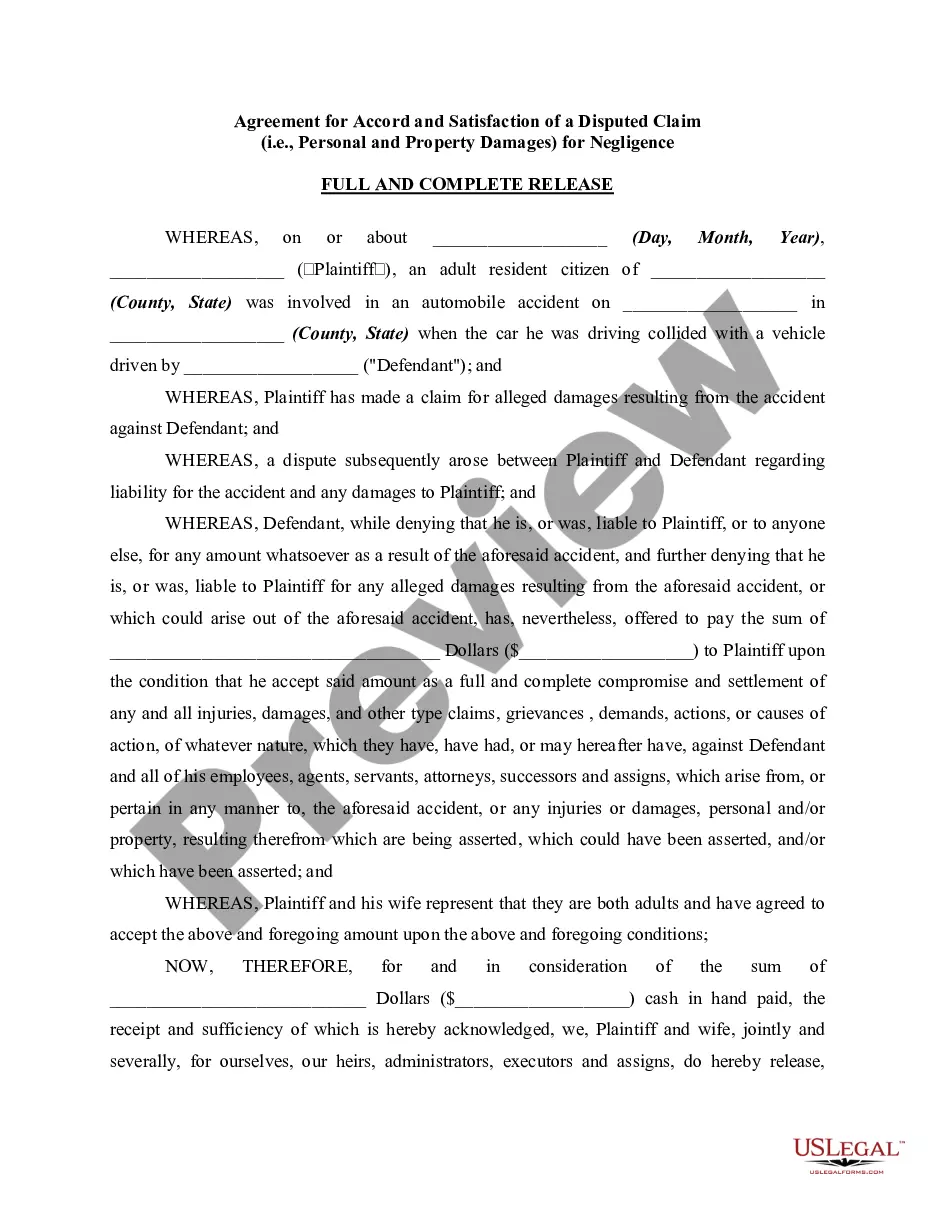
How to fill out Agreement For Accord And Satisfaction Of A Disputed Claim?
Managing legal documents can be perplexing, even for experienced professionals.
When you are focused on a Here Denied Claim For Medical Necessity and lack the opportunity to spend time searching for the right and current version, the processes can be daunting.
Access legal and business documents specific to your state or county.
US Legal Forms meets all your requirements, whether personal or commercial, all in one location.
If you are a first-time user of US Legal Forms, create an account and gain unlimited access to all the platform's benefits. Here are the steps to follow after downloading the desired form: Confirm this is the correct form by previewing it and reviewing its description. Ensure the sample is accepted in your state or county. Click Buy Now when you are prepared. Choose a monthly subscription plan. Select the file format you prefer, and Download, fill out, sign, print, and dispatch your documents. Experience the US Legal Forms web library, supported by 25 years of expertise and credibility. Enhance your daily document management into a seamless and user-friendly experience today.
- Utilize advanced tools to fill out and manage your Here Denied Claim For Medical Necessity.
- Tap into a helpful repository of articles, guides, and resources relevant to your situation and requirements.
- Conserve time and effort in finding the necessary documents, and use US Legal Forms’ advanced search and Review feature to locate Here Denied Claim For Medical Necessity and obtain it.
- If you possess a membership, Log In to your US Legal Forms account, search for the form, and retrieve it.
- Check the My documents tab to see the documents you have previously saved and organize your folders according to your needs.
- A comprehensive online form repository can be a transformative solution for anyone looking to effectively navigate these situations.
- US Legal Forms is an industry frontrunner in online legal documents, featuring over 85,000 state-specific legal forms available at any moment.
- With US Legal Forms, you can.
Form popularity
FAQ
To appeal a medical necessity denial, first read the denial letter carefully to understand the reasons for the decision. Gather necessary documentation, including your medical records and any letters from your healthcare provider. Submitting a well-organized appeal that addresses the insurance company's concerns can increase your chances of success in converting a here denied claim for medical necessity.
Justifying medical necessity involves presenting clear evidence that a treatment is appropriate, necessary, and effective for your diagnosis. You may need to include information about the standard of care for your condition and how the recommended treatment aligns with that. Addressing these points directly can help you overcome barriers related to a here denied claim for medical necessity.
To prove medical necessity, you must provide documentation that illustrates the need for a particular medical service or treatment. This can include detailed medical records, statements from healthcare providers, and any relevant test results that support your claim. By effectively presenting this information, you can strengthen your position when facing a here denied claim for medical necessity.
A medical necessity appeal letter is a formal request to an insurance company to reconsider a denied claim for medical necessity. In this letter, you should clearly state your condition, the treatments that were provided, and why those treatments are essential for your health. Incorporating supporting documents from your healthcare provider can enhance your case, especially when addressing a here denied claim for medical necessity.
If a claim is denied due to medical necessity, you are left with the option to appeal the decision. This process often involves submitting detailed documentation explaining why the care you received was necessary. It's important to act quickly, as there are typically deadlines for appeals. Platforms like US Legal Forms can assist you in navigating this process effectively, helping you challenge a here denied claim for medical necessity.
To fix medical necessity denials, start by reviewing the denial letter for specific reasons. Gather evidence, such as medical records and physician notes, that support the necessity of the treatment. You may then submit an appeal to your insurance company, presenting this information clearly. Platforms like US Legal Forms can guide you through the appeal process, ensuring your case is well-represented.
When your insurance states that a procedure or treatment is not medically necessary, it means they believe the care you received or intend to receive is not essential for your health. This determination may come from their medical guidelines or peer reviews. You can challenge this decision by providing additional evidence of the necessity of the treatment. If you encounter a here denied claim for medical necessity, gathering comprehensive documentation is key.
When a healthcare claim is denied, you receive a notice from your insurance company explaining the denial. This notice includes details on why the claim was denied. It's crucial to understand these reasons, as addressing them can lead to a favorable resolution. If you face a denied claim for medical necessity, you may need to review your insurance policy and gather supporting documentation.
The 177 denial code denotes that a service is denied because it is not covered under the patient's benefit plan. This code often indicates that a misunderstanding of the insurance policy took place. If you encounter a denied claim for medical necessity, reviewing your plan documents or consulting with USLegalForms can help clarify the situation and assist in forming an appeal.
To fill out a medical necessity letter, start by including your personal information, the patient's details, and the specific services being contested. Clearly explain the medical rationale for the treatment, referencing clinical guidelines and provider notes as necessary. Online resources like USLegalForms can offer templates and examples to ensure your letter addresses all critical points effectively.
