Form Corporation Corporate For Llc
Description

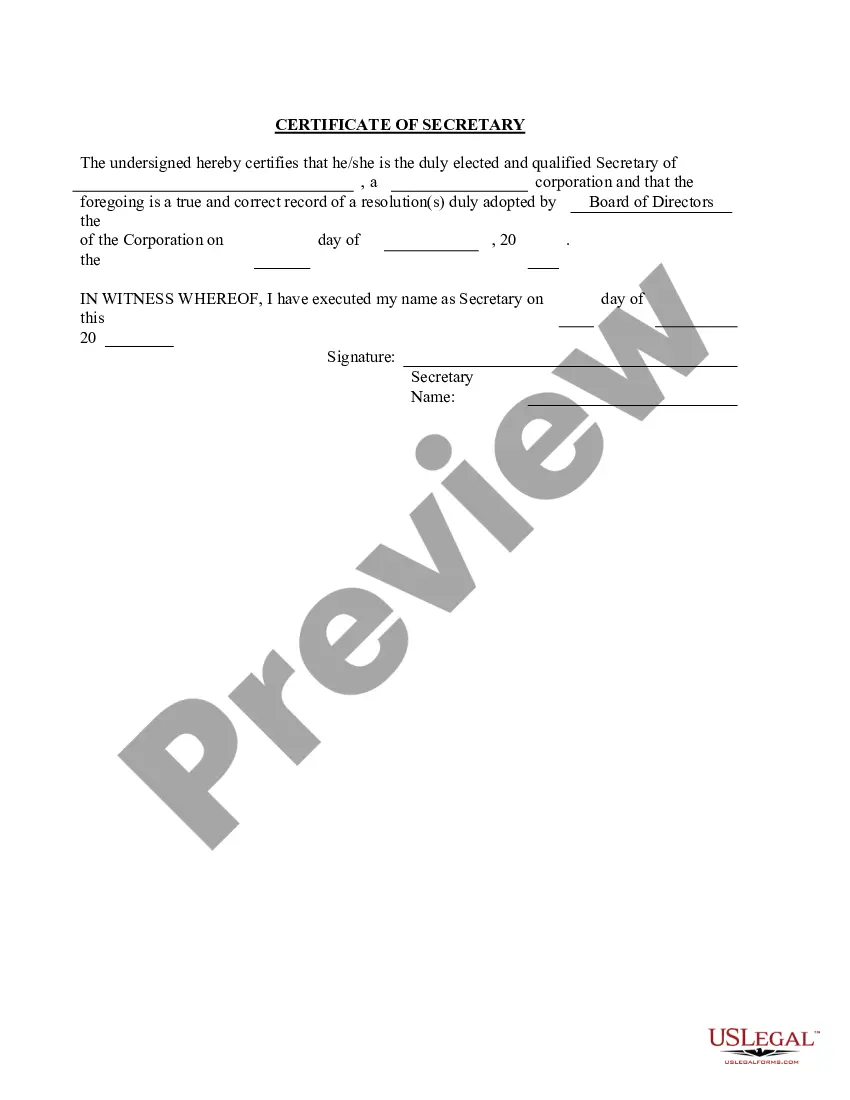
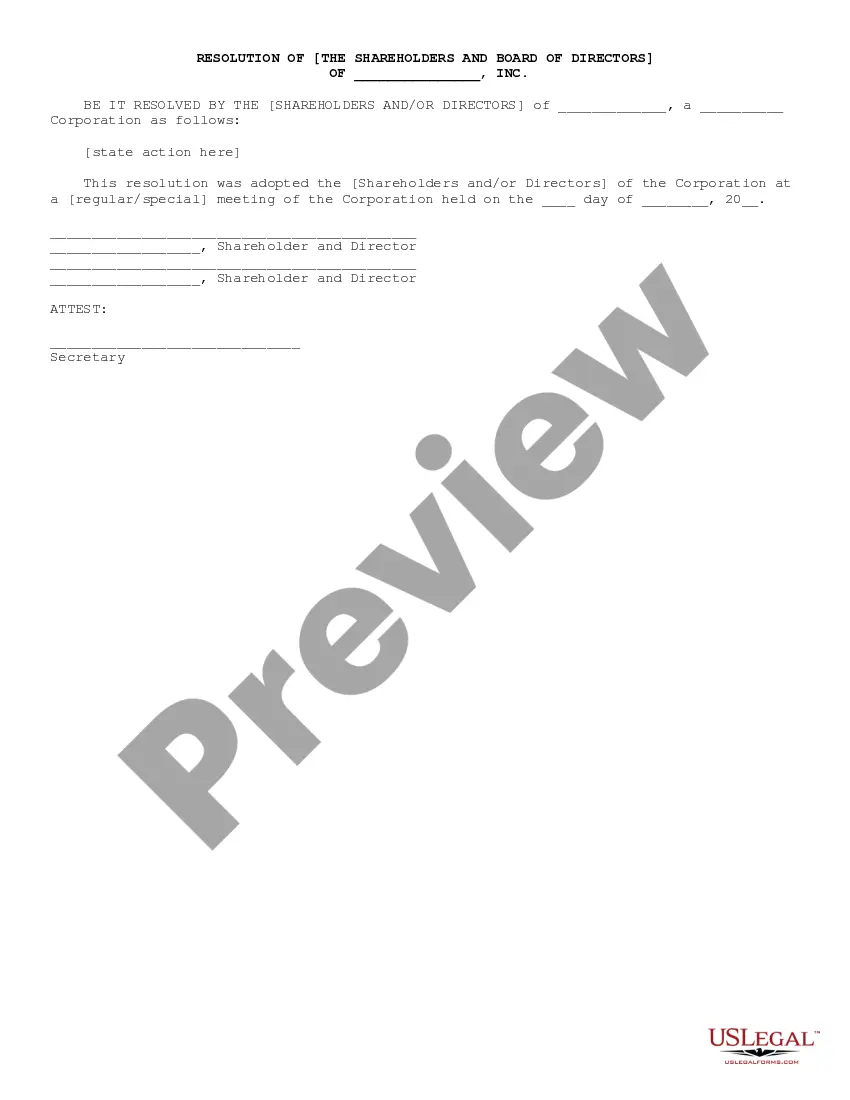
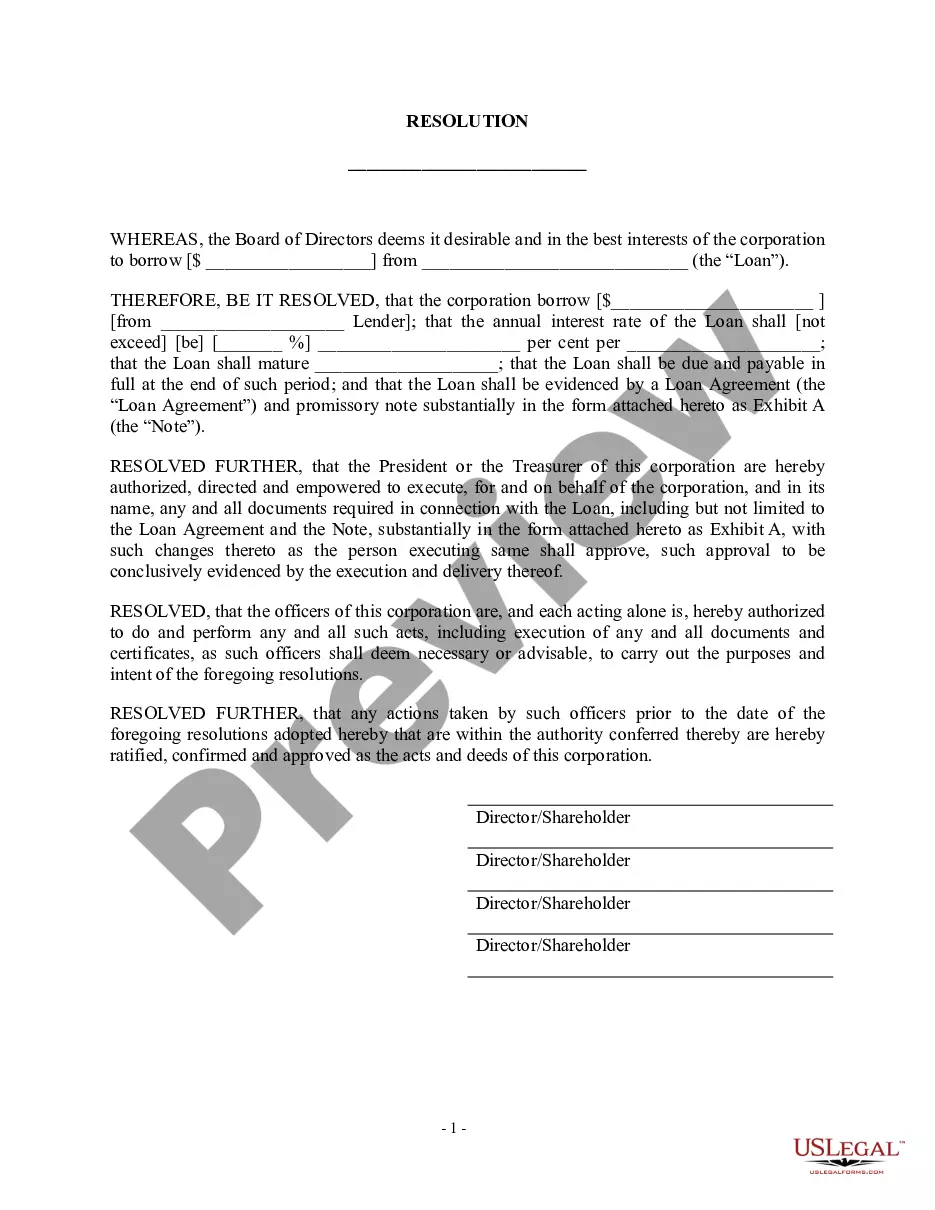
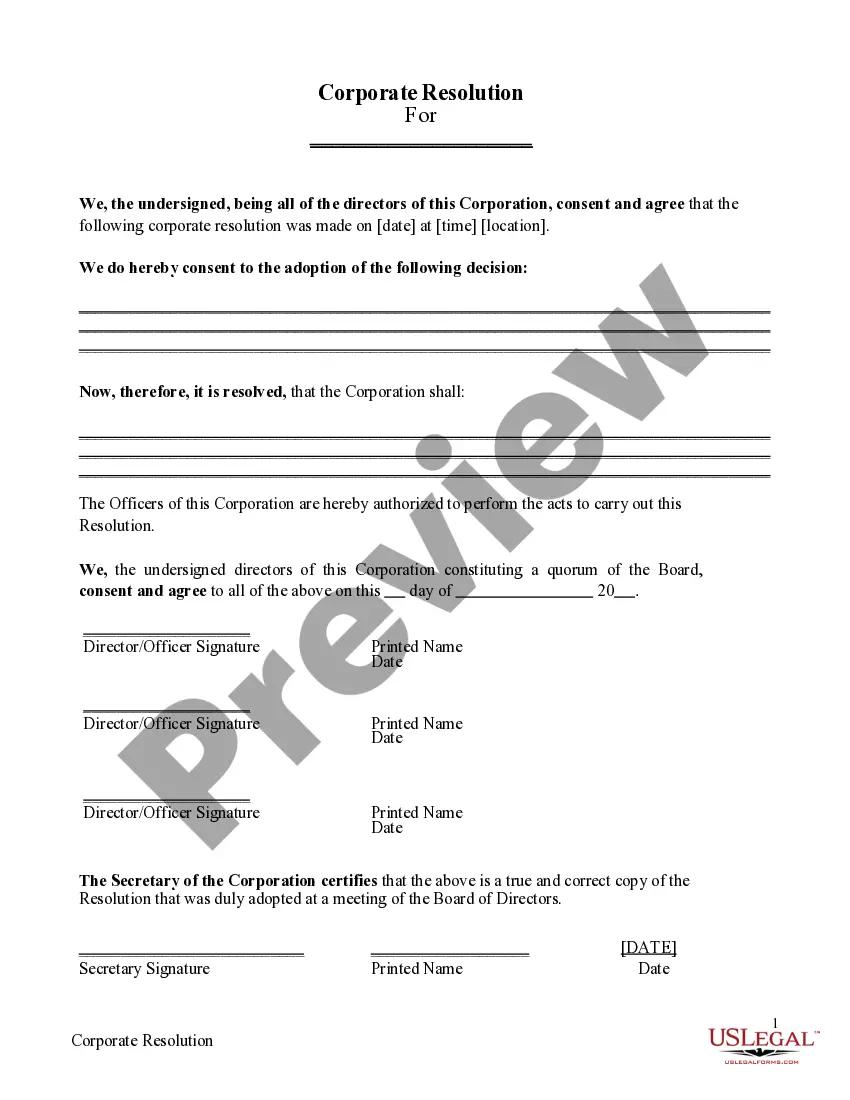
Get your form ready online
Our built-in tools help you complete, sign, share, and store your documents in one place.
Make edits, fill in missing information, and update formatting in US Legal Forms—just like you would in MS Word.
Download a copy, print it, send it by email, or mail it via USPS—whatever works best for your next step.
Sign and collect signatures with our SignNow integration. Send to multiple recipients, set reminders, and more. Go Premium to unlock E-Sign.
If this form requires notarization, complete it online through a secure video call—no need to meet a notary in person or wait for an appointment.
We protect your documents and personal data by following strict security and privacy standards.

Make edits, fill in missing information, and update formatting in US Legal Forms—just like you would in MS Word.

Download a copy, print it, send it by email, or mail it via USPS—whatever works best for your next step.

Sign and collect signatures with our SignNow integration. Send to multiple recipients, set reminders, and more. Go Premium to unlock E-Sign.

If this form requires notarization, complete it online through a secure video call—no need to meet a notary in person or wait for an appointment.

We protect your documents and personal data by following strict security and privacy standards.
Looking for another form?




How to fill out Loan Form Corporation - Corporate Resolutions?
Regardless of whether it is for professional needs or personal matters, everyone will inevitably have to handle legal circumstances at some point in their lives.
Completing legal forms requires meticulous attention, starting with choosing the correct form template.
Once it is downloaded, you can complete the form using editing software or print it and finish it manually. With a comprehensive US Legal Forms library available, you will never have to waste time searching for the right template online. Use the library’s user-friendly navigation to find the suitable template for any circumstance.
- For example, if you select an incorrect version of the Form Corporation Corporate For Llc, it will be denied upon submission.
- Thus, it is crucial to have a trustworthy provider of legal documents like US Legal Forms.
- If you need to acquire a Form Corporation Corporate For Llc template, follow these simple steps.
- Utilize the search bar or directory to locate the template you require.
- Review the form’s details to confirm it aligns with your situation, state, and county.
- Examine the form’s preview to assess it.
- If it is the wrong form, return to the search option to find the Form Corporation Corporate For Llc template you need.
- Download the template if it fulfills your needs.
- If you have a US Legal Forms account, simply click Log in to retrieve previously saved templates in My documents.
- If you do not have an account yet, you may obtain the form by clicking Buy now.
- Select the correct pricing option.
- Fill out the profile registration form.
- Choose your payment method: you can utilize a credit card or PayPal account.
- Select the file format you desire and download the Form Corporation Corporate For Llc.
Form popularity
FAQ
If you've formed an LLC, you can't treat it as a C-corp, unless you go through the legal process of making it a corporate entity. The IRS will allow you to file as a C-corp for tax purposes, but you have to comply with income tax rules that pertain to C-corps for a minimum amount of time.
LLC or S-corp are better for small businesses while C-corps are generally preferred for larger business operations. The benefits of a C-corp include liability protection, expansion opportunities and the ability to continue operating regardless of changes in ownership.
Disregarded entities are the simplest tax classification with straightforward tax reporting. Your LLC is not taxed or required to file a tax return. Instead, the business profits and losses pass to you as the sole owner to be reported on your personal income tax return.
This form is used to elect a new tax classification "entity". If your business is an LLC with multiple owners, then it is classified as a partnership by default. You can use Form 8832 to elect to be taxed as a C-Corp. If you want the LLC to be taxed as an S-Corp, see Form 2553.