Proof Of Residency For Dmv In Travis
Description
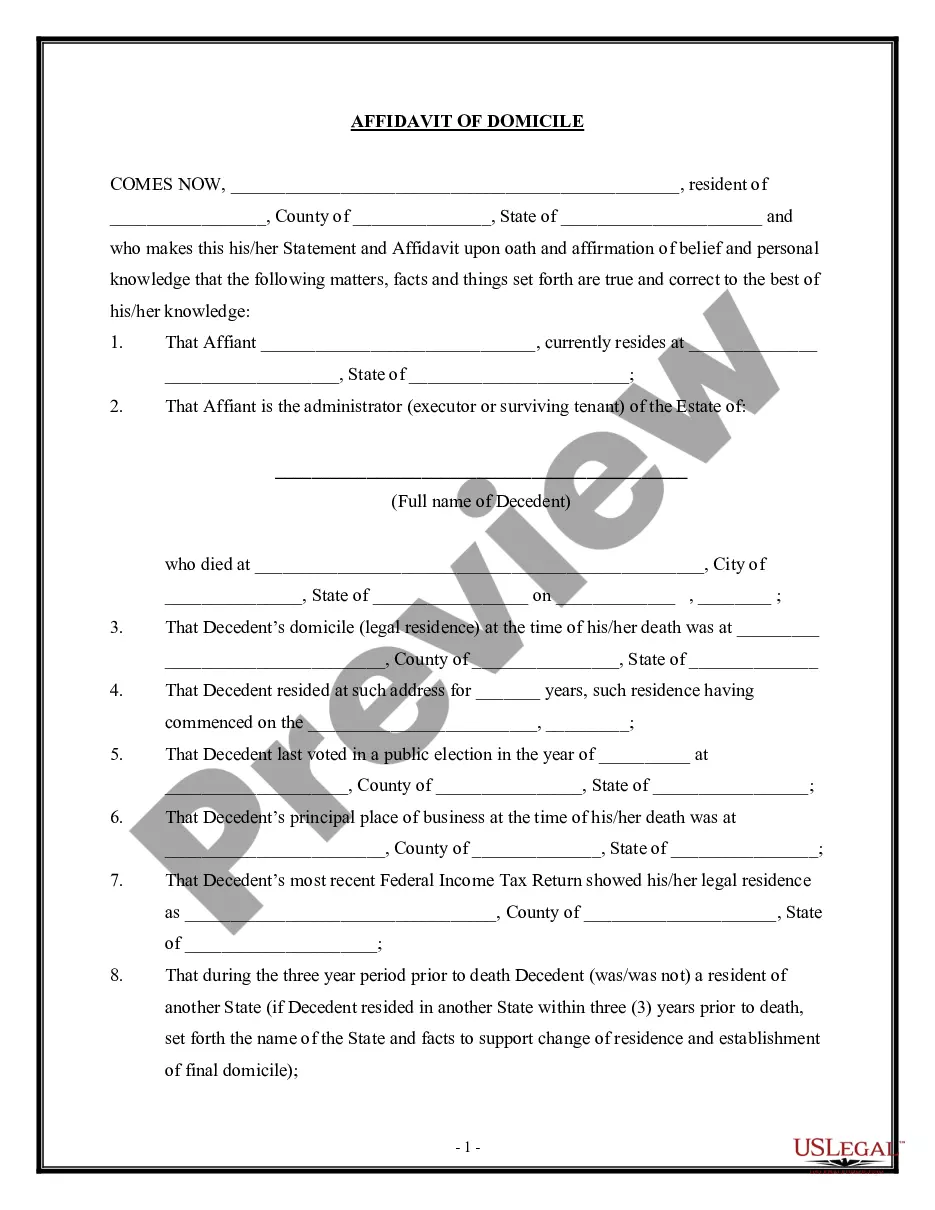
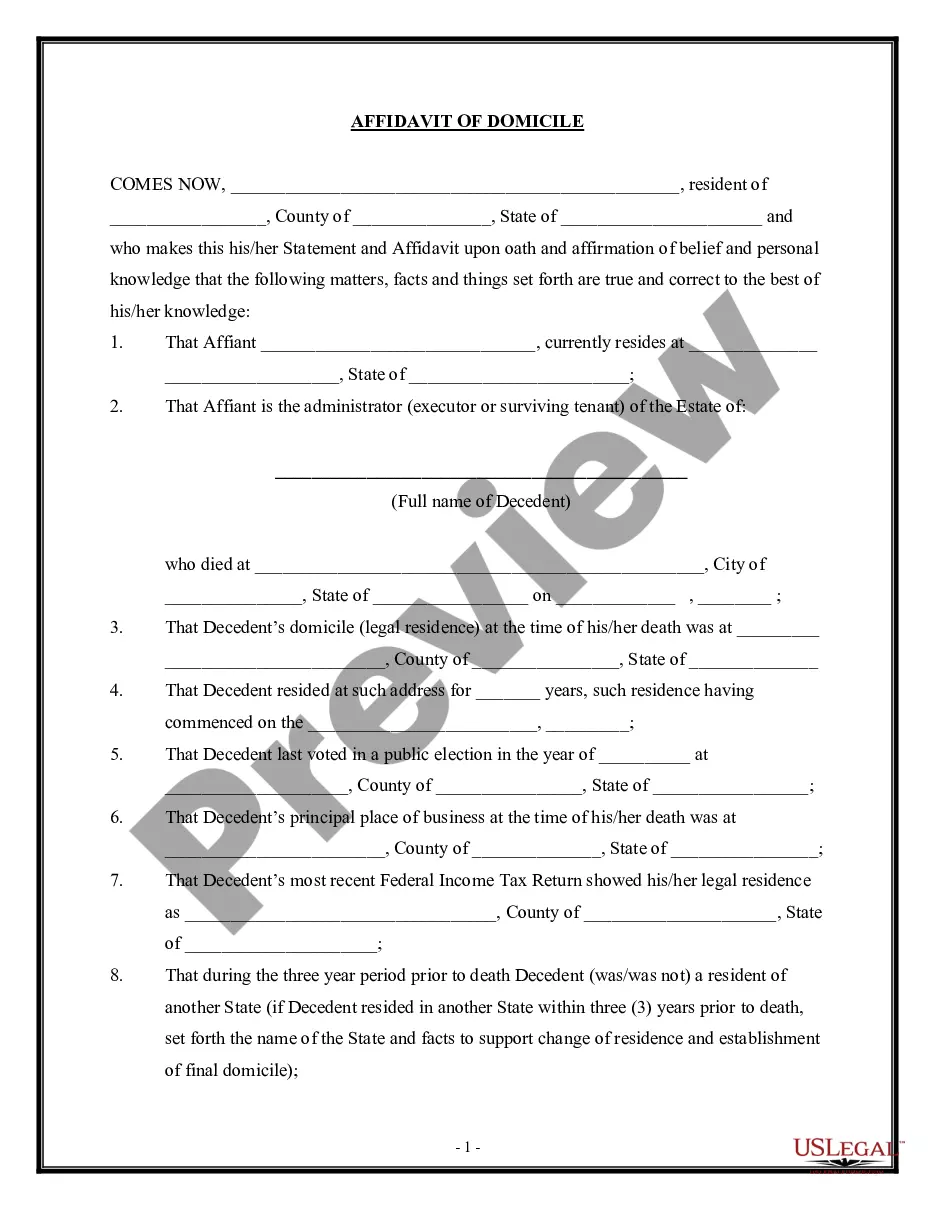
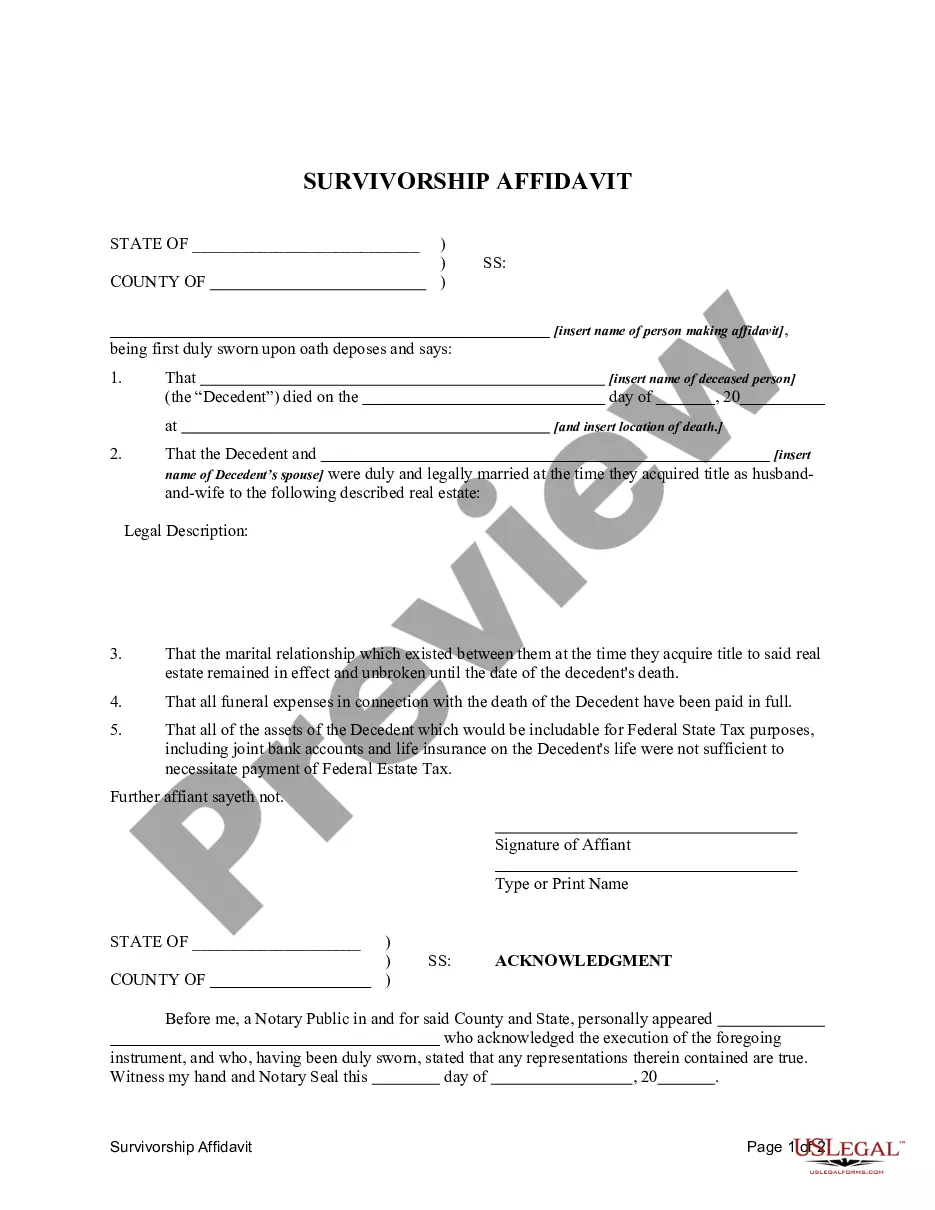
Get your form ready online
Our built-in tools help you complete, sign, share, and store your documents in one place.
Make edits, fill in missing information, and update formatting in US Legal Forms—just like you would in MS Word.
Download a copy, print it, send it by email, or mail it via USPS—whatever works best for your next step.
Sign and collect signatures with our SignNow integration. Send to multiple recipients, set reminders, and more. Go Premium to unlock E-Sign.
If this form requires notarization, complete it online through a secure video call—no need to meet a notary in person or wait for an appointment.
We protect your documents and personal data by following strict security and privacy standards.
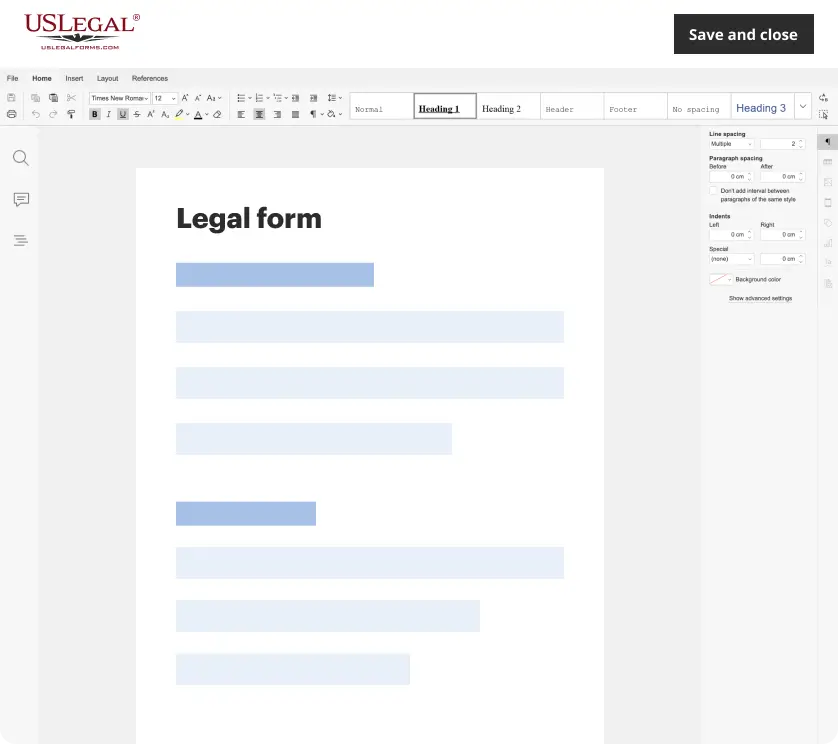
Make edits, fill in missing information, and update formatting in US Legal Forms—just like you would in MS Word.
Download a copy, print it, send it by email, or mail it via USPS—whatever works best for your next step.
Sign and collect signatures with our SignNow integration. Send to multiple recipients, set reminders, and more. Go Premium to unlock E-Sign.

If this form requires notarization, complete it online through a secure video call—no need to meet a notary in person or wait for an appointment.
We protect your documents and personal data by following strict security and privacy standards.
Looking for another form?

Form popularity
FAQ
Voter registration. Document from a government entity. Letter on letterhead from a homeless shelter, nonprofit, faith based organization, etc that attests to your residency in the state. See if you can google a list of acceptable residency documents for your state DMV.
Registration Next, it's time to get your vehicle registration sticker and license plates. To do this, you must visit your local county tax-assessor collector office. You will need your insurance card and proof you own the vehicle, such as the registration or title from your previous state.
(e) Acceptable proof of domicile documents are: (1) current deed, mortgage, monthly mortgage statement, mortgage payment booklet, or a residential rental/lease agreement.
Do you need a driver's license to register and plate a vehicle in Texas? ing to the Texas Department of Motor Vehicles, you do not need a driver's license to register and plate a vehicle. Unfortunately, you need auto insurance to register a car, and in order to get auto insurance, you need a driver's license.
(h) If the individual cannot provide two documents from the acceptable proof of domicile list, the individual may submit a Texas residency affidavit executed by: (1) An individual who resides at the same residence address as the applicant.
Provide the following documentation to the license and permit specialist: Completed driver license Application form. Proof of U.S. Citizenship or Lawful Presence (if not a U.S. Citizen) Proof of Texas Residency, and. Proof of Identity.
Current official document with your name and address A utility bill, credit card statement, lease agreement or mortgage statement will all work to prove residency. If you've gone paperless, print a billing statement from your online account.
(e) Acceptable proof of domicile documents are: (1) current deed, mortgage, monthly mortgage statement, mortgage payment booklet, or a residential rental/lease agreement. (2) A valid, unexpired Texas voter registration card. (3) A valid, unexpired Texas motor vehicle registration or title.
You don't need to be a Texas resident already to register your vehicle in Texas. You must register your vehicle within 30 days of moving to Texas, and residency requirements for a driver's license are a minimum of 30 days of living here (unless you surrender a valid out-of-state license).
Government-issued photo ID. Residential lease/property deed. Utility bill. Certified Letter from the government/court (marriage license, divorce, government aid). Bank statement. Driver's license/learner's permit. Car registration. Notarized affidavit of residency.

