Basic Bill Of Sale For Motorcycle In Dallas
Description

Get your form ready online
Our built-in tools help you complete, sign, share, and store your documents in one place.
Make edits, fill in missing information, and update formatting in US Legal Forms—just like you would in MS Word.
Download a copy, print it, send it by email, or mail it via USPS—whatever works best for your next step.
Sign and collect signatures with our SignNow integration. Send to multiple recipients, set reminders, and more. Go Premium to unlock E-Sign.
If this form requires notarization, complete it online through a secure video call—no need to meet a notary in person or wait for an appointment.
We protect your documents and personal data by following strict security and privacy standards.

Make edits, fill in missing information, and update formatting in US Legal Forms—just like you would in MS Word.

Download a copy, print it, send it by email, or mail it via USPS—whatever works best for your next step.

Sign and collect signatures with our SignNow integration. Send to multiple recipients, set reminders, and more. Go Premium to unlock E-Sign.

If this form requires notarization, complete it online through a secure video call—no need to meet a notary in person or wait for an appointment.

We protect your documents and personal data by following strict security and privacy standards.
Looking for another form?

Form popularity
FAQ
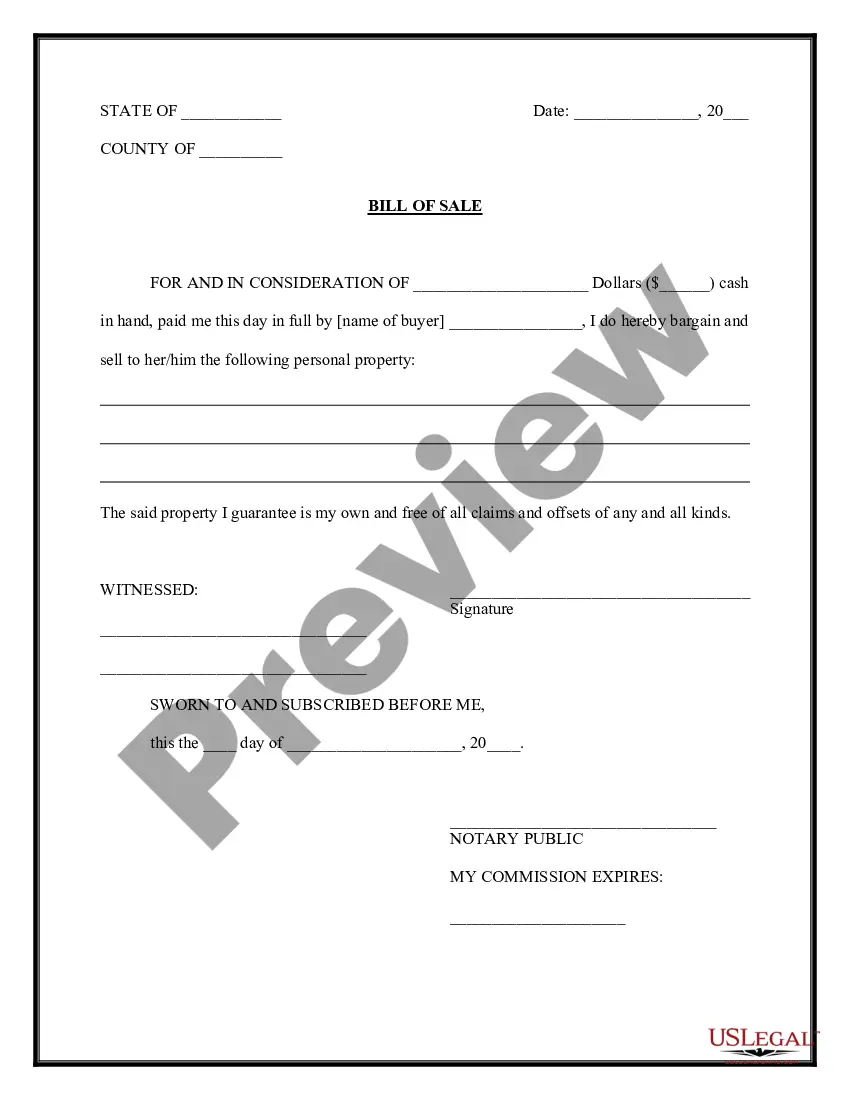
Although it isn't legally required, it's highly recommended when selling a car in Texas as it protects both parties. Here's what should be included in the Bill of Sale: Date of sale: The exact date when the sale takes place. Seller details: Full name and address of the seller.
Texas does not require a bill of sale except for bonded titles. The seller will need to provide you the original title for the car, signed as appropriate front and back. There will need to be no lienholders shown anywhere on the title, such as a bank, car note lender, etc.
Yes, Texas recognizes handwritten bills of sale as valid, as long as they contain all the necessary information and are signed by both the buyer and the seller.
To transfer a Texas titled vehicle, bring in or mail the following to our offices: Texas title, signed and dated by the seller(s) and buyer(s). VTR-130U (Application for Texas title), signed and dated by the seller(s) and buyer(s). Proof of insurance in the buyer's name. Acceptable form of ID. Proof of inspection. Fees.
Sign over the motorcycle's title and include the date of sale and odometer reading. Fill out the Application for Texas Title and Registration (Form 130-U) within 30 days of the date of the motorcycle sale. File a Vehicle Transfer Notification (optional but recommended to protect the seller)
Even though it is not a legal requirement in Texas, you have every reason to complete a bill of sale when selling your car.
Yes, Texas recognizes handwritten bills of sale as valid, as long as they contain all the necessary information and are signed by both the buyer and the seller. However, using a typed or printed document is generally more legible and professional.
A valid Texas bill of sale needs clear identification of the buyer and seller. Names, addresses, and contact details for both parties must be included. It should provide a comprehensive description of the item sold, including make, model, year, and unique identifiers like VIN for vehicles.
That might get you to wonder if a handwritten bill of sale is legally binding. Handwritten bills of sale are indeed contractual agreements — so long as they have the right elements.
