Requirements For Proposal In Massachusetts
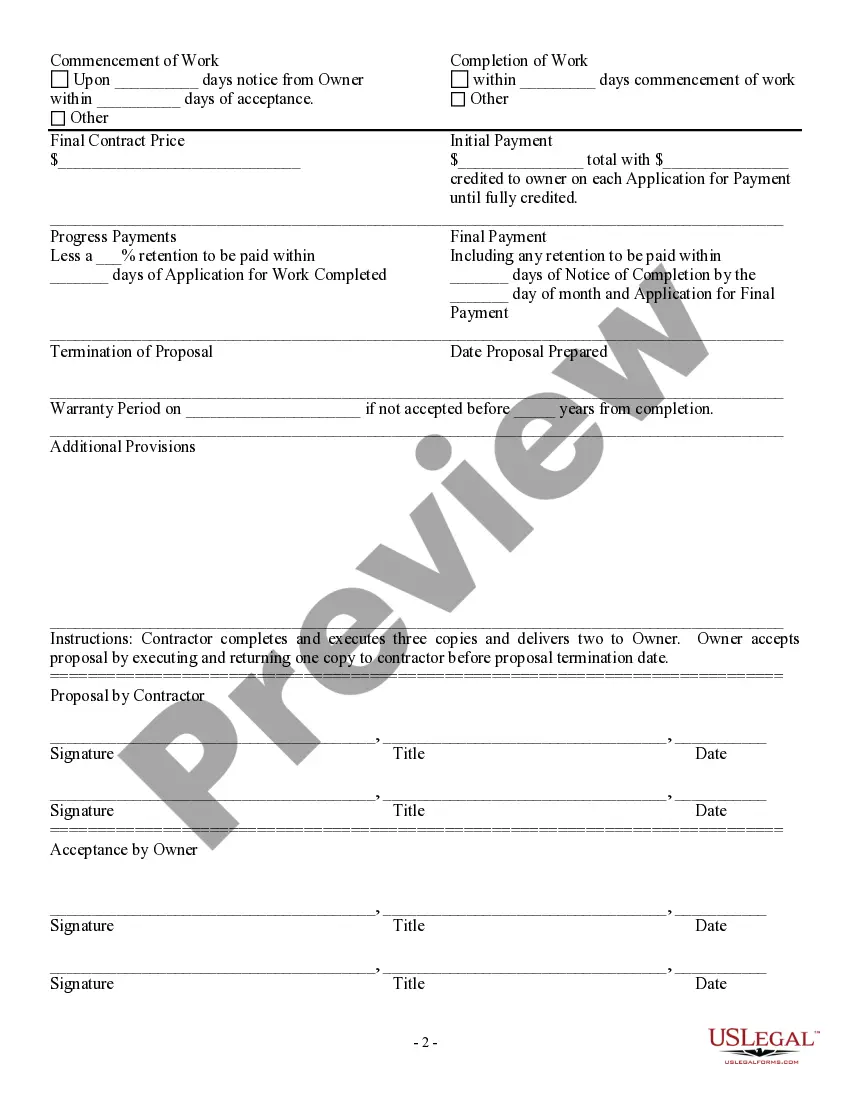
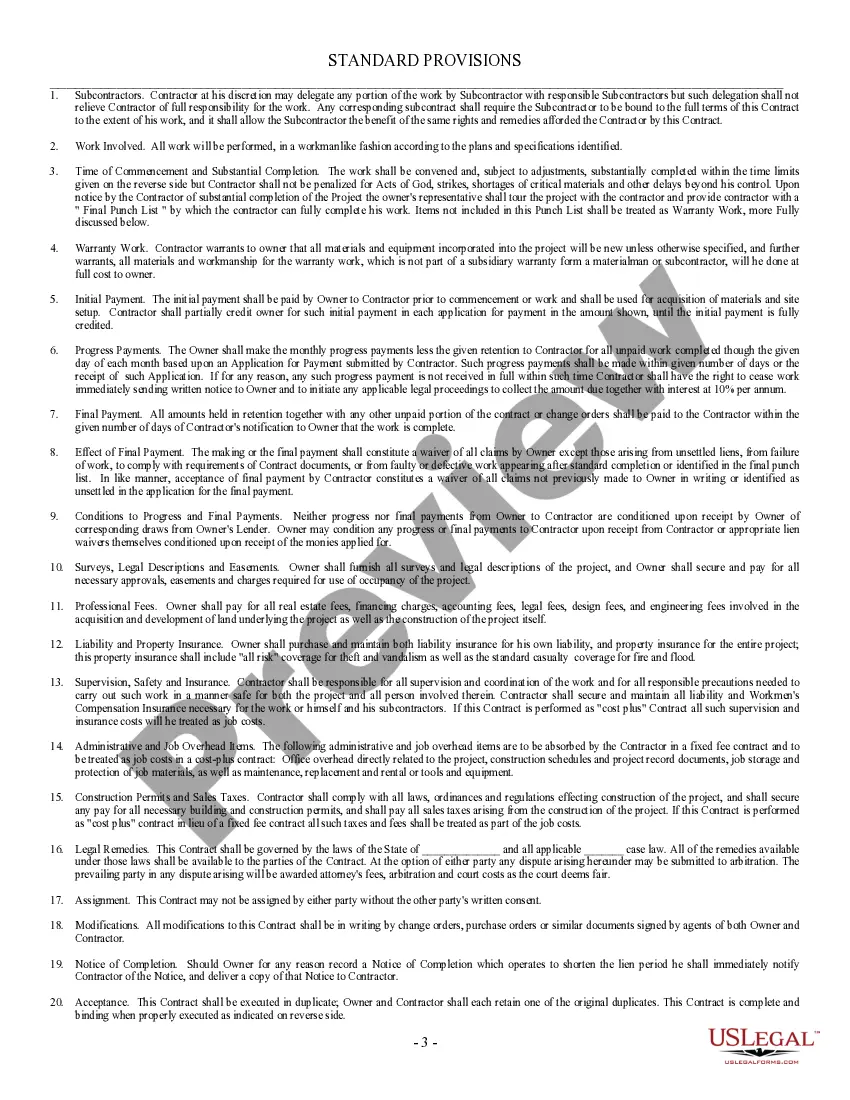
Description








Form popularity
FAQ
How to write an RFP that will get a response Define your project and needs. Write an introduction. Explain your company's and project's history. Describe your project's requirements. Explain how vendors should respond. Outline your selection criteria. Note your timelines. Proofread and revise your RFP.
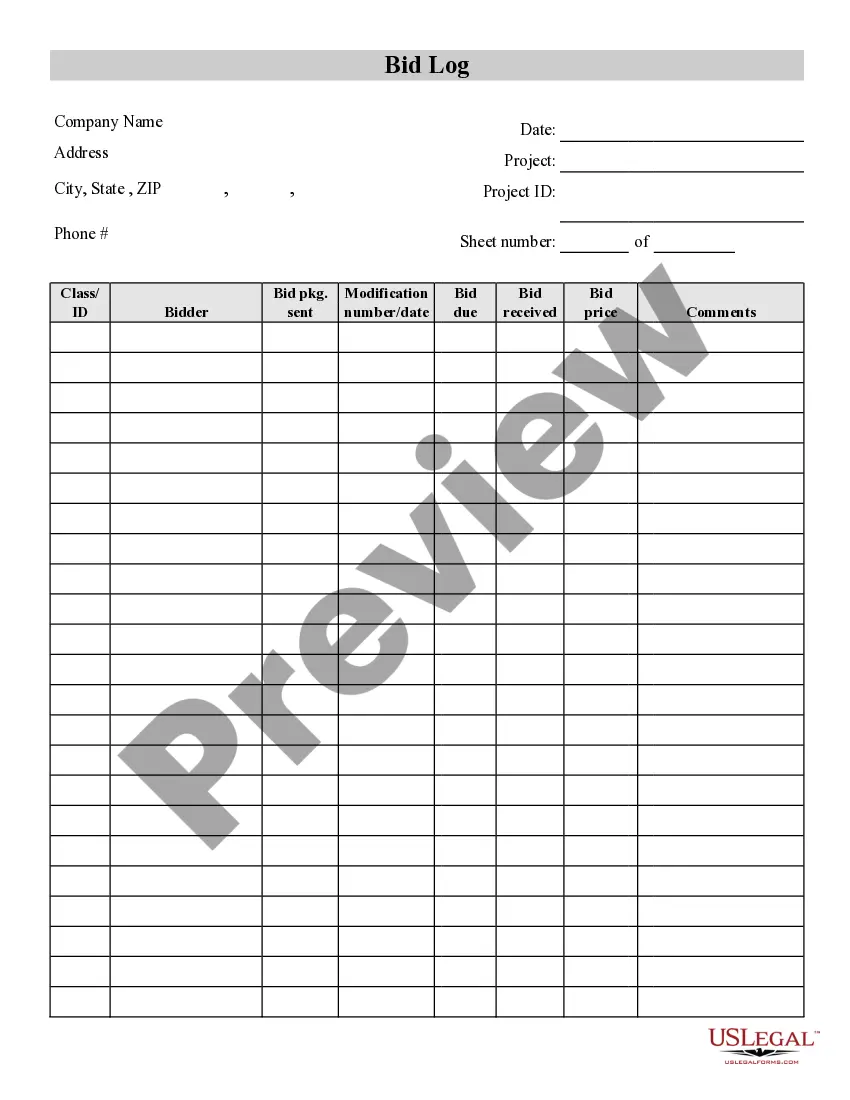
Filed-Sub-Bids and Filed-Sub-Sub-Bids, if necessary, are required for projects over $150,000.
Filed-Sub-Bids and Filed-Sub-Sub-Bids, if necessary, are required for projects over $150,000.
Sub-bid means the bid submission of a subcontractor, made by writing and signing a sub-bid on a form provided by the Department of Administrative Services and providing such form to a general contractor or another subcontractor pursuant to part II of chapter 60 of the general statutes; Sample 1Sample 2.
Although RFPs can be written differently, all RFPs should include the following key elements: Project needs, goals, and scope. Project timeline, including whether the deadline is flexible or not. Potential concerns or roadblocks for the project, including any specific challenges for the contractors to solve.
What are the 7 Steps in the RFP Process? Discovery: Defining the Business Case. Requirements Gathering: Understanding Business Needs. Create and Issue RFP. Vendor Comparison. Shortlisting Best-fit Solution Vendors. Demos and Decision-making. Selecting the Right Software Vendor.
The RFP must include, at a minimum: sufficient information to enable an effective competitive bidding process, including a description of the applicant's service needs and the scope of the project and network costs (if applicable); the period during which bids will be accepted; and.
5 steps to an ideal RFP process. Step 1: Identify stakeholders. The selection step of the RFP process isn't a one-person show. Step 2: Create a project plan and scope. Step 3: Prepare your RFP document. Step 4: Review and evaluate RFP responses. Step 5: Contract negotiation. Frequently asked questions.
All contractors, partnerships, and corporations that solicit, bid on, or perform residential contracting as a contractor or subcontractor on an existing one to four unit owner occupied residential property in Massachusetts must be registered as a Home Improvement Contractor (HIC).