Cohabitation Agreement For Unmarried Partners In Wayne
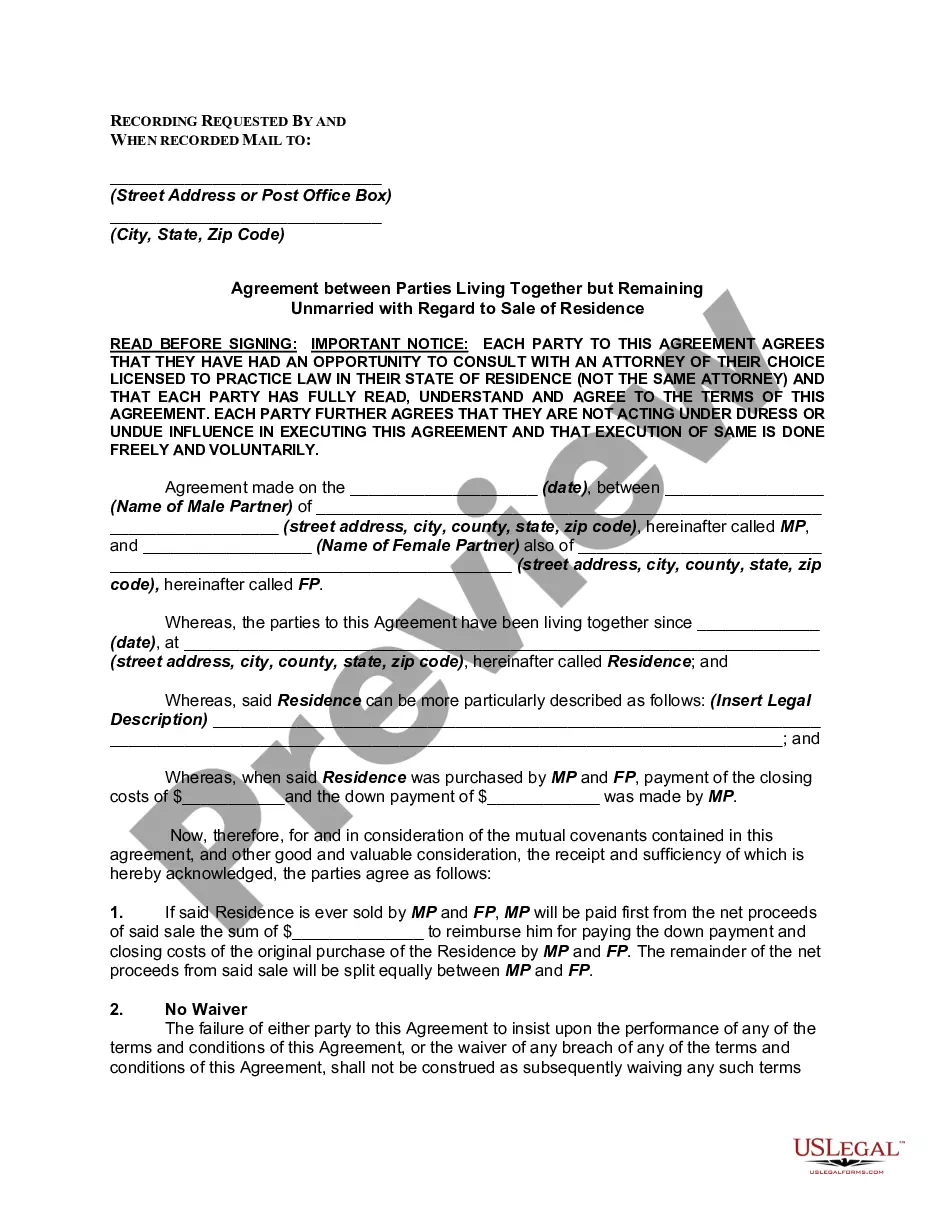
Description

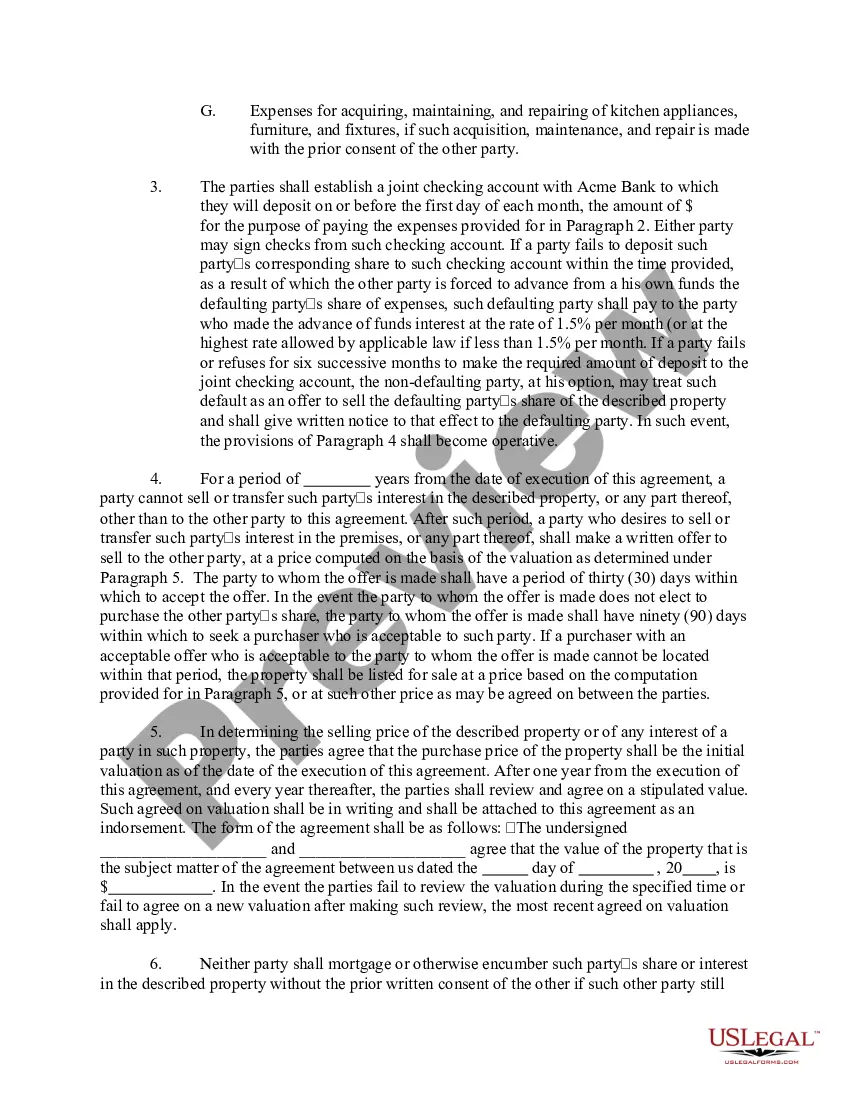
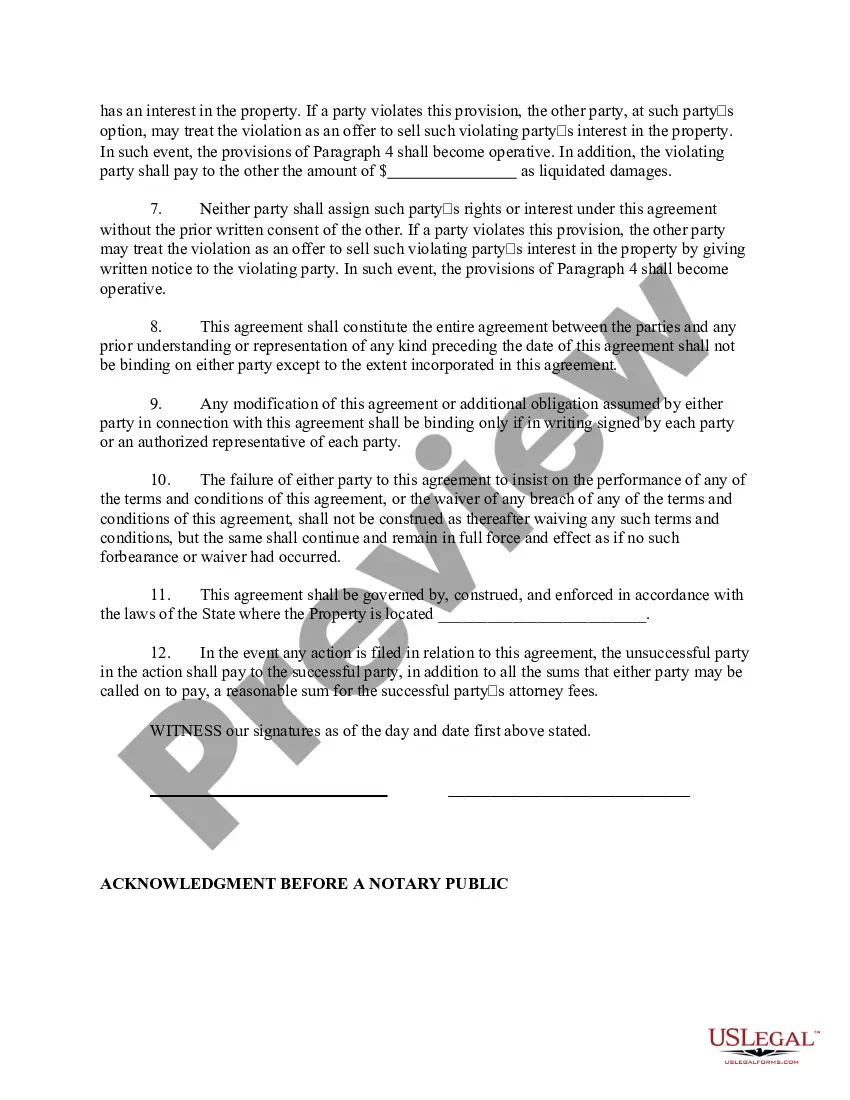
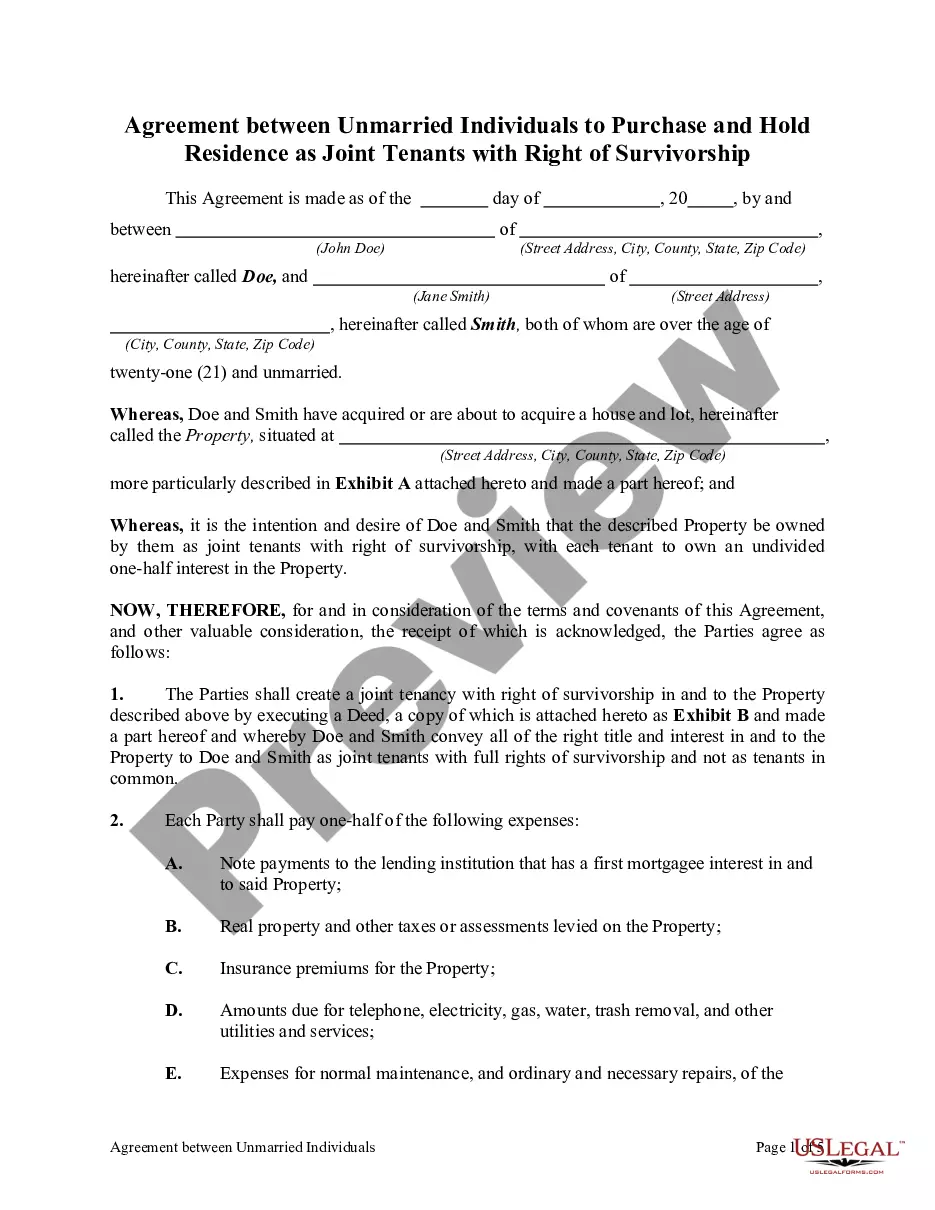
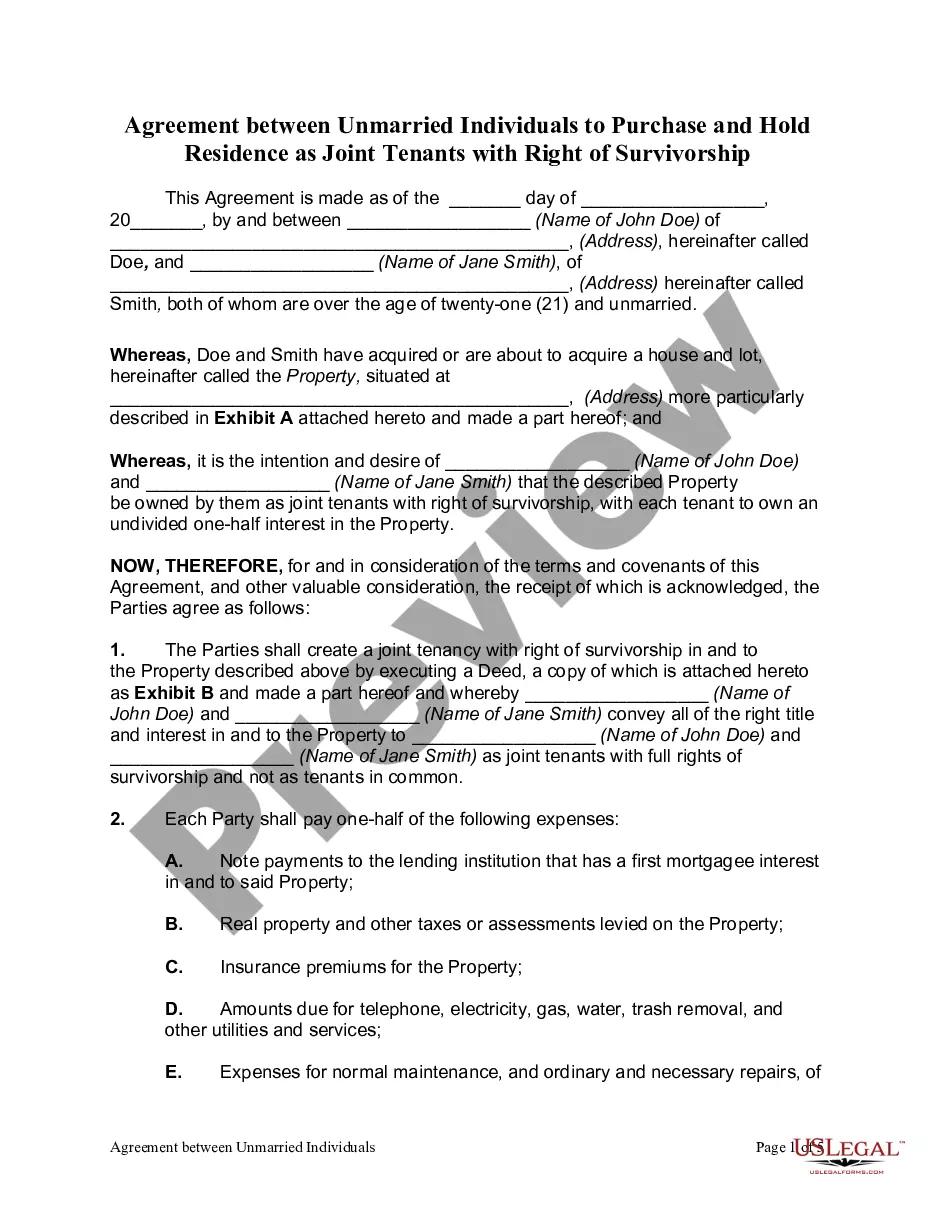
Get your form ready online
Our built-in tools help you complete, sign, share, and store your documents in one place.
Make edits, fill in missing information, and update formatting in US Legal Forms—just like you would in MS Word.
Download a copy, print it, send it by email, or mail it via USPS—whatever works best for your next step.
Sign and collect signatures with our SignNow integration. Send to multiple recipients, set reminders, and more. Go Premium to unlock E-Sign.
If this form requires notarization, complete it online through a secure video call—no need to meet a notary in person or wait for an appointment.
We protect your documents and personal data by following strict security and privacy standards.
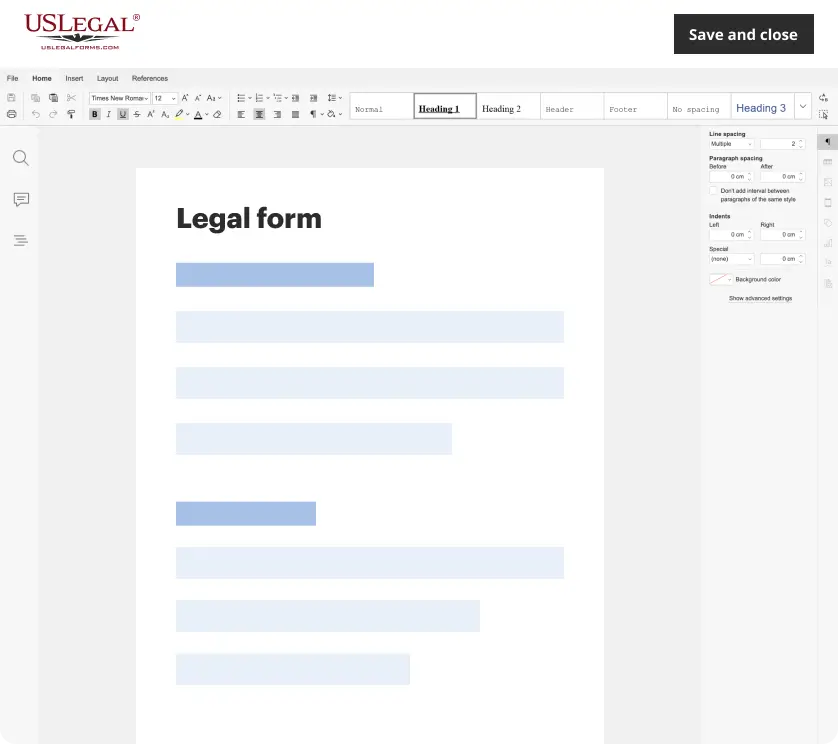
Make edits, fill in missing information, and update formatting in US Legal Forms—just like you would in MS Word.
Download a copy, print it, send it by email, or mail it via USPS—whatever works best for your next step.
Sign and collect signatures with our SignNow integration. Send to multiple recipients, set reminders, and more. Go Premium to unlock E-Sign.

If this form requires notarization, complete it online through a secure video call—no need to meet a notary in person or wait for an appointment.
We protect your documents and personal data by following strict security and privacy standards.
Looking for another form?



Form popularity
FAQ
Cohabitation agreements resemble prenuptial agreements. Like a prenup, a cohabitation agreement is a contract that establishes rules for property division, financial responsibilities, and other matters. Some couples feel that a cohabitation agreement takes the "romance" or spontaneity out of their relationship.
Yes, it is perfectly legal to draft your own cohabitation agreement with your partner. However, it's important to understand the benefits of having this agreement drafted by an attorney.
Casper and Bianchi (2002) proposed four cohabitation types, essentially introducing one more distinction within the prelude to marriage type: (a) alternative to marriage, (b) precursor to marriage, (c) trial marriage, and (d) coresidential dating.
She will only have any rights to the house if you form some form of legal relationship or it can be proven that she has knowingly made a substantial investment in the house such as contributing to a deposit or paying for renovations.
Casper and Bianchi (2002) proposed four cohabitation types, essentially introducing one more distinction within the prelude to marriage type: (a) alternative to marriage, (b) precursor to marriage, (c) trial marriage, and (d) coresidential dating.
As long as you and your ex can agree on how to divide up your assets, there is no need to involve lawyers or the court system. Even if children are involved, in most states you have the opportunity to separate in private, ing to whatever arrangements the two of you agree on.
To draft a cohabitation agreement, outline key financial responsibilities, property ownership, and terms of separation. Both partners should disclose assets, debts, and expectations. It is highly recommended to consult a lawyer to ensure the agreement is legally binding and enforceable.
You declare the legal cohabitation together with your partner or cohabitant before the registrar of births, deaths, and marriages. The declaration contains the following information: date of the declaration. surname, first names, place and date of birth, signature of both parties.
How do I write a Cohabitation Agreement? General details. You'll need to provide some basic information, such as. Expenses. If you'd like, you can specify how you'll divide household expenses. Assets. You can list the assets that each party owns and keeps separate. Debt. Children. Final details.
Proof of Residence: Documents such as lease contracts, joint bank statements, utility bills (electricity, water, internet, cable), or other correspondence addressed to both or either party at the same residential address can support the claim of cohabitation.
