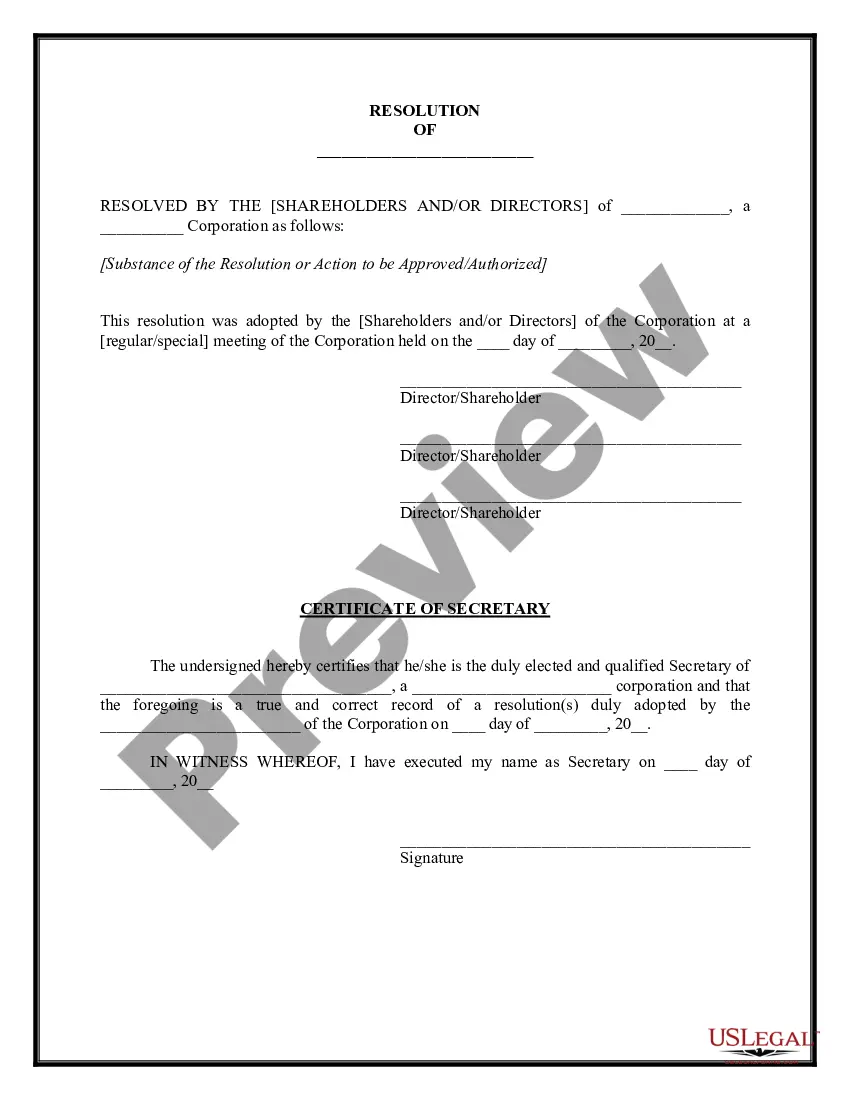
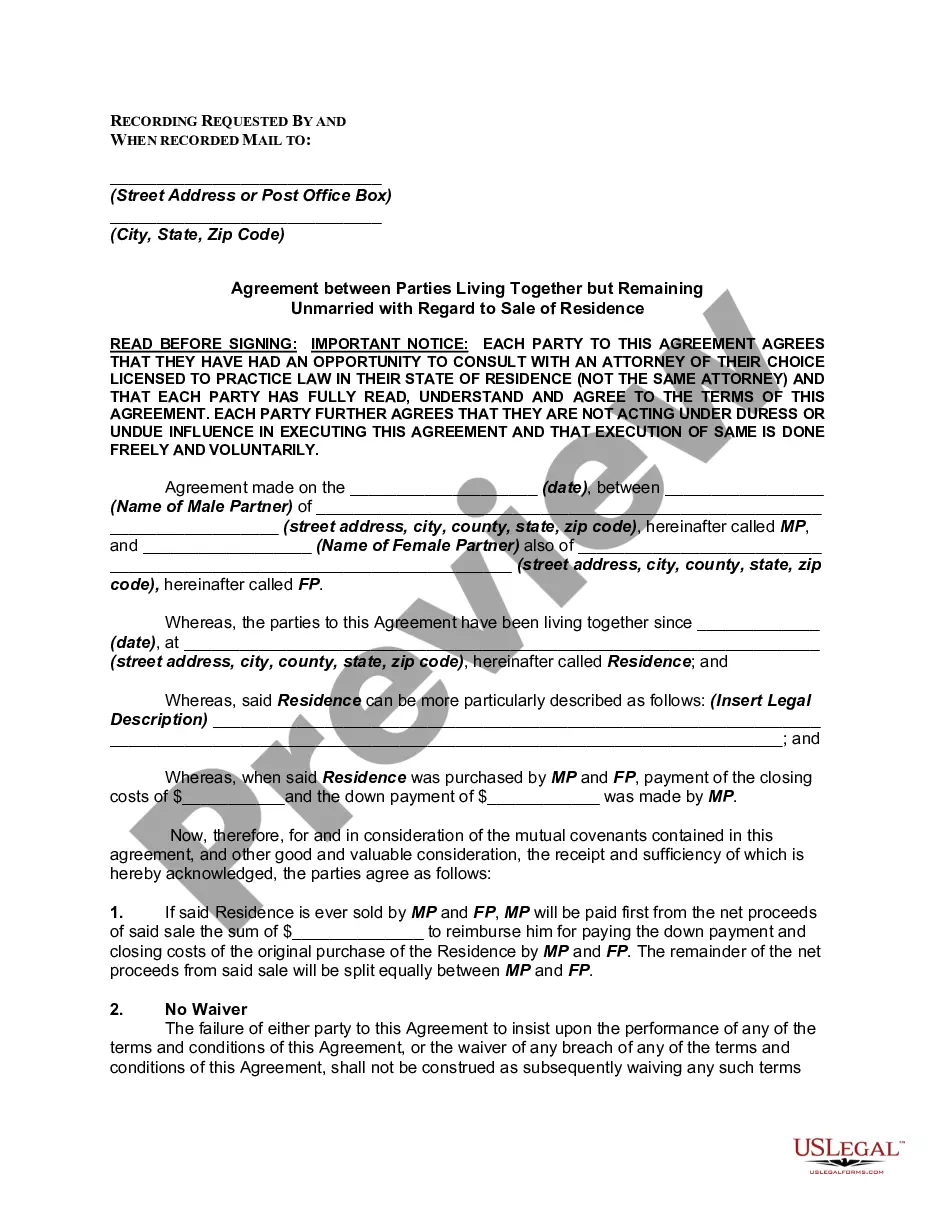
Agreement Unmarried With Child In Wayne
Description


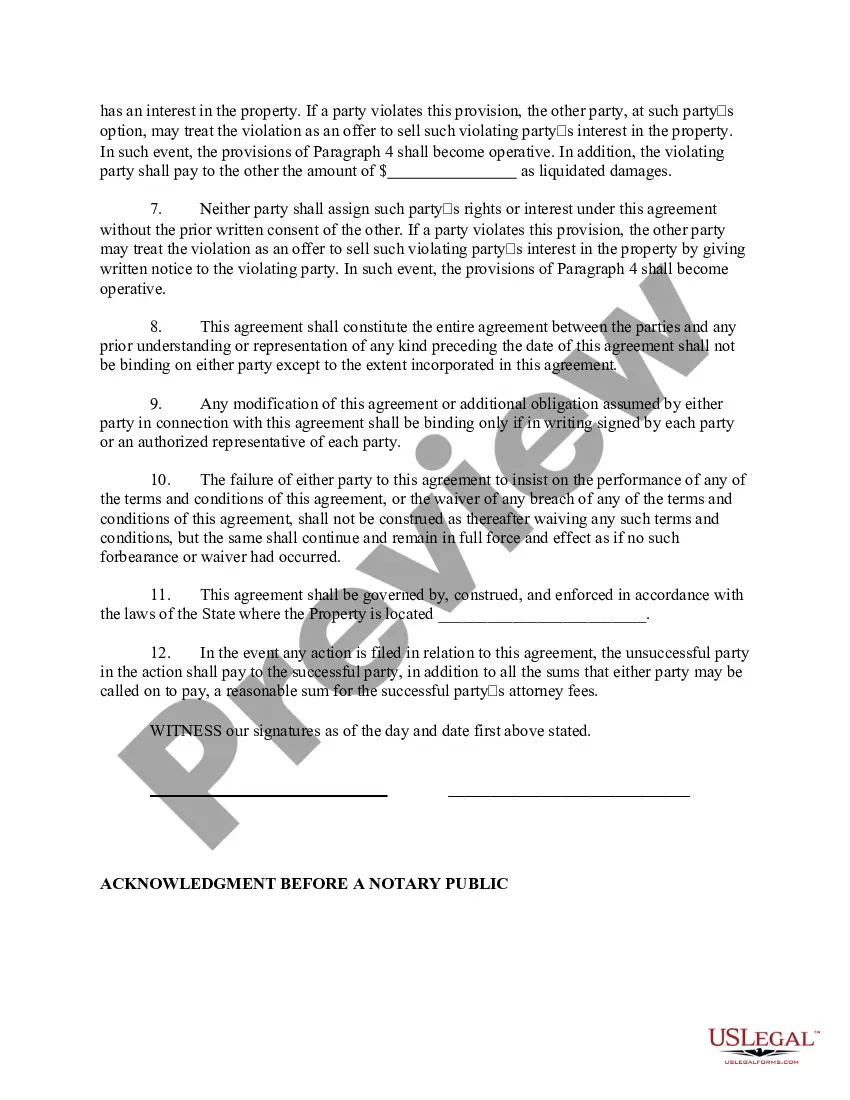
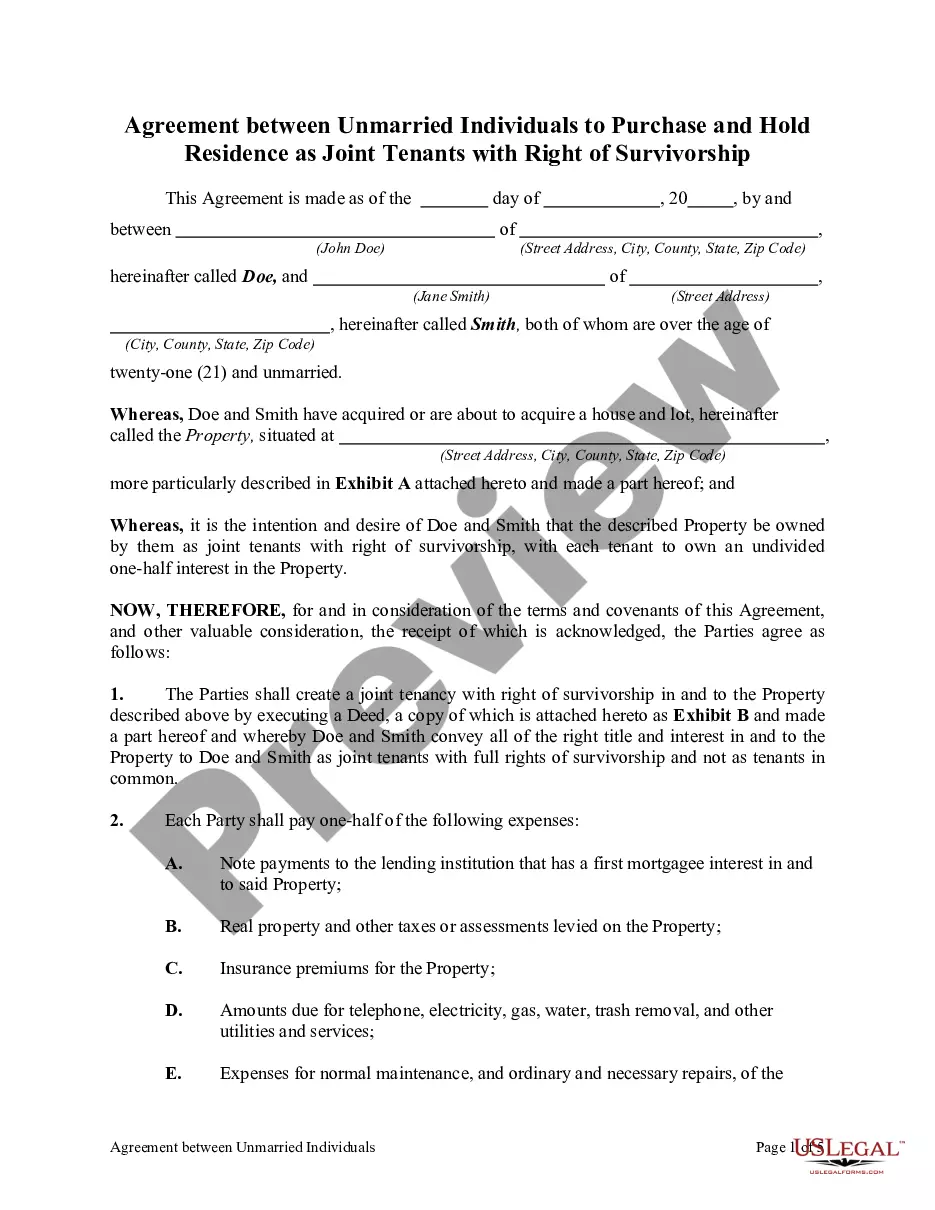
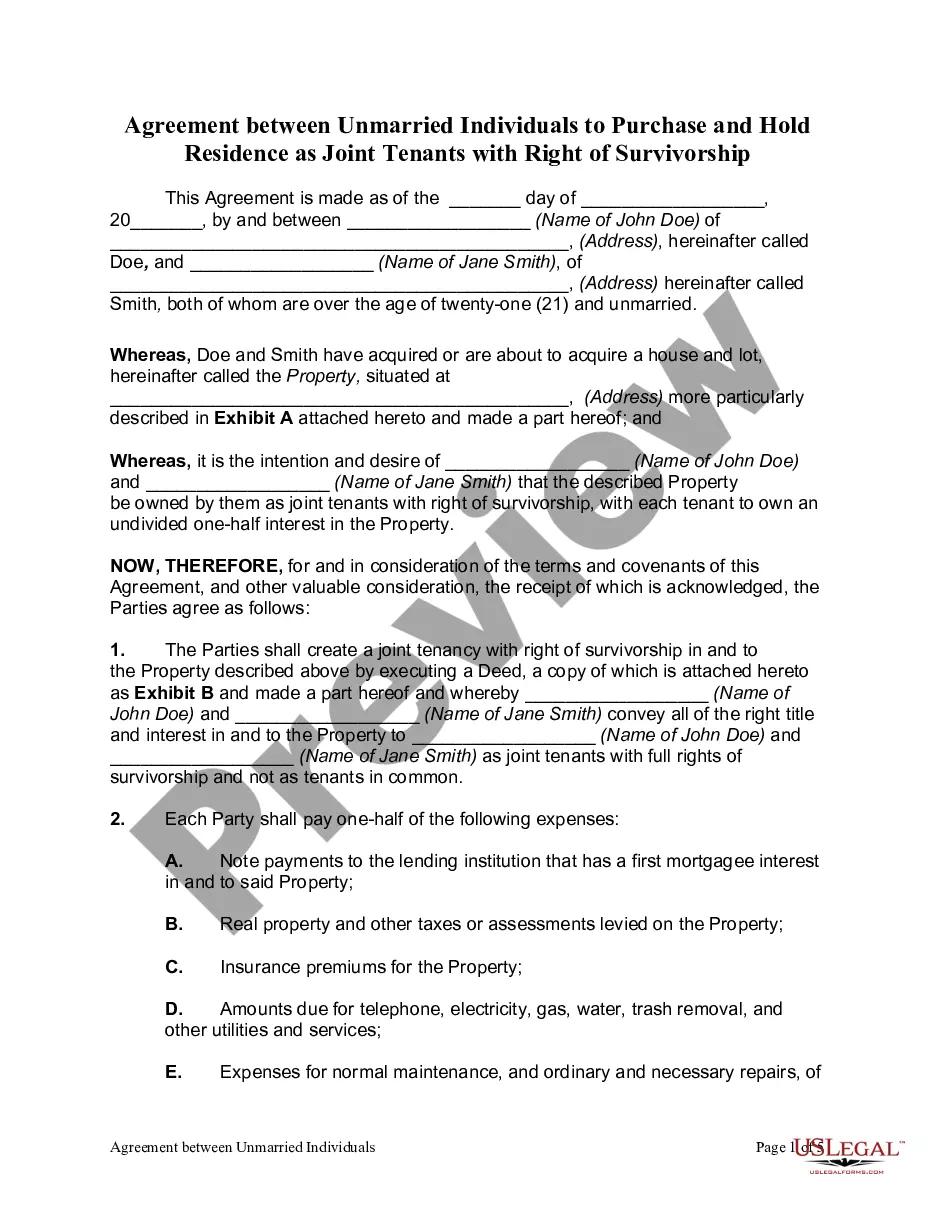
Get your form ready online
Our built-in tools help you complete, sign, share, and store your documents in one place.
Make edits, fill in missing information, and update formatting in US Legal Forms—just like you would in MS Word.
Download a copy, print it, send it by email, or mail it via USPS—whatever works best for your next step.
Sign and collect signatures with our SignNow integration. Send to multiple recipients, set reminders, and more. Go Premium to unlock E-Sign.
If this form requires notarization, complete it online through a secure video call—no need to meet a notary in person or wait for an appointment.
We protect your documents and personal data by following strict security and privacy standards.

Make edits, fill in missing information, and update formatting in US Legal Forms—just like you would in MS Word.

Download a copy, print it, send it by email, or mail it via USPS—whatever works best for your next step.
Sign and collect signatures with our SignNow integration. Send to multiple recipients, set reminders, and more. Go Premium to unlock E-Sign.

If this form requires notarization, complete it online through a secure video call—no need to meet a notary in person or wait for an appointment.

We protect your documents and personal data by following strict security and privacy standards.
Looking for another form?
Form popularity
FAQ
Custody Battle Blunders: Top 10 Mistakes To Avoid Negative Speech About The Other Parent. Seeking Sympathy From The Child. Poor Communication With The Other Parent. Unjustifiably Withholding Access With The Other Parent. Misrepresenting Substance Abuse. Separating Siblings In Blended Families.
The number one priority should be the health and well-being of your child. A father who has been the child's primary caretaker has a better chance of getting full custody. The court prefers to minimize change for the child and is more likely to place them with the parent they're most familiar with.
Mothers historically have won more custody battles due to traditional roles and perceptions of mothers as the primary caregivers. However, this trend is changing as courts increasingly focus on the best interests of the child, considering many factors beyond traditional roles.
Michigan Custody Laws for Unmarried Parents Child custody laws are slightly different for unmarried parents. For instance, unless a father obtains a custody order, primary custodial rights to the child will remain with the mother regardless of paternity or whether or not there's an Affidavit of Parentage.
Consider the following 10 ways to prove your case. Prepare a parenting plan. Keep track of your parenting time. Maintain a journal to show you meet parenting duties. Keep a log of child-related expenses. Get reliable child care. Ask others to testify on your behalf. Show that you're willing to work with the other parent.
Typically, judges will award both parents joint (or shared) legal custody, which means that they will have to agree about those decisions. Physical custody refers to where the child lives. Typically, one parent has primary physical custody, while the other parent has regular visitation.
Mothers historically have won more custody battles due to traditional roles and perceptions of mothers as the primary caregivers. However, this trend is changing as courts increasingly focus on the best interests of the child, considering many factors beyond traditional roles.
In Michigan, if the parents were not married when the child was born, the mother has initial sole custody until a court order says otherwise.